One Month After Apple's Leadership Shakeup: Its October Launch Event Is Approaching, And A New Round Of Internal Restructuring Is Underway.
Apple is ushering in an October that is completely different from the "Cook Era".
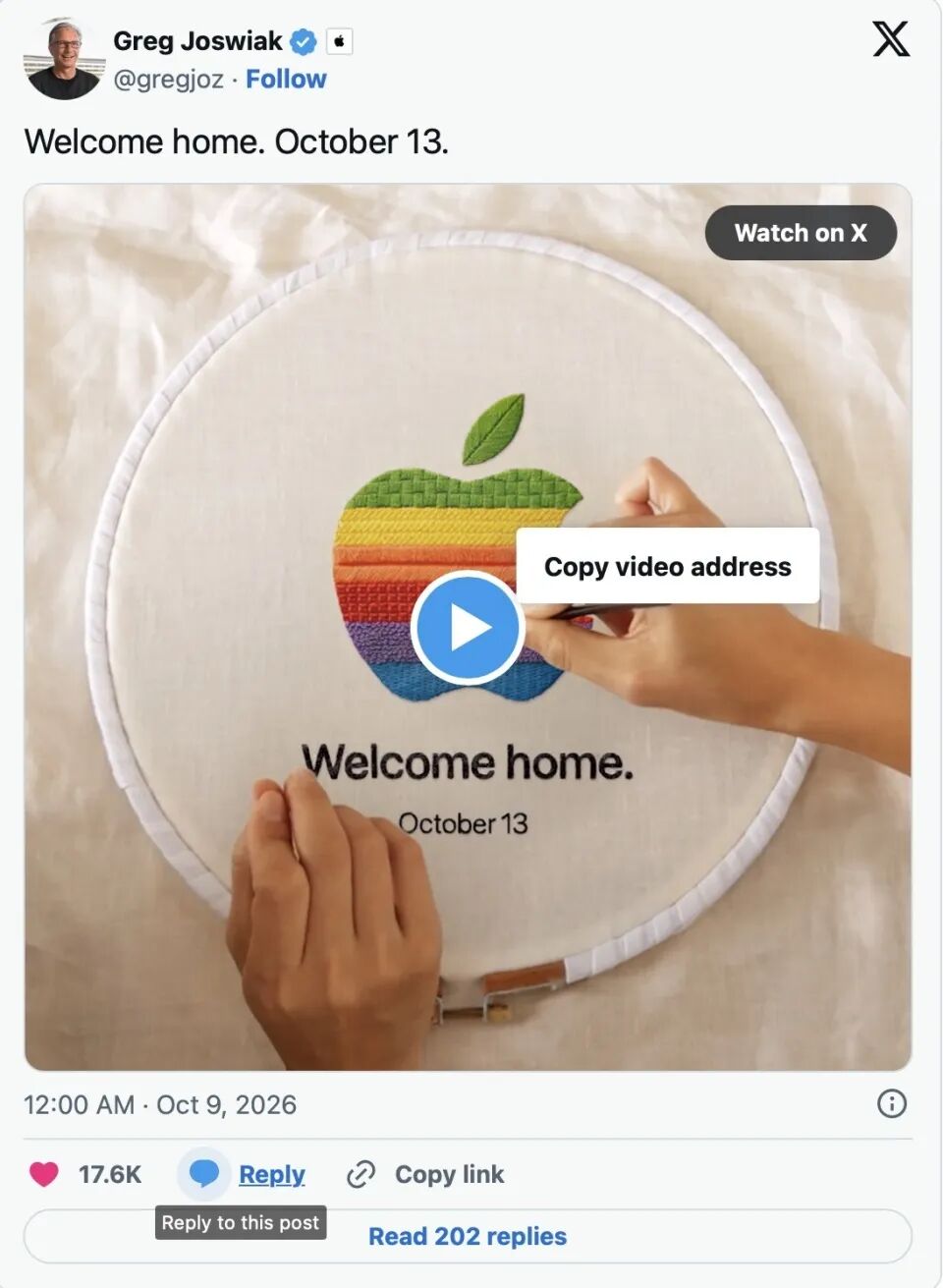
On October 8 local time in the United States, Apple officially announced that it will hold a special event themed "Welcome Home" in New York at 9 a.m. Eastern Time on October 13, and smart home products are expected to be the highlight of the event.
Around October 27, Apple is also expected to launch a new round of hardware products such as Mac and iPad, among which the most anticipated one is the first touch-screen MacBook Pro.
The intensive product launches are the established implementation of Apple's hardware planning, and behind this, the company's management mechanism and organizational structure are also embracing new changes. With new CEO John Ternus at the helm of Apple, the company's product release rhythm, division of senior executives' responsibilities, and collaboration methods between design and engineering teams are all being restructured simultaneously.
For Apple, a company long known for stable iteration and strict confidentiality, October may become an important window to observe the strategic orientation of the new management: on the one hand, it will expand the smart home business and explore the combination of AI and hardware, and on the other hand, it will promote the internal organization to transform towards a leaner structure that places more emphasis on execution efficiency.
01. Betting on the Smart Home Track
Apple's marketing head Greg Joswiak posted a preview on social platform X, in which Apple's classic rainbow logo is sewn into the fabric, and the words "Welcome home. October 13" finally appear. This theme has also drawn the public's attention to Apple's smart home product line.
Different from the previous form that relied too much on pre-recorded online videos from the headquarters, Apple has specially set up an on-site experience session for the event on October 13. This has also made the public pay more attention to the actual interactive experience of new products and how Apple will demonstrate its new home ecosystem.
According to previously disclosed information, the highlight of Apple's event this time may be a brand-new smart home hub device. The internal code name of this product is reportedly J490, and the public also calls it Home Hub or HomePad.
It is reported that it will be equipped with a square screen of about 6 inches, running a new operating system built for home scenarios, which is commonly referred to as homeOS, with the Siri voice assistant as the core interactive entrance.
This device tries to fill the gap between iPad and HomePod, and integrates functions such as smart device control, calendar management, video playback and FaceTime calls into a fixed home terminal.
It is reported that combined with cameras and human presence sensors, the device can also identify family members and display personalized content for different users. Apple is reportedly preparing two forms, a wall-mounted version and a desktop version. The latter is equipped with a hemispherical speaker base, and its design is reminiscent of the classic iMac G4. Previous news estimated that its selling price may be around 350 US dollars.
In addition to the smart home hub, Apple may also update the HomePod mini and Apple TV 4K. Related rumors involve new-generation chips, N1 network chips, and support for technologies such as Wi-Fi 7, Bluetooth 6 and Thread. The HomePod mini may also add new color options such as green, pink and blue.
Apple is also reportedly planning to strengthen cooperation with enterprises such as LG Electronics and Schneider Electric to expand products including smart doorbells, door locks, thermostats and indoor cameras. This means that Apple may no longer be limited to its own hardware, but try to expand the coverage of its smart home ecosystem through partners to compete more directly with Amazon and Google.
The real value of the smart home hub lies in establishing a unified control entrance for the Apple ecosystem, and centrally presenting the operations and information displays that were previously scattered on devices such as iPhone, iPad and Apple TV. However, whether this hardware solution can be established depends crucially on the AI capability of Siri. If the upgraded Siri still cannot stably realize natural cross-application commands and accurate responses, the hardware advantages such as screens and sensors cannot be fully utilized.
02. Expanding the Boundary of Hardware
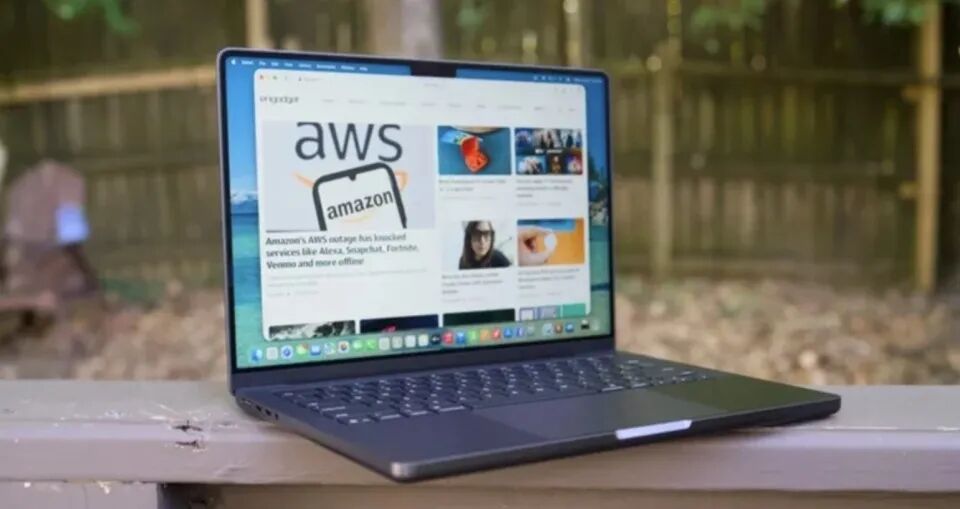
The product updates in late October will focus more on Apple's traditional computing device business.
According to previous supply chain and media reports, Apple may launch a new round of Mac and iPad products around October 27, but the specific release form and date remain to be confirmed.
The most anticipated one is the rumored first touch-screen MacBook Pro, and some sources call it MacBook Ultra. Apple has long adhered to the notebook interaction method with keyboard and trackpad as the core, and the management previously also held a reserved attitude towards touch-screen notebooks.
With the gradual popularization of touch screens in the PC market and the continuous improvement of users' expectations for cross-device interaction, whether Apple will change this product strategy has become the focus of public attention.
It is reported that the internal code name of this high-end notebook is K114/K116, which is expected to adopt an OLED screen and may introduce the Dynamic Island interaction design derived from iPhone. Related rumors also involve M5 Pro and M5 Max chips, as well as a thinner and lighter body design.
If it is finally launched, the significance of the touch-screen MacBook will not be limited to a hardware upgrade, but also means that Apple needs to rethink the interaction logic of macOS. Touch operations have different requirements for button size, window management, gesture recognition and application adaptation. How to add touch capabilities without weakening the efficiency of traditional desktop operations will become the core test of product design.
Another product that has attracted attention is the new generation iPad mini. Previous sources said that Apple is introducing an OLED display for it, and adjusting the camera position, speaker system and waterproof design. If these changes are confirmed, the iPad mini will usher in a relatively large update.
In addition, Apple's Mac product line may also continue to be adjusted. According to relevant sources, some Mac products will usher in new-generation chip upgrades. However, the specific models covered by the M6 chip, the release time, and the upgrade arrangements between the Mac mini, entry-level MacBook Pro and iMac still need to be further verified, and it is not appropriate to combine rumors of different product lines into a confirmed release plan.
From the smart home hub to the touch-screen Mac, and then to the OLED iPad mini, Apple is trying to cover more usage scenarios through a more flexible product update strategy. Compared with simply stacking the number of new products, whether these products can form a closer connection with the operating system, AI capabilities and service ecosystem is the core that drives the growth of user experience and hardware demand.
03. Continuous Adjustment of Management Structure
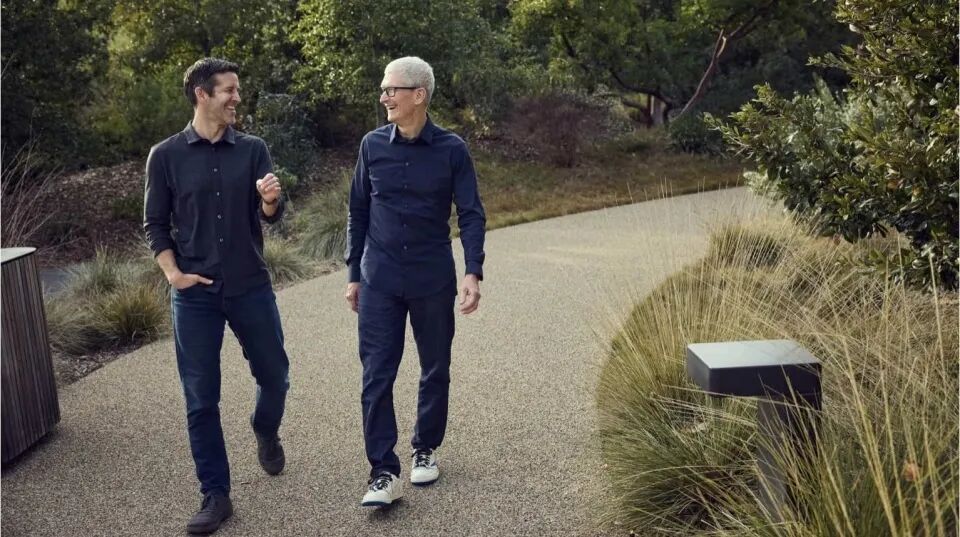
While the hardware product line is advancing steadily, the adjustment of Apple's internal management structure is also unfolding quietly.
Compared with Cook, who is better at supply chain management and operation, Ternus, who has many years of hardware engineering experience, is devoting more energy to product development, design decision-making and engineering execution.
According to foreign media reports, after taking office, Ternus has been extensively involved in the decision-making of the industrial design and human-computer interaction teams, and the actual degree of involvement has far exceeded the engineering review in the traditional sense. After Jony Ive left his job in 2019, Apple's design team was once in the charge of Jeff Williams, then COO. After Williams retired in 2025, the management relationship of the design team was adjusted again, and Ternus had already begun to take more design management responsibilities before succeeding as CEO.
Now, the industrial design team led by Molly Anderson and the human-computer interaction interface design team led by Steve Lemay have both established a direct communication mechanism with the CEO.
Ternus's engineering background is the basis for this change, which helps to shorten the decision-making chain between design and technical feasibility. However, how to strike a balance between engineering feasibility, cost control and design innovation will still test Apple's future product direction.
Adjustments to the senior management structure and engineering departments are also being carried out in an all-round way. Adrian Perica, who has been in charge of mergers and acquisitions for more than ten years, has handed over his position to Steve Smith, and the M&A team has been reclassified to the finance department; Carson Oliver has been promoted to vice president to take charge of the App Store business; at the engineering level, the hardware engineering department is streamlining project management positions, and the Siri, Vision Pro and AI teams are also carrying out resource integration to compress management levels and improve decision-making efficiency.
In addition to organizational restructuring, Apple's R&D and release mechanisms are also undergoing fundamental changes. According to reports, Ternus wants to weaken Apple's reliance on the traditional fixed "spring and autumn" release cycles, and shift to a more flexible product iteration and release rhythm. In addition, he is also promoting the use of AI internally to improve the efficiency of automated R&D, so as to accelerate the innovation and implementation pace of new products.
For Ternus, who has only been in office for one month, the key test in the future is to not only maintain Apple's existing hardware quality and ecological barriers, but also find new growth impetus for Apple in the AI era through this series of internal reforms.
This article is from the WeChat official account "Tencent Tech", written by Li Hailun, and published with authorization from 36Kr.