After shooting the Victoria Harbour fireworks display with my iPhone 18 Pro Max, I found that Apple's imaging approach has changed completely.
In the early hours of September 10, Apple released the iPhone Duo and 18 Pro series. Leikeji found that compared with "Apple's first foldable screen phone", the discussion popularity of the iPhone 18 Pro series is significantly much lower: Stronger chip, better heat dissipation, faster charging, smaller Dynamic Island and more powerful camera, these are basically all the updates of the 18 Pro Max.
However, after a quick hands-on experience, Leikeji found that the imaging capability of the iPhone 18 Pro series is indeed worth our in-depth discussion: different from the past product line that mainly focused on conservatism, the camera route of the iPhone 18 Pro series is obviously more radical, and even gives a feeling of "taking an unconventional path"; the addition of the variable aperture technology further makes the camera of the iPhone 18 Pro series change from the original "no obvious advantages or disadvantages" to a state where its advantages and disadvantages are equally prominent.
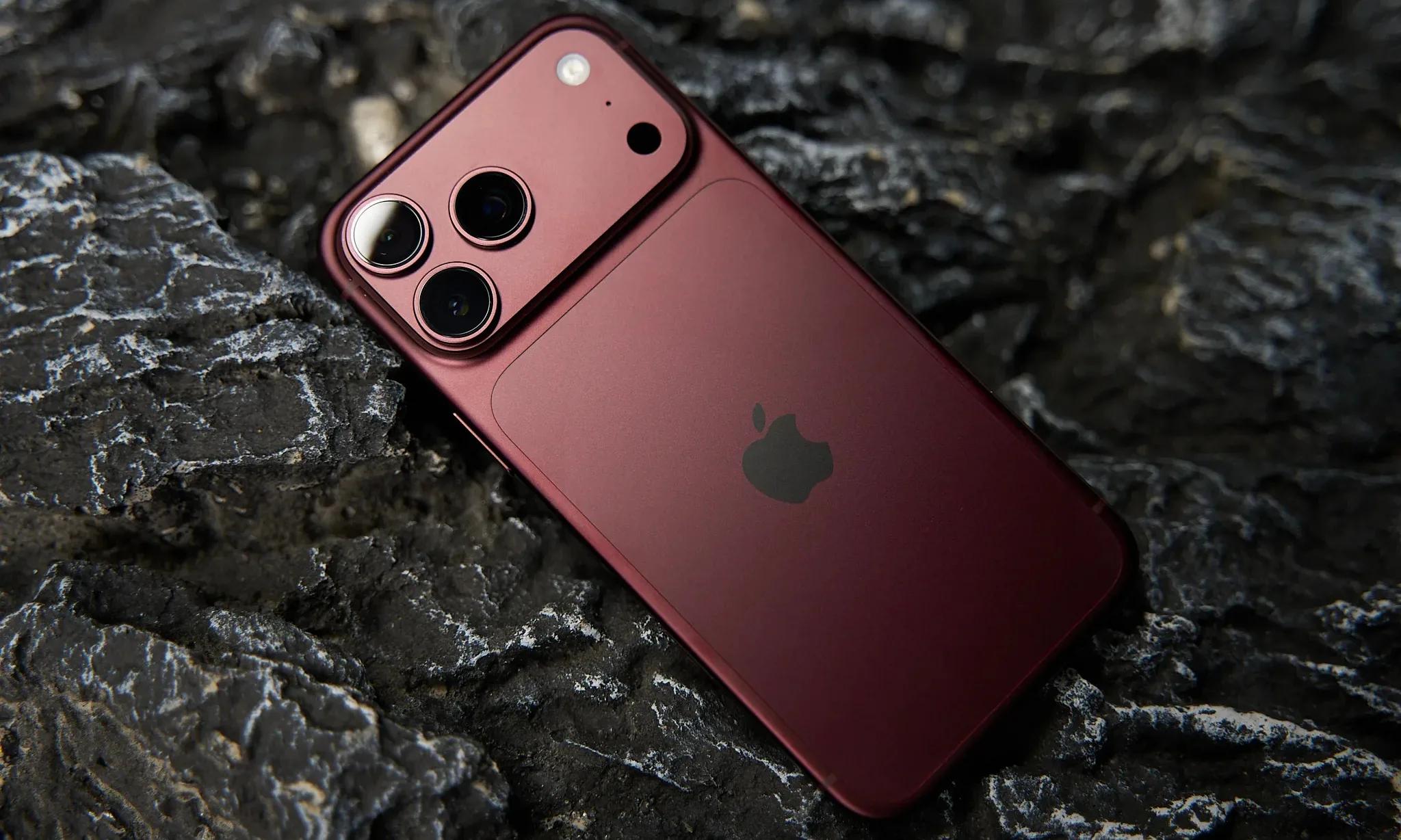
So how does this brand new camera system perform exactly? During this National Day holiday, Leikeji took a lot of photos with the iPhone 18 Pro Max. Now let's take a look at the sample shots together.
Exposure and color performance remain very stable
In terms of hardware, the rear camera of the iPhone 18 Pro Max still has three 48-megapixel sensors: the main camera has an equivalent focal length of 24mm, and its aperture can be switched between four gears: f/1.48, f/1.8, f/2.8 and f/4 (this is also the first time that iPhone allows you to manually control the aperture in the native camera app); the ultra-wide-angle camera is 13mm with a fixed f/2.2 aperture, and the telephoto camera is 100mm with a fixed f/2.8 aperture, neither of which is adjustable. The main camera and telephoto camera can also provide two additional focal lengths of 48mm (2×) and 200mm (8×) through cropping.
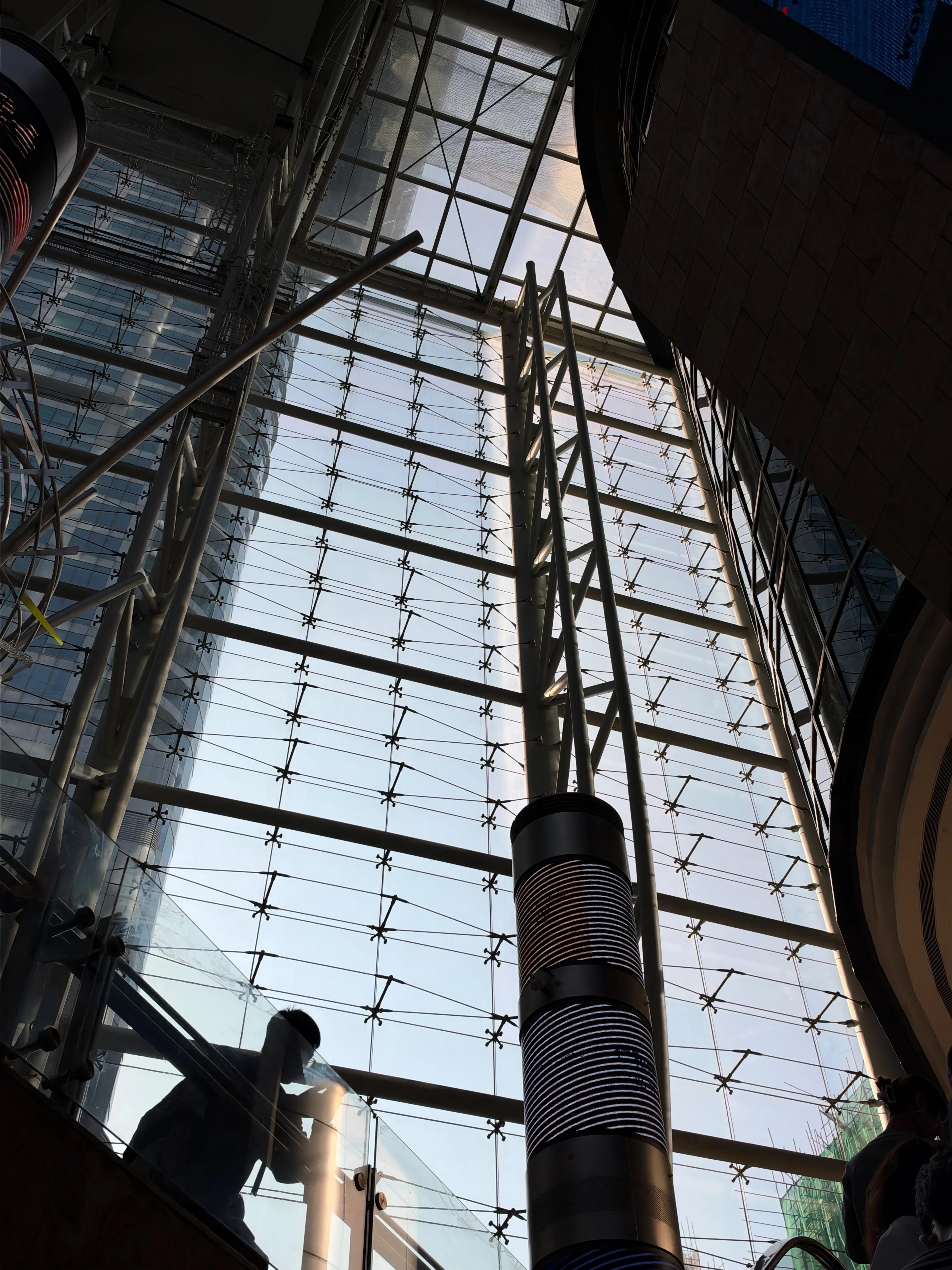
Image source: Leikeji
In most scenarios, the sample shot performance of the iPhone 18 Pro Max is as stable as ever: the picture brightness will not be artificially increased, and the saturation will not be overdone. The white of the wall is pure white, and there is no color overflow on the red car body. It is worth noting that many current Android flagships are used to making the sky look bluer and the leaves look greener, which is really pleasing at first glance, but they all look the same after watching for a long time.
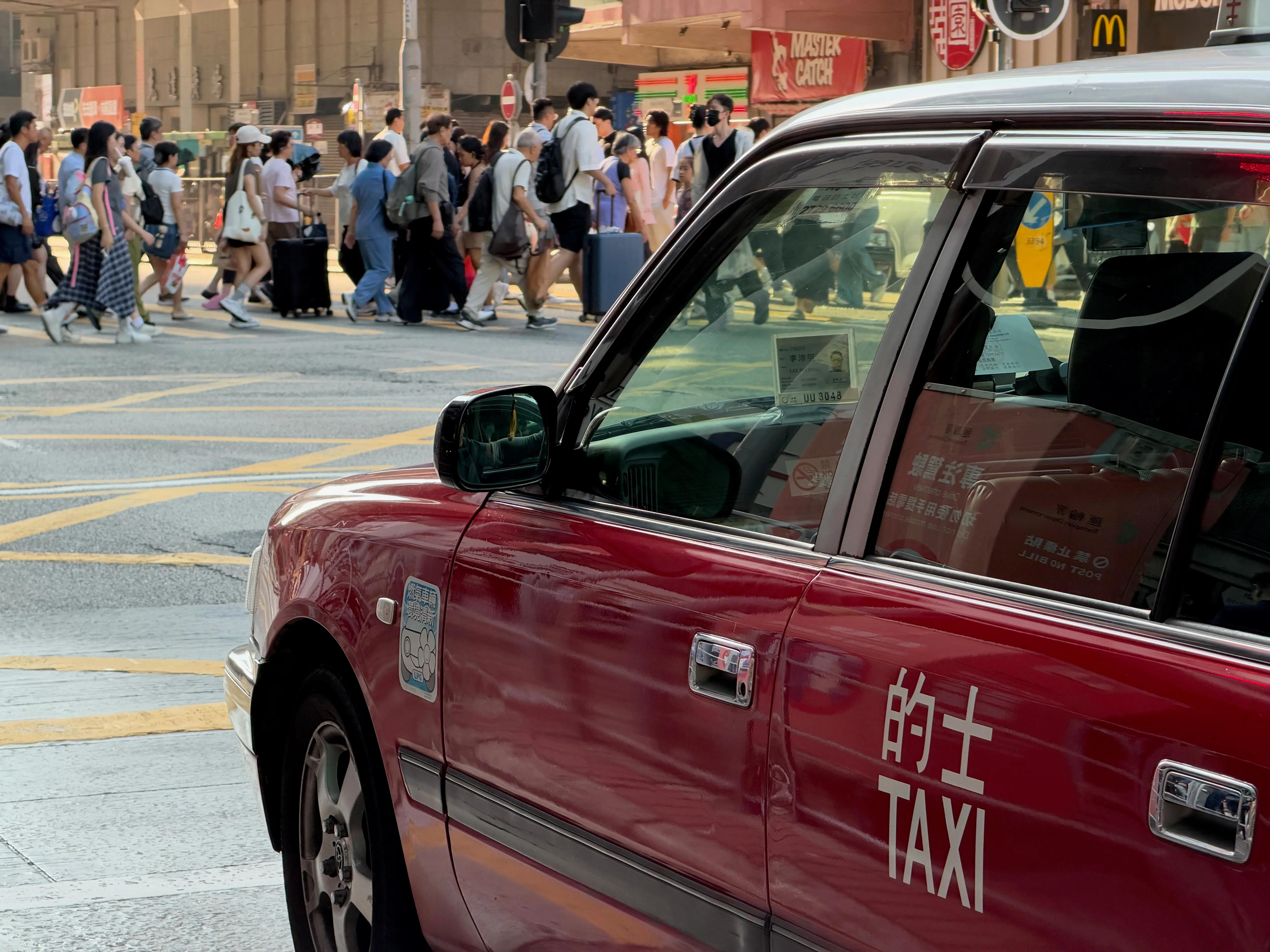
Image source: Leikeji
Of course, there is another very worry-free point for iPhone cameras: color consistency. When switching from the main camera to 4×, and then to 8×, the picture tone basically remains unchanged, the gray of the wall and the yellow of the road surface can be perfectly connected. You won't get photos with completely different colors just by switching to another focal length. For a long period of time, the color control between multiple cameras has always been the feature of iPhone that is hardest for competitors to catch up with.
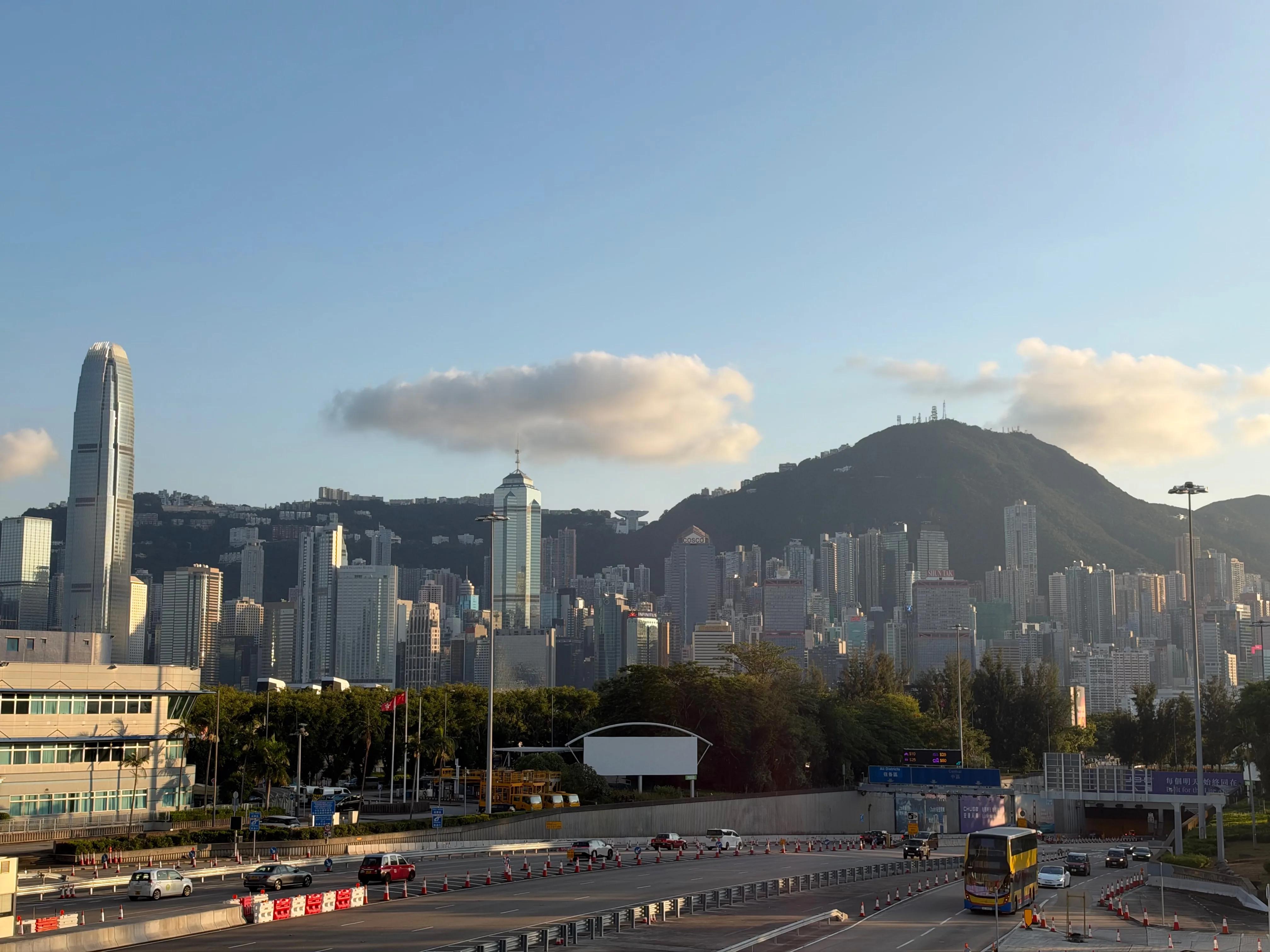
Image source: Leikeji
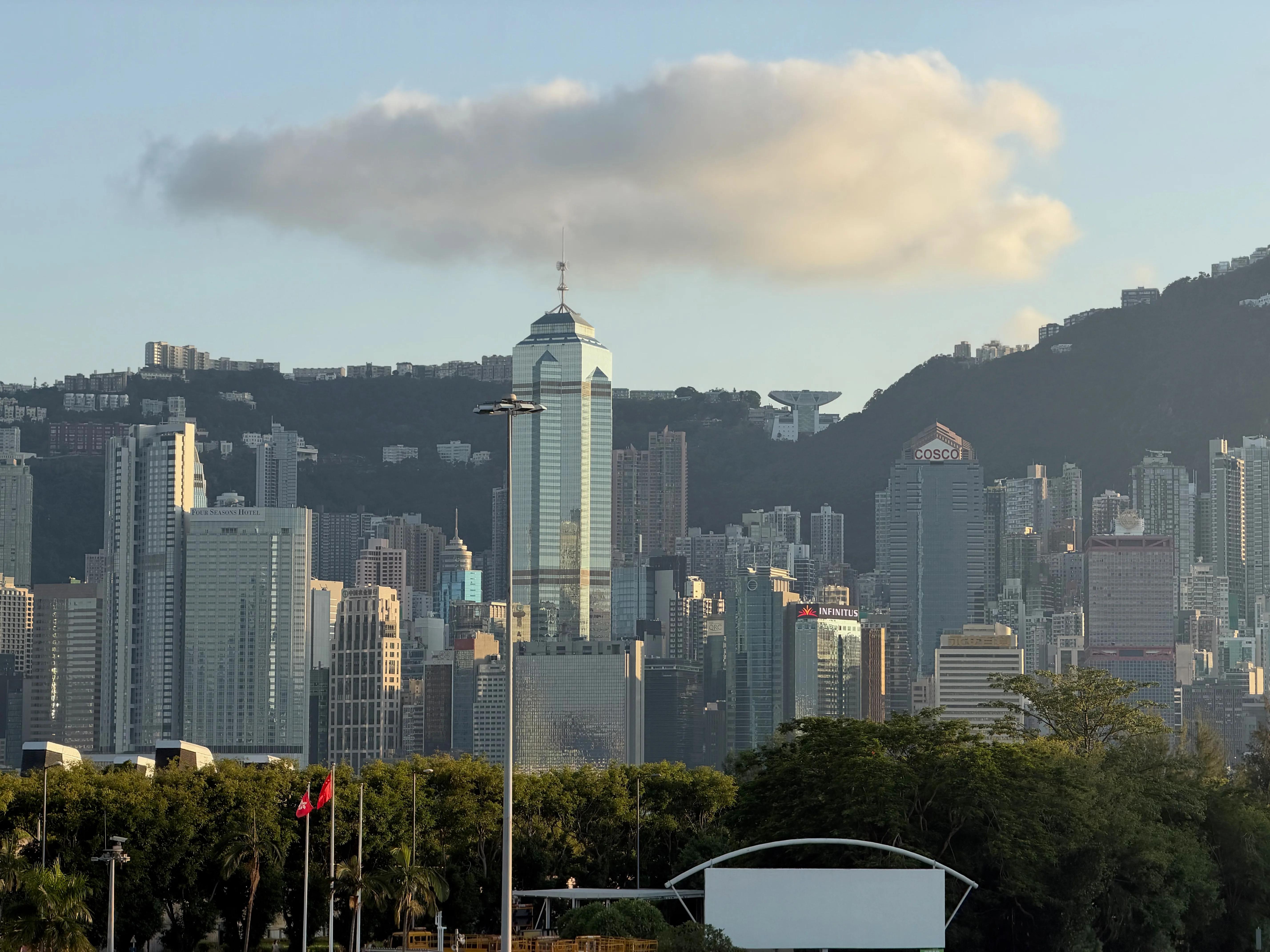
Image source: Leikeji
The performance of iPhone 18 Pro Max in high dynamic range scenarios is also very stable. Shooting from the lobby of M+ Museum to the outside of the window, the black window frames and people are compressed into silhouettes, the buildings and sky of Central outside the window still retain clear layers, the highlights are not overexposed to brighten the dark parts, and a small reflection on the IFC curtain wall is even rendered into a starburst. I took another photo with 2× main camera and the aperture closed to f/4, both foreground and background are still captured clearly.
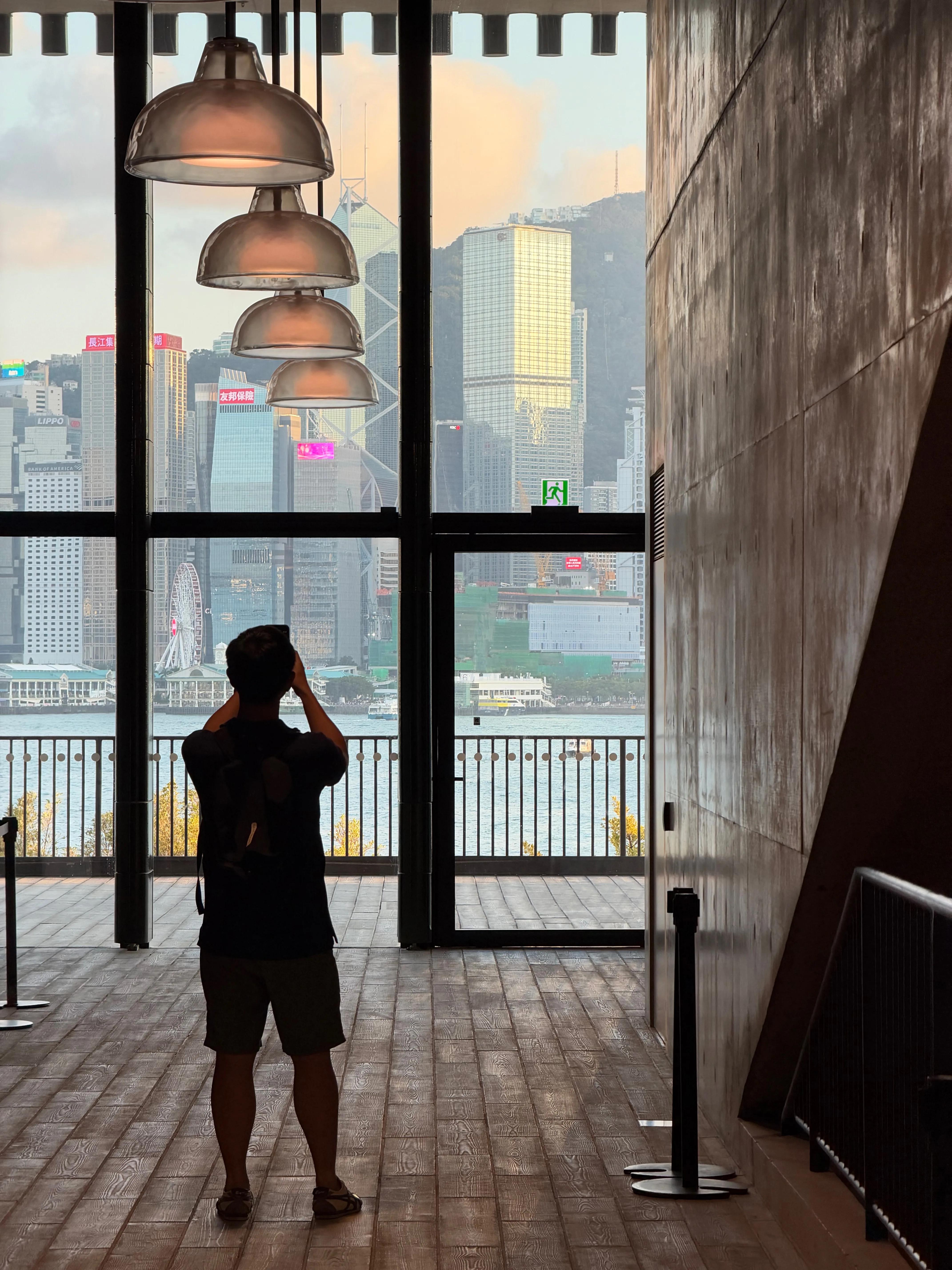
Image source: Leikeji
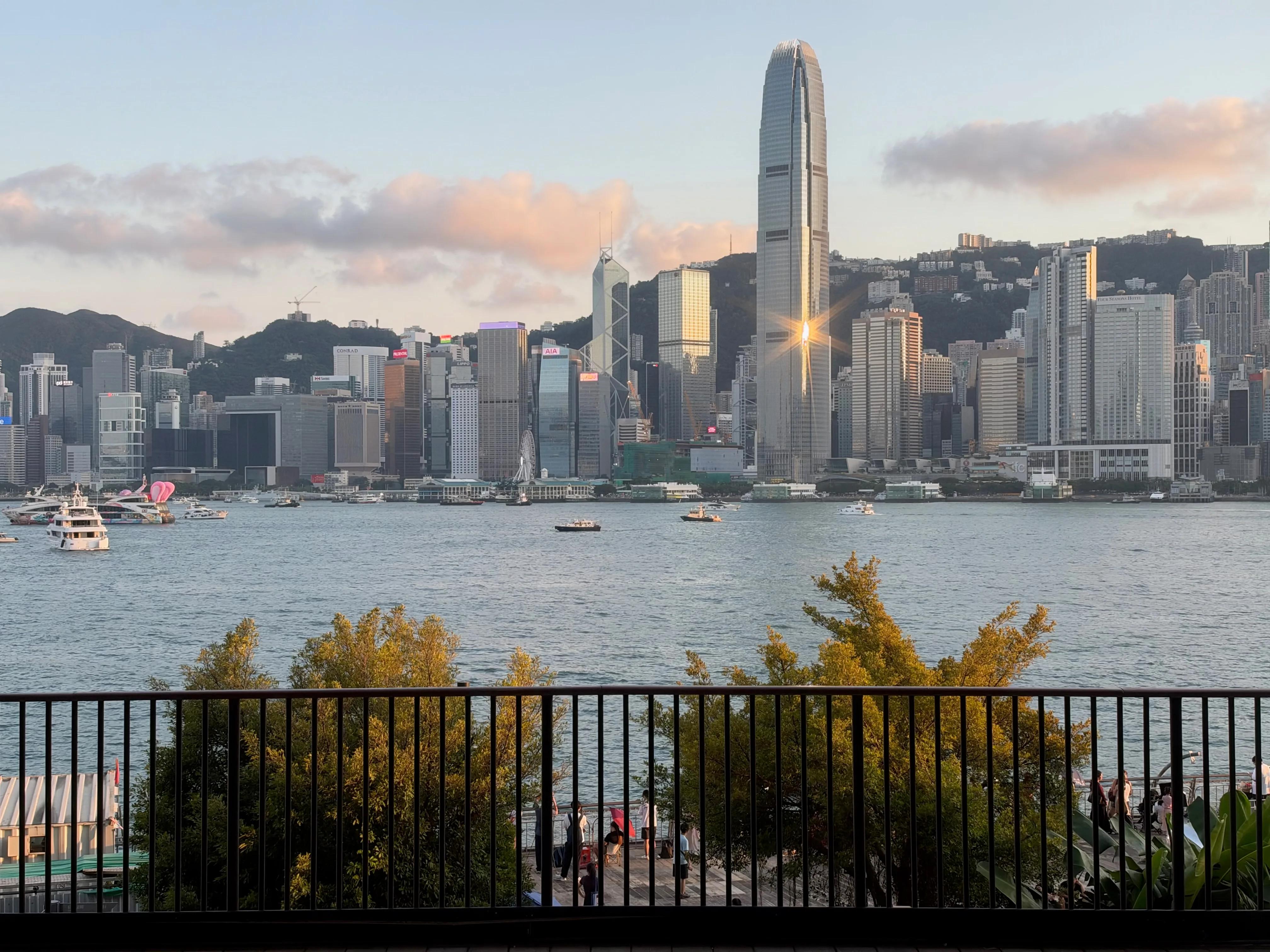
Image source: Leikeji
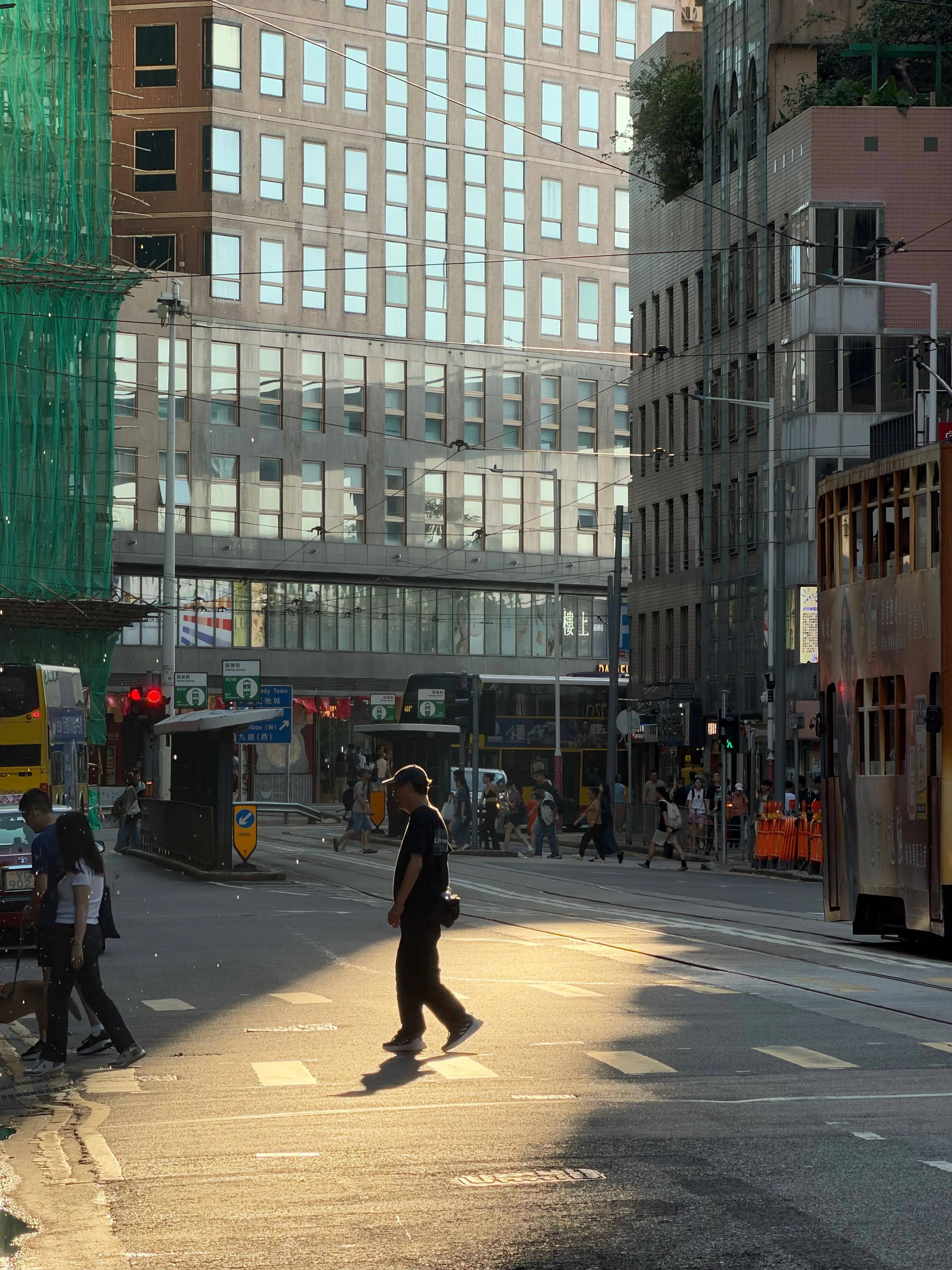
Image source: Leikeji
Speaking of high dynamic range, Leikeji also took a "classic perspective" shot outside the M+ venue, and used the "Black & White Contrast + Film" style to filter out the miscellaneous colors of the ground bricks and walls. It can be seen that the diamond-shaped skeleton of the Bank of China Tower stands out clearly in the gray tone; the pedestrians and railings in the foreground are compressed into pure black silhouettes, the dark parts are rendered deep enough without losing the details.
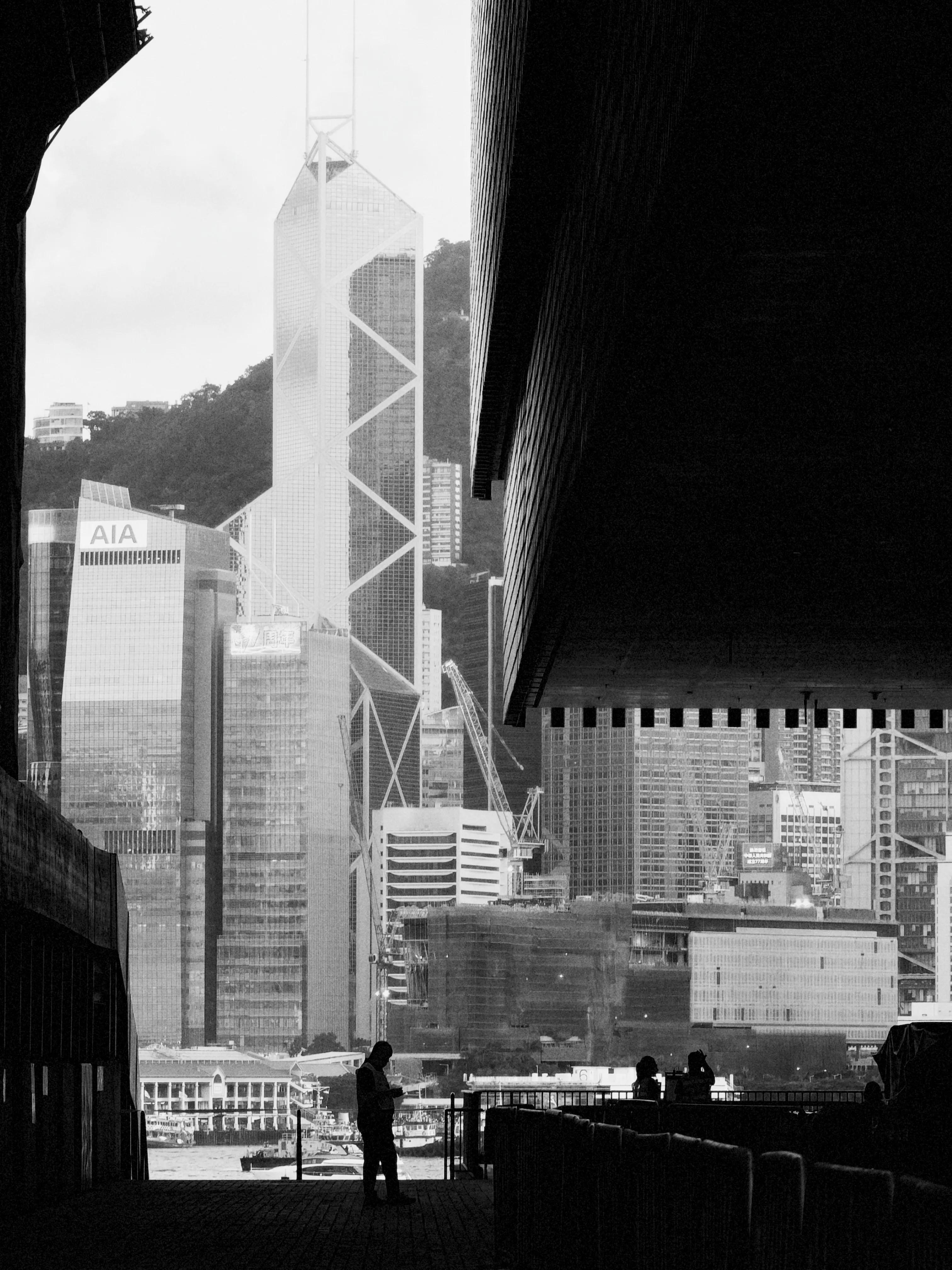
Image source: Leikeji
Since we mentioned the camera styles, Leikeji will add one more point here: in addition to the original photographic styles, iPhone 18 Pro also adds two new dimensions of texture and grain, and the texture is subdivided into multiple sub-options. This group of black and white photos taken by our team is made by stacking black and white tone with film grain.
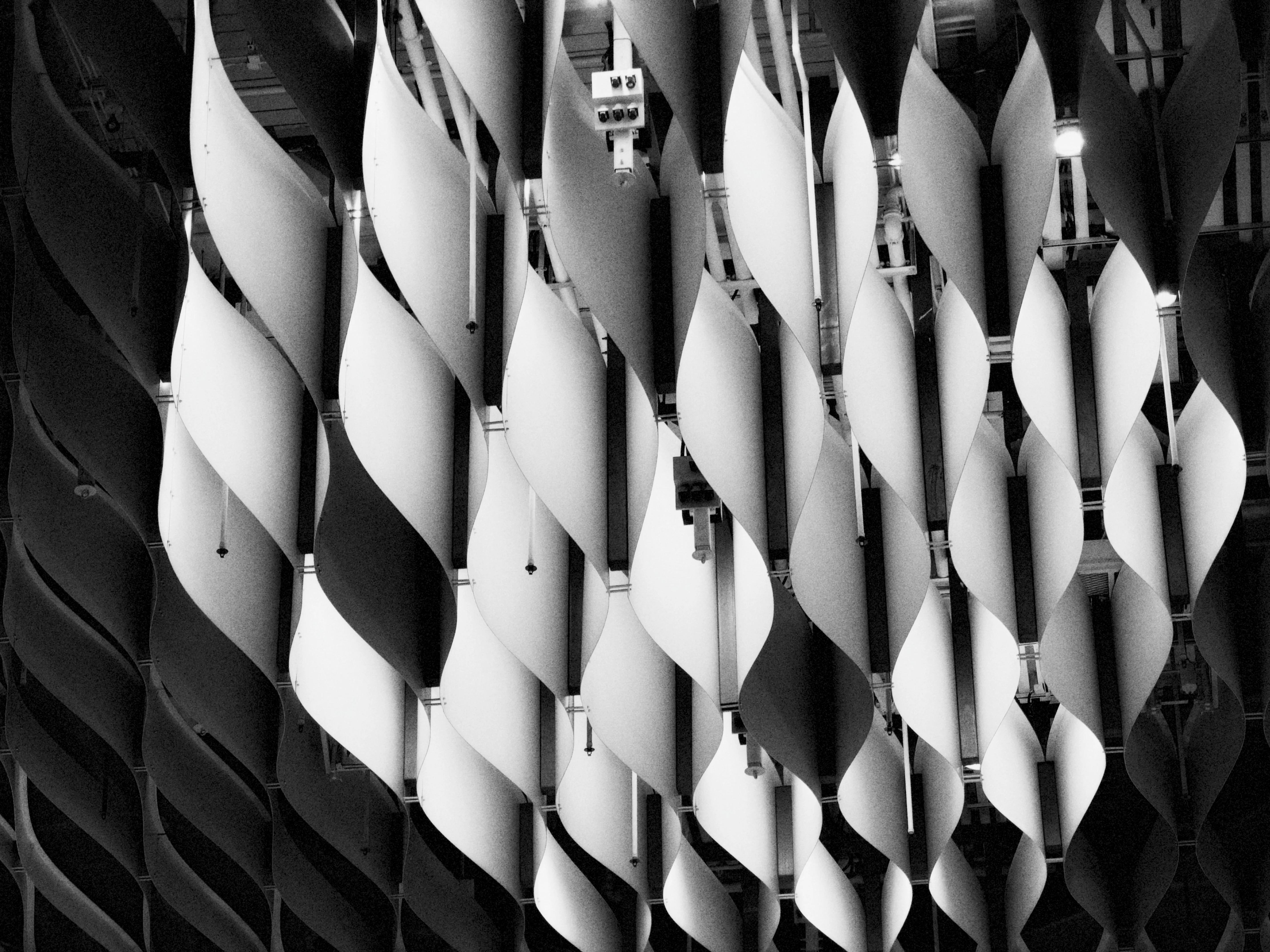
Image source: Leikeji
But in Leikeji's opinion, although there are more camera styles, the improvement of the upper limit of image quality is relatively limited; judging from the sample shots taken in recent days, the daytime image quality improvement of 18 Pro Max is not as obvious as expected. Without zooming in for comparison, people may not be able to tell which photos are taken by 18 Pro Max and which are taken by 17 Pro Max.
The variable aperture can create starbursts, but it also brings glare problems
After talking about the output performance, let's take a look at the biggest change of this generation — the main camera that supports variable aperture.
During the National Day holiday, our team usually manually adjusts the aperture of the main camera in two scenarios: the first is shooting light sources, closing the aperture can render the reflections on street lamps and building facades into regular starbursts. This effect based on real optics is much more durable than the algorithm-generated starbursts.
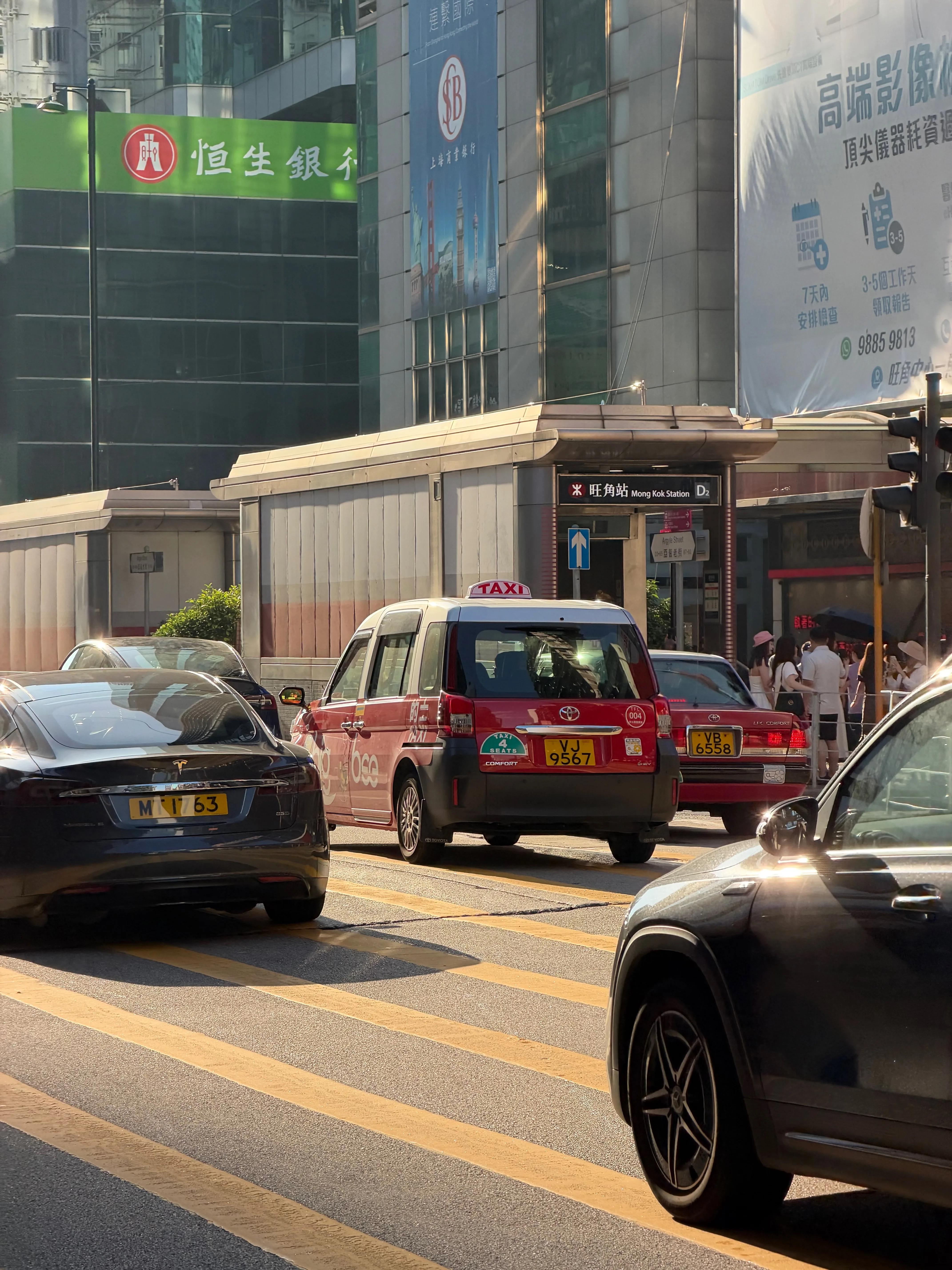
Image source: Leikeji
However, the shortcomings of large aperture are also equally prominent — iPhone 18 Pro Max has very obvious glare problem. In fact, Leikeji mentioned this problem in the first release review, but at that time we could not determine how much the variable aperture affected the glare.
This time our team specifically tried to close the aperture to the minimum and then shoot. The following photo was taken with the aperture fully closed at f/4, the green light spots and colored halos still blur almost half of the frame.
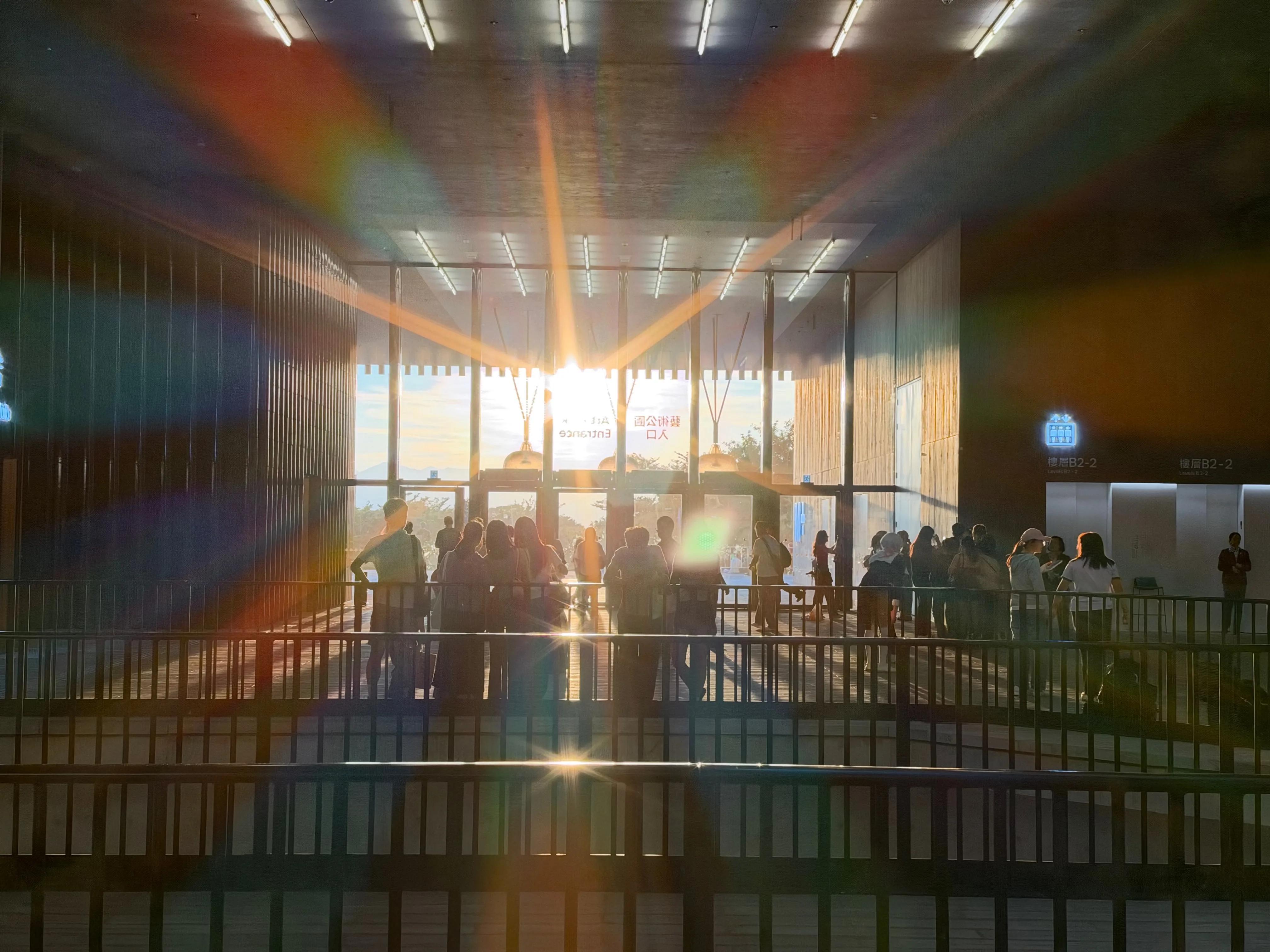
Image source: Leikeji
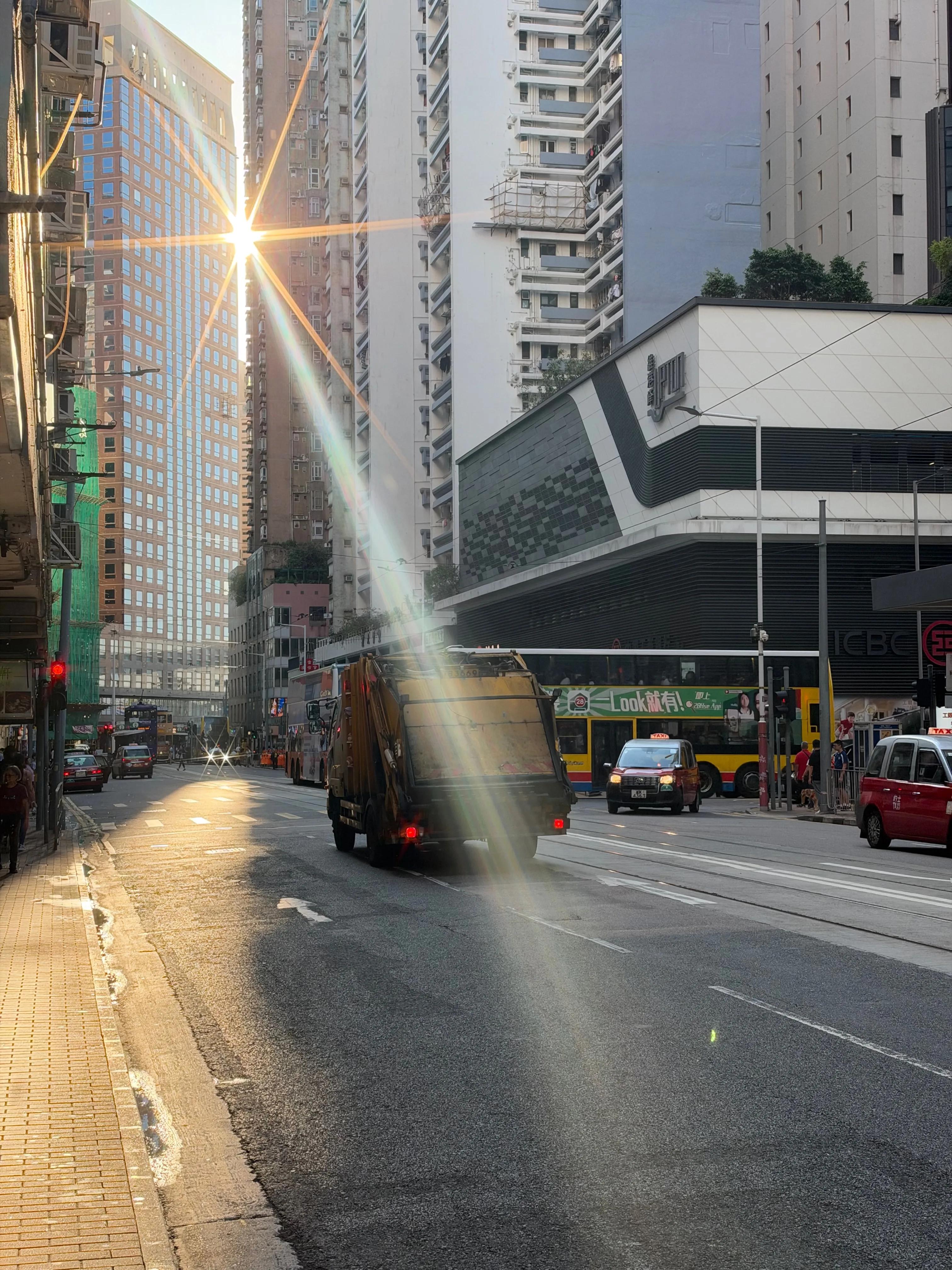
Image source: Leikeji
In other words, the glare of iPhone 18 Pro Max has reached a point that is almost impossible to fix.
As for the ghosting problem that has plagued iPhone for the past few years, our subjective feeling is that it is much weaker than before, it is not so easy to appear when shooting directly at lights at night.
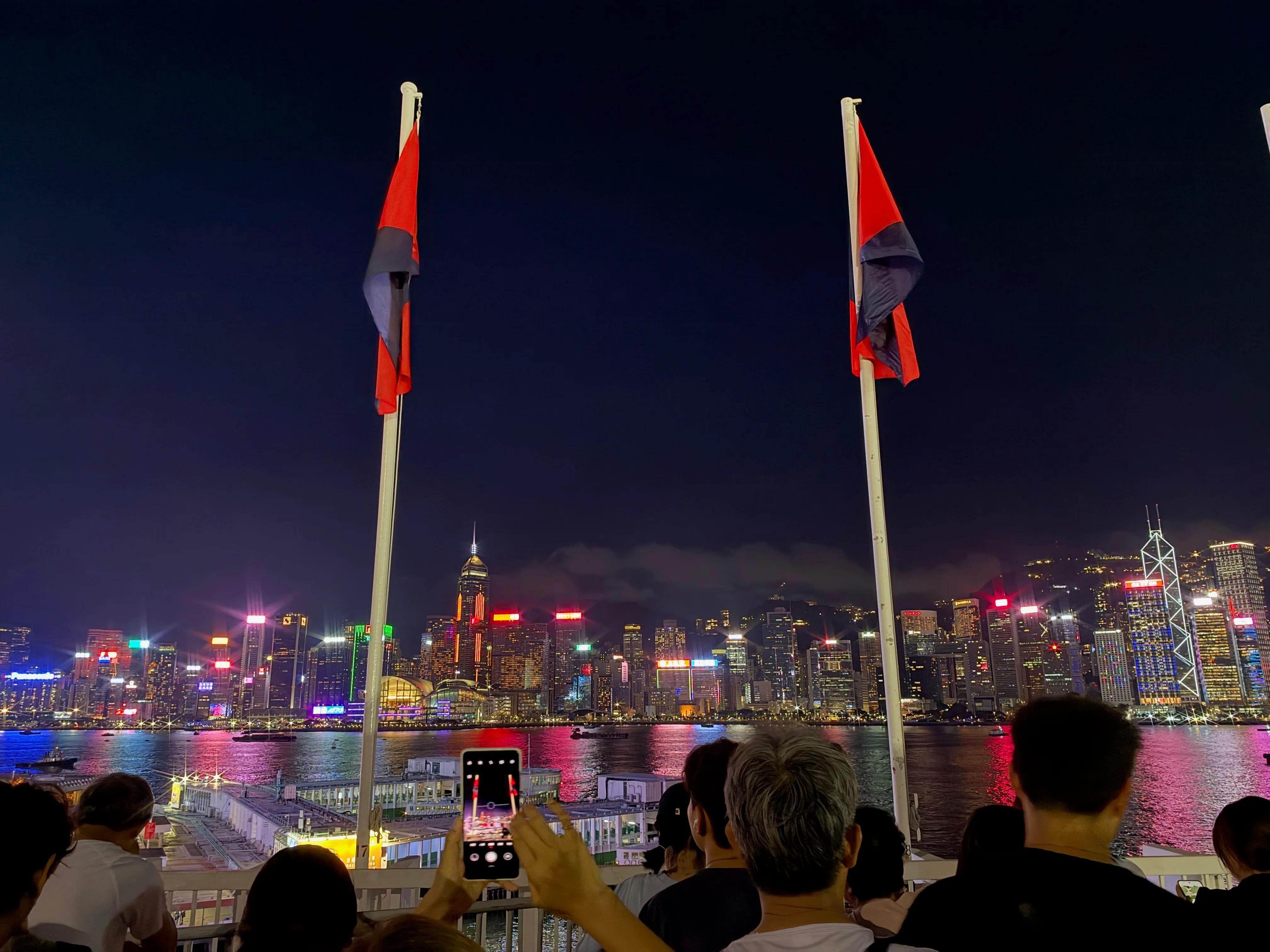
Image source: Leikeji
The improvement of night scene purity has become the biggest surprise
During the period of experiencing the iPhone 18 Pro Max which coincided with the National Day holiday, Leikeji also took the phone to Hong Kong to watch the annual "National Day Fireworks Display". Compared with the variable aperture technology whose advantages and disadvantages are equally obvious, Leikeji believes that the night scene purity of iPhone 18 Pro Max is the part that surprises us more.
No matter you shoot with 2× or 4× camera, even at the moment when the fireworks explode, the gaps between the light spots are still clearly visible, instead of being a blurred mass of light as in the past. There is no smearing effect and "dirty" feeling caused by forcibly raising the ISO in the background, the cleanliness of the finished photos completely exceeds the usual level of iPhone.
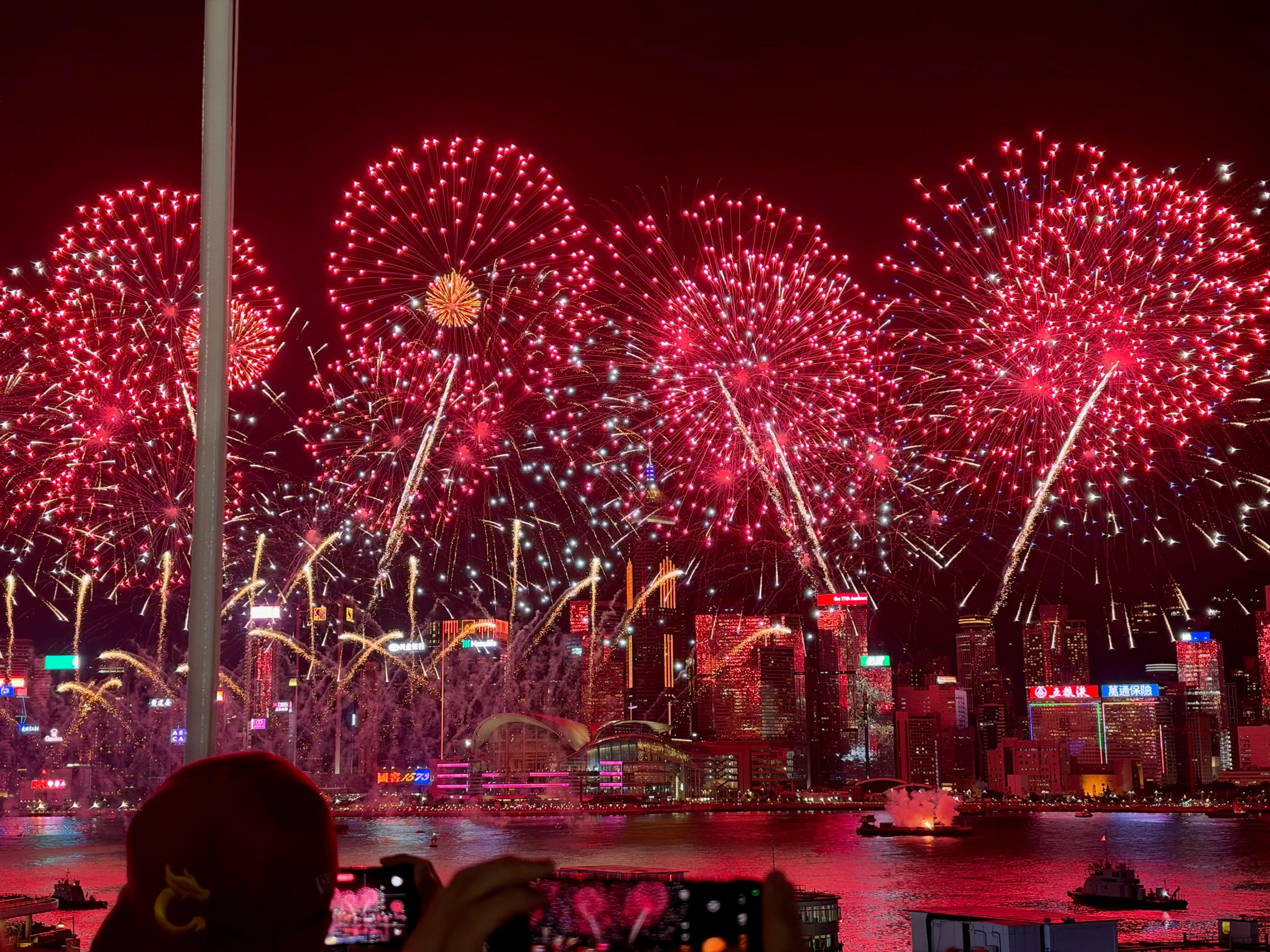
Image source: Leikeji
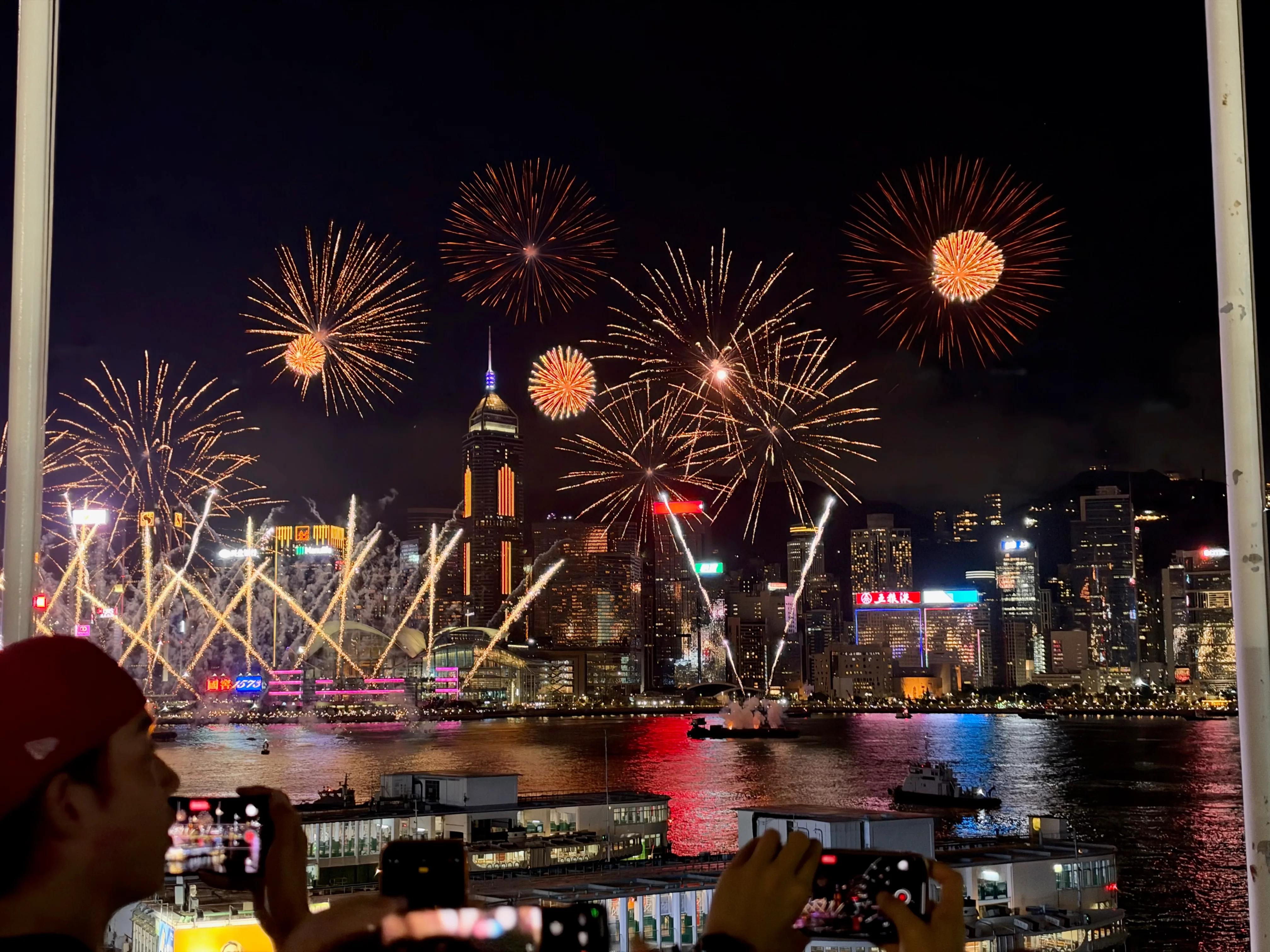
Image source: Leikeji