Claude pours 100 million US dollars into launching training courses, is your first AI diploma coming?
"The end of AI is all about selling courses" used to be a sarcastic joke. Now even the official Claude team has stepped in to launch training programs.
Anthropic launched Claude Frontier Academy this week. It plans to train engineers in-house, and issue skill certifications bearing the Claude name after practical assessments.
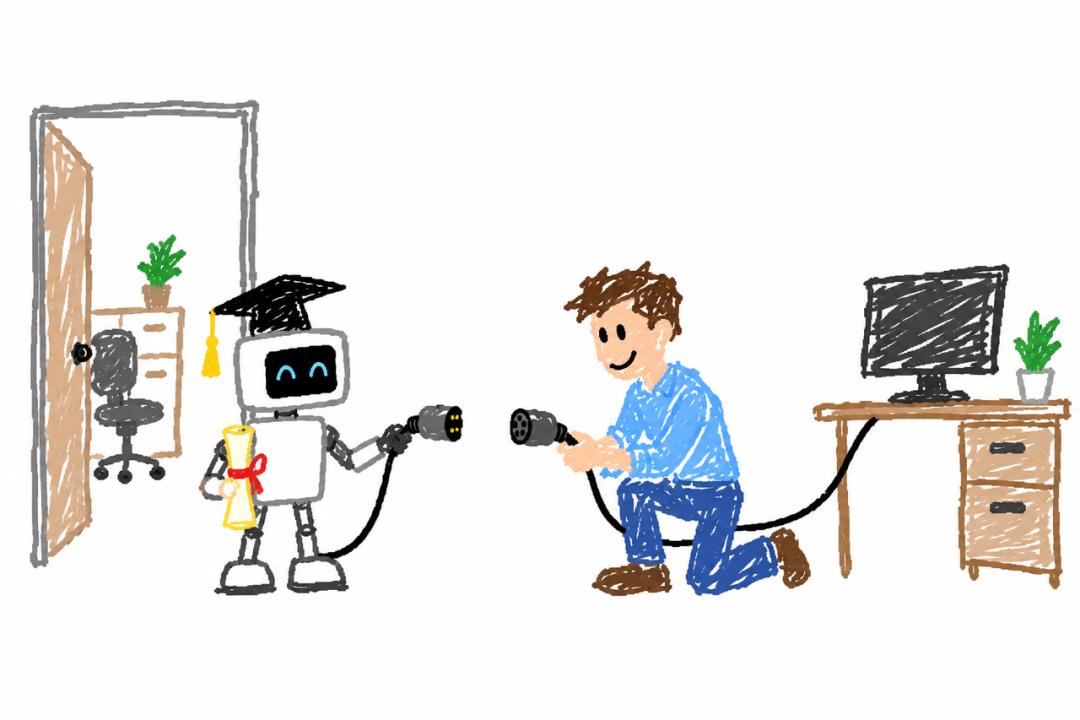
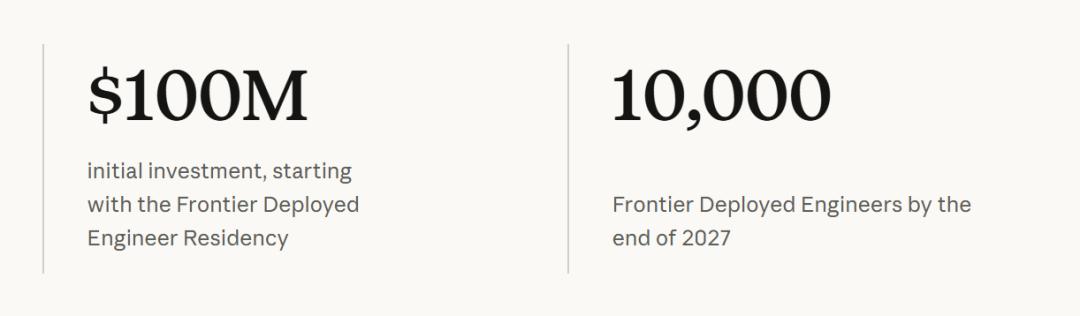
According to Anthropic, it has committed to investing 100 million US dollars, with the goal of training 10,000 engineers by the end of 2027. It intends to apply the same competency standards it uses for its own in-house engineers.
Modifying an email with AI is a completely different requirement from building a tool that your colleagues can reliably use. But right now, two different people can both write "proficient in using AI" in the skills section of their resumes. (But your definition of "proficient" and mine may not be the same, haha)
How to Obtain This Certification
This training program adopts Anthropic's own engineer competency standards. Learners need to work on real projects and pass the assessments to get the certification.
Anthropic aims to integrate learning, practice and certification. For people who want to master AI as a professional skill, this course sets out specific training and assessment requirements.

This program is currently organization-nominated, and is mainly open to enterprise clients and partners. The first batch of learners come from institutions including Accenture, Bain & Company, Deloitte, and Morgan Stanley.
The courses have already been launched in San Francisco, New York and London. To sign up, your company needs to contact Anthropic's client team or partner manager.
Selected candidates are required to have a software engineering foundation, have built products with large language models, and have helped others use AI. Having experience building agents is not a mandatory requirement. However, at the time of nomination, candidates must clearly specify which Claude project they will be responsible for after returning to their organization.
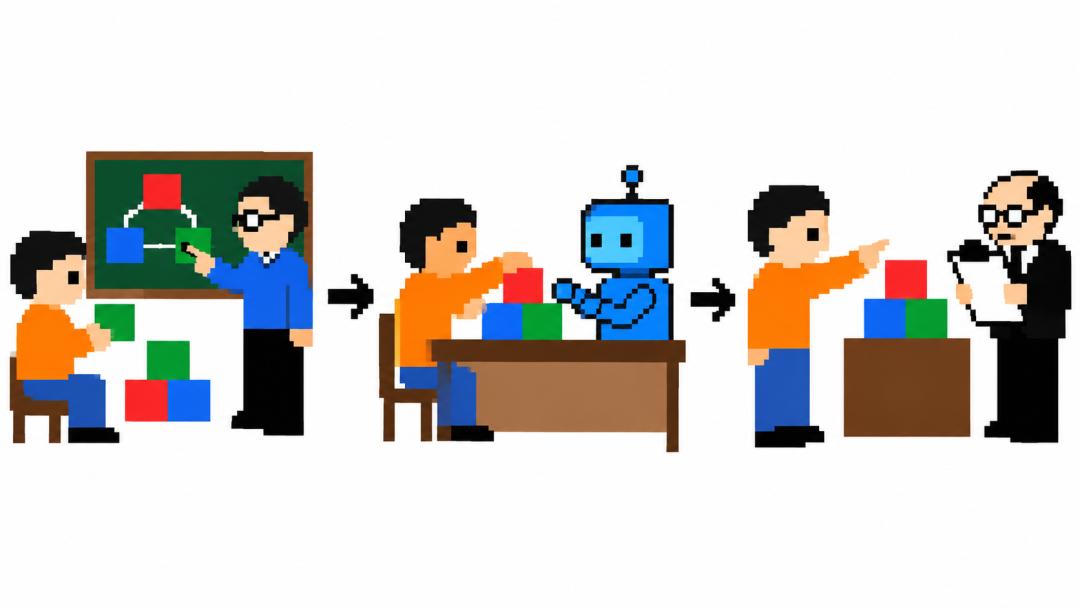
The academy's first program draws on the training model for medical professionals: learn from senior practitioners, get exposed to real-world cases, and then take assessments.
According to the arrangement on the program's official website, learners will first attend a 4-day offline intensive training. Anthropic engineers and authorized instructors lead small-class sessions, and participants come from different companies.
In the first three days, participants need to build a Claude system for a simulated enterprise, going through the full process from receiving requirements, to security review, and final handover.
The competency requirements listed on the official website cover both development capabilities and judgment: first identify problems that are worth solving, then use the company's systems and data to implement the solution. After passing the security review, participants also need to teach their colleagues how to use the tool.
On the fourth day, participants will take a practical assessment in a new scenario. After passing, they will receive the Claude Resident Engineer badge first.
After that, participants return to their own organizations and spend 12 weeks working on the real project they selected earlier. If they encounter problems, they can get support from Anthropic engineers and communicate with other learners in the same cohort.
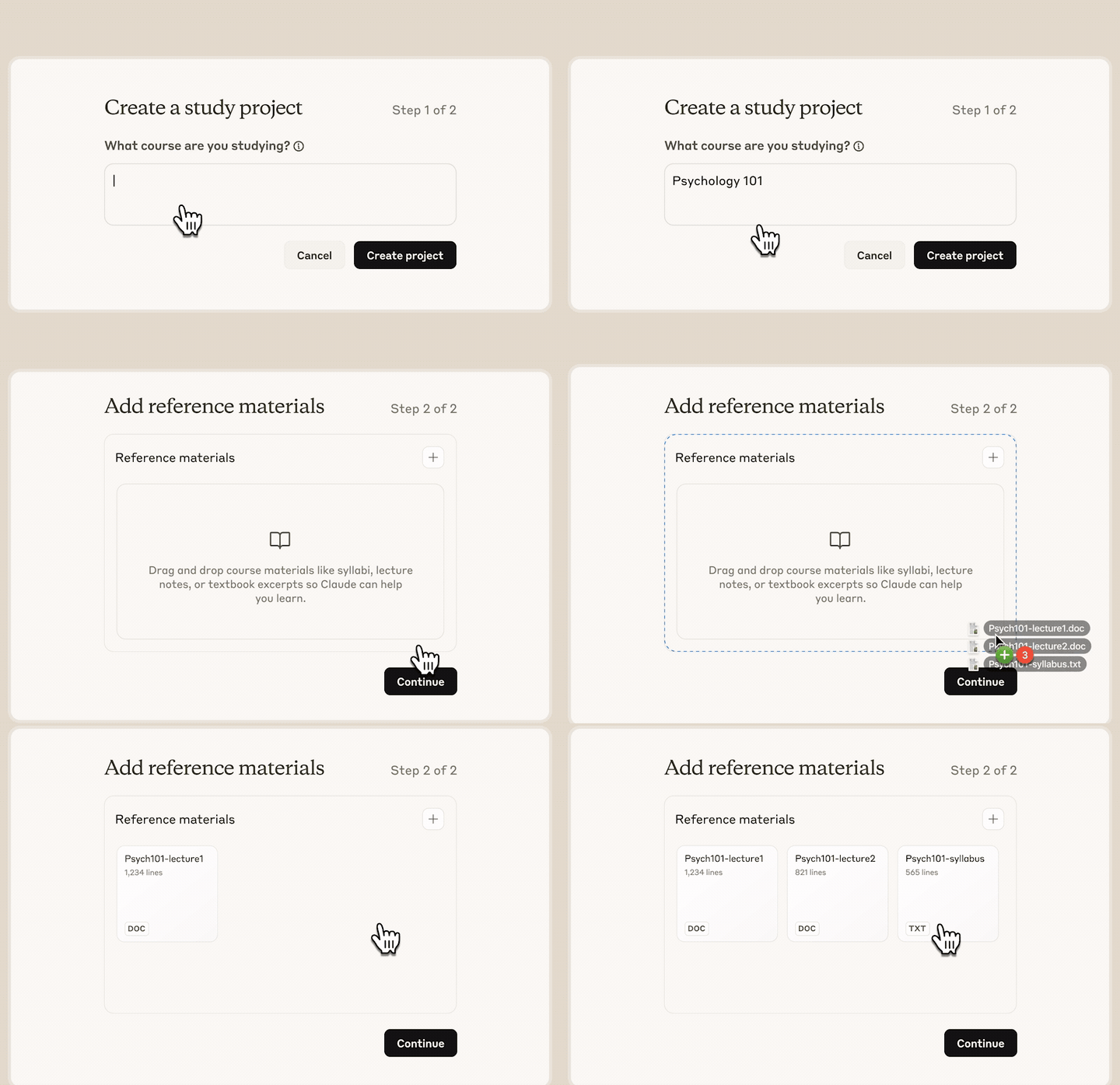
There will be one final assessment. Only those who pass will receive the Claude Frontier Deployed Engineer badge. The first batch of final certifications is expected to be issued in early 2027.
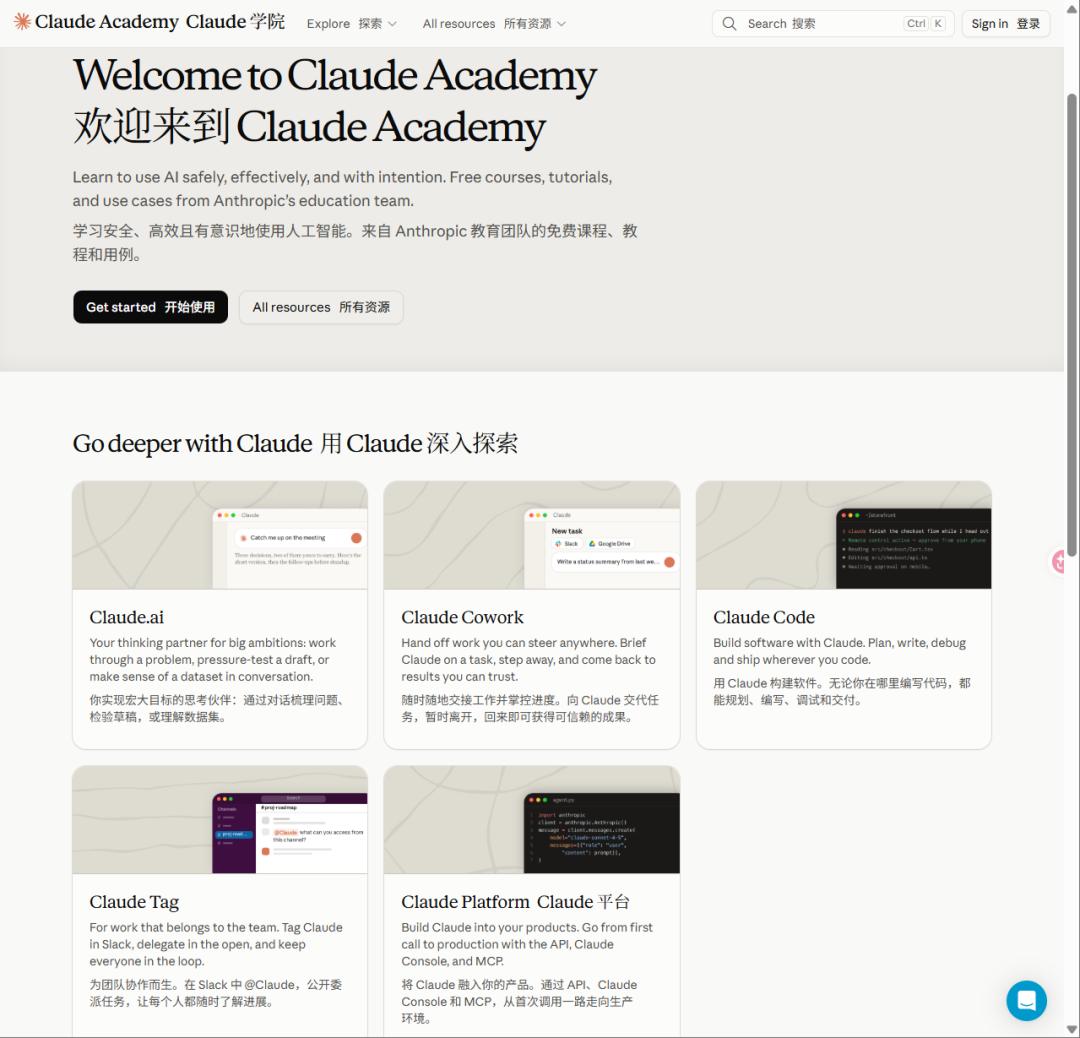
For readers without development experience, we recommend another Claude Academy that is open to everyone. It is more suitable for beginners, and its public courses are free for self-paced learning.
Now That AI Can Generate Results, How Do I Prove That I Master the Skills?
If AI can help people finish all their assignments, how can we know what students have actually learned when it comes to exams?
In a study published in January this year, Anthropic recruited 52 developers, most of whom were junior engineers, to learn the unfamiliar Python toolkit Trio.
One group could use AI to assist in coding, while the other group wrote code entirely on their own. After the task was completed, the researchers immediately arranged a test.
The average score of the AI group was 50%, while that of the hand-coding group was 67%. The biggest gap between the two groups was in the error-finding questions. The AI group completed the task slightly faster, but the time difference did not reach statistical significance.
The researchers also found that participants who were used to asking for reasons and explanations usually performed better in the test.
For example, when learning Excel, you can ask AI to write a formula, copy it, and the spreadsheet will output the result. But when your colleagues add an extra column or there are several more null values, do you still know which part to modify?
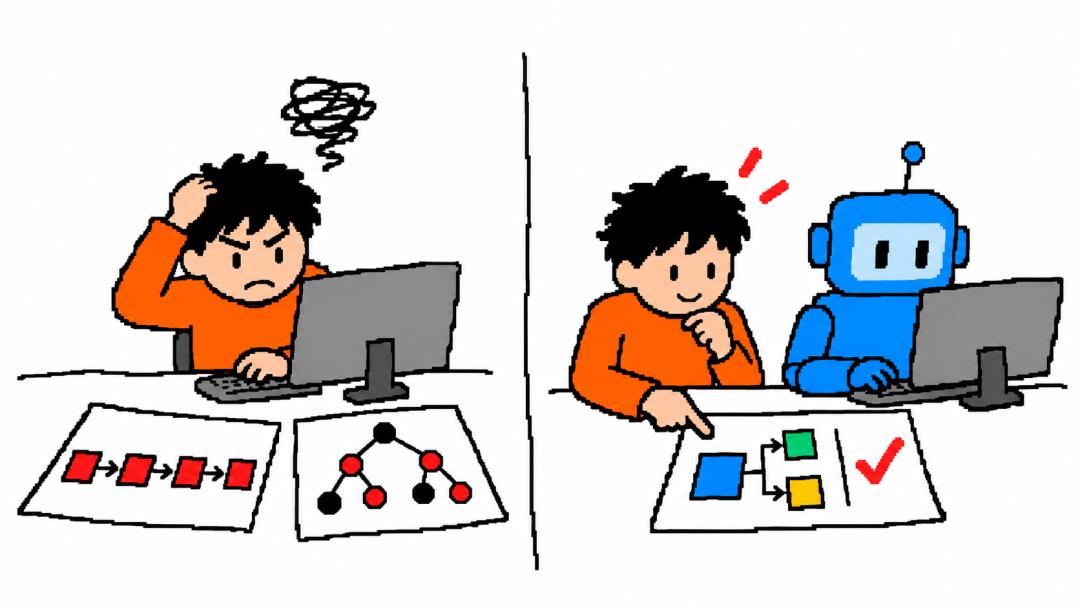
In the past, when practicing algorithms like quicksort, KMP, and red-black trees, people had to write code by hand and debug it repeatedly. Now you can also treat the code generated by AI as practice material: ask it to explain why a certain step is written that way, then change a set of inputs by yourself to see where problems might occur.
A couple of days ago, AI researcher Andrej Karpathy talked about a change on X: in the future, we will spend more time understanding the results delivered by large language models.

He suggests asking the model to turn content into diagrams, interactive web pages, or even generate a dedicated explanatory video.
When learning sorting algorithms, you can ask AI to create a small animation that plays step by step. Every time two numbers are swapped, the animation pauses, so you can judge the next step on your own.
Google published a study on learning interaction on September 17. Teachers can use AI to generate guided simulated exercises.
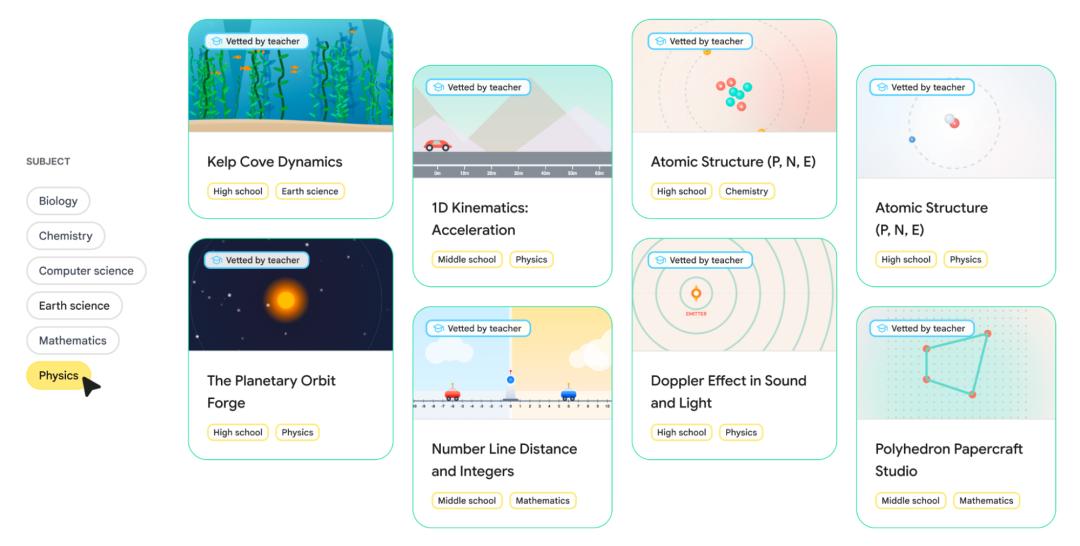
Planet orbits, acceleration, and atomic structures can all be turned into hands-on exercises. Source: Google Research.
In the official demo, students adjust the acceleration of a car and the working time of its engine, then run the simulation to see how the car moves. Another exercise places positive and negative numbers on a number line, asking the red and blue cars to stop at symmetrical positions.
This design will gradually increase the difficulty, and provide prompts and feedback.
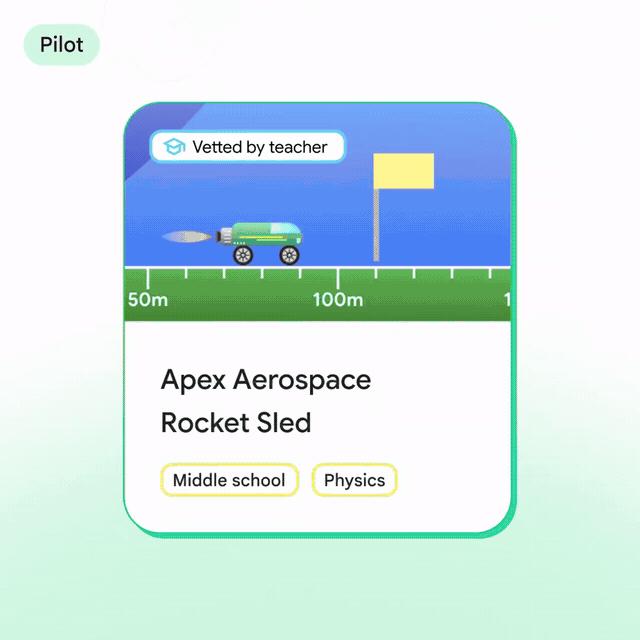
Google has released more than 30 English exercises, mainly for middle school students. It also plans to carry out classroom research to measure how much students actually learn.
In fact, when you are preparing for work presentations, you can also try this practice method: let AI act as a colleague who keeps asking for details. If you cannot answer a certain question, go back and check your materials.
People who design interview questions are also rethinking how to conduct assessments.
In a recruitment review in January this year, Anthropic introduced an assignment like this: candidates need to optimize a program running on a simulated accelerator. This assignment explicitly allows the use of AI.
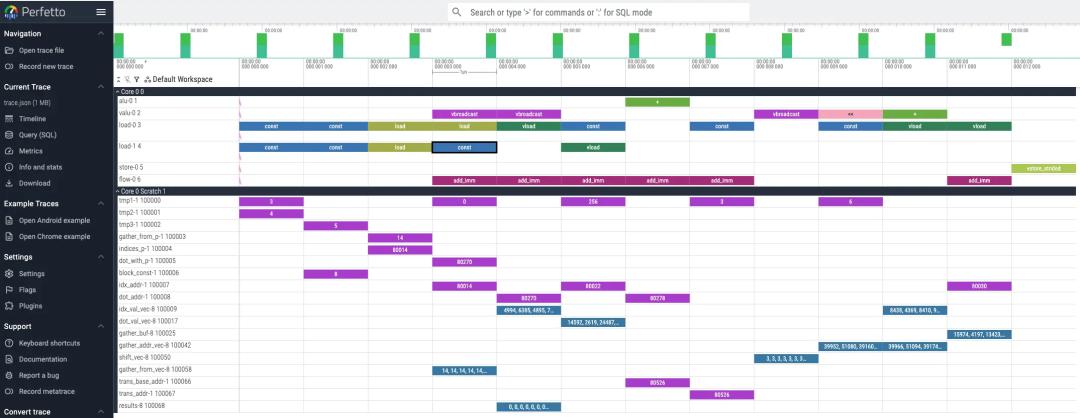
The colored blocks represent the arrangement of instructions on different execution units, for candidates to find optimization space. Source: Anthropic.
The question setters originally wanted to see how candidates understand the system and identify performance bottlenecks. Later, Claude Opus 4.5, in an attempt with human prompts, achieved performance close to the best result of top human participants within the time limit in 2 hours. That candidate also made extensive use of Claude.
If the passing line continues to be raised, an awkward situation will arise: the most cost-effective choice for candidates may be to sit back and wait for the model to finish all the work. (The biggest bottleneck in getting work done is myself, hahaha)
The question setters later changed the assessment method, exposing candidates to more unfamiliar instructions and restrictions. Debugging tools are not pre-prepared, and candidates have to make their own choices whether to print information manually or ask AI to help build tools.
Frontier Academy integrates real projects and two practical assessments into the certification path. Can learners still complete tasks when they are placed in a new scenario? Can they solve problems that they could not solve before when they return to their own projects?
The generative AI certification badge of Google Cloud. Source: Google Cloud / Credly.
Other vendors are also trying to set certifications for AI skills. The generative AI certification launched by Google Cloud in May 2025 targets non-technical people such as managers and strategy practitioners.
OpenAI launched its first batch of certification courses in December 2025, which also requires learners to complete follow-up courses and practical projects to obtain full certification. Coursera, ETS and Credly (a subsidiary of Pearson) are participating in this program.

If these courses and assessments are recognized by more companies in the future, job seekers will have a clearer idea of what to learn and what level they need to reach. During interviews, job seekers can also present more specific learning and practice records, rather than just writing the phrase "proficient in using AI" on their resumes.
This article is from the WeChat official account "APPSO", written by APPSO that launches tomorrow's products, and published with authorization from 3