A wave of new Apple products is coming, and the grand occasion of the event is no less impressive than the iPhone launch conference.
In previous years, September would see the successive launches of iPhone, Apple Watch and AirPods, marking the climax of Apple's annual new product season.
Unexpectedly, the lineup in October this year is fully comparable to that of September — HomePod, new HomePod mini, new Apple TV, iPad mini 8, and the MacBook with a touch screen.
My wallet has not recovered from the last spending spree, and Apple has already kicked off its next round of new product releases.
Recent moves by Apple's new CEO John Ternus also bear the distinct style of someone with an engineering background: he is pushing forward product development progress, adjusting management tiers, and frequently showing up in design studios.
What Apple's products will look like in the future is already taking shape after looking at these new releases.
Apple and LG: Even Doorbells and Cameras Are in the Pipeline
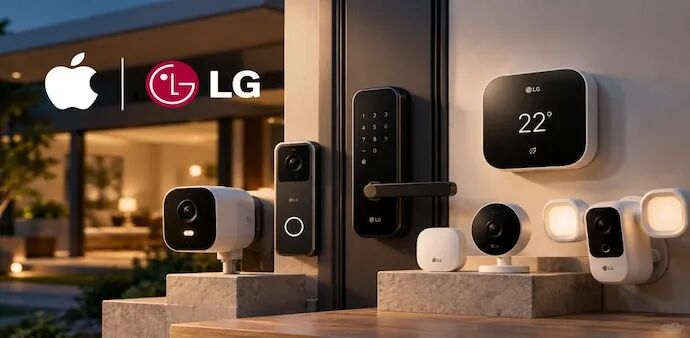
According to Bloomberg, Apple is working with LG to co-develop a series of smart home accessories, including wired video doorbells, smart locks, thermostats, temperature sensors, as well as indoor, outdoor and floodlight cameras.
However, you probably won't see a door lock printed with the Apple logo.
It is reported that these products will carry the LG brand, with LG responsible for manufacturing and after-sales services. Apple is involved in co-development to ensure they work seamlessly with the upcoming home hub, new HomePod mini and Apple TV.
This kind of cooperation actually has precedents. Back when Apple stepped away from the external display market for a period, it co-developed the UltraFine display with LG. Apple users got a display perfectly compatible with Mac, while Apple didn't have to handle every part of the process on its own.
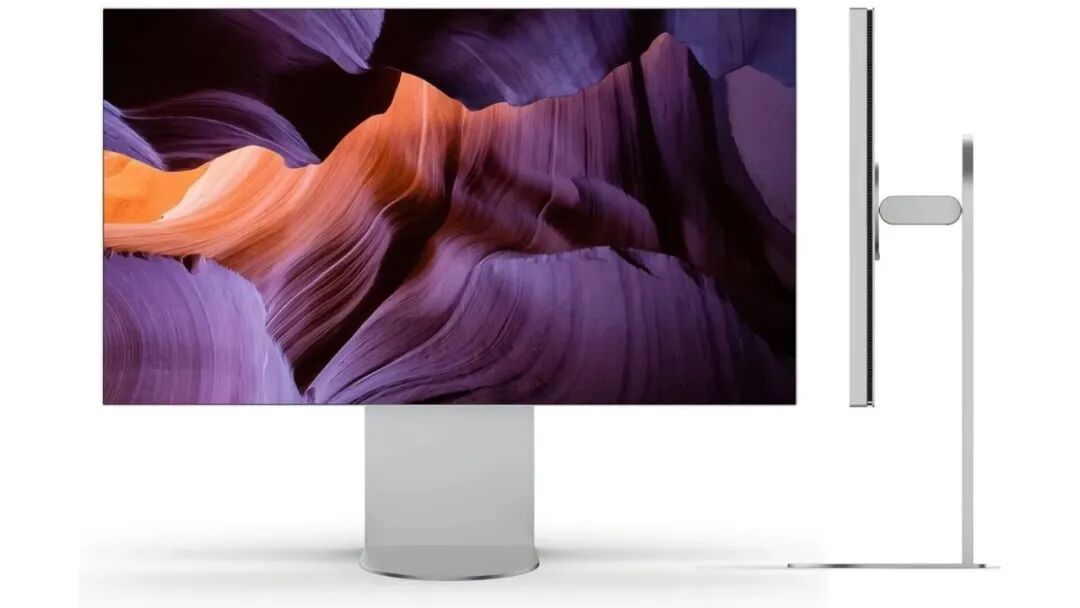
Nowadays, the products that take over this kind of cooperation work have changed from desktop monitors to doorbells and cameras at home.
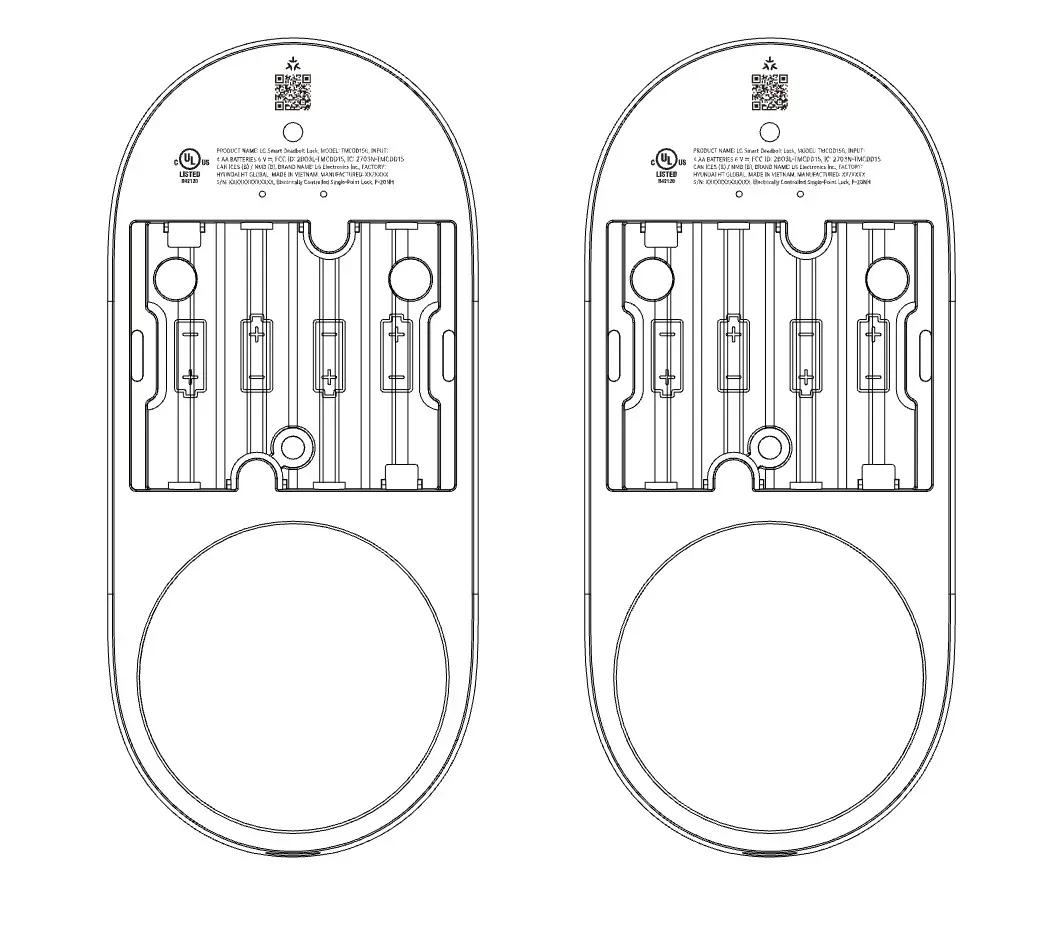
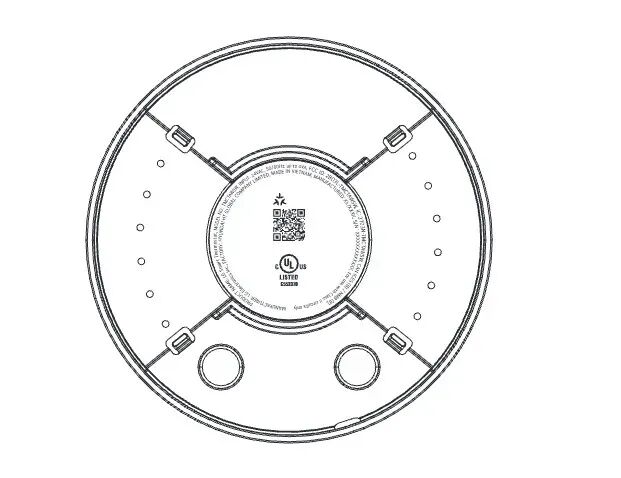
Schematic diagram of regulatory filings for LG smart locks and thermostats
Some of the devices have already appeared in regulatory documents. Multiple accessories support Wi-Fi, Bluetooth, Thread and Matter, and the door lock also supports UWB, which enables automatic unlocking when you approach the door.
As for how to install the lock, how outdoor cameras withstand wind and rain, and who to contact for repair when they break, these matters are far more troublesome than demonstrating a beautiful interface at a press conference. By letting LG take charge of manufacturing and services, Apple can quickly fill the gaps in its previously incomplete smart home device lineup.
After all, it has been more than a decade since HomeKit was launched in 2014. Amazon Ring and Google Nest have long since put doorbells and cameras into users' homes. Apple can't just keep providing a "Home" app and wait for others to fill it with devices.
Current leaks show that Apple's own home devices are scheduled to be unveiled on October 13, while this batch of LG accessories will not be available for purchase for another few months.
The HomePad Is Here, Siri AI Enters the Living Room
The core product these accessories revolve around is the long-rumored home hub, temporarily referred to by the outside world as HomePad.
Current information points to a roughly 6-inch square touchscreen that can be placed on a table or mounted on a wall. The desktop version adopts a design with a round metal base and support arm, which is somewhat reminiscent of the iMac G4.
Playing music, making FaceTime calls, checking calendars, and controlling smart home devices are all among the functions it will undertake.
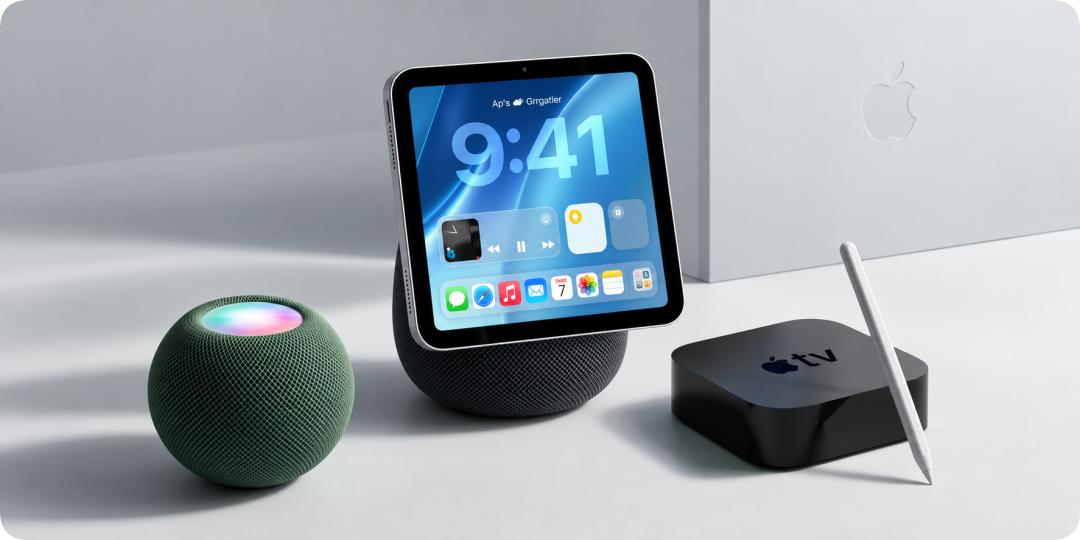
HomePad concept art, not the final product appearance
Screen-equipped smart speakers are nothing new to the public. To convince users to pay for it, Apple inevitably has to answer a question first: can't the old iPads that people no longer use at home do all these things?
There is a set of interaction designs in the leaks that reveals Apple's underlying ideas.
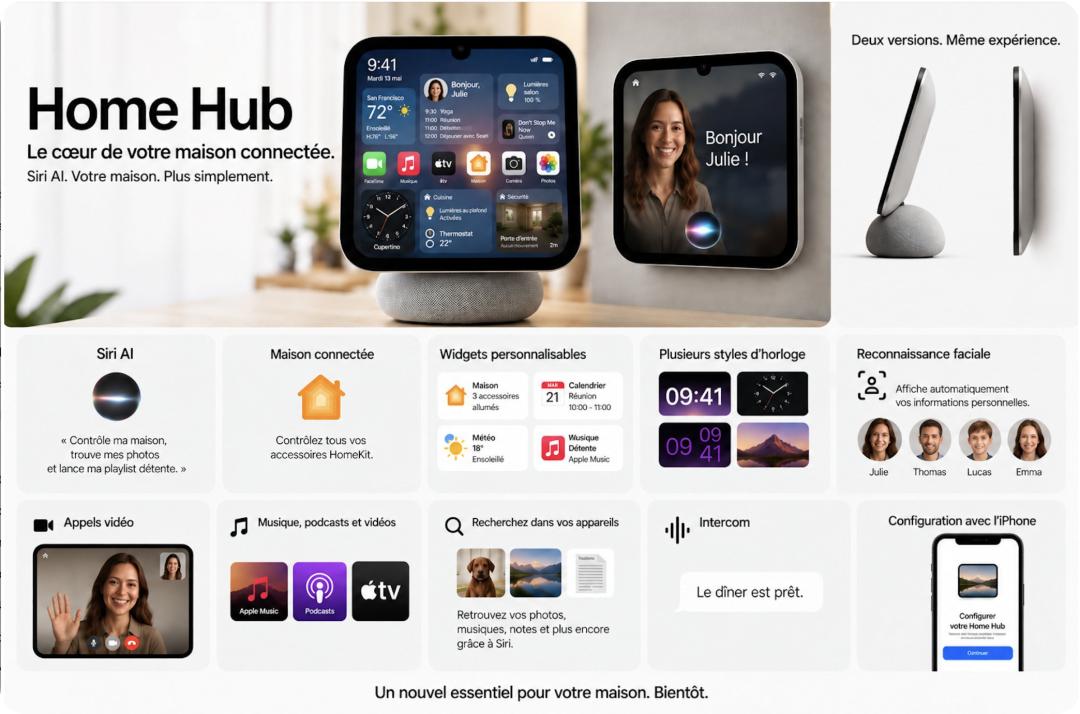
When you are far away from the device, the screen only displays key information, and it expands to show detailed operation options when you get close. It can also recognize different family members and switch to their respective calendars, reminders and other content.
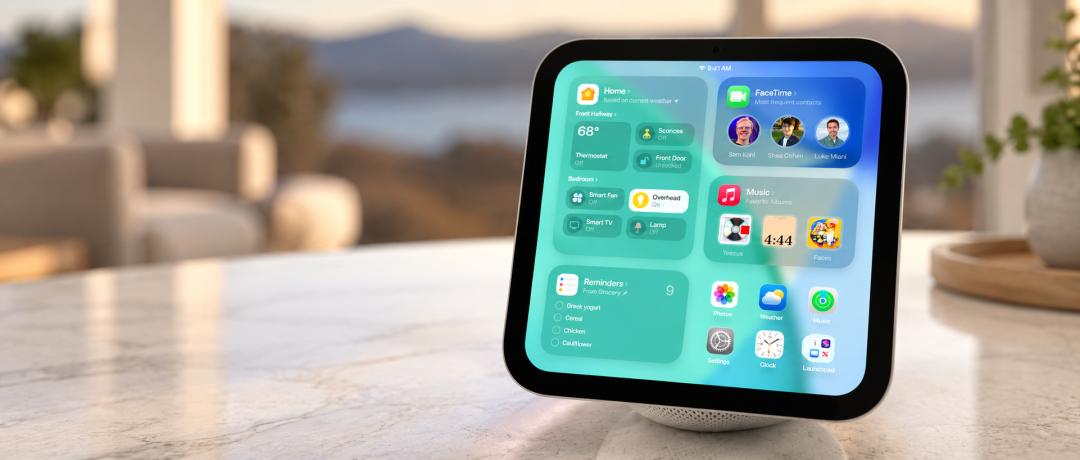
This is far more complex than simply adding a screen to the HomePod. An iPad is usually tied to one person's account, but a device in the living room may be used by different people at any time. The notifications that are taken for granted on personal devices need to be rethought for how they should be displayed on a public screen.
The new version of Siri AI will also be put to the test here. Whether it can distinguish who is giving the command, understand consecutive requests, and accurately call the corresponding devices will determine how useful HomePad will ultimately be.
After all, having to repeat "turn off the light" three times to a screen in the living room can hardly convince people that this is the future of smart home.
Touchscreen MacBook: macOS Is Ready in Advance
In addition, the touchscreen MacBook is likely to arrive for real this time.
In the latest macOS 27.2 beta, when you long-press an app icon in the Dock, the icon will zoom in slightly, similar to the long-press feedback on iPhone and iPad. This animation alone can't confirm the arrival of a touchscreen Mac, but appearing at this point in time, it's hard not to make people speculate further.
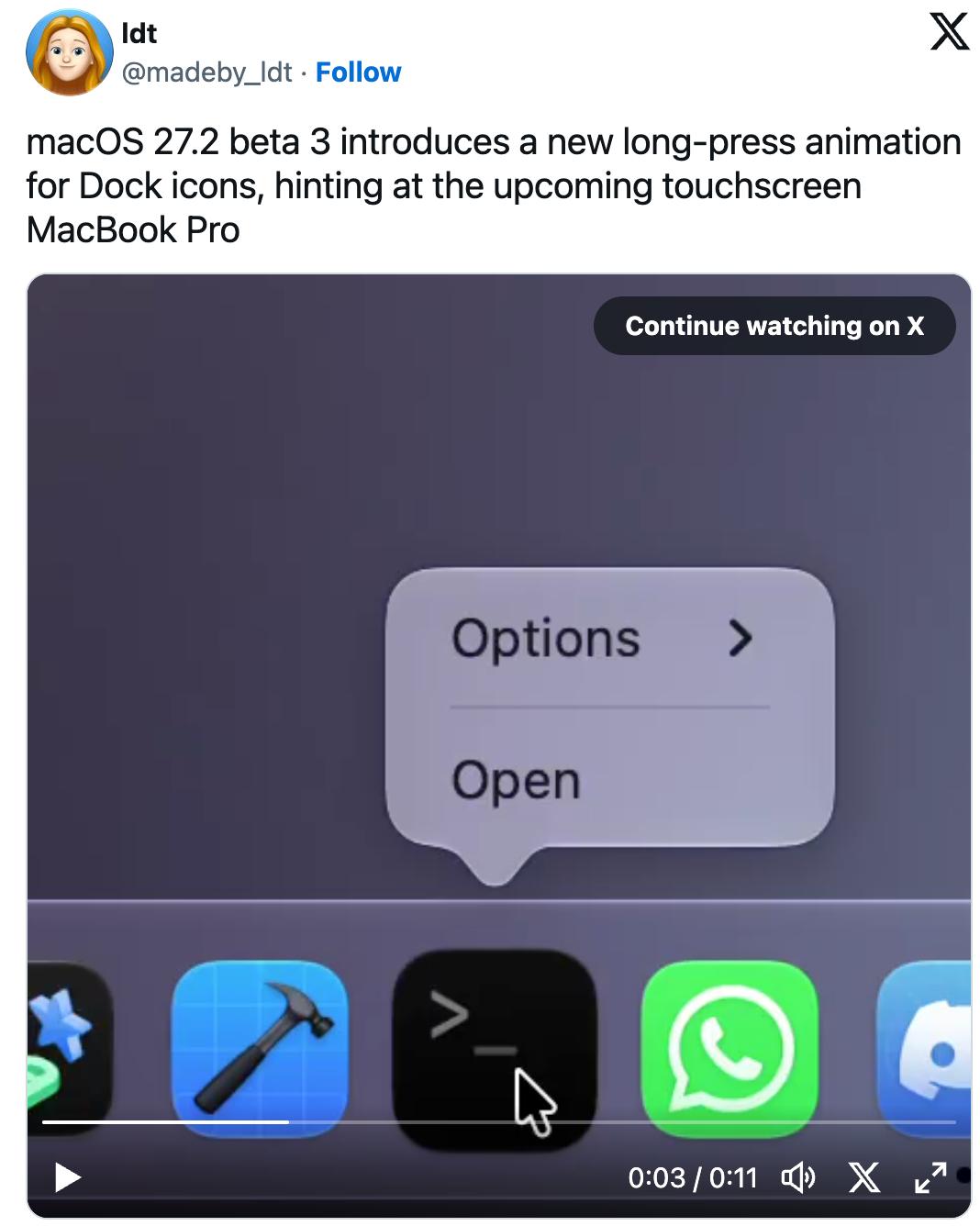
Current information points to two higher-end 14-inch and 16-inch laptops, which may continue to be called MacBook Pro, or adopt the rumored name MacBook Ultra, and are expected to be launched in October or November.
Touch screen, double-layer OLED, slimmer body, and Dynamic Island are probably the most notable updates of this product.
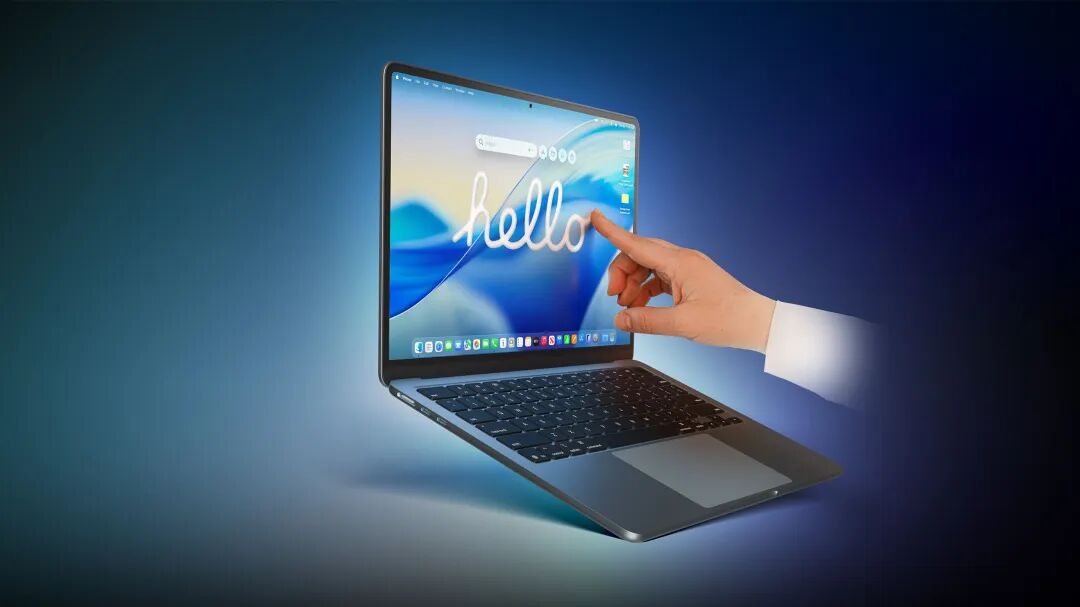
For people who commute and travel with their laptops every day, one change may be more attractive: weight reduction.
Mark Gurman mentioned that Apple has rearranged internal components and downsized some parts to make the new machine "significantly lighter". There is no exact number for how much weight it will lose, but 16-inch MacBook Pro users are probably already looking forward to it.
In terms of chips, the latest leaks still point to M5 Pro and M5 Max. Therefore, a large part of the highlights of this major redesign will focus on the screen and the body.
The touch function will also present a new challenge for macOS. The menus and buttons designed for mouse operation may not be easy to tap with fingers; it also needs to be reconsidered which operations are suitable for direct touch on the screen and which should remain for the keyboard and trackpad.
iPad mini 8: Users Who Prefer Small Screens Finally Get OLED
The rumored iPad mini 8 is also set to get a much better screen.
Combining all current information, the new model is expected to adopt an OLED panel with narrower bezels, equipped with the A20 Pro chip, and its RAM will be increased from 8 GB to 12 GB. The front camera will also have its position adjusted to make horizontal video calls more natural.
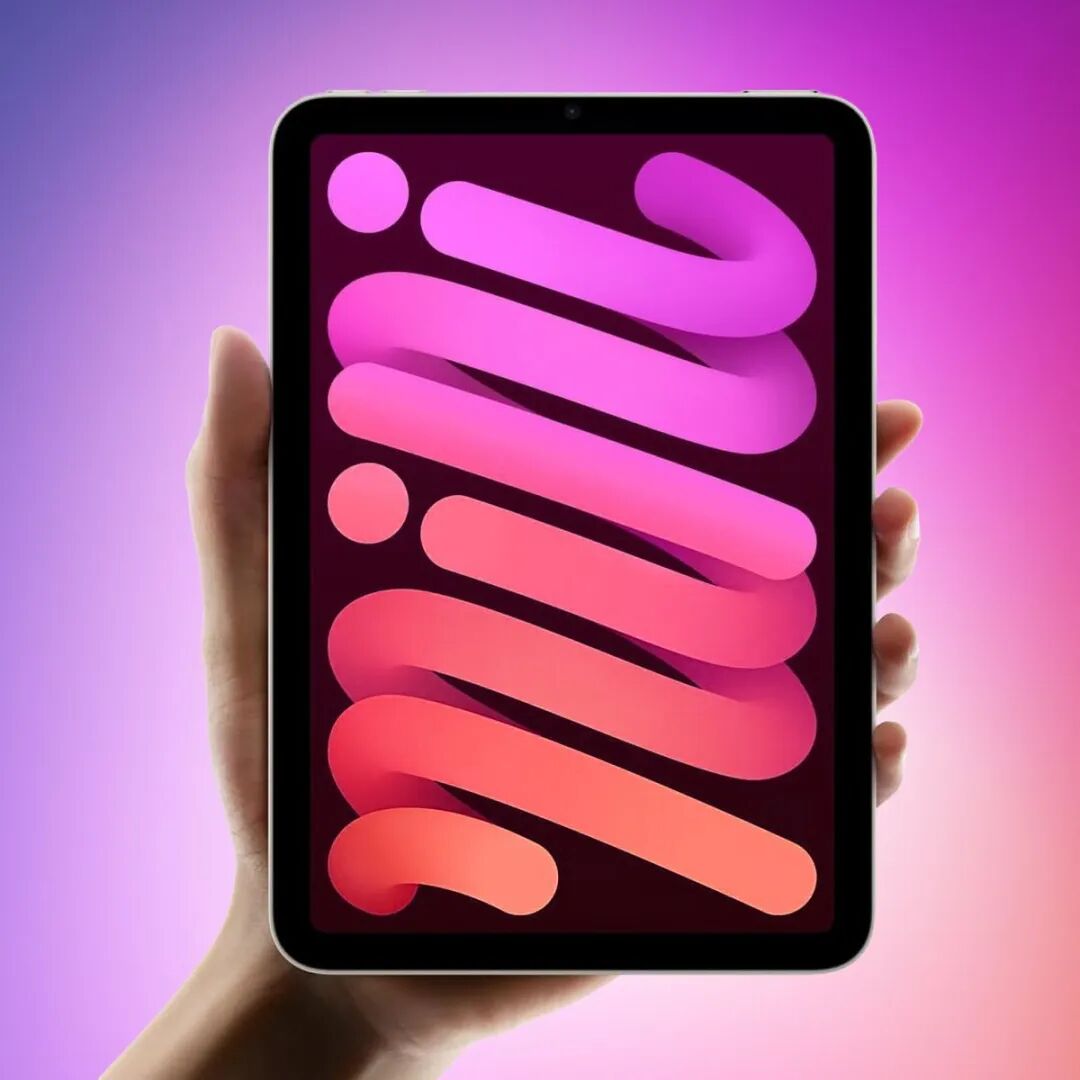
People who love the iPad mini usually have very simple requirements for it: it's easy to hold, and it's no burden to put it in a small bag when going out, which is enough for them to give up larger screens.
But choosing a small size doesn't conflict with wanting a better display effect.
The deeper black levels and higher contrast of OLED can be easily noticed in scenarios like watching movies before bed. For users who insist on using small-size devices, this round of upgrades finally brings improvements beyond just the chip model.
Other updates may also include the N1 chip that supports Wi-Fi 7 and Bluetooth 6, and the cellular version will adopt Apple's self-developed modem.
The speaker may also be redesigned, eliminating traditional speaker holes and adopting a new sound-emitting structure. The new model is also expected to receive an IP water resistance rating for the first time, though it is still unclear which level it will reach.
The iPad mini 8 is currently scheduled to be released in October. The current iPad mini in the US has already risen to a starting price of 599 US dollars, and after switching to OLED, the new model is very likely to see a further price increase.
Apple CEO Is Spending More and More Time on Products
According to Gurman's report, Ternus now walks into the design studio several times a week to personally participate in the team's work, sometimes visiting several times a day. In the past, Cook usually visited at most once a month, staying for about an hour each time.

Ternus is deeply involved in both the industrial design and human-computer interface teams. Molly Anderson and Steve Lemay are responsible for leading the daily work of the two teams respectively, and he himself makes the final decisions on design matters. Apple is currently not looking for an external chief design officer to oversee this work.
After experiencing the continuous departure of design talents, he is also filling the vacancies in the team by promoting young designers and recruiting external talent. In addition to participating in design work in person, he is also reorganizing the design team.
To free up his time, he has delegated more financial work to Kevan Parekh, and supply chain work to Sabih Khan. He himself frequently cooperates with the hardware leaders to dive deeper into product development.
Where the CEO spends his time is where a company will focus its attention.
This change has also extended to the internal organization. Ternus is reportedly hoping to reduce the management layers between engineers and senior leadership, encourage more experiments, and reduce reliance on centralized spring and autumn launches, so that teams can roll out new products more frequently throughout the year. The relevant reforms are still under discussion and advancement, and it may take several years to change this system that has operated for many years.
Of course, this batch of fall new products has undergone long-term R&D, so not all of their success can be attributed to the adjustments Ternus has made in just over a month since taking office. But as the product category expands, Apple will face more issues that require cross-team decision-making.
The family member recognition feature of HomePad is a case in point. After the camera identifies who is standing in front of the device, the system also needs to determine what content is suitable to be displayed on the public screen. It's hard to make such a function work well if it's only optimized by a single team.
Ternus' deep involvement in both engineering and design gives these discussions a chance to get responses much earlier. He knows exactly how products are made, and now he has the authority to decide which issues are worth Apple's continued investment of time to solve.
