iPhone 18 Pro Experience: The First iPhone with Variable Aperture, Apple Finally Overhauls Its Main Camera
After the comprehensive redesign of the iPhone 17 Pro last year, this year's iPhone 18 Pro unsurprisingly shifts to "filling the gaps": it not only polishes the existing experience to be more solid, but also makes up for some regrets left by the previous generation of products.
If you only look at the appearance, many changes of the iPhone 18 Pro are not easy to detect at the first glance. Only the smaller Dynamic Island and brand new colorways remind us that this is indeed a new iPhone. But it seems different from the familiar "minor update" we know. This generation of products is more like a re-organization of the Pro-level experience of iPhone: a larger variable main camera aperture, the first A-series chip built on 2nm process with stronger performance, and even a new generation of VC vapor chamber whose area is three times that of the previous one.
Therefore, the iPhone 18 Pro may not give you a completely refreshing feeling like the previous generation, but it has become more complete in many aspects.
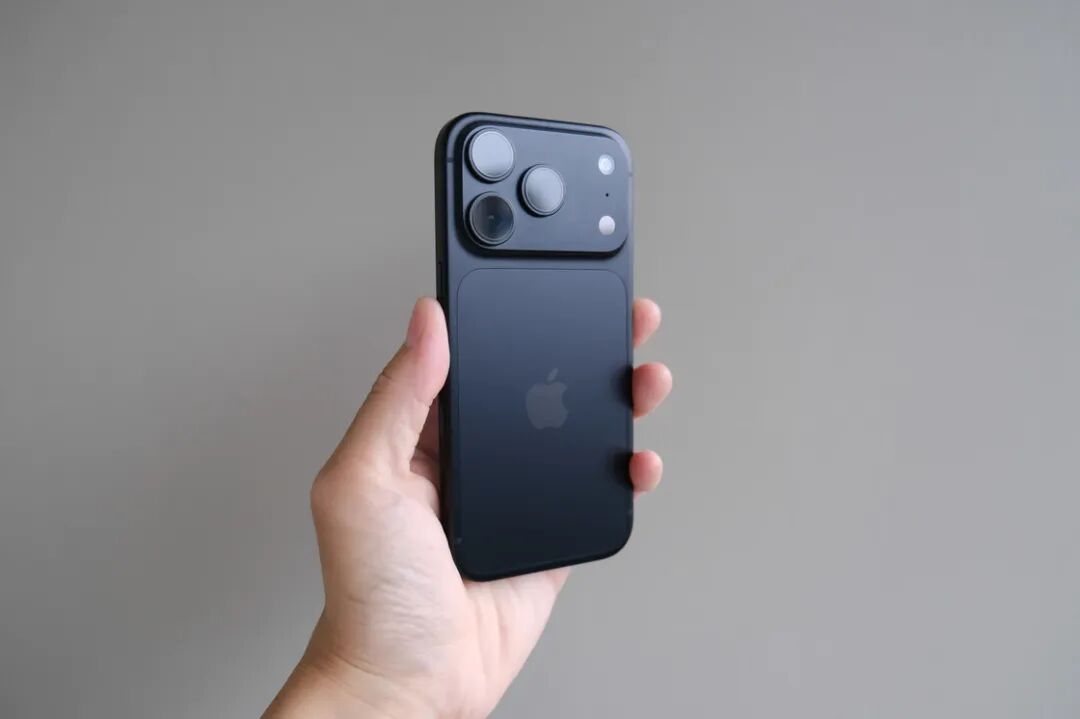
▍ Familiar Appearance, Yet With New Weight
In terms of appearance, the iPhone 18 Pro is no different from the iPhone 17 Pro: the familiar integrated aluminum metal body, the extended platform running across the back, and the super ceramic crystal panel embedded in the back of the body all continue the design of the previous generation.
Even so, the iPhone 18 Pro still has a change that cannot be ignored at all: weight.
The weight of the iPhone 18 Pro has increased from 204g of the previous generation to 211g. 7g does not sound exaggerated, but for a phone with no change in size that was never considered lightweight, it is still a number that cannot be ignored. It is no exaggeration to say that the moment I picked it up, I could feel that the iPhone 18 Pro is a little heavier than the previous generation.
When we look at the iPhone 18 Pro Max, this figure becomes even more exaggerated: its weight has increased from 231g of the previous generation to 249g in one go, a full 18g more, and it already weighs half a jin even without a protective case.
Fortunately, the price paid in weight brings the largest battery ever on an iPhone. Although the battery capacity of the iPhone 18 Pro only increased from 3988mAh of the previous generation to 4056mAh, the iPhone 18 Pro Max increased from 4823mAh to 5391mAh, an increase of nearly 12%. Not to mention that they are all equipped with a new generation of VC vapor chamber whose area is three times that of the previous generation, and the variable aperture main camera also adds an additional mechanical structure; stacking all these changes together, the weight increase seems easy to understand.
In terms of colorways, the popular Starry Orange last year only lasted for one year before leaving the stage, replaced by Burgundy Red and Glacier Blue, while the classic Black finally returned. The silver model also has changes: the super ceramic crystal panel on the back no longer appears white like the previous generation, but is replaced by a silver-gray that is closer to the aluminum body, making the visual effect more unified.
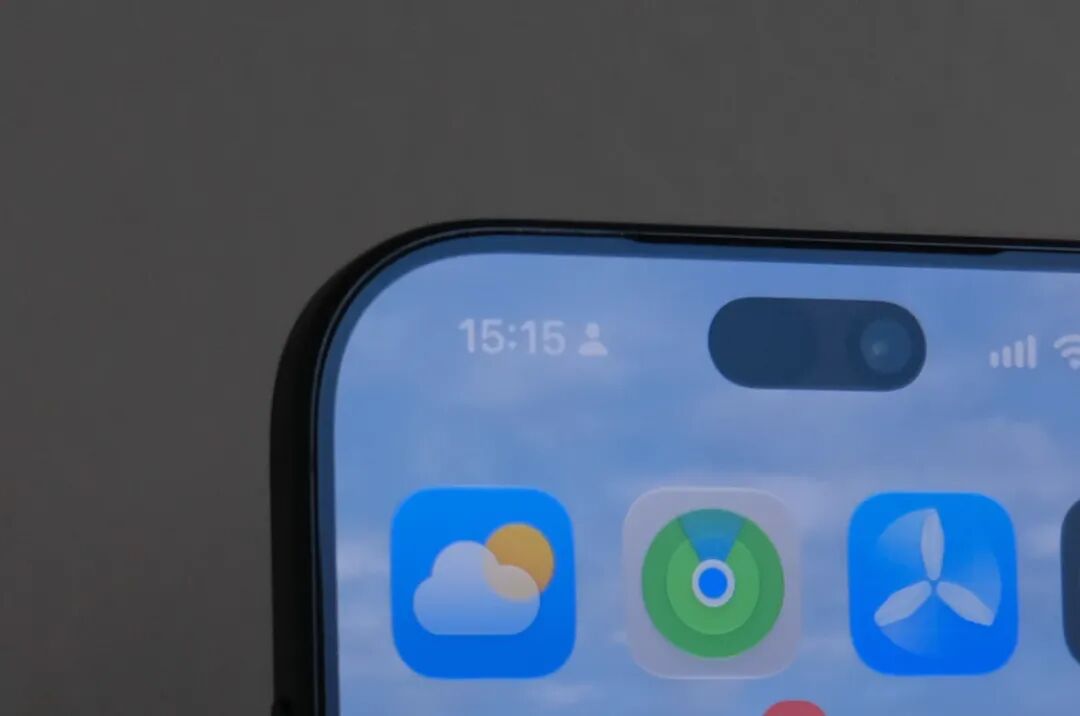
On the front of the iPhone 18 Pro, Apple has reduced the display area occupied by the TrueDepth camera system. When no Live Activities are displayed, this black area is significantly smaller than that of previous Dynamic Island models; thanks to this, the Dynamic Island can now display up to three Live Activities at the same time.
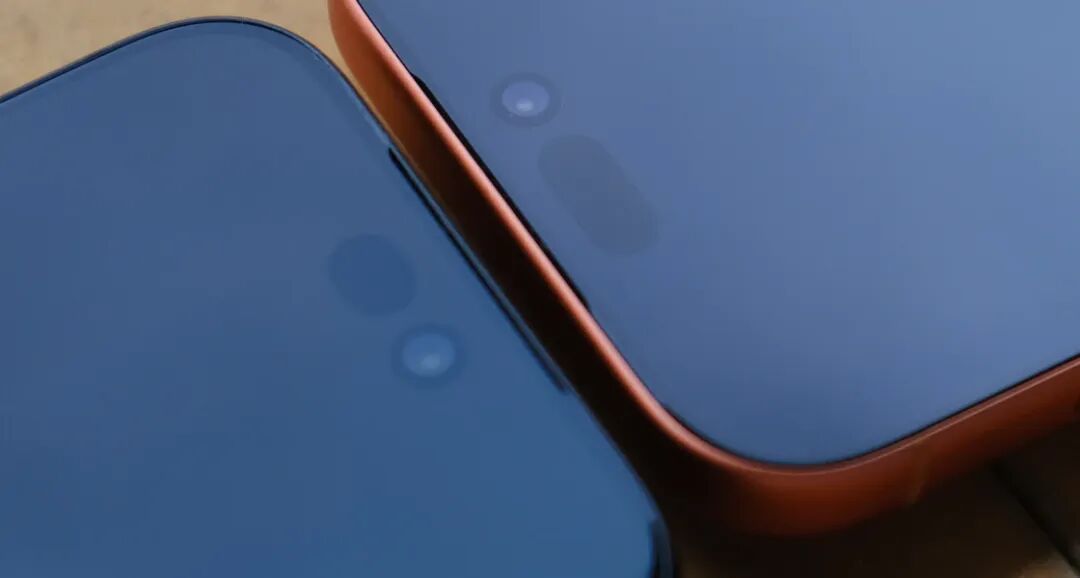
To achieve this, Apple moved the infrared camera in the TrueDepth camera system from the central opening to the upper left of the screen, and hid it under the display panel; yes, if this infrared camera is counted, it can also be called the first under-screen camera that appeared on iPhone earlier than the iPhone Duo.
In order to let infrared light pass through the screen smoothly, Apple reduced the screen pixel density in the area above the infrared camera by half, and at the same time increased the luminous brightness of the remaining pixels to twice, trying to keep the display brightness of this area consistent with the surrounding. In addition, the new version of Face ID will also introduce additional image data to assist authentication in addition to the original depth data and infrared images, which will be processed by the independent Secure Enclave inside the chip. According to Apple, this is done to "maintain the performance of Face ID".
Although this processing cannot completely make up for the difference in pixel density, during the time I used the iPhone 18 Pro, I hardly felt any display difference in the upper left corner of the screen, and the unlocking speed of Face ID is no different from before.
▍ Inside and Outside the Lens "Aperture"
The iPhone 16 Pro brought us a 48-megapixel ultra-wide-angle lens, the iPhone 17 Pro brought a 48-megapixel telephoto lens, and this year, Apple finally thought of the main camera that most people use more often.
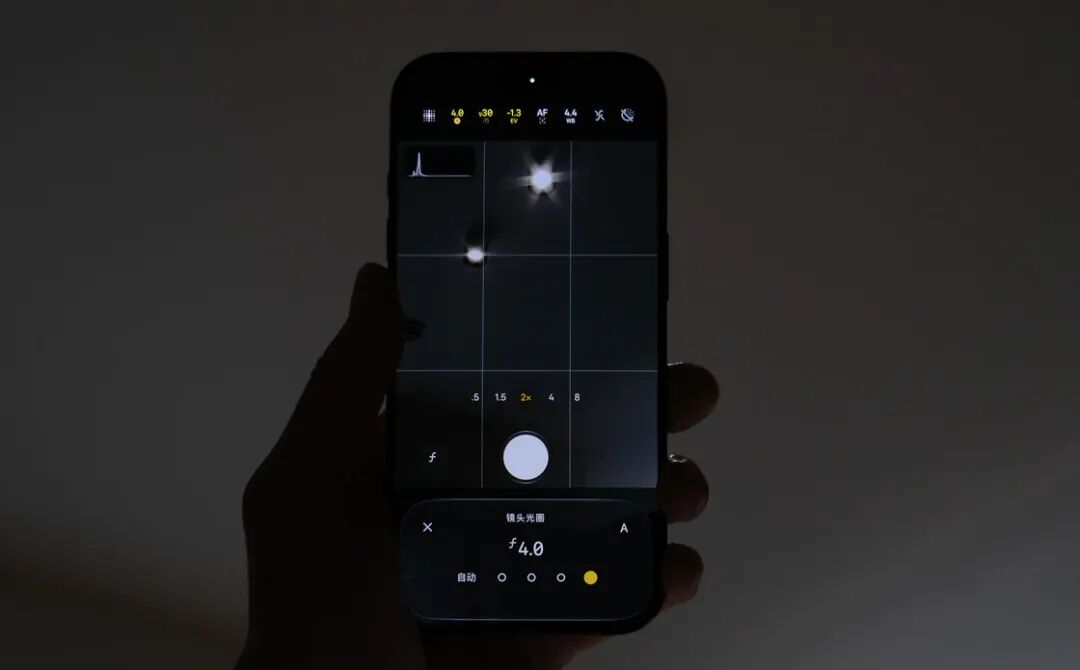
The brand new 48-megapixel fused main camera adds a variable aperture structure composed of six blades, and the maximum aperture is also expanded from f/1.78 of the previous generation to f/1.48 which is consistent with the iPhone Air. Now, the main camera of the iPhone 18 Pro can switch between four aperture levels: f/1.48, f/1.8, f/2.8 and f/4. This is also the first time that iPhone can truly change the light intake and depth of field of the lens through physical changes of the aperture.
In terms of numbers, f/1.48 and the previous generation's f/1.78 do not seem to differ much, but calculated by the aperture area, the former can theoretically obtain nearly 50% more light intake. In low-light environments, more light can allow the camera to shorten the exposure time and reduce blur caused by hand shake or subject movement; it can also reduce the ISO when the exposure time is similar, reduce noise, and make the night scene picture purer. When the distance to the subject is relatively close, the larger aperture can also bring more natural foreground and background blur.
Of course, due to the limited area of the phone's sensor, the physical depth of field change brought by f/1.48 cannot be as obvious as that of a full-frame camera; the edge image quality of the lens at the maximum aperture may not be in the best state either. From the actual shooting results, the sharpness of the iPhone 18 Pro main camera is the highest at f/2.8, followed by f/1.8, f/4 will be slightly affected by diffraction, and the picture at f/1.48 is relatively soft, with the lowest detail sharpness among the four aperture levels.
f/1.48 is more suitable for low-light environments and close subjects; f/1.8 strikes a balance between light intake and image quality, and is also the default gear in the camera app's automatic aperture mode; f/2.8 usually achieves better clarity; f/4 can make the people in the front and back rows in group photos as much in focus as possible, and can also make point light sources present a starburst effect.
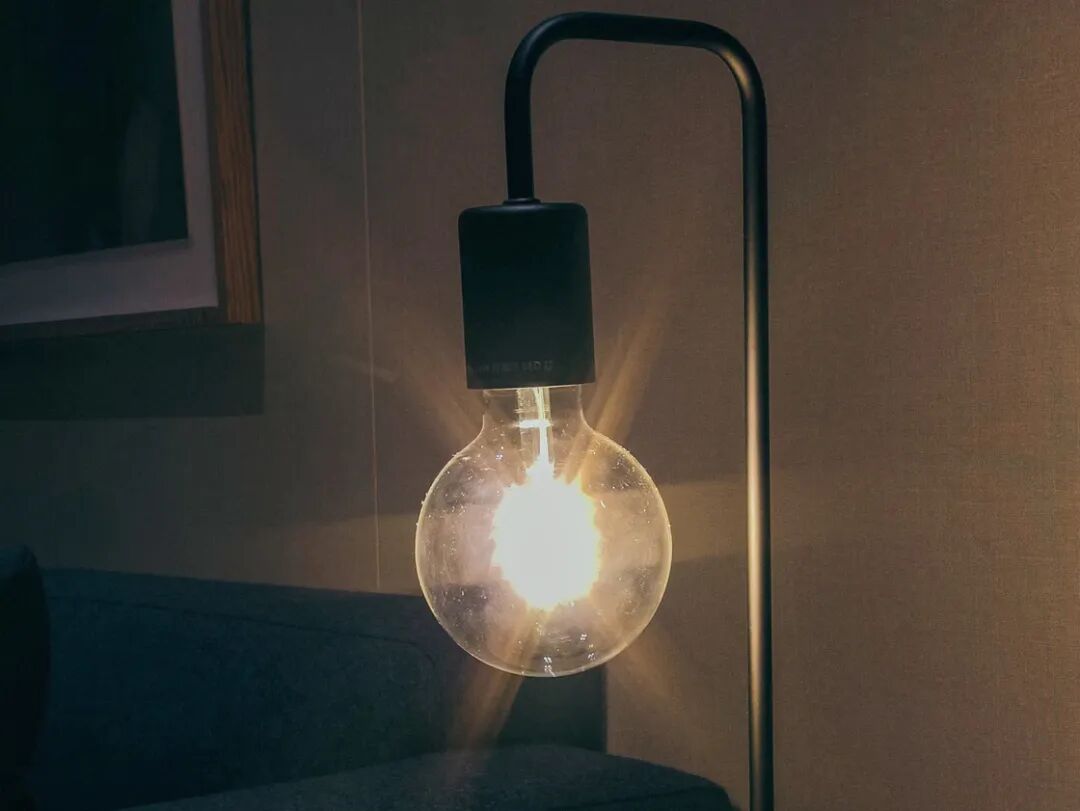
The f/4 aperture can produce starburst effects
Along with the variable aperture comes a brand new camera tool. Now, a row of customizable shortcut keys will be displayed above the viewfinder in the camera app, which can be directly called up to adjust corresponding settings during shooting, and up to eight parameter options can be placed at the same time.
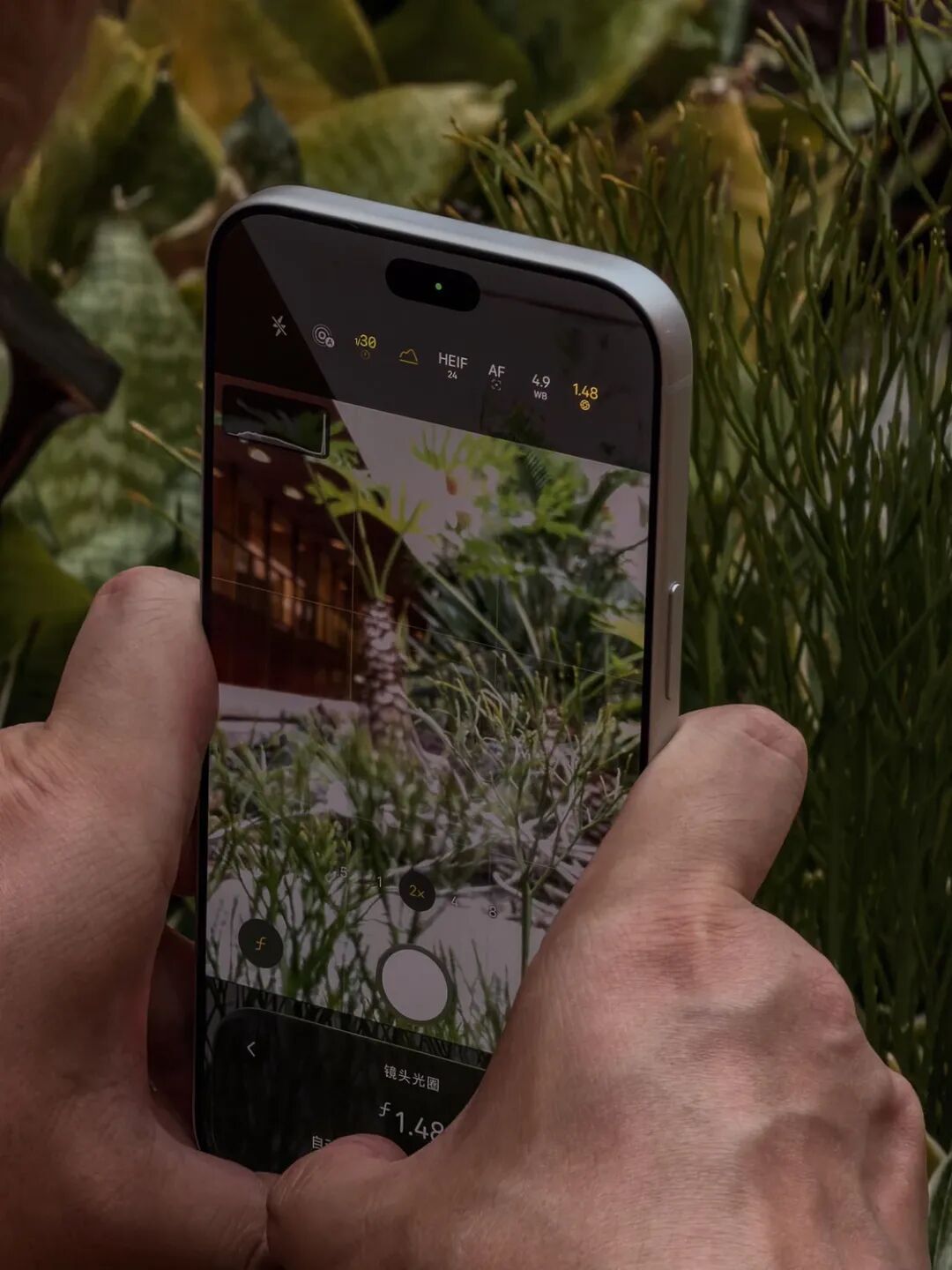
Although the camera tool is a new feature available on both new and old models, the iPhone 18 Pro adds five exclusive features on this basis: lens aperture, shutter speed, white balance, histogram and manual focus. Among them, the aperture control comes from the brand new variable aperture structure, and the other items are manual control and exposure assistance features that have been missing for a long time in the camera app but have been highly demanded. Apple collectively calls these adjustment capabilities exclusive to the iPhone 18 Pro Pro-level controls.
Among the Pro-level controls, in addition to the lens aperture just mentioned, white balance and shutter speed are also the two most practical features in my opinion. In the past, when taking photos with iPhone under indoor cold light, the white balance would shift from time to time with the change of composition; now we can directly adjust the white balance during shooting to avoid this problem as much as possible, so that the same set of photos can maintain more stable color performance.
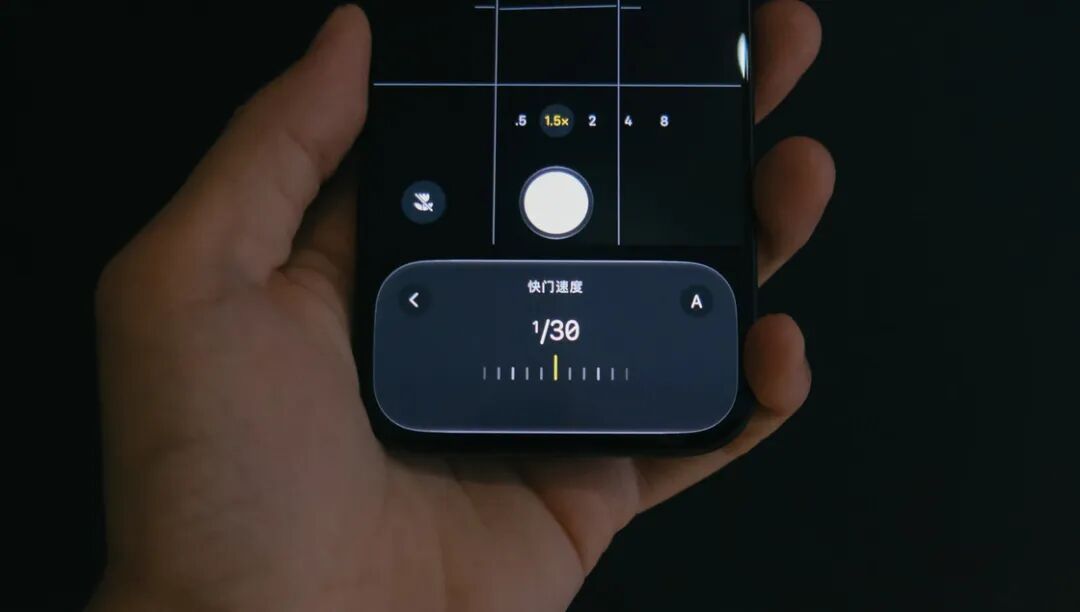
The shutter speed allows us to shoot more interesting pictures: speeding it up can freeze the moving moment and make the subject clearer; slowing it down can leave trailing shadows for moving people or objects, adding a more obvious sense of flow to the picture.

Shutter speed: 1/4 s

Shutter speed: 1/15 s
However, after using it for this period of time, I also think that the actual operation of this set of Pro-level controls is not as convenient as imagined: first, these options are located at the top of the viewfinder, which is not easy to reach when shooting vertically. Second, manually adjusting parameters takes time, and mobile photography often emphasizes timeliness; by the time we find and adjust the required parameters such as aperture and shutter speed, those fleeting scenes have often been missed long ago; if the shutter speed can directly provide several common values for us to click to switch like the variable aperture, it may be much more convenient.
You might say that these features have long been commonplace in third-party apps, and Apple did not put them into the camera app until today, which can indeed be described as long overdue. Fortunately, now when we want to take better and more interesting photos with iPhone, we have one more choice: most of the time we can still leave these parameters to the automatic mode, but in a few scenes that require manual adjustment, at least we can decide by ourselves.
Although Pro-level controls bring a more flexible and professional shooting method, for most users, I think the new generation of Photographic Styles may be a more useful image software upgrade this year.
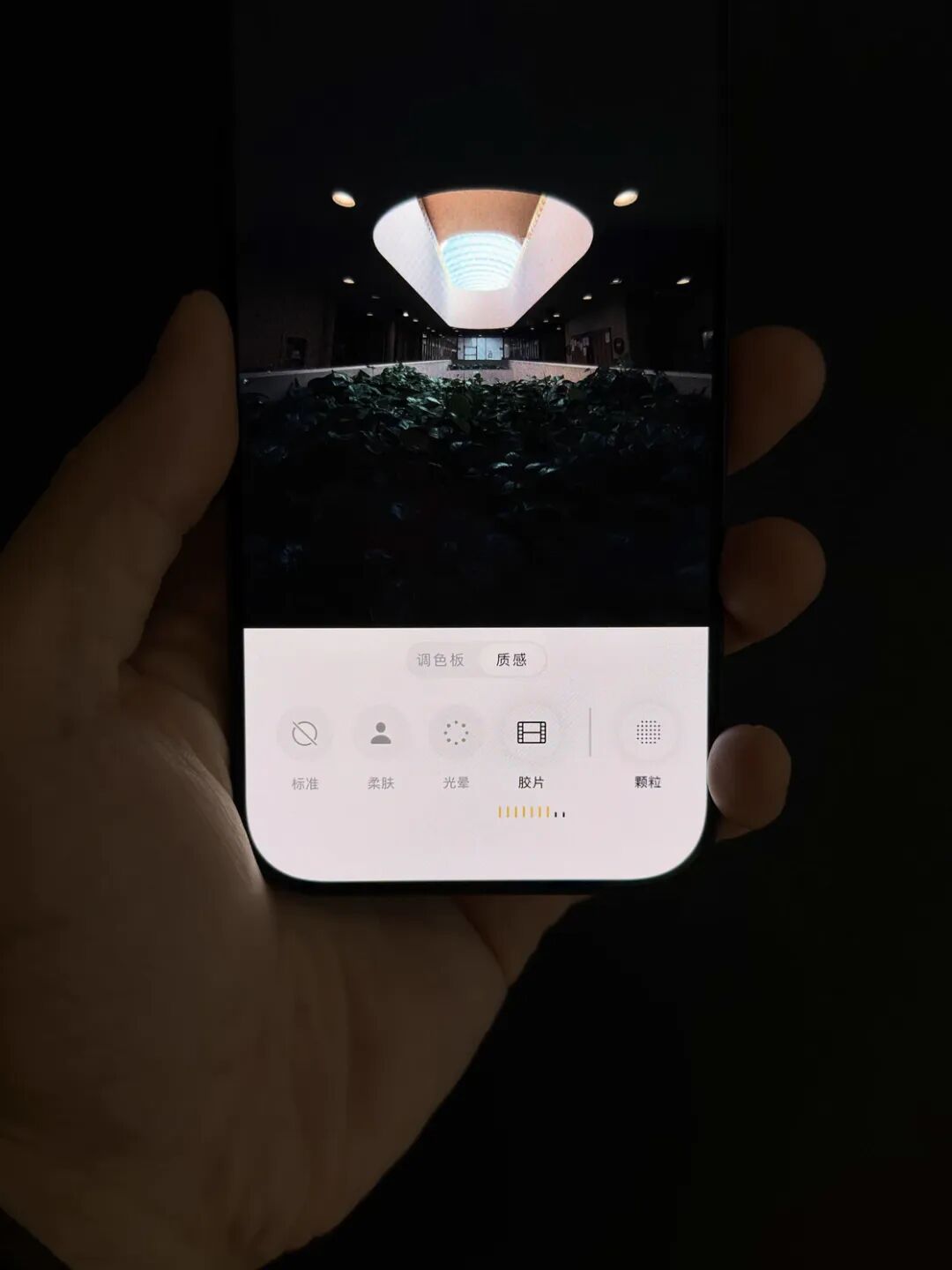
The previous Photographic Styles mainly focused on the tone and color of photos. On the iPhone 18 Pro, Apple added brand new texture and grain controls. Among them, the texture provides three effects: Skin Smooth, Glow and Film: Skin Smooth properly weakens skin details, Glow can make the highlights in the picture softer, and Film reduces the overly sharp feeling of digital images, and brings a slight halo at high-contrast edges.

Vibrant Style + Film Texture

Vibrant Style + Glow Texture

Warm Style + Skin Smooth Texture