A core researcher of Claude predicts that AI may surpass all human beings within a few years.
AI that surpasses all human capabilities will most likely emerge within a few years.
The person who made this statement is Sholto Douglas, Head of Reinforcement Learning Technology at Anthropic.
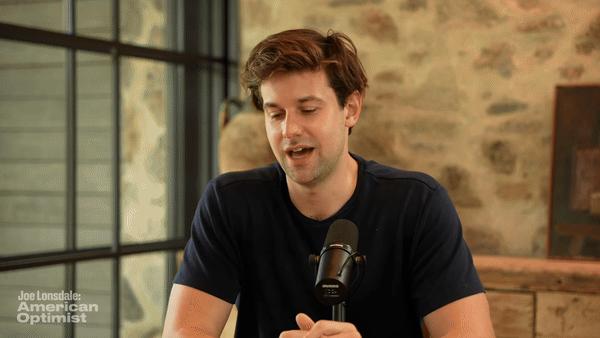
Sholto Douglas, Head of Reinforcement Learning Technology at Anthropic: Models with capabilities exceeding all human beings will most likely emerge in the next few years.
In his vision, future AI will be able to complete all tasks that humans perform on computers, compressing centuries-worth of scientific and technological progress into just one or two decades.
He also estimates that the annual AI capital expenditure could reach 4 trillion US dollars by 2028, and the global GDP may double in the early 2030s.
In the future he depicts, every person on Earth will be able to enjoy a level of abundance that even the richest people in the world today cannot possess.
However, another researcher present at the event, Nick Marwell, also reminded: When AI no longer needs human partners, even they will be "extremely nervous" about the consequences.
This interview was recorded in August and was not released until October 2.
According to host Joe Lonsdale, the video release was delayed because Anthropic's public relations department opposed the release of some content.

As soon as the program was broadcast, several clips of the interview quickly went viral on X.
Just a month ago, when OpenAI announced the arrival of the "AGI Era", Sholto was still taking a contrarian stance on X: "AGI is clearly not yet achieved."
However, he does not believe that AGI is far away.
In his view, it may only be a few years before AI can complete all the work humans do on computers and truly cross the threshold of AGI.
Within a Few Years
AI May Surpass All Humans
Nick Marwell, who was interviewed on the same stage as Sholto this time, is in charge of the long-horizon task team, which studies how to enable AI to continuously advance complex work.
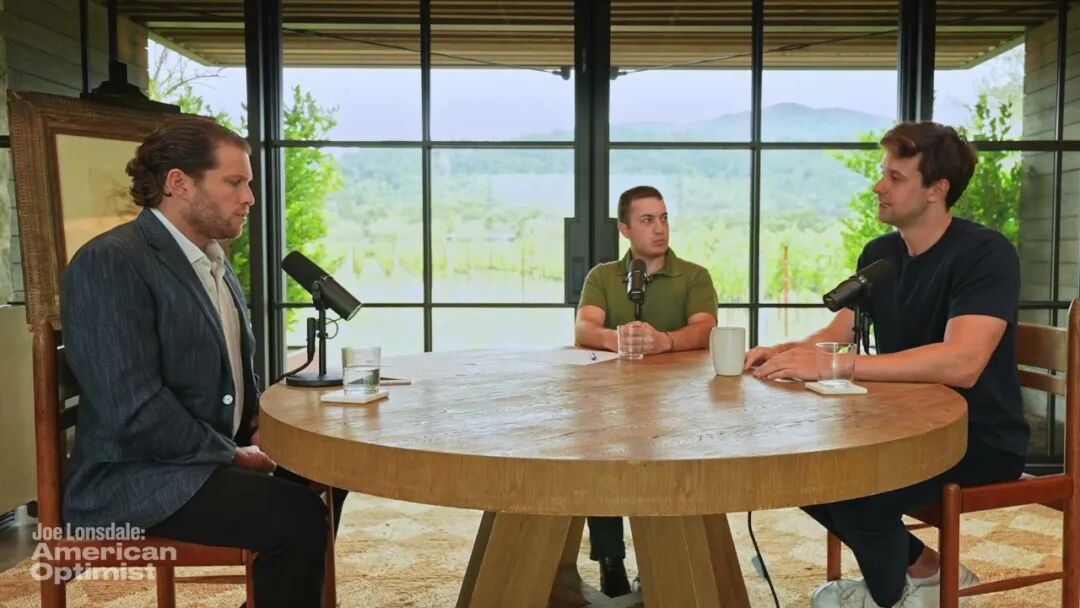
From left: Host Joe Lonsdale, Nick Marwell, Sholto Douglas. Joe Lonsdale is the co-founder of Palantir, and the program was recorded at a winery in Napa, California.
When Joe asked "What is Anthropic's next mission", Sholto replied:
We believe that AGI can be achieved within the next few years: models with capabilities equal to or even exceeding all human beings will most likely emerge in the next few years.
He then explained that such a model can do everything a human can do on a computer; when robots are advanced enough, they can also cover work in the physical world.
Shortly after this episode was recorded, OpenAI released GPT-6 Astra. President Greg Brockman said that we are entering the AGI era, and Jensen Huang even posted directly to announce that "AGI has arrived".

On September 23, a netizen asked on X: Anthropic has been slow to announce the realization of AGI. Is it because of higher standards, or is it afraid that once it announces it, it will conflict with the proposition of slowing down AI?
Sholto only replied: "AGI is clearly not yet achieved."

Not long after, his colleague Jackson Kernion, who does fine-tuning at Anthropic, replied under the same post: If you showed today's models to experts ten years ago, they would directly declare that this is AGI.
Researchers at the same lab also have different views on whether AGI has arrived.
The threshold Sholto set for AGI is that AI can complete all the work humans do on computers.
The changes he has felt are happening in his own daily work.
18 months ago, every line of code he wrote was typed by hand.
A few months after joining Anthropic, the model could help write code, but he had to step in every few minutes.
By the time of the recording, he could already hand over one or two days of work entirely to the model, "basically like a junior team member".
Joe pressed: "Right now as we speak, AI is also doing work for you?" Sholto replied: "Yes, a bunch of them are working for me."
The leap in the field of mathematics is even more astonishing.
He also cited the example of the FrontierMath mathematical evaluation: On this set of tests designed by professors from various fields, the model's scores rose from 0% to more than 60% within a year.
1 Trillion, 2 Trillion, 4 Trillion
How big will the bill be to build AI that surpasses all humans within a few years?
Sholto did the math.
According to his estimates, in the past four or five years, the computing power used for AI has increased by two to three times every year. This year, the total AI-related capital expenditure of several large-scale cloud vendors is about 1 trillion US dollars.
He then asked:
Can this trend line continue? Will it reach 2 trillion next year, and then 4 trillion by 2028?
In his view, if the investment growth trend continues roughly, the annual AI capital expenditure could reach 4 trillion US dollars by 2028; coupled with the development of the robotics industry, the global GDP could double in the early 2030s.
How radical this number is can be seen from NVIDIA.
NVIDIA previously predicted that by 2030, the annual global investment in AI infrastructure could reach 3 trillion to 4 trillion US dollars.
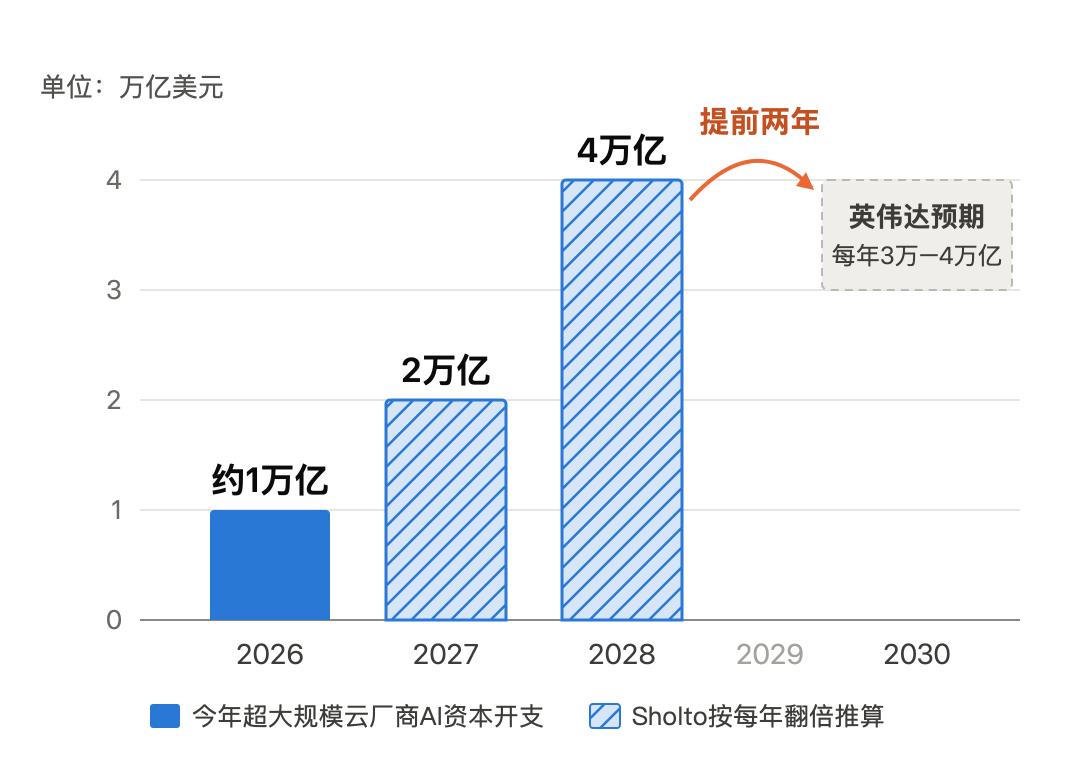
Sholto pushed NVIDIA's predicted timeline forward by two years.
But he also admitted that doubling GDP sounds a bit absurd, many things need to go right, and this is not a random thought of his.
On August 14, he wrote on X that "no matter how crazy it sounds now, it is worth including a doubling of the economy in your expectations for the 2030s".

Nick talked about another account: A single model training in the future may cost 10 billion, 100 billion, or even 1 trillion US dollars.
The economic return of intelligence is exponential. From tab completion to Claude Code that can work independently, every capability upgrade can create far more value than the previous generation.
Sholto added a number: Today, the total global AI revenue is only more than 100 billion US dollars, which is a very small part of the hundreds of trillions of global economy.
In their accounts, the trillions of dollars invested now are just a down payment.
As soon as this calculation came out, there was an immediate uproar on X.
Gary Marcus, the leading AI doomsayer and emeritus professor at New York University, directly called this passage nonsense.

He also pointed out the rhetoric in it.
Start with a very credible thing, capital expenditure rises to 4 trillion, then slide to an almost impossible thing, GDP doubles in less than ten years, and then pretend that the two things are equally reliable.
Jürgen Schmidhuber, the father of LSTM, was even more sarcastic. He said that doubling nominal GDP in the early 2030s would not be a problem with the current inflation.
Everyone is More Prosperous Than the Richest
Investing 4 trillion US dollars will bring about a "post-scarcity" world described by Sholto.
With the current population size, technologies that would otherwise take centuries to develop may be realized in the next ten or twenty years.
Human productive mental and physical labor may double as a result, and the cost of many things will eventually drop to the cost of energy, even for building houses.
Joe then imagined that by then the middle class could build a 500,000-square-foot mansion on the mountain.
The future Sholto depicts also includes curing diseases and even overcoming aging:
Every person on Earth can enjoy a level of abundance that even the richest people in the world today cannot possess. This is the world we are striving for.
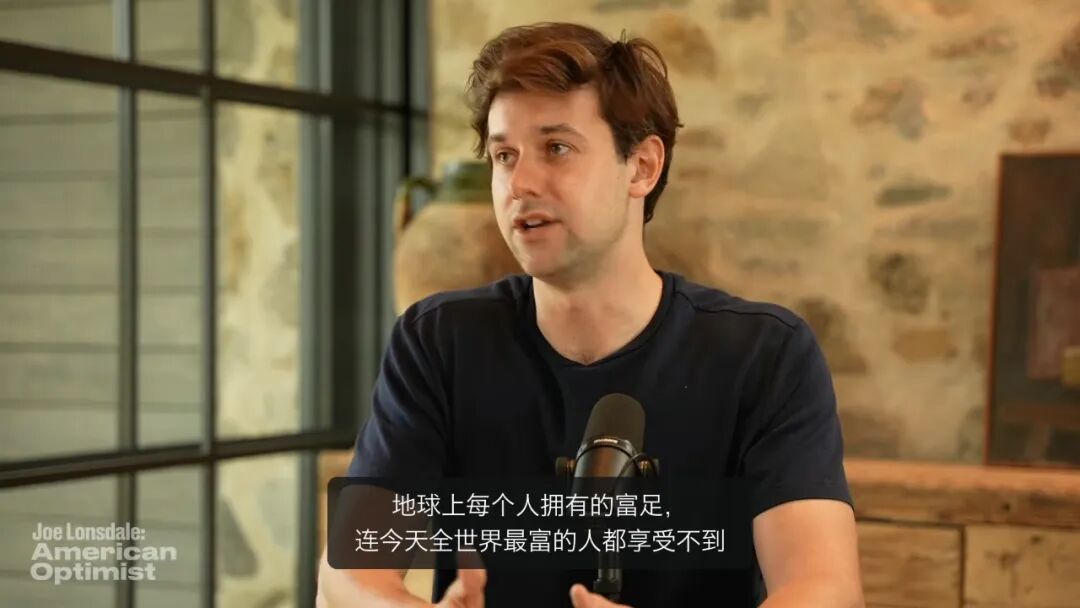
The term "post-scarcity" used to appear mostly in science fiction novels.
Now, it comes from the mouth of someone who is training Claude at a company valued at nearly a trillion dollars.
The Day When Human Partners Are No Longer Needed
The "post-scarcity" world is still far away, but many people's work has already begun to change.
Sholto said he has seen that employment in Philippine outsourced call centers has risen instead of falling, and software engineering employment is also growing. He believes that AI improves human efficiency, giving companies reason to hire more people.
Nick added a premise to this good time: Humans are still a key part of making good use of AI.
But in their view, one day the world will change from "requiring a person paired with AI to realize full value" to "no longer requiring it".
At that point, we will start to be very nervous about the consequences.
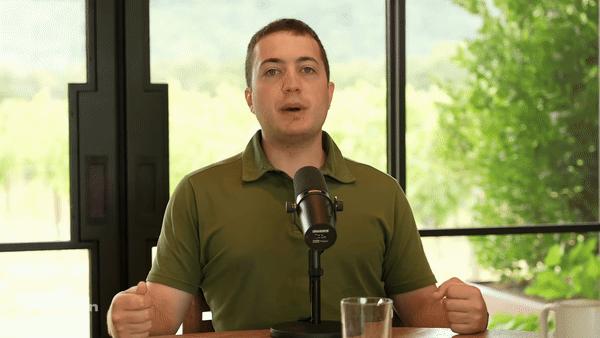
Joe used chess as an analogy: For 30 years, the strongest chess players were "human plus machine", but now the machines have long left humans far behind. Nick believes that this stage of human-machine partnership being dominant may be much shorter.
While saying that AI is powerful enough to make people lose their jobs, they are also calling on the whole industry to slow down, which is why Anthropic has been criticized the most.
Joe directly raised the question:
Some people in the tech circle believe that Dario is scaring everyone so that he can make more rules to slow down others and then control these rules himself.
Sholto replied: "So far, the one we have slowed down the most is ourselves."
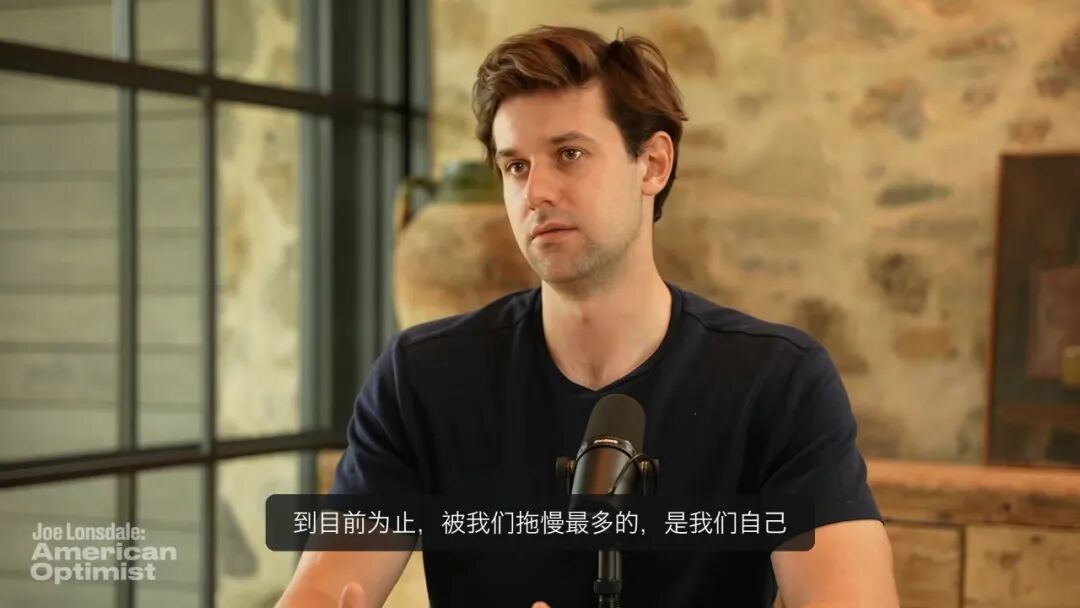
Nick cited the example of Fable.
According to him, Anthropic had a clearly leading model at the time, but chose to cooperate with the government first and launch it in a way approved by the government, giving up several months of competitive advantage.
Joe said that as far as he knows, in order to get government approval, some capabilities of the model that could be used for cyber defense have been weakened. He said bluntly: "I think this is a mistake."
