The rat bait boxes tucked in the corners of your residential community conceal a huge 500-billion-yuan business.
If you look carefully at the corners of residential compounds, factories and office buildings, you must have seen small boxes with obvious warning signs under the base of the walls.
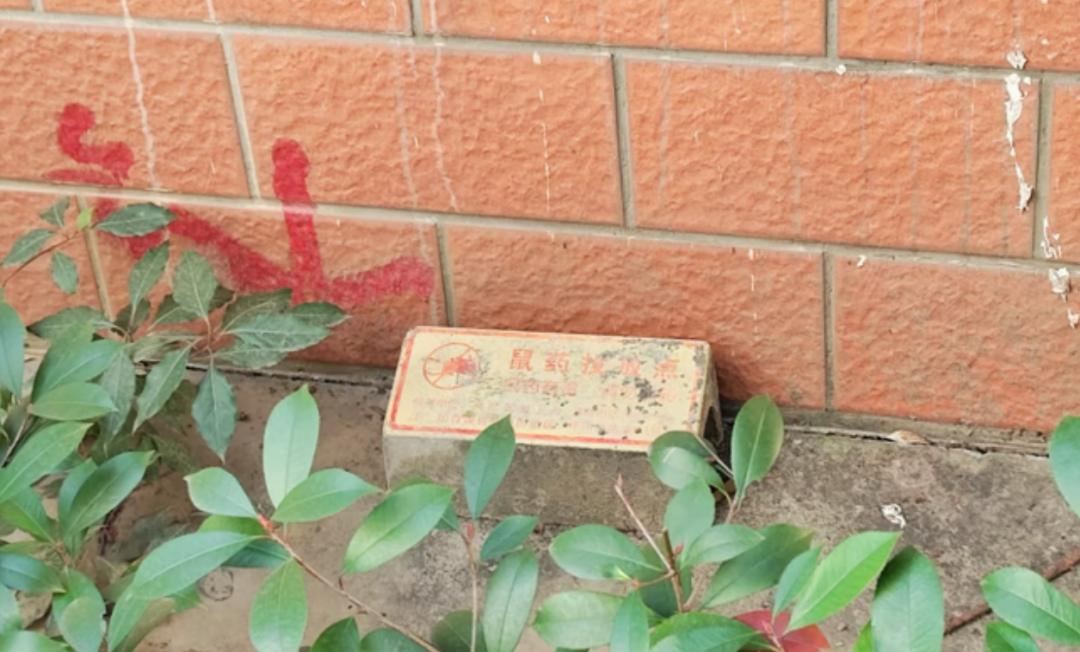
Rodenticide boxes in the corners of residential compounds
These boxes are generally used to kill rodents.
Someone will come to inspect at irregular intervals to check if any box is missing, moved, or if the medicament inside is leaking.
If any abnormality is found, a professional disinfection and pest control company will be notified and the situation will be recorded.
Some people may ask, it's just placing a few boxes, why don't factories do it themselves since it's so simple?
Don't look down on these few boxes, there is a huge market worth 50 billion yuan hidden behind them.
Pest Control Operation
When it comes to disinfection and pest control, what many people recall is the scene in their childhood: neighborhood committee aunts distributing fly swatters, and mouse traps placed by the roadside.
Or the technicians from the epidemic prevention station carrying iron sprayers, spraying all the way along the wall with thick white fog that can spread for miles.
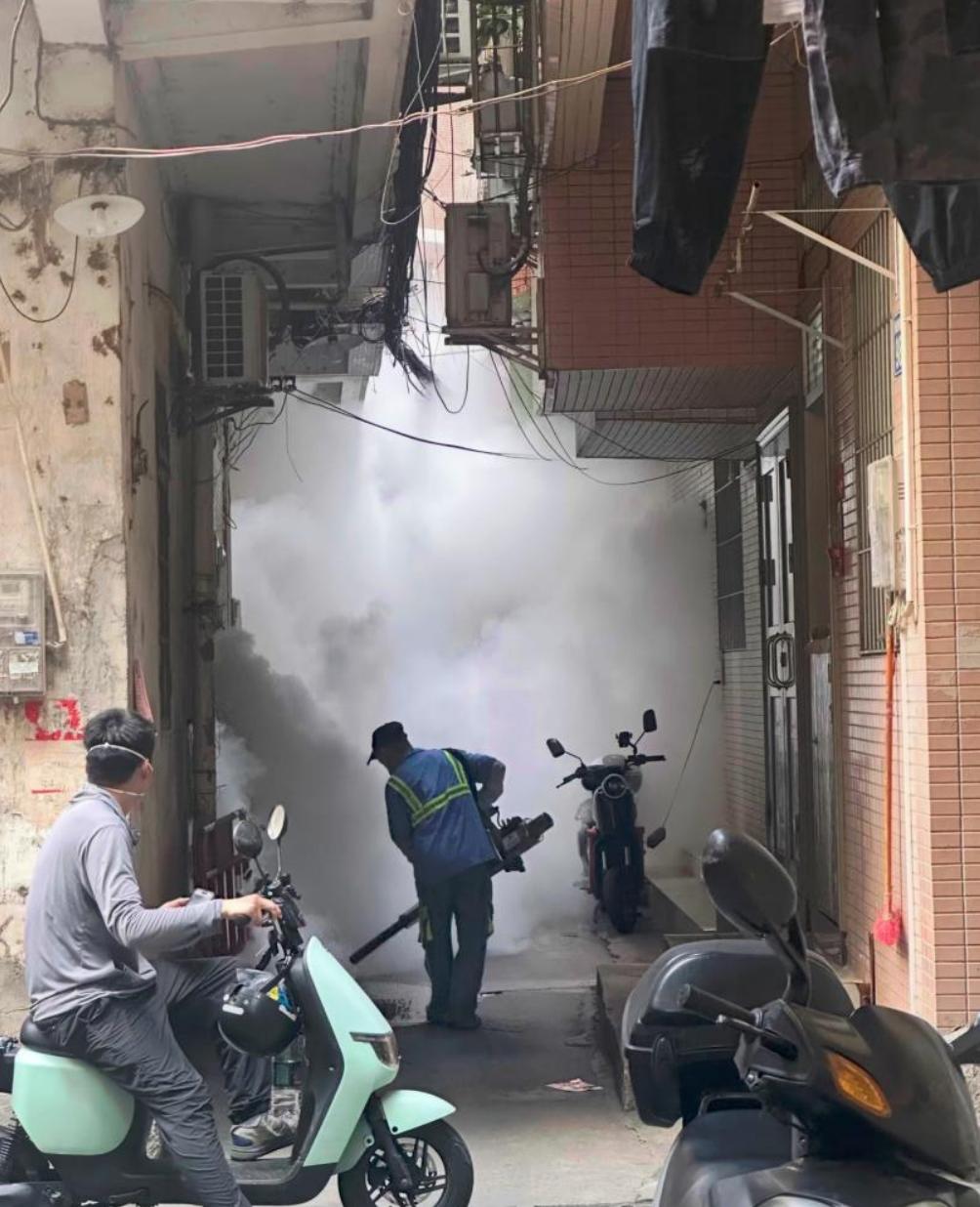
Old-style disinfection and pest control services
That is a thing of the past.
Today's disinfection and pest control is far more than simply "spraying pesticides to kill insects".
It has a professional name "PCO (Pest Control Operation)", which generally refers to the management of rodents, insects, spiders, ticks, mites and other pests in China.
Simply put, PCO refers to professional pest control companies.
The PCO industry has a history of nearly 100 years abroad, while it started relatively late in China.
Back to this question, why do factories choose to outsource this work instead of managing it on their own?
The first reason is management cost.
Managing it by yourself seems to save money, but it may not be cheaper in the final calculation.
If you hire a full-time employee in charge of disinfection and pest control, you need to pay their salary and social insurance, and arrange relevant training for them.
In addition, the cost of purchasing pesticides, equipment and keeping records, when all miscellaneous expenses are added up, is not lower than the cost of outsourcing.
If you turn to a professional outsourcing service, the market price of a single disinfection and pest control service for a restaurant is 1000 to 2000 yuan, and the total annual cost calculated at a fixed frequency is actually within the affordable range.
More importantly, there is compliance pressure.
The new version of *National Food Safety Standard - General Hygiene Specification for Food Production* has changed the requirement for pest and rodent management from "suggested" to "mandatory" and "traceable".
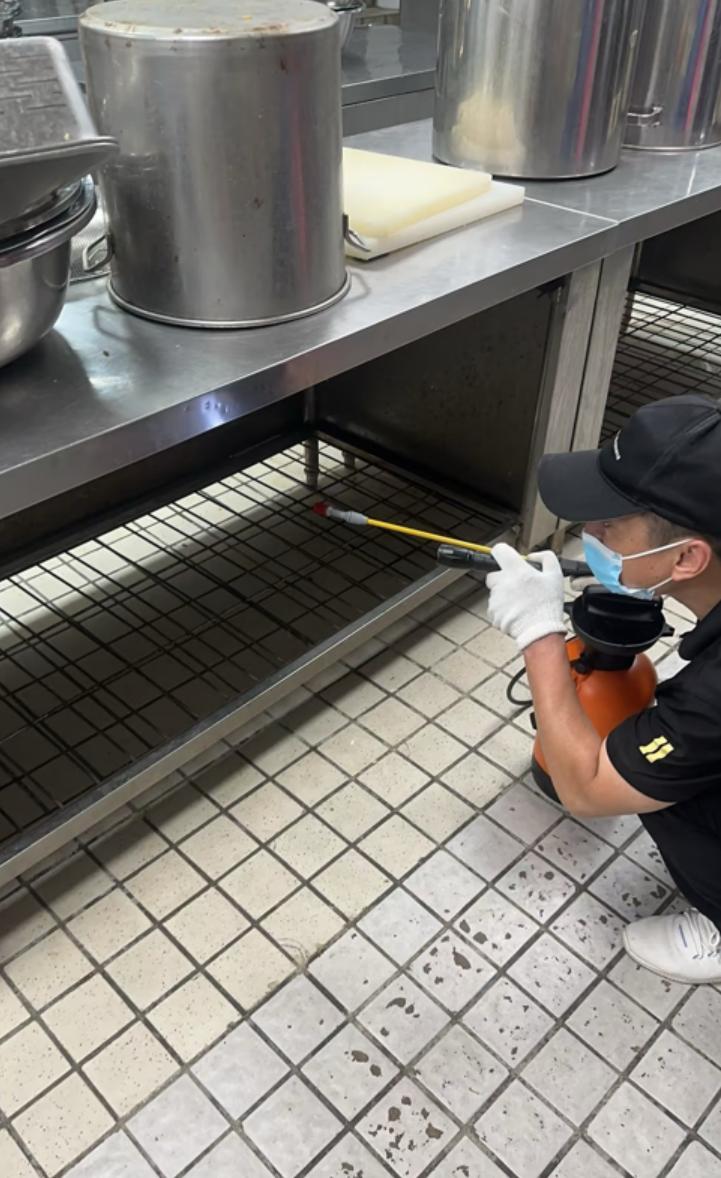
A restaurant is carrying out professional disinfection and pest control
PCO companies provide all the required compliance evidence, including disinfection and pest control ledgers, pesticide parameters, service reports, marked floor plans and so on.
If you manage it by yourself, very few companies can produce a complete chain of evidence.
The most fundamental reason is the professional threshold.
Where is the professionalism of PCO reflected?
According to the IPM international standard, a complete set of professional services includes four links: pest risk assessment, integrated pest management, safe standardized operation, continuous monitoring and re-inspection.
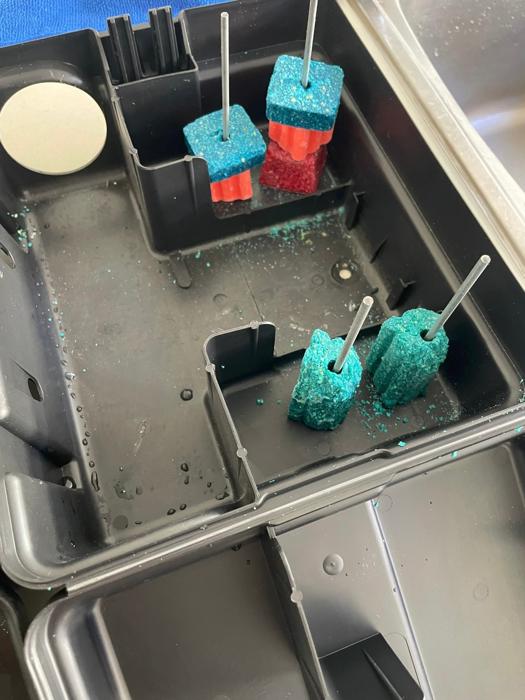
Various pesticides are placed in the rodent control box
The types of pesticides and equipment to use, as well as the prevention and control methods to adopt, need to be determined according to different scenarios. The service personnel must hold relevant certificates for their posts, and all pesticides must have the national pesticide registration certificate.
The core point is the closed-loop management of records and traceability, which is a mandatory requirement of national standards.
Killing insects is easy, but to realize the whole process of recording, a set of standardized management system is required.
The disinfection and pest control ledgers, pesticide parameters, service reports and marked floor plans provided by PCO companies are exactly the core documents that enterprises need to present during unannounced inspections.
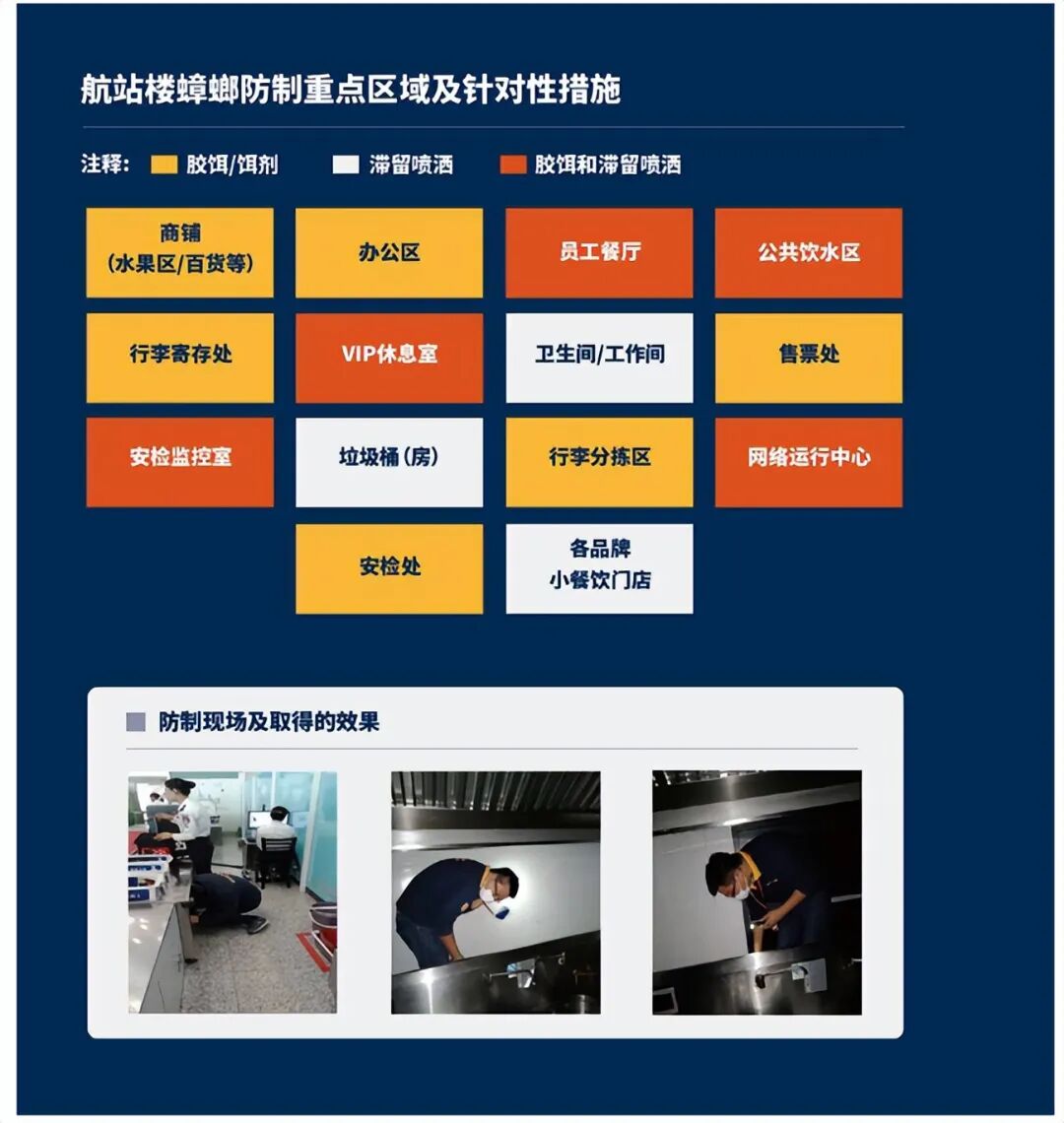
Cockroach control measures for airport terminals designed by PCO companies
Without complete records, the inspection cannot be passed even if the site is very clean.
Therefore, outsourcing to a professional PCO company is essentially buying compliance evidence.
In the final analysis, it is not that factories and hospitals are unwilling to do it themselves, but that this work has long been beyond their own capacity.
The 50 Billion Yuan Huge Market
Where there is professional division of labor, there is a market.
This market is much larger than most people imagine.
Statistics show that the commercial end takes the largest share, accounting for 58% of the whole market, the people's livelihood end accounts for 20%, and the public environment end accounts for 22%.
These three segments jointly support a 50-billion-yuan market, with an annual growth rate steadily exceeding 8%. It is estimated that the market size will exceed 600 billion yuan in 2026.
This is just the beginning.
According to incomplete statistics, the market penetration rate of PCO outsourcing in commercial office spaces has jumped from 17% in 2021 to 41% in 2025.
However, the household market only accounts for 3%, while this figure is 40% abroad.
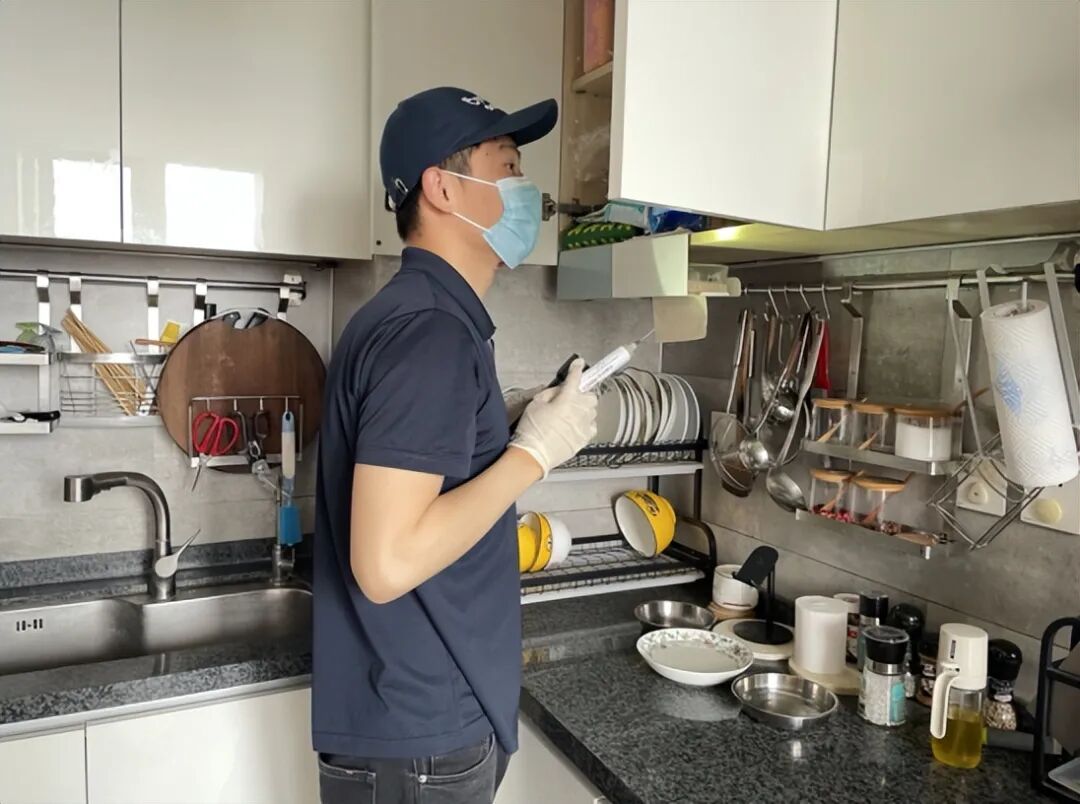
A professional uses "gel bait" to remove pests for a household
This means that in household scenarios, "doing it by yourself" is still the absolute mainstream, and professional on-site services have just started.
While the demand is rising, the performance of the supply side is uneven.
Looking abroad first, after a hundred years of development, the global PCO industry has formed a highly concentrated market pattern.
The world's top 5 enterprises, namely Rentokil, Rollins, Terminix, Ecolab and Anticimex, jointly account for about 40% of the market share.
Among them, the world's largest PCO company is the UK-based Rentokil, which was founded in 1925, covers business in more than 80 countries, and has a global revenue of more than 5 billion pounds.
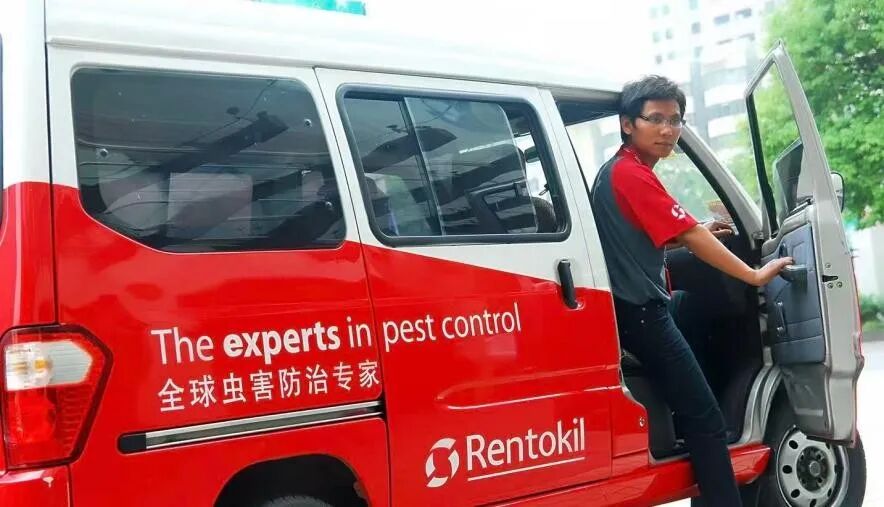
The UK-based Rentokil
These giants share common features: standardized service systems, digital management platforms, chain operation networks, and stable cash flow brought by long-term service contracts.
In China, the industry presents a competitive pattern of a large market with a large number of small enterprises.
There are about 20,000 enterprises in China, most of which are micro, small and medium-sized enterprises such as Jardin, CCIC and Huilimin, and the top 10 enterprises account for less than 20% of the total market share.
Some service providers still stay in the extensive stage of spraying pesticides to kill pests, with problems such as insufficient detection, lack of targeted solutions, and after-sales tracking that is only a formality.
Compared with foreign countries, there is still a big gap in China's PCO industry.
National Public Health Security
In fact, the PCO industry is far more important than most people imagine.
Data from the Chinese Center for Disease Control and Prevention shows that from 2023 to 2025, the number of mosquito-borne infectious disease cases in China doubled from 22,650 to 44,393.
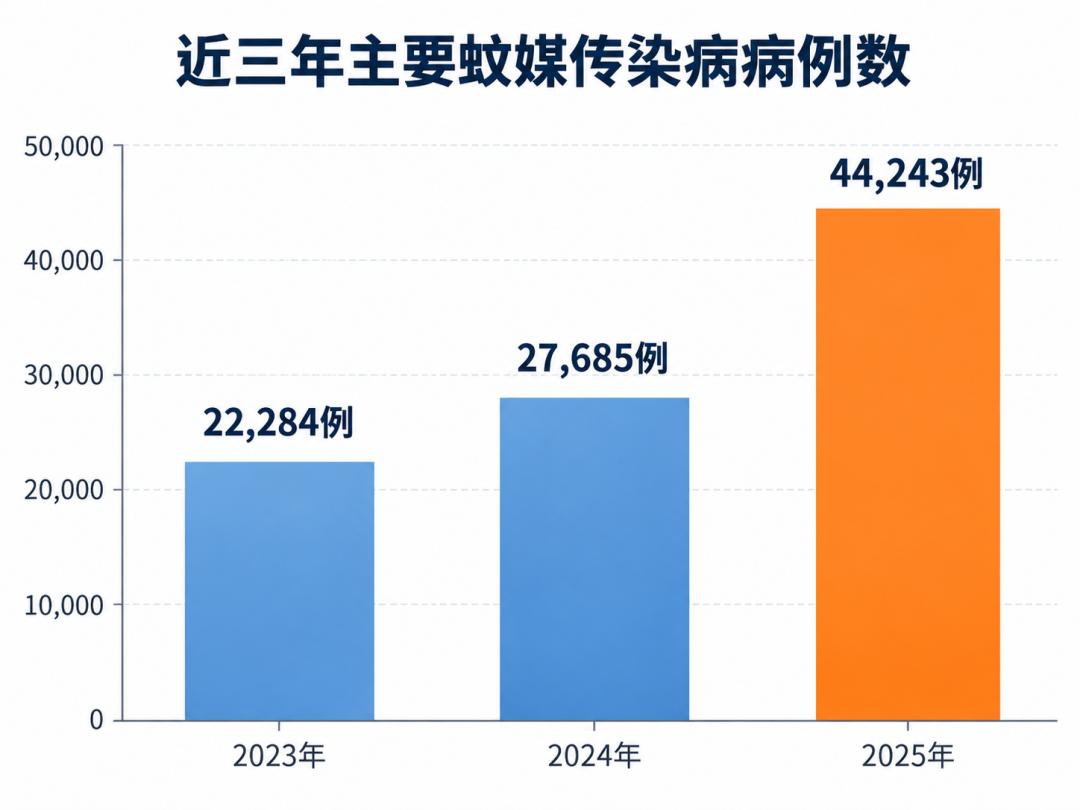
There were nearly 30,000 cases of chikungunya fever and more than 10,000 cases of dengue fever in 2025.
At the same time, "epidemic hemorrhagic fever", a disease spread by rodents with a maximum mortality rate of 15%, still reports 10,000 to 20,000 cases every year.
Imported dengue fever cases have been reported in all 31 provincial-level administrative regions across China, and the risk of local transmission in Hunan, Chongqing and other places has continued to rise in recent years.
Pest control is not a trivial hygiene matter of killing insects, it is related to national public health security.
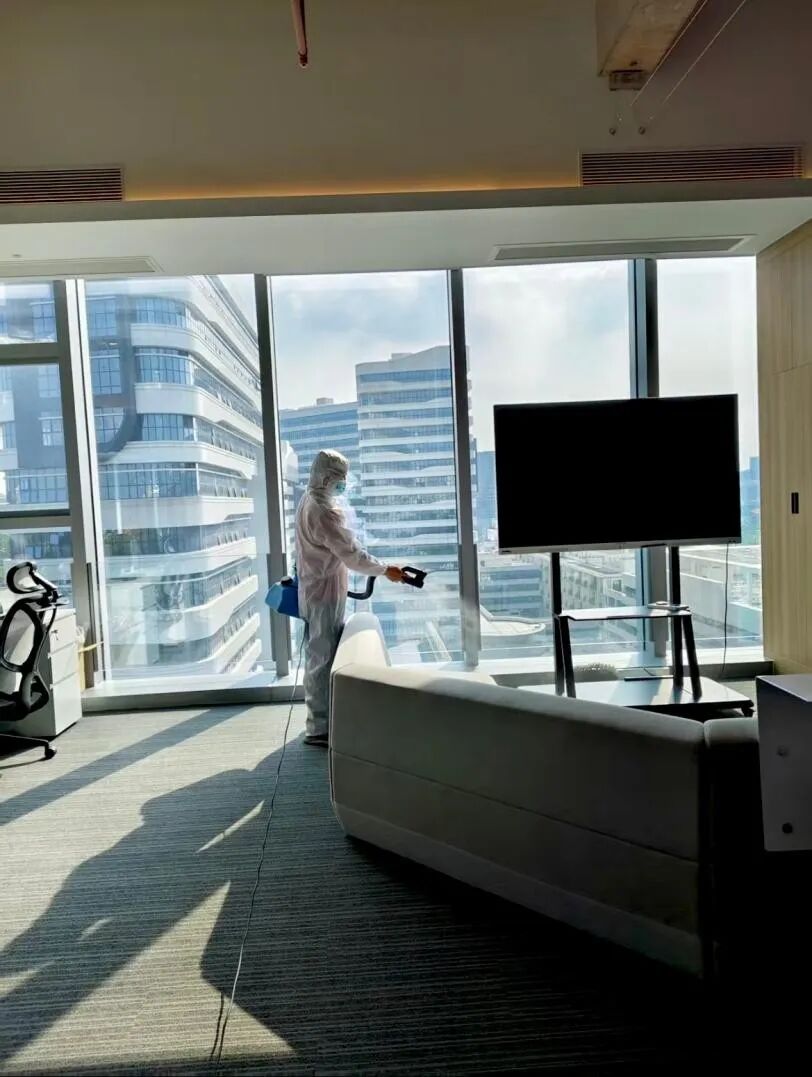
Disinfection and pest control in commercial office buildings
The *Healthy China 2030* Planning Outline clearly proposes to further carry out patriotic health campaigns, and elevate the "integrated pest vector prevention and control strategy" to part of the national health strategy.
The *National Healthy Town Management Measures* and the *National Healthy City and National Healthy County Evaluation Standards* issued by the National Patriotic Health Campaign Committee have raised pest vector control from the technical level to a hard constraint for urban governance.
It means that whether a city can be rated as a "Healthy City" depends on the effect of pest control.
From the "Elimination of Four Pests" campaign to industrialization, we have spent more than 20 years completing the development path that developed countries took hundreds of years to finish, and now we are in the deep water zone of transformation from labor-intensive to technical services.
It is only a matter of time before the "regular professional army" replaces the "unregulated guerrilla teams".
To hold the physical line of defense for public health security relies on professional capabilities.
More green, more intelligent and more standardized is the inevitable direction of this development path.
The public health battle in China has only really begun.
References:
*From "Elimination of Four Pests" to Professional PCO: The Unknown Evolution History of Pest Control*, Expert on Health Management
*In-depth Research Report on the Disinfection and Pest Control Industry*, Disinfection and Insect Control
*Overview of China's PCO Industry — The Evolution Path from Mass Campaign to Modern Service*, Laobaihua Chongkong
*2026 Global Rodent Control Products and Services Market Share and Ranking*, QYResearch
THE END
This article is from the WeChat official account "Zhengjieju" (ID: zhengjieclub), written by Zhengjieju, authorized for release by 36Kr.