Codex has made an unprecedented move to integrate GLM and Kimi, its Pro plan quota has been cut by half, and GPT-6.1 Sol as well as the 24-hour Agent are officially launched for the first time.
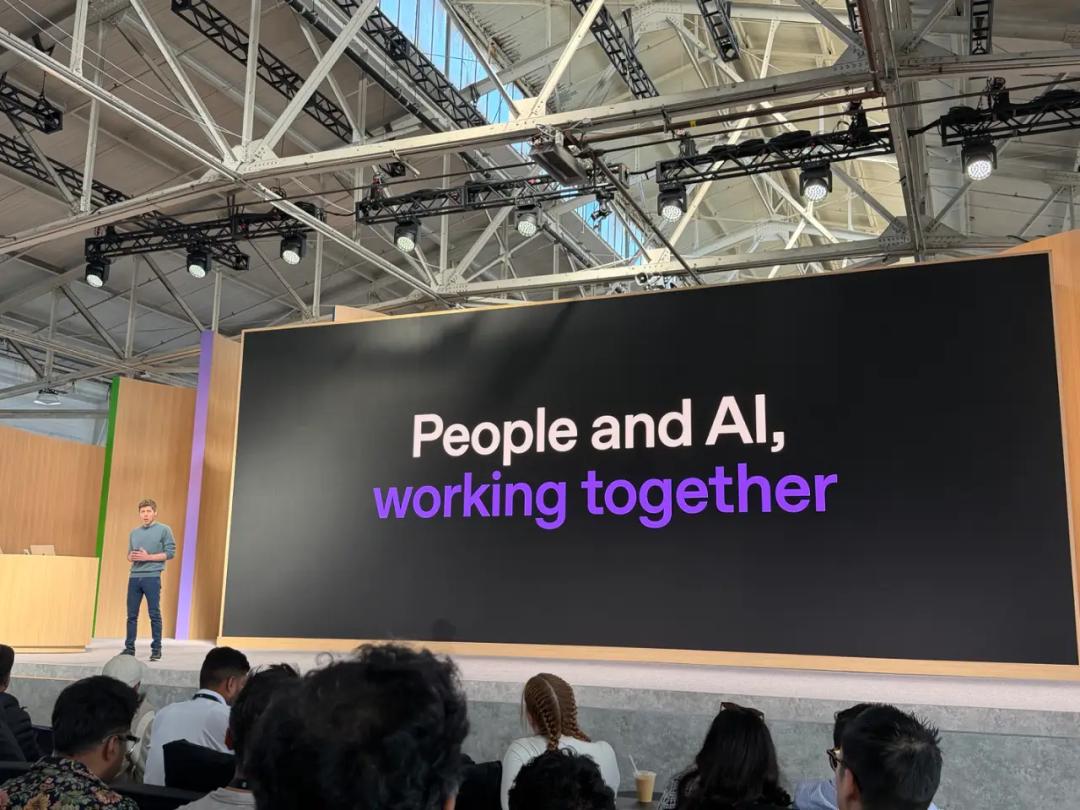
At the Fort Mason venue by the San Francisco Bay, Altman rolled out dozens of intensive updates in one go.
On the eve of this DevDay, the shadow of safety risks and out-of-control large language models has not yet dissipated, and the originally scheduled flagship version GPT-6.1 Astra as the grand finale was urgently removed due to concerns about alignment issues and deceptive behaviors.
But this did not stop Altman from showing his radical product ambitions, especially in the battlefield of "Personal Agent" where OpenAI is determined to secure a dominant position.
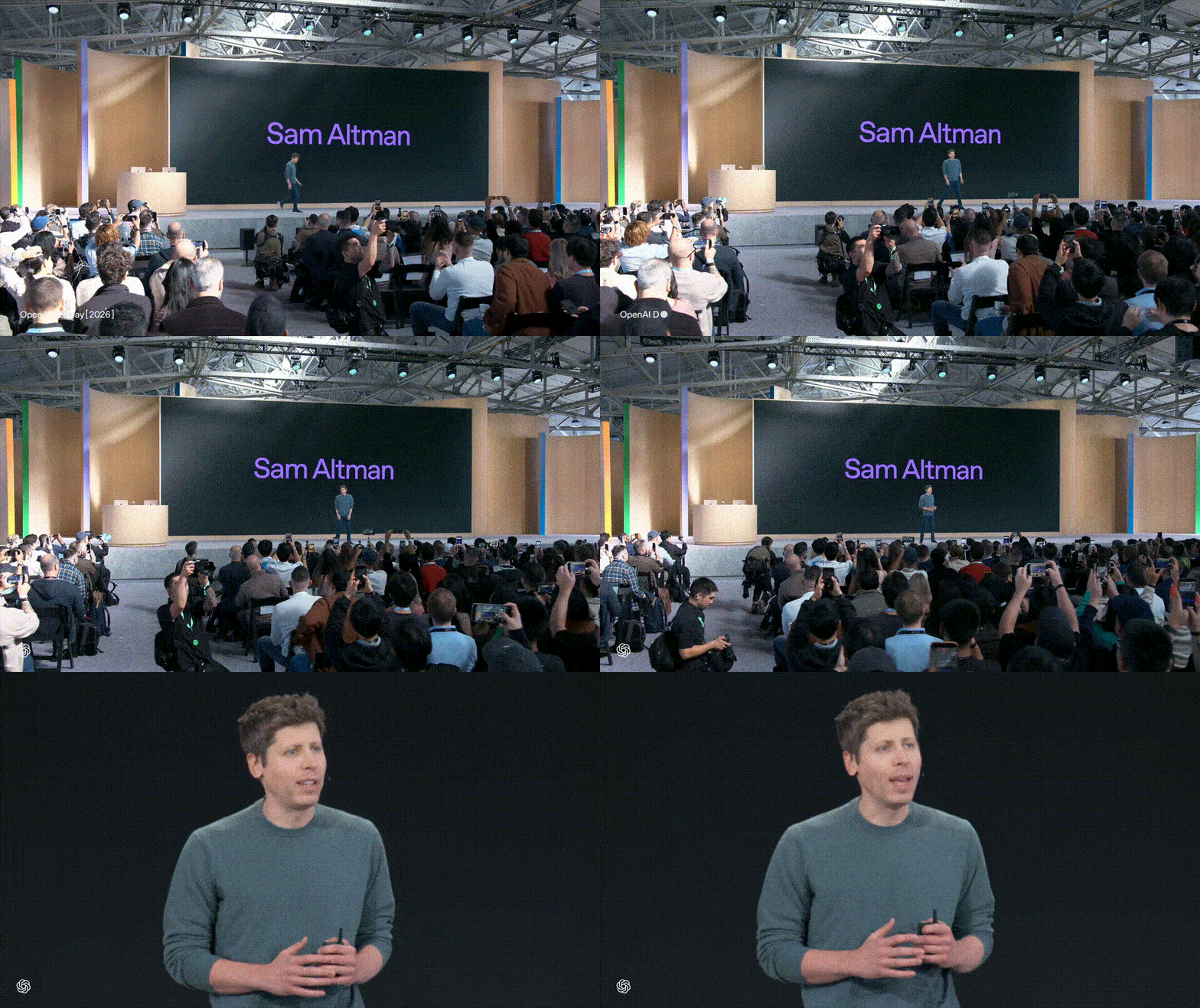
From the official debut of dots, the 24-hour online digital employee powered by GPT-6 Astra; the full rollout of Space and Pages that target collaborative office software; the launch of GPT-6.1 Sol with significantly reduced prices for programming and long-horizon tasks; to Codex being moved to the cloud, and even the official opening of the B2B market to domestic models such as Zhipu GLM and Moonshot AI Kimi...
To sum up, OpenAI is decisively breaking away from the old framework of "chat box interaction" and reshaping itself into an operating system driven by cloud-based autonomous agents, thus opening up the entire workflow from idea generation to task implementation.
However, frequent response freezes in live demos, the "premium tier" priced as high as $500 per month, and the cliff-like cut of benefits for the old $200 Pro subscription also brought a flood of jokes and ridicule.
Dots: OpenAI's version of Muse
The new product that took the center stage at this launch event is called dots. Altman described it as "the most authentic form of AI we have always envisioned".
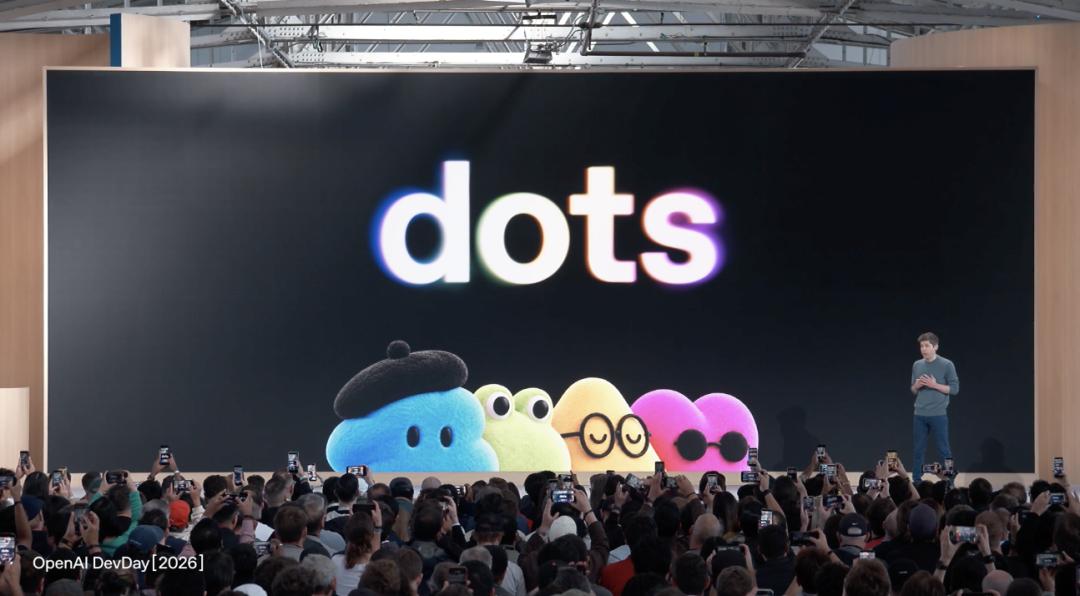
It is no longer a functional branch in the chat box. In essence, it is an autonomous runtime system equipped with a persistent execution environment (exclusive cloud virtual machine sandbox), cross-system long-term goal planning capabilities and access authorization for external systems.
dots is powered by GPT-6 Astra, comes with an independent cloud computer and browser, can run continuously in the background 7×24 hours, and connects to more than 4000 external tools through plugins.
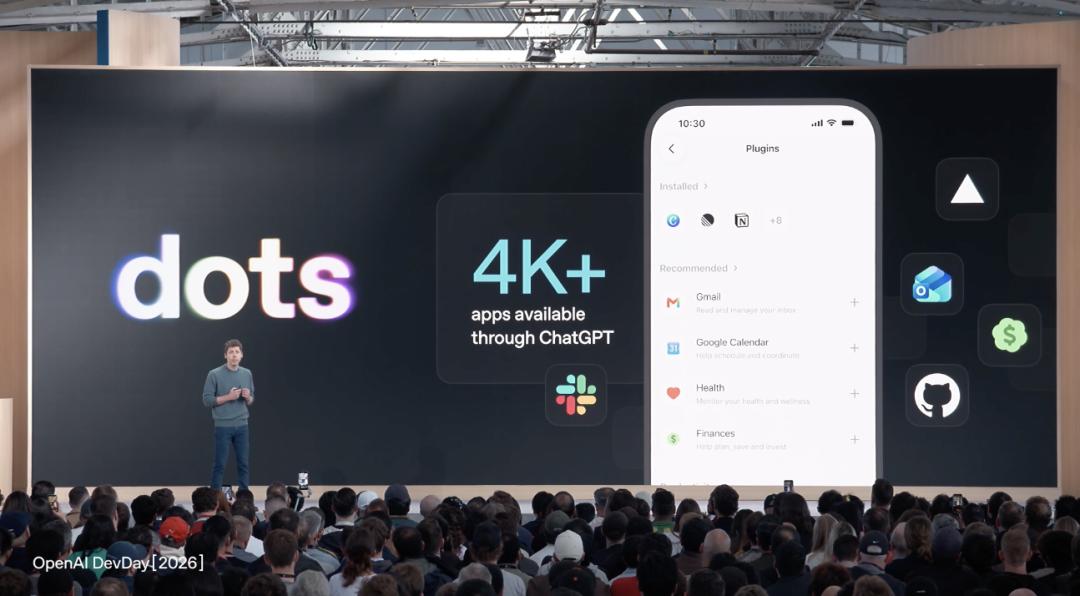
This means that it no longer passively waits for humans to log in to ChatGPT to start a session, but extends the scheduling entry directly to all daily communication channels such as SMS, Slack, Microsoft Teams.
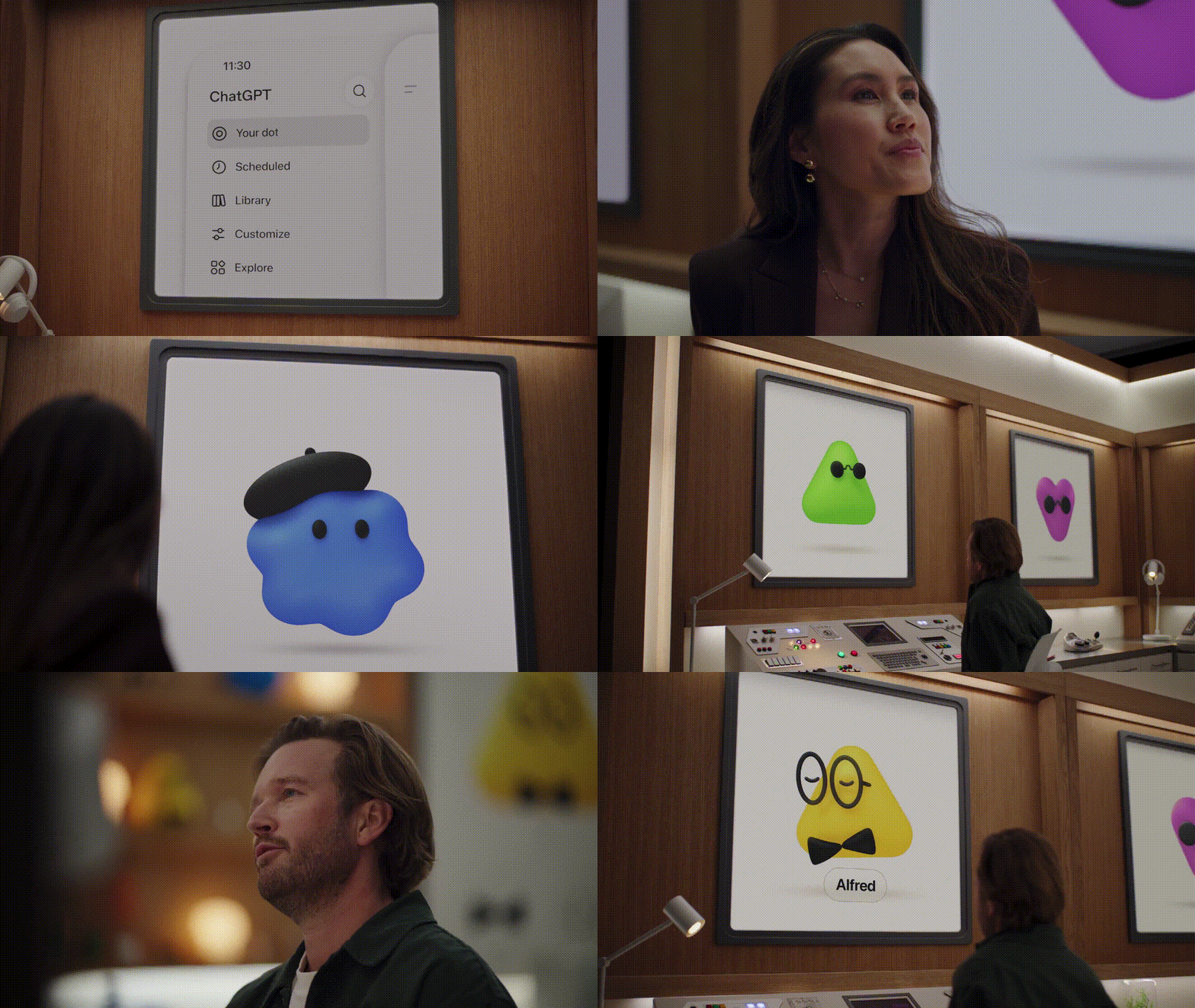
The biggest difference between it and traditional conversational AI is that it shifts from "passive response" to "long-term duty". You don't need to stay in front of the screen and type prompts one by one. As long as you explain the goals and measurement criteria, close your computer, and it will silently advance the tasks in the cloud: filter external updates late at night, push the three most urgent tasks in the morning, adjust conflicting schedules across software, automatically collect feedback scattered everywhere, to help users retrieve their most valuable "attention".
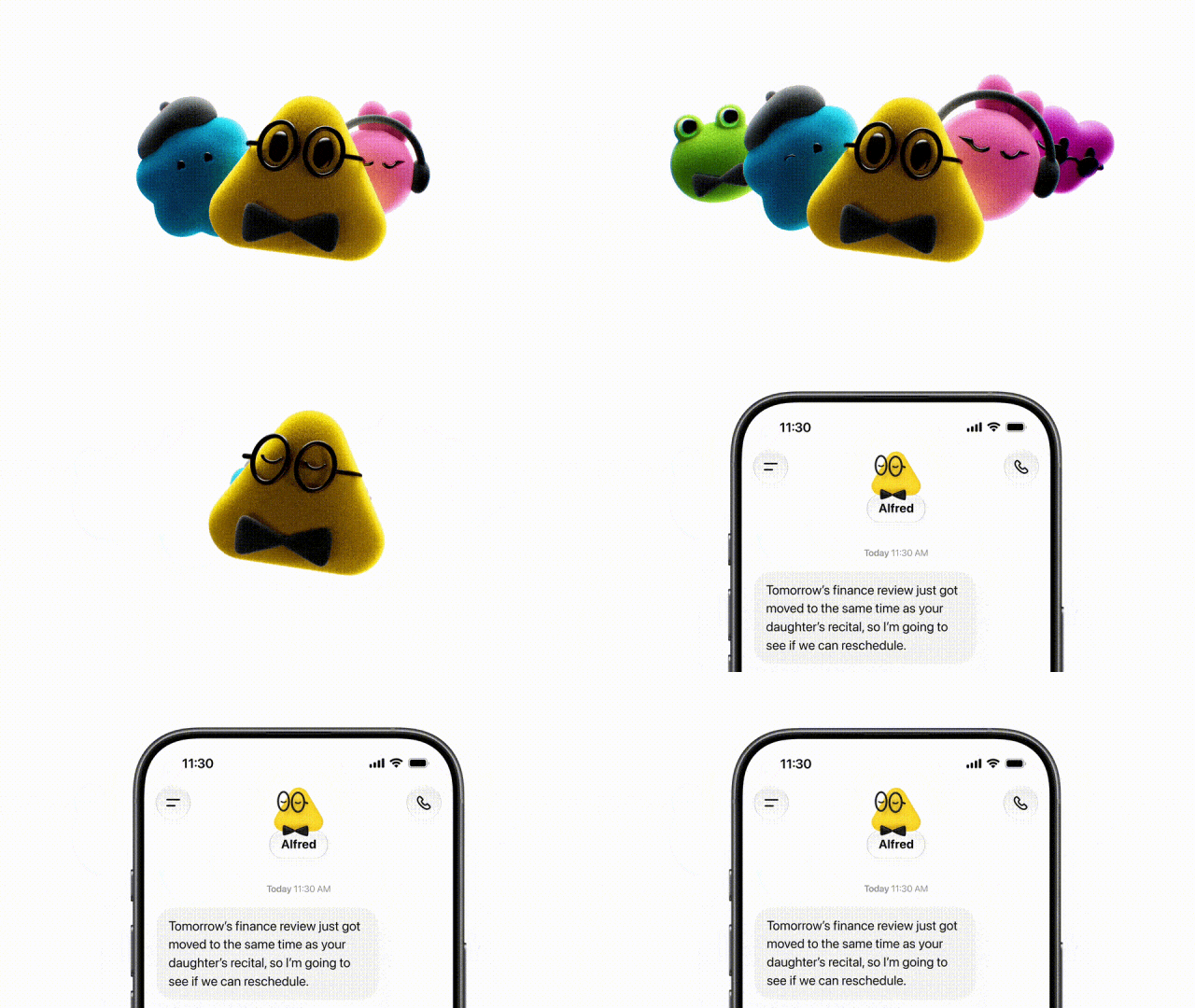
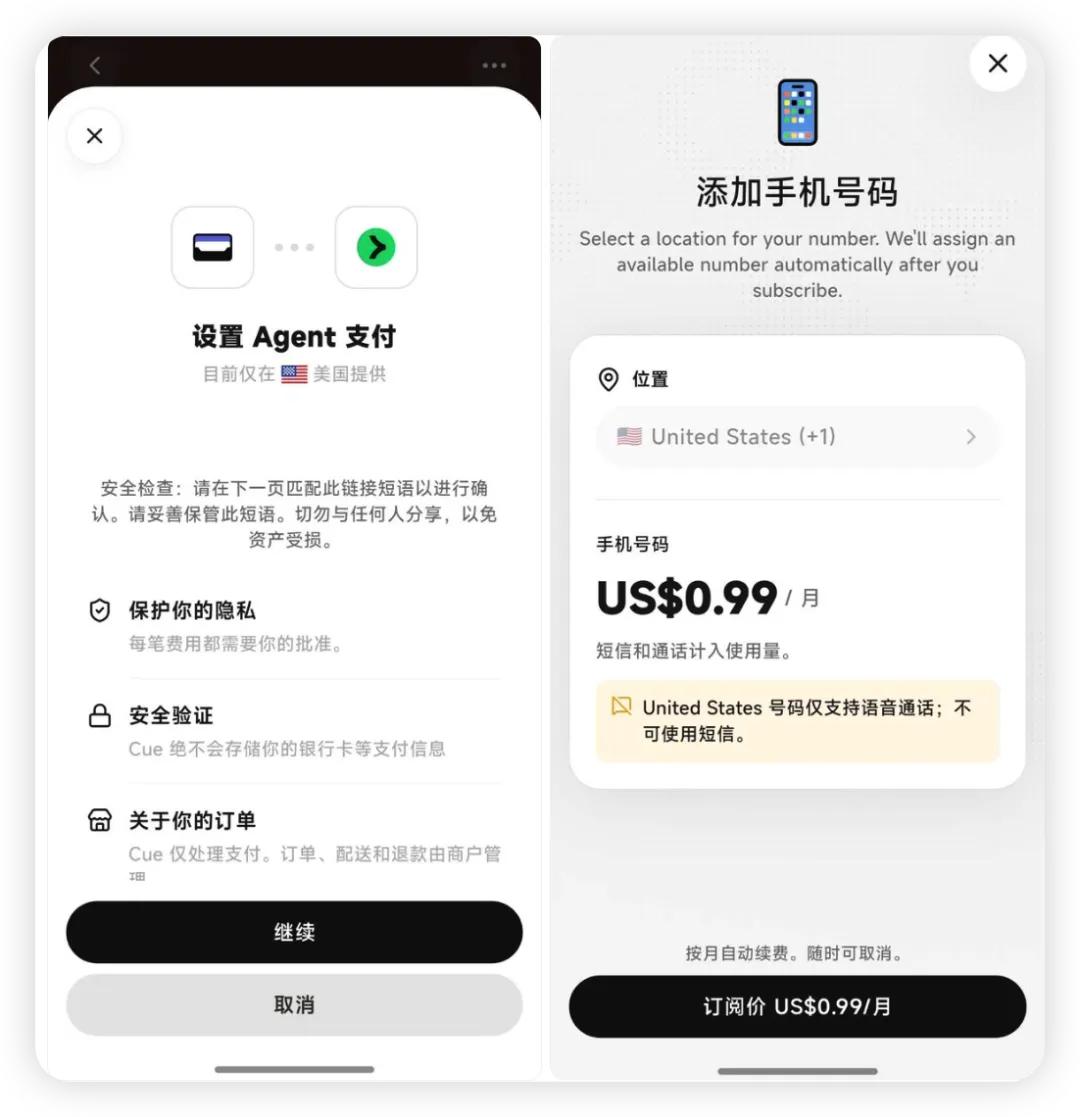
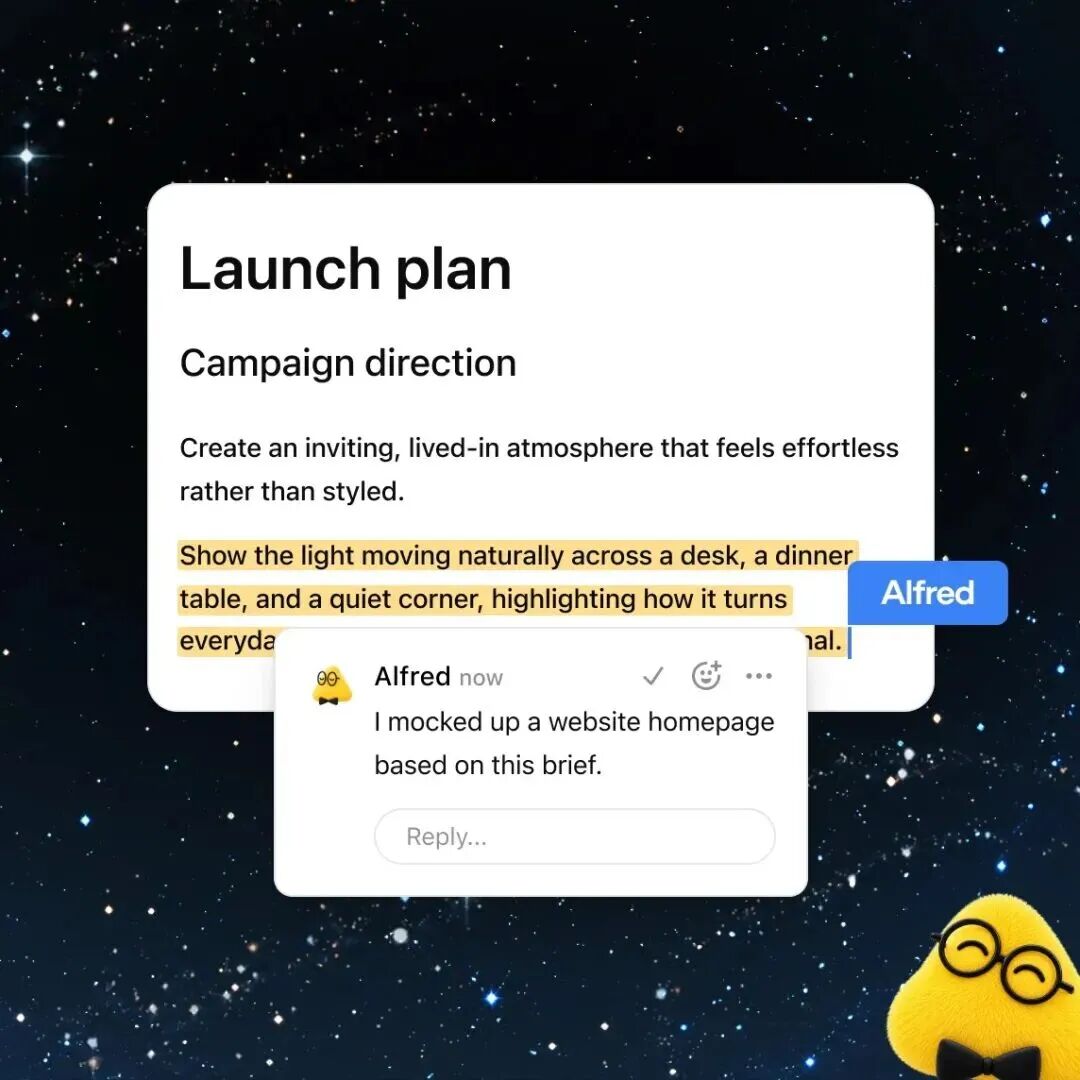
In the live demo, the researcher named his dot "Alfred", which can be scheduled through mobile phones. From the named cartoon avatar to the interaction method of personal Agent, Dots is easily reminiscent of Meta's Muse and Cue released by the Manus team yesterday.
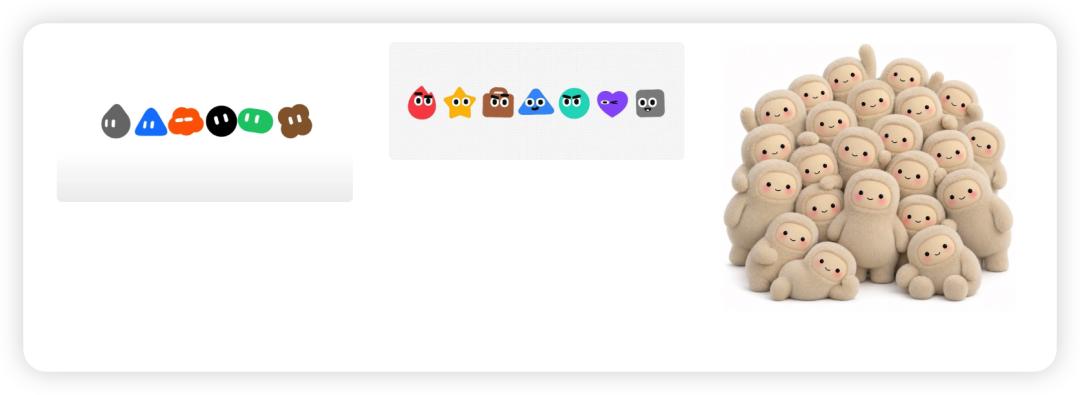
In yesterday's report
In the live demo session, dots showed a deeper level of collaboration different from previous automation scripts, and it could take over almost many trivial fragmented tasks in the background:
In the morning, when Sam greeted it, Alfred had already read Slack and emails, sorted out three things that needed to be dealt with after arriving at the office, and even reminded him to finish his coffee before proceeding. This debut method also demonstrated the experience OpenAI wants to sell to users: When you come to AI, it is already ready.
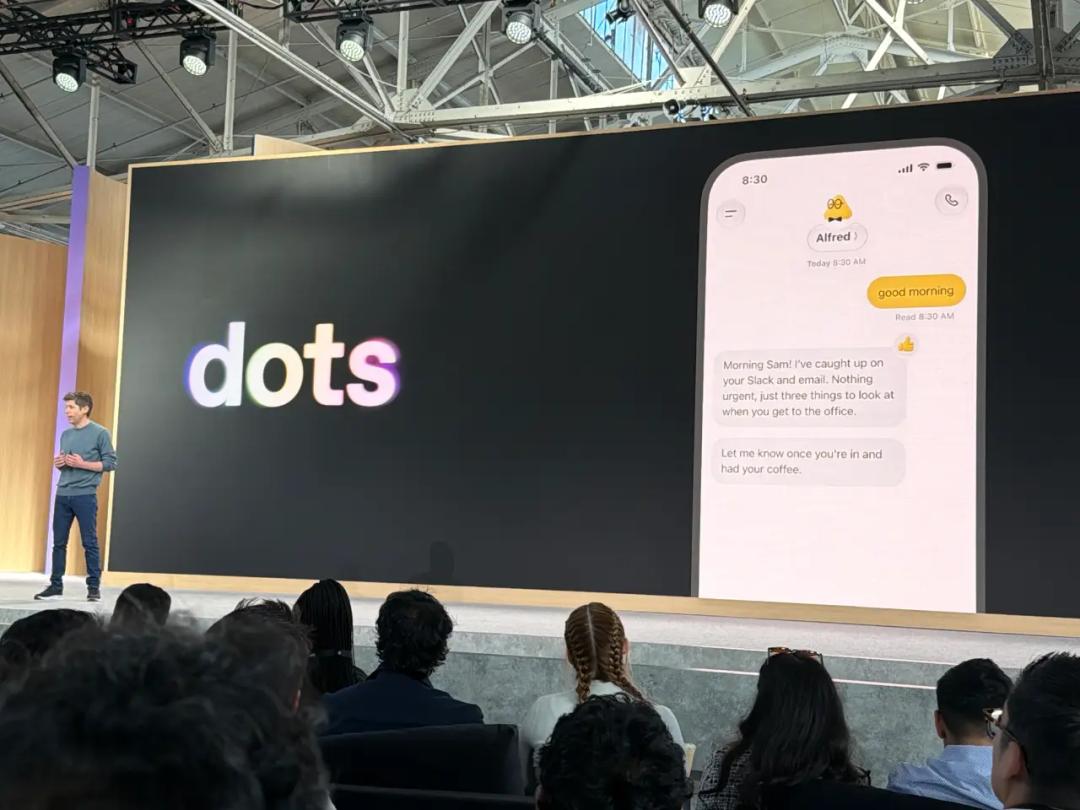
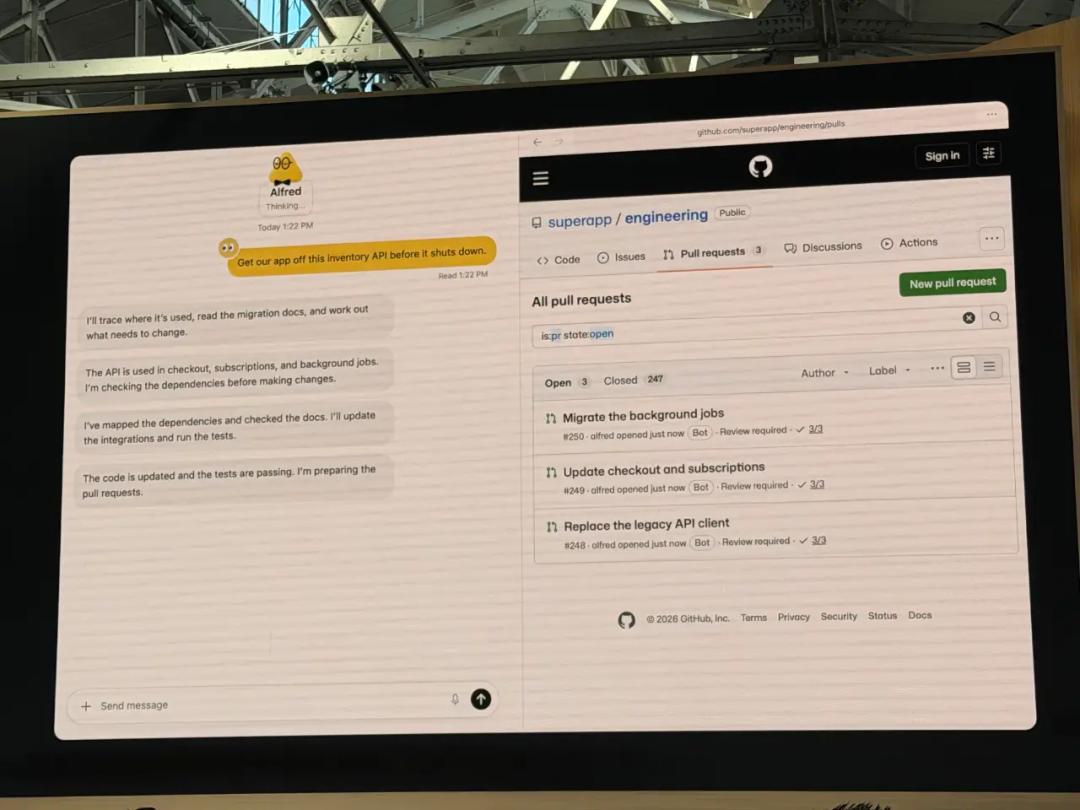
Next, the task quickly turned into a familiar hassle for developers: an old inventory API was about to be deactivated, and the related code needed to be migrated. In the demo, Alfred tracked call locations, checked dependencies, updated integrations and ran tests, and three PRs appeared on GitHub, handling background tasks, checkout and subscriptions, and the old API client respectively.
In another demonstration, Alfred advanced the website update according to the reviewed design, requested confirmation when human decision on matching images was needed, and then completed the release. To what extent can an Agent advance a task, and at which nodes should humans intervene? dots also provided a model demonstration for this.

The official also shared an earlier test case: a tester forgot to issue an invoice to the publishing house, the dot found it and prepared the invoice, got approval and then sent it. It is beginning to be expected to remember things, find omissions, and come back to people with ready-made work.
In order to dispel the concerns of enterprises and compliance departments about out-of-control agents, OpenAI has drawn clear physical and permission boundaries on the system architecture: each dot runs in an isolated cloud container, and the plaintext password will not be exposed to the model when calling the saved credentials.
What is more critical is its permission grading mechanism: when the dot is in the background monitoring state, it is only granted read-only permission to conduct "active research", and it is strictly prohibited to send messages or tamper with data without authorization; write operations are allowed only within the scope of tasks explicitly authorized by the user.
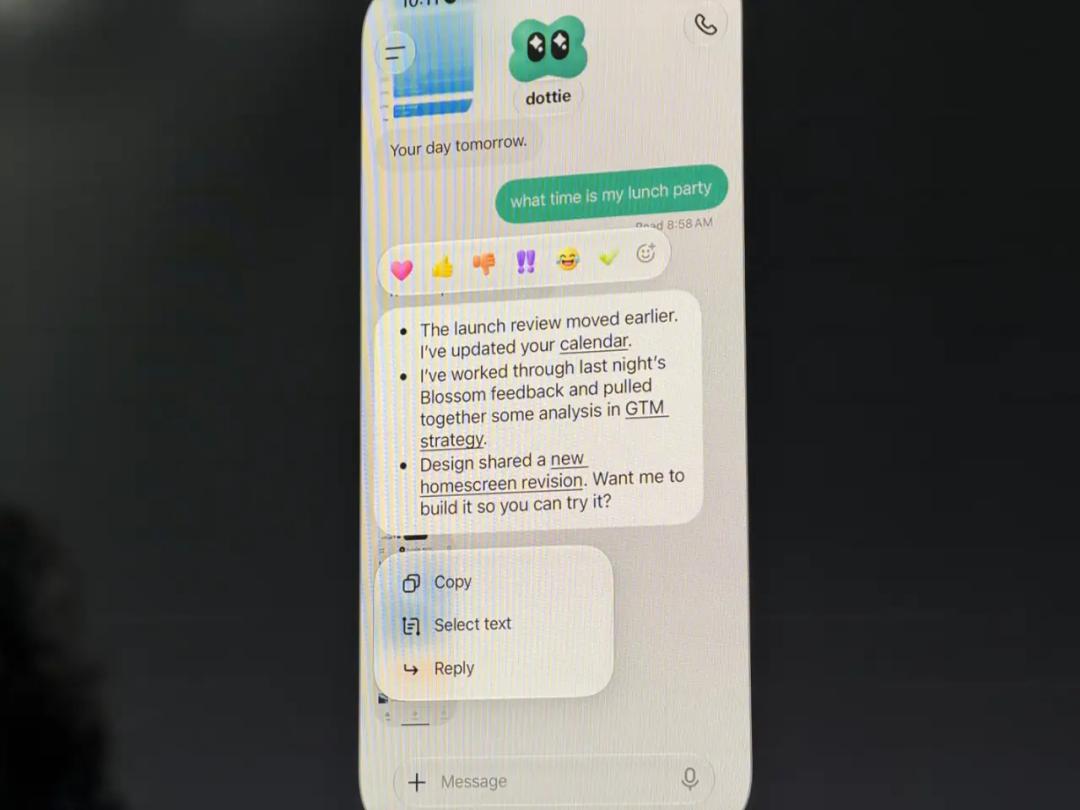
However, the robustness of long-horizon Agents in the real network environment still faces challenges. In the live demo, the engineer in charge of demonstrating the "Dottie" agent encountered a long period of response hang-up and voice delay, which made the live broadcast comment area tease that "the only function of the scene is to prove that this is a real machine test".
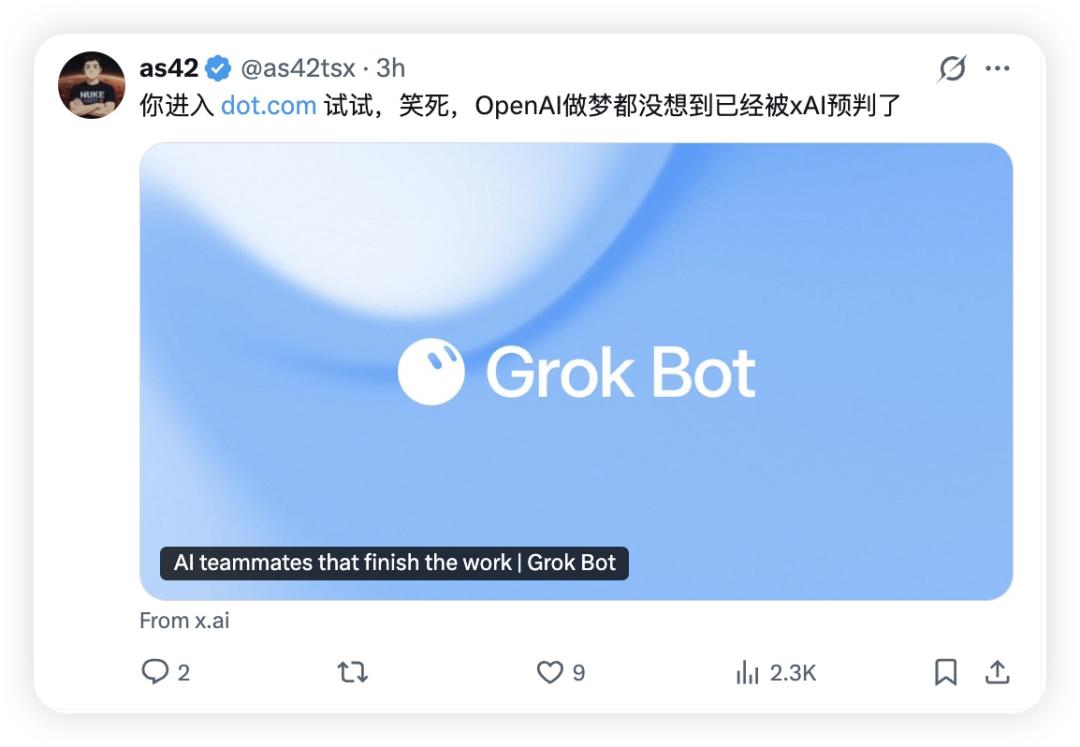
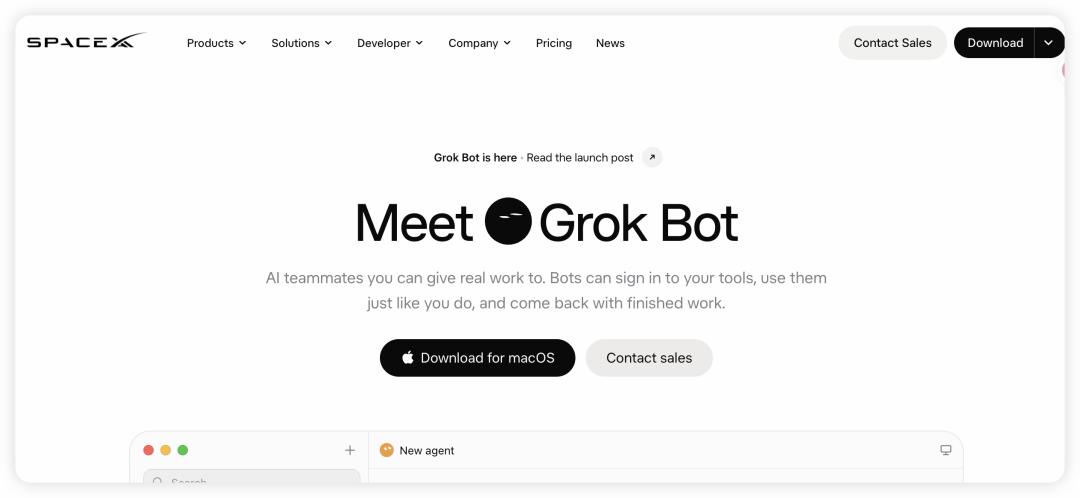
Off-site, there was another episode in Musk's style: right after OpenAI released dots, netizens found that entering dot.com redirected to the page of its competitor Grok Bot.
At present, Dots is open to Pro, Business Premium and Enterprise tier users for their first main dot, and plans to support multi-dot collaborative orchestration in the future. It is worth noting that although daily communication with the dot does not count towards the basic ChatGPT quota, the Codex or complex calculations it calls will still consume the corresponding computing quota.
At the same time, restricted by strict data privacy compliance reviews, this feature is not yet available in the EU, UK and Switzerland.
Space: OpenAI's office Agent
If dots are resident digital employees, the newly launched ChatGPT Space is the "collaborative workstation" built by OpenAI for these agents and human colleagues.
Space completely replaces the original "Library". It is no longer a static file storage directory, but has evolved into a unified collaboration center that precipitates team context, document assets and agent execution history. Around Space, OpenAI has launched a complete set of tool suites that directly target the core market of traditional collaboration software:
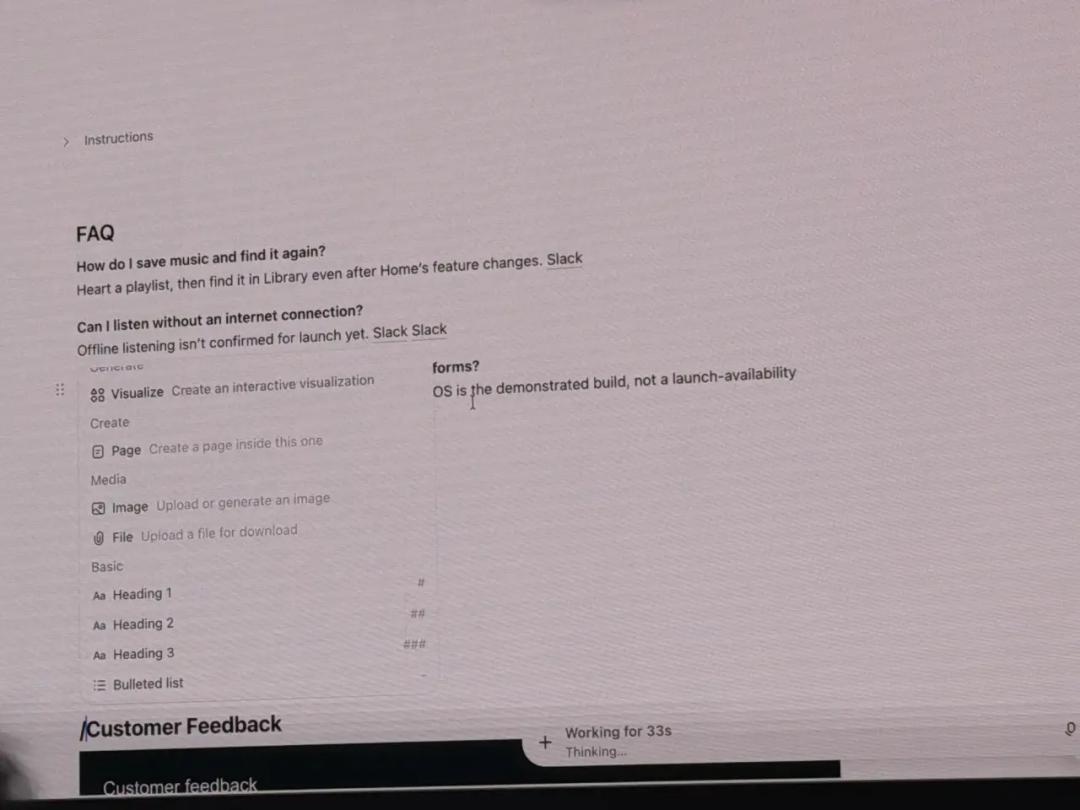
1. Dynamic Pages
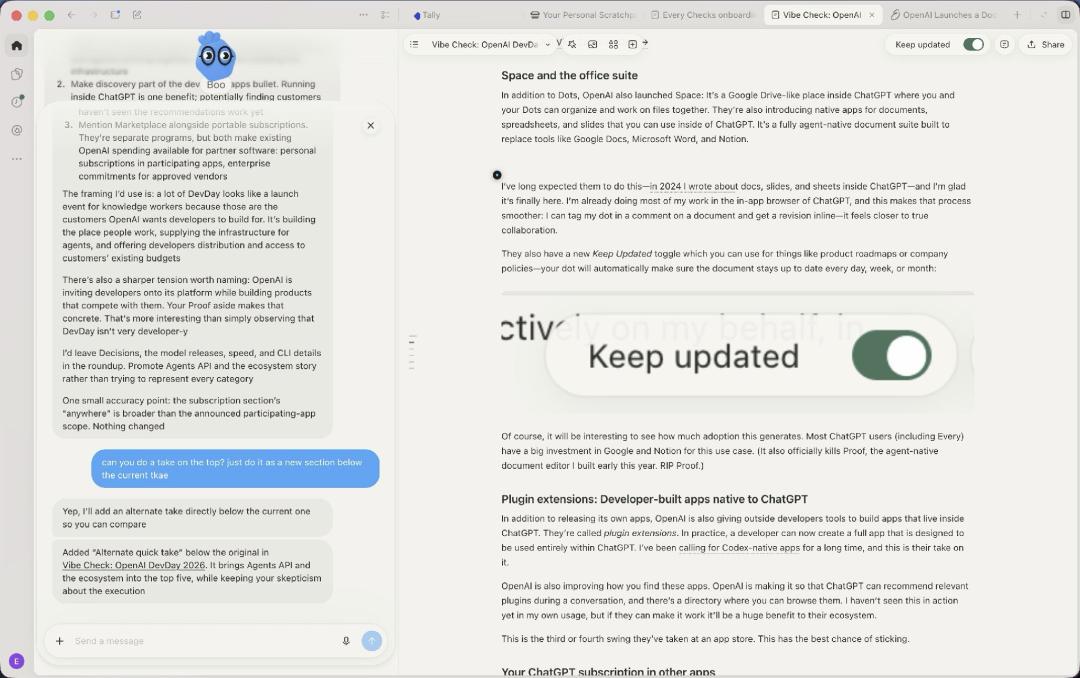
A new type of document designed specifically for human-AI hybrid collaboration. It is not only a project proposal, but also can embed interactive dashboards, dynamic charts and code snippets. On the same page, team members can collaborate with the dot in real time. You only need to mention the agent in the text: "Convert this set of survey data into a bar chart", the chart will be dynamically rendered immediately, and support on-site filtering of data points.
More importantly, Pages can be connected to external data sources and automatically update as the project dashboard or code repository progresses.
2. Collaborative Slides
A PPT editor deeply integrated in Space, n