BREAKING: OpenAI's 24/7 online dots is officially up and running, and GPT has blatantly launched its most expensive subscription package priced at $500
The OpenAI Developer Conference held at Fort Mason in San Francisco has completely blown up!
Just now, Sam Altman stepped onto the DevDay stage and announced 20 major launches in one go for a full hour.
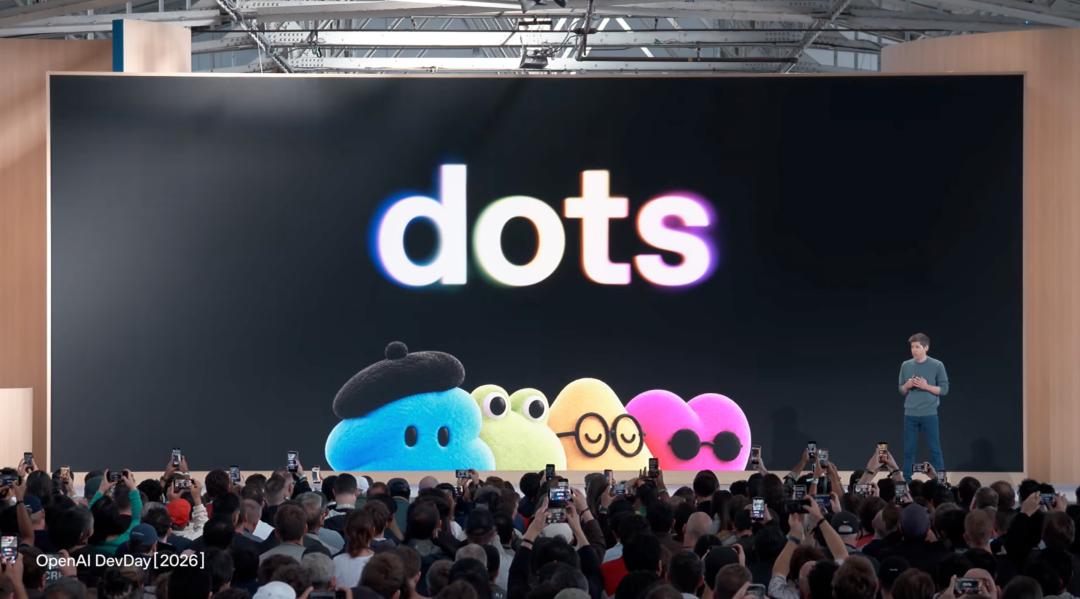
A brand-new species called dots, an AI that stays online 7x24 hours a day, has officially been born.
Different from ChatGPT, it is OpenAI's first "permanent Agent" with an independent cloud computer that can run code and monitor projects for humans anytime, anywhere.
Even more shocking, Sam Altman also unveiled the next-generation flagship GPT-6.1 Sol, which boasts Astra-class top reasoning and code capabilities, with its price directly cut by 80%.
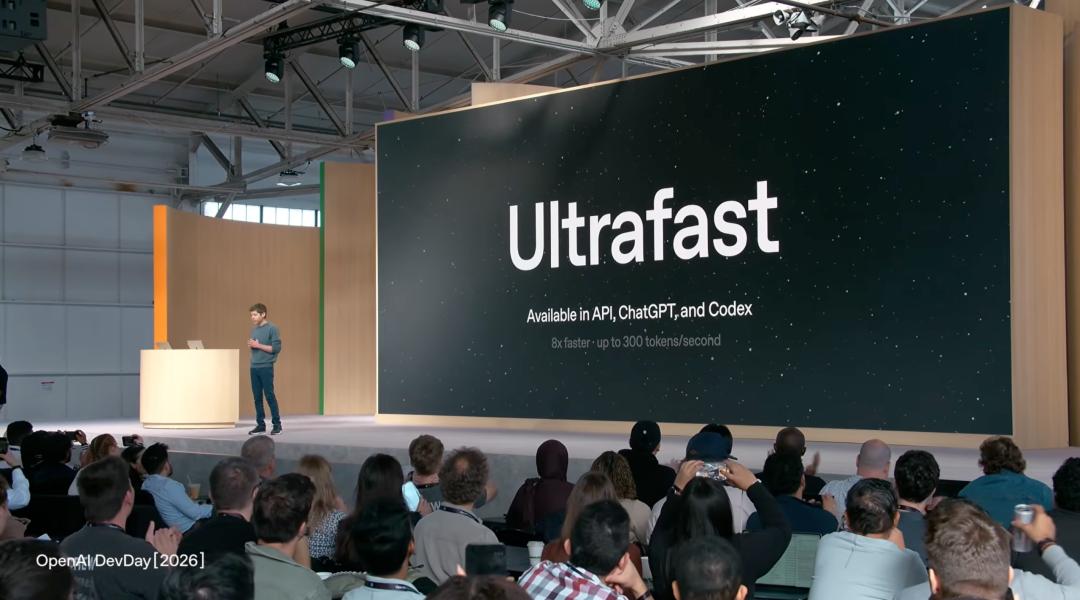
The Ultrafast mode was also launched simultaneously, with a terrifying generation speed of 300 tokens per second, which is 8 times that of the standard version.

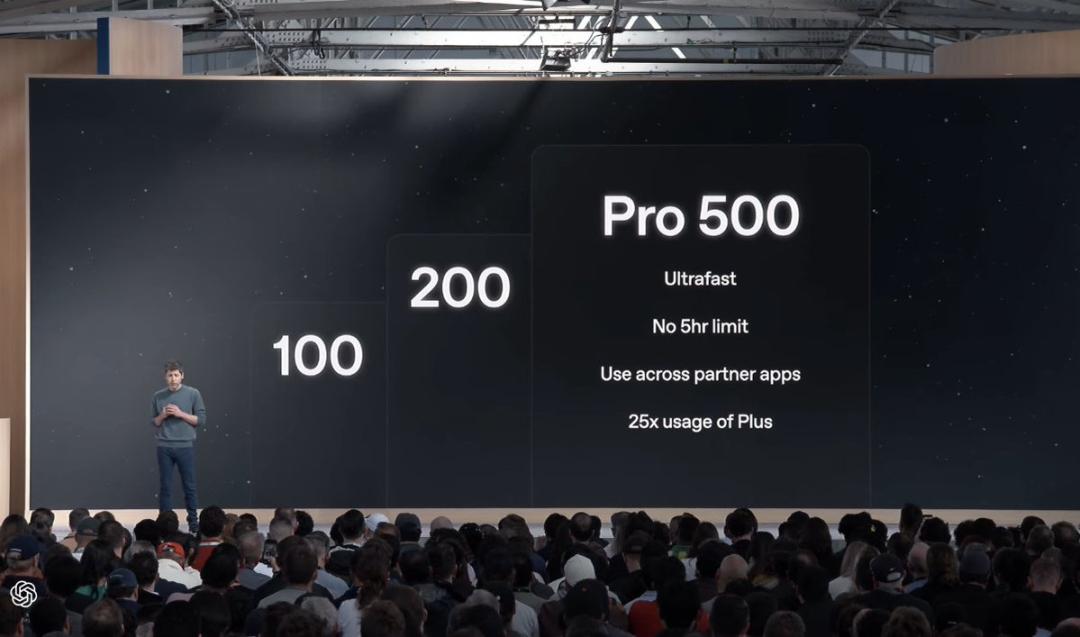
At the scene, Sam Altman relaunched the $200 Pro subscription, and for the first time launched the "premium package" — Pro 500.
Its usage quota is 25 times that of ChatGPT Plus, and it supports access to the Ultrafast mode without the 5-hour usage limit.
In addition, OpenAI also released ChatGPT Space, Agents API, cloud version of Codex and other products at the conference, with an overwhelming amount of information that is almost impossible to process all at once.
At the very end, Tibo, known as the "godfather" of the team, took a reset button and performed a one-click reset for everyone on site.

Some netizens commented sharply that this link is the most exciting part of the entire launch event.

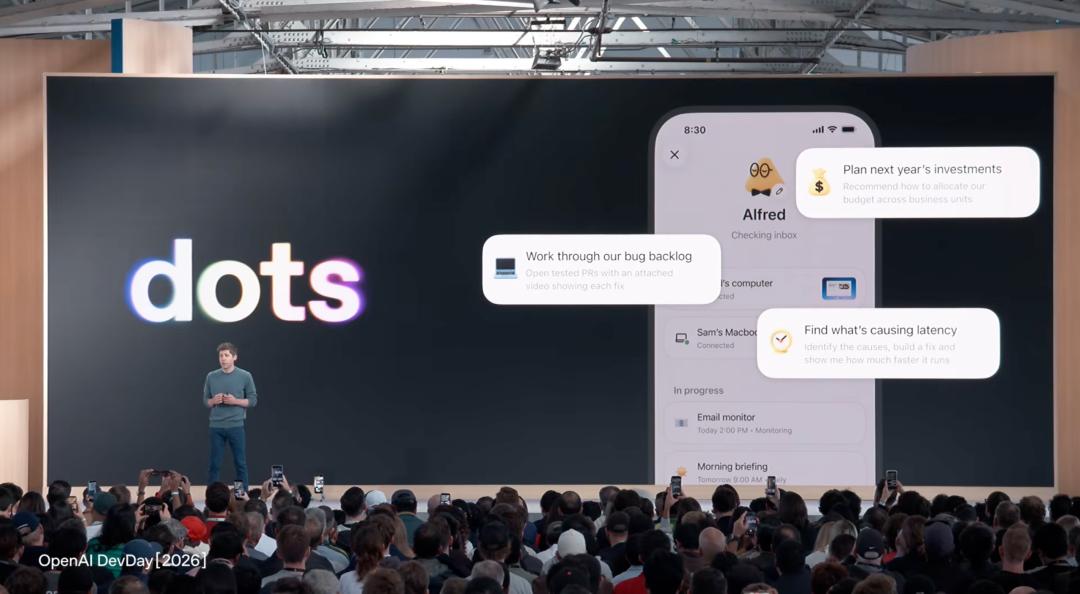
Dots is here, OpenAI's first 7x24h always-online AI
The biggest protagonist of this launch event is called dots.
It is not just another chatbot from OpenAI, nor even a new feature added to ChatGPT.
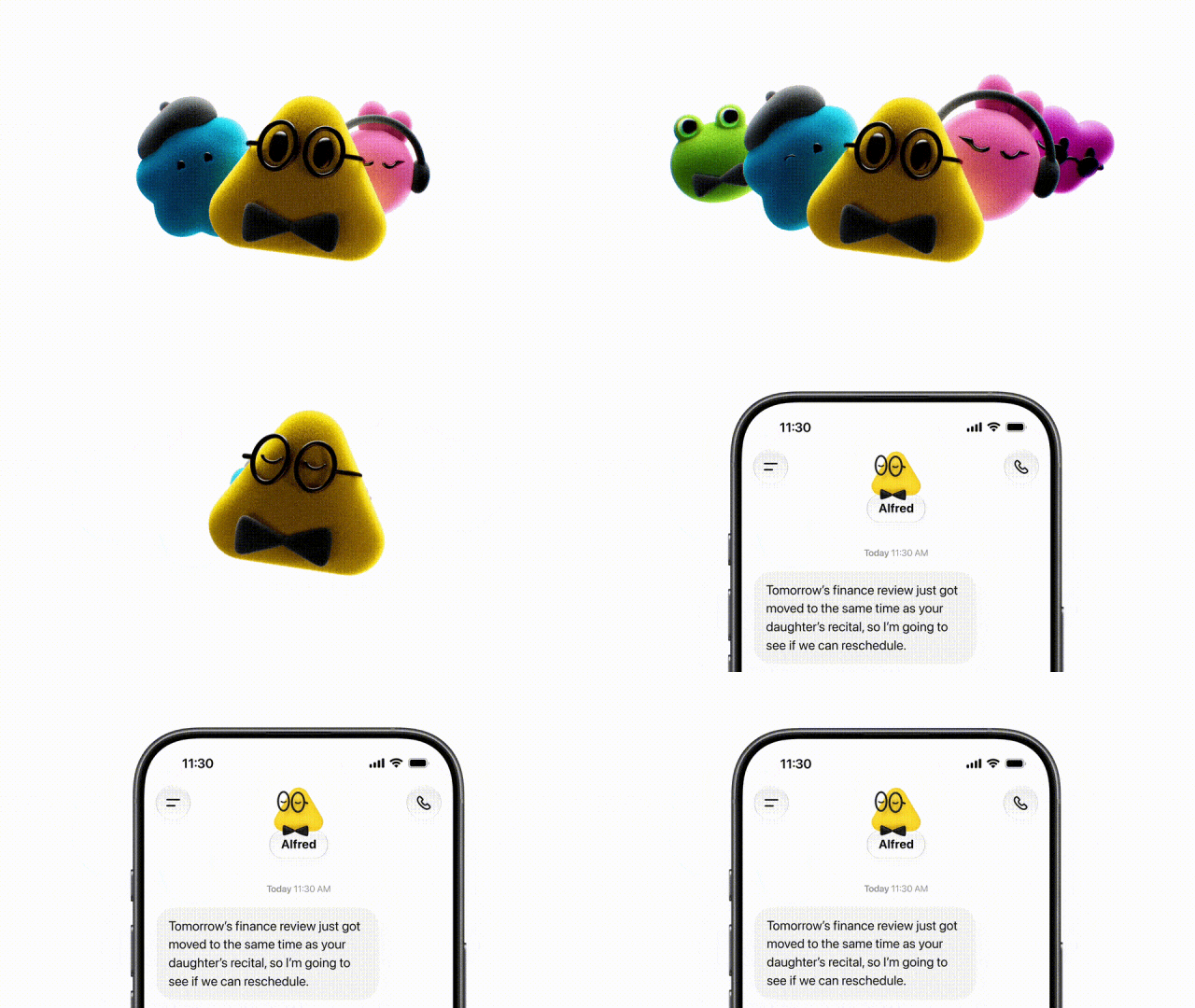
As previously leaked, dots is an always-on 7x24h Agent powered by GPT-6 Astra.
It not only has its own independent cloud computer and browser, but also natively integrates with more than 4000+ tools, and is directly accessible on Slack and Teams.
Give it a goal, and it will work on it independently without you guiding it step by step. Even if you turn off your screen, dots will still run tasks silently in the background 24 hours a day.
You don't even need to log in to ChatGPT, and dots can start working for you anytime, anywhere.
The onboarding process for the first interaction is quite ceremonial.
When you open ChatGPT, your dot will greet you first: "Hi, I'm your dot. I just checked in at ChatGPT, leave all the upcoming tasks to me from now on."

At the scene, an OpenAI researcher named his dot Alfred.
From the second it is activated, Alfred takes full charge of all fragmented background tasks —
Automated website building and launch
Based on the approved design draft, Alfred independently pushes forward website updates in the background, and only actively pops up a reminder when human decision-making is required (such as replacing the first and third images), and completes the release and launch immediately after confirmation.
Cross-platform data tracking and board of directors report generation
It independently monitors user feedback data in Teams, directly updates the PPT for the upcoming board of directors report, and even accurately captures core indicators —
Product usability has improved, and annual revenue has increased by 51% year-on-year.
Long-distance engineering refactoring
It captures the information that "the App needs to be migrated" from the meeting minutes of Google Meet, automatically checks the process and drafts the architecture diagram.
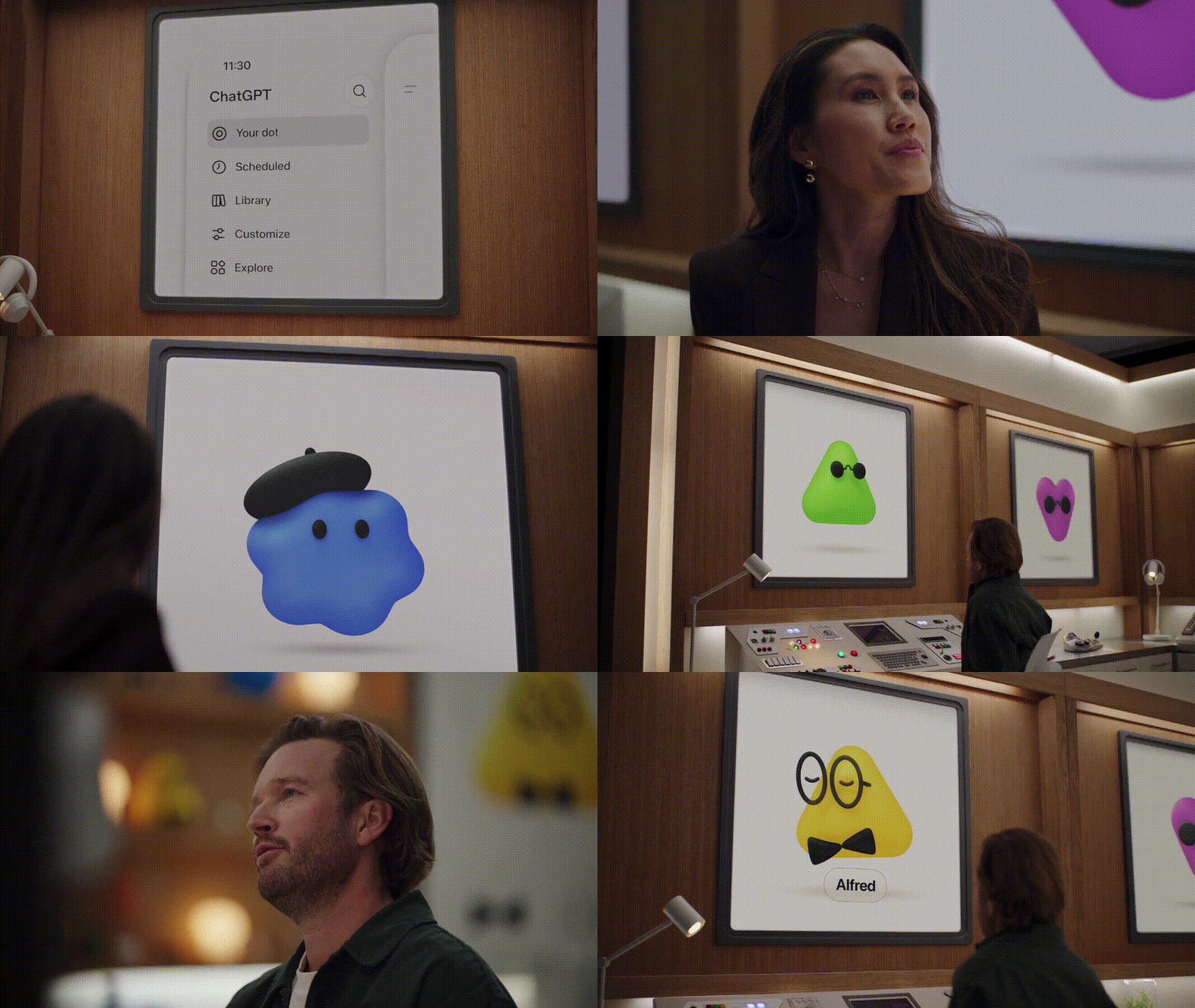
There is also a real case from inside OpenAI: an employee forgot to issue an invoice to a publishing house. After his dot found out, it automatically prepared the invoice and sent him a message asking: "Shall I send it out?"
He clicked confirm, and the task was completed.
This is the underlying logic change of dots: it is not a tool, it is a colleague.
You hire a digital employee who never takes leave, never forgets things, and is online 24 hours a day.
Moreover, the more you use it, the better it understands you — it keeps learning your preferences, your standards, and what you consider to be "good" results.
Of course, Sam Altman did not avoid the security issue. Each dot runs on an independent cloud computer, and personal computers and data are isolated by default. When it uses saved passwords, it will not expose the passwords to the model.
When it is not executing a task, it will only "proactively research" in the background with read-only permissions, and will not send messages or modify any content.
Sam Altman said a sentence on stage that is worth savoring: "You are not using a tool, you are building a team."
Starting today, Pro, Business Premium and Enterprise users can create their first dot, and conversations with dots do not occupy ChatGPT usage quotas.
ChatGPT Space, the entire workflow is fully reconstructed
If dots are your digital employees, ChatGPT Space is the office prepared for these employees and your human colleagues.
This release is very interesting. Over the past year, all Silicon Valley giants have been adding AI to documents — Google Docs added AI, Notion added AI, and Microsoft Office added Copilot.
But OpenAI did the opposite: it directly created an "AI-native" collaboration space.

In Space, you can collaborate with your colleagues and your respective dots on the same page.
You can write plans, conduct research, generate charts, and do data analysis on the page.
You can pull in a dot, just like @ a colleague, and ask it: "Help me turn this into a bar chart." The chart is generated immediately, and you can filter and view data points in real time.
More importantly, Space ensures that the work of dots is no longer "hidden in someone's chat history". All team members and all dots share the same knowledge base, and the project context will not be broken just because the person in charge is changed.
In Sam Altman's words, "Your pages and files in Space are all together, just like a network disk. But Space is alive."
GPT-6.1 Sol makes a stunning debut, Astra-class intelligence at 1/5 of the price
Originally, people did not have high expectations for new model releases at DevDay.
The result was really unexpected: Sam Altman directly launched the next-generation flagship GPT-6.1 Sol, and the audience burst into applause.
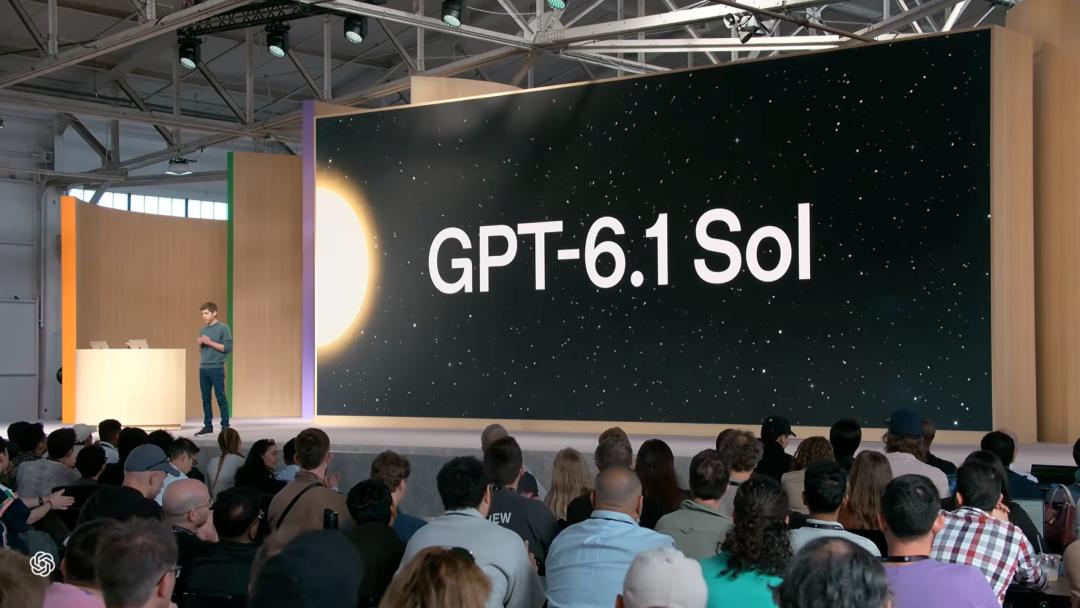
This is another major release from OpenAI just one week after the launch of GPT-6 Sol.
GPT-6.1 Sol is a super powerful model. In the DeepSWE v1.1 software engineering test, its performance is on par with Astra.
Moreover, in the long-term business automation evaluation AutomationBench and scientific reasoning benchmark Terminal-Bench Science, it directly outperforms Opus 5.5.
In the task of operating a computer to complete long-process tasks (OSWorld 2.0), 6.1 Sol is only 2.1 percentage points behind Astra, while its cost is about 1/7 of Astra.
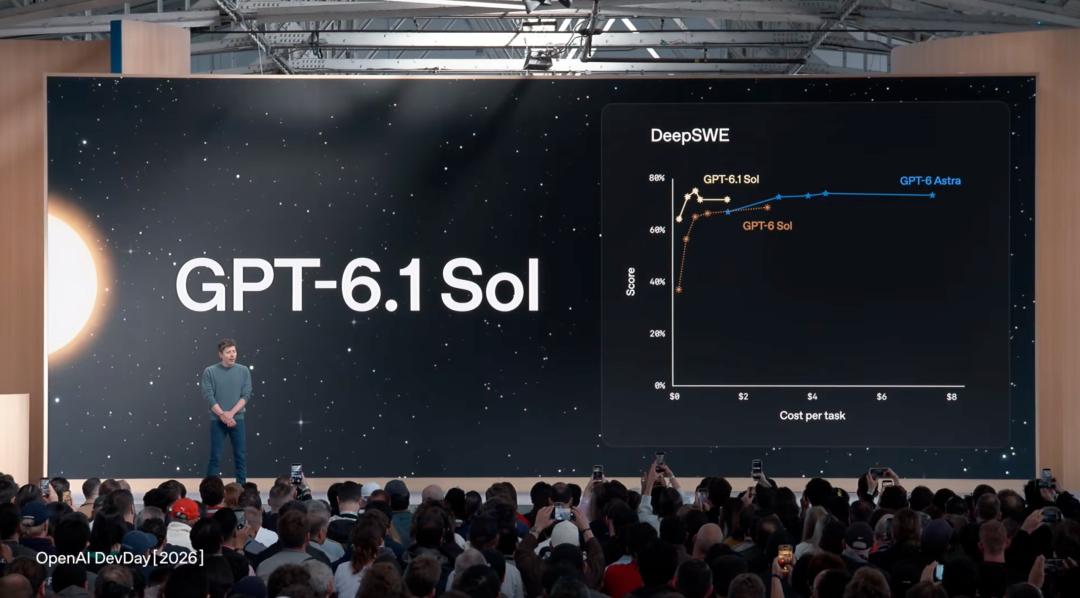
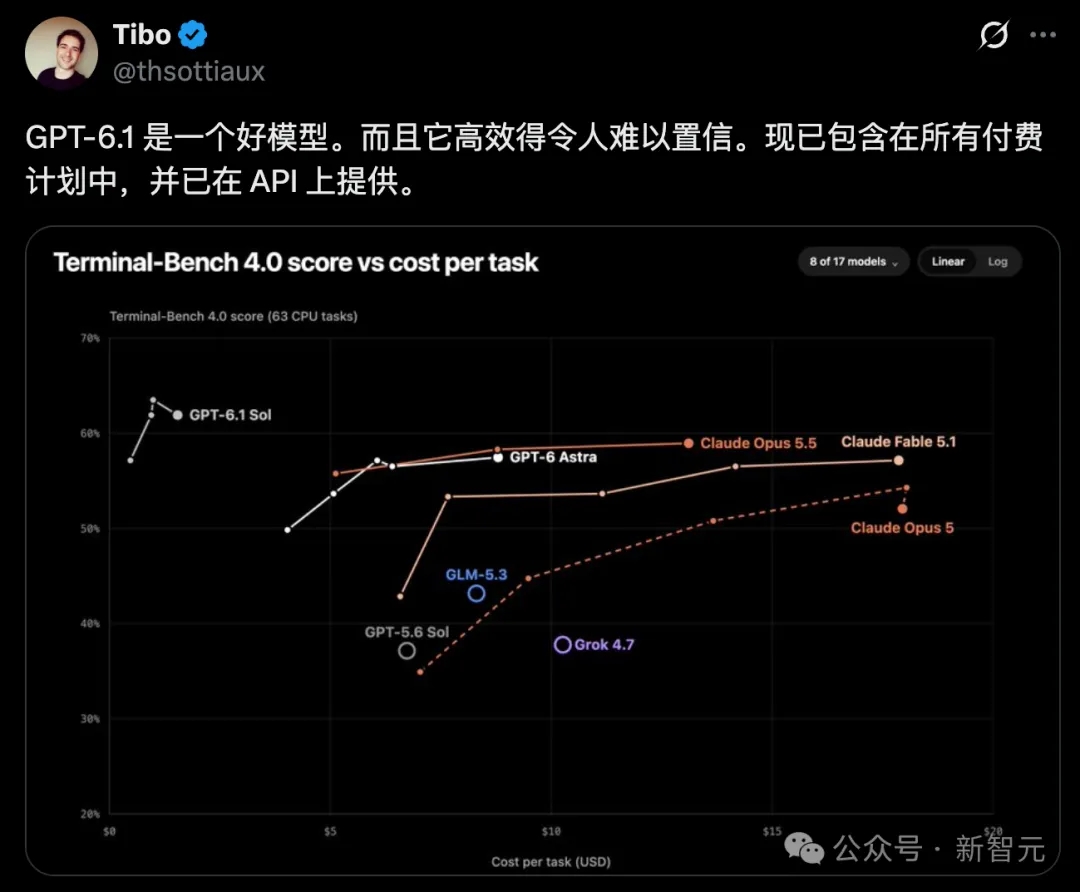
In terms of pricing, GPT-6.1 Sol once again breaks the cost barrier.
It costs $2 per million input tokens and $10 per million output tokens. Compared with Astra's $10 and $50, the price is only 1/5.
What's more exaggerated is the context caching, which costs only $0.10 per million tokens, a 95% discount compared to standard input prices.
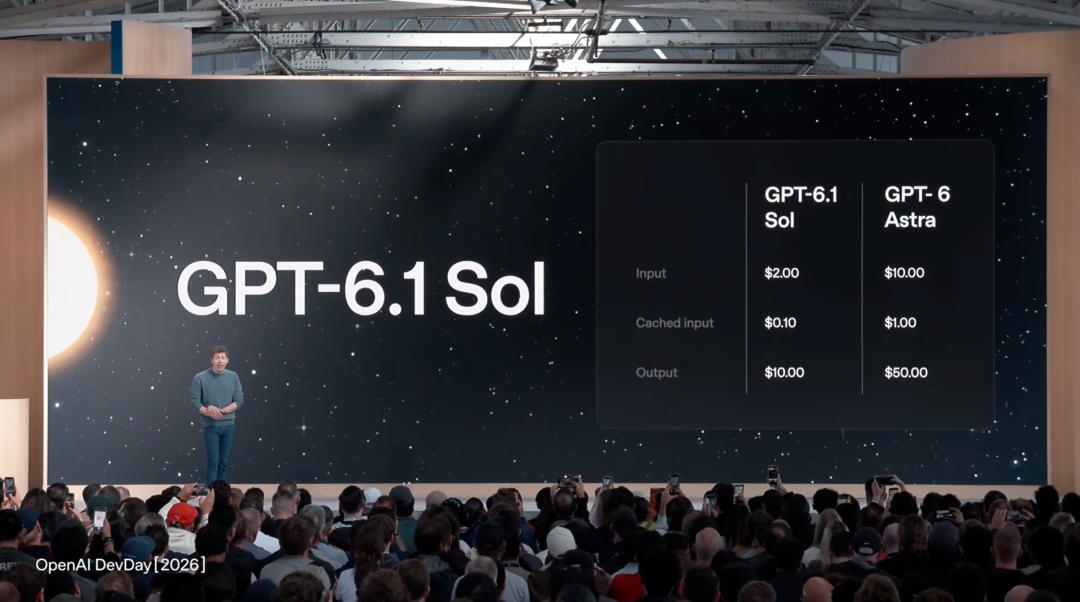
At the scene, Sam Altman also launched the Ultrafast reasoning mode, whose speed reaches 8 times that of the standard mode, at about 300 tokens per second.
In the live demonstration, for the same "build a rocket" task, the rocket under Ultrafast mode has already launched, while the standard mode has not even finished building the model.
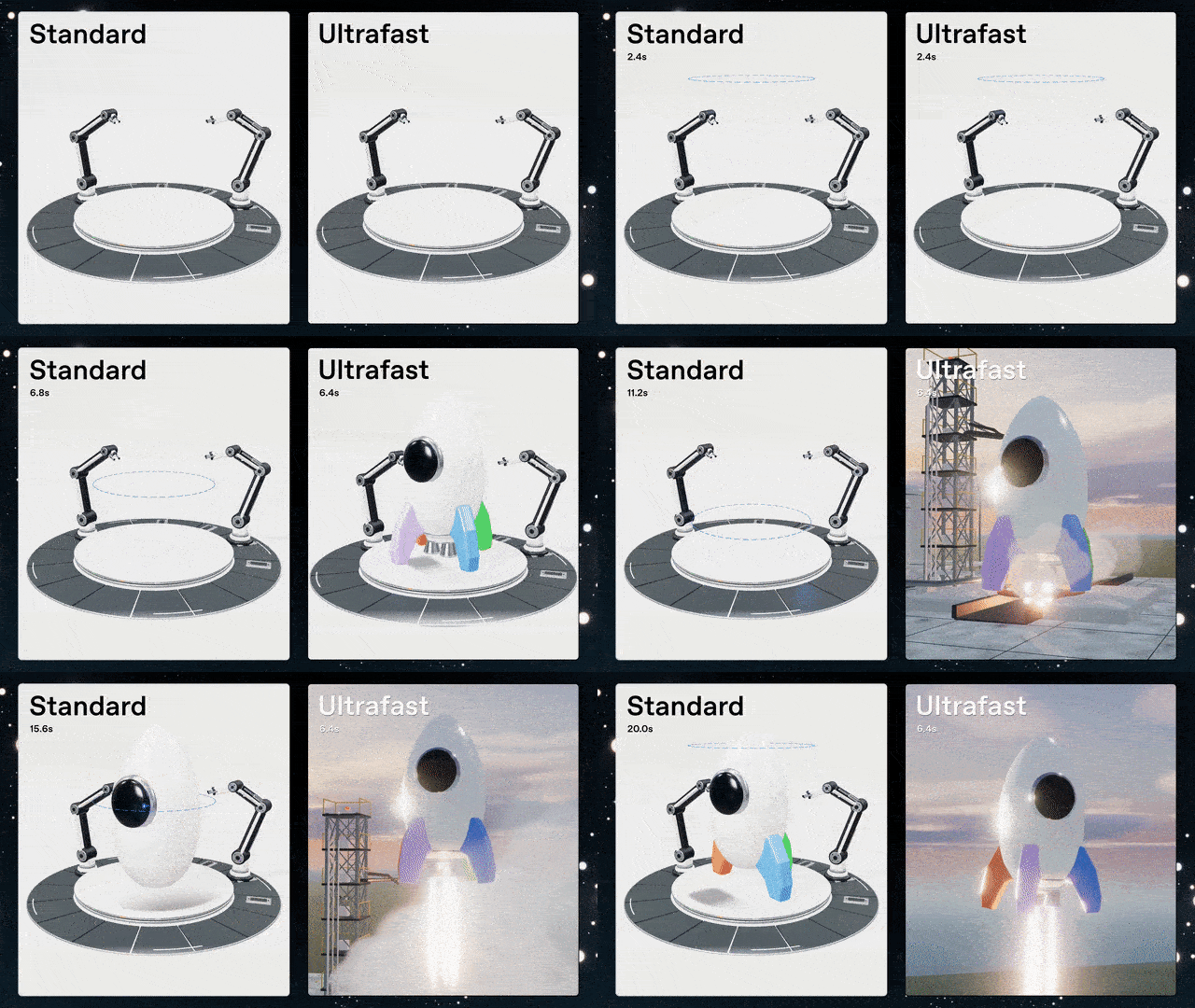
At present, the Ultrafast mode only supports Astra in the initial stage, and will be opened to Sol later.
To match such a terrifying call frequency, the previously suspended Pro 200 membership has been fully restarted.
Not only that, OpenAI further launched the Pro 500 tier, which