Huawei has entered the external optics sector, and the Mate 90 modular camera has been unveiled. Is it specially built for AI imaging?
The external optical track for mobile imaging has finally become truly bustling.
On September 29, 2026, Huawei officially announced that its brand-new Mate 90 series will be officially released on October 1, and also released a warm-up video for the new phone. As Huawei's annual flagship, the Mate 90 series is certainly worth our attention. However, many sharp-eyed fans may have noticed that in this warm-up video, Huawei even added a One More Thing to the Mate 90 — the Huawei Ruiying Z10 modular camera.
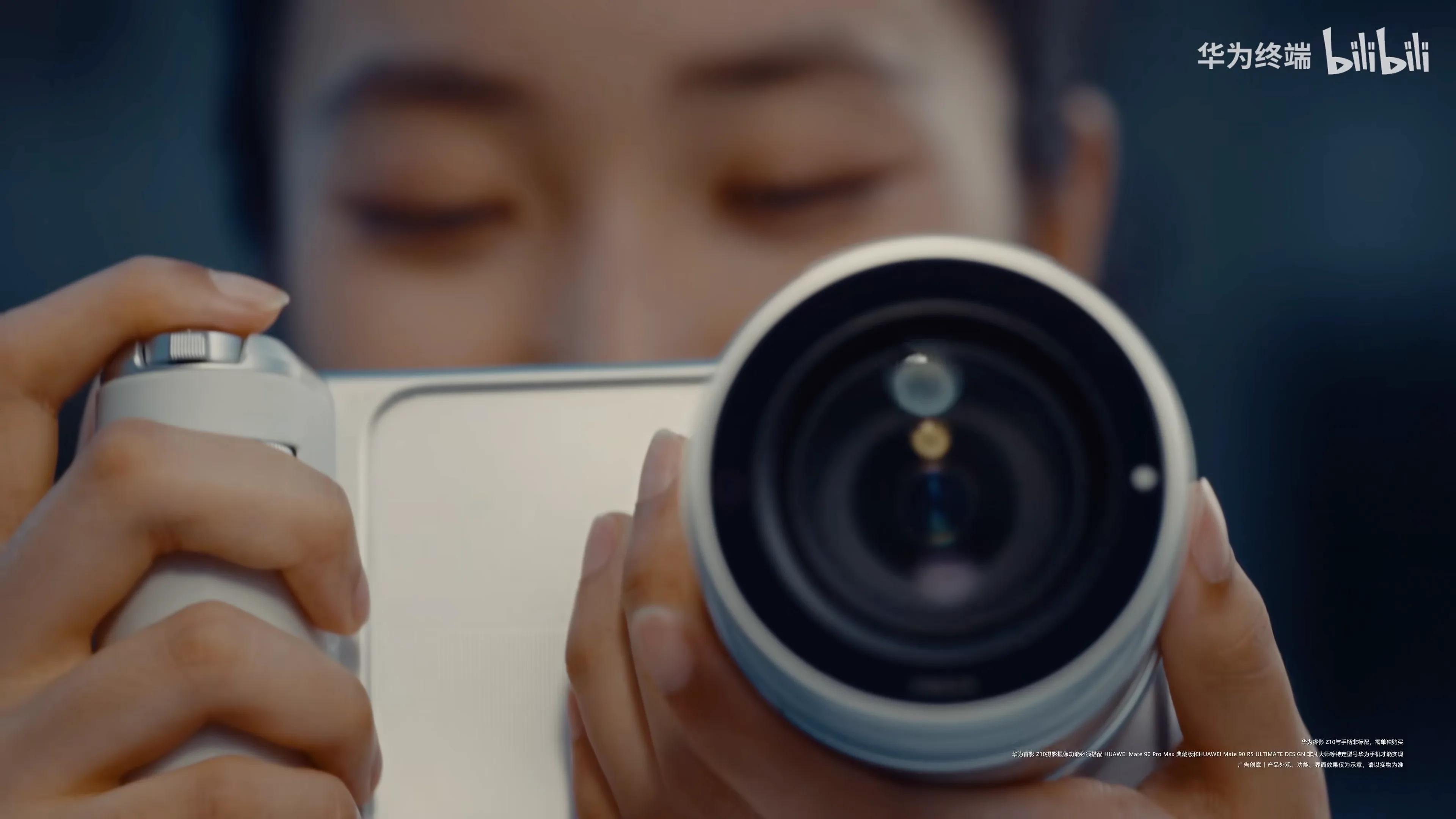
Source: Compiled by Caixin journalists based on official information; Illustration by Tang Jun (assisted by AI tools)
Although the product has not been officially released yet, many people have comments to make as soon as they see its appearance: "External lenses have been around for many years", and brands including Sony, Lenovo (Moto), OPPO and Xiaomi have long launched similar products. Leaving aside the external optical solutions with built-in sensors, many mobile phone brands on the market have now begun to equip their flagship phones with factory teleconverters to improve the performance of mobile phones in super-telephoto shooting.
So at this point in 2026, why did Huawei choose the relatively traditional external optical solution "with a built-in sensor"?
Teleconverters are low-cost, but cannot support the image quality Huawei pursues
Compared with the modular optical solution with a built-in sensor, the advantages of the teleconverter solution are obvious: simple lens structure, controllable cost, no need to consider how to compensate for the mobile phone's original focusing, color, anti-shake and distortion control after adding the teleconverter, and a small telescope mounted on the back of the mobile phone is all that is needed.
Of course, some high-end teleconverters on the market now are built with a complete imaging solution, using their own camera App to realize software EIS cropping anti-shake, and even using high-end optical glass lenses. However, considering that the teleconverter solution still uses the original sensor of the mobile phone, in the view of Leikeji, the upper limit of teleconverter products is not very high.
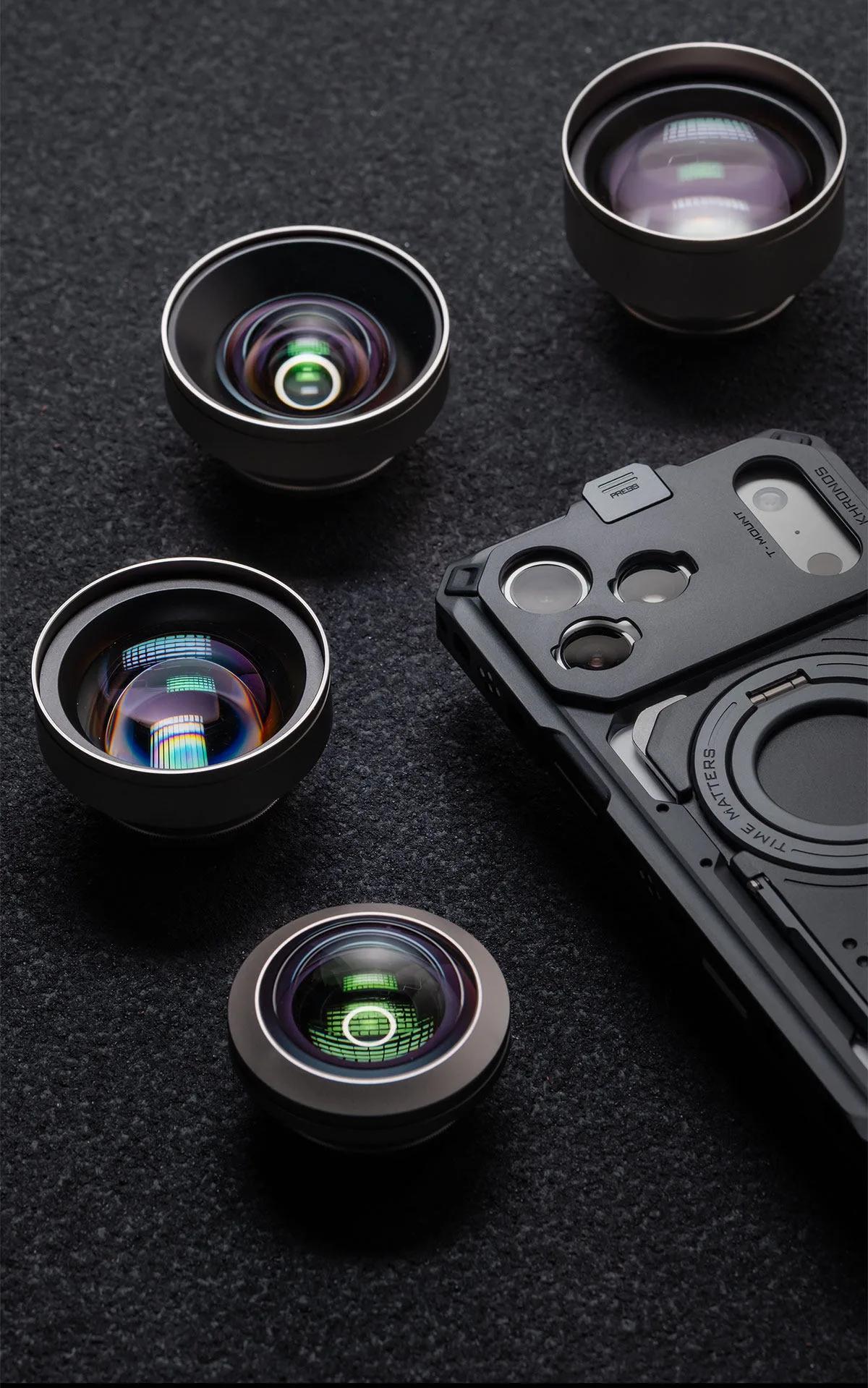
Image source: Tilta
The modular optical solution with its own sensor is essentially a digital camera without a screen for the mobile phone, so its optical upper limit is very high, and its image quality can generally be comparable to that of digital cameras in the M43 era. The problem is that the modular optical solution with a sensor means higher technical thresholds and higher hardware costs, and problems such as heat accumulation during long-time camera operation and wireless image transmission delay also seriously affect the user experience.
In addition, in the era of AI photography, the optical quality of cameras is no longer the only factor that determines the quality of the photos taken, and the AI processing capability of the mobile phone itself is also very important. For this type of modular optical solution, neither the inherent hardware performance nor the hardware update cycle can keep pace with flagship mobile phones.
For this reason, faced with the lower-cost solution of teleconverters, the "less gain with more effort" technical route of the modular optical solution has naturally been abandoned by manufacturers.
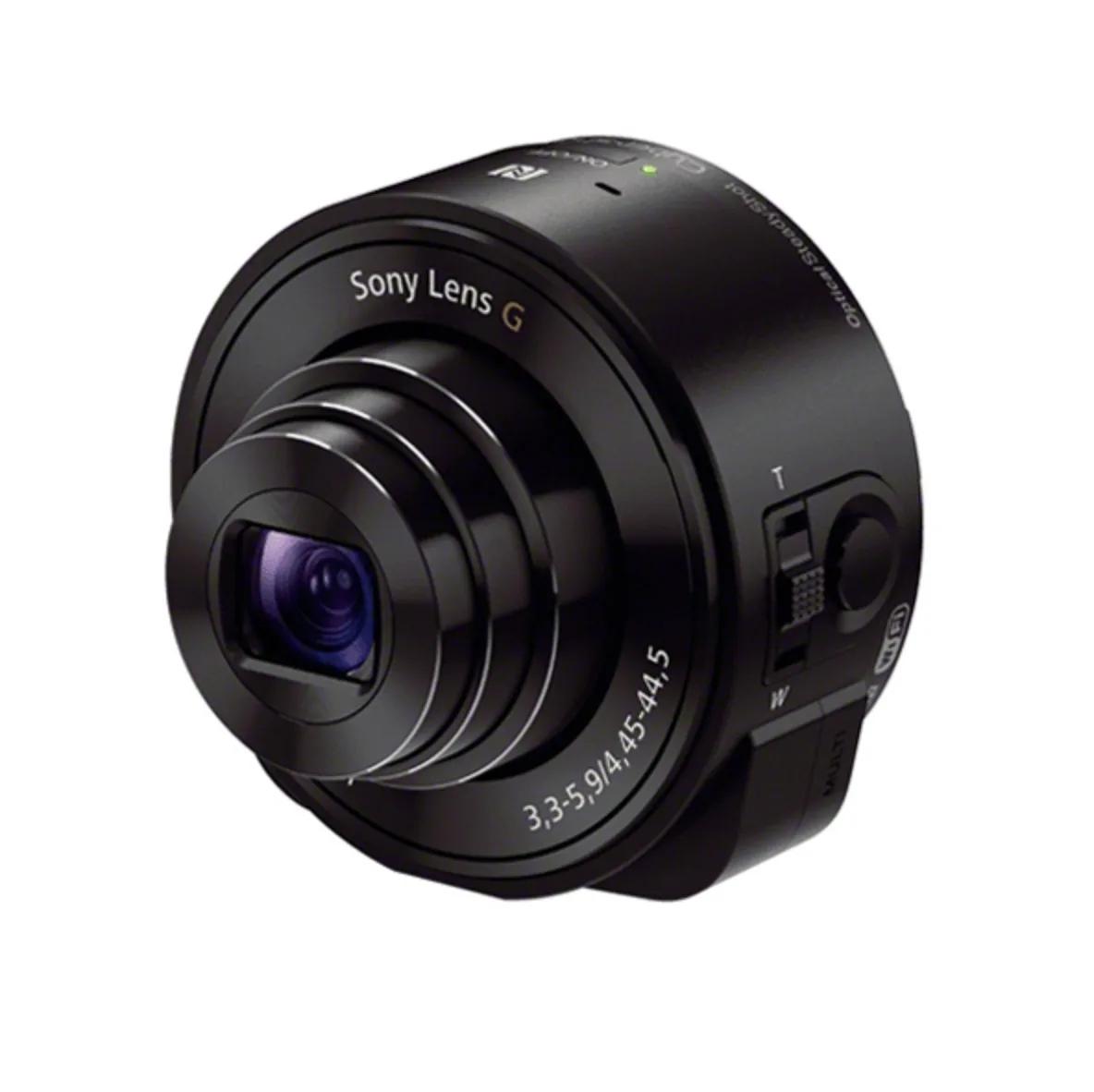
Image source: Sony
However, compared with the era when screenless cameras first came out, the wireless communication technology of mobile phones has undergone earth-shaking changes in the past 10 years. The image transmission technology based on WiFi is also quite mature, not to mention that Huawei itself has Spark, a wireless transmission technology with high bandwidth and low latency.
Therefore, in the view of Leikeji, at least for the Huawei brand, the experience of the modular optical solution based on wireless transmission will not necessarily follow the old path of the first-generation screenless cameras.
Modular optics is naturally suitable for the AI imaging era
The problem is that using AI technology to make up for the physical defects of optics has become the consensus of mobile phone brands in the field of mobile imaging in recent years. Radical players like Google even directly assign super-telephoto photography to AI for calculation. Since we can use AI to break through optical limitations, why does Huawei still need to make efforts on the modular optical route?
In the view of Leikeji, this is because modular optics is actually naturally suitable for the AI imaging era.
Looking back at the development of mobile imaging technology, it is not difficult to find that what really promotes the leap of imaging experience is never the improvement of a single hardware indicator, but the increasing weight of computing power and algorithms in the imaging process. From multi-frame HDR and night scene algorithms to today's almost standard AI noise reduction, semantic segmentation and real-time video processing, mobile imaging has long evolved from "editing after shooting" to a systematic project of "calculating while shooting".
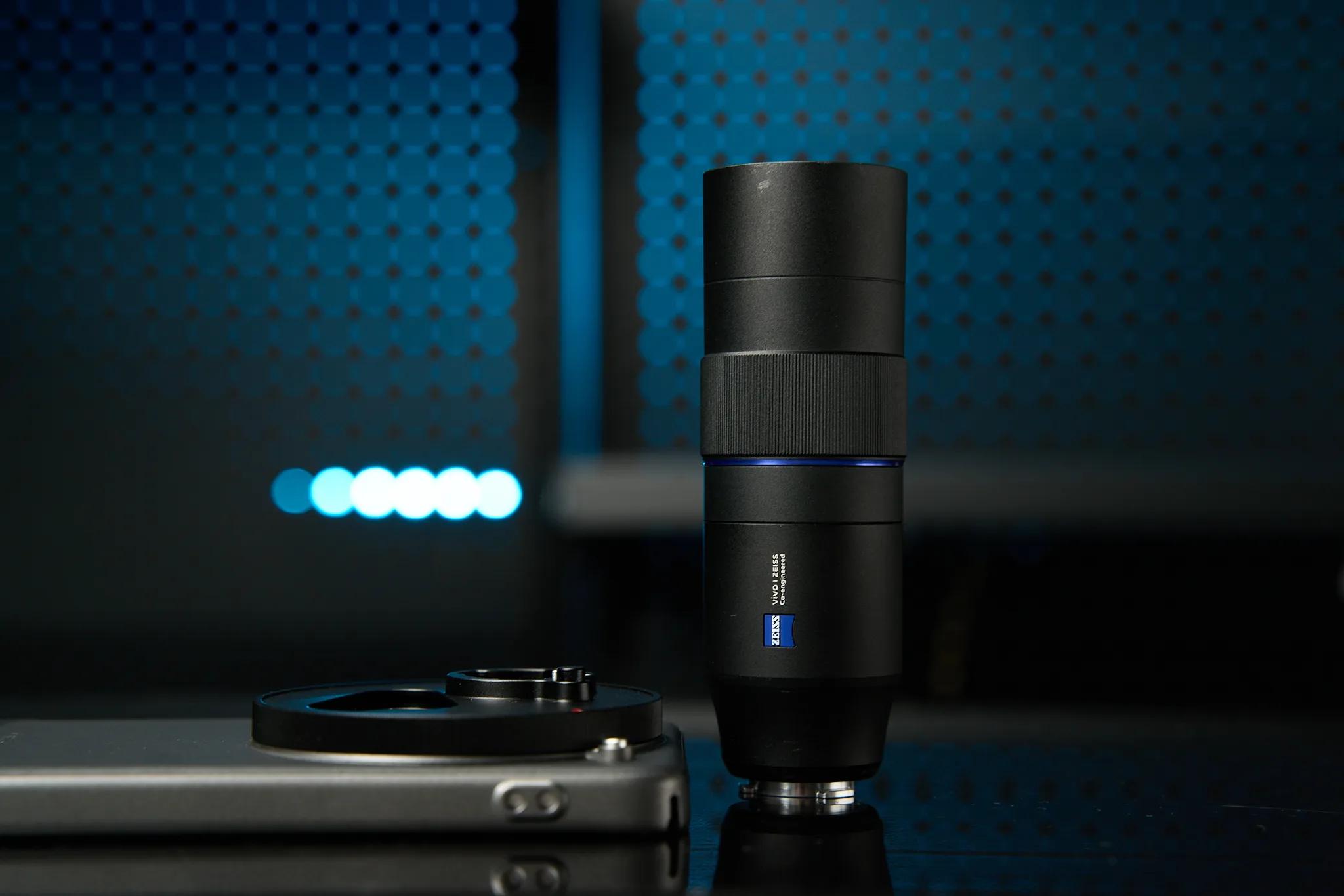
Image source: Leikeji
But the iteration cycle of optical hardware is far slower than the update speed of chips and algorithms. A high-spec lens and a large sensor can often be used for several years; while the ISP and AI algorithms on the mobile phone side will almost change significantly in each generation. When imaging relies more and more on computing power, permanently integrating all optical capabilities into the body will instead make the upgrade path of the imaging system rigid.
The modular optics concept launched by mobile phone brands perfectly solves this problem — after separating the high-spec sensors and optical systems, manufacturers actually split the imaging system into two levels with completely different update rhythms:
The top layer is the relatively stable optical layer with a long service life, and the bottom layer is the computing layer that iterates rapidly and relies heavily on chip upgrades. As long as the mobile phone is continuously updated, the algorithms and computing power can continue to evolve; while the lens itself will not become obsolete quickly due to changes in software and algorithms.
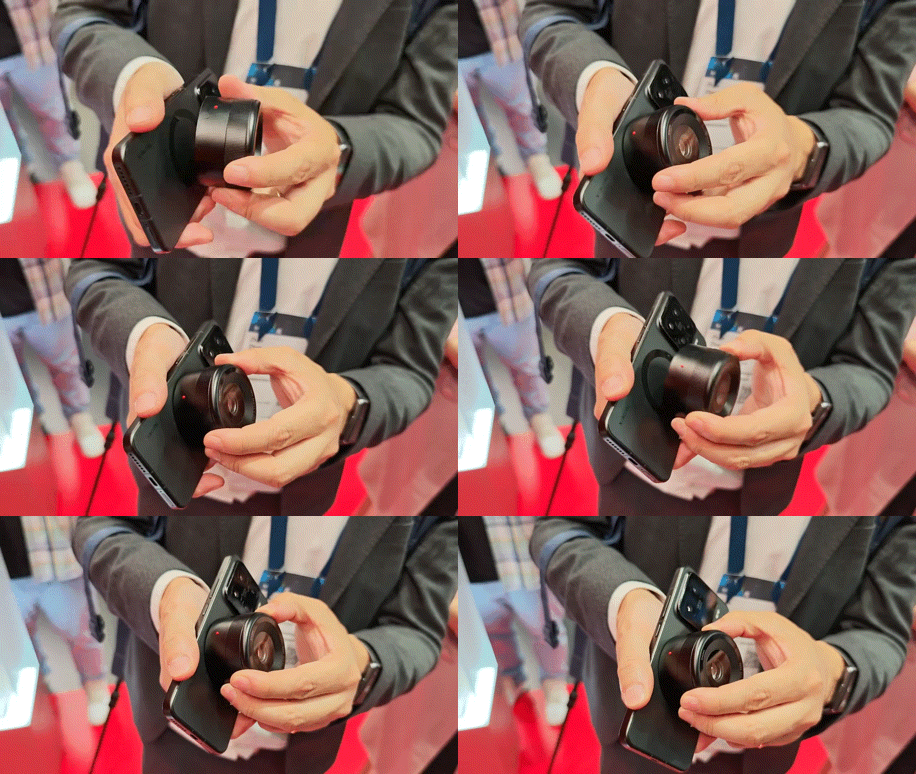
Image source: Leikeji
Looking further into the future, the real value of this set of solutions lies in the ecosystem. After users purchase dedicated phone cases, lenses and grips, as long as the lenses can be used for many years like camera mounts, external optics will no longer be just a toy, but a creative tool that can be used for a long time.
Of course, to become a creative tool, the premise is naturally that Huawei is willing to provide software updates and hardware support for it in the next few years. After all, according to the current market situation, we have not yet seen a truly sustainable modular optical product.
Can the new photography mode open up a new accessory market?
However, in the view of Leikeji, Huawei's this modular camera does have the potential to revitalize this category that was once abandoned by the industry in the future. First of all, in the past two years, external optics itself has been one of the development directions of mobile imaging, and the work of creating demand and educating users has been completed by other brands, Huawei only needs to put its own products in this "new folder".
Secondly, a modular camera in the AI era must have AI photography capabilities to be considered a qualified product. Under the HarmonyOS ecosystem, Huawei has unique advantages in software and hardware collaboration. As long as Huawei is willing, it can fully make this modular camera as "always new with frequent use" as Huawei mobile phones under the HarmonyOS ecosystem.
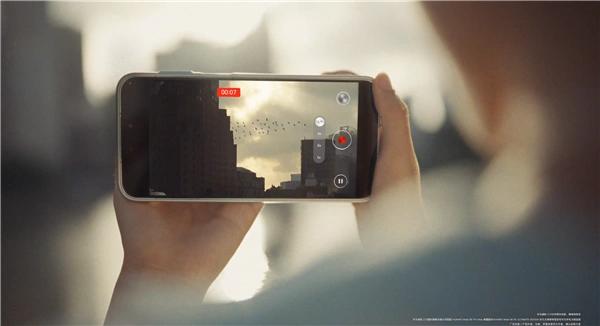
Image source: Huawei
Moreover, Huawei itself has been the trendsetter of product forms for domestic mobile phones in recent years, and Huawei's entry is likely to drive other manufacturers to enter the modular camera category, building it into a complete imaging ecosystem similar to action cameras and gimbal cameras.
But according to the leaked information, the current Huawei modular camera is only compatible with the Mate 90 Collector's Edition and the Ultimate Master Edition, and the leaked price of 5,000 to 6,000 yuan for the module is not cheap. The revenue of the accessory market depends on the ownership volume. If the number of installed modules is not enough, third-party optical manufacturers will have no motivation to develop supporting lenses, and the completion of focal length coverage and the prosperity of the ecosystem will be out of the question.
Back to the sentence at the beginning, Leikeji always believes that as the competition of mobile imaging develops to today, whether a new path can be opened outside the phone body is far more important than the performance of a single module.
The Huawei Ruiying Z10 modular camera puts the part of imaging capability that cannot be fitted into the phone body into a module that can be priced and iterated independently, and first verifies whether this path is feasible among the group of users who are most willing to pay. It does not need to be a bestseller at the very beginning. As long as users are convinced that this lens can be used across generations, this business has the potential to grow.
Of course, all of the above is just the analysis of Leikeji based on the existing leaks. On the day of the October 1 launch event, the moment the price is announced, the question of whether the modular camera path is feasible will naturally have an answer.