The "top-tier internet celebrity" who was catapulted to stardom by 200 million people has had their true colors completely exposed.
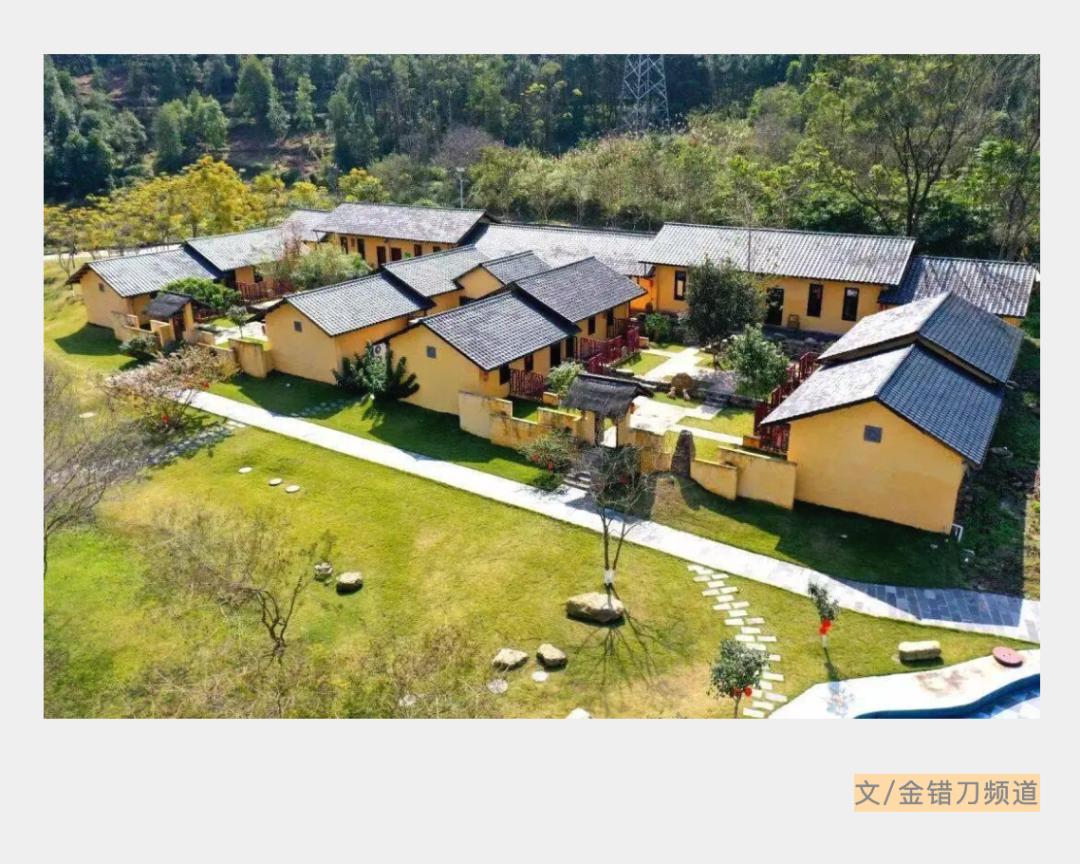
"After visiting Aranya, I finally realized that the price level in Sanya is really cheap."
Before the National Day holiday even officially kicks off, a number of internet-famous scenic spots have been added to the "avoidance list" in advance. Aranya, known as the back garden of Beijing people and the Jerusalem for Beijing's middle class, has even become the most complained-about target.
Some people complained that they spent 3,000 to 4,000 yuan on a one-night stay in a homestay, thinking that you get what you pay for. Unexpectedly, there was no meticulous service as imagined, and they even had to pay for mineral water themselves.
The scenery is also far from satisfactory. The so-called "facing the sea, with spring blossoms" is actually not as good as taking a walk downstairs in the community.

The widely criticized Aranya exposes the most embarrassing side of the homestay industry in recent years: the price is on a par with five-star hotels, but the experience is as unpredictable as opening a blind box.
Just a few years ago, the homestay industry was a completely different picture. Various tourism variety shows kept creating romantic fantasies, and "quitting your job to run a homestay" was once regarded as the ultimate romance for young literary enthusiasts.
Nanfang Daily wrote that in 2016, many young people traveled to Tibet and Yunnan, rented local houses and renovated them into their own "dream homes".
Running a homestay, a café, a bookstore, and a tavern were jokingly called "the four must-have entrepreneurial projects for young literary people after quitting their jobs".

What is more important than feelings is that this track was really profitable at that time.
According to media reports, the highest-earning homestay landlord in Shanghai made 3.74 million yuan a year. Some wealthy guests even spent 270,000 yuan in one go during the holiday, staying in 5 high-end homestays consecutively.
However, only a few years later, the glamorous image of homestays has completely collapsed.
According to China Newsweek, in an interview in July this year, the occupancy rate of homestays in some prime locations in Dali could reach 80% during previous summer vacations, but now 50% is already considered a good result.

Some "homestay operators" said that they could receive hundreds of inquiries a day, but only one or two people would finally place an order.
Some consumers even asked the landlord directly after seeing the price: "Are you out of your mind for charging this much?"
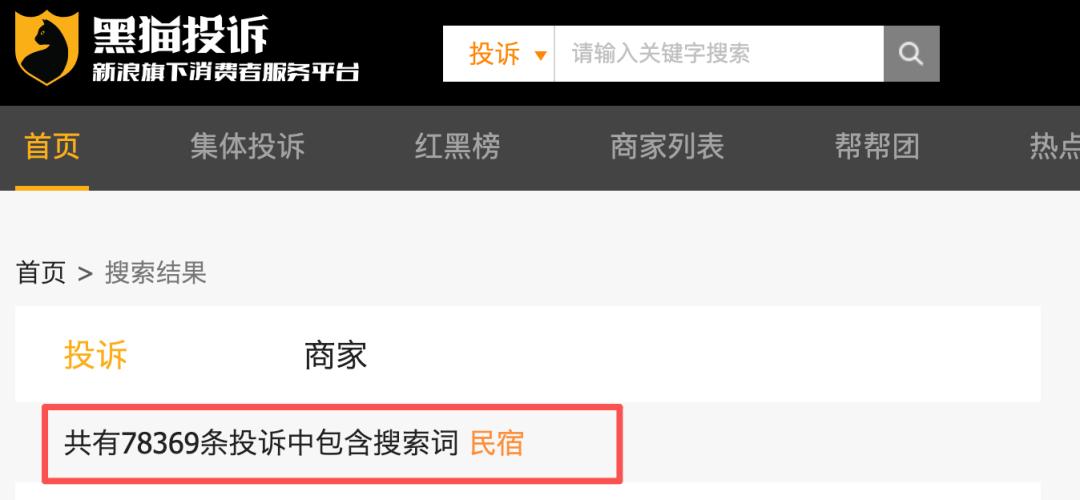
At the same time, there are as many as 80,000 complaints related to homestays on Black Cat Complaint. In August 2026 alone, complaints in the hotel and homestay sector surged by 2000, a month-on-month increase of 19.35%.
Arbitrary price hikes, unilateral contract breaches, poor sanitation, bad service attitudes... The problems are all extremely distressing.
The internet-famous homestays that once represented "poetry and distant places" have finally been backfired by excessive traffic.
The most ruthless "wallet assassin" during holidays is being collectively avoided by consumers
From an entrepreneurial paradise where you can "earn tens of millions easily" to a so-called "IQ tax" that people try to stay away from, the homestay industry has experienced a roller coaster ride in just a few years.
Its sudden popularity back then had all the favorable conditions of timing, location and people support.
On the one hand, variety shows were frantically creating romantic fantasies. Around 2017, programs such as *The Inn* and *Back to Field* became hits one after another, turning the life of "renting a house in the mountains, drinking tea and playing with dogs during the day, and watching stars at night" into a dream career for many people.

On the other hand, capital was pouring into this track frantically.
In 2017, Tujia received 300 million US dollars in financing, and Xiaozhu Short-term Rental raised 120 million US dollars. In 2018, Xiaozhu completed nearly 300 million US dollars in financing, and this year was even called the "outbreak year of internet-famous homestays" by the industry.
With content marketing, capital support and consumer willingness to pay, opening a homestay in a tourist resort has suddenly become a wealth code that everyone is eager to get.
The most typical example in this wealth creation myth is Dali.
After the drama *Meet Yourself* was broadcast in 2023, Dali immediately received unprecedented traffic and became the place with the highest density of homestay operators across the country.

Data shows that the search volume related to Dali nearly doubled, and the search volume of Fengyangyi surged by about 50 times.
During the Spring Festival that year, the number of homestay reservations in Dali increased by more than 10 times year on year, the overall reservation rate once reached 80%, and the reservation rate of mid-to-high-end homestays even exceeded 90%.
At that time in Dali, landlords had no worry about no guests, and tourists scrambled to book rooms.

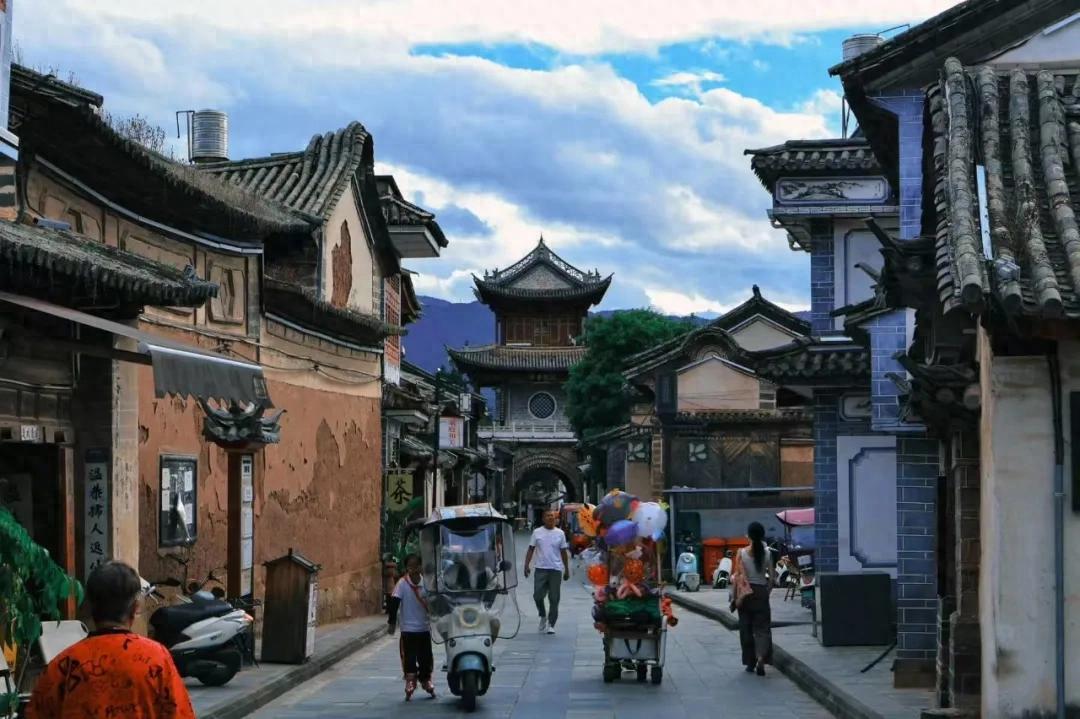
But this year, the most popular local saying has become: "Half of the 100,000 homestay beds in Dali are empty".
Government data shows that there are more than 100,000 homestay beds in the whole prefecture, and even in prime locations, the occupancy rate is only 55%.
On social platforms, topics such as "Dali homestay prices plummet" and "Lijiang homestay owners can't hold on anymore" have been trending one after another, and even the business of "specializing in recycling furniture from closed homestays" has emerged.
Why did homestays quickly change from "must-stay" to something people try to avoid?
After all, when any new consumption pattern first emerges, there is a "novice protection period".
In the early days, people chose to stay in homestays for a fresh experience different from staying in hotels. Therefore, even if there was no front desk, no breakfast, and the sound insulation was a little poor, tourists were willing to tolerate it.
But once the novelty fades, the problems of the homestay industry can no longer be hidden.
Consumers soon found that most homestays charge prices comparable to five-star hotels, but their accommodation conditions are no better than rural farmhouses. The crazy price increase every holiday is even more like a large-scale compliance test for consumers.

High price is not the biggest problem, unreliability is.
In 2024, *The Paper* reported that a consumer booked 4 homestays in a row to travel with his wheelchair-bound parents, but all 4 times he was temporarily asked to change rooms.
Some landlords even replied directly: "If you don't want to stay, you can cancel, you are so troublesome."
The whole family was tossed until late at night, and finally turned to stay in a hotel.
The hygiene problem is even more frustrating. Last year, the Hangzhou Consumer Rights Protection Commission sampled 56 homestays, and the results showed that 51 of them had hygiene problems, accounting for more than 90%. 15 homestays even failed to change the sheets and bedding for each new guest.

Countless painful lessons of "opening blind boxes" have made homestays suffer the consequences of their own actions.
Homestay industry surveys show that 64.55% of homestays have an average annual occupancy rate of less than 40%, 27.27% have an occupancy rate between 40% and 60%, less than 1% have a perennial occupancy rate of more than 80%, and 82.24% of homestays have an annual comprehensive revenue of less than 100,000 yuan per room.
Consumers can pay for the novelty once, but they will never pay for the chaos of the industry forever.
The highly profitable business that used to make millions easily, why is it getting more competitive and losing more money?
From a blue ocean to a red ocean, the collapse speed of the homestay industry exceeded everyone's imagination.
When the trend just emerged, everyone saw that "every homestay opened was a hit".
When most people queued up to enter the market, they found that this was not a wealth code at all, but a cruel battle royale.

First, the number of homestays is expanding so fast that even tourists are not enough to support them.
According to data from Qichacha, the stock of homestay-related enterprises in 2016 was only about 19,000, and by 2026 it has reached 403,000, a surge of 21 times in ten years.
What does this mean? Since 2016, the number of domestic tourists has increased to 6.522 billion person-times, with a total growth of only 46.9% in ten years. The expansion multiple of homestay supply is 14 times that of tourist person-times.
The result is predictable: Homestays that used to focus on feelings have launched the most unromantic price war first.
This summer vacation, some king-size bed rooms in the old town of Dali without air conditioning and with breakfast included have been priced as low as 50 yuan per night in the off-season. Some practitioners complained that this price "can't even buy a cup of specialty hand-brewed coffee".
But they lose money to attract customers in the off-season, and have to make as much profit as possible in the peak season.
Every holiday, homestays often become price assassins more ruthless than air tickets and high-speed rail tickets. Room