Just now, Mark Zuckerberg unveiled the "Muse" metaverse, and the new VR headset weighs only 100 grams.
Reported by Zhidx on September 24, earlier this morning, at the Meta Connect 2026 event, Meta CEO Mark Zuckerberg focused on demonstrating the Muse personal intelligent agent, the new-generation AI glasses Ray-Ban Meta Audio and the third-generation Ray-Ban Meta, Meta VR Glasses, as well as the portable smart device Muse Charm.
Among them, Muse is the personal Agent launched by Meta, which can understand user intentions and process tasks such as files, calendars, and shopping across applications.
Ray-Ban Meta Audio is Meta's first AI glasses with no camera, focusing on music, calls and voice interaction. Its starting price is 349 USD (approximately 2344 CNY). Pre-orders are now open and it will be officially launched on October 13.
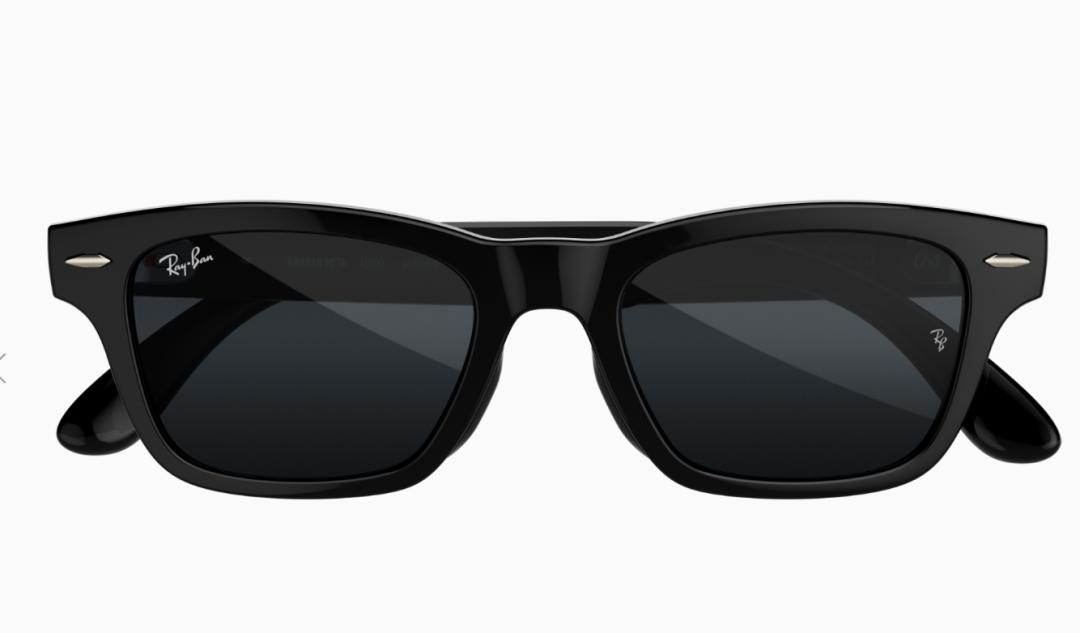
The third-generation Ray-Ban Meta retains the camera, and has upgraded video shooting and audio capabilities. Its starting price is 449 USD (approximately 3015 CNY), and it will be officially on sale on September 24.
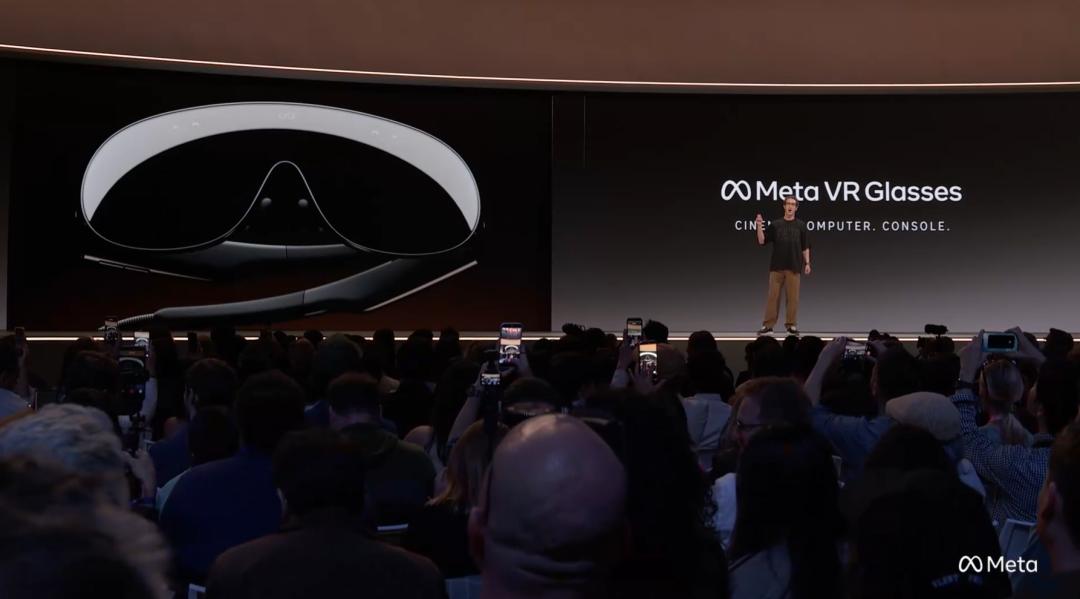
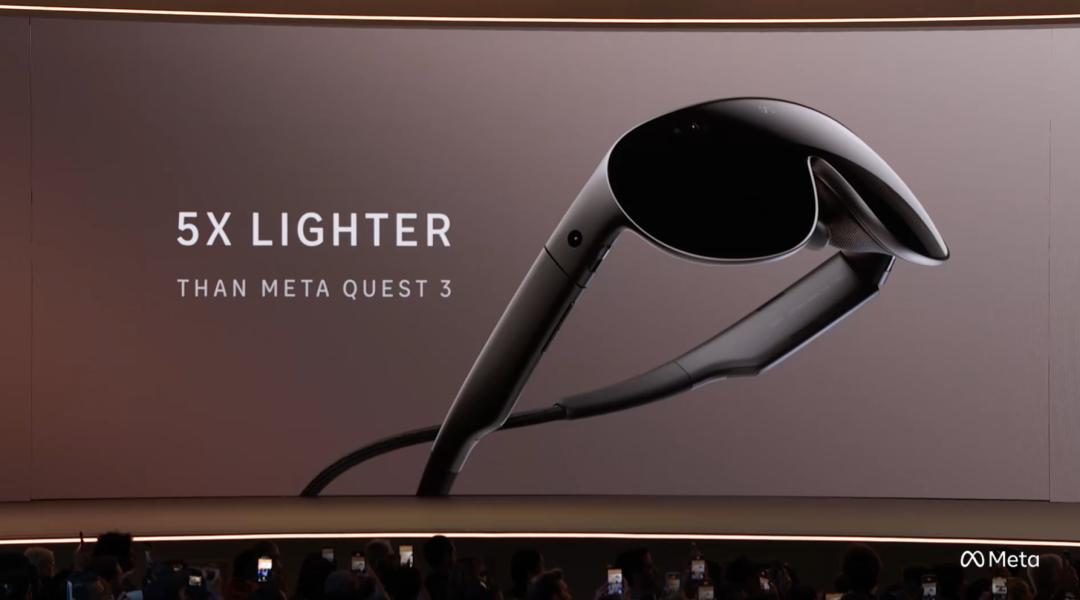
Meta VR Glasses weighs about 100 grams, which is less than one fifth of Meta Quest 3. It focuses on private cinema, multi-screen office, games and spatial interaction. Its starting price is 1299 USD (approximately 8723 CNY), and it will be available for sale next spring.
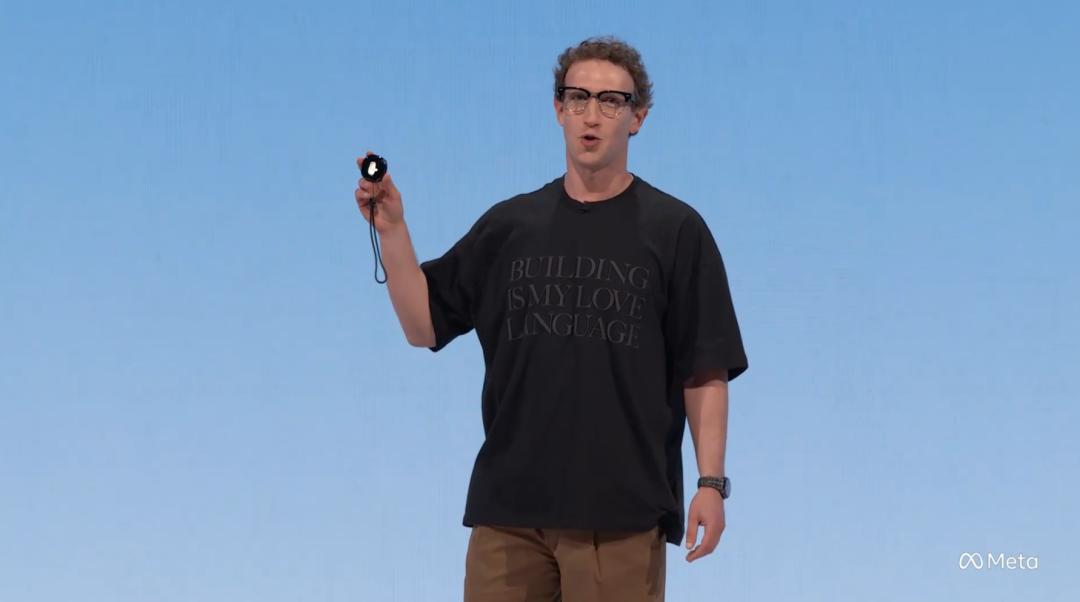
Muse Charm is an independent hardware that can be hung on a keychain. Users can wake up Muse by tapping the device without unlocking their phones.
From personal agents that can handle tasks for users, to AI glasses and VR devices that can understand the real environment, Meta is building a hardware ecosystem covering work, entertainment and daily life around Muse.
01. Muse: Equipped with an independent virtual computer, capable of executing tasks across applications
Zuckerberg said in his opening speech that in the future, everyone will have a personal agent that understands their goals and works around the clock, and Muse is the core product for Meta to realize "personal superintelligence".
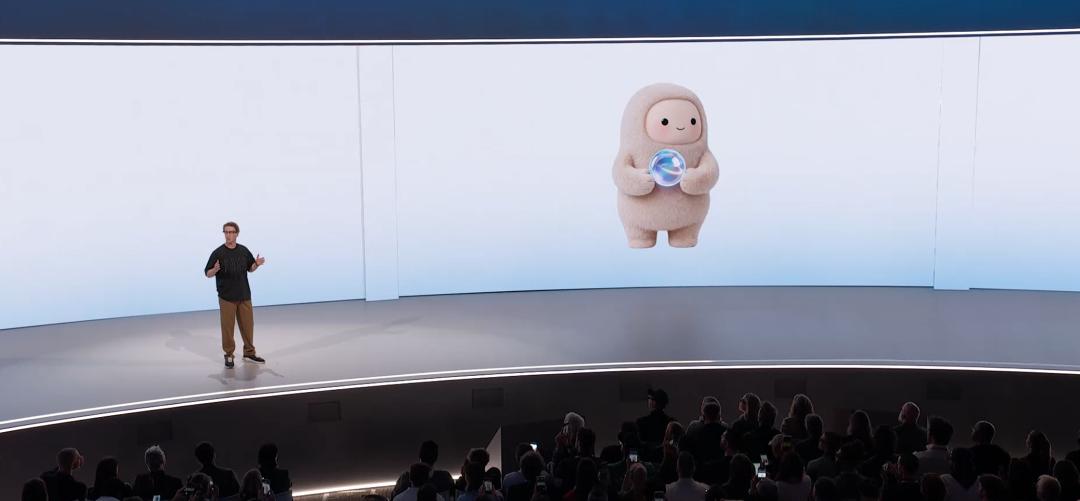
Built on Meta's Muse Spark model, Muse can remember user preferences, select appropriate tools, and continuously execute tasks across multiple applications. It can not only answer questions, but also help users actually get things done.
To make Muse more like a personal agent that accompanies users for a long time, Meta also allows users to customize its name, voice, role and personality.
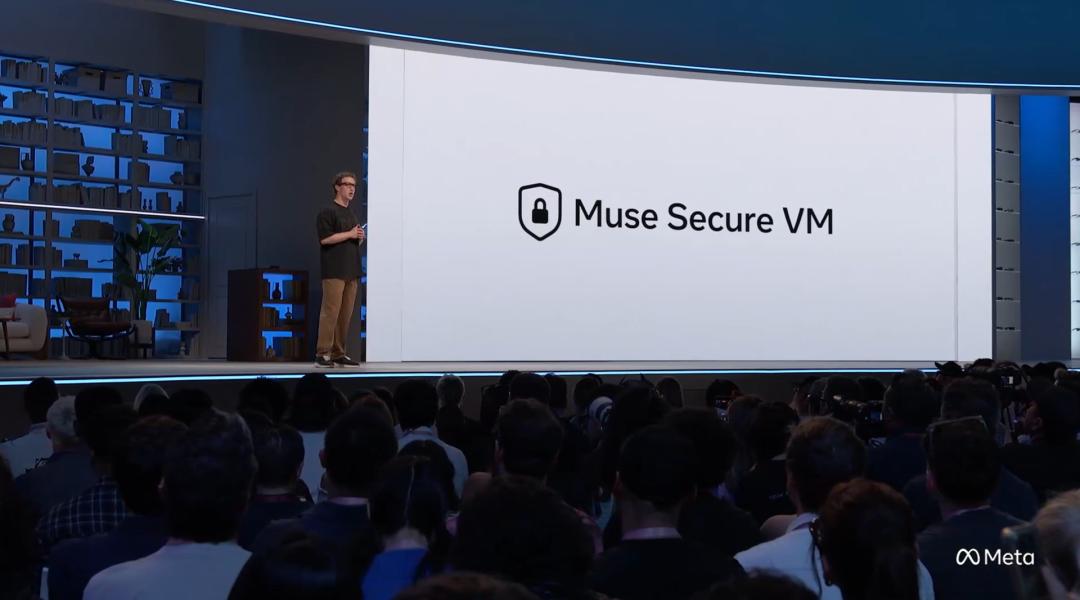
Meta equips each Muse with an independent virtual computer — the Muse Secure VM. It is equivalent to a dedicated secure workspace for Muse, which can perform tasks for users better and more safely.
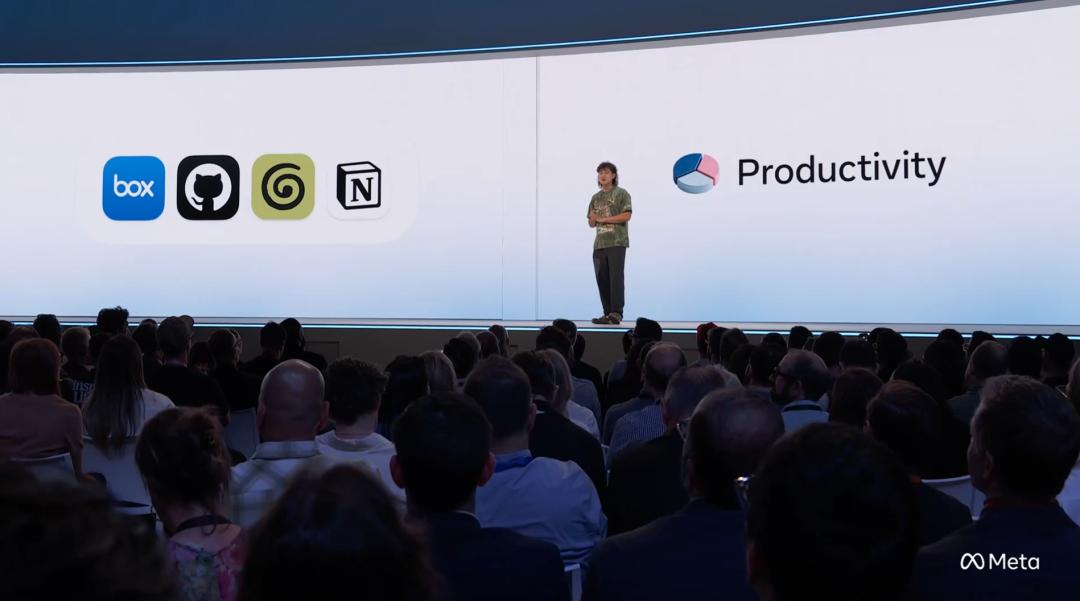
Tang Wang, Chief AI Officer of Meta, said that in terms of shopping, Muse will access the Shopify product catalog and support Shop Pay, Stripe and PayPal. Retailers including Walmart, Best Buy, Gap, Sephora, Wayfair are also integrating with Muse. In terms of travel and productivity, Muse will access applications such as Expedia, Instacart, Box, GitHub, Granola and Notion.
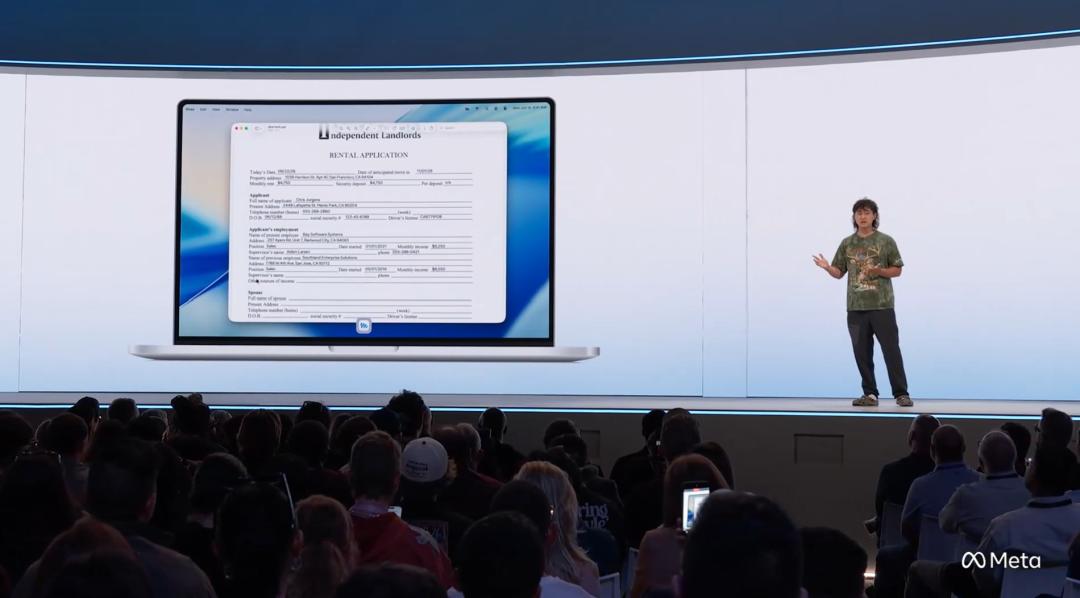
After user authorization, Muse can process files, information, calendars and notes in it, and also call other applications to complete tasks; even if the user leaves the computer, Muse can continue to process the scheduled work.
In the live demo, Zuckerberg asked Muse to introduce the project progress of a small device that can be hung on a keychain. Muse said that the hardware design of the device has been completed, and the final material still needs to be confirmed, and it also gave suggestions for the shell material.
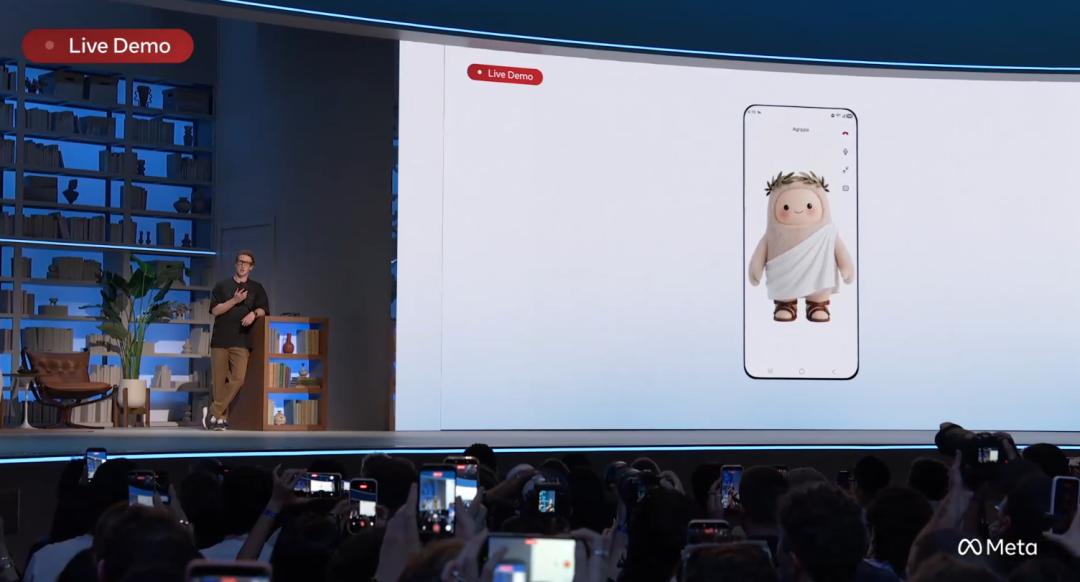
In addition, Meta also plans to launch the Muse Confidential VM to further restrict Meta's own access to user data.
02. AI Glasses: The camera-free version is priced at 349 USD, and the third generation supports 3K shooting
Zuckerberg believes that glasses will become the most important hardware entry for personal intelligent agents, because they allow Muse to see what users see, hear what users hear, and communicate with users continuously throughout the day.
Meta released its first camera-free AI glasses, named Ray-Ban Meta Audio. Because there is no camera, this type of glasses can be made lighter and thinner, support all-day battery life, can be used to listen to music, make and receive calls and call Muse, with a starting price of 349 USD.
Ray-Ban Meta Audio also offers 23 combinations of lenses and color schemes, and adds two new styles: Clubmaster and Burbank. The product will open for pre-orders on October 13.
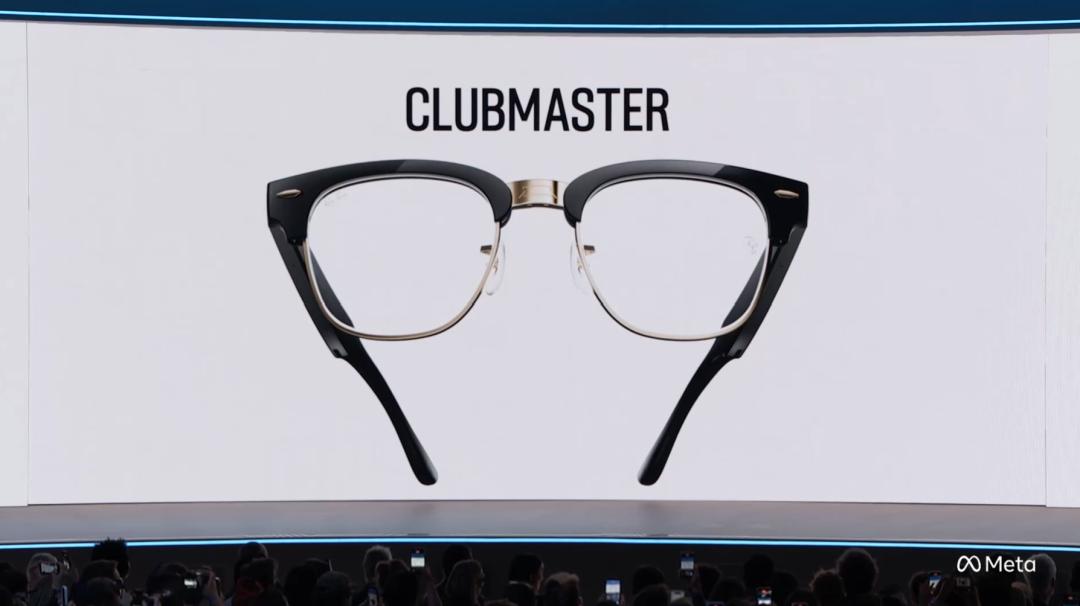
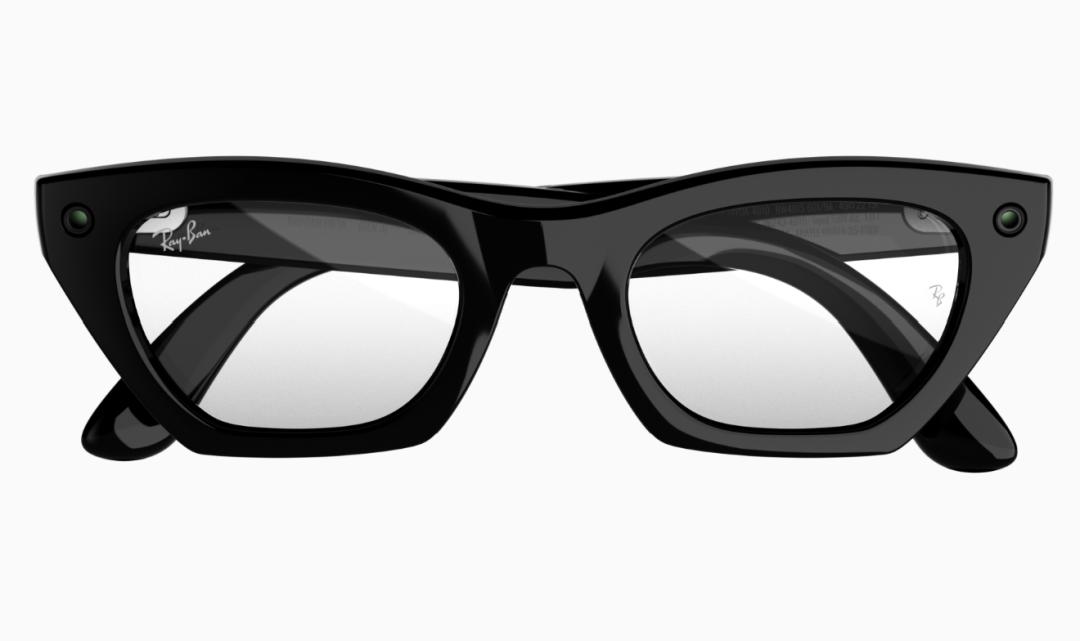
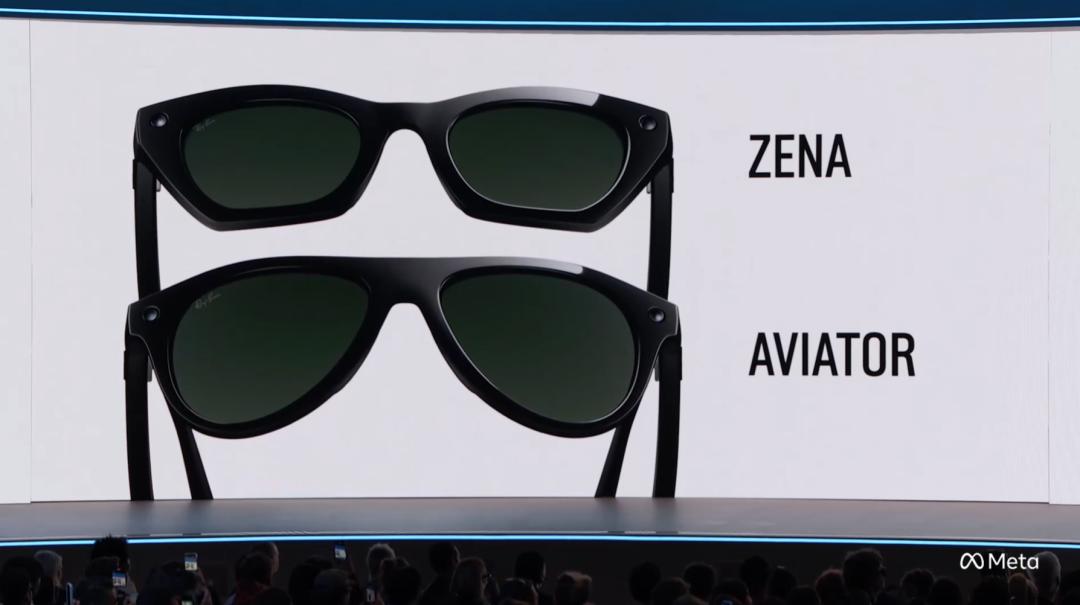
At the same time, Meta also released the third-generation Ray-Ban Meta with a camera. This pair of glasses is equipped with a 12-megapixel camera, supports 3K ultra-high-definition video shooting, has a battery life of up to 9 hours, and a starting price of 449 USD. In addition to Wayfarer, the third-generation product also adds two new styles: Aviator and Zena, the latter of which adopts a cat-eye frame design.
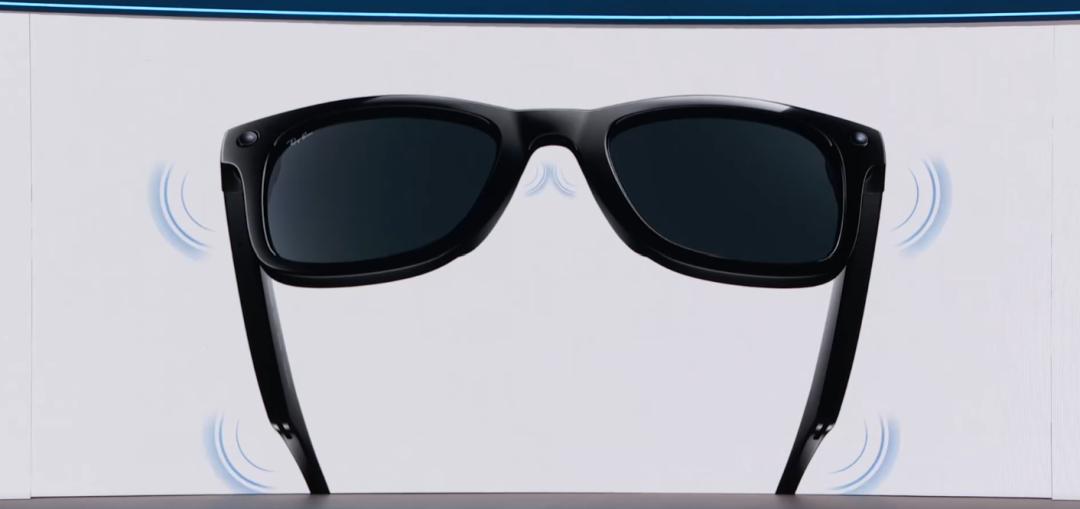
The new glasses are equipped with 6 microphones, which can capture the user's voice in a noisy environment, and support Dolby Atmos recording at the same time. When users play back the video, they can hear the sound coming from the spatial direction where it originally was.
In the next few weeks, Meta will also upgrade Muse to its glasses. Users can directly wake up the personal agent by saying "Hey Muse" for continuous voice conversation. Muse will retain the previous context, and can also schedule calendars, shopping or process other tasks in the background while the user is speaking.
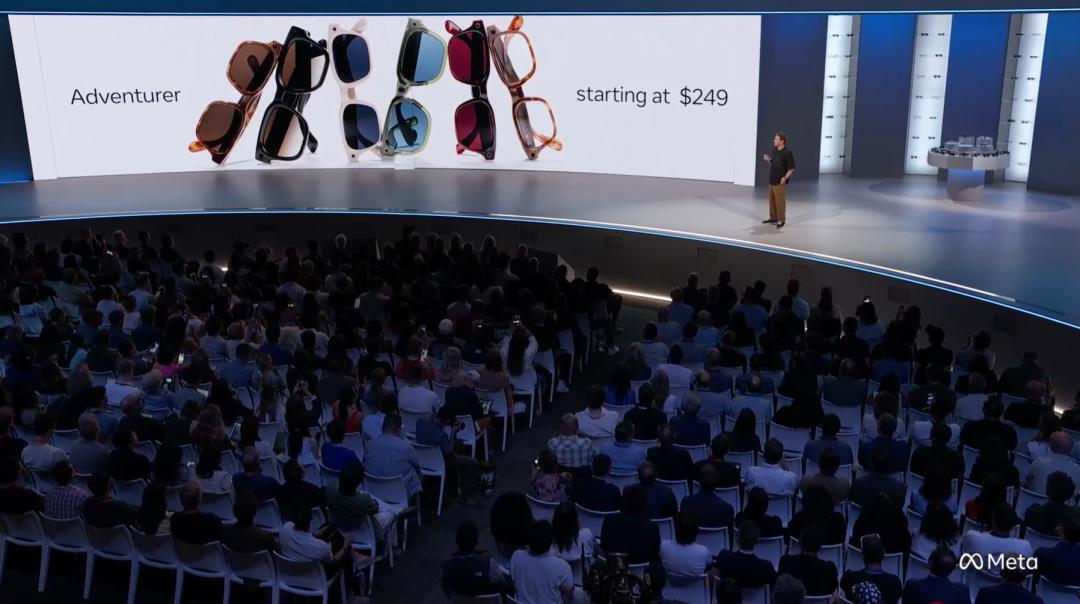
In addition, Meta also launched its own brand Meta Adventurer, which is equipped with black frames and gray lenses, with a starting price of 249 USD when paired with a plug-in charging case.
03. Meta VR Glasses: 1299 USD, supports watching movies, multi-screen display, and even playing mahjong
In the second half of the conference, Zuckerberg took out the VR glasses Meta VR Glasses from the glasses wall.
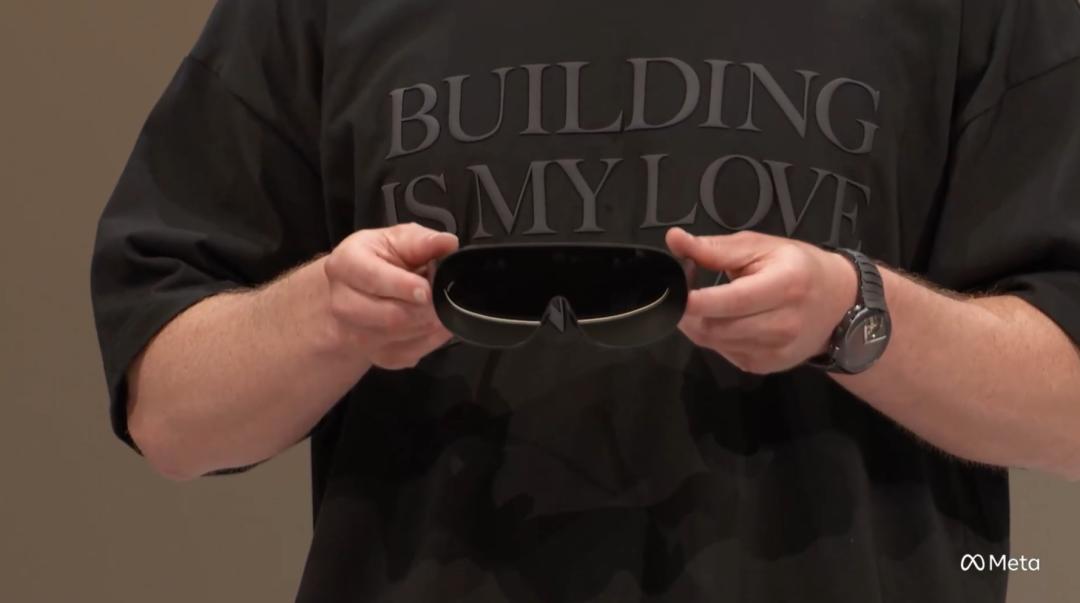
This device weighs about 100 grams, which is less than one fifth of Meta Quest 3. It adopts a split architecture, the on-site product is still connected with cables, and supports DisplayPort over USB-C.
Zuckerberg summed it up in three words: Cinema (private cinema), Computer (computer) and Console (game console).
After putting on the glasses, users can watch movies and sports events, and can also open two to three virtual displays in front of their eyes at the same time. The device supports eye tracking, gesture and voice interaction, and can also turn planes such as desktops into virtual keyboards and touchpads.
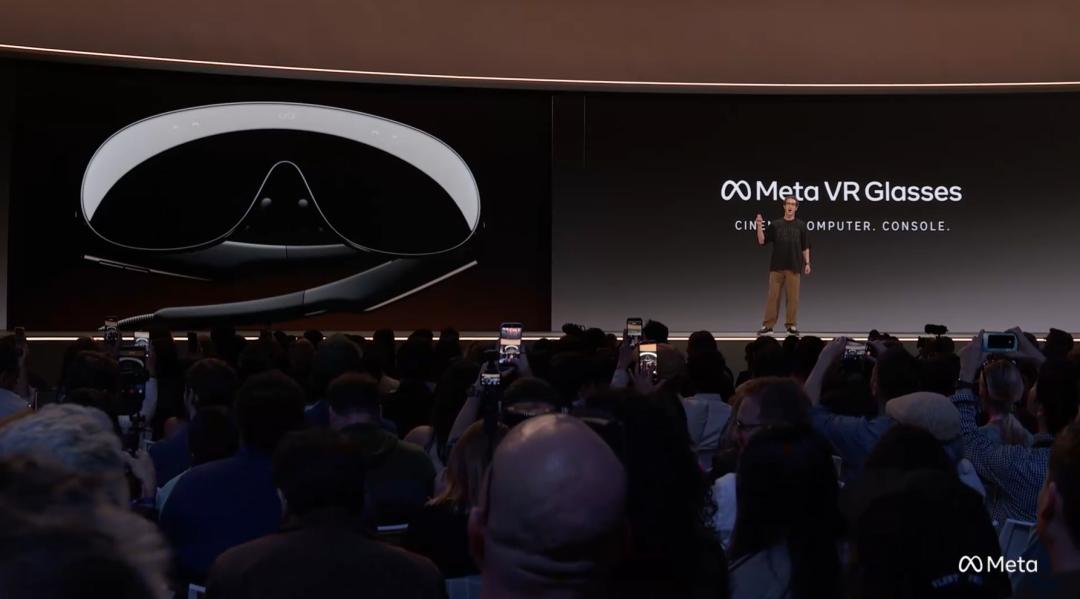
Subsequently, Andrew Bosworth, Chief Technology Officer of Meta, took the stage to further demonstrate the content and spatial computing capabilities of the VR glasses.
In terms of entertainment, Meta announced cooperation with directors and film and television companies such as James Cameron and Lionsgate. Disney+ will provide 3D movies in some countries, and ILM will also launch the Disney Immersive Cinema application.
In terms of sports, Meta plans to provide more than 100 immersive events every year. ESPN will provide a 180-degree front-row perspective for some matches, and the subsequent content will also cover events such as Major League Baseball, UFC, TNT Sports and NBC Sports.
Muse is also directly integrated into the operating system of the VR glasses. Users do not need to rummage through the menus, just speak their needs directly.
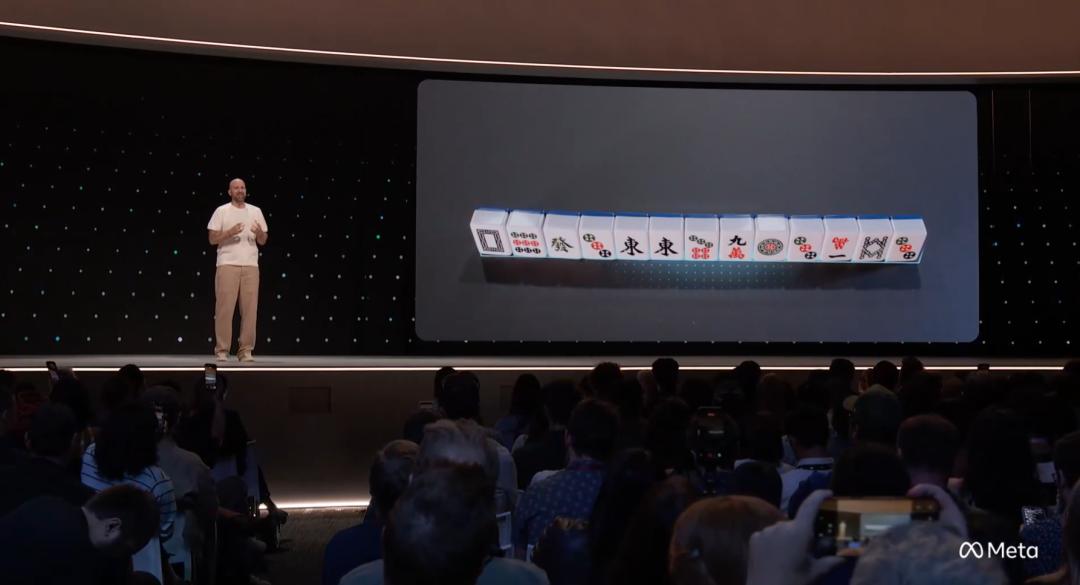
Bosworth showed the scene where Muse guides users to play mahjong. Muse can observe the cards and the desktop environment, and tell users what to do next by rounds. With the help of VR glasses, Muse can also understand the positional relationship between objects and guide users to act in space.
The VR glasses also support holographic calls, and users can join the communication with a virtual image close to the real person. Meta plans to bring similar capabilities to Ray-B