Alibaba and Google are both reinventing PCs at the same time, and the agent PC is really coming.
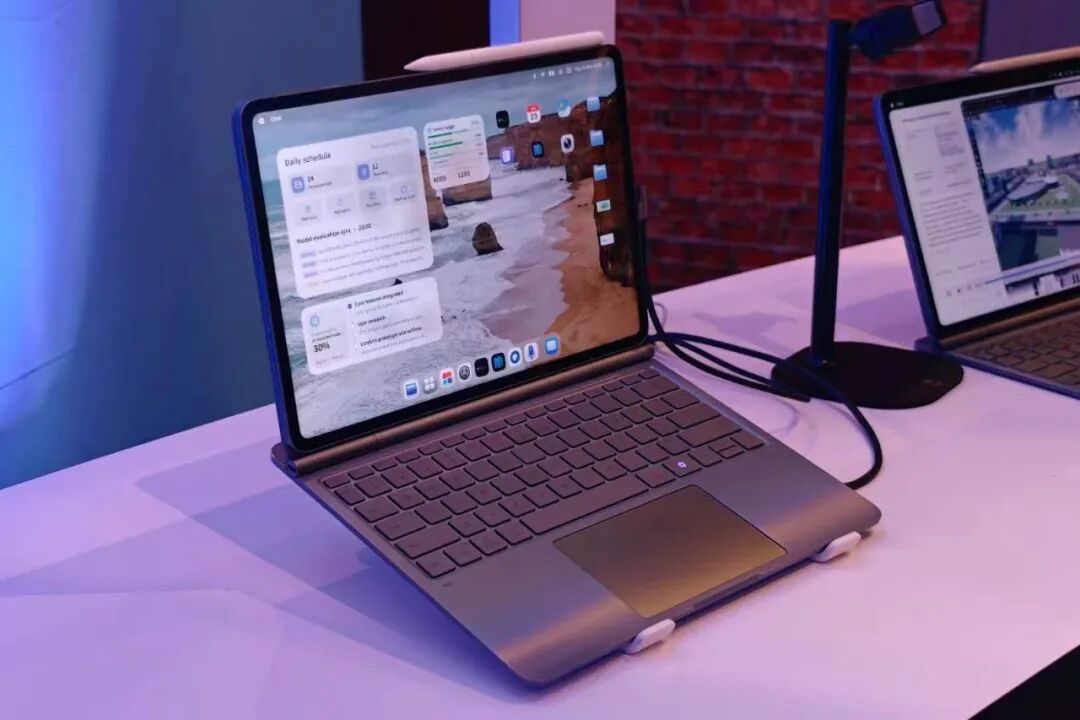
The MacBook with a touchscreen is still on the way, while QwenBook and Googlebook have rushed to debut ahead of it. At the just-concluded first day of the Qualcomm Snapdragon Summit, Alibaba's Qwen showcased its AI-focused PC product, the Qwen Book.
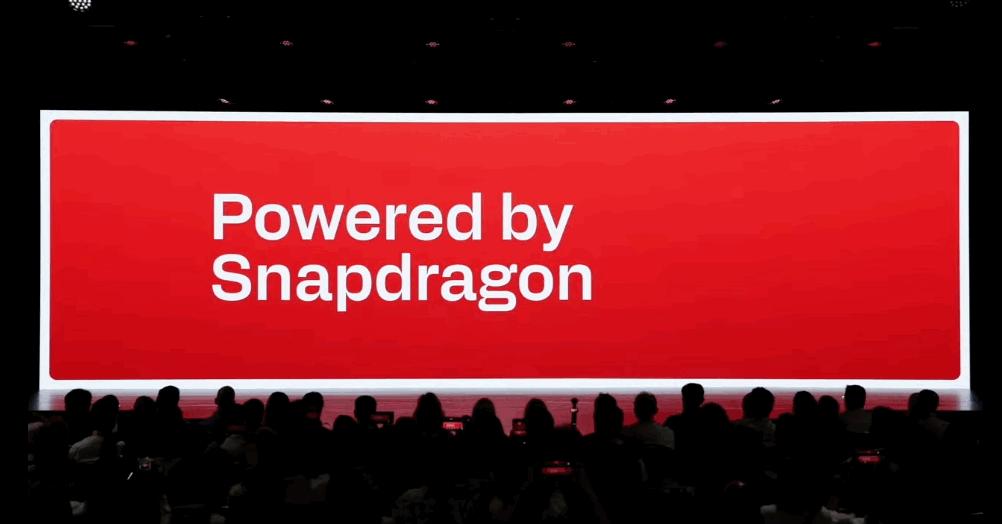
Meanwhile, the first batch of Googlebook is set to go on sale early next month, and both products have adopted a similar self-description: "AI-native PC".

AI PCs in the past two years usually meant adding an extra NPU to the computer and preinstalling a wakeable chat assistant. This round of attempts is different, both Google and Qwen have gone deep into the operating system for transformation. AI no longer waits for users to open a separate window, but actively reads the content on the screen, calls other applications, and continuously completes tasks in the background.
Google: Port Android to PCs
The first batch of Googlebook will go on sale on October 4, from brands including Dell, Lenovo, HP, Acer and ASUS, with starting prices ranging from $899 to $1299.
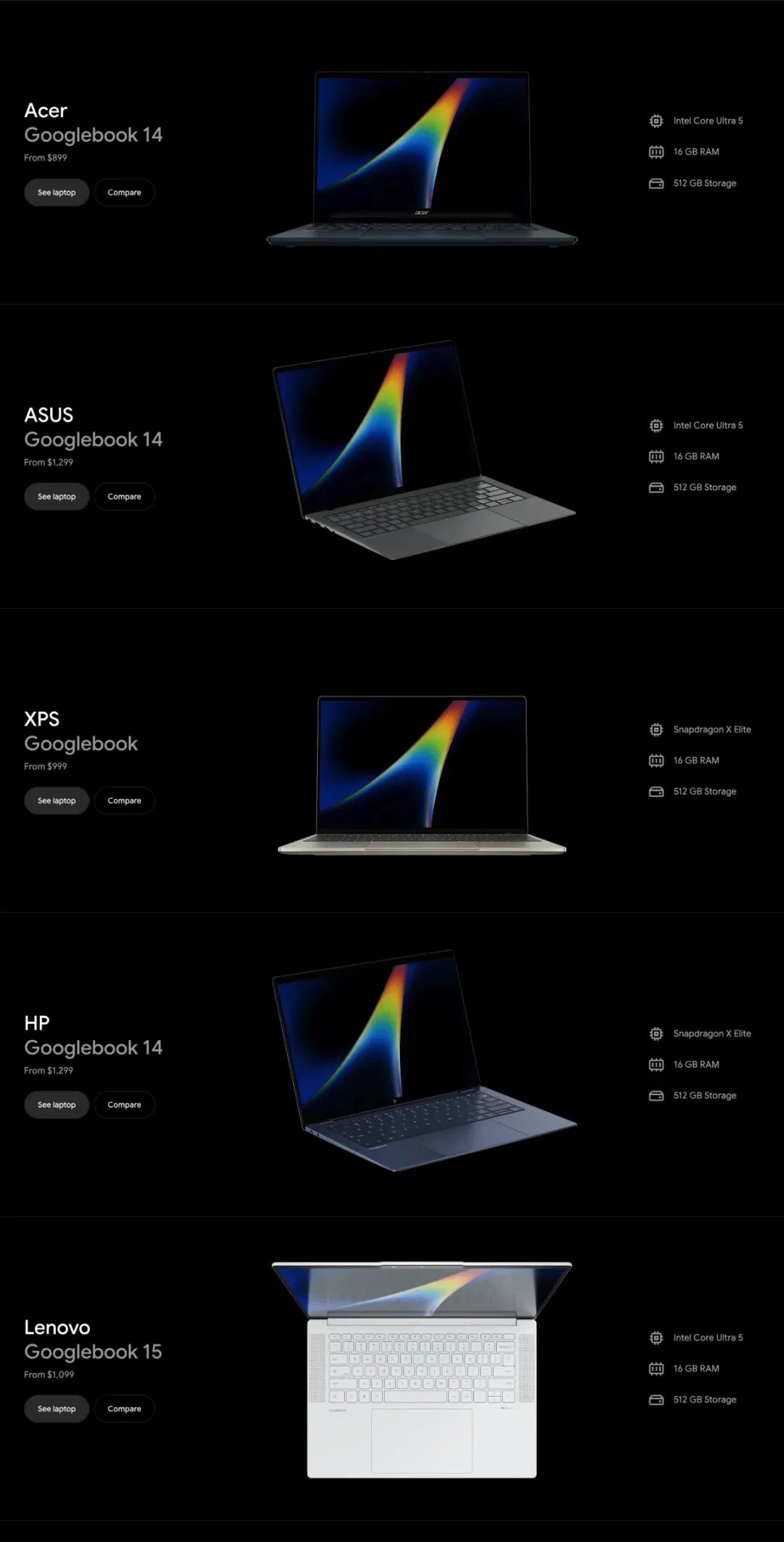
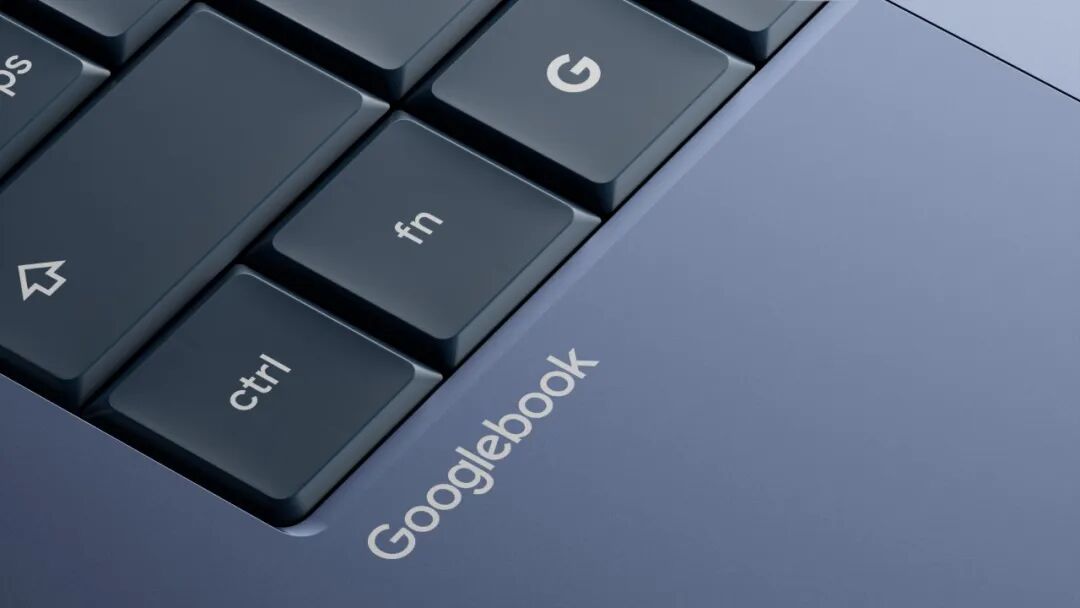
They still look like conventional laptops in appearance, equipped with Intel Core Ultra Series 3 or Qualcomm Snapdragon X Elite processors, at least 16GB of memory, touchscreens, fingerprint or face recognition, and some models use OLED screens. Google has also specified some unified identification elements, such as a dedicated "G" key on the keyboard, and a Glowbar on the body that lights up according to the AI status.
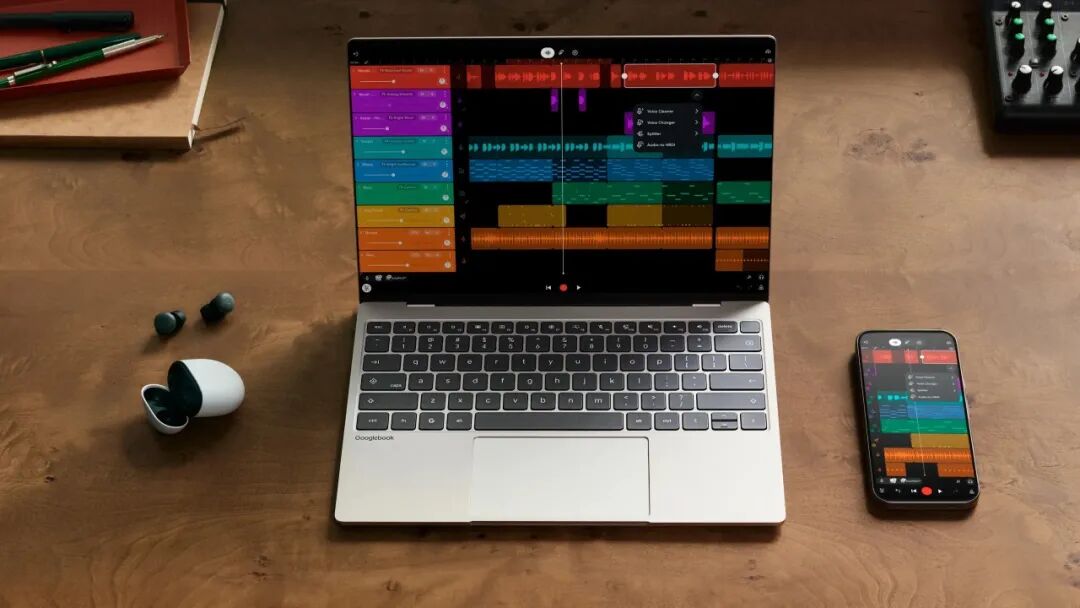
More major changes lie in the underlying system. Googlebook OS is built on the Android technology stack, and integrates ChromeOS's desktop windows, browser and Linux tools, so Android applications can run natively without emulators, and users can directly access the full Play Store.
This choice primarily serves Gemini, and also ensures continuity between mobile phones and PCs. Users can open an app on their Android phone and then pick up where they left off on the computer; the PC can access phone files, cast phone apps, and centrally process notifications. Gemini can understand the content displayed on the screen, provide next-step suggestions, or execute a series of tasks.
Interestingly, roughly a decade ago, Google envisioned the Chromebook, a futuristic product, but it followed a completely different logic: the computer only needed a browser, with all apps, data and computing power stored in the cloud, so there was no need for strong local hardware.
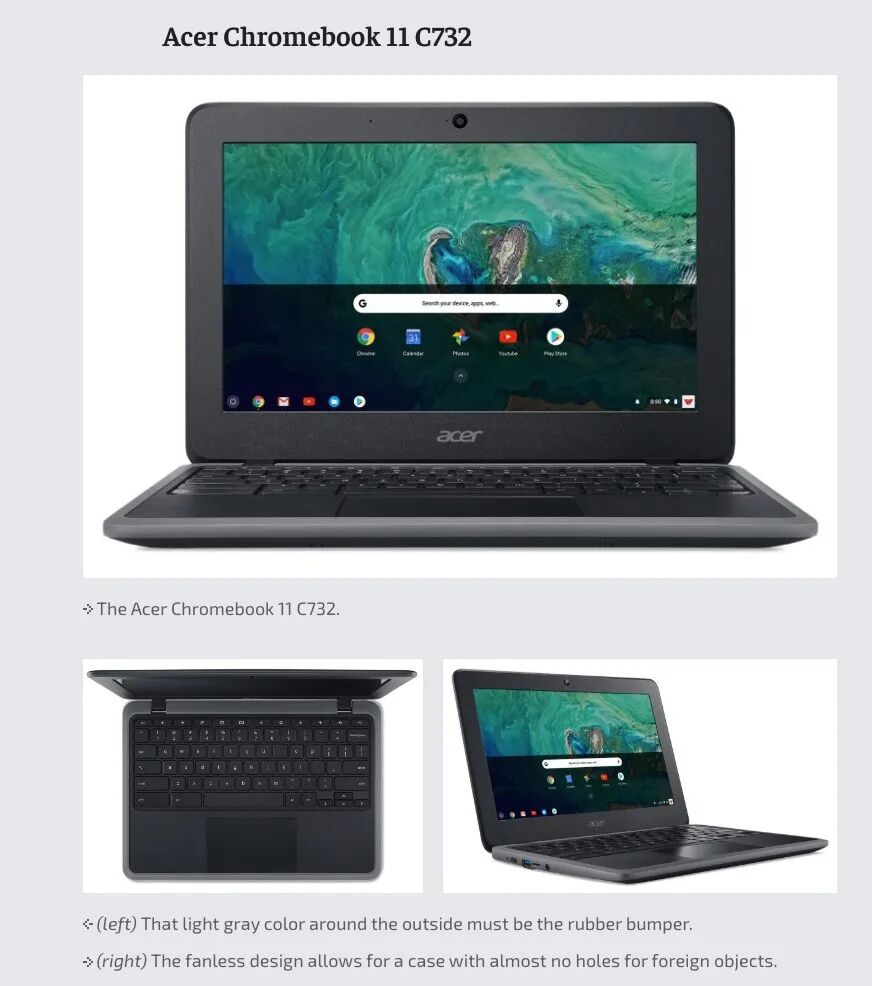
When the real "future" arrives, it becomes the Googlebook, which does not follow the original minimalist route. To accommodate Android apps, desktop browsers and AI at the same time, it has to raise the specifications of the PC's memory, chips and interaction again, hardware still matters.
Qwen: The Operating System is the Agent Harness
The Qwen Book is still in its early form, scheduled to be launched at the end of the year. The specific version of the end-side model, quantization method, context window length, running speed, as well as the processor, memory, NPU computing power and battery specifications have not been publicly disclosed. Even so, it has attracted extremely high attention at this year's Yunqi Conference.
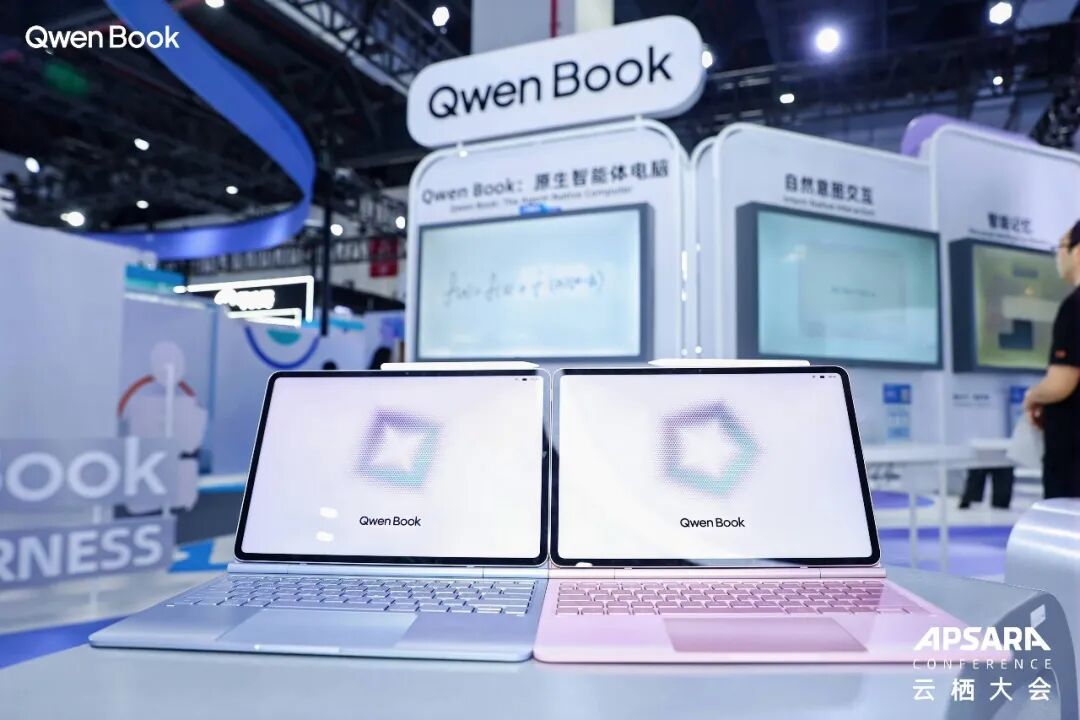
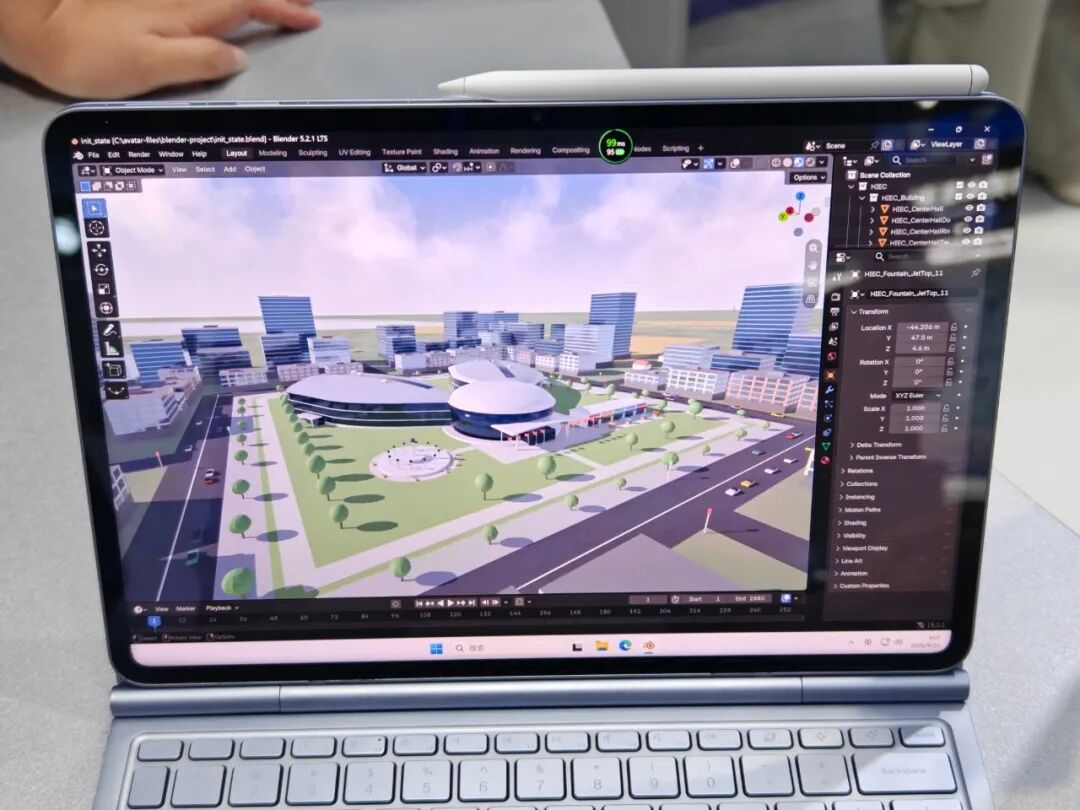
The Qwen Book adopts a 2-in-1 design, combining a tablet, a detachable keyboard and a large touchpad, with a secondary screen embedded on the back, supporting touch and stylus input. The body is equipped with a Type-C interface that can be connected to a docking station.
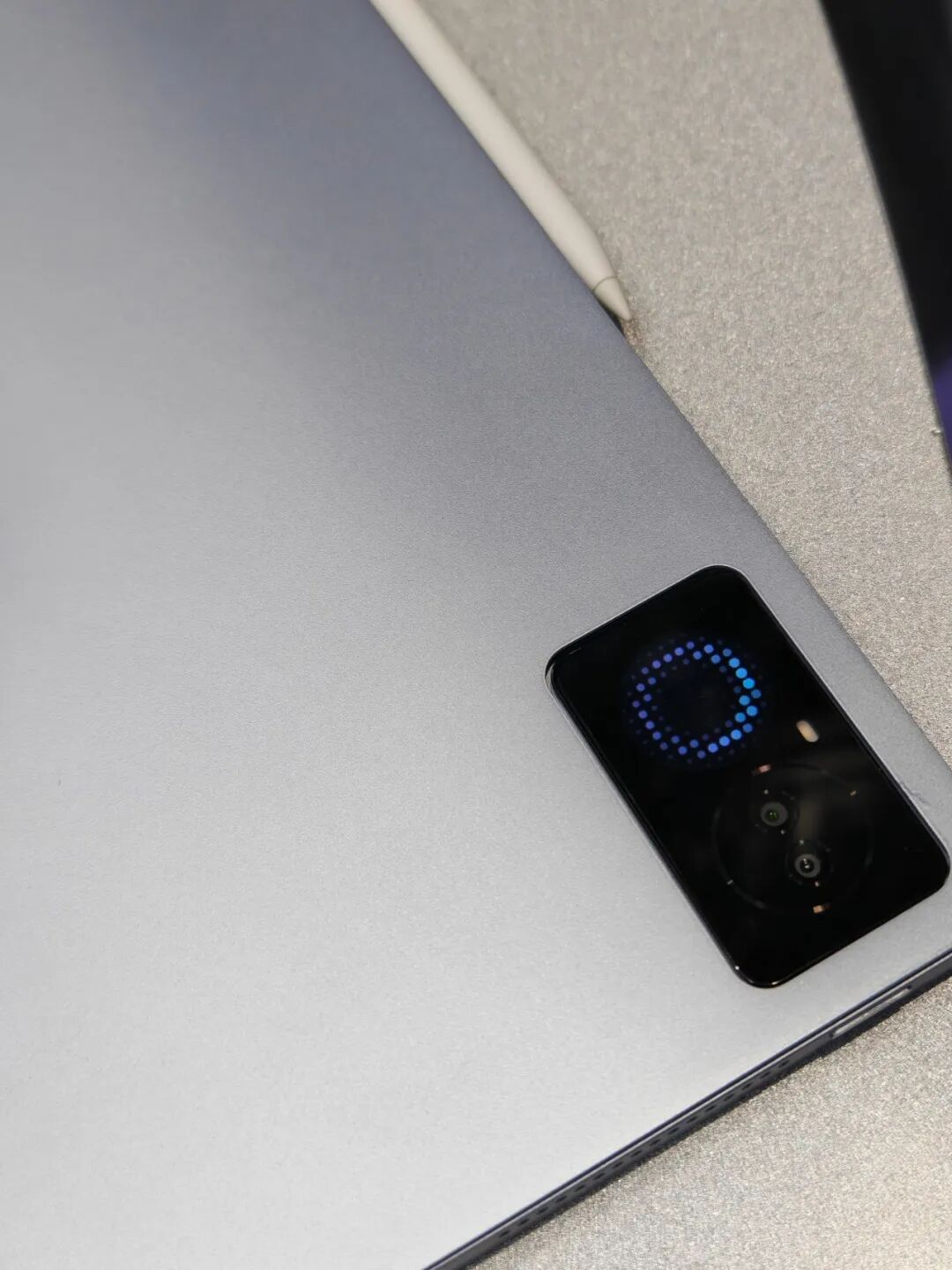
According to the prototype demonstration on site, this product adopts end-cloud collaboration: a 4B small model runs on the device side, which can handle some simple tasks even without internet connection; more complex reasoning and generation tasks can be handed over to the cloud-based Qwen3.8-Max and Qwen3.8-Flash.
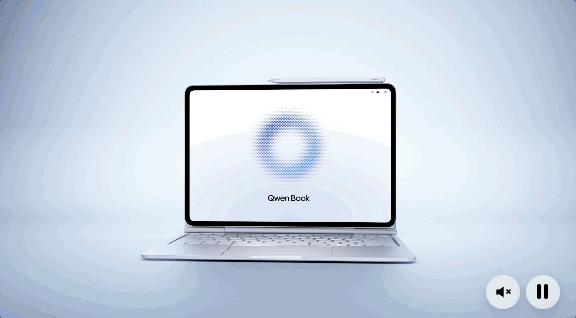
Qwen summarizes this system as "OS as Harness" and splits it into several parts.
The system itself becomes the interaction interface for AI. When the user points to a piece of content in a webpage, file or application, the AI can directly understand the current object without the need to re-screenshot, upload or explain the context. Therefore, the touchscreen and stylus are not only used for operating windows, but also for selecting, writing and pointing, all of which can be ways to assign tasks to the Agent.
The operating system is responsible for storing projects, materials, personal relationships and operation history, allowing tasks to continue across different applications and time. Applications, cloud services, cloud PCs, and even external hardware such as printers and NAS are converted into capabilities that the Agent can discover, call and combine through the OS CLI.
The Agent gets an independent background operating environment. Tasks can continue to execute after the user switches applications, and remain responsive even when the screen is off or the device is in sleep mode; after leaving the PC, the user can also check the progress, take over or continue the task on the mobile terminal.
To complement these capabilities, Qwen's currently listed partners include WPS, Alipay AI Pay, UGREEN NAS, Deli printers, wireless microphones and handwriting recognition services. However, this ecosystem is still under construction, and only a small number of applications such as DingTalk, Alibaba Cloud Drive and WPS appeared in the on-site demonstration. Third-party applications need to be adapted to support access.
AI PCs Do Not Have a Fixed Answer Yet
AIPC is bound to be a comprehensive software and hardware engineering challenge, and Googlebook and Qwen Book have chosen different starting points. Google chose the Android system, which can first solve the fragmentation between Android phones and PCs, allowing Gemini to continue working across two screens and different applications; Qwen, on the other hand, attempts to directly turn the operating system into the operating environment of the Agent, making applications and hardware tools that it can call.
Qwen's approach is more imaginative but also more difficult. Its vision for the end-side model and background Agent can be described as radical, which explains why a large number of hardware parameters, application ecosystem and actual experience have not been made public. In contrast, Googlebook's hardware is mainly derived from mature laptop solutions, and the real new features are concentrated on the recombination of Android and ChromeOS.
However, even with different choices, the two sides face the same challenge: the so-called "AI-native PC" is not yet a set of confirmed product standards. It can be a laptop tightly connected to the mobile phone, or a device with a resident Agent in the background; it can rely on large cloud models, or build small models locally to dynamically allocate work tasks - there is no fixed rule.
At least in the first batch of products, AI has not made PCs take on a completely new form immediately. Just as both companies are emphasizing that the operating system will be rebuilt for AI, but the product names still retain the old "book" naming convention. Even the grandest vision needs boundaries: they need to let users know that this is still a "notebook" that can be opened, while the internal operation logic is constantly evolving.
This article is from the WeChat Official Account "APPSO", author: Discover Tomorrow's Products, published with authorization from 36Kr.