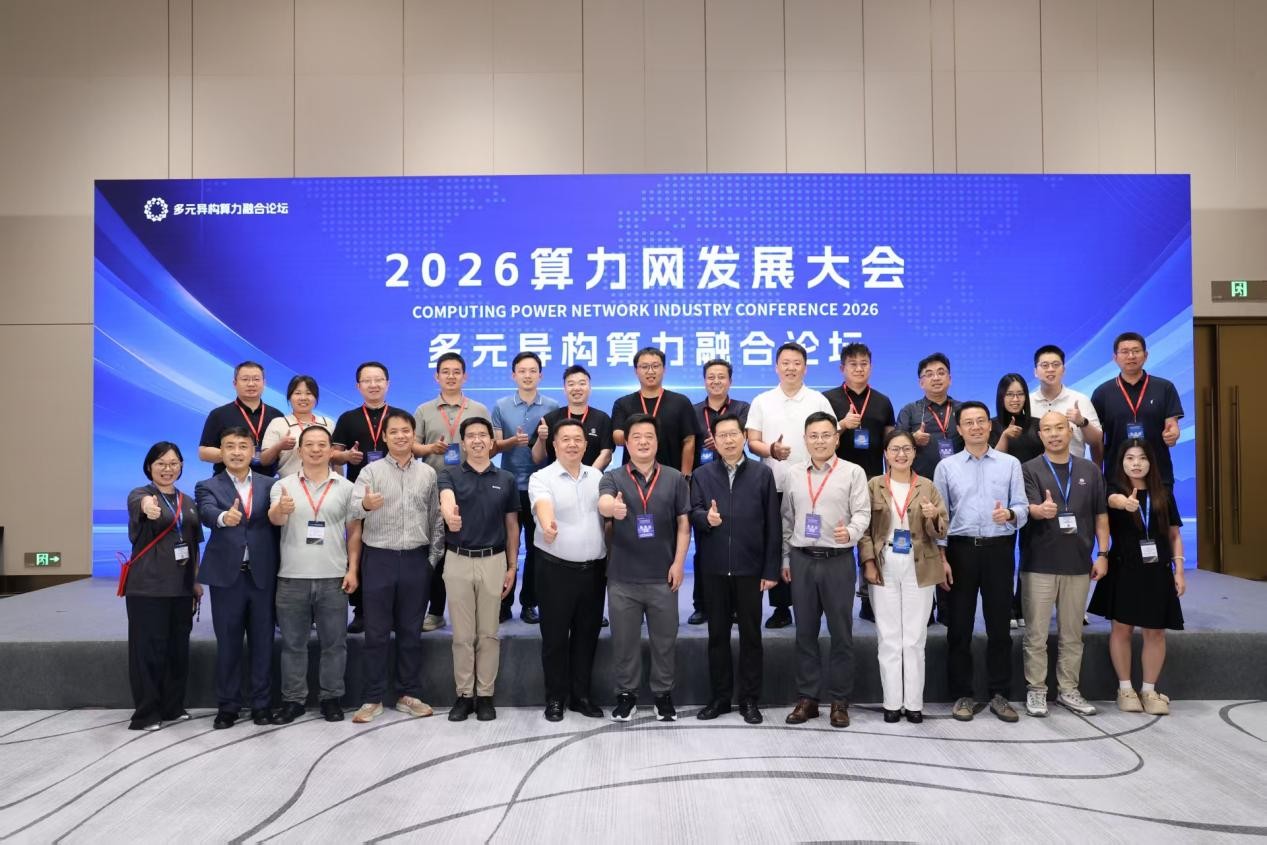
Ising Intelligence, jointly with multiple institutions, has initiated the establishment of the "Multi-heterogeneous Computing Power Integration Innovation Consortium" and released industry initiatives.
On September 16, the 2026 Computing Power Network Development Conference · Multi-heterogeneous Computing Power Integration Forum was held at the Beijing National Convention Center. At the forum, the Multi-heterogeneous Computing Power Integration Innovation Consortium was officially launched, and the Initiative for Coordinated Development of Multi-heterogeneous Computing Power Integration was reviewed and adopted.
The forum, themed "Multi-heterogeneous Computing Power Integration: From Technical Exploration to Collaborative Practice", was hosted by the Computing Power Network Professional Committee of China Information Association, undertaken by Beijing Ising Intelligence Technology Co., Ltd., and co-organized by the "Quantum Constellation" Industrial Community and Beijing Peihong Wangzhi Technology Co., Ltd. Representatives from computing centers, scientific research institutes, technology enterprises, operators and industrial users attended the meeting to discuss the technical path, standard construction and ecological collaboration of multi-heterogeneous computing power integration.
2026 marks the first year of the 15th Five-Year Plan period. The computing power network has been incorporated into the overall layout of the national modern infrastructure system of "Six Networks", and the coordinated development of computing and power as well as the integration of computing and network have been included in the top-level policy system for the first time. According to the disclosure of the National Data Administration in July, the total scale of intelligent computing in China has reached 2.4 million PFLOPS (FP16), with the eight national hub nodes accounting for more than 80%. After the scale expansion, a single form of computing power can hardly cover all scenarios. How to realize the coordination of general computing, supercomputing, intelligent computing and new-type computing power has evolved from a technical issue to an engineering and commercial issue. The Computing Power Interconnection Action Plan issued by the Ministry of Industry and Information Technology in 2025 clearly states that a relatively complete system of standards, identifiers and rules for computing power interconnection shall be established by 2026, and the standardized interconnection of national public computing power shall be basically realized by 2028. This forum in September is held right at the final stage of the first milestone.
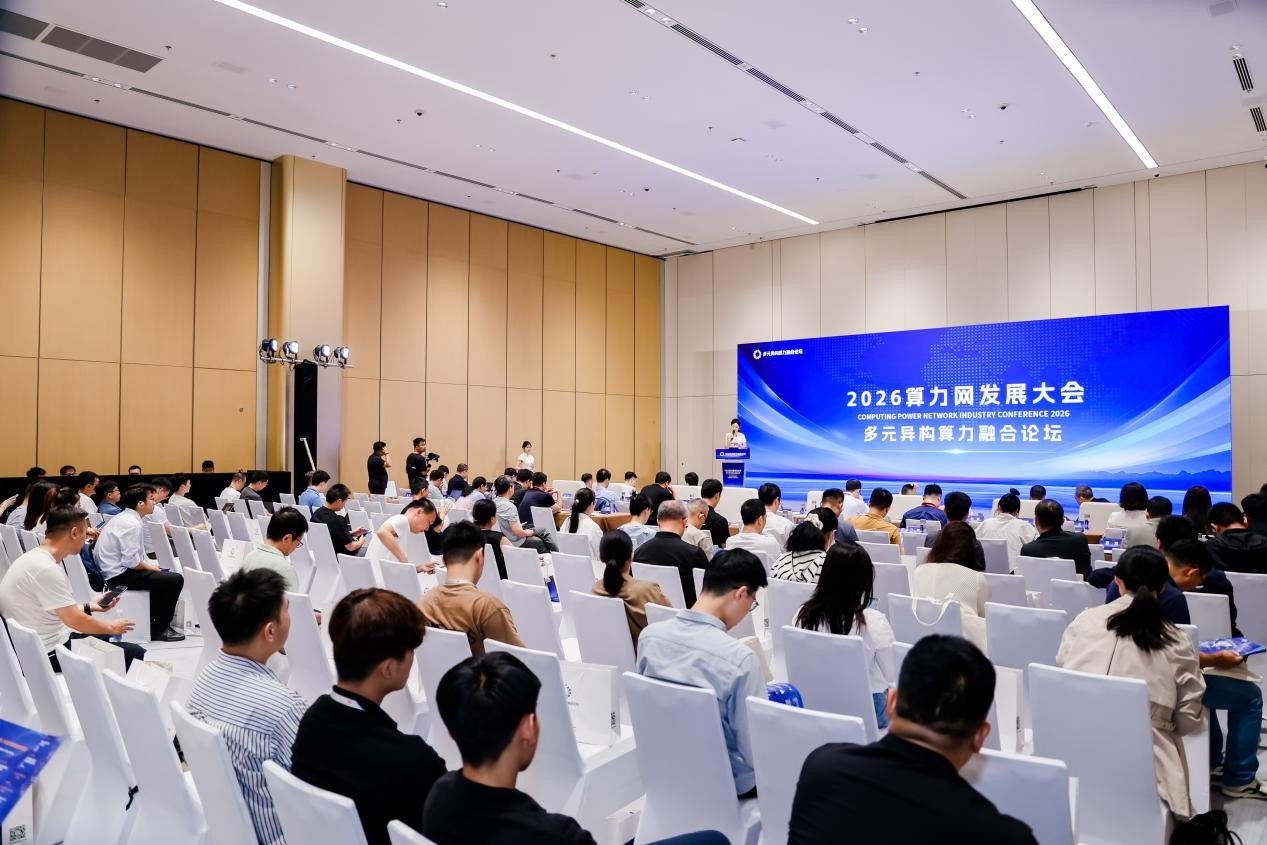
Mei Jianping, Director of the Computing Power Network Professional Committee of China Information Association and former Deputy Director of the High and New Technology Department of the Ministry of Science and Technology, said in his address that China's computing power construction has entered a new stage of diversified integration from scale expansion. He proposed that we should adhere to demand orientation to implement benchmark verification scenarios, adhere to priority of standards to open up the computing power integration link, and adhere to open co-construction to gather the joint force of the whole ecosystem.
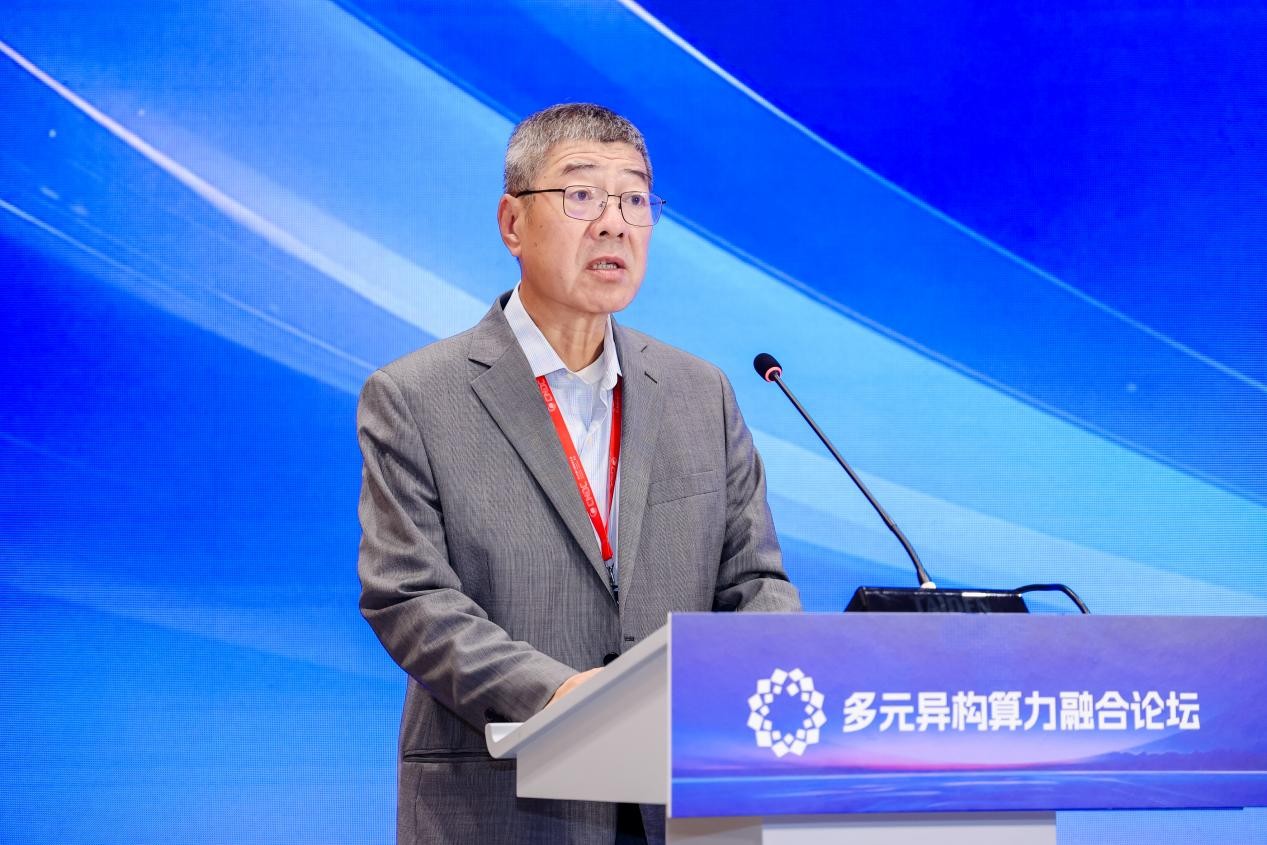
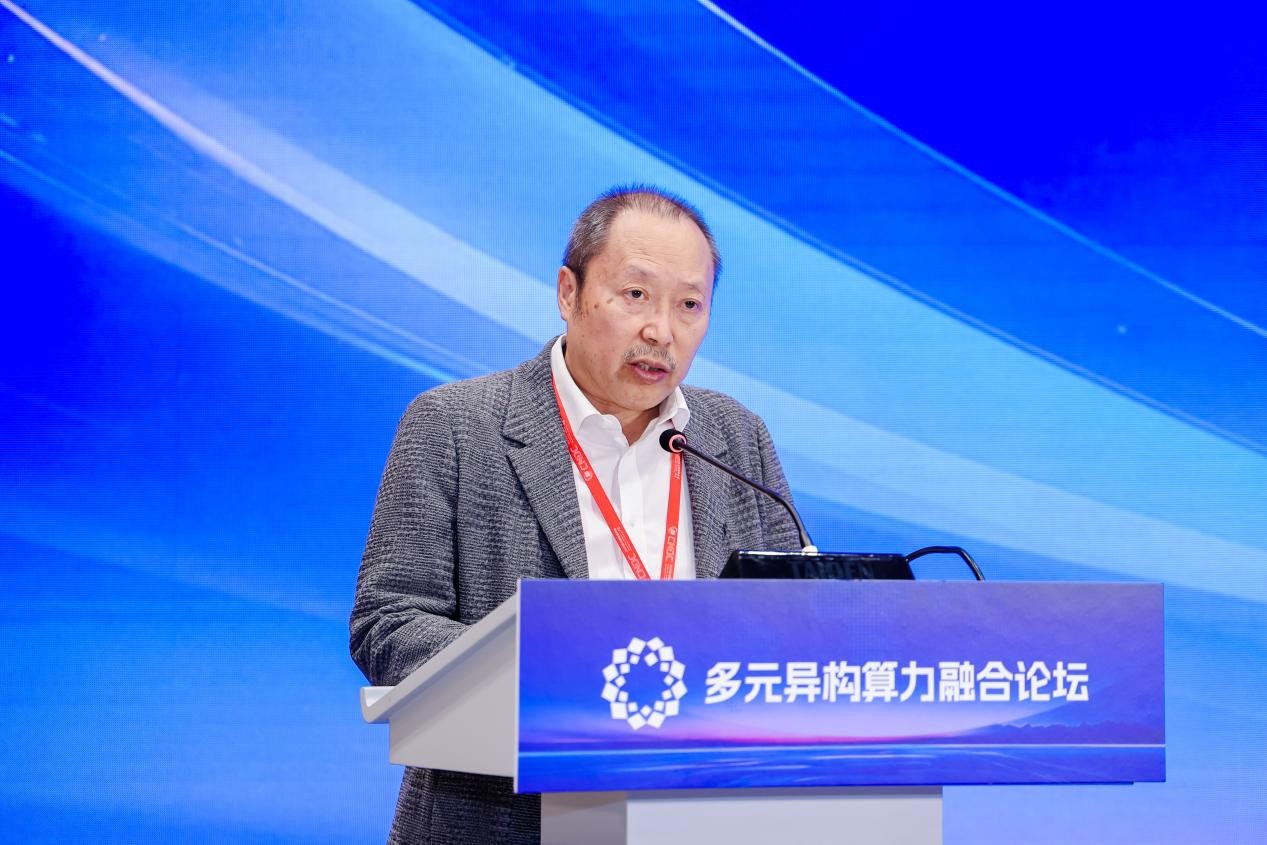
Academician Zhu Ninghua, Academician of the Chinese Academy of Sciences and Dean of the Institute of Intelligent Photonics of Nankai University, delivered an address. He pointed out that multi-heterogeneous computing power is organic synergy rather than physical stacking. Only by enabling each type of computing power to do what it is best at can the overall efficiency of computing power be fully released. With the computing power network incorporated into the national "Six Networks" planning and construction, the industry should build consensus in four dimensions: inclusive technical routes, open engineering collaboration, in-depth industry-university-research cooperation, and co-construction and sharing of organizations, break down barriers relying on the consortium, and promote cutting-edge computing technology from laboratories to industrial practice.
Focusing on industry trends and technical practices, a number of experts shared the latest research and practice progress from different directions including supercomputing, intelligent computing, quantum computing, optoelectronic computing and multi-computing power integration.
Shang Jiandong, Director of the National Supercomputing Zhengzhou Center, shared the trend of multi-heterogeneous computing power integration under the background of the national integrated computing power network; He Wanqing, Vice President of Qingwei Intelligence, analyzed the reconstruction direction of intelligent computing power infrastructure with the theme of "Crossing the Limit and Reconstructing AI Computing Power Infrastructure"; Yao Lin, Chairman of Hua Yi Quantum, introduced the application progress of ion trap quantum computing and quantum-intelligence integration; Tian Yang, Technical Director of Tianjin Tianhe Computer Technology Co., Ltd., shared the exploration and practice of supercomputing-intelligent integrated computing; Wen Jingwei, Senior Technical Researcher of China Mobile Cloud Capacity Center, introduced the multi-heterogeneous computing power integration platform and industrial practice of China Mobile; Liu Guanchuan, Chief Architect of High-end Computing System of Sugon Information Industry (Beijing) Co., Ltd., introduced the architectural innovation of Sugon 8000 focusing on "From 100,000-card Super Cluster to Multi-heterogeneous Computing Power Integration".
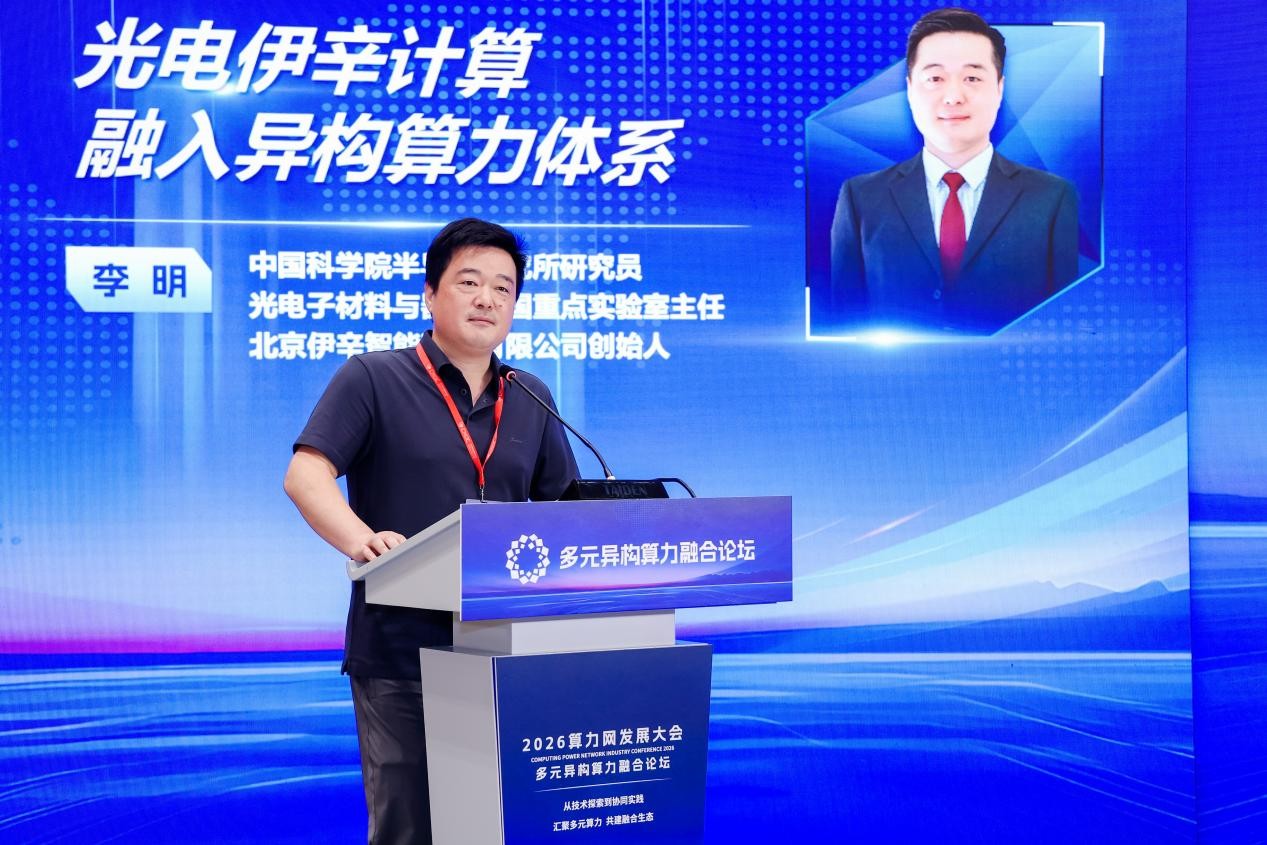
Li Ming, Researcher of the Institute of Semiconductors of the Chinese Academy of Sciences, Director of the National Key Laboratory of Optoelectronic Materials and Devices, and Founder of Beijing Ising Intelligence Technology Co., Ltd., delivered a keynote report titled "Optoelectronic Ising Computing Integrated into Heterogeneous Computing Power System". He introduced that the optoelectronic Ising machine is a special non-Von Neumann architecture computer based on microwave photonics and Ising model, which maps the solution of combinatorial optimization problems to the state optimization of physical systems, and realizes fast solution by using the natural evolution of optoelectronic physical systems. In the multi-heterogeneous computing power system, different computing architectures are applicable to different problems and tasks. The optoelectronic Ising machine can give full play to its advantages in special solution of combinatorial optimization and form synergy with general computing power. Combined with cases such as traffic signal timing and financial portfolio optimization, he shared the application exploration of optoelectronic Ising computing in actual scenarios.
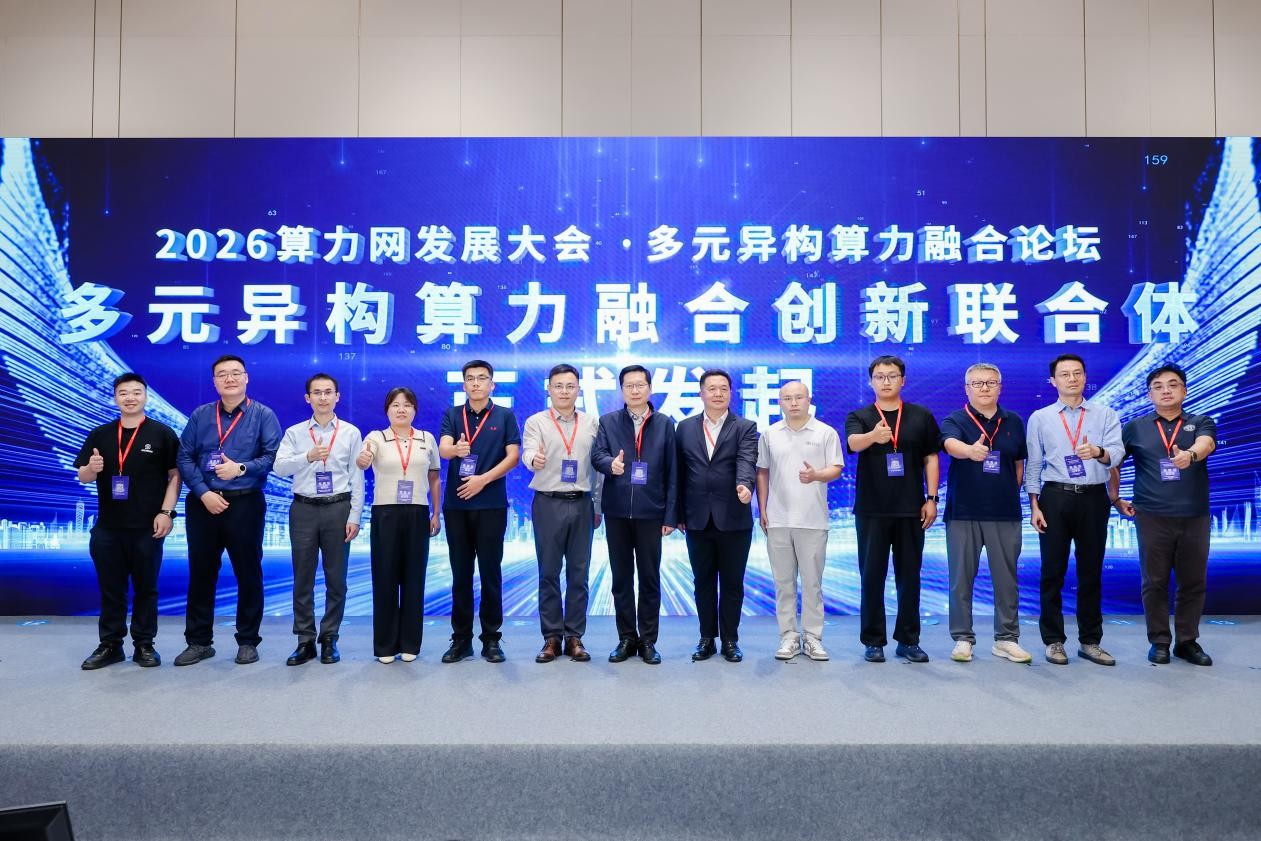
During the forum, the Multi-heterogeneous Computing Power Integration Innovation Consortium was officially launched. Regional and national computing centers including the National Supercomputing Zhengzhou Center, Chengdu Center, Wuxi Center and Yancheng Supercomputing Center, platform operators such as China Mobile Cloud Co., Ltd., China Telecom Quantum Information Technology Group, Tianhe Computer and Inspur Yunzhou, as well as computing chip and system enterprises including Qingwei Intelligence, Hua Yi Quantum and Ising Intelligence, became the first batch of initiating units. According to the introduction, the consortium aims to take computing centers as the leading role and actual demands as the traction, jointly promote standard research, interface adaptation and scenario verification, facilitate the engineering application of new computing technologies, and expand the integrated computing power service capacity.
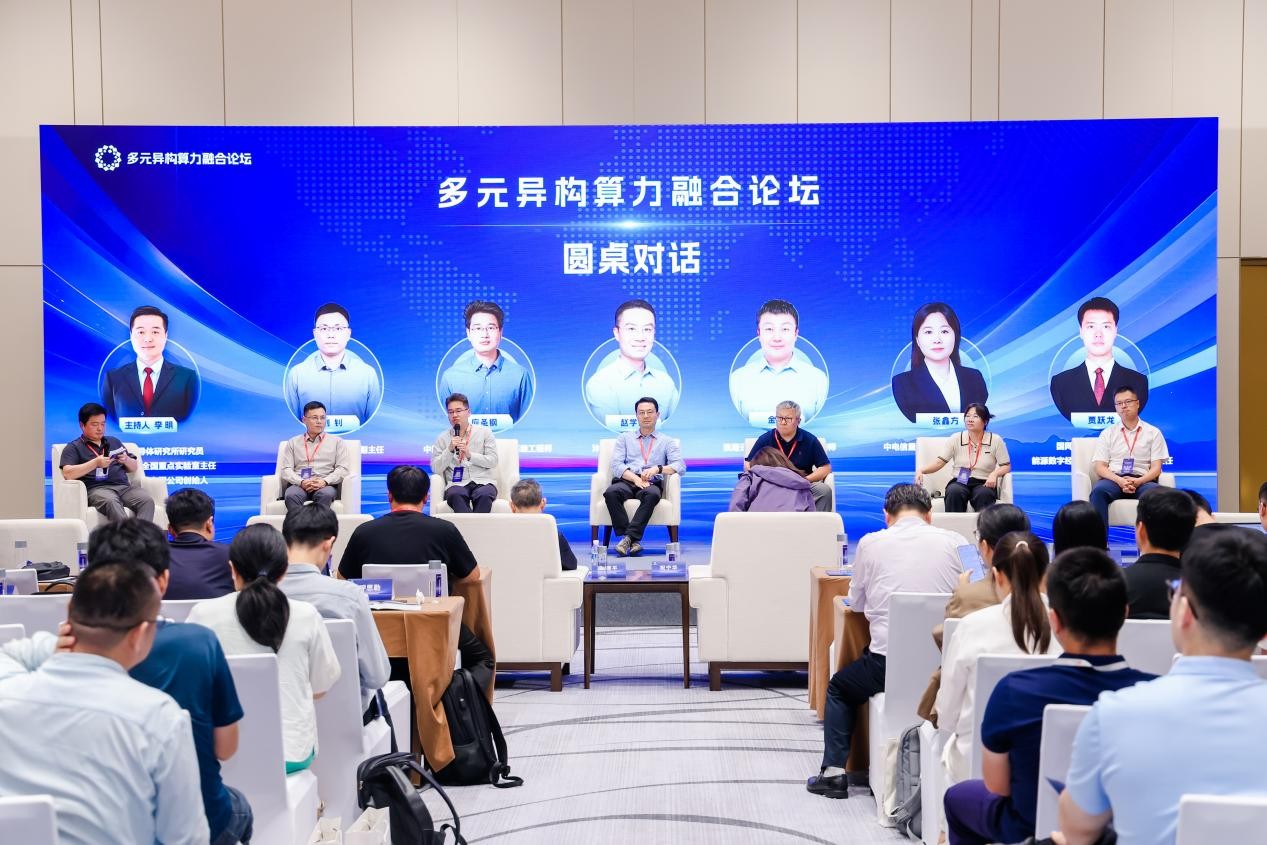
In the roundtable dialogue session, Researcher Li Ming from the Institute of Semiconductors of the Chinese Academy of Sciences presided over the dialogue. Guests from Wuxi Supercomputing, Arc Light Quantum, Inspur Yunzhou, China Telecom Quantum Group and State Grid Energy Research Institute focused on the theme of "How Multi-heterogeneous Computing Power Evolves from Resource Access to Integrated Services", starting from the actual demands in different fields, and exchanged views on the connotation and practical basis of heterogeneous integration, future service forms and upstream and downstream collaborative demands. The participating experts believed that with the gradual establishment of platform mechanisms such as the consortium, the development pattern of complementary coordination between special computing power and general computing power is expected to take shape at an accelerated pace, providing strong support for the construction of the national integrated computing power network.
As a member of the consortium, Ising Intelligence officially launched the Initiative for Coordinated Development of Multi-heterogeneous Computing Power Integration. The full text is as follows:
Initiative for Coordinated Development of Multi-heterogeneous Computing Power Integration
At present, artificial intelligence has entered a new stage driven by large models and emerging agents. The computing paradigm is evolving at an accelerated pace, and computing power has become the core infrastructure supporting the construction of Digital China and the development of new quality productive forces. To thoroughly implement the decision-making arrangements of the 15th Five-Year Plan Outline for further promoting the "East Data West Computing" project and building a national integrated computing power network, actively respond to the "Artificial Intelligence +" action, and accelerate the coordinated development of supercomputing, intelligent computing, cloud computing and new-type computing power such as quantum computing, optical computing and Ising computing, computing centers, telecom operators and cloud service providers, chip and complete machine system enterprises, new-type computing technology institutions, universities and research institutes as well as industrial application units jointly launch the following initiative:
I. Open Co-construction to Build an Integrated and Innovative Industrial Ecosystem. Promote the establishment of the "Multi-heterogeneous Computing Power Integration Innovation Consortium", take national computing hub nodes and computing centers as the leading role and actual demands as the traction, gather the strength of all parties including government, industry, university, research institute and end user, promote resource interconnection, capability complementation and benefit sharing, and build an open, collaborative, symbiotic and win-win industrial innovation ecosystem.
II. Priority of Standards to Consolidate the Foundation of Interconnection. For heterogeneous computing resources such as CPU, GPU, NPU and CGRA as well as new-type computing capabilities such as quantum computing, optical computing and Ising computing, connect existing national standards and industrial standards, clarify the capability boundary and access conditions of various computing powers, collaboratively promote the research on key specifications such as resource identifiers, capability description, service interface adaptation, calling protocol and authentication, carry out interoperability test and classified grading evaluation, so as to lay a unified foundation for cross-platform computing power service collaboration.
III. Demand Orientation to Strengthen Innovation-driven Development. Based on the real business scenarios of the industry, follow the principles of technology neutrality, classified implementation and gradual integration, carry out joint research and application exploration around key directions, promote the adaptation and integration of new computing technologies with supercomputing and intelligent computing platforms, and accelerate technology iteration, verification demonstration and engineering implementation.
IV. Collaborative Scheduling to Improve the Efficiency of Resource Allocation. Relying on the existing computing power infrastructure and operation system, explore cross-architecture, cross-region and cross-subject resource collaboration and task orchestration, promote the on-demand opening, precise matching and elastic supply of computing power capabilities, support the efficient operation of the national integrated computing power network, and comprehensively improve resource utilization efficiency and service performance.
V. Foundation of Security to Build a Trustworthy Guarantee System. Coordinate development and security, enhance the supply chain resilience of computing power infrastructure and the independent controllability of core technologies, improve the collaborative guarantee mechanism for data security, model security and computing power scheduling security, promote the synchronous planning and construction of security standards and protection capabilities, and build a solid security foundation for the integrated development of multi-computing power.
VI. Sharing of Achievements to Promote Inclusive Application of Computing Power. On the premise of legally protecting intellectual property rights, trade secrets and data security, promote the exchange and sharing of technical achievements, evaluation data and practical experience, facilitate the large-scale transformation and promotion of mature solutions, lower the threshold for computing power use, and enable inclusive computing power to better serve small and medium-sized enterprises, scientific research teams and key industrial applications.
VII. Establish and Improve a Normalized Cooperation Mechanism to Ensure the Effective Implementation of the Initiative. Set up a consortium preparation working group, clarify the division of responsibilities and contact channels, establish a normalized mechanism of monthly contact, quarterly discussion and annual exchange, and continuously carry out demand docking, special discussion and progress exchange. The first batch of key tasks will focus on joint standard research, platform interconnection and application demonstration, and specific cooperation and achievement release will be implemented after consultation and confirmation by relevant parties. We sincerely call on all sectors of government, industry, university, research institute and end user to actively respond and participate together, work hand in hand to promote multi-heterogeneous computing power from technical exploration to collaborative practice, build an efficient, collaborative, open, inclusive, safe and green new-type computing power system, and continue to contribute to the construction of Digital China and the development of new quality productive forces!
Initiating Units (in no particular order): Computing Power Network Professional Committee of China Information Association, National Supercomputing Zhengzhou Center, National Supercomputing Wuxi Center, National Supercomputing Chengdu Center, China Mobile Cloud Co., Ltd., China Telecom Quantum Information Technology Group Co., Ltd., Inspur Yunzhou Industrial Internet Co., Ltd., Beijing Ising Intelligence Technology Co., Ltd., Beijing Zhongke Huguang Quantum Software Technology Co., Ltd., Huayi Boao (Beijing) Quantum Technology Co., Ltd., Beijing Qingwei Intelligence Technology Co., Ltd., Tianjin Tianhe Computer Technology Co., Ltd., Shishi Technology (Pinghu) Co., Ltd., Xianggan (Beijing) Technology Co., Ltd., Liangyi Wanxiang (Beijing) Technology Co., Ltd., Henan Kunpeng Xin'an Technology Industry Co., Ltd., Qingyuan Zhiqi (Shanghai) Technology Co., Ltd., Beijing Peihong Wangzhi Technology Co., Ltd.
September 16, 2026
Beijing Ising Intelligence Technology Co., Ltd. focuses on optoelectronic integrated computing, independently develops optoelectronic Ising machines, and provides special solution capabilities for combinatorial optimization problems. According to the introduction, Ising Intelligence has launched optoelectronic Ising machine (standard version), scientific research and teaching all-in-one machine and the "Yupan · Ising Cloud" special cloud platform for Ising solution, with a spin scale ranging from 128 to 4200. In the multi-heterogeneous computing power system, Ising Intelligence promotes optoelectronic Ising computing as special computing power to enter appropriate task links, where general computing power completes modeling and verification, and optoelectronic Ising computing is responsible for solving Ising/QUBO discrete optimization sub-problems, so as to cooperate with CPU/GPU and software algorithms to complete industrial tasks. At present, relevant technologies have been applied and verified in scenarios such as transportation, finance and port stowage, and problem modeling, algorithm adaptation and engineering verification are continuously promoted around real business scenarios.
With the official launch of the Multi-heterogeneous Computing Power Integration Innovation Consortium and the joint release of the Initiative for Coordinated Development of Multi-heterogeneous Computing Power Integration, Ising Intelligence will combine its own technical capabilities and actual demands, as a member of the consortium, continue to carry out exchanges and cooperation with all sectors of the industry in aspects including standard research, interface adaptation, scenario verification and collaborative scheduling, so as to promote multi-heterogeneous computing power from technical exploration to collaborative practice.