AIGC in 2026: No More Tech Showboating, Start Competing for Orders
Over the past two years, the press conferences for large models in China have had almost only one theme: topping leaderboards. Whoever has larger parameters or earns one more point on the ranking list can secure a new round of financing and a surge in downloads.
In 2026, the leaderboard ranking is still ongoing, but the keywords of press conferences have been replaced by three new ones — open source, cost, and Agent. A more significant change appears in financial reports: AI video businesses have started to generate overseas revenue, AI office products have gained renewal rates, and AI assistants have begun to charge users. For the first time, China's AIGC industry is collectively facing an unglamorous but fatal question: Where does the money come from?
Open source has become the sharpest weapon for models
The first tier of China's large models has completed the transformation from "following version numbers" to "defining development routes" this year.
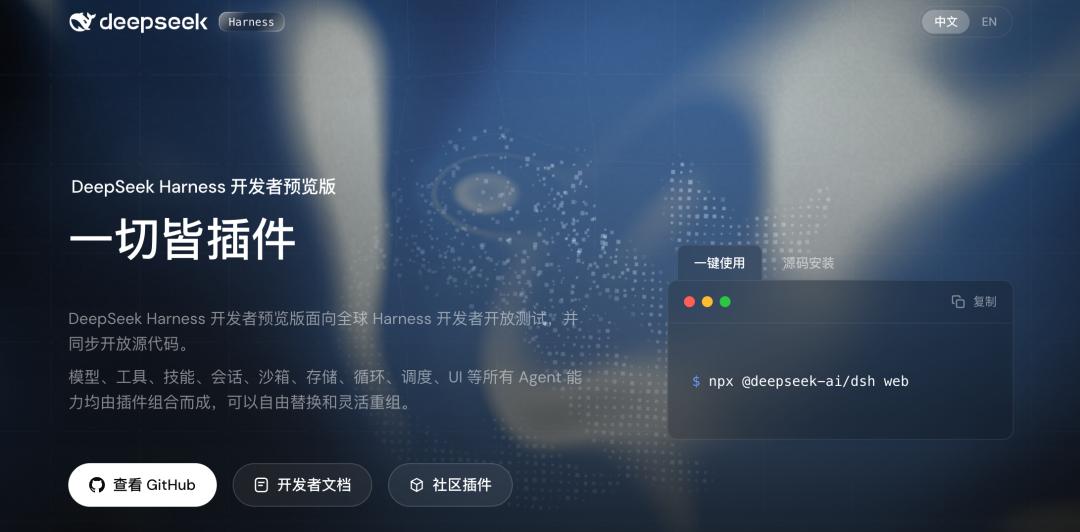
DeepSeek remains the most steady-paced player. Its V3.2 released around December 2025 features core innovation of Dense Sparse Attention (DSA), which greatly reduces the inference cost of long texts. In April 2026, the V4 preview version was launched in dual MoE forms of V4-Pro and V4-Flash, and the official GA version was released in July, which is equipped with a million-level context, and was the first to make "peak-valley billing" a selling point — higher prices in the daytime and lower prices at night, essentially putting the utilization rate of computing power on the table and selling it to customers. The V4.1-Flash launched in September completes the native multimodal capability, and open sourced the intelligent agent framework DeepSeek Harness. Up to now, DeepSeek App has about 130 million monthly active users, still ranking among the top three domestic AI-native applications.
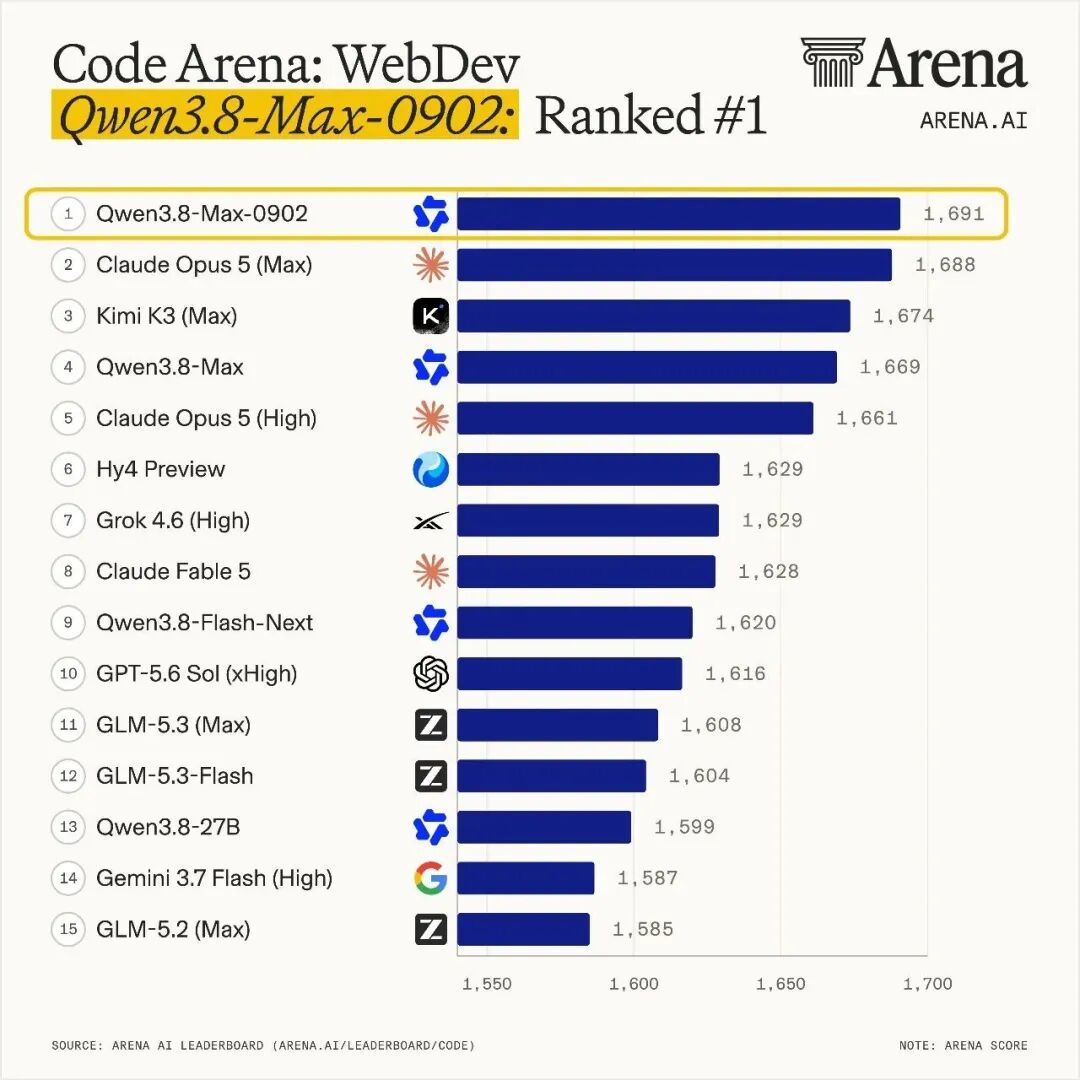
Alibaba Tongyi Qianwen has taken a different path: trading open source for ecosystem. The Qwen3 series has been iterated continuously since its release in April 2025. The latest flagship Qwen3.8-Max has open sourced its weights, and the open-source version Qwen3.8-2.4T-A95B achieves a total parameter of 2.4 trillion with 95B activation. By August 2026, Qianwen has open sourced more than 460 models in total, making it one of the most secondary-developed model families in the world. The significance of this number lies in that when overseas developers do local fine-tuning, the first model they get is often a Chinese model, which is a rare real international discourse power that Chinese AI players firmly hold in their hands.
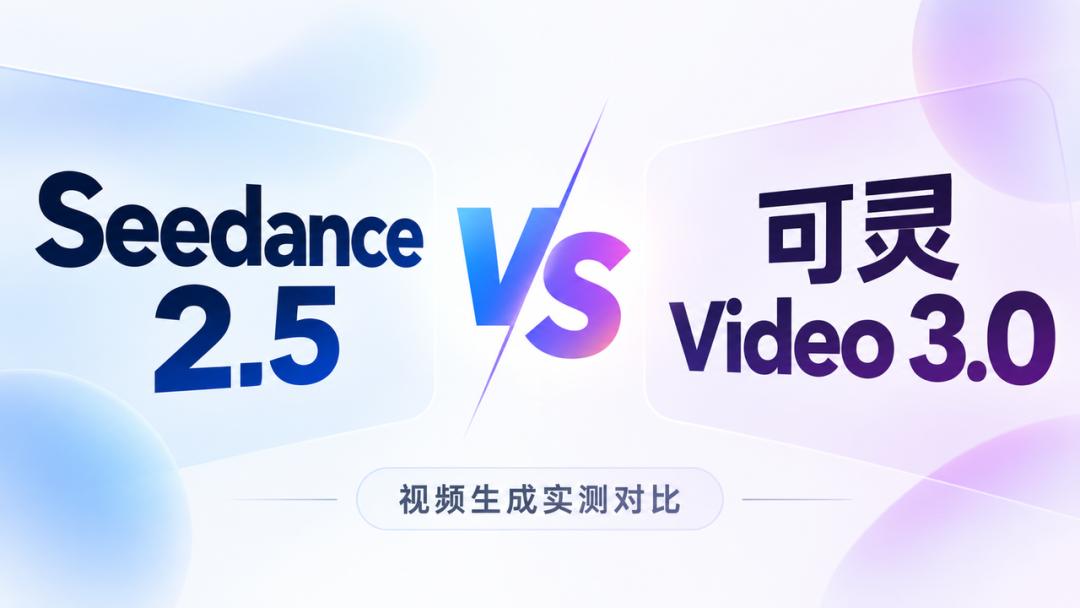
ByteDance has tied its models and products most closely. Doubao has been connected to the Doubao 2.1 series, which can operate local computers and browsers, support scheduled tasks and Skills. The video model Seedance 2.5 was upgraded at the end of July, the single-segment generation duration is increased to 30 seconds, supports two extensions, and has native audio and video synchronization, which is connected to both Doubao and Jimeng at the same time. The visual model Seedream 5.0 has also been launched. According to QuestMobile data, Doubao reached 382 million monthly active users in June 2026, ranking first among domestic AI-native apps.
MoonShot AI is the most thought-provoking sample in this round. Kimi K2.6 was open sourced in April, and K3 was released in July, featuring 2.8 trillion parameter MoE, KDA hybrid linear attention, million-level context, and native multimodal. The team calls it "the world's largest open source model". Its technical narrative is still impressive, but the monthly active users of Kimi App have dropped to the 7 million level — in a market dominated by free large manufacturer apps, it is impossible to retain C-end users only by model capability, which is the harshest lesson of 2026.
Zhipu AI is the fastest runner at the capital level. GLM-5 debuted with a MoE architecture of 745 billion parameters and 44 billion activation. GLM-5.2 extended the context to million-level and enhanced the long-range Coding Agent. The latest GLM-5.3 shares the same base model and is improved through post-training. On January 8, 2026, Zhipu AI was listed on the main board of the Hong Kong Stock Exchange (02513.HK), raising more than HK$4 billion. In mid-September, it completed financing and placement of about 5 billion US dollars, with funds mainly invested in the next-generation GLM and computing power. The number of enterprises and developers on its API platform has exceeded 2.9 million.
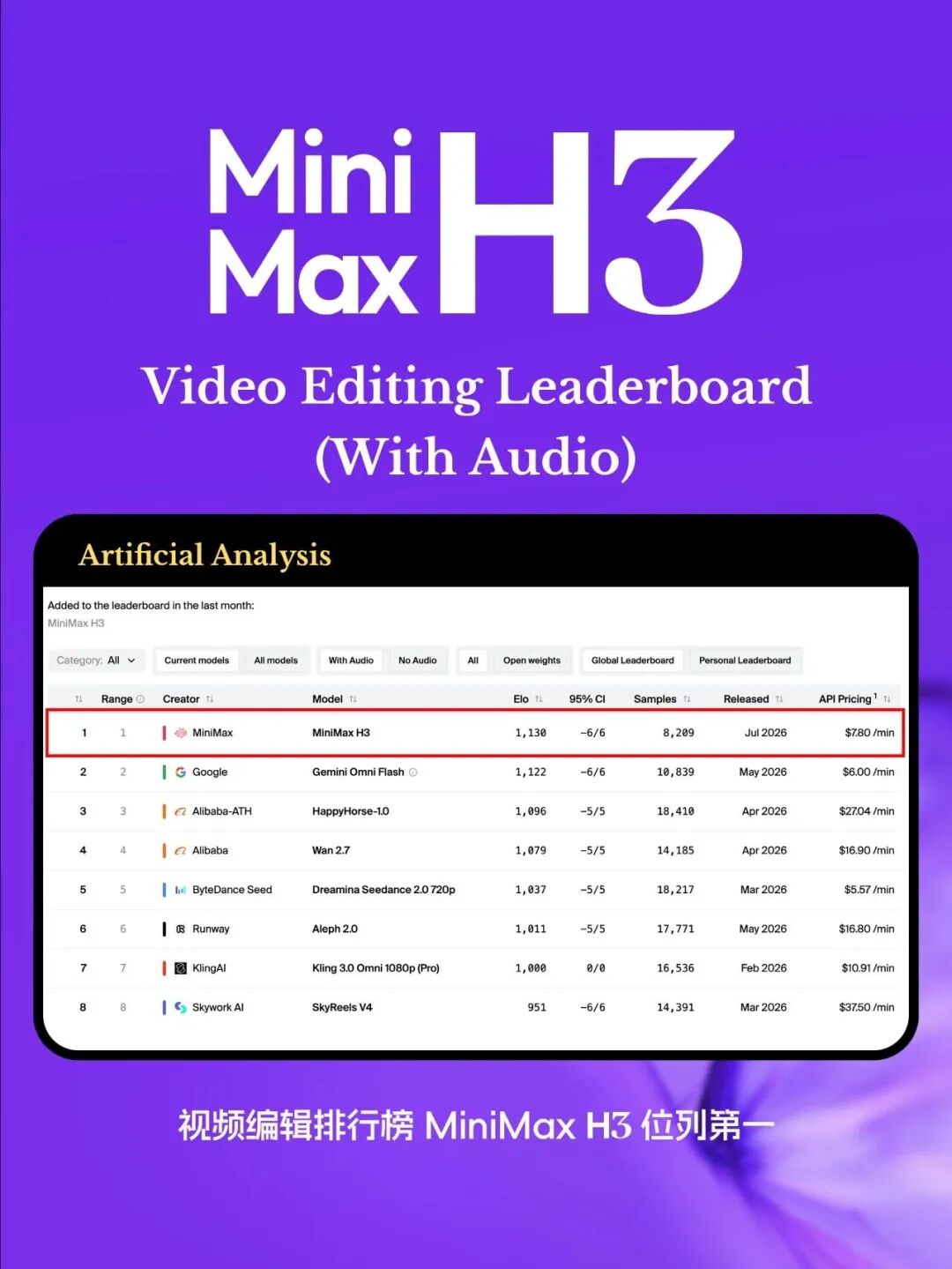
MiniMax followed closely, landing on the Hong Kong Stock Exchange (00100.HK) on January 9, raising about HK$4.189 billion, and surged more than 40% on the first day of opening. Its M3 model focuses on million-level context, coding and agent scenarios, while Hailuo Video has obtained a good market share on the B-end.
The rest of the players are also not idle: Baidu has upgraded Wenxin to version 5.1, and open sourced the ERNIE-Image 8B text-to-image model. Tencent Hunyuan has made intensive iterations in 3D and visual understanding, with Hy Vision 2.0 and Hunyuan 3D 2.5 launched successively. Stepfun and iFLYTEK continue to dig deep into end-side and industry scenarios. The competition of China's large models has shifted from "who is smarter" to "who is cheaper and more integrable".

The underlying scale is also changing. According to the 57th report of CNNIC, as of December 2025, the scale of generative AI users in China has exceeded 600 million, with a penetration rate of 42.8%, nearly doubling within half a year. As of August 2025, 538 generative AI services have completed the filing. According to OpenRouter statistics, in the week at the end of August 2026, the token call volume of Chinese models reached 55.16 trillion, ranking first in the world for 18 consecutive weeks. The three data of users, filings and call volume all indicate that China's AIGC has passed the "trial period".
Where does the money come from?
Models are the foundation, but what investors really care about is the revenue from the application layer. In 2026, several tracks have taken the lead in rolling out viable business models.
AI video is the most successful track for going global. Kuaishou Keling is the benchmark: it is reported that its overseas revenue accounts for about 70%, and it has introduced investors such as the National Artificial Intelligence Industry Investment Fund this year, with media estimates putting its post-investment valuation at the hundred-billion level. ByteDance's Seedance 2.5 pushes the availability to 30 seconds of native audio and video synchronization, directly serving the production of advertisements and short dramas. Shengshu Technology's Vidu, Aishi Technology's PixVerse, and MiniMax's Hailuo are seizing positions in their respective price bands and scenarios. According to media reports, PixVerse's user scale has reached the 100 million level. The greatest value of AI video is that it does not replace human beings, but lowers the threshold of "shooting a video" from tens of thousands of yuan to dozens of yuan — which makes small and medium merchants afford video advertisements for the first time.

The change on the content side is more intuitive: according to industry statistics, the number of AI micro short dramas launched has increased by more than ten times in the past year, becoming the main increment of platform content supply. It is reported that Hunan TV's prime time slot has aired the AI-produced long drama *Post Journey to the West* produced by Mango Super Media. This shows that AI production has moved from "watchable" to "broadcastable".
AI assistants have started to charge, which is the most important signal this year. Doubao has 382 million monthly active users, Tongyi Qianwen 167 million, DeepSeek about 130 million, and Tencent Yuanbao 114 million. The four players together occupy the vast majority of the market share. According to media reports, Doubao has charged a comprehensive rate for hotel booking orders since August, and launched a professional version with a monthly fee starting from 68 yuan. The era of free for scale is coming to an end — when users are willing to pay for a service, the industry can be regarded as truly starting.
Agent has moved from demonstration to bidding documents. Manus is the most dramatic company in this track: it was once rumored to be acquired by an overseas tech giant for about 14 billion yuan, but the transaction was terminated due to regulatory review, and then it turned to domestic capital support and sought listing on the Hong Kong Stock Exchange. Its significance does not lie in its valuation, but in proving that general-purpose Agent can be a subscription business. The enterprise side is more pragmatic, and the winning bid amount of some bank Agent projects is close to 65 million yuan. ByteDance has integrated Trae and Coze into the Doubao system and launched a unified "Doubao Work" brand. Tencent CodeBuddy, Alibaba Tongyi Lingma, and Baidu Comate are competing fiercely on the developer side. Baidu claims that the code adoption rate of Comate is close to 50%.
AI search and office are representatives of "stock transformation". Alibaba positions Quark as its AI flagship application, and extends its business to hardware such as AI glasses. Metasec has gained a firm foothold in the segmented field of academic and professional retrieval. On the office side, Kingsoft Office achieved a revenue of 3.313 billion yuan in the first half of 2026, a year-on-year increase of about 25%. WPS 365's revenue growth rate has exceeded 60% for six consecutive quarters, with more than 48 million individual paying users. Meitu's revenue in the first half of the year reached 2.21 billion yuan, with adjusted net profit of 650 million yuan, and the consumption of AI computing power points increased by 113% year-on-year. These two companies prove one thing: embedding AI into existing payment habits is easier to monetize than building an AI-native application from scratch.
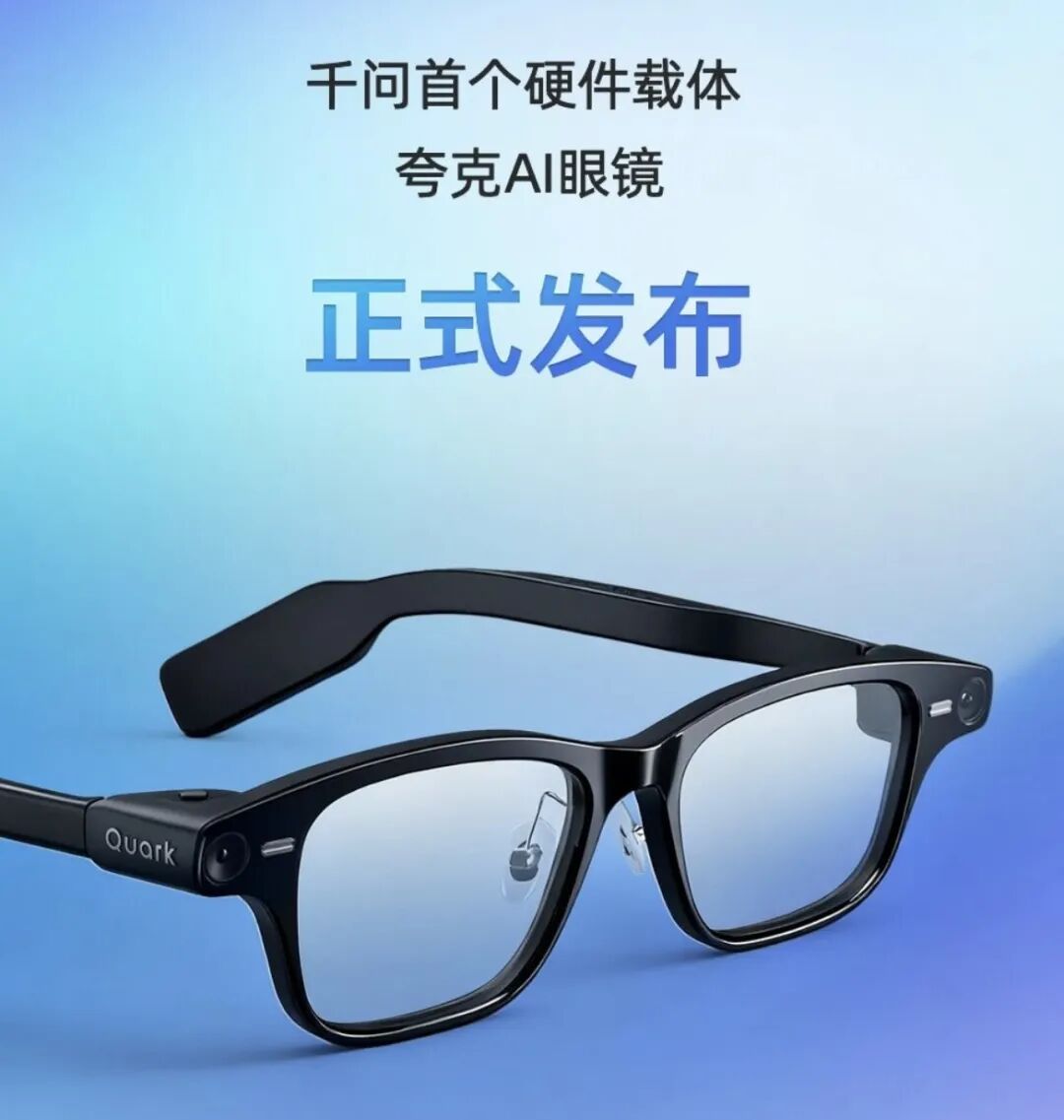
AI hardware has become a new traffic entrance. Smart glasses have exploded this year, with Thunderbird, Rokid, Xiaomi, and Alibaba Quark launching new products intensively. Quark AI glasses were once in short supply in the early stage of listing. ByteDance's AI toy "Xianyanbao" has generated tens of millions of yuan in revenue. Nubia NaviX Ultra is equipped with the consumer version of Doubao mobile assistant and has been on sale. Hardware is a flanking path for model vendors to bypass the competition of App entrances.
Foundation and sober reflection
The prosperity of applications is built on the foundation of computing power and policies.
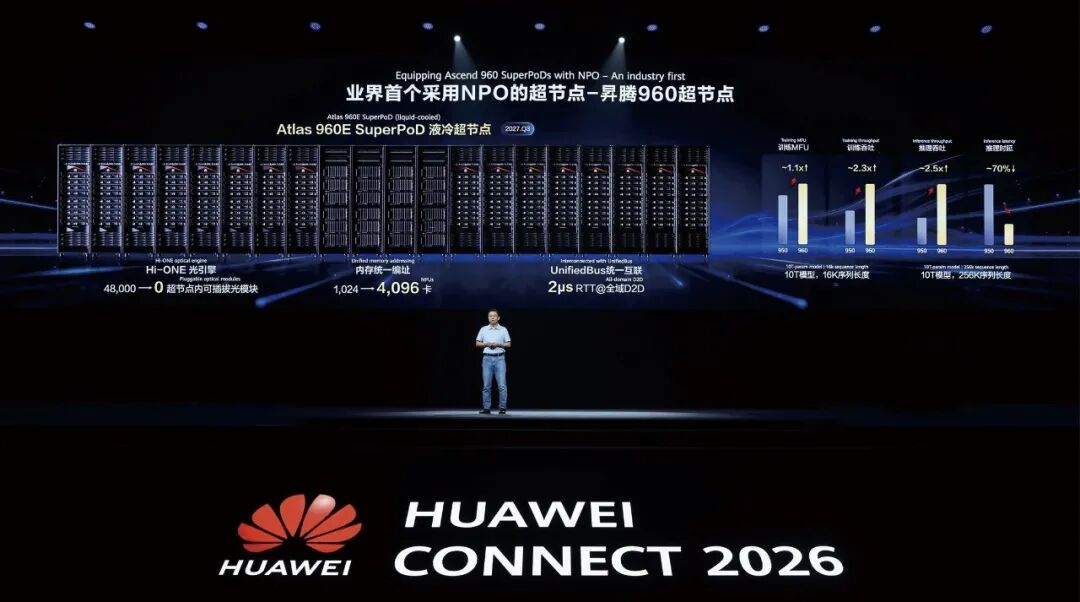
On the computing power side, as of December 2025, China has built 42 10,000-card intelligent computing clusters, with the intelligent computing scale exceeding 1590 EFlops. According to IDC data, the shipment of AI acceleration cards in China reached about 4 million in 2025, of which domestic vendors shipped about 1.65 million, accounting for 41%. Huawei ranks first among domestic vendors with 812,000 shipments. In the secondary market, Cambricon's revenue in the first half of 2026 reached 5.996 billion yuan, a year-on-year increase of 108%, and its net profit reached 2.311 billion yuan, making it the most direct beneficiary of this round of domestic computing power boom.
On the policy side, the State Council issued the *Opinions on Deeply Implementing the "AI+" Action* (Guo Fa [2025] No. 11) in August 2025, proposing that the penetration rate of intelligent terminals and intelligent agent