Strive to break through the trillion mark as soon as possible! The "weak provincial capital" in central China is about to go all in?
After being explicitly required to "truly demonstrate the due responsibility of a provincial capital", Nanchang, once known as a "weak provincial capital", is undergoing profound changes.
The first meeting of the 13th Municipal Committee held recently in the city clearly put forward:
Achieve the breakthrough of the regional gross domestic product exceeding the trillion-yuan threshold as soon as possible.

Local official media have even consecutively published four heavyweight comment articles recently:
Make Good Use of the "Golden Key" of Emancipating the Mind, Dare to Pioneer and Innovate with Full Courage and Resolution, Take Solid Actions with the Spirit of Nailing Nails, Strengthen Development with the Responsibility of Never Shying Away from Difficulties.
A series of rare statements have broken the outside world's inherent impression of Nanchang as a steady and conservative city, with every line brimming with the sense of urgency and enterprising spirit to break through the predicament and seek survival:
Facing fierce regional competition, lagging behind counts as falling behind, and standing still also means falling behind, and the scope of vision often defines the limit of the pattern.
To take solid actions, we must focus on the core point of "enhancing energy level" and expand the "radiation circle" led by the provincial capital.
We must summon up full courage and resolution, break the fixed mindset, break through path dependence, promote the coordinated efforts of conceptual innovation, institutional innovation, industrial innovation, technological innovation and management innovation, forge a bloody path in regional competition and carve out a brand new world through hard work.
Looking back five years ago, local media in Nanchang also released three consecutive commentaries, calling on the whole city to be confident, strive hard and unite as one to build consensus on development.
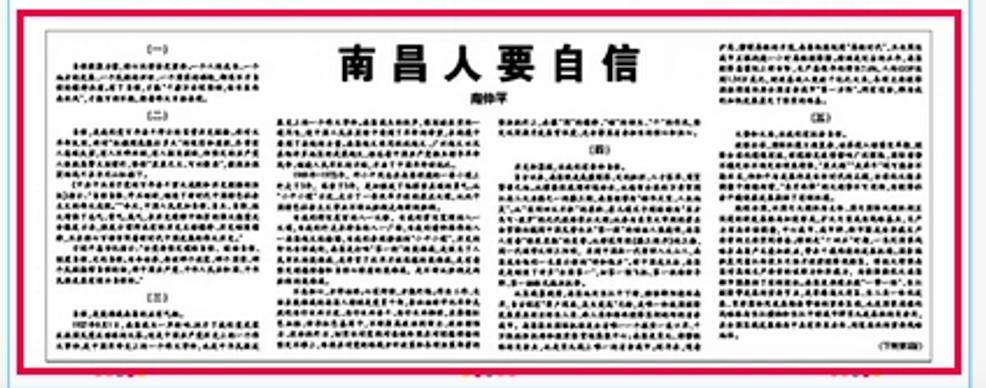
Nowadays, Nanchang is once again standing at a critical juncture.
Can this central provincial capital that has long been under pressure achieve its "belated" breakthrough in the increasingly fierce regional competition this time?
01
It should be noted that in the past few years, Jiangxi has been one of the provinces that has implemented the strategy of strengthening the provincial capital most firmly.
However, in reality, compared with other "strong provincial capitals" in central China, Nanchang still needs to speed up its pace to shore up weak links and enhance its energy level.
For example, in terms of primacy ratio, among the six provincial capitals in central China, Nanchang's primacy ratio is only higher than that of Taiyuan, which is clearly far from the requirement of "truly demonstrating the due responsibility of a provincial capital".
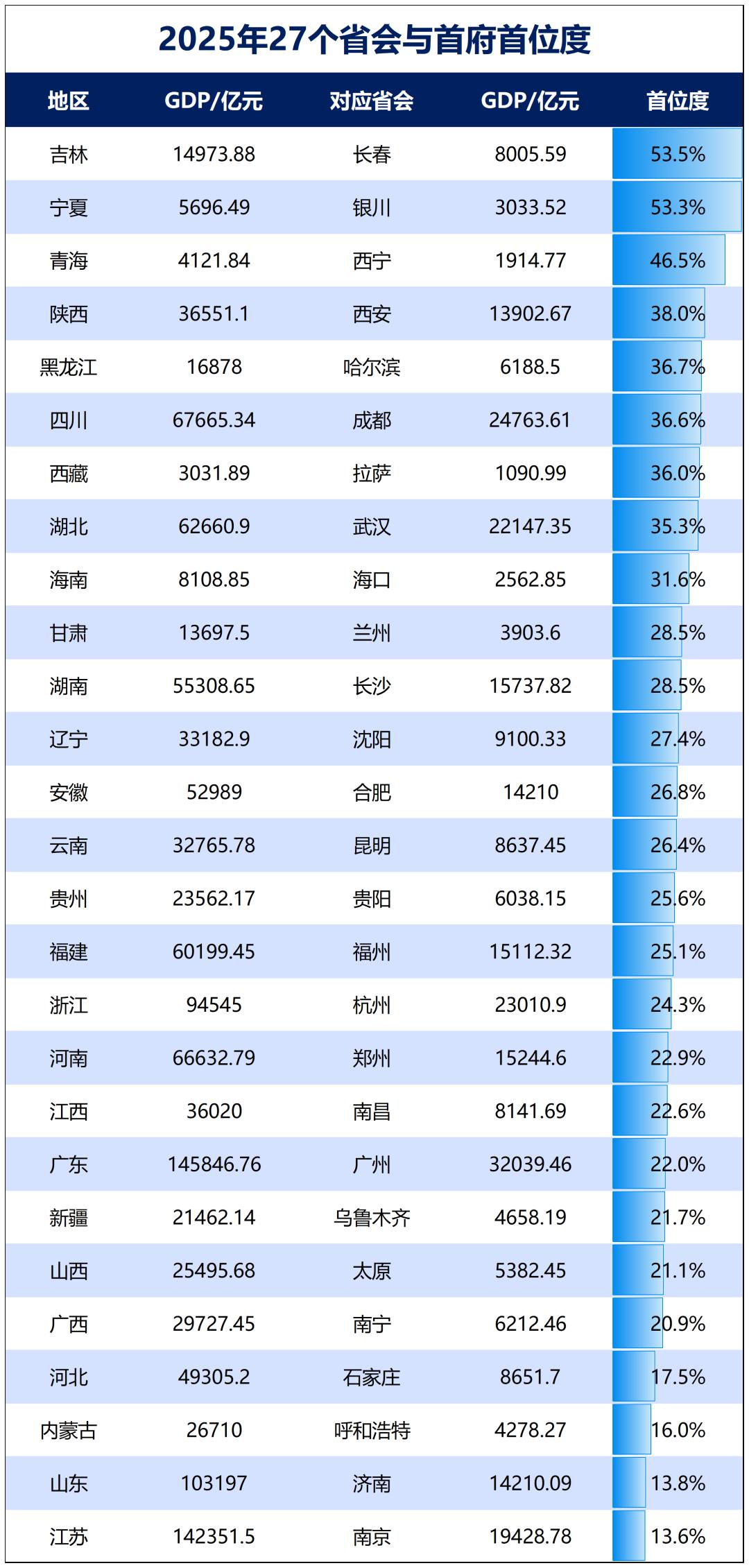
For comparison, in 2006, the primacy ratios of Nanchang and Hefei were 25.36% and 17.48% respectively.
But by 2025, Hefei's primacy ratio has risen to 26.82%, while Nanchang's has dropped to 22.60%.
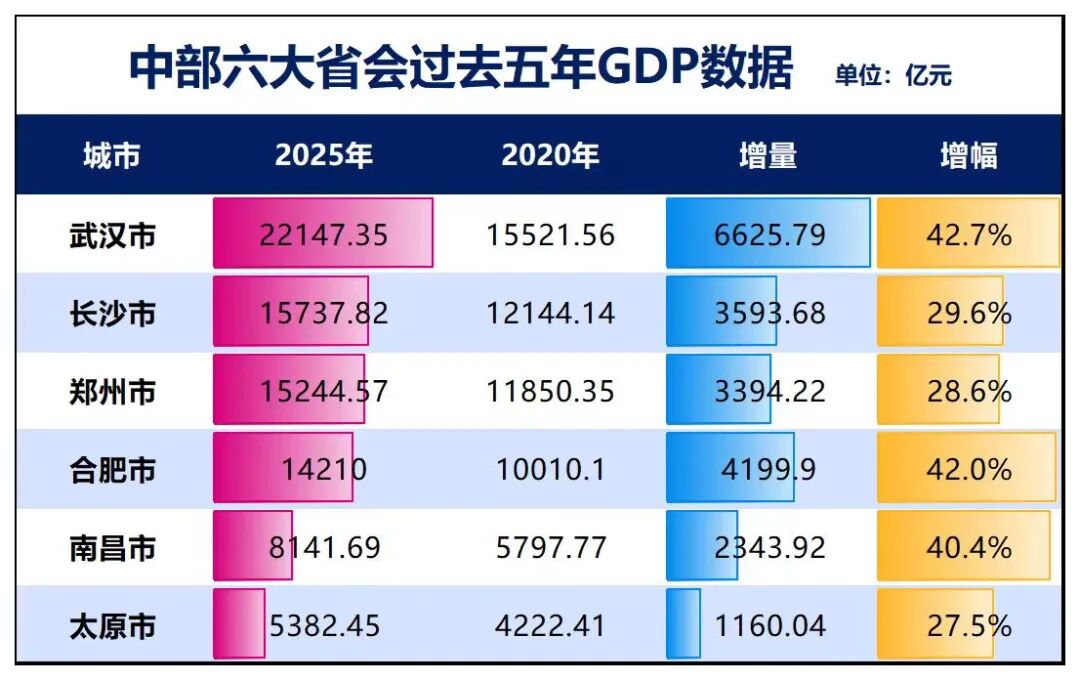
Against the backdrop that the strategy of strengthening provincial capitals has been significantly warmed up in the past few years, this exactly confirms the judgment of the aforementioned media commentary:
Facing fierce regional competition, lagging behind counts as falling behind, and standing still also means falling behind.
In terms of development speed, from 2022 to 2025, Nanchang's GDP growth rate has been lower than the provincial average for four consecutive years.
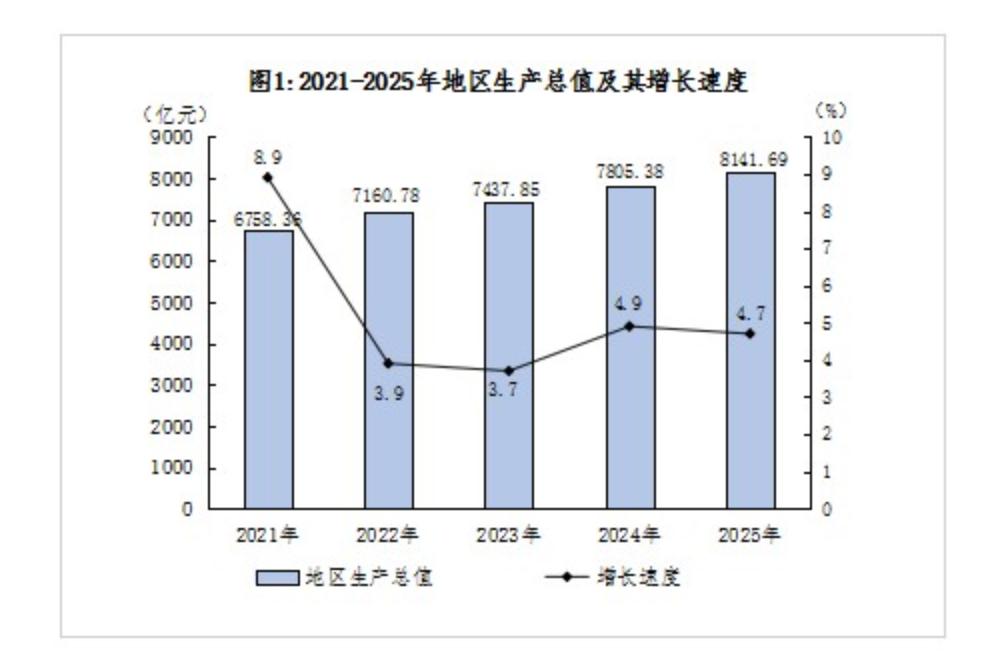
Therefore, no matter in terms of its role and responsibility within the province or benchmarking against other cities outside the province, Nanchang indeed needs to "go all out with full courage".
This is not only the inherent requirement for Nanchang to enhance its own energy level, but also an unavoidable part for Jiangxi province to strengthen its regional influence.
It should be noted that as the only province in China that borders three leading urban agglomerations, namely the Yangtze River Delta, the Guangdong-Hong Kong-Macao Greater Bay Area and the Haixi Economic Zone, if Jiangxi lacks a central city with high energy level for a long time, not only will it be difficult to translate its location dividend into development dividend, its own resources will also be continuously siphoned off by surrounding regions.
For this reason, pooling the efforts of the whole province to support Nanchang to grow bigger and stronger and sprint for the trillion-yuan GDP threshold has become an inevitable choice for Jiangxi to break through the bottleneck of regional development.
02
So where exactly are Nanchang's opportunities?
As an old industrial base, Nanchang actually has a fairly solid foundation.
At present, Nanchang still maintains an important advantage, that is, the added value of manufacturing industry accounts for 41.5% of its GDP, ranking first among the six provincial capitals in central China.
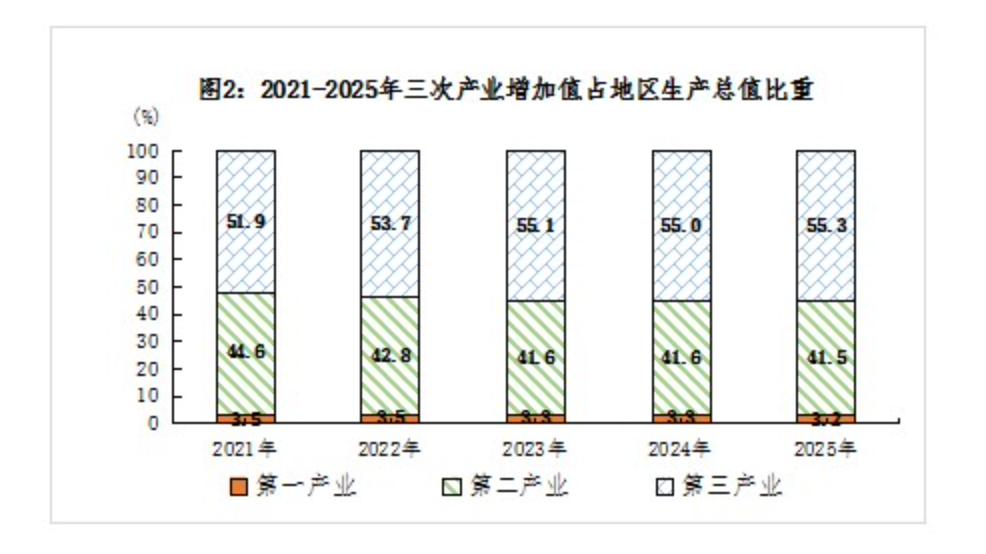
Meanwhile, the official reply of the state to the *Nanchang Territorial Space Master Plan (2021-2035)* has clearly endowed Nanchang with the positioning of "a regional advanced manufacturing base".
With a solid foundation and a clear strategic positioning, the development direction can be said to be very clear.
However, it should be noted that although Nanchang has a relatively high proportion of manufacturing industry and the operating revenue of industrial enterprises above designated size has exceeded 800 billion yuan, the figure is only about half of that of Wuhan and Hefei, and the gap in industrial volume cannot be ignored.
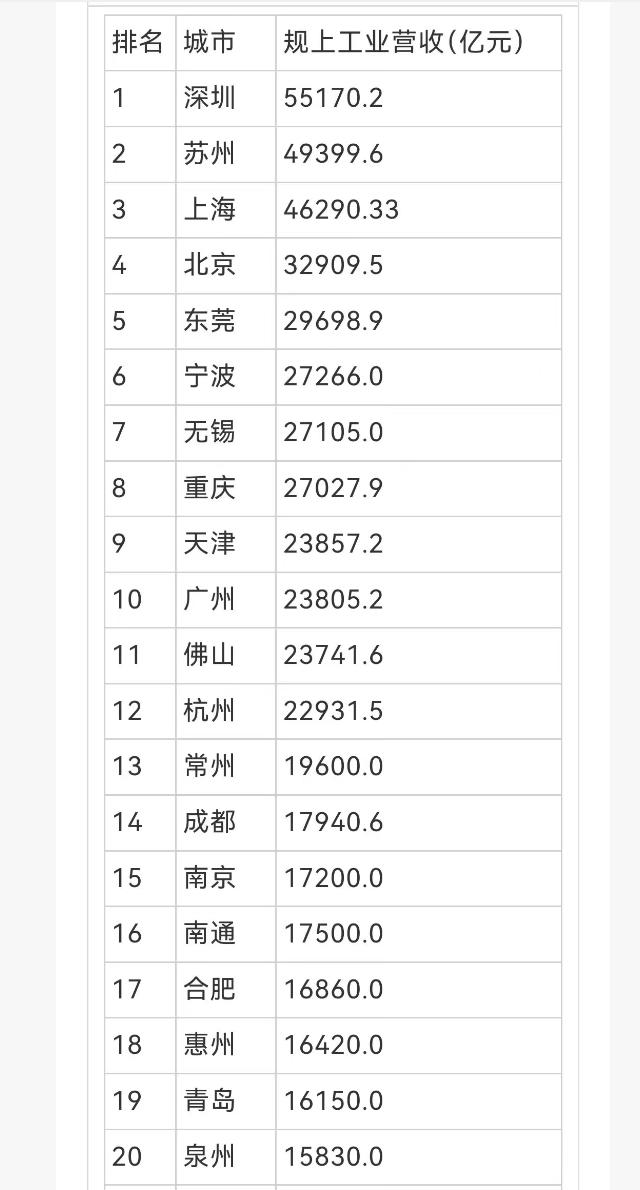
In the competition of scientific and technological innovation industries and hard technology tracks in recent years, Wuhan and Hefei have already ranked in the first echelon across the country, cultivated hundred-billion and trillion-level industrial clusters, and reaped the era dividend of industrial upgrading.
In contrast, Nanchang's achievements are obviously limited.
Although Nanchang has not been absent from several leading industries including electronic information, automobile and equipment manufacturing, new materials, and pharmaceutical health, the lack of leading industries and benchmark enterprises with national influence has restricted the scale and energy level of its industries, and also undermined the competitiveness of its industrial ecosystem.
Based on this situation, Nanchang's proposal to focus on strengthening the real economy and achieve new breakthroughs in building a modern industrial system is undoubtedly a targeted effort.

Initiatives including in-depth implementation of the 2.0 version of the "8810" action plan for the modernization of key industrial chains in the manufacturing sector, and full efforts to foster new forms of intelligent economy, to continuously enhance the competitiveness and distinctiveness of emerging pillar industries, all meet the needs of Nanchang to shore up its weak links and fit the overall development trend of current industries.
Against the background of the new round of scientific and technological revolution and industrial transformation, track restructuring and pattern reshaping are entering an active period.
For Nanchang, there is no need to fully benchmark against top-tier cities. As long as it focuses on precise breakthroughs in one or two advantageous tracks, it is fully possible to achieve overtaking on curves, completely rewrite its own industrial pattern, and drive the overall leap of the city's energy level.
Of course, to achieve this goal, the shortboard in scientific and technological innovation is another key point that Nanchang must make up for.
In 2025, Nanchang's R&D expenditure reached 15.814 billion yuan, with the R&D investment intensity hitting 2.03%, which not only has a significant gap with top-tier cities, but also is still lower than the national average level of 2.8%.
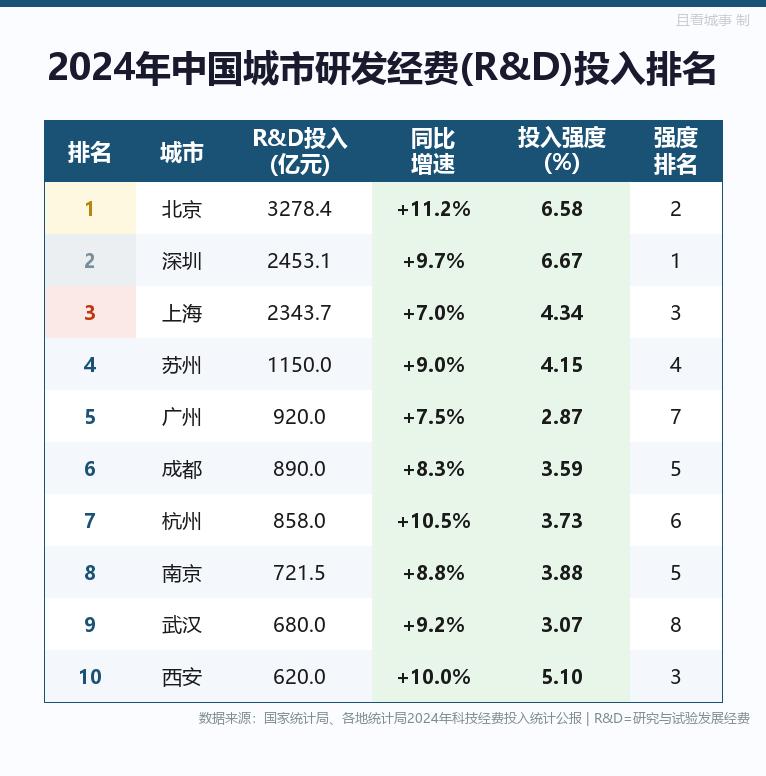
In response to this, Nanchang has already taken actions. Last July, Nanchang signed a memorandum of deepening cooperation with Zhejiang University, explicitly agreeing to carry out in-depth and practical cooperation in fields such as artificial intelligence, scientific and technological innovation, talent cultivation, and achievement transformation.
If Nanchang can make good use of "external forces" to speed up solving the shortboard of local innovation and introduce more high-quality development factors, industrial upgrading will gain greater momentum.
03
In fact, for an "ordinary" provincial capital city like Nanchang, which has relatively average endowments and is not a traditional regional core city, to achieve leapfrog breakthrough, translating geographical location dividend into open development dividend is particularly important.
In this regard, Hefei, which has similar endowments and rose against the trend, is a very representative sample.
Hefei's inherent resource advantages are actually very average, but relying on the University of Science and Technology of China and its location advantage of integrating into the Yangtze River Delta, it has deeply undertaken scientific and technological innovation and industrial resources, successfully built world-class industrial clusters such as "chip, screen, automobile and integration", "integrated circuit, life science, intelligent manufacturing" and others, and finally achieved a leapfrog improvement of its urban energy level through regional coordination.
With a more unique location advantage, Nanchang, which can connect with three national-level urban agglomerations from all sides, also has the possibility of "borrowing strength" from outside.
However, at present, this advantage still remains at the level of "geographical proximity", failing to be deeply embedded in the industrial chain, supply chain and innovation chain of major urban agglomerations, and the location advantage is yet to be translated into real benefits.
In this regard, the large aircraft cluster of the Yangtze River Delta (including Jiangxi) that Nanchang participates in co-building has already become a high-quality breakthrough point for integrating into coordinated regional development.
In the next step, Nanchang should continue to amplify the convenience of such coordination, actively break away from the local development mindset, sort out its comparative advantages, and spare no effort to integrate into the industrial division system of the Yangtze River Delta and the Guangdong-Hong Kong-Macao Greater Bay Area, so as to find its own ecological niche in a larger industrial territory with higher energy level.
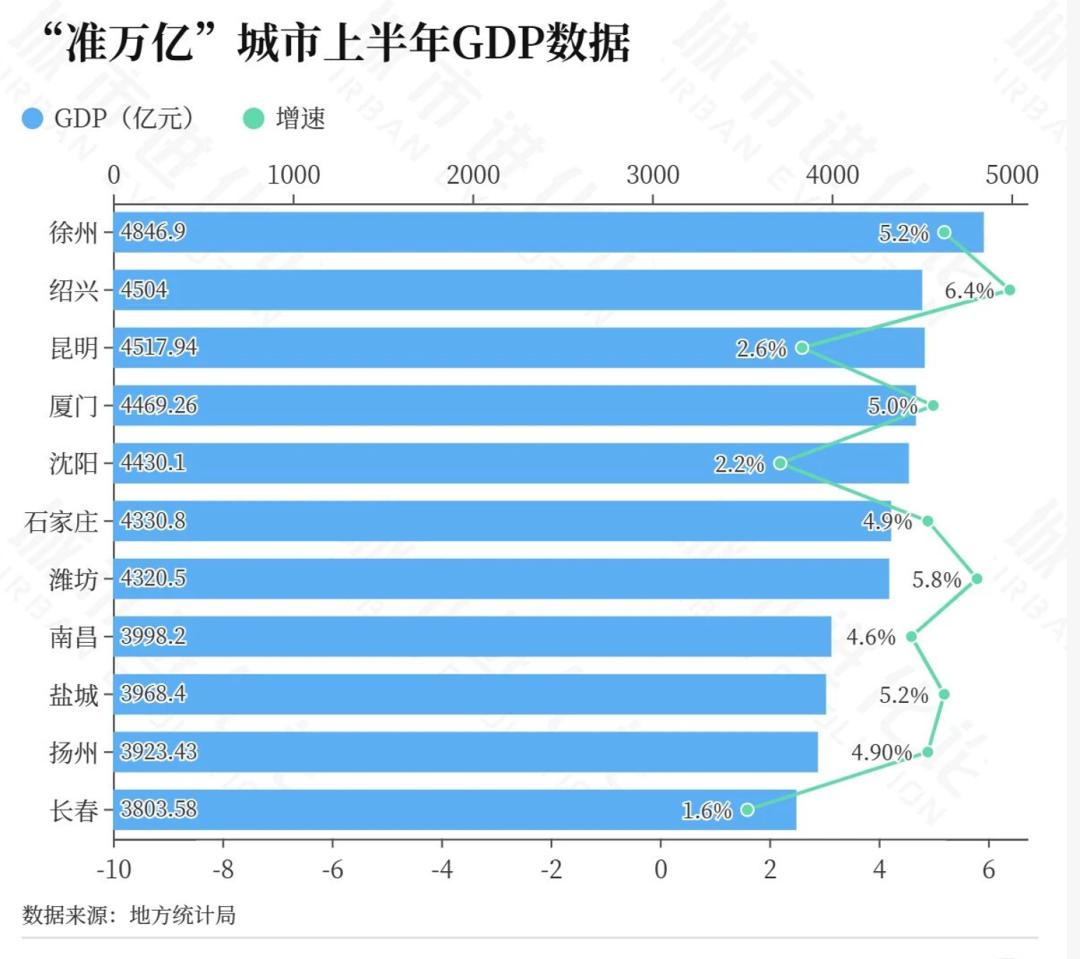
At present, Nanchang has clearly proposed to optimize the large-scale investment promotion system of "going global and bringing in". It can be said that whether a fundamental breakthrough can be achieved in this area is directly related to the efficiency of Nanchang's industrial energy level improvement and the speed of its realization of the trillion-yuan GDP milestone.
Of course, to achieve this goal, it is indeed necessary to "summon up full courage and resolution, break the fixed mindset and break through path dependence".
After all is said and done, action is the key.
This article is from the WeChat Official Account "Western City Stories", author: Xibu Jun, published with authorization from 36Kr.