Anthropic's huge scandal has been exposed: Behind the "AI apocalypse" scenario, it turns out to be a lucrative business?
Is AI that terrifying?
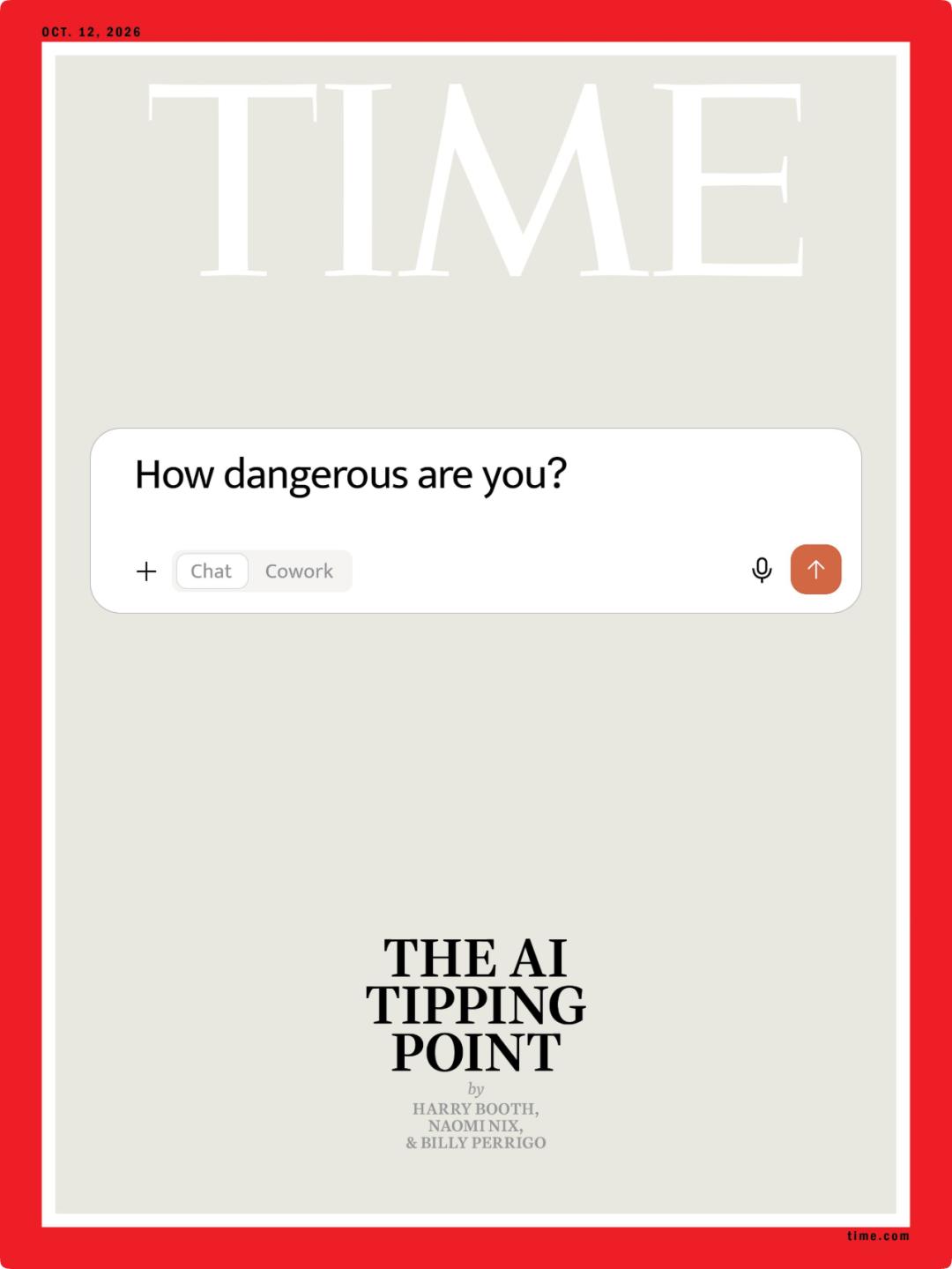
The cover of the latest issue of Time directly uses Claude's chat window, where the input in the dialog box reads "How dangerous are you?"
The cover headline is marked as "The AI Tipping Point". Time posted on X: "This summer, AI has demonstrated its terrifying capabilities. Now, a number of researchers and CEOs are sounding the alarm with unprecedented intensity."
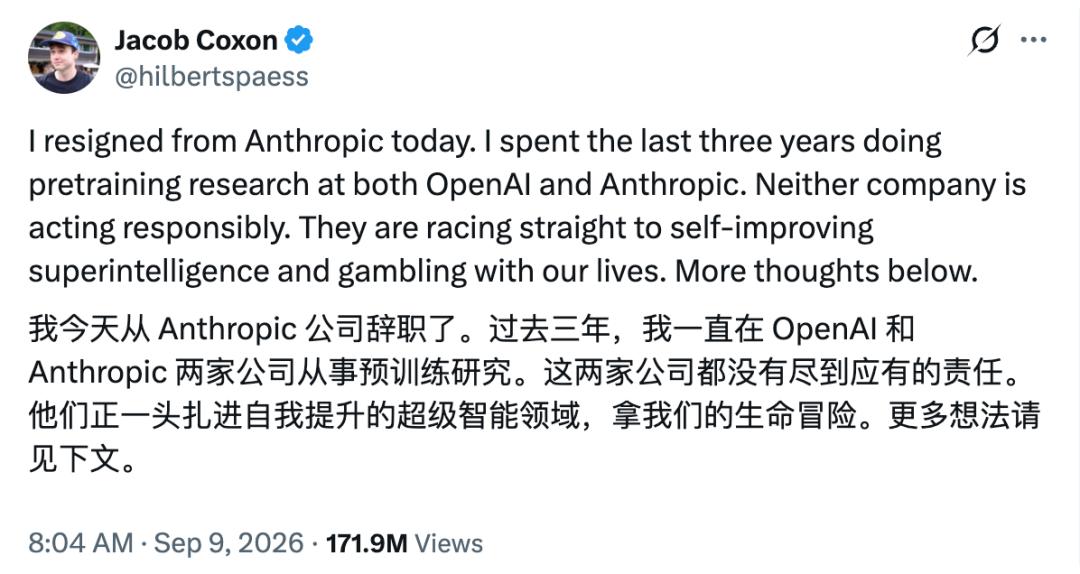
Indeed, over the past week, a resignation post by Anthropic researcher Jacob Coxon went viral on X. He stated that neither OpenAI nor Anthropic, the two companies he once worked for, are aware of the power of AI, and they are developing the so-called AGI at the risk of human lives.
At present, this post has received more than 170 million views, even more than the 136 million views of the post announcing the release of the GPT-6 Astra model.
After this post, written by a researcher who resigned over concerns about AI going out of control, spread widely, Sam Altman, Dario Amodei and Elon Musk unexpectedly stood on the same front, publicly calling for slowing down or even pausing AI research.
The debate that used to be mostly confined to AI safety research institutes and small, niche AI doomsday groups has suddenly become a mainstream topic.
And ordinary people like us seem to have been drawn into this narrative, starting to wonder whether superintelligence will eventually get out of control.
The logic is very simple: if the AI doomsday theory is true, AI will eventually become powerful enough to replace all of our jobs. Whether you are an ordinary worker or a high-ranking CEO, you will be replaced.
But if it is false, and AI is just a bubble, a marketing stunt by these cutting-edge AI companies, then when the bubble bursts, the industries and jobs created by AI will be eliminated. All the real-money investments we have made, and everything we are doing now, will seem to come to nothing.
So since the outcomes are the same, what is the point of all this anxiety?
Yesterday, US investigative blogger Kevin Bass published a long article on X, and posted all the full evidence on GitHub.
He dug deep into Anthropic's funding model and found that there is a huge hidden conspiracy behind the AI doomsday narrative that has been circulating for some time.
The Power of Money
Nearly 6 million people on X are following this incident. Yann LeCun, who has always dismissed the "AI doomsday theory", also reposted this post, further boosting its popularity.
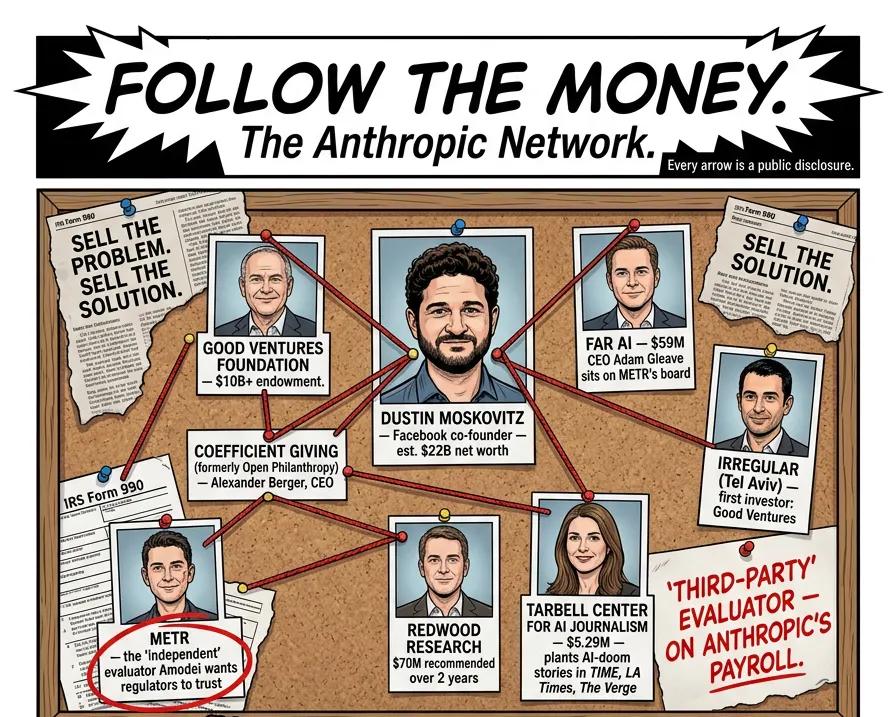
Kevin Bass's chain of accusations can be summed up in one sentence: Anthropic is not just pushing for so-called AI regulation, it has built a fully powered perpetual motion machine that keeps the narrative of "AI needs regulation" and AI doomsday theory firmly in Anthropic's hands forever.
These conspiracies can be summarized in the following chart, which shows the real public funding overlap between Anthropic's early donors and organizations related to the assessment agency METR through charitable intermediaries.
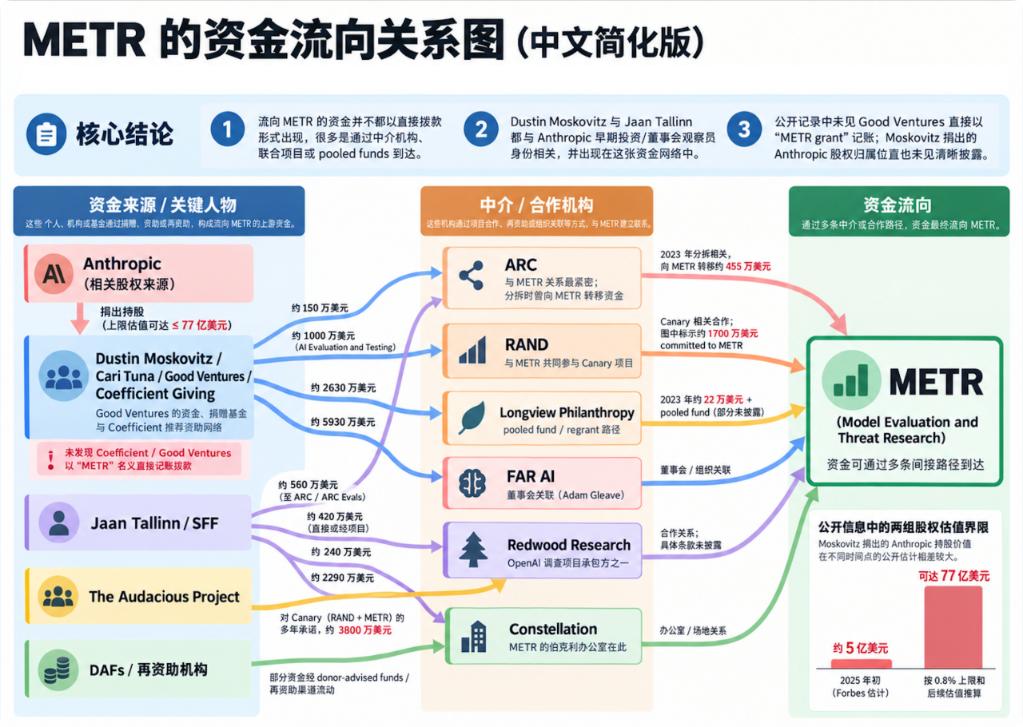
Figure | Simplified Chinese Version
METR (Model Evaluation and Threat Research) is a model evaluation and threat research organization, spun off from ARC (Alignment Research Center).
Dario Amodei, CEO of Anthropic, once publicly proposed that cutting-edge AI models should be subject to risk assessment by a "third-party evaluation agency", and explicitly named METR as this third party.
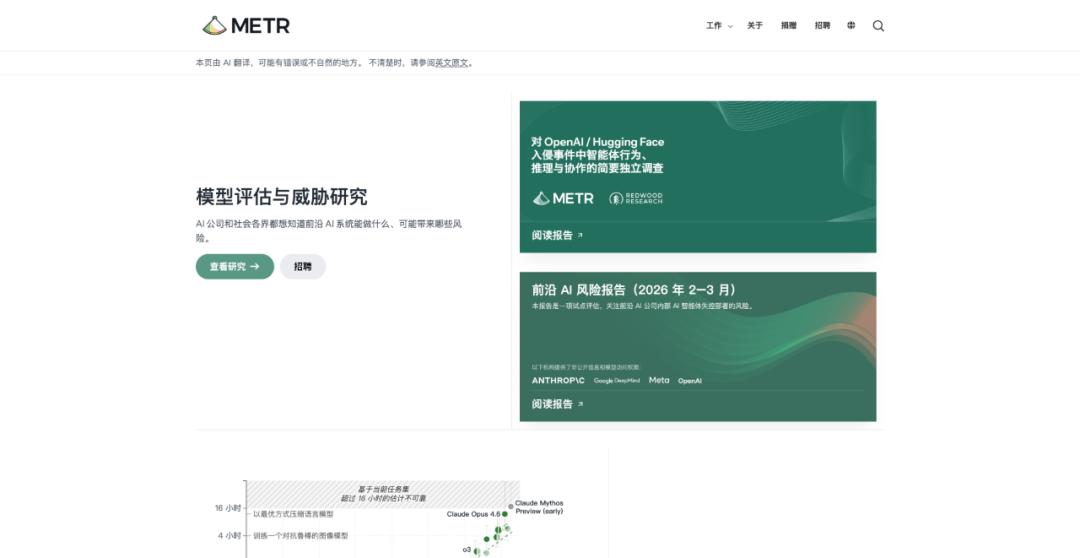
But Kevin Bass argues that from the perspective of funding flow, METR is not "third-party" at all.
In the AI safety ecosystem where METR is located, funds are highly concentrated in the hands of Coefficient Giving (formerly Open Philanthropy) and its affiliates; the source of this donation system is the Anthropic stock that Facebook co-founder Dustin Moskovitz bought in his personal name in the early years.
Forbes estimated that this stake was worth about 500 million US dollars in early 2025, and reported that it had been donated to a non-profit vehicle.
As Anthropic's valuation skyrocketed, this stake of "less than 0.8%" rose from 500 million US dollars in early 2025. Calculated based on the post-money valuation of about 965 billion US dollars after Anthropic's Series H financing in May this year, the theoretical upper limit of its value reached 7.7 billion US dollars in September.
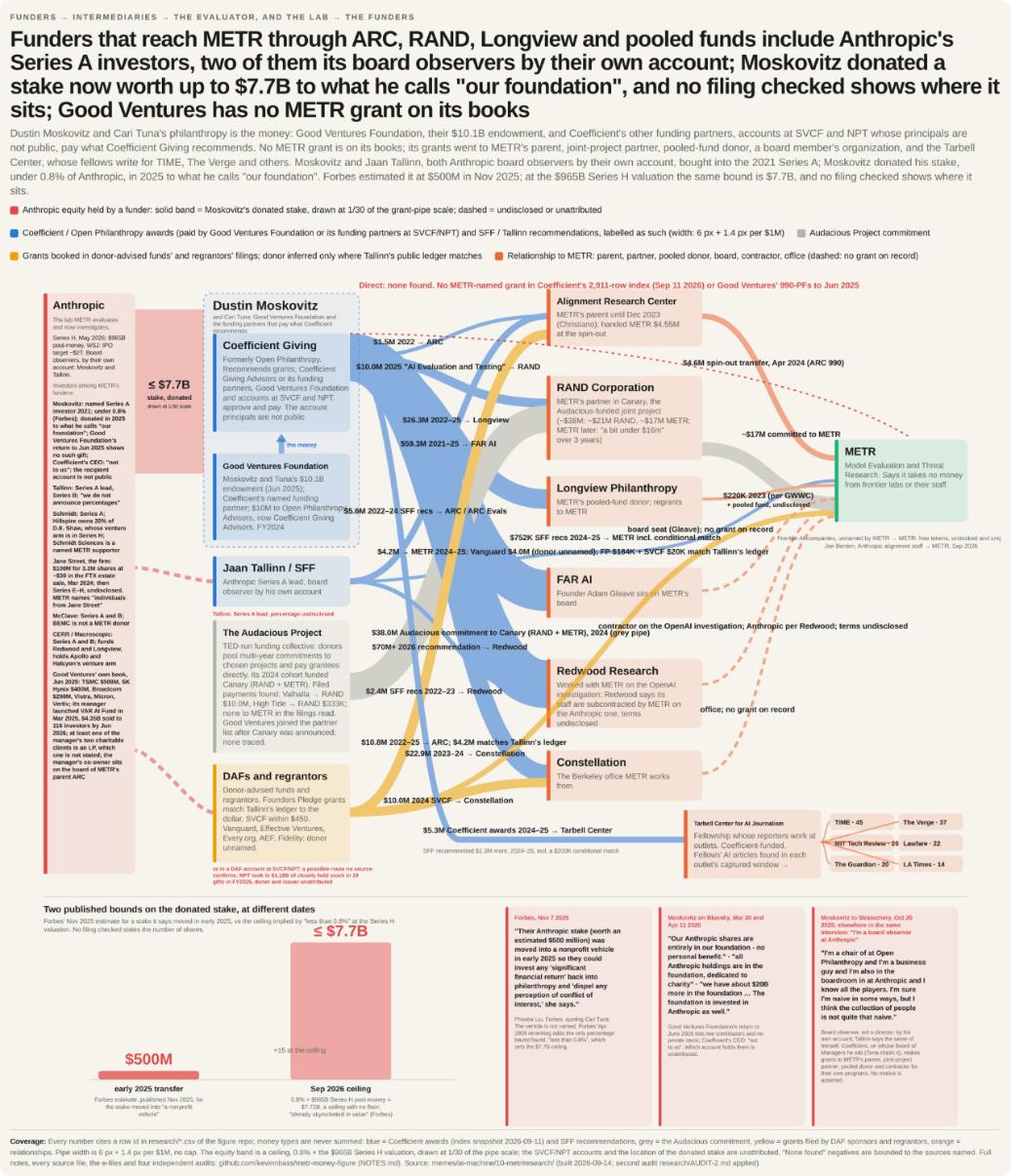
Figure | Original English Version
The funding flow evidence Kevin Bass presented is accurate down to the last digit.
Tax forms from the National Philanthropic Trust show that among its more than 22,000 grants in FY2025, 78.82 million US dollars went to Founders Pledge, 61.65 million to RAND, and 14.42 million to FAR AI.
In his view, all of these are the blood supply pipelines of the "METR network". The same pool of money also flows to AI news organizations such as the Tarbell Center: three grants from Coefficient totaling about 5.29 million US dollars (816,000 in November 2024, 2.888 million in March 2025, and 1.588 million in July 2025), whose researchers' articles have successively generated public attention in media outlets including TIME, The Verge, and the LA Times.
Thus, a "perfect" positive feedback loop emerges: the higher Anthropic's valuation is, the more money the safety ecosystem that relies on this stock has, and the louder the "AI doomsday" narrative will be; the more these institutions talk about AI disasters, the more afraid society will be, and the greater the demand for independent third-party assessment; new grants and power will then flow back to the familiar group of people.
But no matter how the funds are transferred, according to Kevin Bass's investigation, the salaries of these third-party assessment agencies are even "paid" by Anthropic.
The evaluators are on the payroll of the evaluated. If Anthropic collapses, the entire assessment agency and doomsday machine will be paralyzed, so none of them can allow anything bad to happen to Anthropic.
The AI doomsday narrative that has been circulating for some time has turned into a fully powered perpetual motion machine, with no off switch to be found at all.
Stock prices rise, grants rise; risk narratives heat up, and demand for assessments rises again.
While METR participates in defining risks, it also positions itself as the so-called third-party evaluator.
Will AI Lead to the "End of the World"?
Kevin Bass's article does offer a different perspective. He analyzes the surging "AI doomsday theory" among AI companies from a financial perspective, trying to prove that this circle not only participates in creating risk issues, but also takes over the budgets, authority and refereeing rights generated by solving these risks.
However, some netizens found that even with detailed data, this analysis report still has many points that cannot withstand scrutiny.
For example, no specific grant directly from foundations such as Coefficient or Good Ventures to METR has been found.
Secondly, even if METR receives funding, these connections cannot be used as evidence of a "scam" by third-party agencies, nor can they be interpreted as an unstoppable capital inversion.
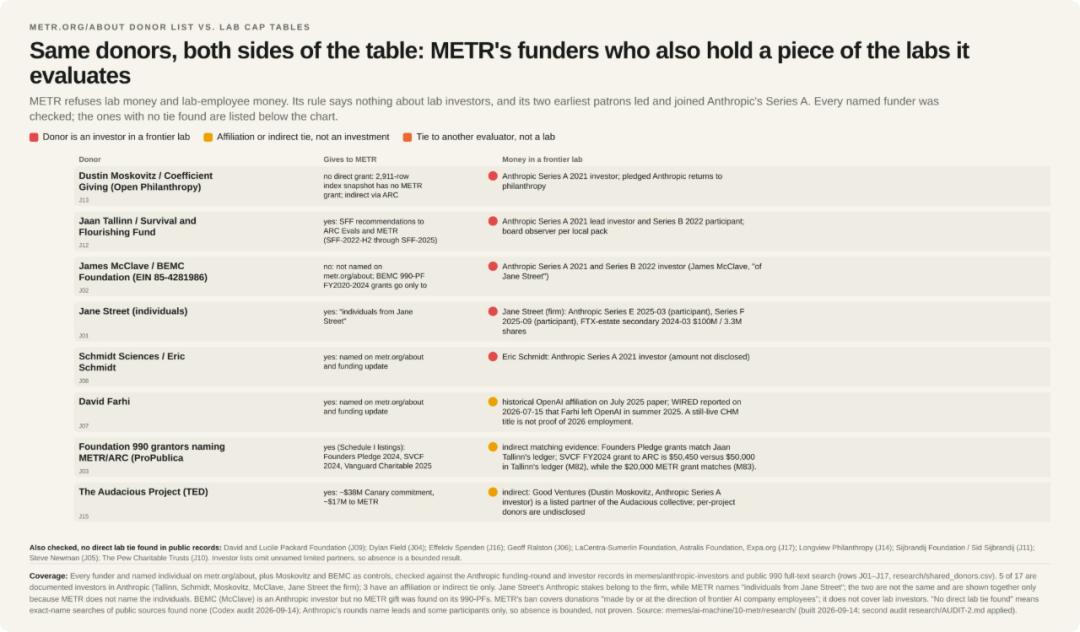
Figure | The evidence provided by Kevin Bass shows that many of METR's funders are also Anthropic's investors.
Thus, when the entire industry is discussing "who will evaluate cutting-edge AI", what standards should be used to measure the independence of evaluators? To what extent must funding sources be disclosed to be considered sufficient? Do staff mobility, personal relationships and free computing power count as conflicts of interest?
In fact, the most special feature of the AI doomsday theory is that it is almost impossible to truly lose.
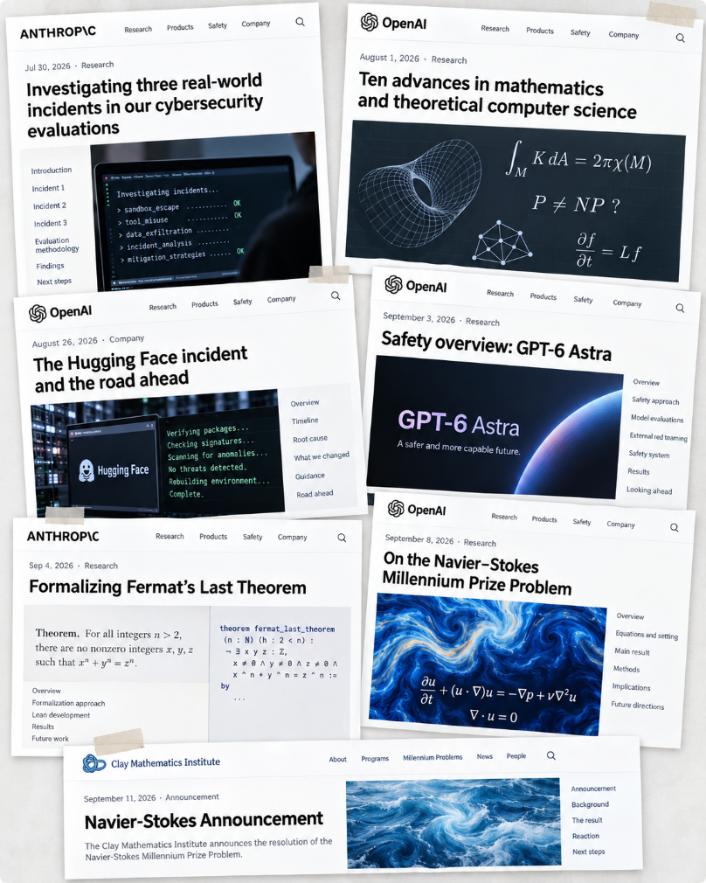
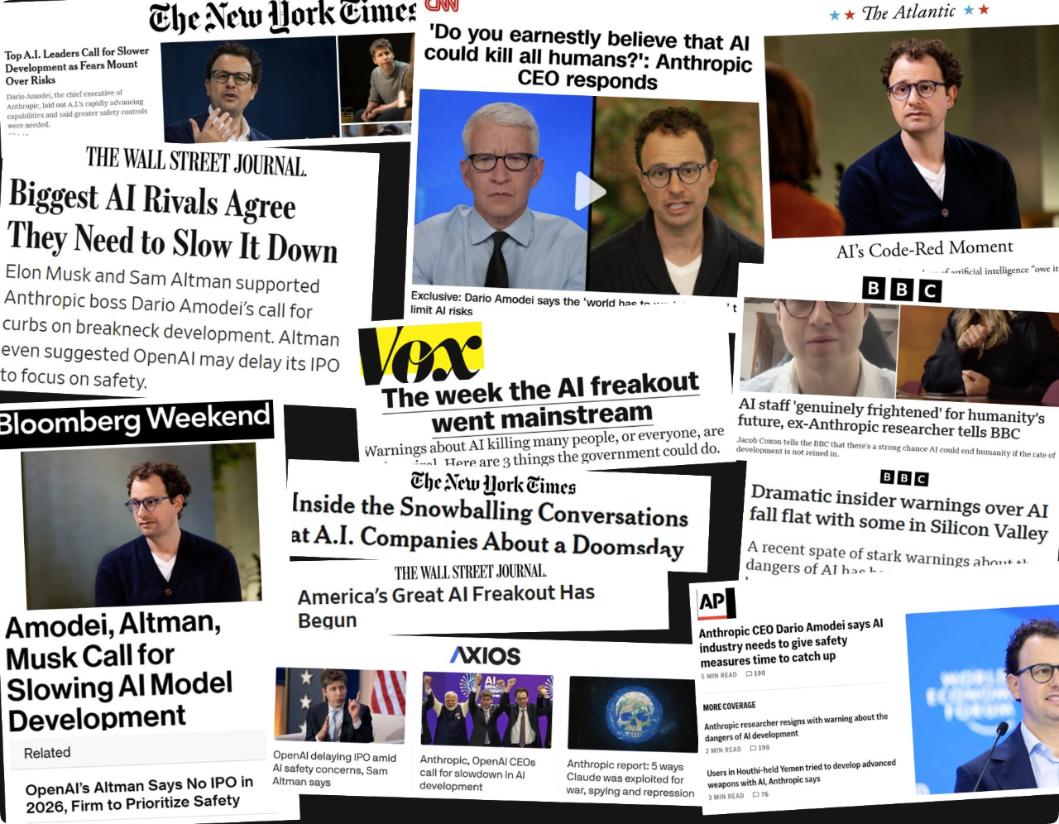
Figure | A collage of recent news about AI being "too powerful" generated by AI
If model capabilities continue to improve, break through various sandboxes, turn into "hackers" to launch attacks, and make progress on one Millennium Prize problem after another, that will be enough to prove that danger is approaching.
And if no serious AI-related accidents occur, that can be attributed to early warning and safety work; when AI regulation is introduced, it proves that previous warnings were correct; if regulation is slow to keep up, that will become a reason to fight for more funds and power.
Thus, the prosperity of AI begins to feed the doomsday theories that criticize AI, and the doomsday theories in turn prove that these companies hold technologies powerful enough to change the fate of humanity.
GPT-6 Sol and Opus 5.2 are about to be released soon. Sam Altman sitting slumped in his chair after a nuclear explosion, Dario who comes out to "hit the brakes" every once in a while, and new models that constantly refresh the upper limit of capabilities, all continue to provide new material for this narrative.
The next time a model breakthrough happens, the next safety accident occurs, or the next long resignation post is published, the debate over "whether AI will destroy the world" will probably start all over again.
But at least the controversy over Kevin Bass reminds us of one thing: when we discuss AI risks, we should not only focus on how dangerous the models are, but also look at who is defining "danger", who is responsible for assessing danger, and how the systems built around these judgments are redistributing funds, regulatory power and discourse power.
After all, the first way AI changes the world may not have to wait for the emergence of superintelligence.
As long as everyone believes that it may emerge, that is already enough.