iPhone Duo to eliminate physical SIM cards worldwide: the parallel import grey market business in Hong Kong is on the brink of collapse, and the arbitrage dream of second-hand scalpers has been shattered.
At Apple's September 10 launch event, the first foldable iPhone Duo was officially unveiled. This high-end model, priced starting from 15,999 yuan, brings a disruptive change: all models worldwide are completely removed of physical SIM card slots, and only support eSIM virtual cards.
That means no physical card slot is reserved at all, and up to two eSIMs can be activated at the same time. The China mainland model is A3721, the Hong Kong version is A3720, and the specifications are unified across the globe with no special treatment for any region.
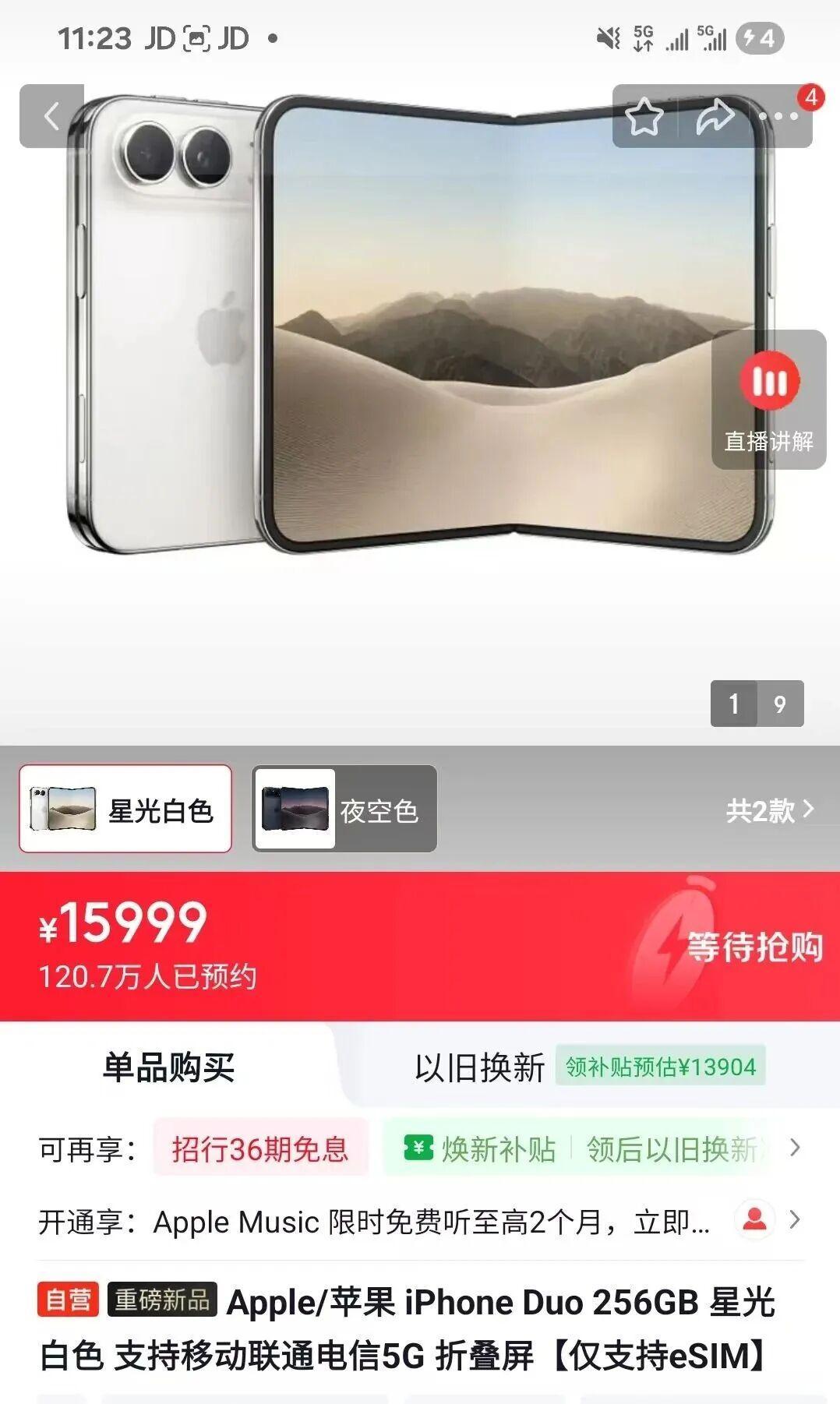
This move from Apple, which seemingly only removes a small opening, has directly impacted the livelihoods of multiple groups of people across the industry.
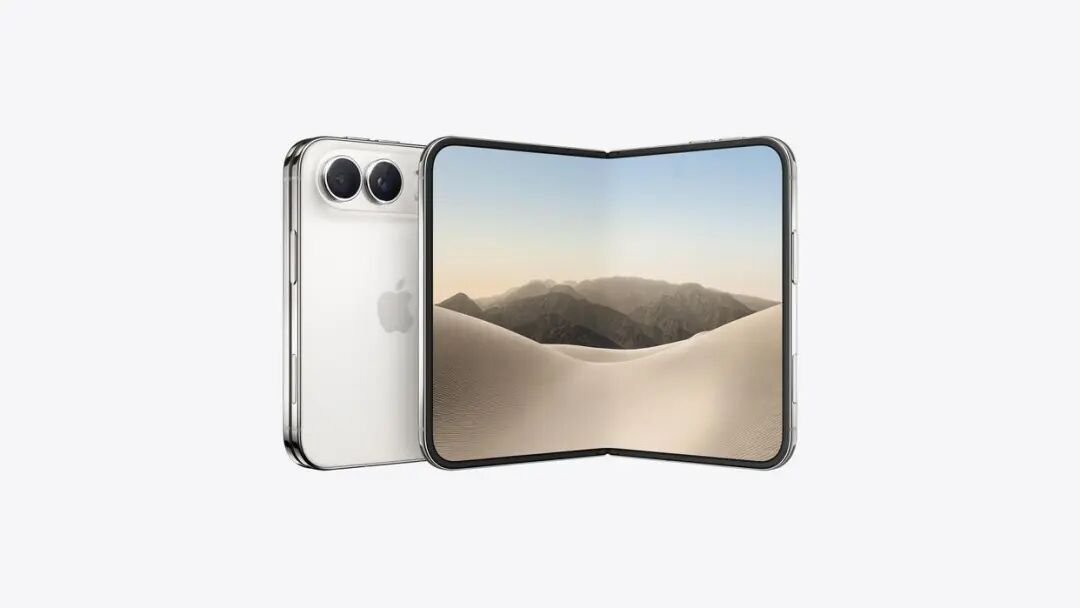
How exactly does the China mainland version work?
Without a physical SIM card, how do you activate the device?
In Chinese mainland, the process goes as follows: China Mobile, China Unicom and China Telecom all provide support for this service, but you need to bring your ID card and the physical device to an offline business hall of the operator in person, to complete face verification and identity authentication on site.
The staff at the business hall will "write" the phone number into the device to complete activation. At present, self-service activation at home online is not supported, and one device can be bound to a maximum of two phone numbers.
Why do you have to make this trip in person? This is exactly where the conflict between Apple's global standards and China's regulatory realities lies.
Mobile phone numbers in China follow a strict real-name system. In recent years, the authorities have been cracking down on telecom fraud and strictly restricting multiple numbers registered under one identity, so online random number opening poses excessively high risks from the regulatory perspective.
In addition, mobile eSIM in China is still in the "commercial trial" stage — the Ministry of Industry and Information Technology only approved the three major operators to roll out mobile eSIM services nationwide in October 2025, so the operators would rather advance the process at a slower and more steady pace.
Therefore, the China mainland version of Duo is not unusable, it "works perfectly normally, but you have to make an extra trip to the business hall".
With physical SIM cards removed, the parallel import grey market is likely to collapse
If China mainland users only need to make one extra trip to the business hall, then the parallel importers who make a living by selling Hong Kong versions and US versions of iPhones will have their entire business completely wiped out.
Every year when new iPhones are released, digital retailers can make huge profits relying on the price gap between China mainland versions and overseas versions, as well as the super high premium of new products at launch. Many merchants in Huaqiangbei had already prepared millions of funds to snap up the new foldable iPhone at launch to make arbitrage profits, but the cancellation of physical SIM slots on iPhone Duo directly ruined their plans.
Why have Hong Kong version iPhones been so popular in Chinese mainland over the years? The reason can be summed up in eight words: lower price, plug and play. The Hong Kong version is thousands of yuan cheaper, and after you bring it back and insert your own SIM card, it immediately becomes a fully functional phone with dual SIM dual standby that works perfectly.
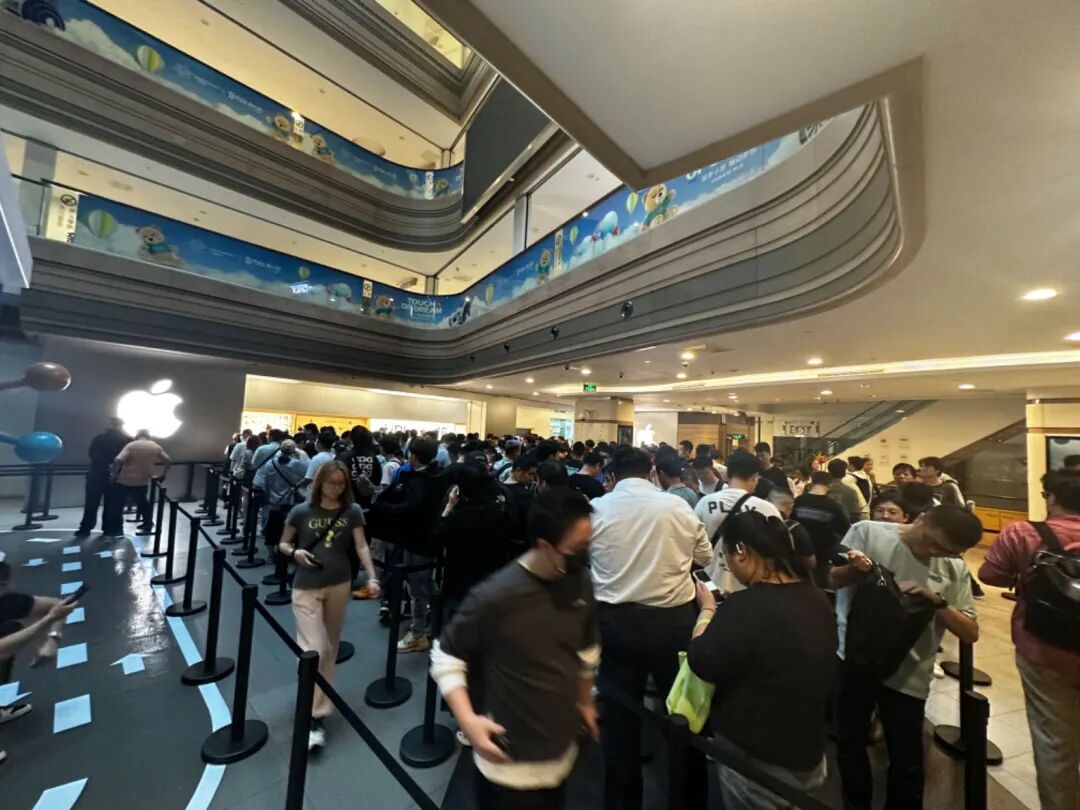
But Duo completely cuts off this path. The Hong Kong version A3720 also has no SIM slot, and Apple's official website clearly states that except for the five designated models for Chinese mainland, all other iPhones — including any version you purchased outside the mainland — cannot install the eSIM profile provided by Chinese mainland operators.
The Duo you bought from Hong Kong, the United States or Japan has no slot to insert a SIM card in Chinese mainland, and you cannot write +86 numbers of China Mobile, China Unicom or China Telecom into it either. Flashing the firmware or modifying the system cannot bypass this restriction.
What can it do? It can only connect to Wi-Fi, play games and take photos, acting as a "large-sized iPod touch" priced at more than 10,000 yuan, and cannot function as a mobile phone at all. If you want to use it as a phone, you have to use a Hong Kong number for roaming in Chinese mainland, and the call charges will be extremely high.
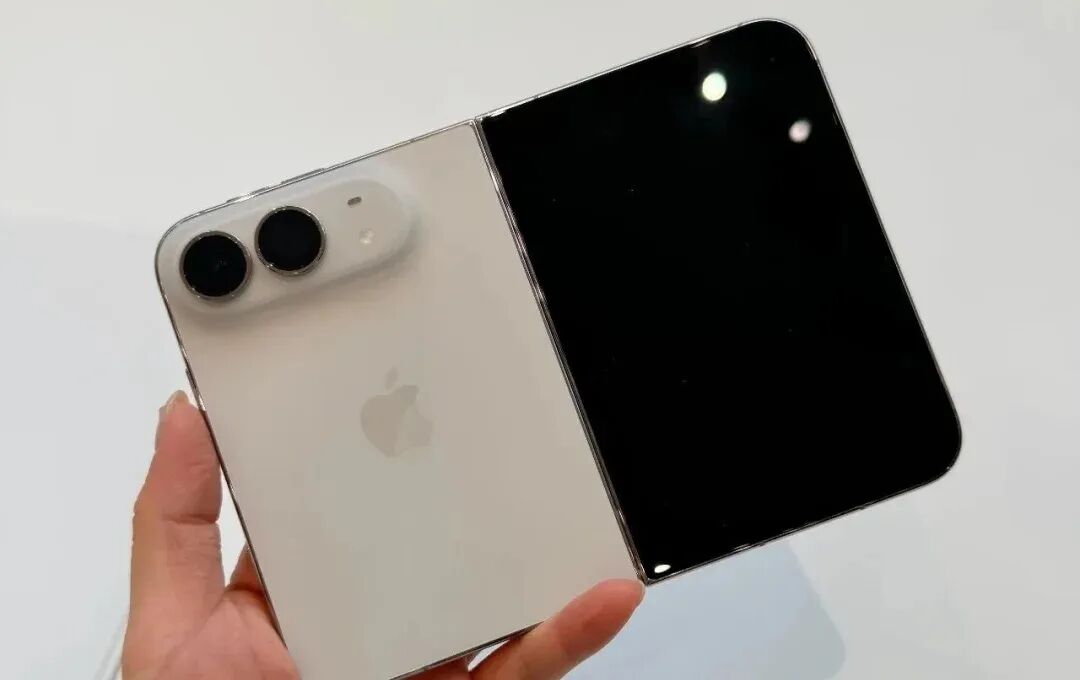
The cross-region grey market transshipment that Apple failed to eradicate for decades through warranty policies and channel control is now completely locked down with just one eSIM chip and a set of regional profiles.
However, we cannot draw a final conclusion yet. As of September 13, the three major domestic operators have not released special adaptation documents for iPhone Duo, and the judgment that overseas versions cannot access the domestic network is only based on existing general rules, not a targeted implemented policy.
The final adaptation status of the actual overseas version of the device can only be confirmed after the official release and actual test of the new product on October 23.
Arbitrage dreams of second-hand scalpers are shattered
The second-hand market is also affected. Now that iPhone Duo has not been released yet, some people on second-hand platforms have priced the device at 90,000 yuan or even hundreds of thousands of yuan, but many scalpers have not realized that the removal of physical SIM cards has also shattered their arbitrage dreams.
In the physical SIM card era, one of the important reasons why iPhones retain their value and sell well on the second-hand market is that the circulation is extremely convenient — Pull out the SIM card and leave, the next owner inserts their own SIM card, completes the handover in one minute, and the number is completely decoupled from the device.
eSIM breaks this decoupling mechanism. The phone number is tied to the system and linked to real-name authentication. For second-hand transfer, the buyer and the seller most likely have to go to the business hall together to rewrite the number.
As for overseas second-hand phones, they cannot access the domestic network in Chinese mainland at all. After the circulation threshold is raised, the cross-region goods collection of scalpers and the fast resale business of individual users are no longer that smooth, and the golden sign of iPhone as "hard second-hand currency" has been loosened.
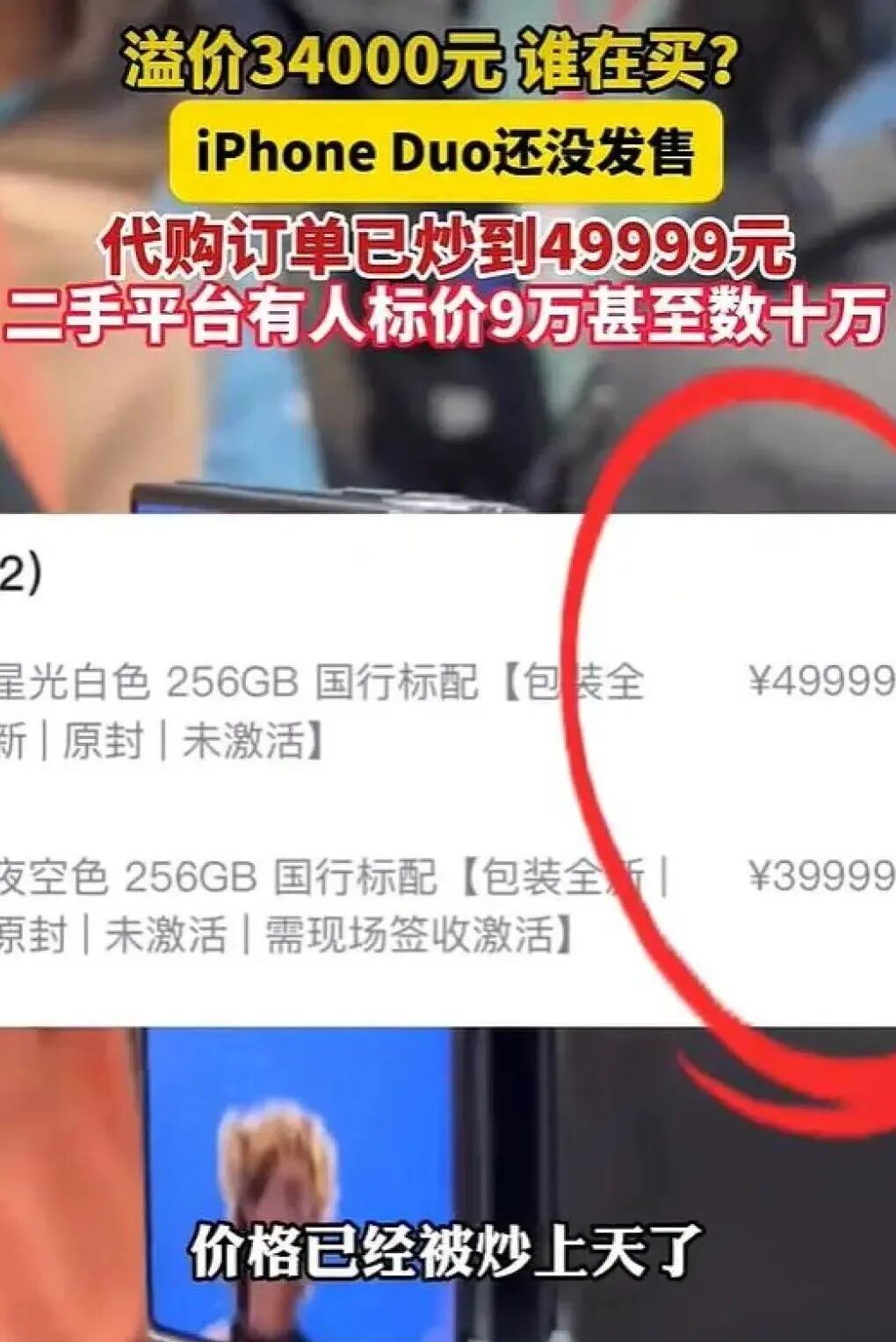
The second-hand China mainland version of the iPhone can still be used normally after the number is rewritten at the business hall, it is not unsellable, the only change is that the process shifts from "pull out the SIM and go" to "make an appointment and go to the business hall together", and identity document verification is required.
In addition, you cannot change the number at will just by scanning a QR code. When you want to sell the device, you first need to migrate the original number to your new phone, then delete the eSIM from the Duo, log out your Apple account, turn off the "Find My" function, and finally erase all data.
Apple reminds that deleting the eSIM does not mean canceling the corresponding number; if you want to restore it after accidental deletion, you usually need to contact the operator again to go through the relevant procedures.
In other words, there are still certain inconveniences in the transaction of second-hand iPhone Duo, especially for cross-city transactions. The second-hand price will also be affected by the foldable structure, maintenance cost, supply volume and market demand. For second-hand dealers who make a living by fast inventory turnover, this extra friction will lead to a sharp drop in sales revenue and profits.
This is also why merchants originally planned to quickly get the new devices at launch, resell them at a markup and make short-term arbitrage profits, but now restricted by the network access rules, no one dares to hoard goods rashly, and consumers do not dare to place orders easily, resulting in a large amount of working capital being stranded, and the arbitrage logic of second-hand scalpers relying on price differences is completely unworkable.
What is Apple's real intention? The superficial reason is to save internal space, while the underlying logic is "power centralization"
Why is Apple so determined to remove the SIM card slot?
First of all, the foldable phone is the form factor with the most crowded internal space. The hinge, two screens and dual-battery system have already taken up almost all the internal space, and a SIM card slot is not just a small opening, it comes with a card tray, guide rail, contacts and a whole set of mechanisms, which is also the weak point of the device's waterproof performance.
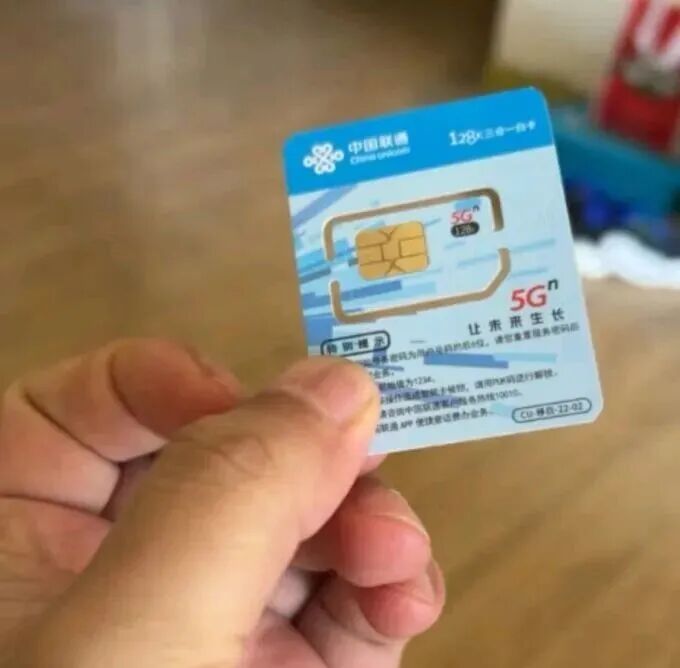
By removing the slot, the saved space can be used to fit a larger battery and optimize heat dissipation. With one less opening, the waterproof and dustproof performance can also be improved more easily. There are also additional security benefits — if your phone is lost or stolen, the eSIM cannot be pulled out and used on other devices like a physical SIM card, and it is also much harder to clone.
These are the superficial benefits, and behind this move is a quiet "power centralization" process.
In the past, after you bought a phone, which SIM card you inserted, where you activated the device, and which version you purchased were not decided by Apple, and operators and channel distributors took away a large share of the voice power and profits.
After the adoption of eSIM, network access becomes one step in the setup wizard when you turn on the device, the phone number becomes a profile in the system, and which model can use which operator's number in which region is defined by Apple and operators at the system level together.
Users' phone numbers, operator choices and device migration processes are all more deeply embedded into Apple's ecosystem.
Behind the disappearance of a SIM card slot, the user entry and voice power of the communication industry chain is shifting from the hands of operators to the hands of mobile phone manufacturers.
In fact, US version iPhones have been pure eSIM devices since the iPhone 14 released in 2022, which has been running for several years, and Google's Pixel series has also followed this path. The industry trend has long been set.
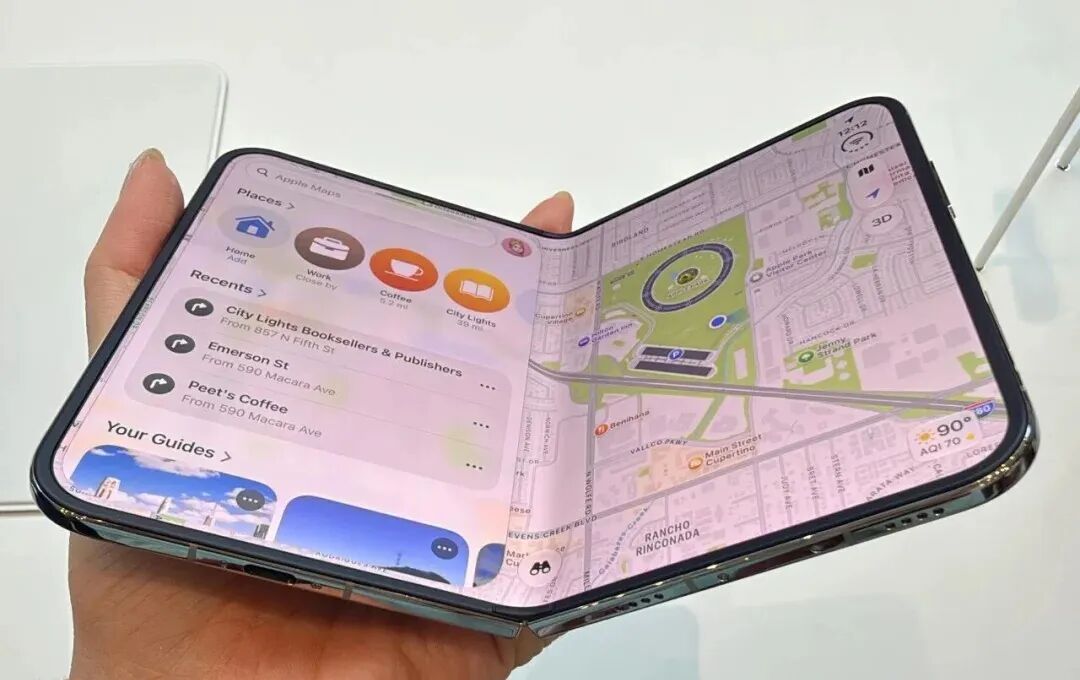
Why did Apple choose to launch this change on its most expensive foldable phone?
This is exactly where Apple's shrewdness lies.
To promote such a controversial change of pure eSIM, the most ideal "test field" should have the following features: the most crowded internal space (the technical reason for removing the SIM slot is the most sufficient), the highest price (users are least sensitive to the extra inconvenience), the most loyal buyers (core fans will not cancel their orders just because of an extra trip to the business hall), and the smallest sales proportion (even if the move fails, the affected scope is the smallest).
iPhone Duo meets all four standards. Using this 16,000-yuan foldable flagship as an icebreaker can not only push the three major operators to gradually optimize the mobile eSIM handling process, but also observe the real acceptance of users. When the process is mature and users get used to the new pattern, the resistance will be much smaller when Apple promotes this change to the mass-market digital iPhone series in the future.
The full adoption of eSIM has also reshaped the domestic digital service landscape. In the past physical SIM card era, operations such as phone network access, SIM card replacement and SIM card reissue could mostly be completed at private digital stores, and these merchants mastered a large amount of user traffic and service voice power.

However, the eSIM service of iPhone Duo requires users to bring their ID card and the physical device to the offline business hall of the operator for handling. The network access permission is taken back by the official operators, which greatly reduces the operation space of private digital stores, and the offline value of formal operators continues to rise.
For ordinary consumers, if you plan to use the device in Chinese mainland for a long time, you'd better buy the China mainland version A3721, prepare your ID card and make a trip to the official business hall, and you can bind up to two numbers on one device; no matter how cheap the Hong Kong version or US version is, don't buy it, it's just a collection for people who don't need to make phone calls.
Those who expect to buy Duo for value retention after resale, or those who frequently switch numbers between China and foreign countries, should wait and see for a while.
What Apple really cares about is the issue of "who is your user", which is no longer stored on the small removable SIM card, but completely written into its own system.
This also directly leads to the collapse of the Hong Kong parallel import business, and the arbitrage dream of second-hand scalpers is completely shattered.