Launch Review of iPhone 18 Pro & Duo: The Most Remarkable Improvements Are "Charging" and This One...
At new Apple CEO John Ternus' first launch event, this year's iPhone 18 Pro and iPhone Duo product lines can be described as both within expectations and full of unexpected pleasant surprises.
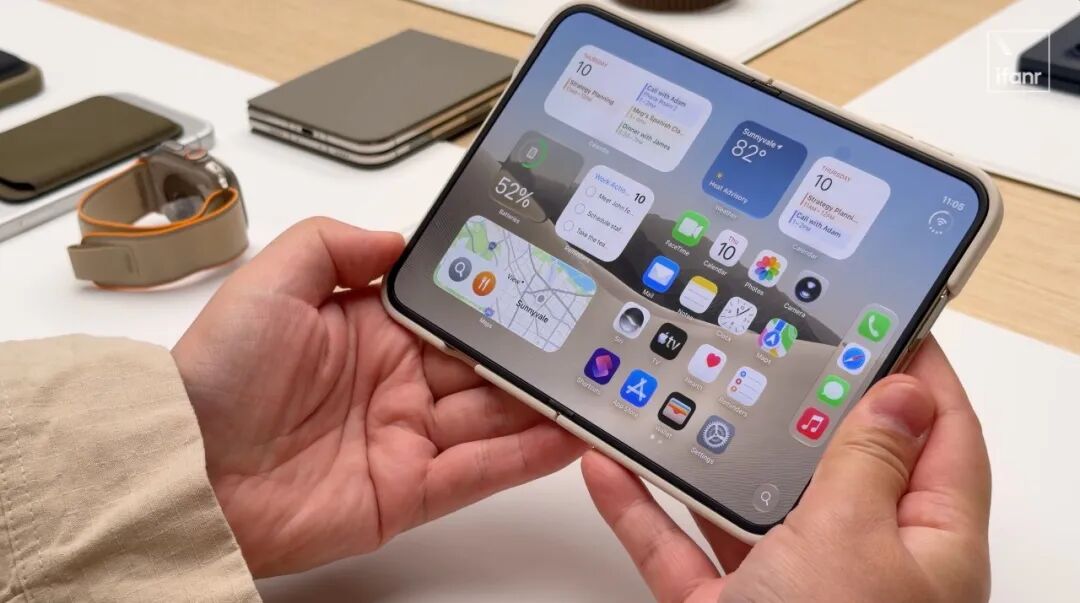
As Apple's first "foldable screen device", the iPhone Duo does not have any groundbreaking breakthrough in hardware specifications, but with its unique system interaction design, it still brings a refreshing new experience to the foldable screen market that has been developing for seven years:
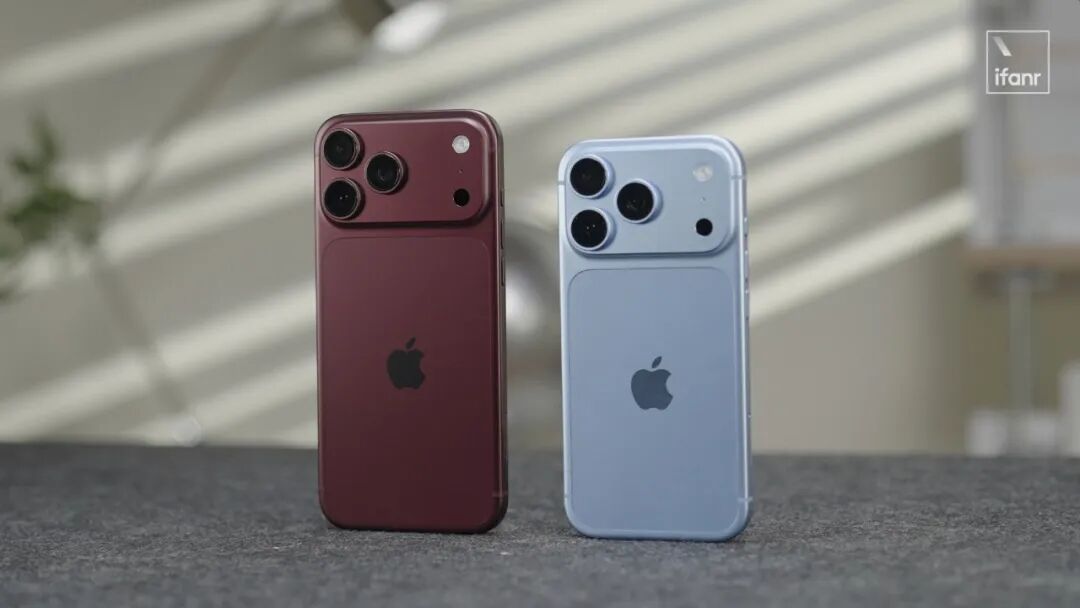
On the other hand, the iPhone 18 Pro and iPhone 18 Pro Max continue the product strategy and design philosophy of the previous generation.
They stick to steady, solid upgrades in processors, VC vapor chambers, cameras and batteries, and further strengthen the tool attribute of the iPhone Pro series.
At the same time, this year also marks a major overhaul of Apple's iPhone release cycle —
The standard iPhone 18, iPhone 18e and iPhone Air 2 are expected to be available to users in the first half of next year, while the 20th anniversary commemorative edition of iPhone, or even the iPhone Duo 2, will be launched in the autumn of next year...
However, from the current point in time, this special iPhone release rhythm has made purchase decision-making much simpler:
Unless you specifically want a foldable phone and do not want to leave the iOS ecosystem, the iPhone Duo is the only choice this year.
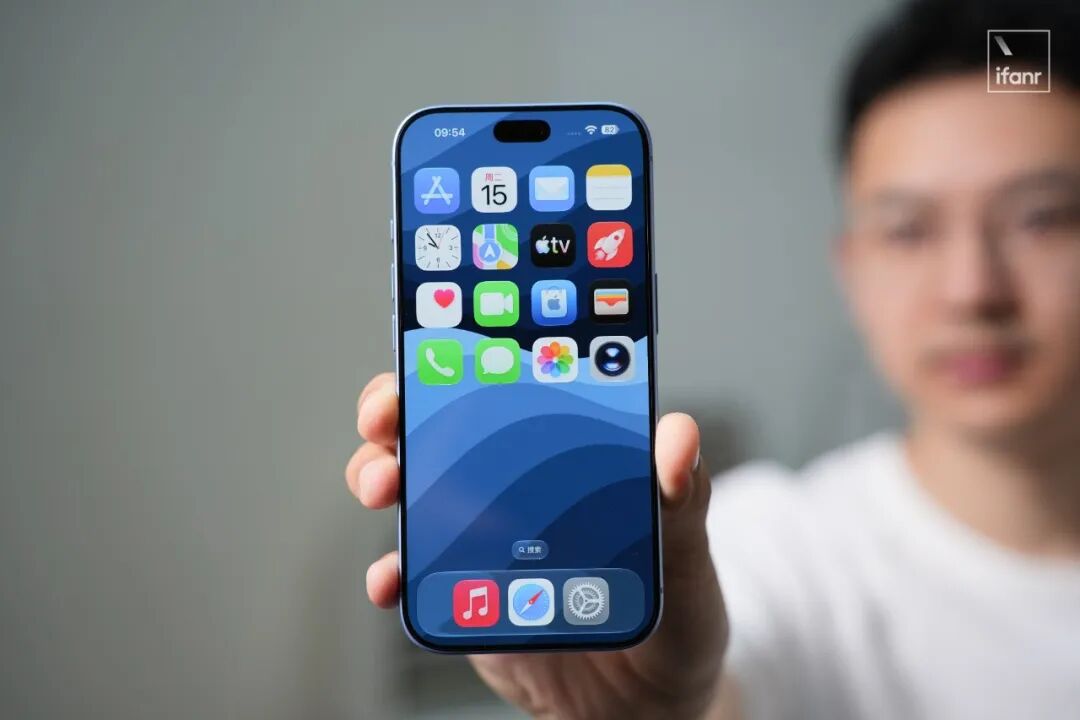
If you want an iPhone with the best battery life, the strongest heat dissipation and the smallest punch hole ever made, you can place your order for iPhone 18 Pro/Pro Max right now.
Apart from some software interactions and lens parameters that are not top-tier, their overall maturity has reached the highest level:
In addition: if you are an iPhone Air user and want to trade in your old device for a new one via Apple's official trade-in program, the recycling price at the Hong Kong region store is the highest this year, followed by the Chinese mainland region.
iPhone Duo: Seven Years Late, a High-score Answer Sheet
In fact, for anyone who plans to buy an iPhone this autumn, they will face a problem similar to that in 2017:
The iPhone 18 Pro and Pro Max will be officially on sale in two days, while the iPhone Duo will not open for pre-order until October 16, and will not be available on shelves until October 23.
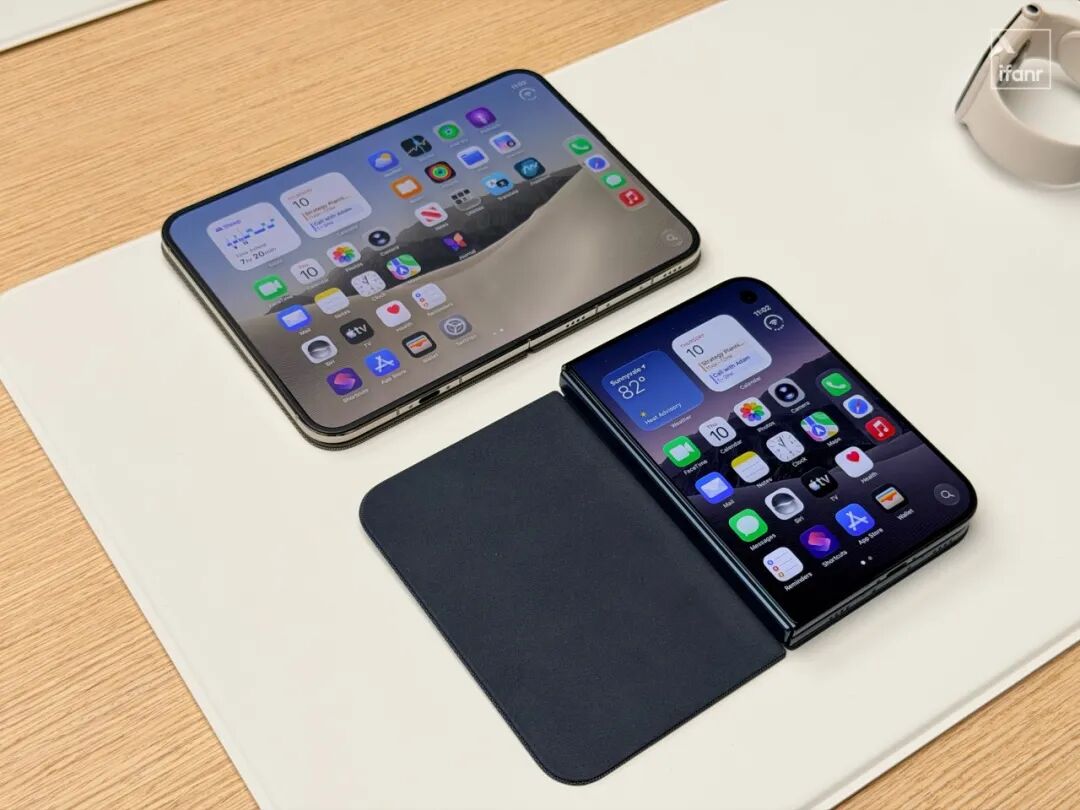
This means that any user who is hesitating between two iPhones of different forms will inevitably go through a long one-month decision-making period.
As a foldable phone that "arrives seven years late", is the iPhone Duo worth such a long wait? From our experience and observation, it is really worth the wait.
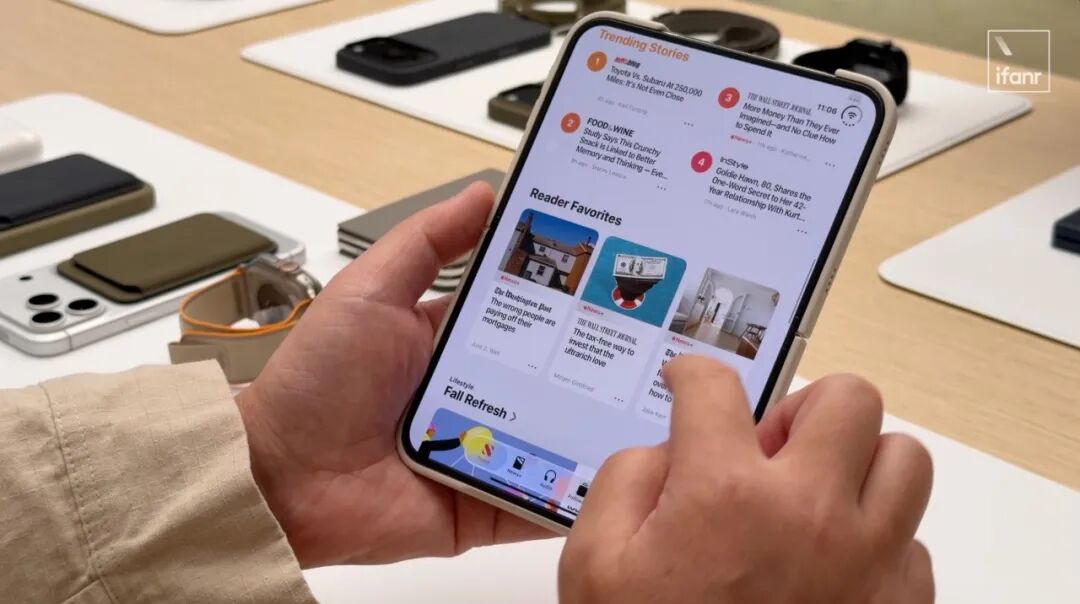
For a foldable phone, the first thing all people care about is of course its inner screen design and crease control —
And in these two aspects, we can see some "small clever designs" on the iPhone Duo that are similar to the style of the original iPhone back then.
The biggest and most iconic feature of the iPhone Duo is that it uses a "nano-textured surface" on its 7.6-inch inner screen:
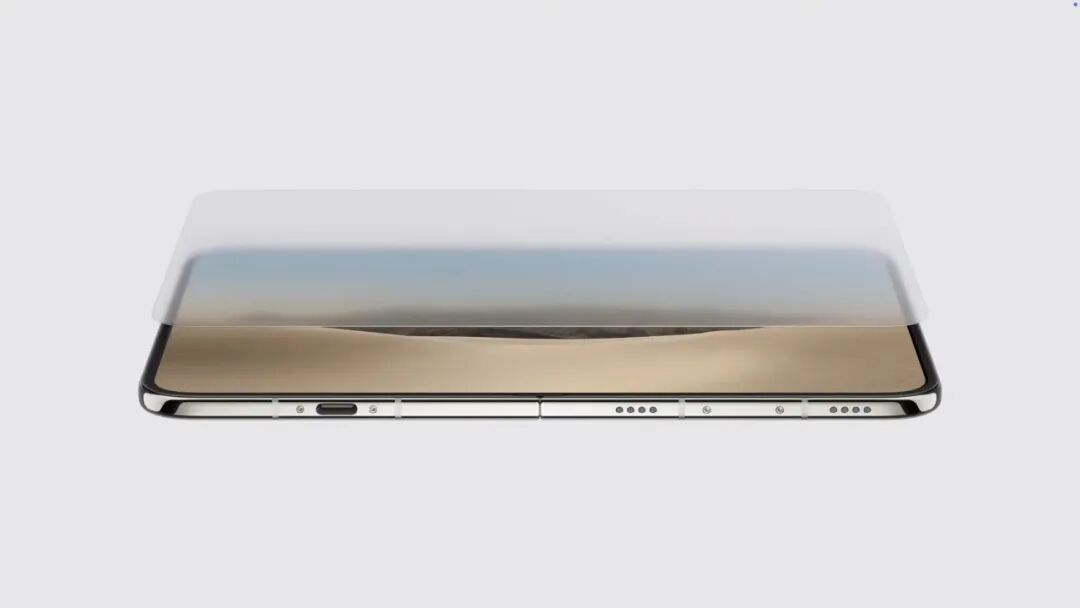
Photo by Apple
To put it simply, the iPhone Duo is a foldable phone that comes with a matte screen as factory default.
According to our actual experience at the launch site, the "nano-textured surface" of the iPhone Duo is not the same thing as the "nano-textured glass" on Studio Display and iPad Pro.
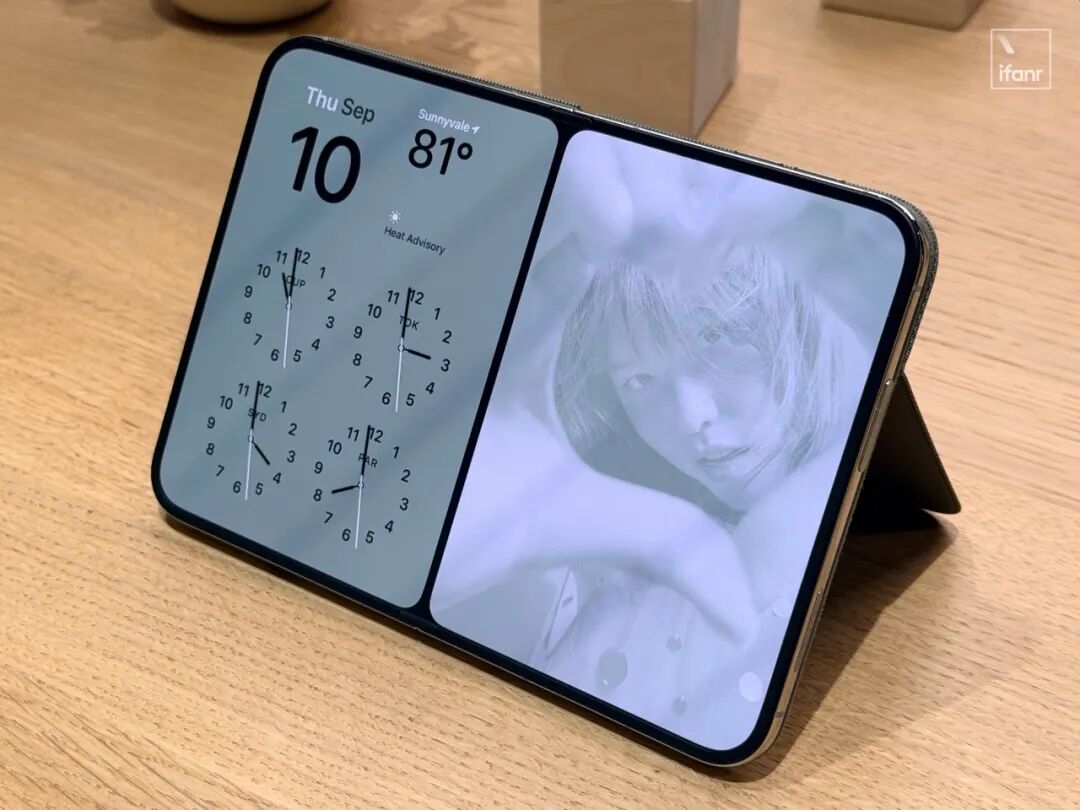
That means, although the actual visual experience of the iPhone Duo is better than most third-party matte soft films on the market, it still faces the same challenges of durability, scratch resistance and delamination as ordinary screen protectors.
But it is undeniable that the matte inner screen of the iPhone Duo, from a perspective that few manufacturers are willing to try, greatly reduces the visibility of screen creases —
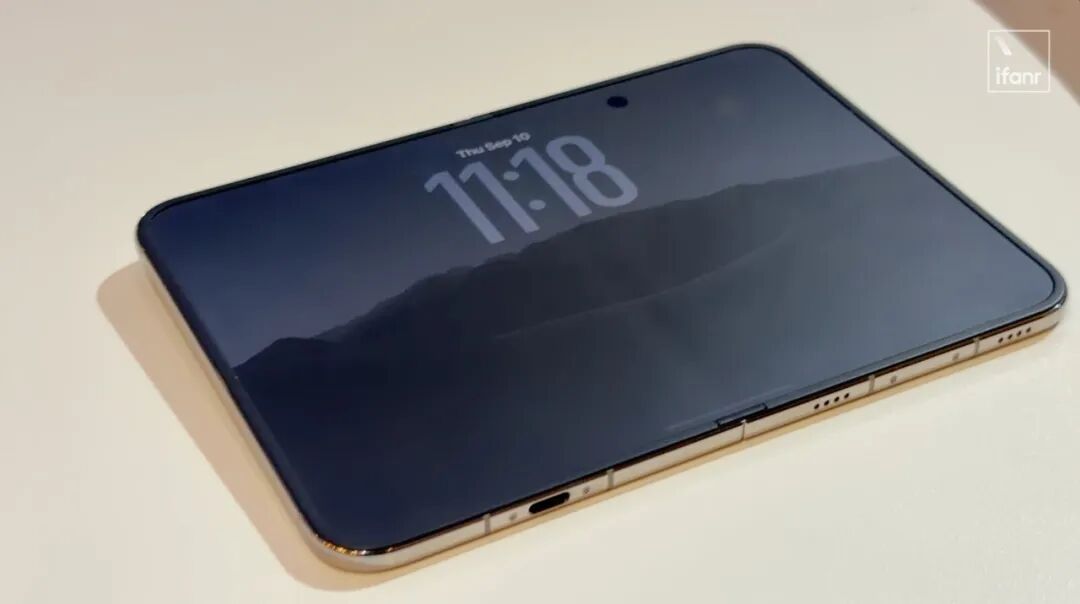
Even a strong company like Apple cannot break the laws of physics, but it can use unique hardware design to turn the original disadvantage into a special selling point of the product, and this product logic is very "Apple-style".
In addition, the iPhone Duo also goes against the trend and uses an under-display camera (UDC) on the inner screen, trying its best to create an undisturbed full-screen experience:
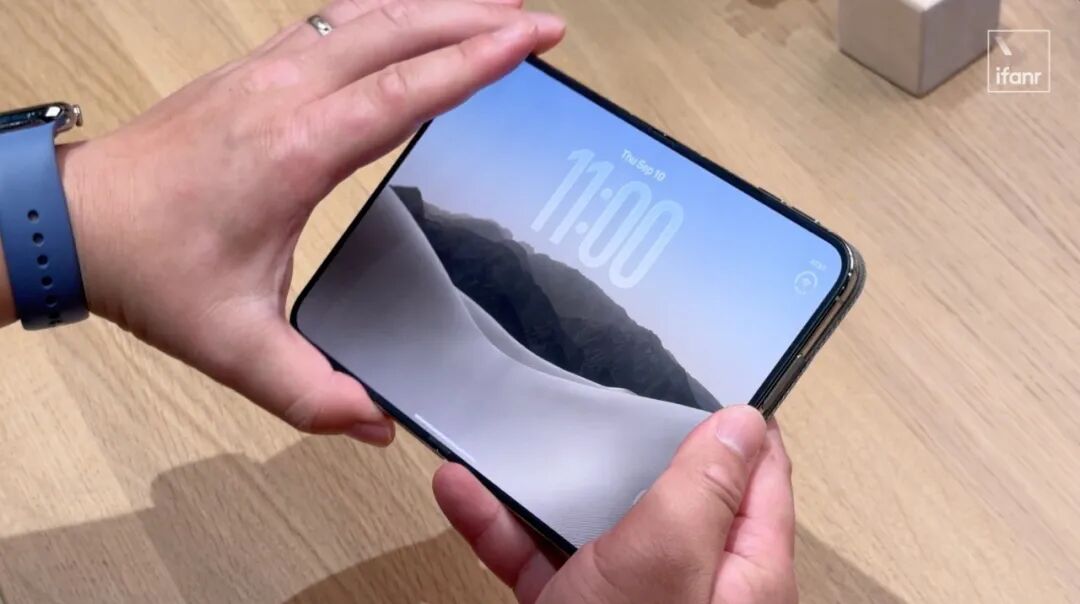
According to our experience, the UDC of the iPhone Duo has reached a "quite immersive" level:
You can notice its existence if you stare at it carefully, and you can also feel it when you touch the screen, but it is unnoticeable enough in most daily scenarios.
However, for the sake of image quality, the nano-textured surface of the iPhone Duo does not cover the UDC area, so under specific light angles, you can clearly see a round hole, which slightly reduces the immersive experience:
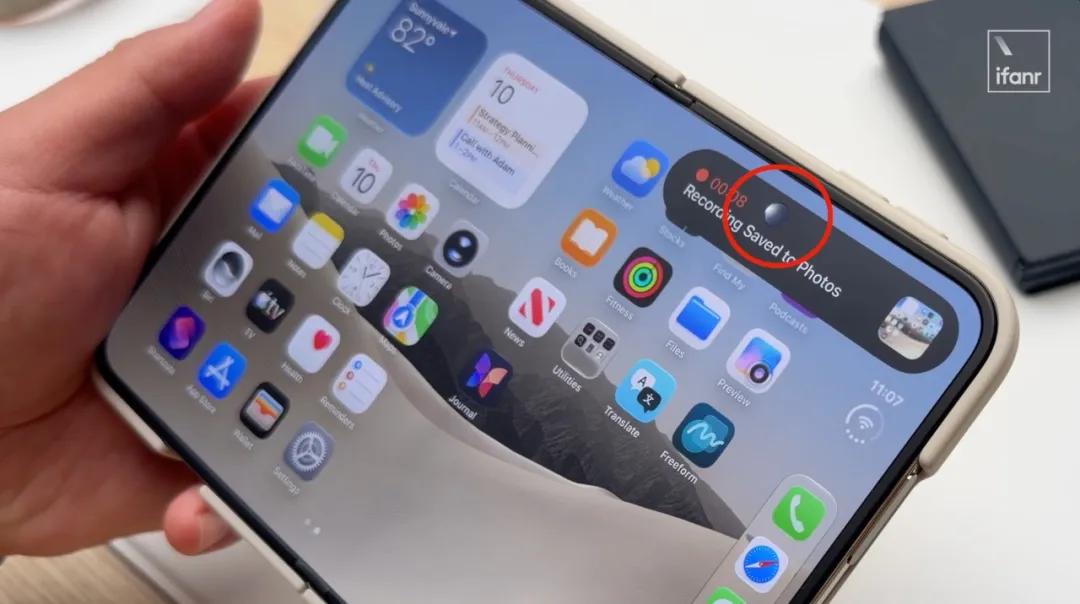
And the front camera image quality of the iPhone Duo is still limited by UDC — the maximum resolution is only 1080P, and there are unavoidable flare and over-sharpening phenomena, which is only good enough for making video calls at most.
We must say objectively that after seven years of development of Android foldable phones that have tried all possible forms, the iPhone Duo actually has no "breakthrough" in overall hardware, its real advantage still lies in the combination of software and hardware.
And the software of the iPhone Duo does provide some novel solutions that have never been seen in the past seven years.
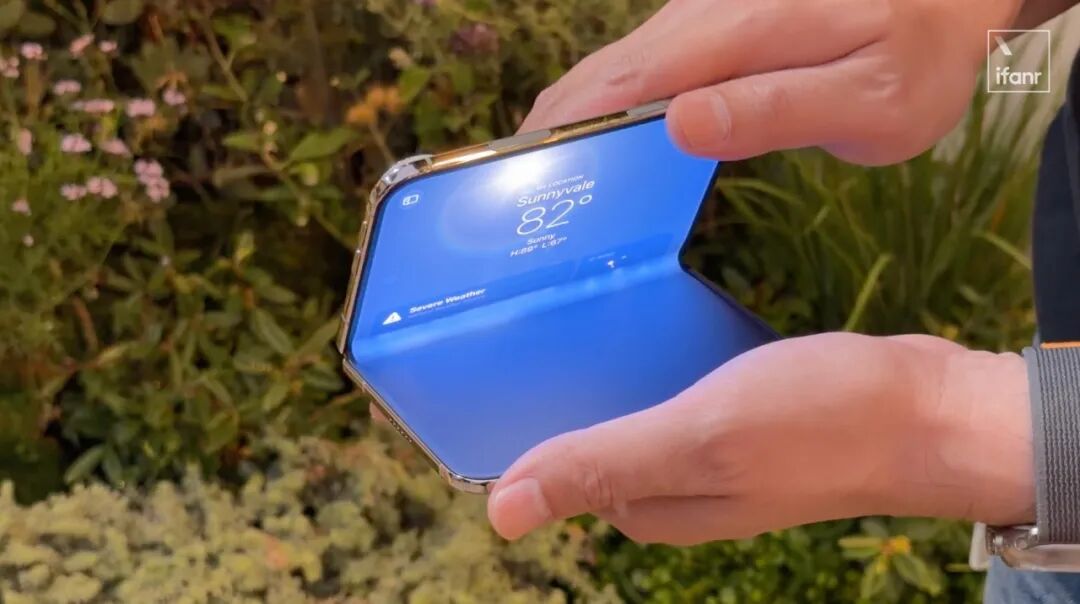
In addition to the highly concerned opening and closing transition animation that "breaks the boundary between screen content and the real world", the truly unique feature of the iPhone Duo actually lies inside the iOS 27 system.
Simply put, the iPhone Duo changes the default orientation of the entire mobile system from the conventional portrait to landscape, to maximize the use efficiency of this large foldable wide screen:
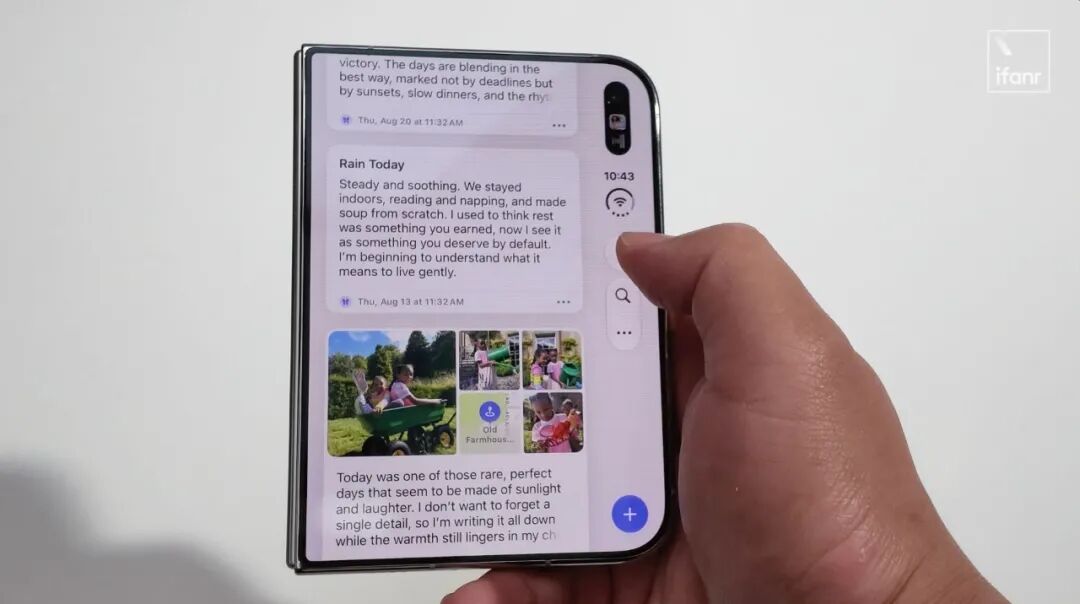
This refers not only to the brand new status bar and dock bar, but also to the main control buttons, menus and priority operation logic of all iOS first-party and third-party apps.
According to the updated tutorial on the Apple Developer website, combined with the new variable-distance toolbar specification announced at WWDC a few months ago, most apps that follow iOS development specifications and do not use custom unoptimized solutions can adapt to the iPhone Duo almost effortlessly.
Even, developers can also access data such as the hinge opening and closing angle of the iPhone Duo, to create different gameplay for the iPhone Duo in folded state.
For example, you can place the phone upside down on the table as a desk clock, or open and close the screen to play musical instruments, or even create a projection of the upper screen image on the lower screen when watching a movie with half-folded split screen:
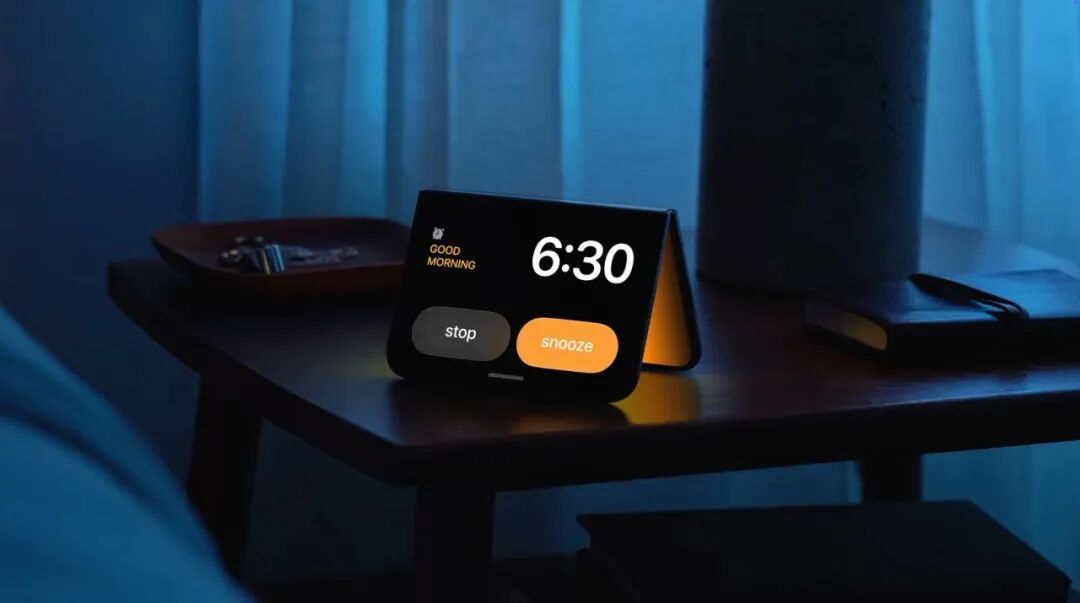
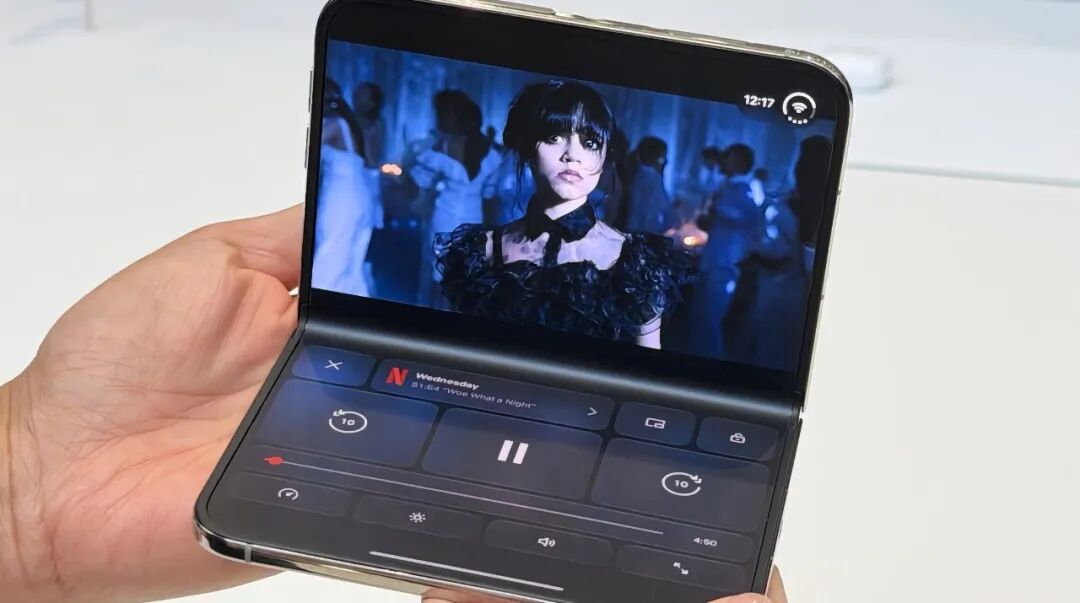
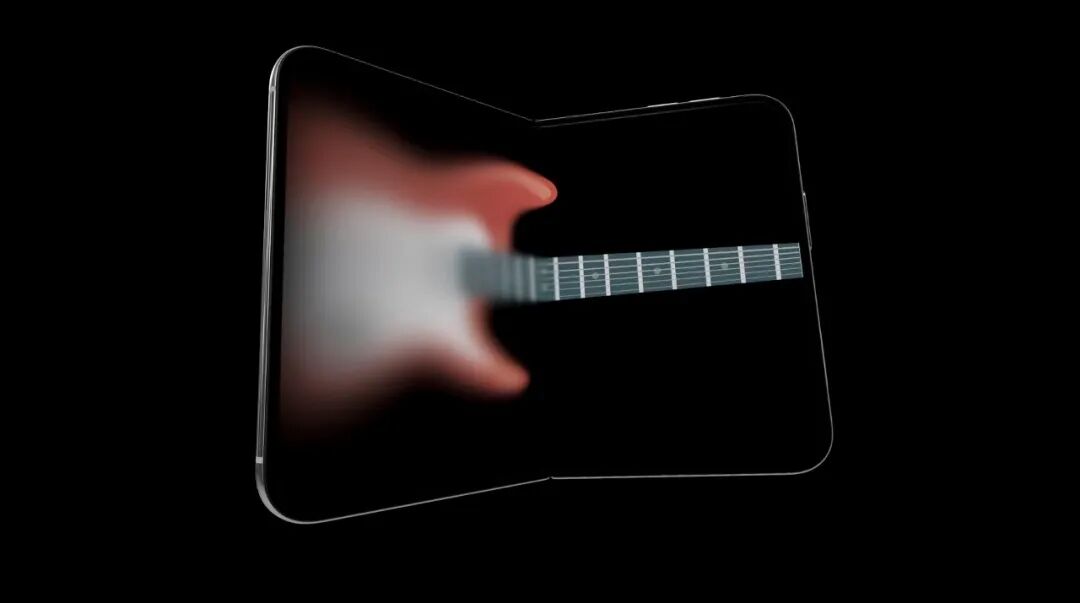
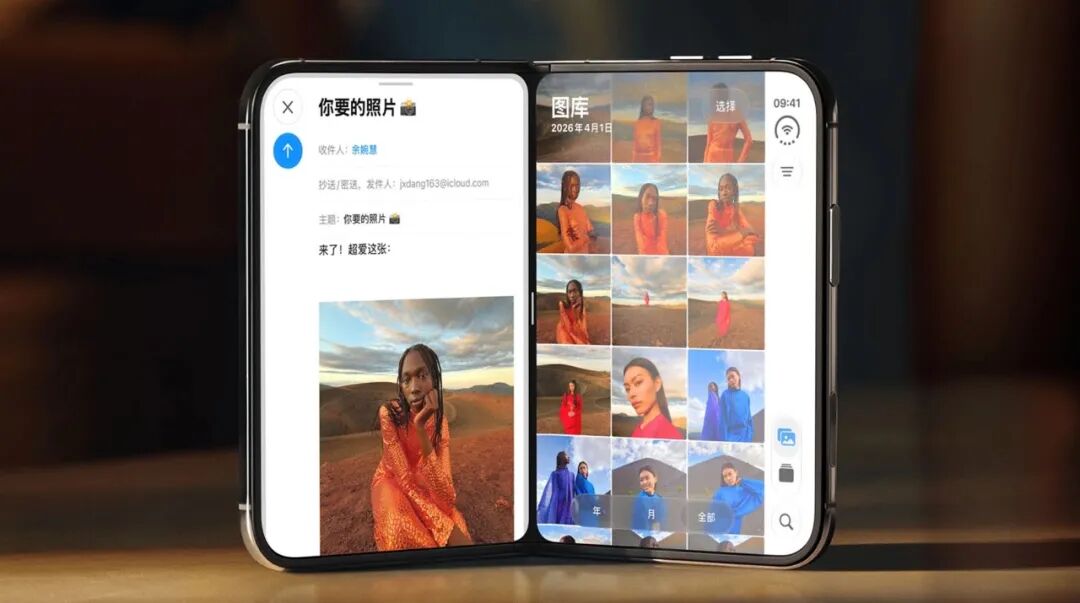
It is foreseeable that based on the foldable form, developers in the iOS ecosystem will explore a large number of novel application gameplay.
At the same time, even though the official sale will not start until October, we have seen a considerable number of mainstream global app developers announce active adaptation for the iPhone Duo, and the ecosystem appeal and control capability of iOS are still leading the industry.
And this is also the biggest significance of the iPhone Duo beyond being a new foldable phone:
As a game-changer in the foldable screen market, it puts pressure on those software manufacturers that are unwilling to adapt to wide-aspect ratio screens.
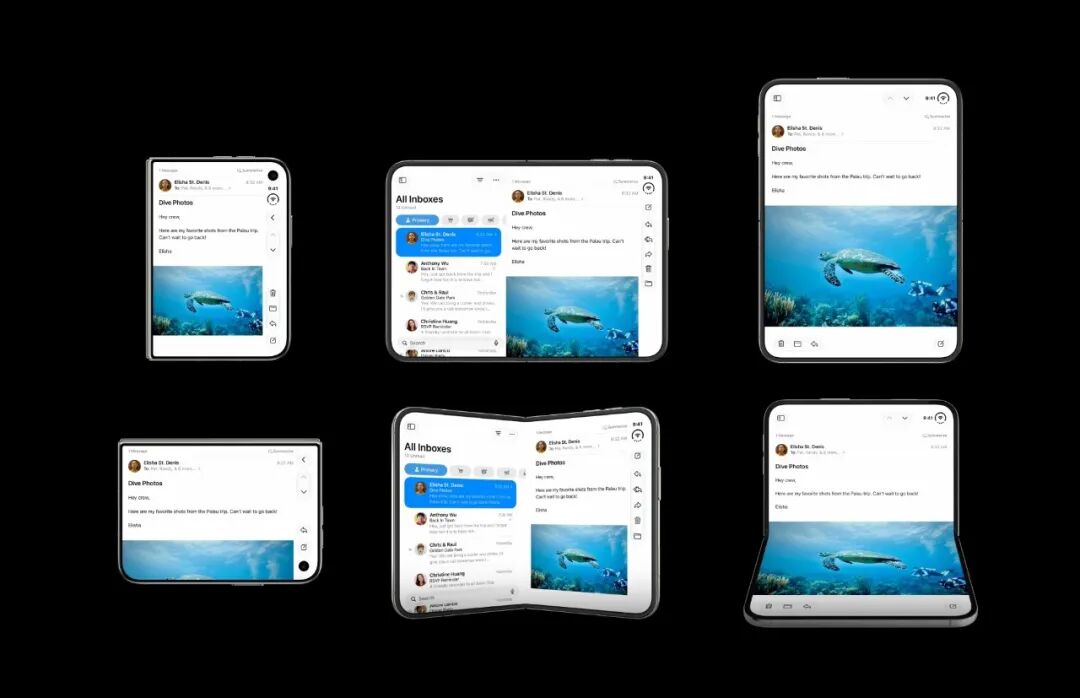
Photo by Apple Developer
But as mentioned earlier, the seven-year hardware development gap cannot be erased by a single generation of products: the iPhone Duo does not have as much potential in pure hardware capabilities as it does in software.
Take the camera as an example, the main and ultra-wide-angle sensors of the iPhone Duo are completely identical to those of the iPhone 17 in terms of parameters: dual 48MP, main camera 26mm 1/1.56 inch, ultra-wide-angle 13mm 1/2.55 inch.
