Are iPhone Duo and 18 Pro receiving mixed reviews? Everyone has overlooked these details.
There are things only Apple can do.
Most of the time, this has long been a running joke — but when we picked up this Apple-made foldable phone at the 2026 Apple Fall New Product Launch Event and unfolded it for the very first time...
It even impressed the most diehard dissenters.
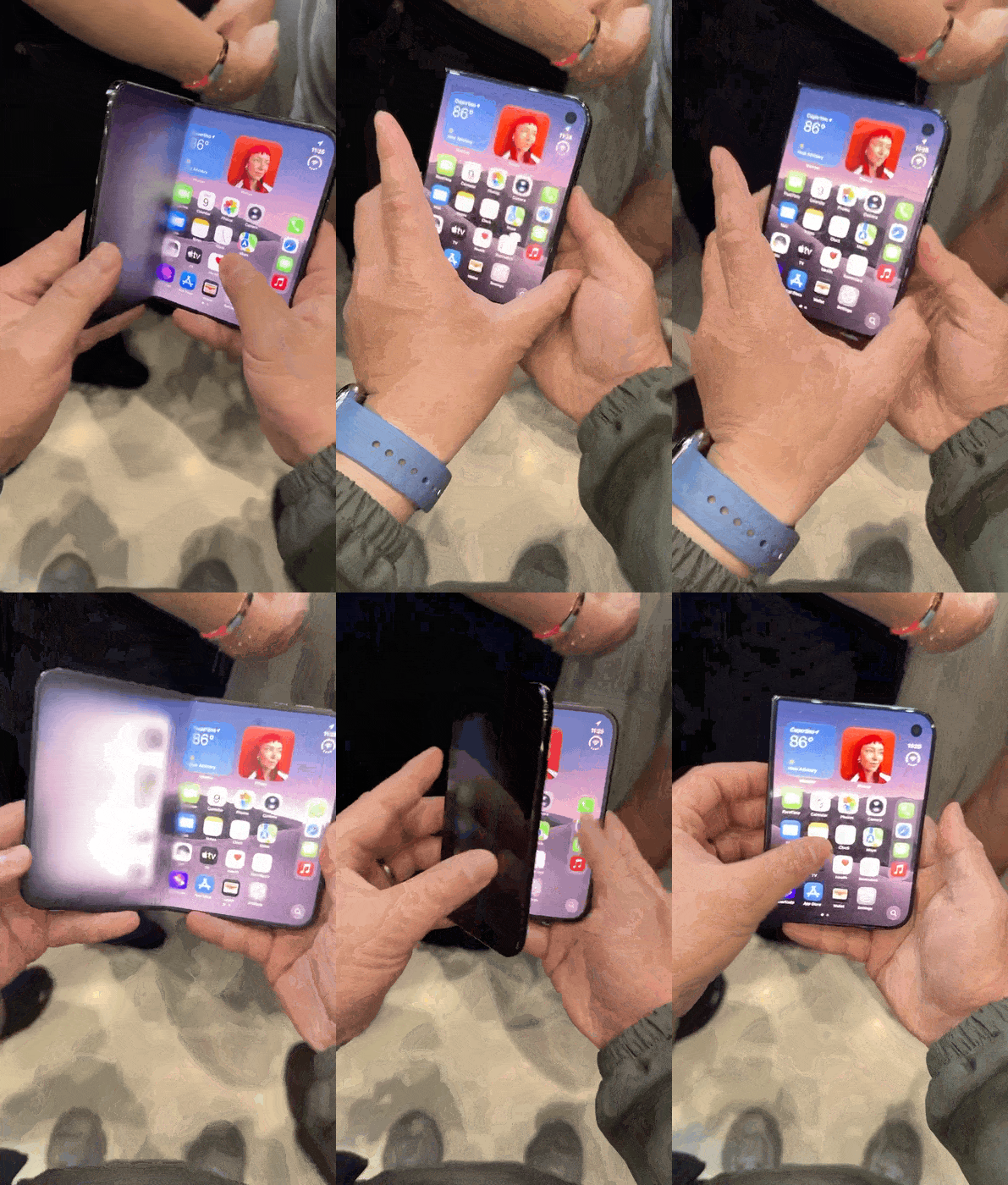
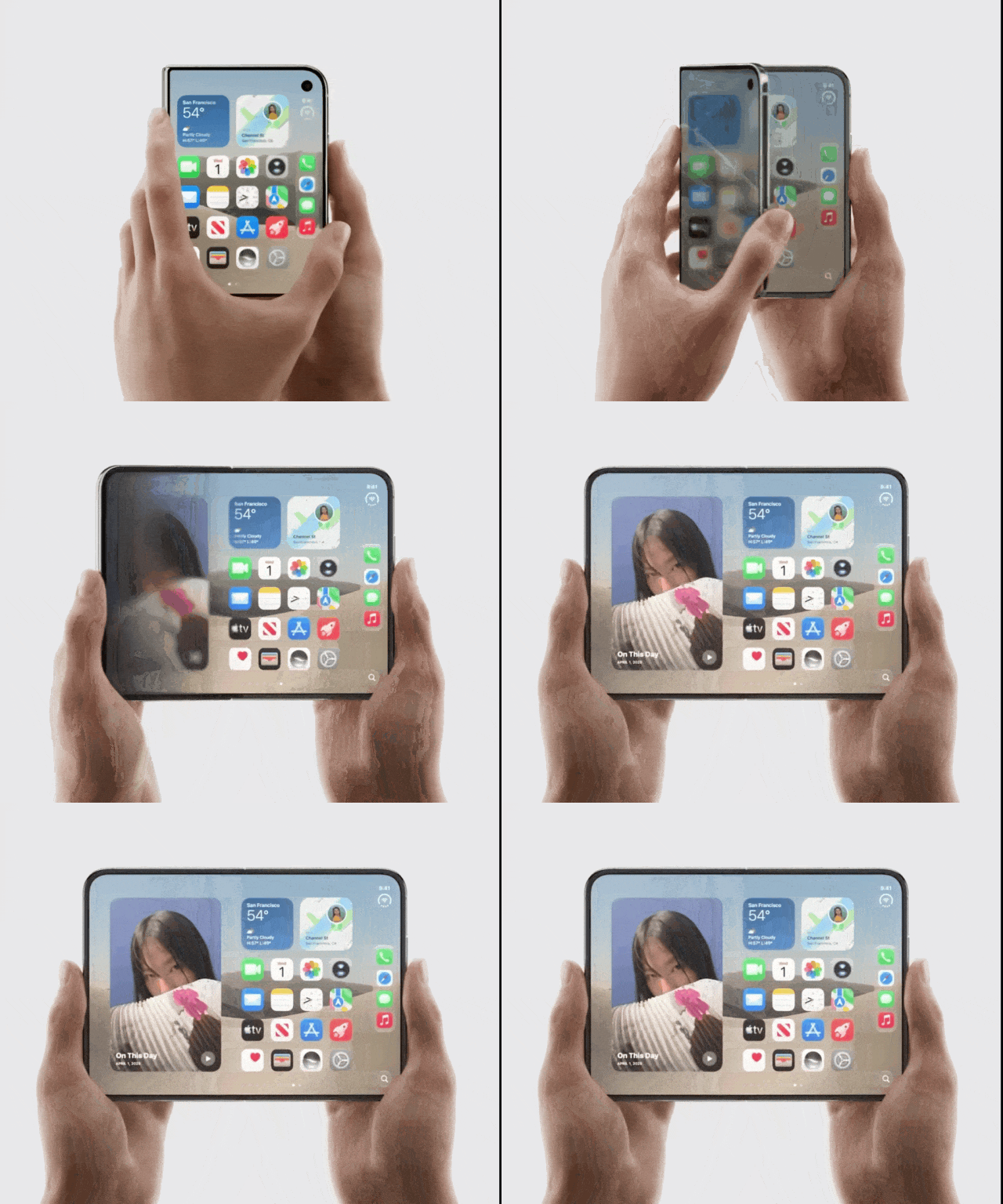
Nearly all well-established leading smartphone vendors have long completed the commercialization of foldable phones. Apple arrives fashionably late, bringing a gift after 10 years of arduous R&D. Even the single effect of virtual-real transition during the folding and unfolding process has once again proved the practical significance of the "Liquid Glass" design language.
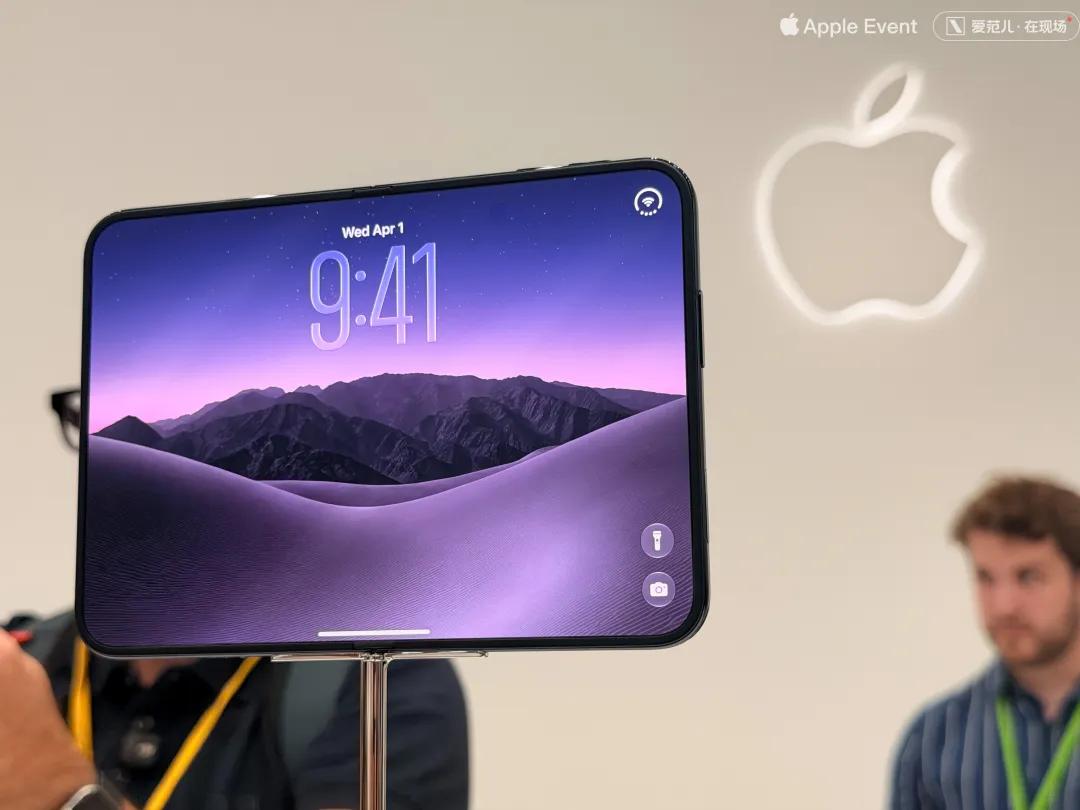
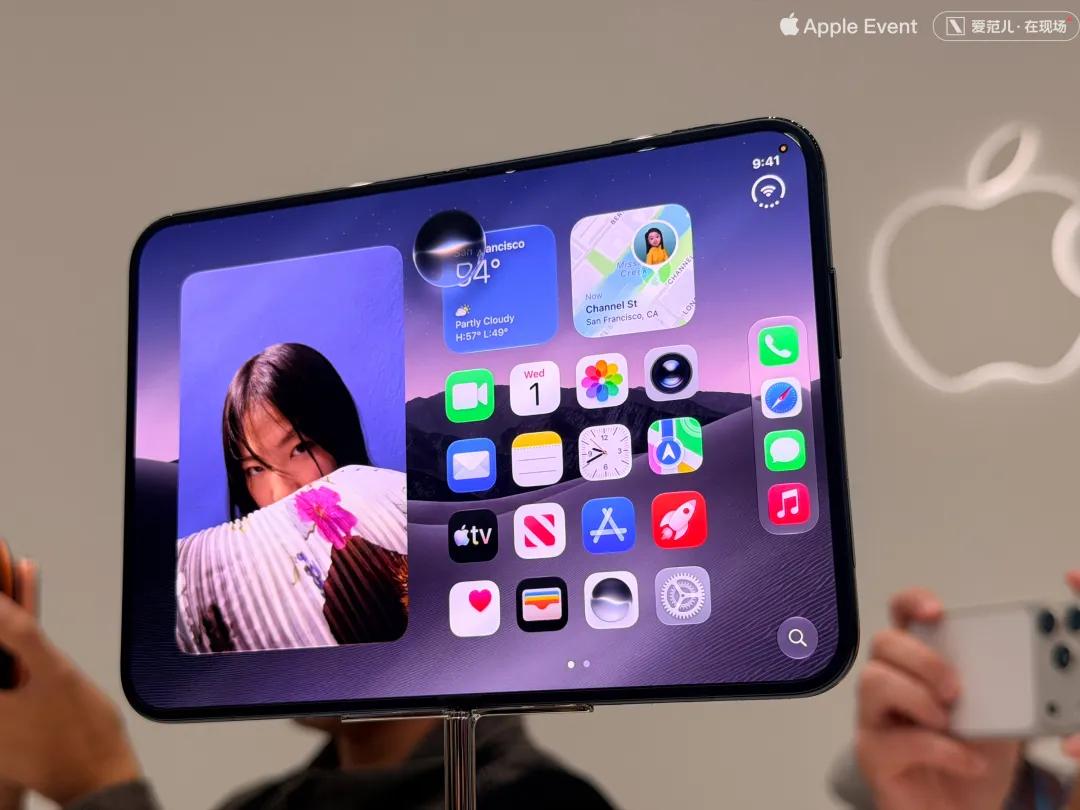
In the eyes of new CEO John Ternus, iPhone Duo is the most revolutionary change the entire iPhone line has seen since the very first generation.
Its existence not only further elevates the already relatively high-end brand positioning of iPhone, more importantly, Apple demonstrates the full potential of a device with perfectly integrated software and hardware through its extreme vertical integration capabilities.
It can be said that apart from the lack of the triple-camera setup on the traditional Pro/Max series, the iPhone Duo is an absolute flagship Apple product in every aspect.
The 7.6-inch Super Retina XDR inner display is not only larger, delivering a more immersive experience for scenarios including content consumption, gaming, and productivity work, but also features newly developed nano-texture surface technology and layered sliding structure, which minimizes creases on the inner screen while offering a unique tactile feel that no other foldable phone has ever had.
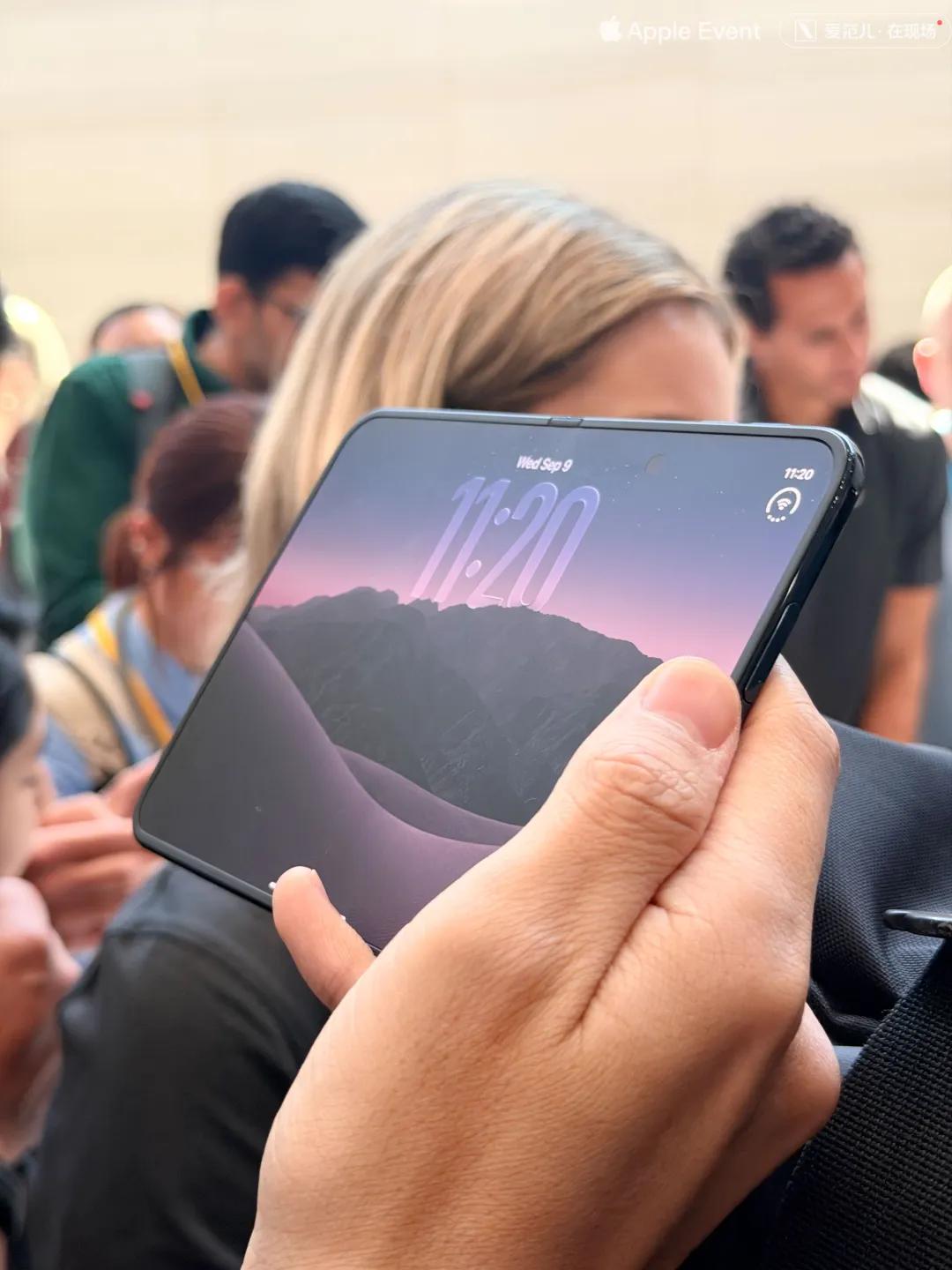
It is also worth mentioning that the inner screen of iPhone Duo adopts an under-display single-lens camera solution. In a way, it can be regarded as the first true "all-screen" iPhone since Apple entered the bezel-free era. You can catch a faint glimpse of the under-display camera in the image below.
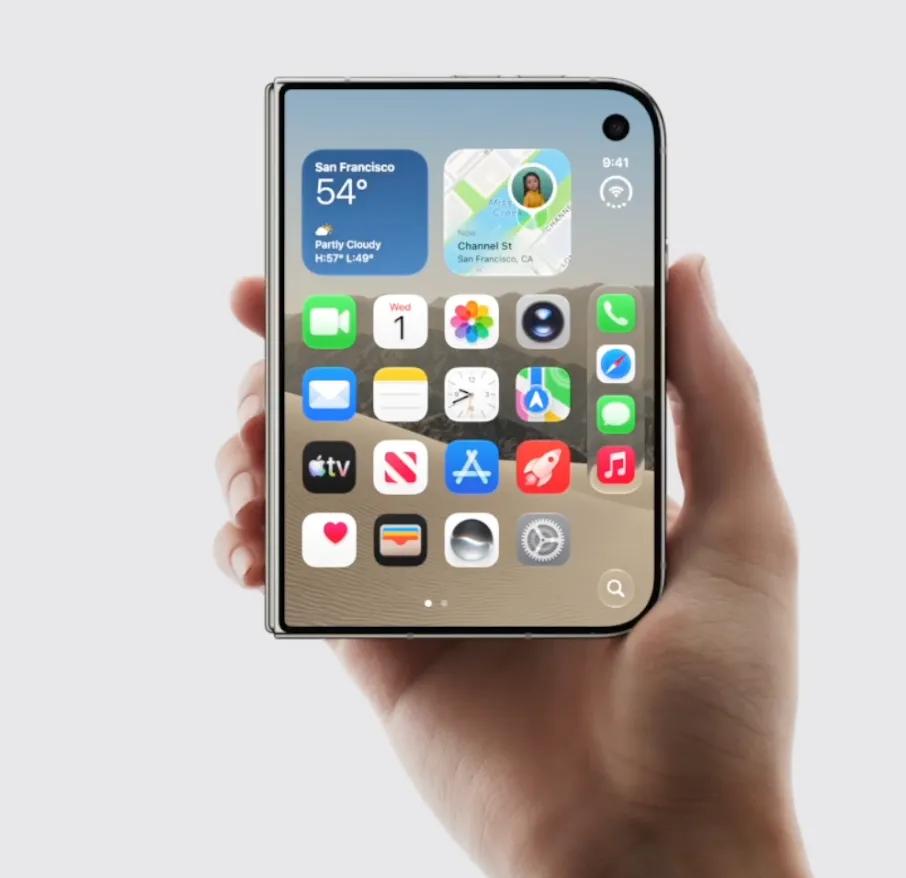
In terms of human-computer interaction, Apple has "rotated 90 degrees" the foldable phone operating system, placing core interactive components such as the dock and status bar vertically, so that the daily operation of the iPhone Duo — which is thick when folded and more like a tablet when unfolded — will not strain the palm of your hand like a large-screen bar phone does.
However, considering that the back operation of classic iOS is on the left side (including buttons and screen edge gestures), while core operations on the Duo are all placed on the right, left-handed users and those who are used to carrying their phones in their left pockets may need to readjust to get used to the Duo.
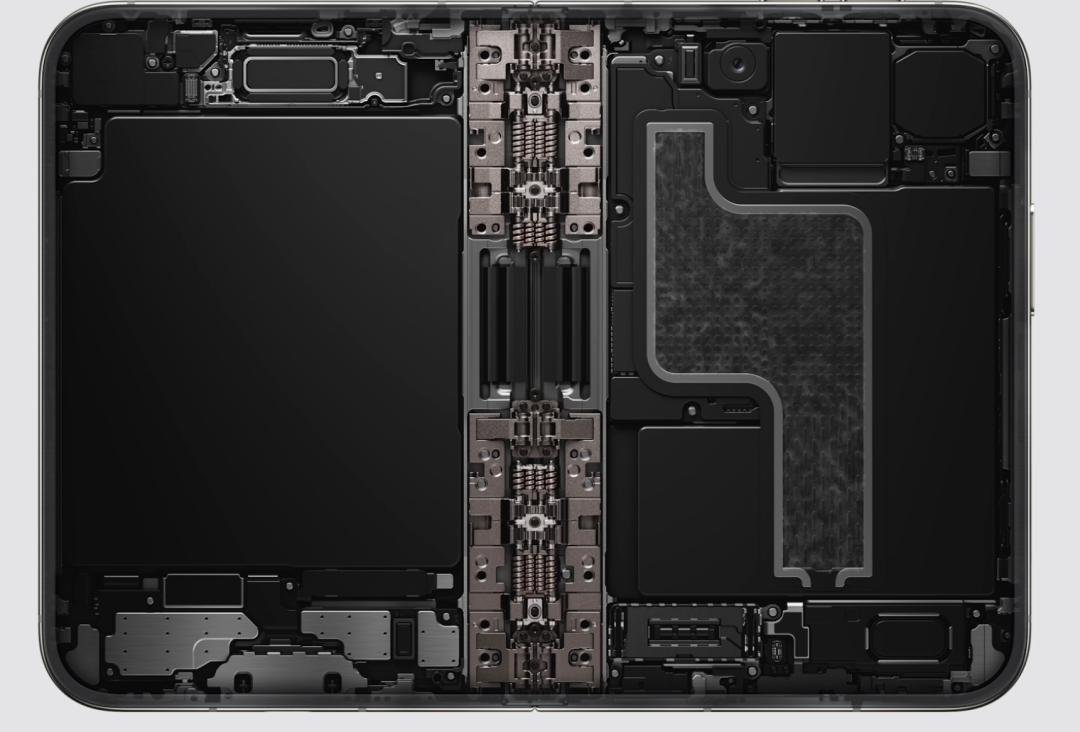
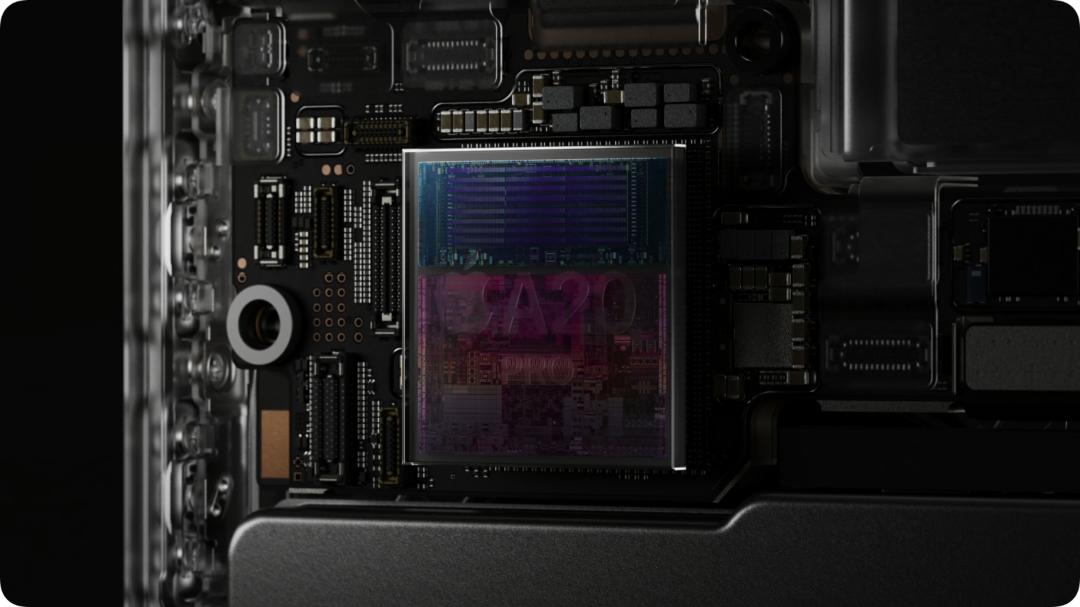
In terms of hardware configuration, the iPhone Duo uses the same A20 Pro chip as the iPhone 18 Pro/Max series, but its VC vapor chamber is directly connected to the chip package, which shares the same design logic as Apple's desktop M-series chips — this so-called "direct connection" approach is very interesting, and we will elaborate on it when we talk about the iPhone 18 Pro/Max.
Unfortunately, if you are already planning to be one of the first batch of users, you may have to relive the experience of the iPhone Air Chinese mainland version: the iPhone Duo adopts a pure eSIM design worldwide, which means you will inevitably have to frequently visit the business halls of the three major telecom operators during use.
The starting price of iPhone Duo is 15,999 RMB, with 256GB, 512GB, 1TB and 2TB storage options, available in two color schemes: Starlight White (classic silver) and Night Sky (the deep blue of the iPhone 17 Pro series). Pre-orders open at 8 PM on October 16, and official release is on October 23.
iPhone 18 Pro Series: Further Upgraded Performance and Imaging, Worth the Premium Price
In the comment section of ifanr, the iPhone Duo has received mostly positive reviews overall, but it has mixed reviews across the public internet. Foldable phones still need time to become mainstream, and the iPhone 18 Pro and 18 Pro Max will still be the go-to choices for users looking for a major device upgrade.
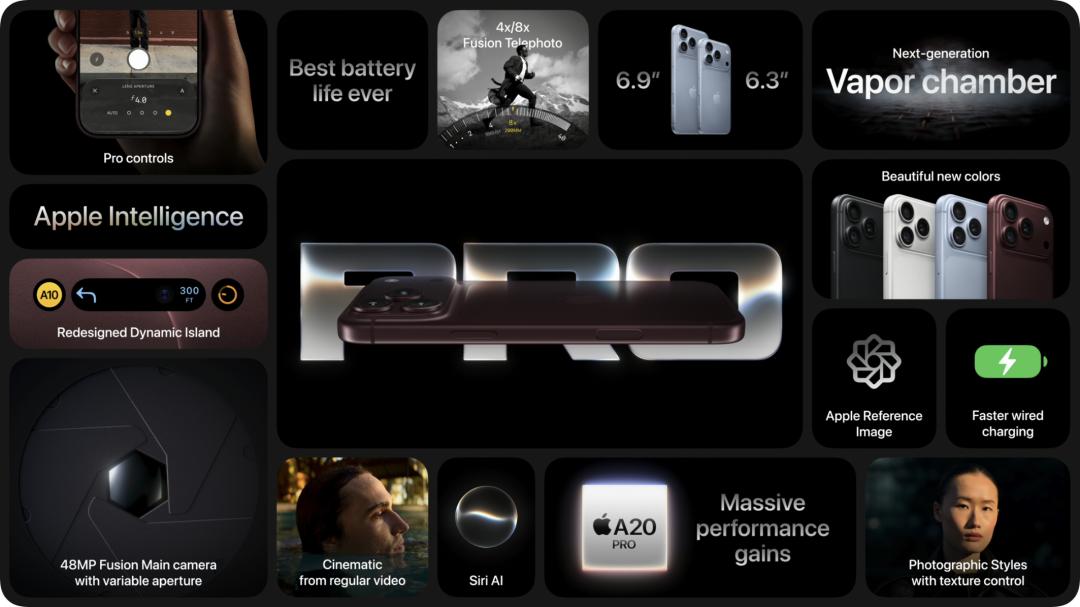
The upgrades for the two new models this year are concentrated in imaging, performance and battery life.
The biggest imaging change is that both models have added a mechanical variable aperture to their main cameras, supporting four levels of adjustment: ƒ/1.48, ƒ/1.8, ƒ/2.8 and ƒ/4.0.
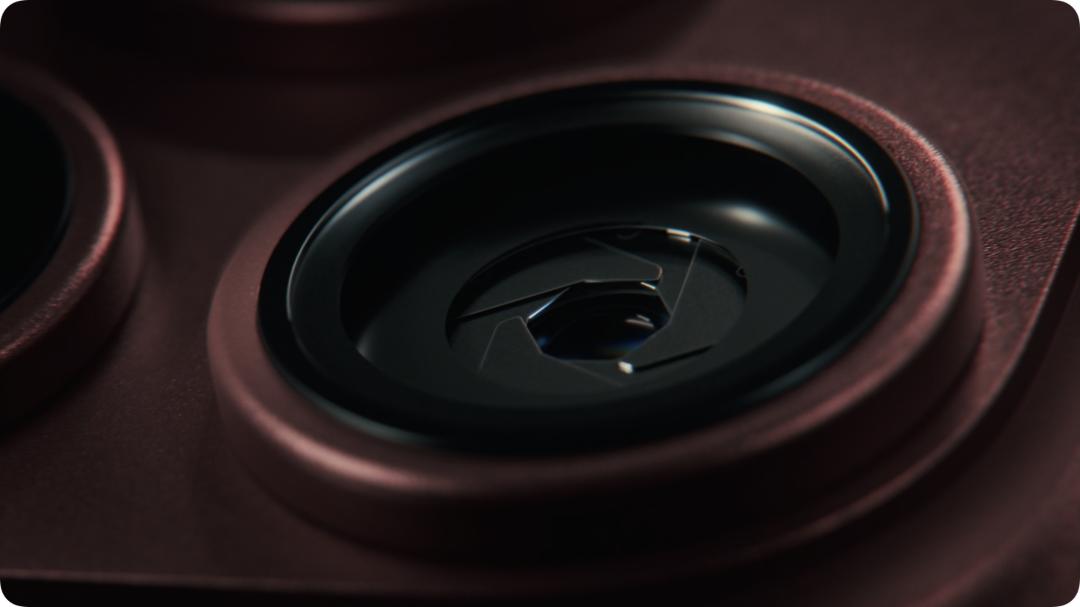
Opening the aperture wider increases light intake, shallowens the in-focus area, significantly enhances optical bokeh, and delivers a genuine bokeh effect that is far more "real" than the algorithmic bokeh effect of previous iPhone cameras;
Closing the aperture smaller increases the depth of field, making both near and far subjects sharp, giving photographers more control over the frame.
For example, in Apple's demo and our hands-on experience at Apple Park, we found that shooting point light sources at ƒ/4.0 can already produce a very obvious starburst effect. It is also easy to imagine that when taking night shots, you can make full use of the image stabilization capability, use a small aperture + long exposure to get both starbursts and light trails.
You can use the more complete "Pro Controls" (a full set of professional options) to manually adjust the aperture, shutter speed and white balance, and judge the exposure through the histogram.
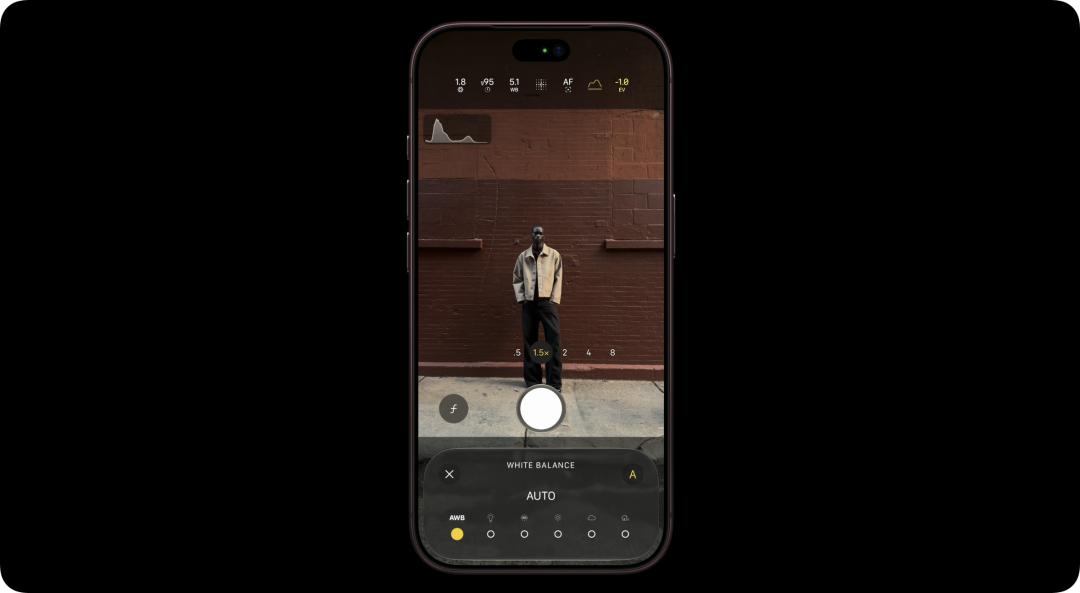
From the lens to the operation logic, Apple has handed over more creative control to the photographer.
In terms of appearance, the flamboyant "Cosmic Orange" is gone, and the new color options include Burgundy Red, Glacier Blue, Silver and Black, which are more understated overall, while the monochromatic glass back panel also reduces the two-tone design of the previous generation.
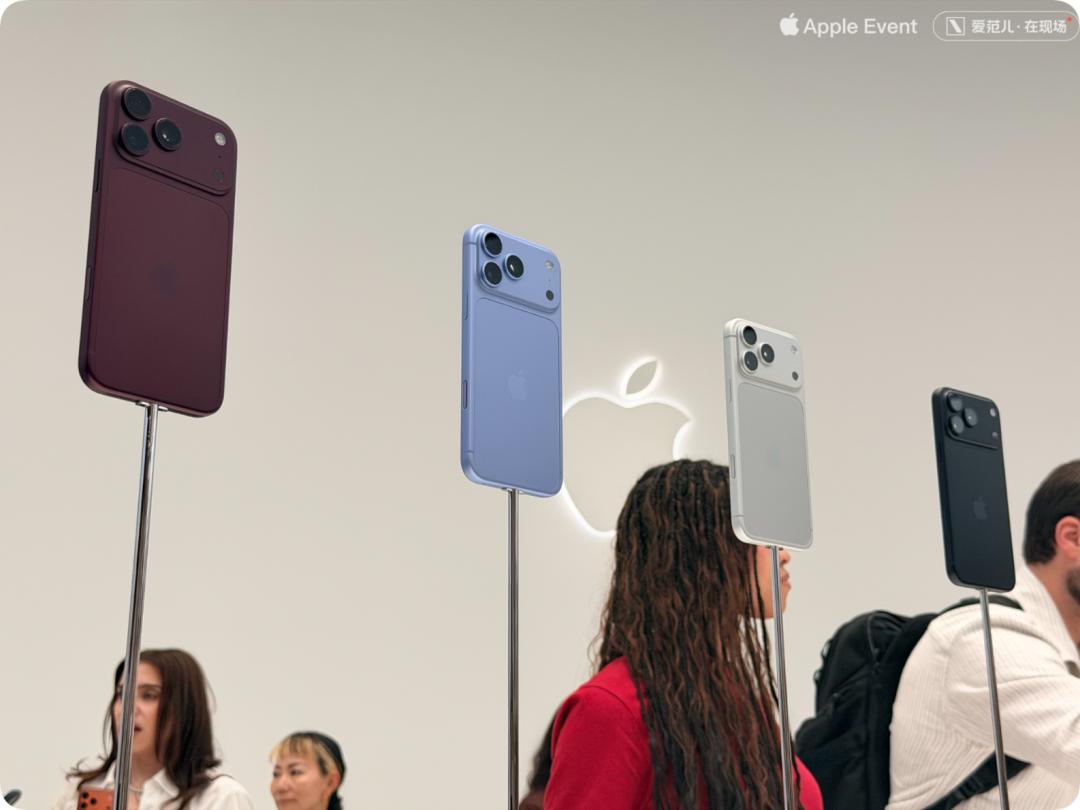
The body continues the previous generation's unibody aluminum metal design and horizontal camera platform. The screens are still 6.3 inches and 6.9 inches, supporting a maximum 120Hz adaptive refresh rate and 3000 nits peak brightness.
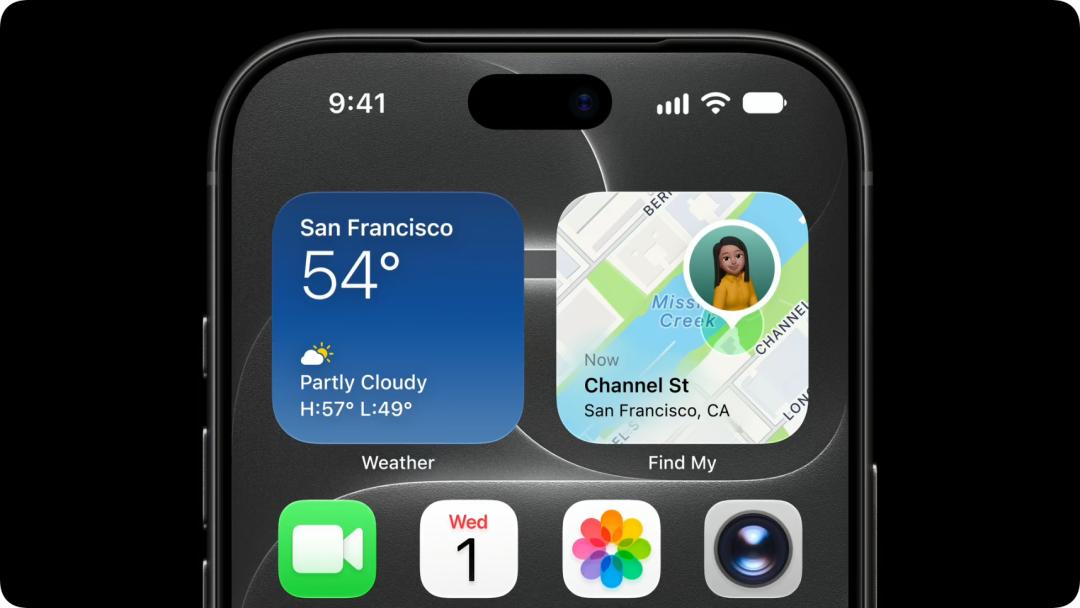
The Dynamic Island on the front is about 20% smaller in horizontal size, and supports displaying three real-time tasks at the same time.
There is a detail related to Dynamic Island: according to current hands-on experience, the original Face ID related components have been moved under the display and placed in the upper left corner of the screen (similar to the iPhone Duo, but replaced with infrared components instead of optical cameras). Based on experience and technical principles, some screen protectors without cutouts may affect the under-display infrared projection. Please wait for the subsequent in-depth review results from ifanr for more details.
Considering that the new phones have not been officially released yet but the third-party accessory market has already been pushing related products aggressively, consumers should not rush when purchasing accessories. It is recommended to wait for the accessory market to follow up and confirm the actual effect before making a purchase.
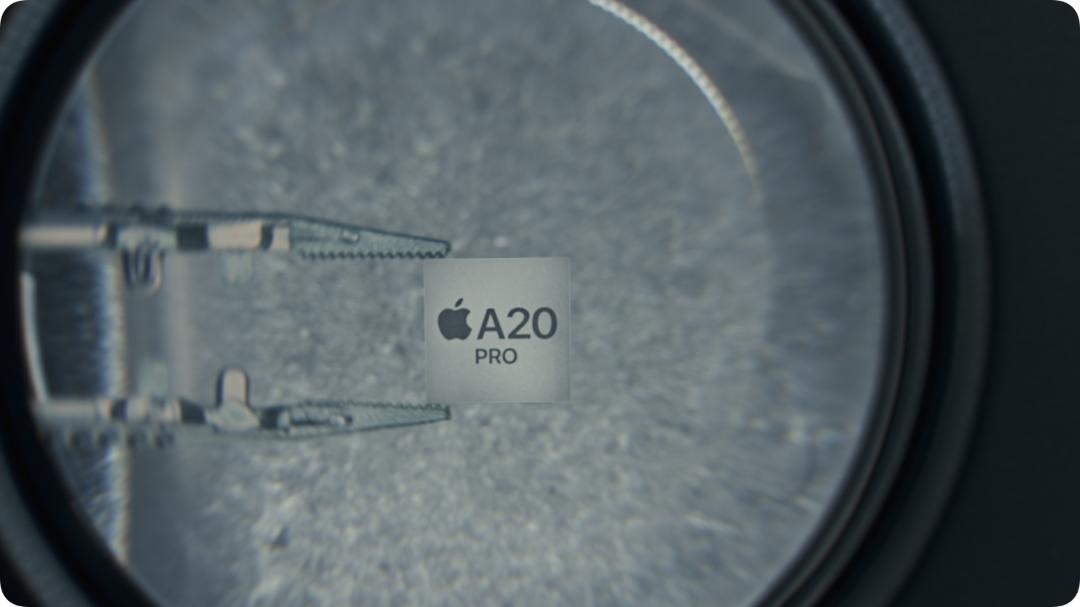
Inside the device, the A20 Pro chip adopts TSMC's 2nm process, with CPU and GPU performance improved by 20% and 40% respectively compared to the previous generation, and the new chip packaging method increases memory bandwidth by up to 50%.
The heat dissipation system is also upgraded simultaneously: The heat dissipation area of the new generation VC vapor chamber has been expanded to three times of the original size, which together with the adjusted thermal conductive materials and chip packaging, increases the sustained performance by up to 40% for a smoother experience.
As for Apple's so-called "direct connection between A20 Pro chip and vapor chamber", it is actually an attempt that Apple has made many generations of products ago.
In the past, the A-series chips were installed on the stacked logic motherboard facing the communication motherboard, with their "backs" facing the heat dissipation assembly.
Supply chain experts revealed that now the side with the A20 Pro has been flipped over, so it not only directly faces the heat dissipation assembly, making heat conduct more directly to the vapor chamber and other heat dissipation components; it also no longer faces the radio frequency chip, making the "hot spot" effect inside the device much less obvious. In addition, the expanded vapor chamber area will further reduce this effect (the actual performance is to be tested).
Both models are also equipped with Apple's self-developed C2 cellular baseband, which further optimizes connection performance and power consumption.
According to the data released by Apple, The video playback time of Pro and Pro Max reaches 36 hours and 43 hours respectively, 5 hours and 6 hours more than the previous generation; both models support fast charging that can charge up to 50% of the battery in as fast as 15 minutes.
Apart from the upgrades, the price has also gone up. Amid the storage/chip shortage, both models start with 256GB storage, which is 1000 RMB more expensive than the previous generation version with the same storage capacity:
- iPhone 18 Pro: Starting at 9,999 RMB;
- iPhone 18 Pro Max: Starting at 10,999 RMB.
Pre-orders for both models opened last Saturday, and the official release will be this Friday, the 18th.
Apple Watch & AirPods: The Next Stop of AI
Once upon a time, Apple Watch and AirPods were defined by Apple as "accessory" category products.
But this year, the critical year of Apple's transformation towards AI, these products are playing a more important role than ever before. That's right, not just the iPhone, even these former accessories will evolve themselves and become "AI hardware".
At the just-concluded fall new product launch event, Apple brought the Apple Watch Series 12, Ultra 4, and the brand new AirPods