Auctioned at a sky-high price of 45 million yuan, this "out-of-vogue fruit" is being scrambled to be added to product lines by A Little and Come Wonka.
Banana is probably the most talked-about fruit this year.
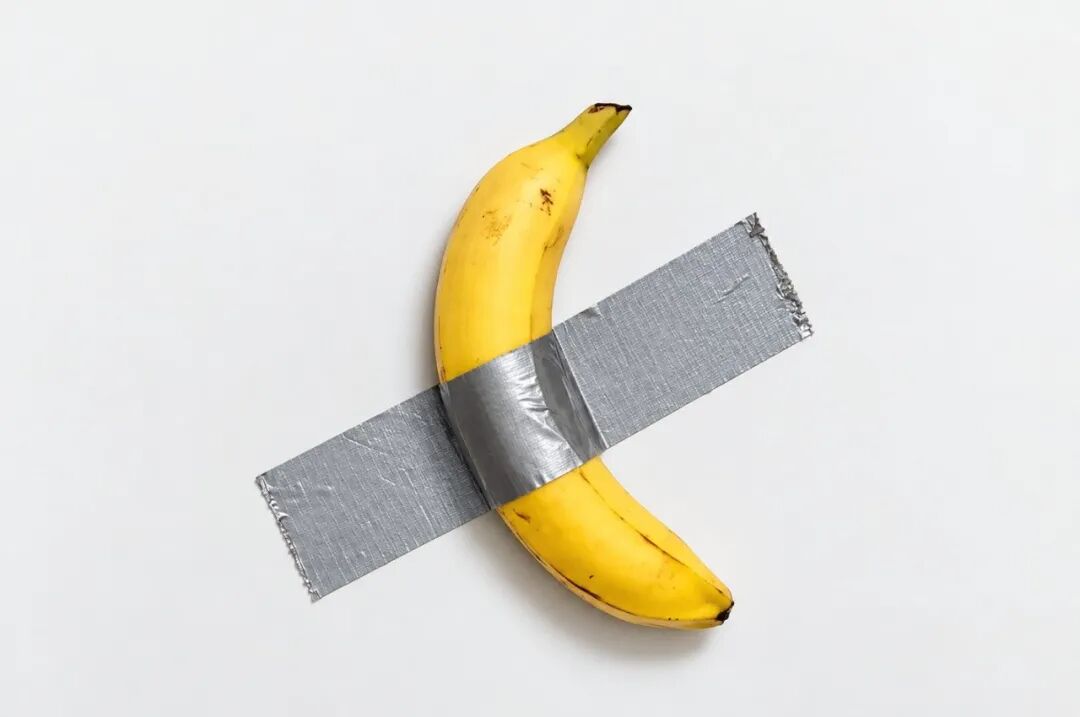
Leaving aside the banana art piece that was once auctioned for a sky-high price of 45 million yuan, the beverage industry has also set its sights on it.
The "Banana Cool" from Kawangka went viral on social media, and some people almost missed their high-speed train just to buy this drink; the banana latte from B-Star Coffee broke into the top 3 of in-store sales, while A Little, Jasmine White Tea and other brands have successively launched new banana-related products.
Will this polarizing fruit stay on the menu for good?
1
8 out of 10 sold drinks are banana-flavored
The beverage industry is suddenly fixated on bananas
In 2024, an art piece consisting of a banana and adhesive tape was auctioned for 6.24 million US dollars in New York, equivalent to about 45 million yuan. A common banana that can be seen everywhere suddenly became the focus of global attention.
Recently, beverage brands have also started to re-"design" this highly discussed fruit.
Kawangka launched the opening-limited "Banana Cool" at its first store in Nanjing, which is topped with matcha cloud foam and banana crisps, paired with refreshing milk smoothie and freshly mashed banana puree. It has won a large number of loyal fans and is now available in stores in Anhui.
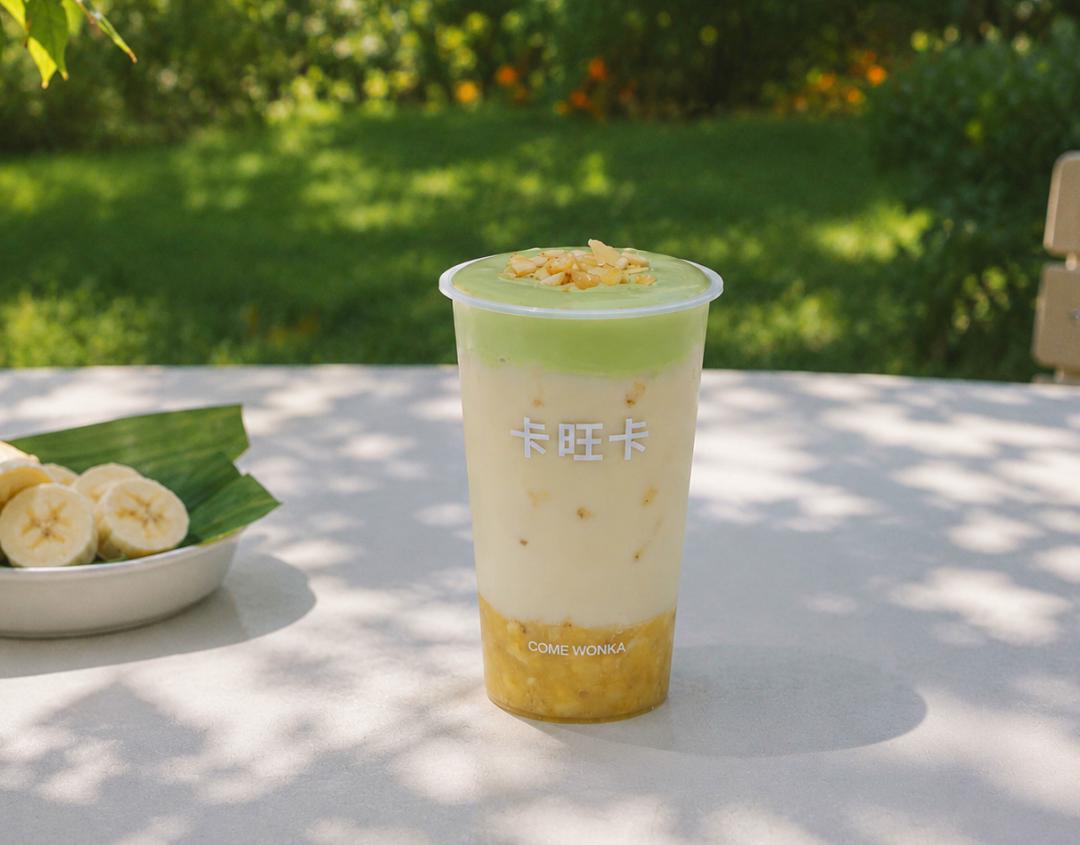
Some people posted on social platforms that in the first few days after the new product was launched, "8 out of 10 drinks made in the store were Banana Cool".
Others said that they originally hated bananas very much, but were "unexpectedly won over" by this drink: "It has no artificial flavor or raw taste, it's so good that I can drink 2 cups a day" and "Don't take it off the menu".
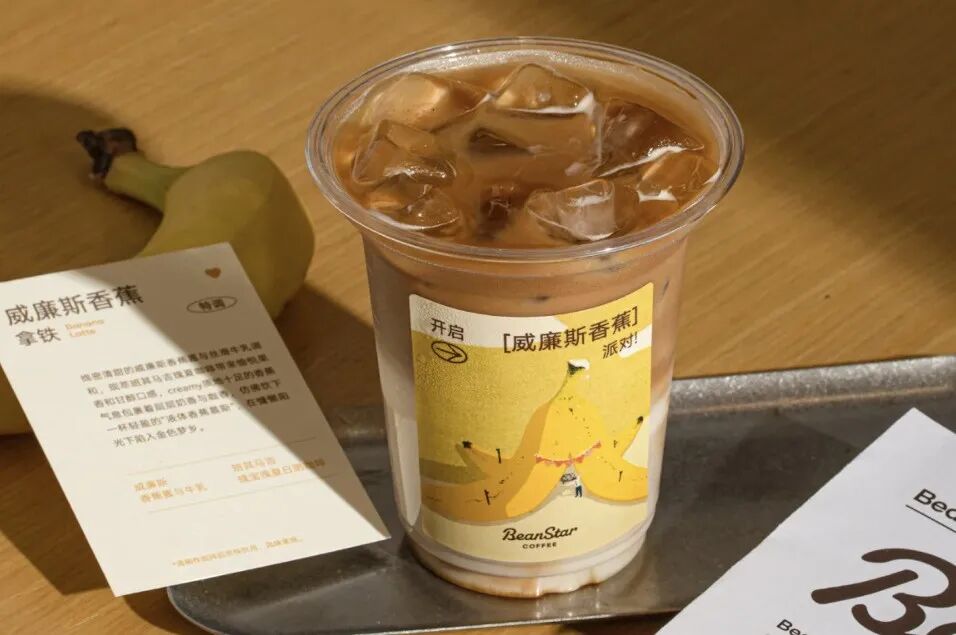
At the same time, B-Star Coffee launched the "Williams Banana Latte", which combines banana pulp with coffee and milk. Netizens described it as a light and smooth "liquid banana mousse".
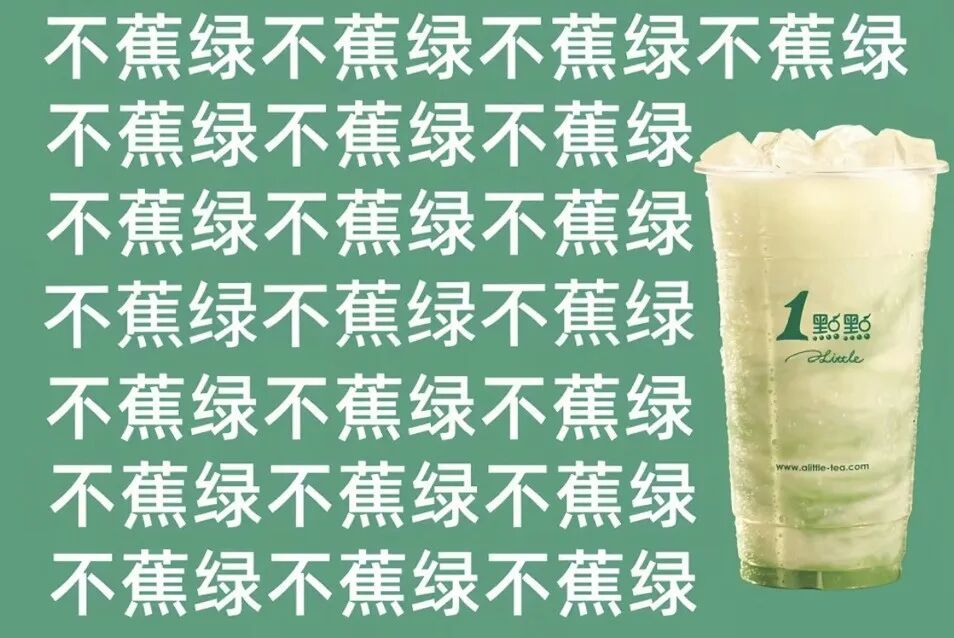
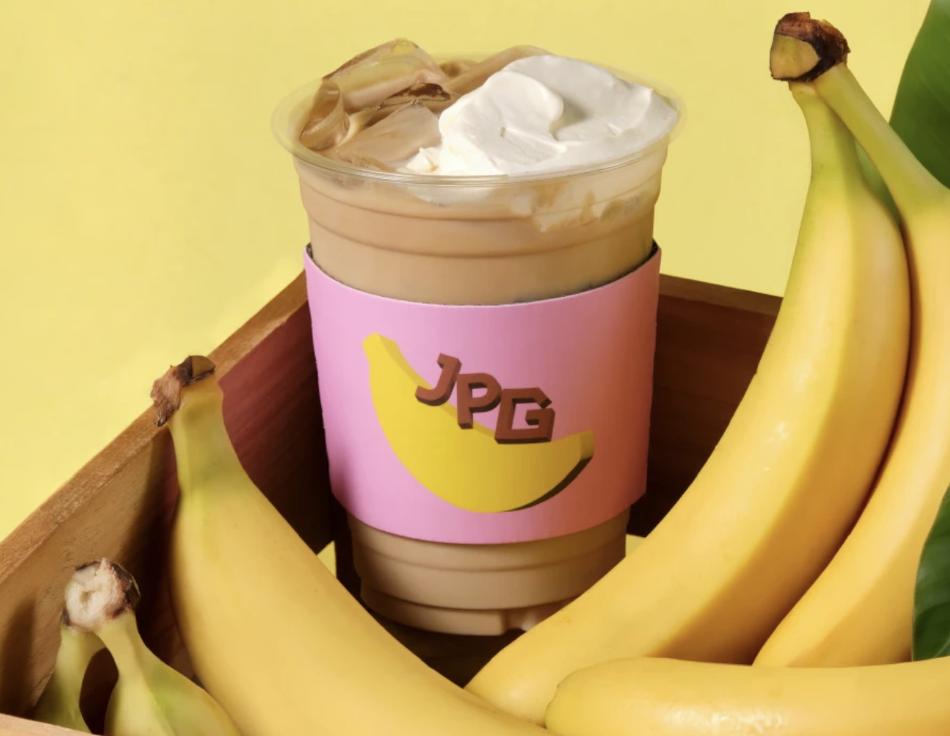
Prior to that, A Little launched "No Banana Anxiety" nationwide, which pairs banana with mint and jasmine milk green tea; JPG Coffee launched "Ben Deng Deng", which combines banana puree, coconut milk, coffee and mascarpone cheese to recreate "drinkable banana pudding".
Jasmine White Tea launched the limited-edition "Mango Banana Sticky Rice" during the 300-store anniversary in Guangdong, which was checked in by many netizens because of its exceptionally "smooth" flavor integration.
From milk tea and coffee to dessert drinks, bananas have suddenly become highly visible.
However, banana flavor is not loved by everyone. Those who love it are deeply fond of it, while those who dislike it even want to stay away as soon as they smell it. Can it occupy a place on the tea and beverage menu?
2
Brands are redeveloping banana-flavored products
What they value is more than just the "banana flavor"
1. Bananas do not need to be reintroduced to consumers, only new combinations are needed
Products such as banana milk and banana milkshakes have long established public taste awareness, and almost no market education is required.
B-Star Coffee told Kamen that the "Williams Banana Latte" ranked in the top 3 of the brand's product sales after its launch, and consumer acceptance was higher than initially expected.
Consumers are no longer unfamiliar with the combination of "banana + coffee", but they are still full of curiosity about what other combinations bananas can have.
BlackTree's "Thai Milk Tea Banana Caramel" uses banana slices, caramel crumbs and custard cream to make a cloud top, with smooth and flavorful Thai tea at the bottom, which has received numerous positive reviews.
For brands, this is a kind of "familiar yet unexpected" raw material that not only lowers the threshold of understanding, but also retains the reason for consumers to try new things.
2. Compared with fruity aroma, brands prefer the "texture" of bananas
Cheng Yao, chief R&D officer of Kamen Beverage Power Lab, said that banana is a fruit with prominent fleshy texture, and when made into puree, it can change the texture of the whole drink. Especially in smoothies, it can reduce the watery feeling caused by simply adding ice, and increase the consistency and creamy smoothness.
In the past, most brands followed this characteristic to make the drinks "thicker". Most of the new banana products launched at the beginning of the year were centered on milk blends, yogurt, lattes, cocoa and mousse, such as Mixue's banana milk blend, banana yogurt and banana latte, which mainly enhanced the milky and dessert-like feel.
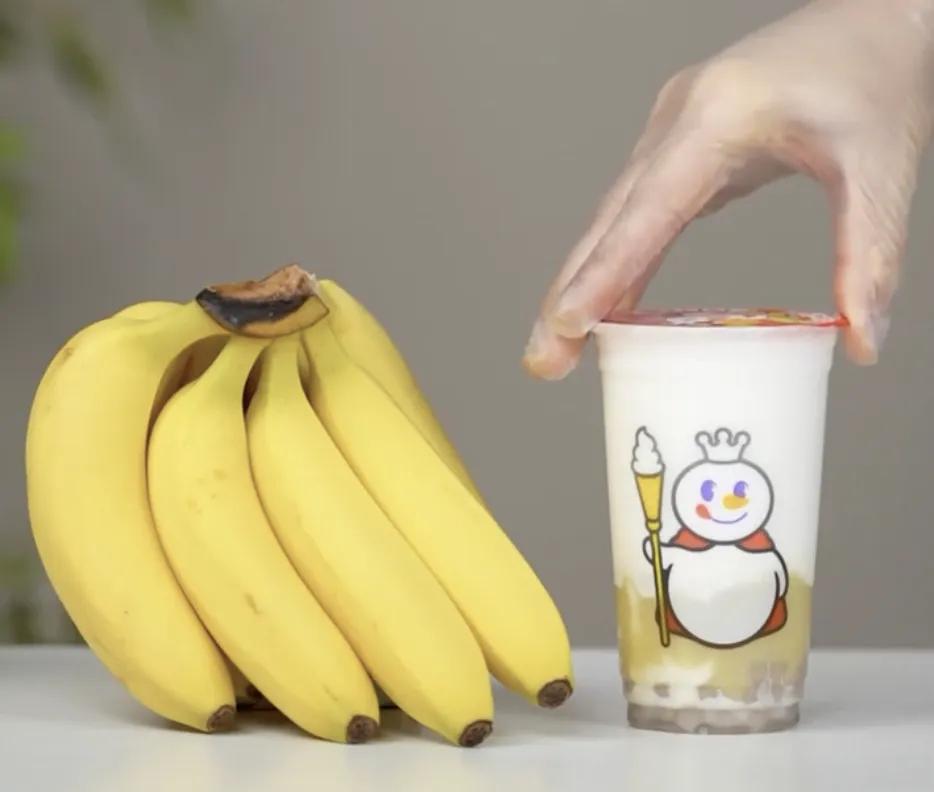
However, in this wave of new launches, brands have taken the initiative to "reduce the heaviness" of bananas, and their development routes are slightly differentiated.
One route continues to make the drinks "thicker": B-Star Coffee and JPG Coffee use coffee, milk and cheese to carry the creamy texture, while Jasmine White Tea adds mango and glutinous rice to make a drinkable banana dessert.
The other route actively makes the drinks "lighter": A Little adds mint and jasmine milk green tea, and Kawangka uses milk smoothie and matcha to balance the heaviness of banana puree.
Banana is no longer just a fruit flavor that needs to be highlighted, but also participates in the design of consistency, layers and overall taste.
3. Like the suona, the more prominent it is, the more it tests the sense of proportion
The fact that bananas can be made into either light or thick drinks does not mean that they are easy to handle.
On social platforms, netizens describe bananas as "the suona in beverages": it has extremely high recognition when it appears alone, but once it is added to complex combinations, it is very easy to overpower other flavors.
Therefore, bananas in beverage making often have fixed partners. Coffee, cocoa and matcha can use their bitter, roasted or tea notes to offset the cloying sweetness; tropical fruits with strong flavor such as mango and durian can form equally matched combinations with bananas.
B-Star Coffee also found in the R&D process that too strong banana flavor tends to create an artificial flavor, while too weak banana flavor will make the product lose its memorable feature. Its approach is to let banana take charge of the front-end recognition, milk flavor carry the creamy texture, and then coffee neutralize the sweetness in the middle and later stages.
But balancing the banana flavor is only the first step. Whether it can develop from a memorable new product to a long-term option on the menu still needs to go through multiple tests of supply chain, in-store operation and consumer perception.
3
Banana can become a hit product
But it is difficult for it to become a "basic regular product"
Apart from flavor balance, bananas also face more practical problems: how to stably appear in more chain stores.
Cheng Yao believes that from the perspective of supply chain, banana oxidation is no longer an unsolvable problem. Pre-made raw materials such as banana pulp, puree and banana milk can be pre-processed at the factory to solve the problems of browning and stability, and also reduce the difficulty of in-store operation.
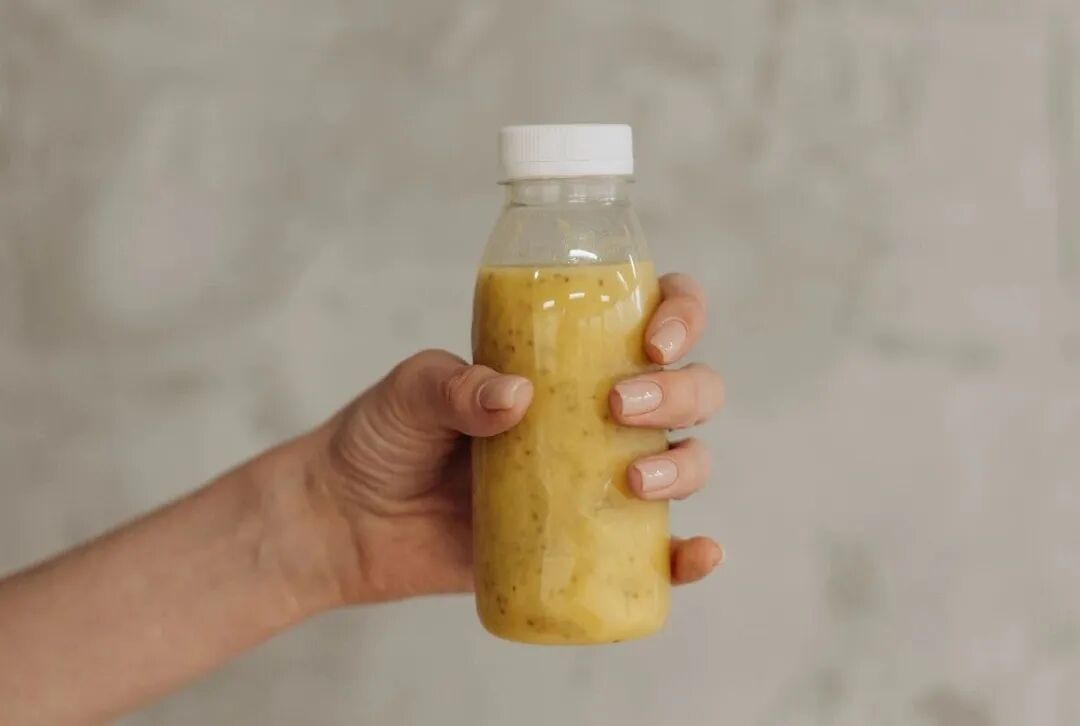
But if the brand emphasizes freshly mashed fresh bananas, the problem will reappear — bananas ripen very quickly, unripe bananas taste astringent, while overripe ones become soft and overly sweet; they are easy to oxidize and discolor after being peeled, sliced and mashed.
For chain stores, this means more complex ripeness management, higher fresh fruit loss, and unstable product color and flavor.
There are also thresholds on the consumer side.
On the one hand, bananas have healthy associations such as being a fruit and bringing a sense of fullness, but on the other hand, they come with the psychological burden of "high calorie and easy to feel greasy".
When combined with raw materials such as milk, cheese, coconut milk and glutinous rice, the dessert-like feel becomes stronger, and it is easier for consumers to classify it as a "occasional novelty drink" rather than a daily thirst-quenching option.
More critically, the high recognizability of bananas naturally screens consumers. People who like bananas will repurchase them continuously, while people who dislike them will not even click into the product details page.
This makes it easy for bananas to create a new product with very high discussion volume, but it may not be able to become a conventional fruit that covers the public like grapes, mangoes and citrus.
B-Star Coffee believes that as consumers' acceptance of fruit coffee increases, products are shifting from pursuing novel and exotic combinations to focusing more on flavor integration and daily drinkability. Bananas are familiar, creamy, and can naturally pair with coffee and dairy products, which exactly fits this trend.
An industry R&D practitioner told me bluntly: Bananas may not be able to replace mangoes and grapes, and they do not need to.
"Bananas may not be able to take the main seat in the tea beverage market, but they have the opportunity to get a long-term seat in coffee, smoothies and dessert drinks."
This article is from the WeChat Official Account "Kamen" (ID: KamenClub), written by Zi Qi, and authorized for release by 36Kr.