Bund Summit: The New AI Generation Makes Its Debut
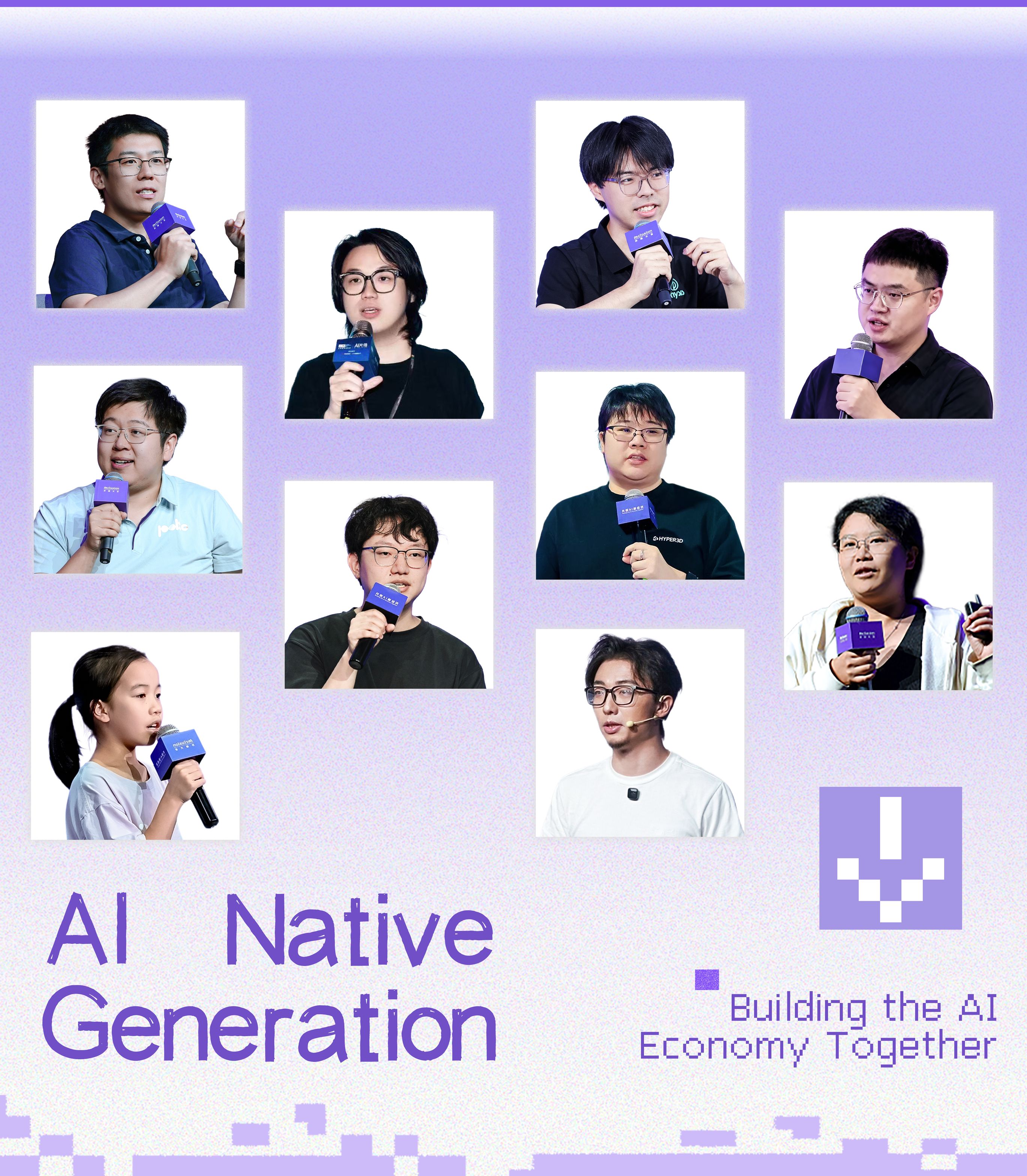
In September by the Huangpu River, the annual Bund Conference arrives as scheduled once again.
1 main forum, over 40 insight forums, and more than 600 guests gather at the Bund Conference to discuss "Co-creating the New AI Economy".
This tech event has taken on a distinct new vibe. If you only focus on the established industry veterans, you might miss the real protagonists of this year —
At the main forum, young scientists share the stage with Nobel laureates, while young entrepreneurs and scholars on the front line of embodied intelligence make a collective appearance;
The official side has long set the tone: post-1995 entrepreneurs and investors will become the "young new force" of this conference. On the other side, the Hackathon AI Coding Competition of the conference has attracted tens of thousands of participants, nearly 70% of whom are under 18 years old, and the youngest is only 6 years old.
The spotlight is quietly shifting to the youngest generation, who have already taken the center stage as the new AI natives.
Let's take a look at them one by one.
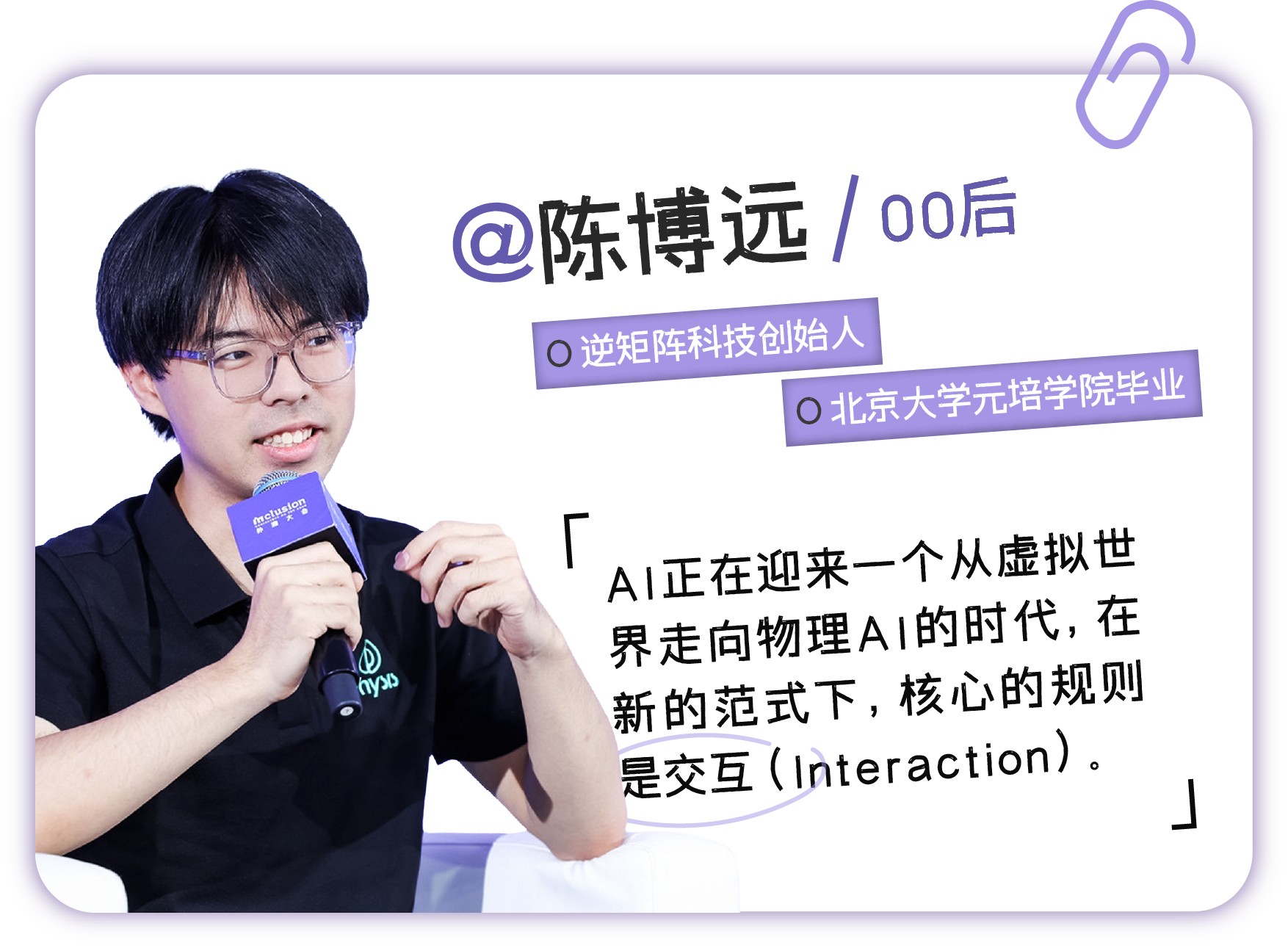
On Chen Boyuan's resume, his identities as an academic researcher and a founder have advanced in parallel all the time. After being admitted to Yuanpei College of Peking University, he joined a research lab to do scientific research in his freshman year, and had his paper accepted by NeurIPS in the same year. Later, he won NeurIPS Oral (with a global acceptance rate of less than 0.5%) and ACL 2025 Best Paper (only 4 papers selected worldwide, the other Chinese team that won the award is from DeepSeek). On the other hand, in early 2026, before graduation, he and his senior fellow apprentice Ji Jiaming founded Physis, a company dedicated to building general world foundation models, making it one of the highest-valued AI companies founded by post-2000 entrepreneurs.
Before finishing his undergraduate study, he has skipped all the intermediate steps of "graduation, joining a large factory, and then pursuing ideals", heading directly to the industrial frontline. This path itself is the way the AI-native generation enters the industry.

An Ge is probably the youngest "AI technology native" on this list — at 9 years old, she won the first prize of the Bund Conference Hackathon. She turned a 7-day deep mountain pottery summer camp into an online work "Clay Lab: The Metamorphosis of Clay": with no programming foundation, she used ChatGPT and Kimi as the main tools and Claude as the auxiliary, iterated to version 7.4 in two days through colloquial communication. The work is written in native JavaScript + Canvas, with zero framework and zero dependency, and the entire digital museum is condensed in a single link.
For her, AI is not a new technology that requires dedicated learning, but a way of expression that has been at her fingertips since childhood. This is the most realistic appearance of AI native humans.
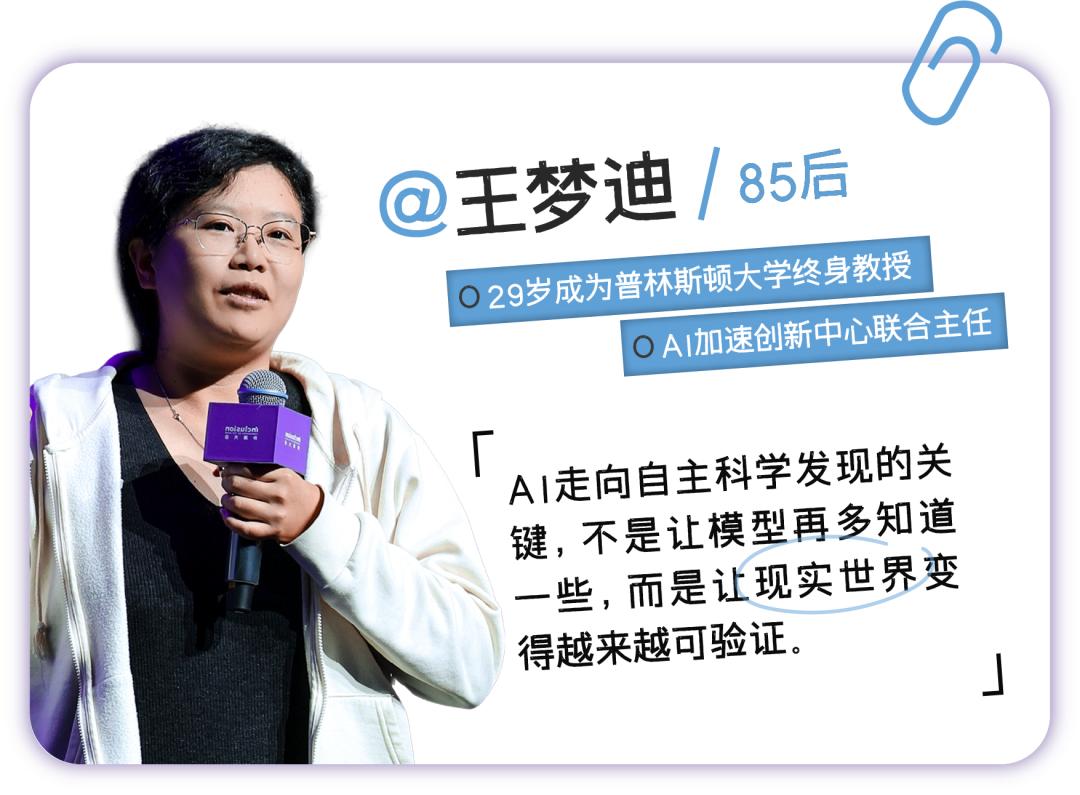
Wang Mengdi's academic resume has almost redefined "speed". She was admitted to Tsinghua University from the gifted class of Beijing No.8 Middle School at the age of 14, obtained her PhD degree from MIT at 24, became the youngest tenured professor at Princeton University that year at 29, and won the Donald P. Eckman Award, one of the highest honors in the field of control, in 2024 — this award is only presented to one person worldwide every year. Now she leads the Princeton AI Accelerated Innovation Center, with her research focus shifting to the infrastructure that "makes science verifiable". She has automated the graphene experimental process that originally took several months, packaged it into APIs for global scientific research institutions to call, and is also exploring LabOS, an intelligent operating system for laboratories.
This young talent who reached the top of the academic tower without accumulating years of seniority will continue to explore how AI can become the underlying engine to accelerate scientific discoveries for all mankind.
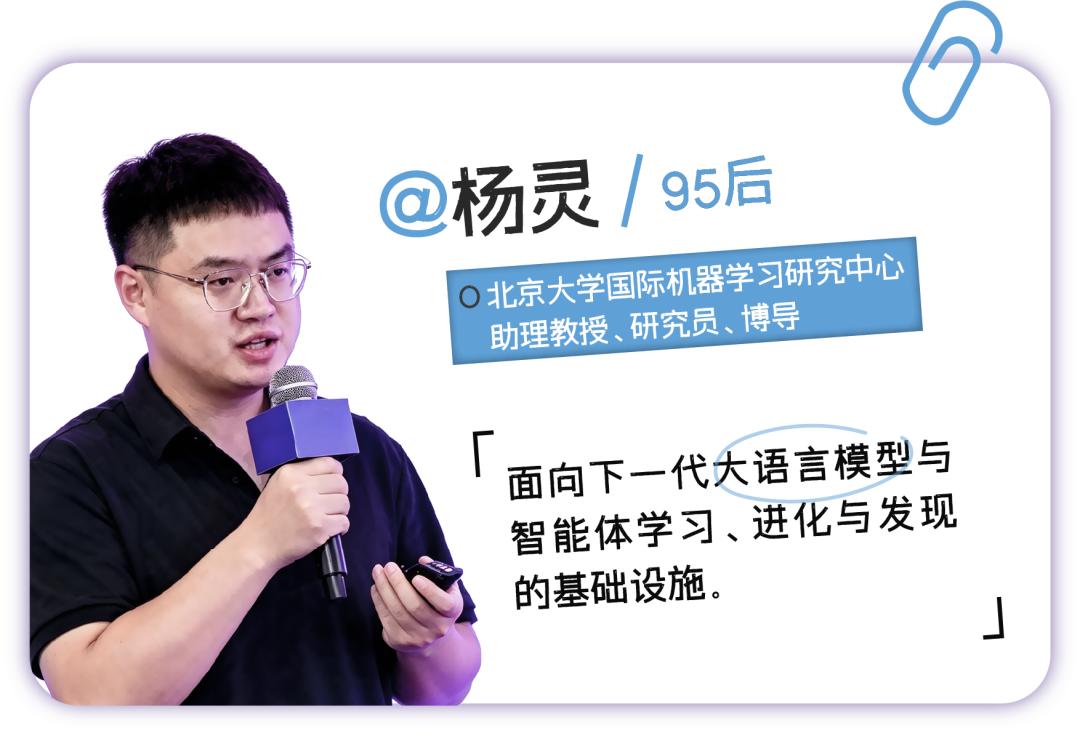
Yang Ling is a typical "results-first" scholar. He used to be a postdoctoral researcher at ECE/Princeton AI Lab of Princeton University, and now he has returned to China to join the International Machine Learning Research Center of Peking University, serving as an assistant professor, researcher and doctoral supervisor all at once. During his time at Peking University, he founded the Discovery Intelligence Group and the Gen-Verse open source community, whose projects have accumulated tens of millions of usage, and more than 70 papers have been published in top conferences such as NeurIPS, ICML, ICLR, with many winning Oral (Top 1%), Spotlight (Top 3%) and Best Paper Award.
In the future, the value of scholars will no longer be judged by seniority, but purely by the output of academic achievements.
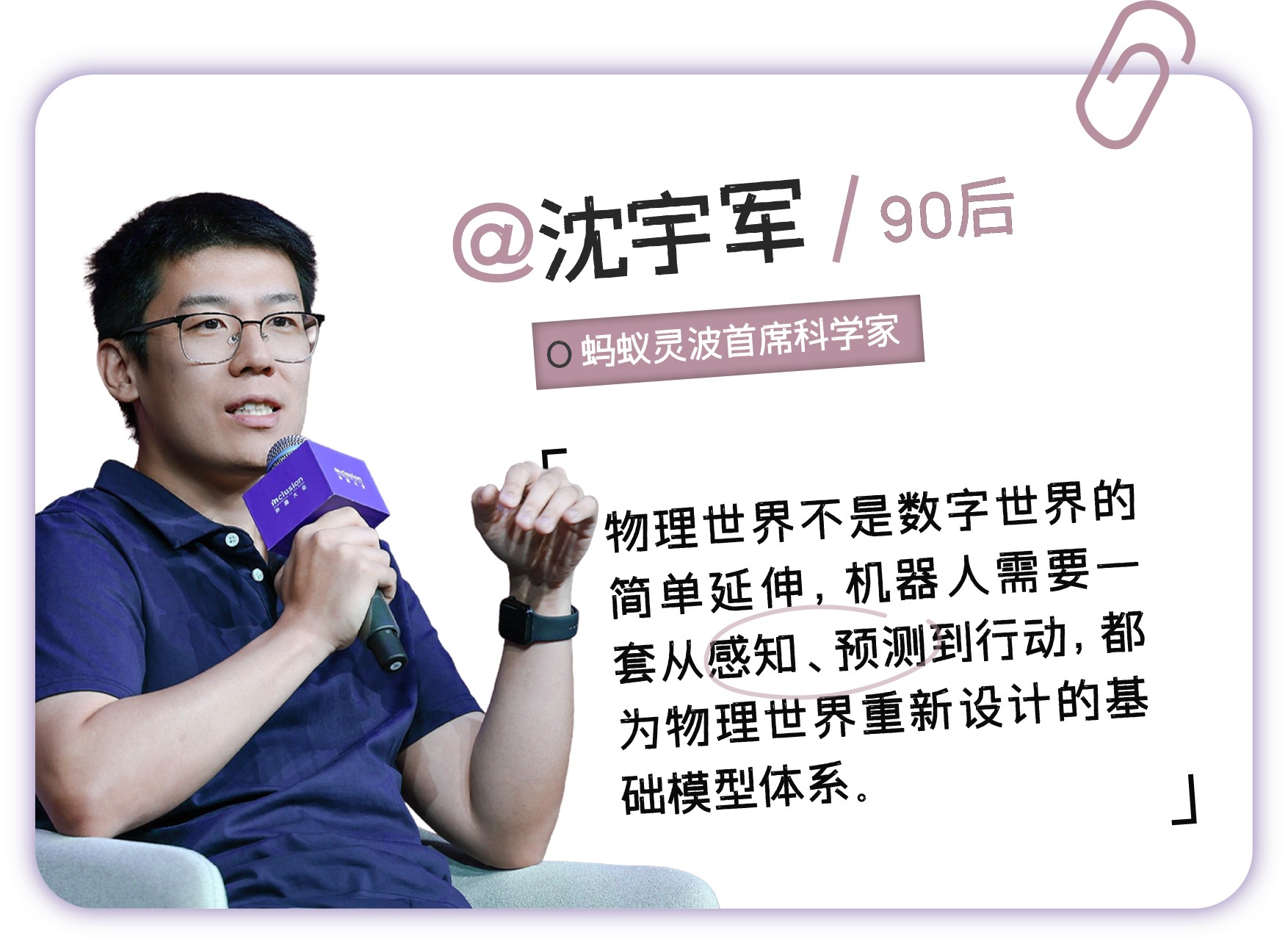
Shen Yujun is a person who moved to the industrial frontline with a hardcore academic resume. He graduated from the Department of Electronic Engineering of Tsinghua University, obtained his PhD from the Chinese University of Hong Kong, under the supervision of Professor Tang Xiao'ou. He has published more than 100 papers in top conferences and journals such as CVPR, ICCV, NeurIPS, with more than 10,000 Google Scholar citations. Since 2024, he has served as the chief scientist of Ant Group Lingbo, and this year he led the team to open source several embodied intelligence models at one go, released the full-stack Brain 2.0, leading the new "embodied-native" paradigm.
Between the academic world and the industry, he has encoded his papers into the "brain" of robots — the people with the most solid academic competence are standing at the place closest to the production lines.
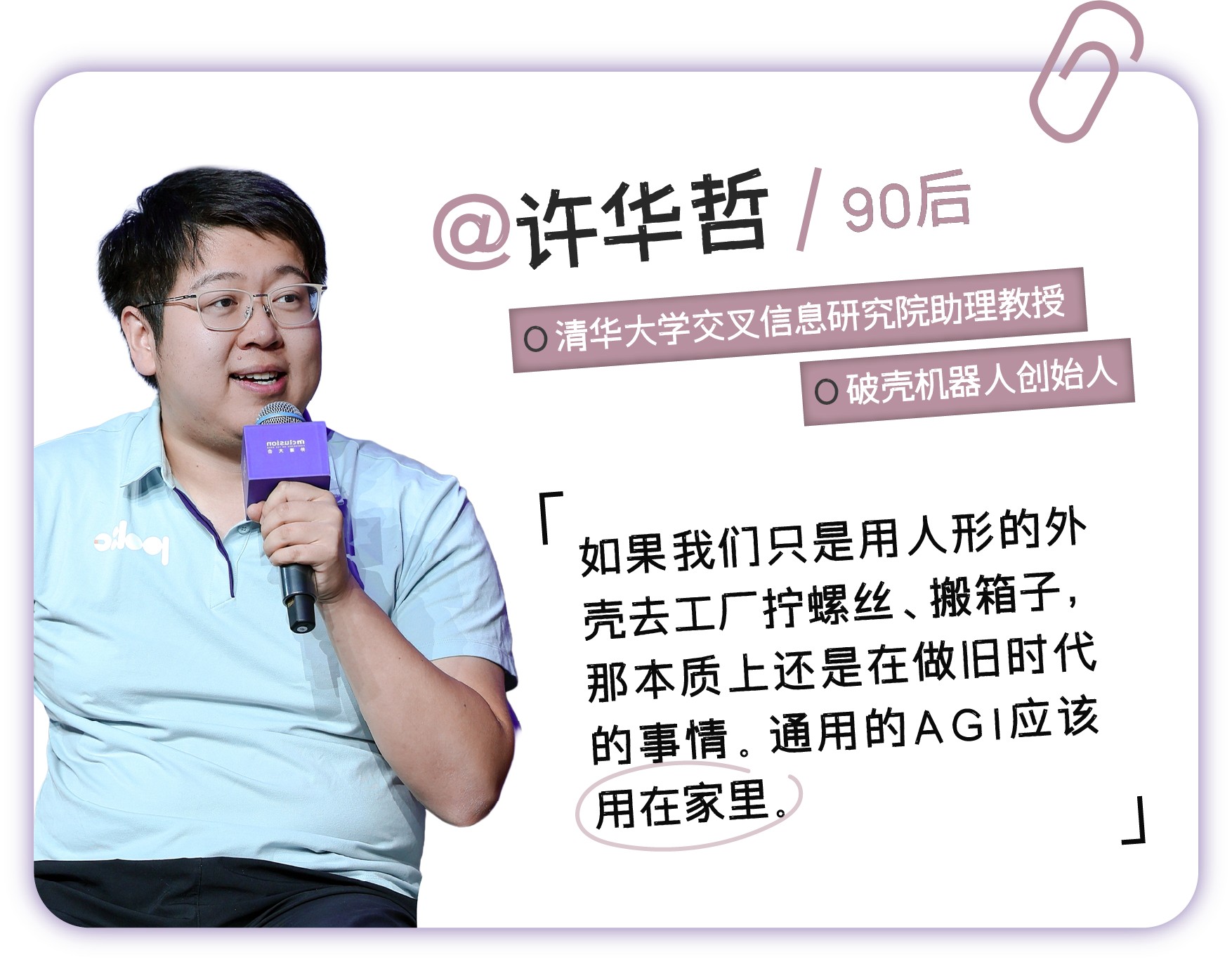
Xu Huazhe has a rare experience of choosing to leave at the peak of a star unicorn and starting his own new company. He is one of the "Four Returnees from Berkeley", assistant professor and doctoral supervisor at the Institute for Interdisciplinary Information Sciences of Tsinghua University, with more than 50 papers published in top journals and conferences, and won the Best System Paper Award at CoRL'23, the top robotics conference. In February 2026, he left Geespace to found Shelling Robotics, and completed a nearly 100 million USD Pre-A round of financing only four months later.
He does not send humanoid robots to factories to tighten screws, but directly targets the most challenging general-purpose household robots for the consumer market. The messy home space is the best training ground for general intelligence, and he wants to take over this relay of the industry by himself.
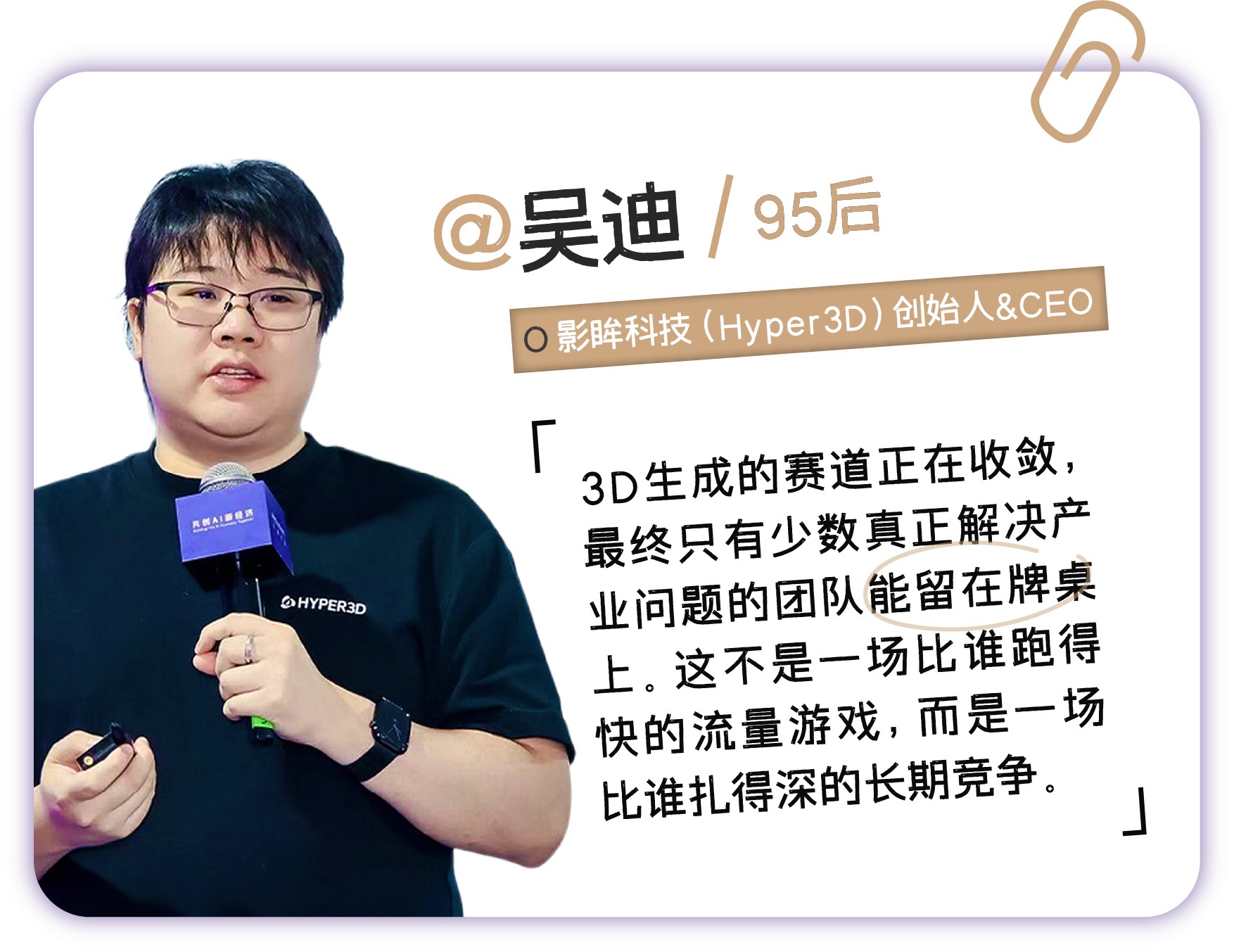
Wu Di's business acumen was verified when the company was in its most difficult time. In 2023, when the company was facing tight cash flow, he led the team not to follow the mainstream shortcut of "2D to 3D" at that time, but stuck to the "native 3D" route. The native 3D large model framework CLAY released in 2024 was nominated for the Best Paper Award at SIGGRAPH, the top international computer graphics conference, and based on this, the world's first native 3D large model product Hyper3D Rodin was released, directly leading the mainstream technology shift of the whole industry. Now the number of B-end customers and revenue of the company has exceeded the sum of other companies in the industry, with overseas revenue accounting for 80%. The technology was adopted in Jensen Huang's keynote speech at CES 2026.
He insists that scientific research must be "Production-Ready" from the very first day, and continues to invest 60%-70% of the revenue in R&D. For this generation of entrepreneurs, commercialization is not the end point, but the route that runs through the whole process from the very beginning.
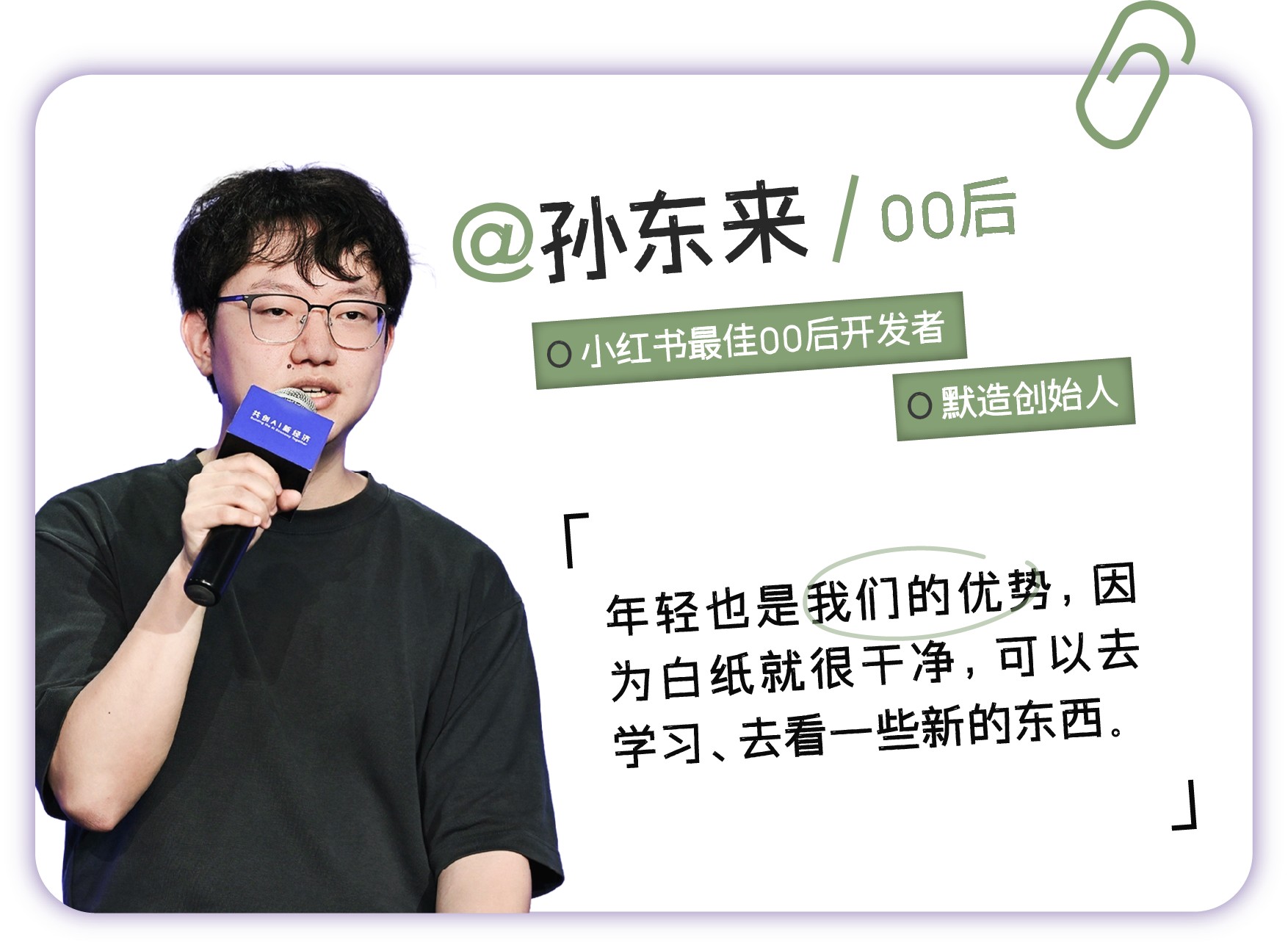
Sun Dong, who has a computer science background from University of Science and Technology of China, calls himself a "full-stack engineer" who handles the entire product stack by himself. His entrepreneurial habit is to verify first before taking action: before writing the first line of code for Dreamoo, he posted a survey post about dream records, which got 200,000 to 300,000 views with zero promotion. Only one month after the product was launched, it got more than 4000 users and secured financing. After Dreamoo was acquired, he stepped from the software field to the hardware field and founded MuteVox — starting from the pain point that it is inconvenient for him to speak to AI in public places, he developed a wearable soundproof mask. The product only took one month from the Hackathon prototype to launch on JD Crowdfunding, and got more than 1000 supporters in the first month. MuteVox has completed two rounds of million-yuan level financing, Pre-Seed and Seed. In addition, he is the initiator of "Hui Hackathon", a member of the Qiji F25 incubation program, and was awarded the "Best Post-2000 Developer on Xiaohongshu".
Working alone, from writing code and building applications, to running factories and polishing hardware, he has extended the capability of the "full-stack engineer" to a new entrepreneurial field.

Shan Yin's studio has only one person, but can complete the work that