This phone is very difficult to sell, but it has to be developed: Hands-on experience of Honor Robot Phone
In the past, Jiahao would carry an iMac to Starbucks, bring a MacBook to bars, and pull out a seemingly serious Pocket to shoot Vlogs at midnight diners.
Fortunately, with the development of technology, all those scenarios will no longer happen in the future —
Holding the Honor Robot Phone, you can raise a gimbal camera with one tap, and finish a shot under the surprised gaze of passersby.
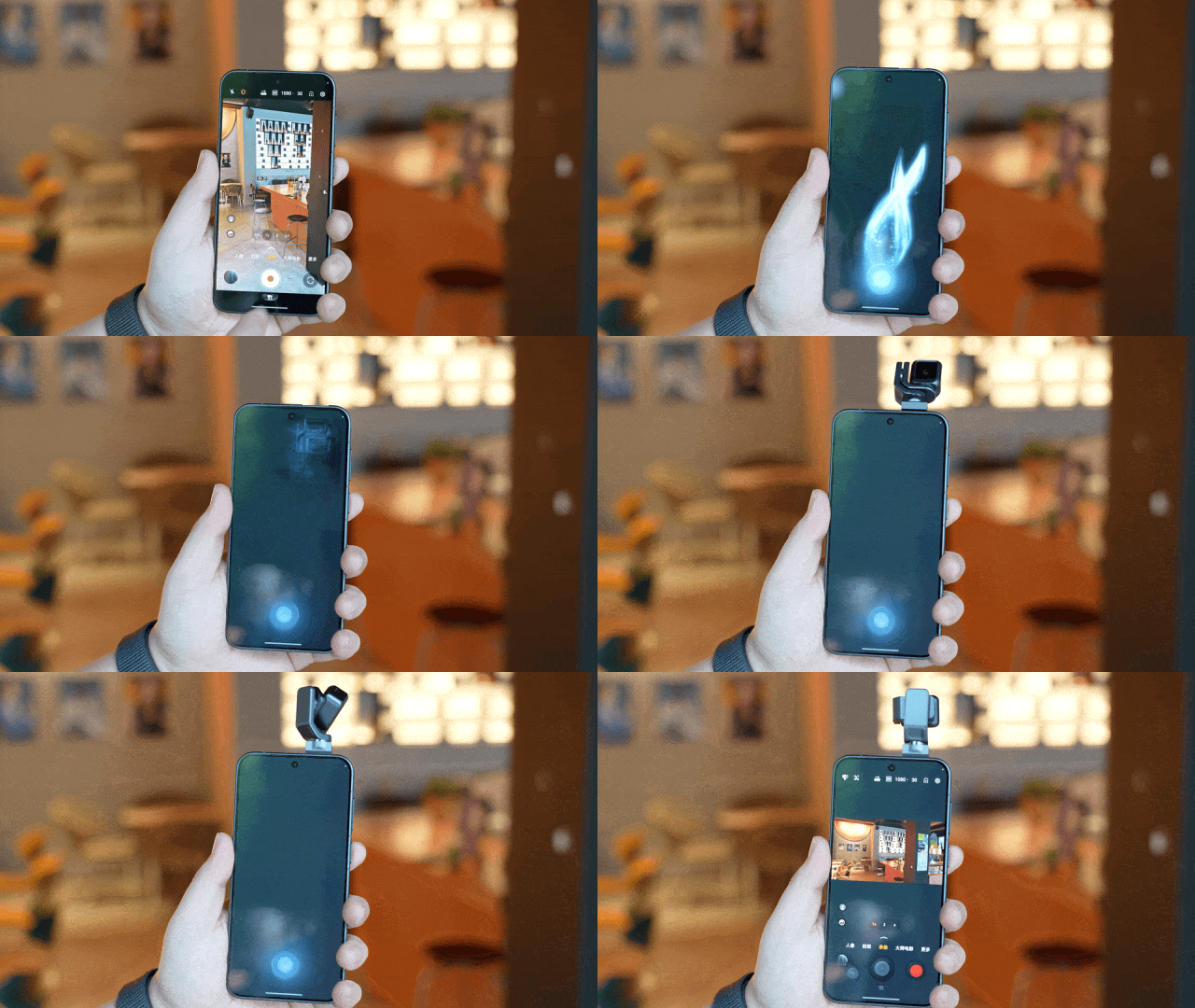
The most enjoyable moment of using the Robot Phone is probably this exact second.
Since its unveiling, the Honor Robot Phone has been accompanied by a lot of doubts, but when the gimbal and lens really extend out from the back of the phone, everyone will remember it immediately:
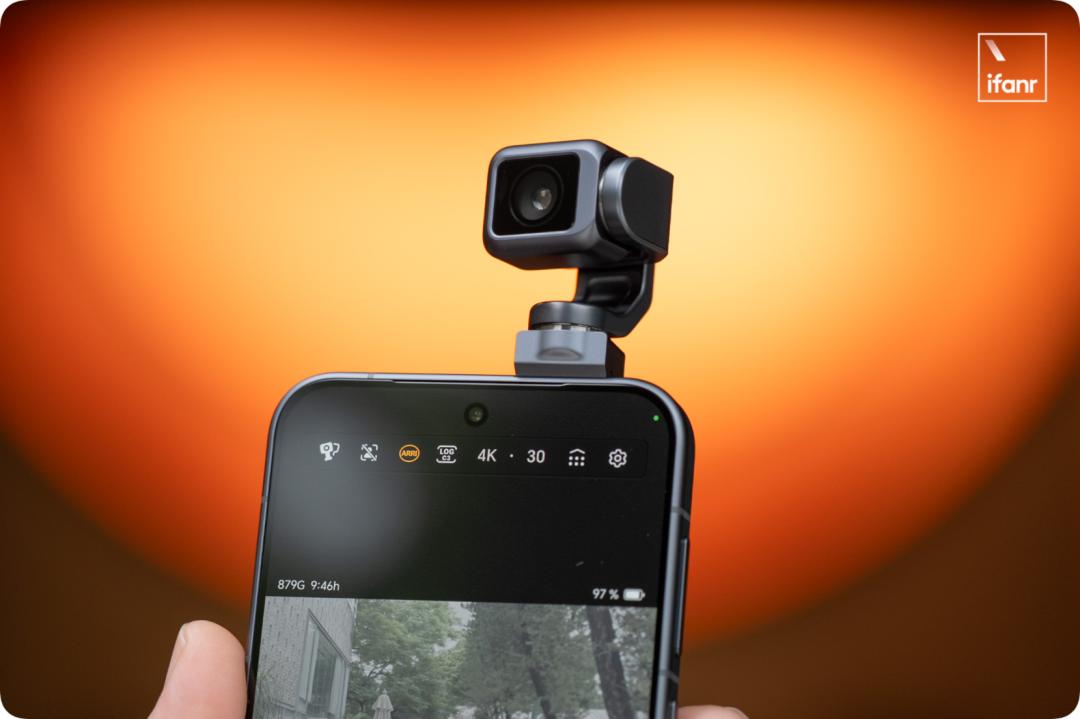
However, after using it for a period of time, we have to raise a question to Honor:
For this one second, how much price has it paid?
20% of usage time, 100% of the cost
There is a popular comment on the Reddit post of Honor Robot Phone:
A 7060mAh battery, a huge periscope telephoto lens, plus a complete set of gimbals, all packed into a 6.3-inch phone.
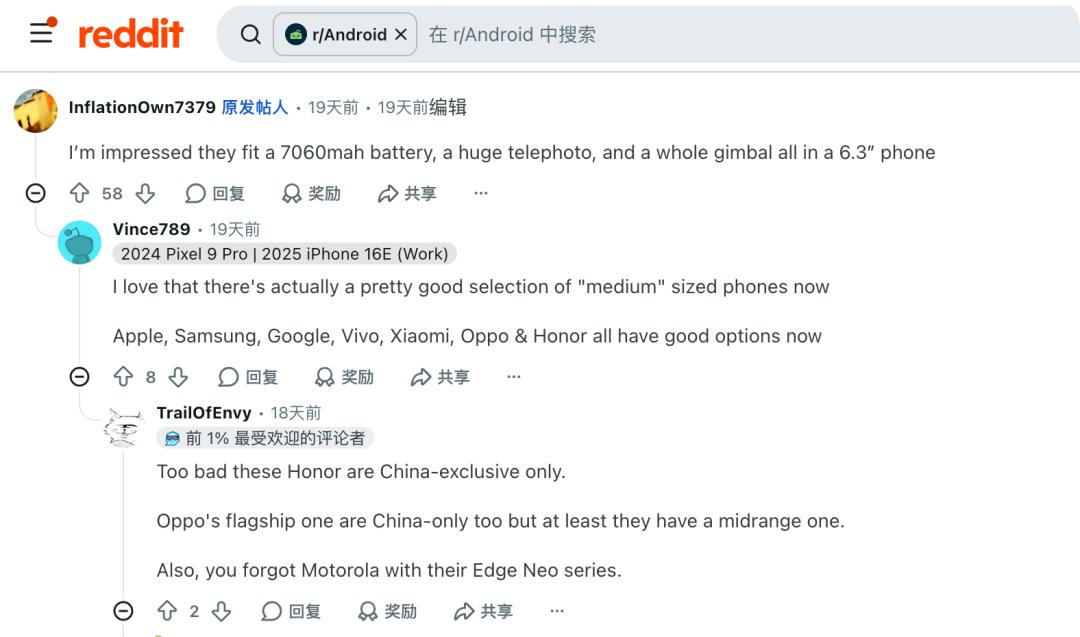
This sentence sums up all the advantages of the Robot Phone at first glance.
Even with a complete gimbal structure added, the Honor Robot Phone does not sacrifice sensor size, it is equipped with a 1/1.28" large bottom 200-megapixel main camera; next to the gimbal is a 1/1.4" 200-megapixel telephoto lens and a 50MP f/2.0 ultra-wide-angle lens, which is at the same configuration level as the Pro Max models of various brands on the market.
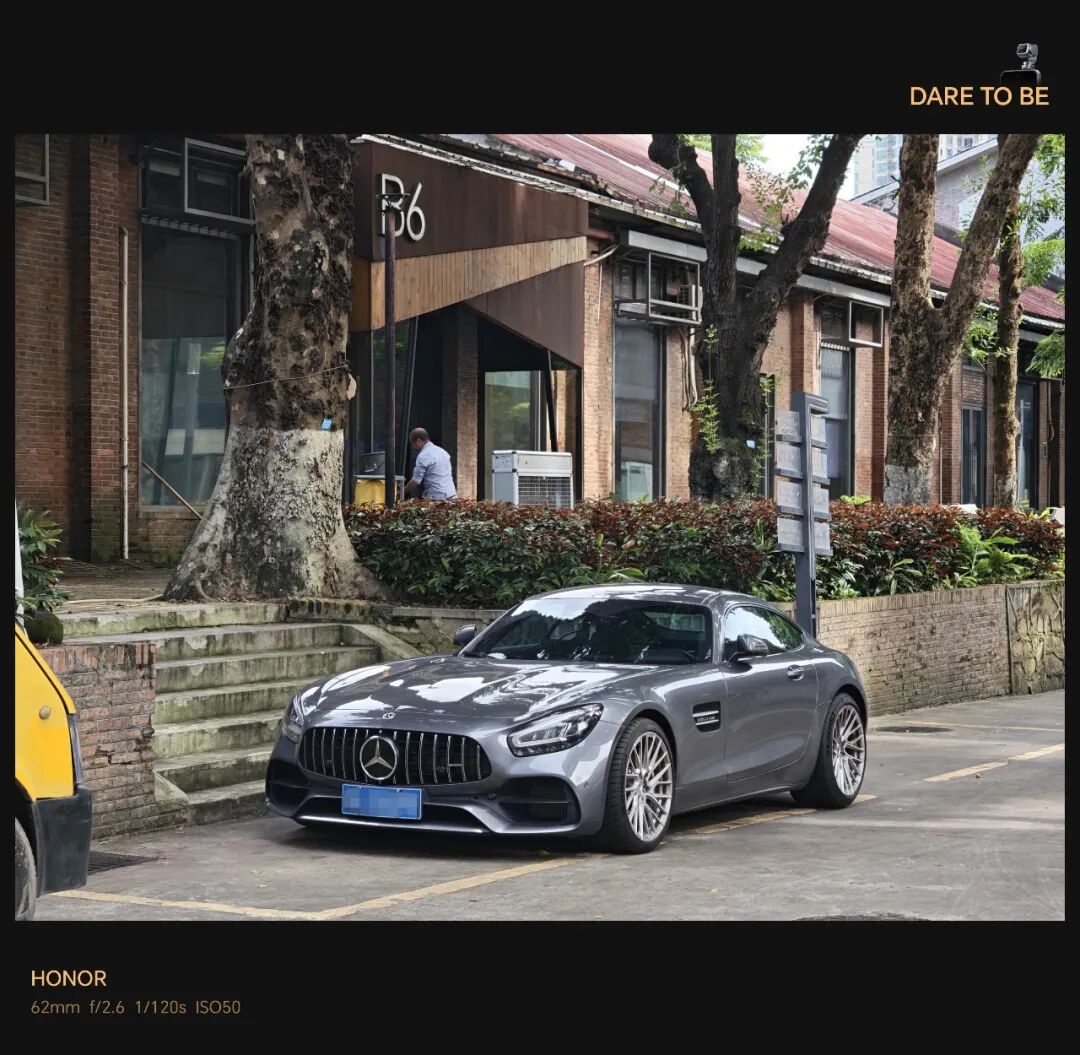


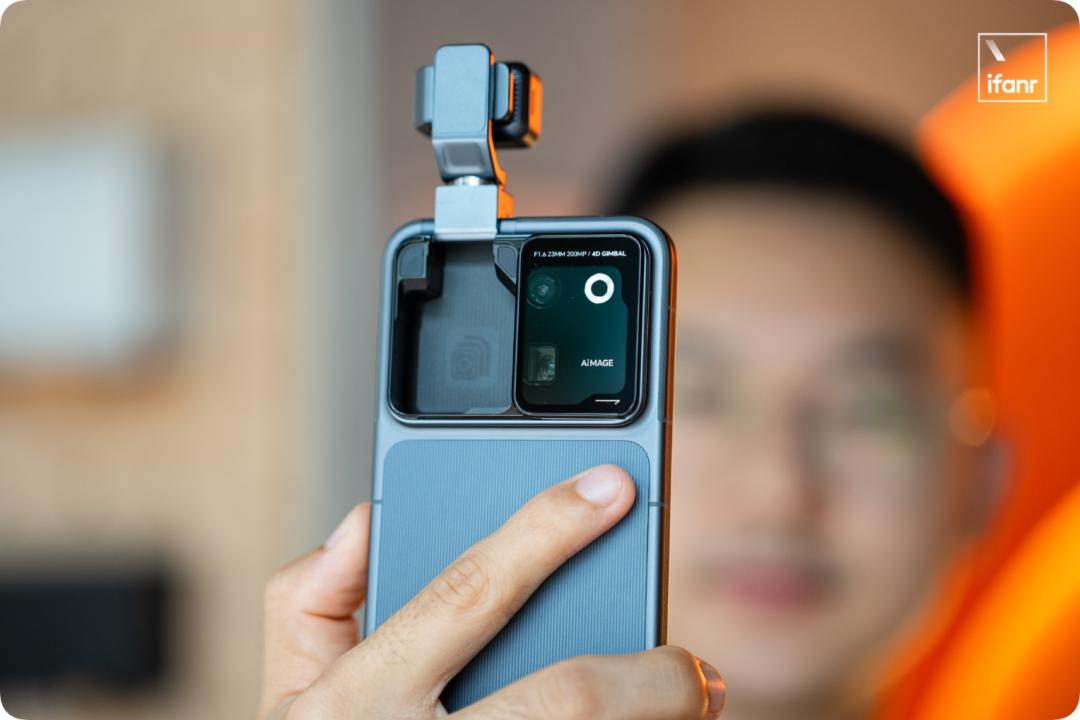
And the choice of the Robot Phone's size is also very deliberate.
The 6.3-inch size undoubtedly belongs to the small-screen phone tier in the current market. The relatively narrow body width and rounded frame make its grip feel quite comfortable — of course, this is specially considered for vertical holding to keep the gimbal stable.
However, compromises also come along.
The first is its 248g weight and 9.59mm thickness — on a 6.3-inch model, this figure is rather exaggerated.
You know, the 6.9-inch iPhone 17 Pro Max only weighs 233g in bare unit state, which makes the Robot Phone feel very heavy in hand, even heavier than quite a number of small tablets.
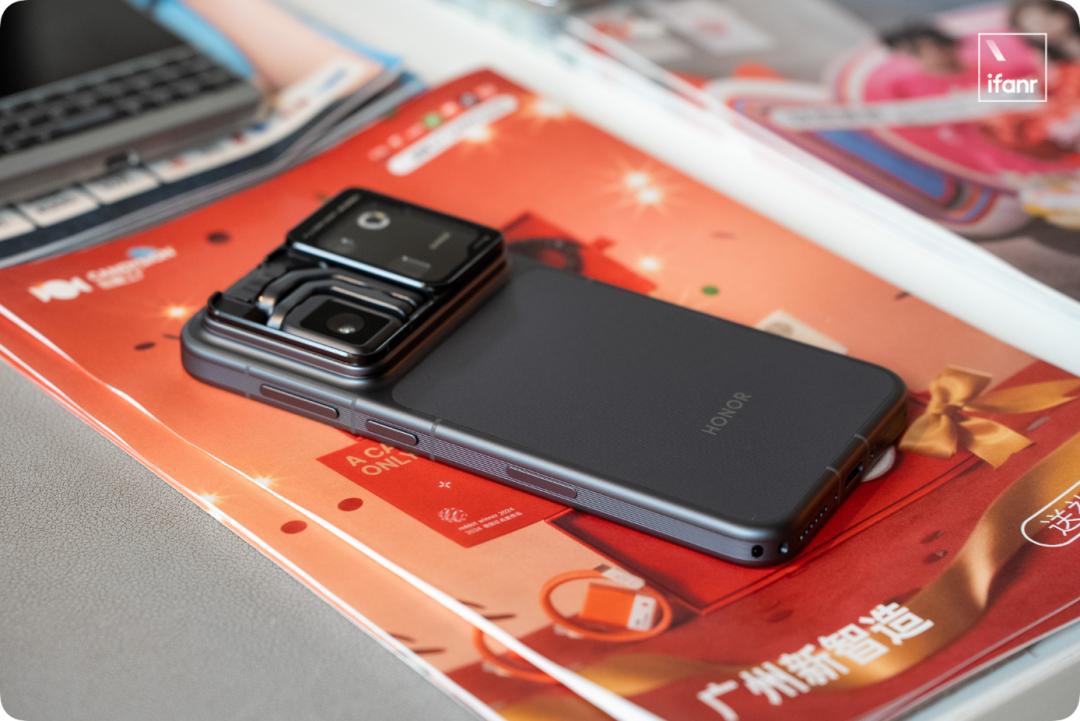
And viewed from the side, the "plateau" of the camera module also has an astonishing altitude.
The gimbal needs space to move, and a complete cabin and upper cover are required after the lens is retracted. This makes the Robot Phone thicker than any other contemporary mobile phone.
As for the shortest board on the wooden barrel, I think it is the "very advanced" IP54 level water and dust resistance of the Robot Phone.
Doesn't it feel a little unfamiliar? After all, in the past two years, even most foldable phones with gaps everywhere can achieve IP58 level dust and water resistance. (Related reading: Your waterproof phone will not be waterproof forever)
Simply put, the micro motors and mechanical structures of the gimbal bring countless gaps, which also make waterproofing, dustproofing, drop resistance and long-term reliability more complex issues.
Although Pocket does not have a clear dust and water resistance rating, for a "Phone" that is taken outdoors, to dining tables, bathrooms and even in the rain every day, you still need to be more careful.
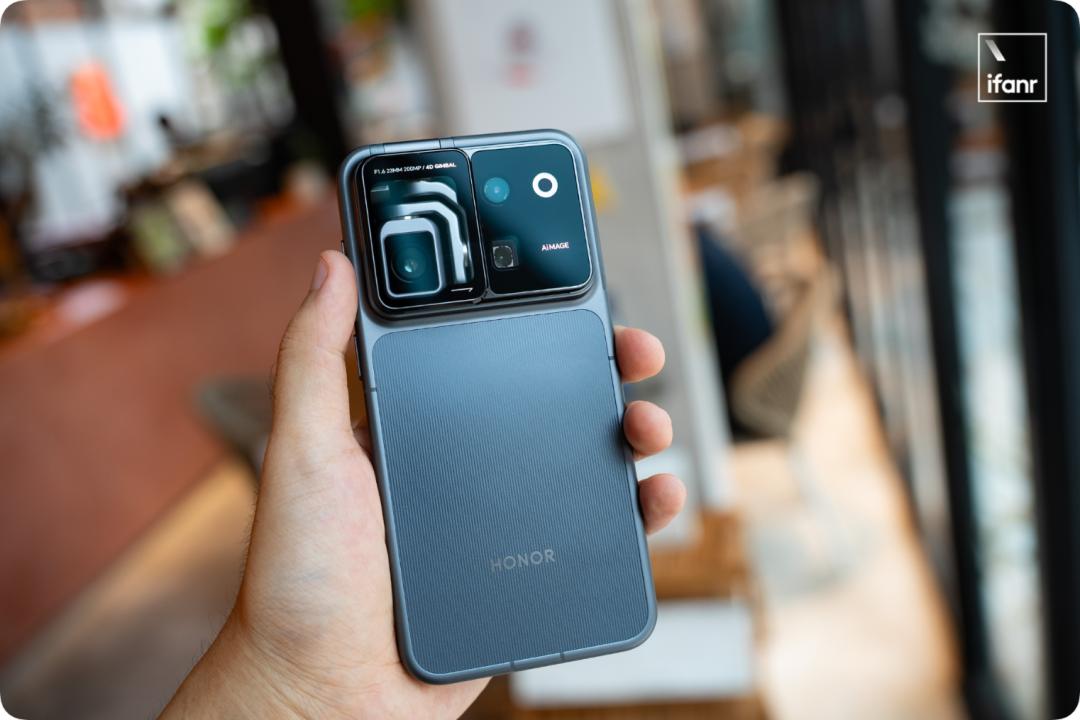
The gimbal, everything is for this gimbal.
Thanks to the gimbal of the Robot Phone, for the first time we can achieve almost cropless ultra-stable camera movement with the largest sensor on a mobile phone, no longer need to worry about losing image quality for the motion mode:

From the perspective of the final image effect, whether it is the common push, pull, pan and tilt, or AI subject recognition tracking selfie in Vlog scenarios, the Robot Phone performs well.
When you start high-intensity shooting for real, the traces of it being a "first-generation product" will appear quickly.
The first uncomfortable point is that there are two completely different sets of camera operation logic in the camera of the Robot Phone.
One is the traditional camera interface that has remained unchanged for more than ten years, and the other is the virtual joystick interface specially designed for the gimbal camera — the shutter position, gimbal control, tracking and switching between different modes, a large number of interface layouts need to be re-adapted.
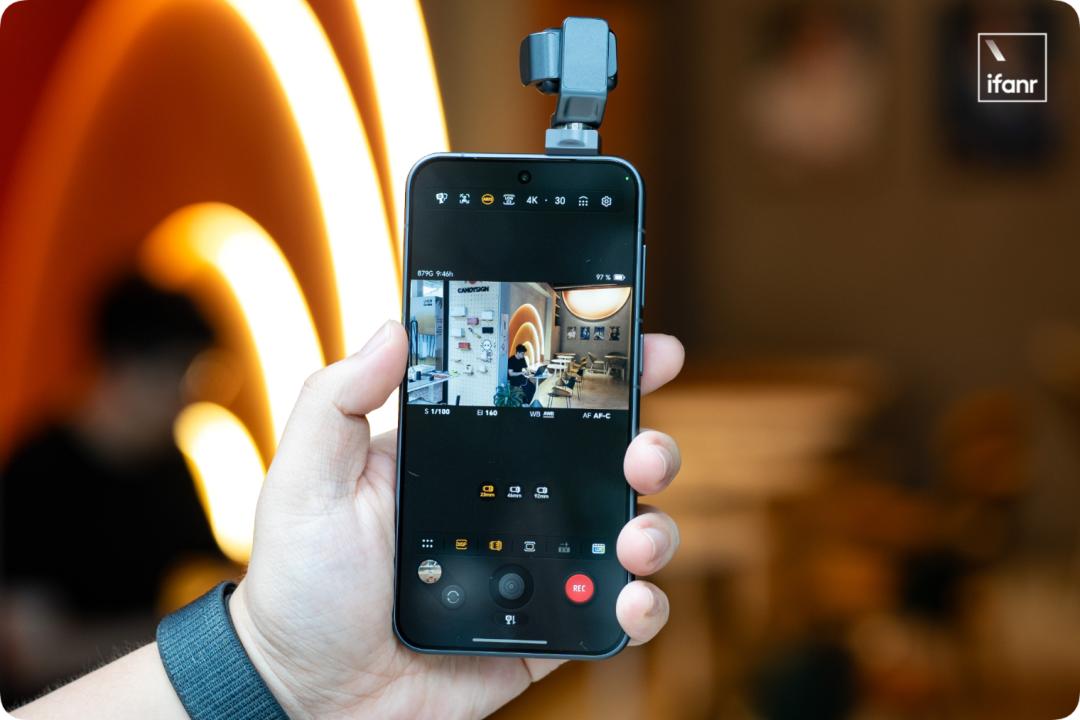
Open the baffle, the gimbal can be raised; but when the gimbal is raised, you cannot switch to the 2.7x telephoto and ultra-wide-angle lenses.
When the gimbal is not working, the baffle either blocks the main camera, or blocks the telephoto and ultra-wide-angle lenses. Considering that frequent toggling of the cover will leave fingerprints, the experience of switching lenses is also hard to describe.
Although it only takes a few seconds for the Robot Phone to lift the gimbal once, sometimes it is these few seconds that determine whether you are Bresson or a casual birdwatching photographer.
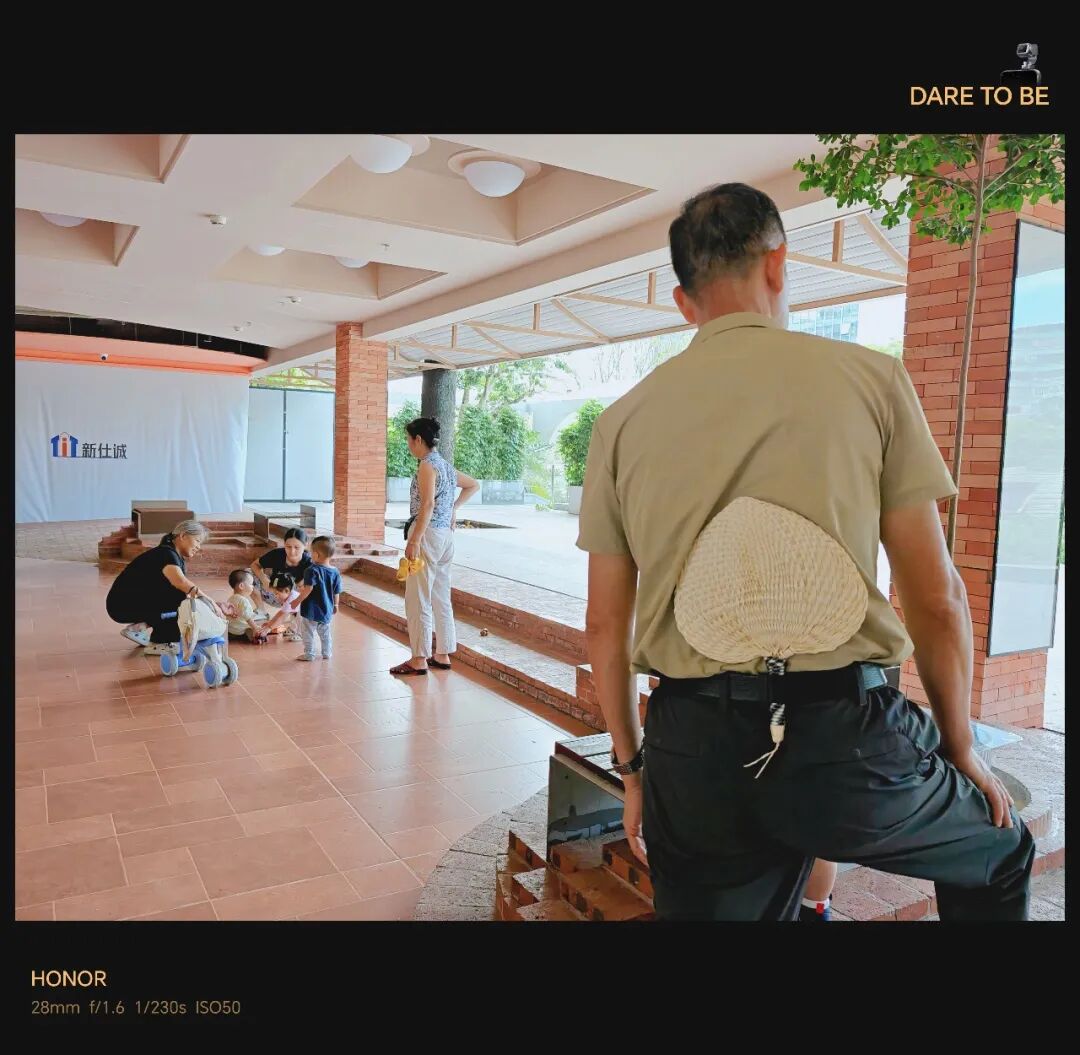
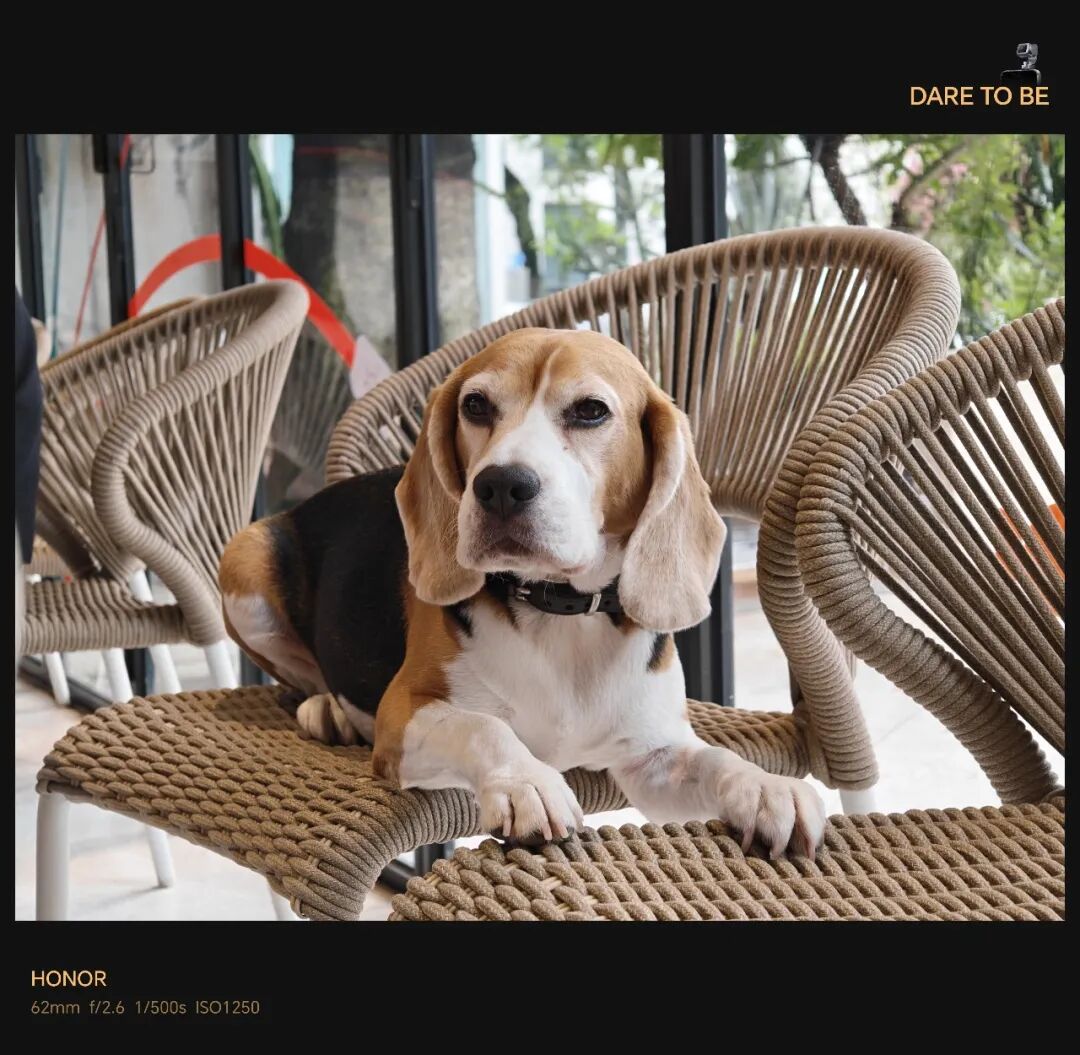
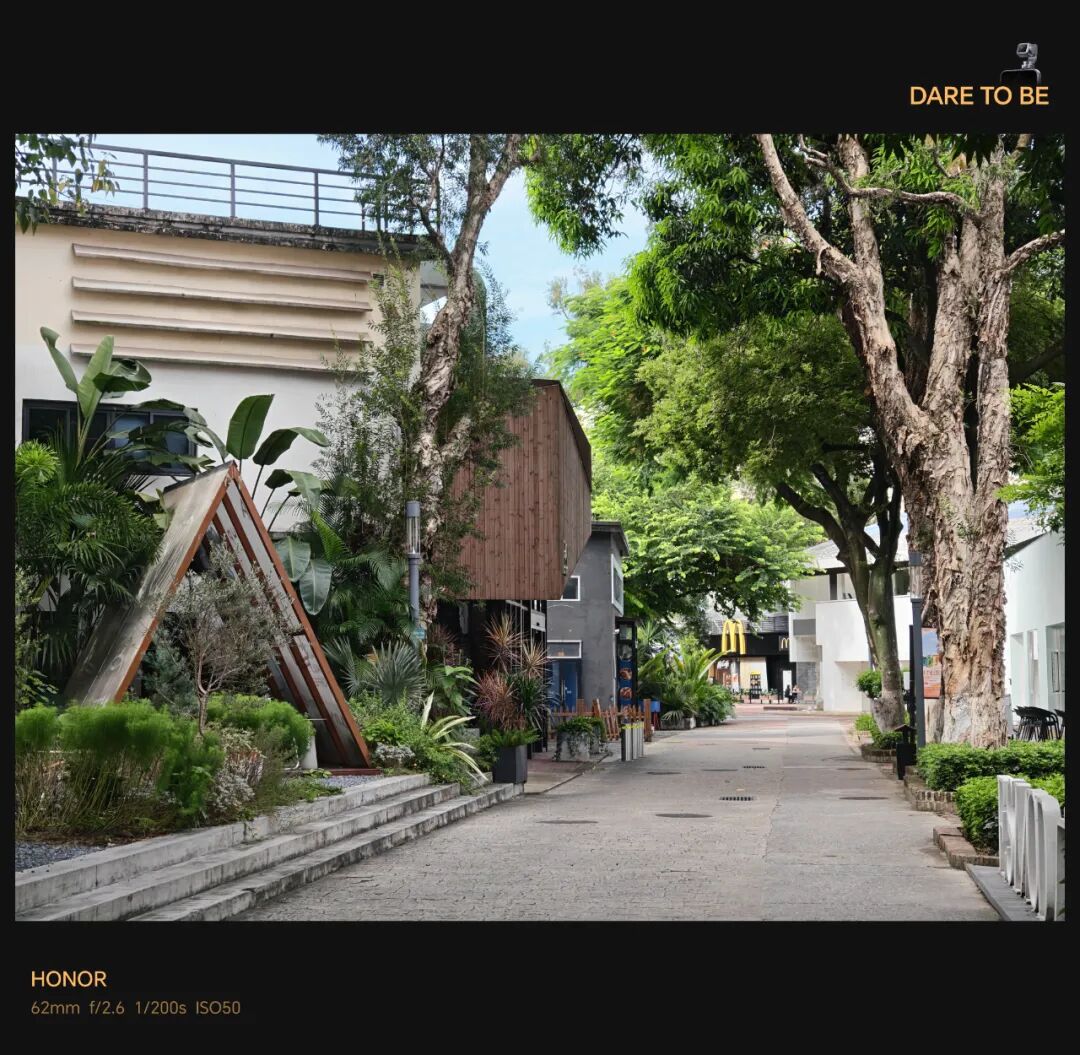
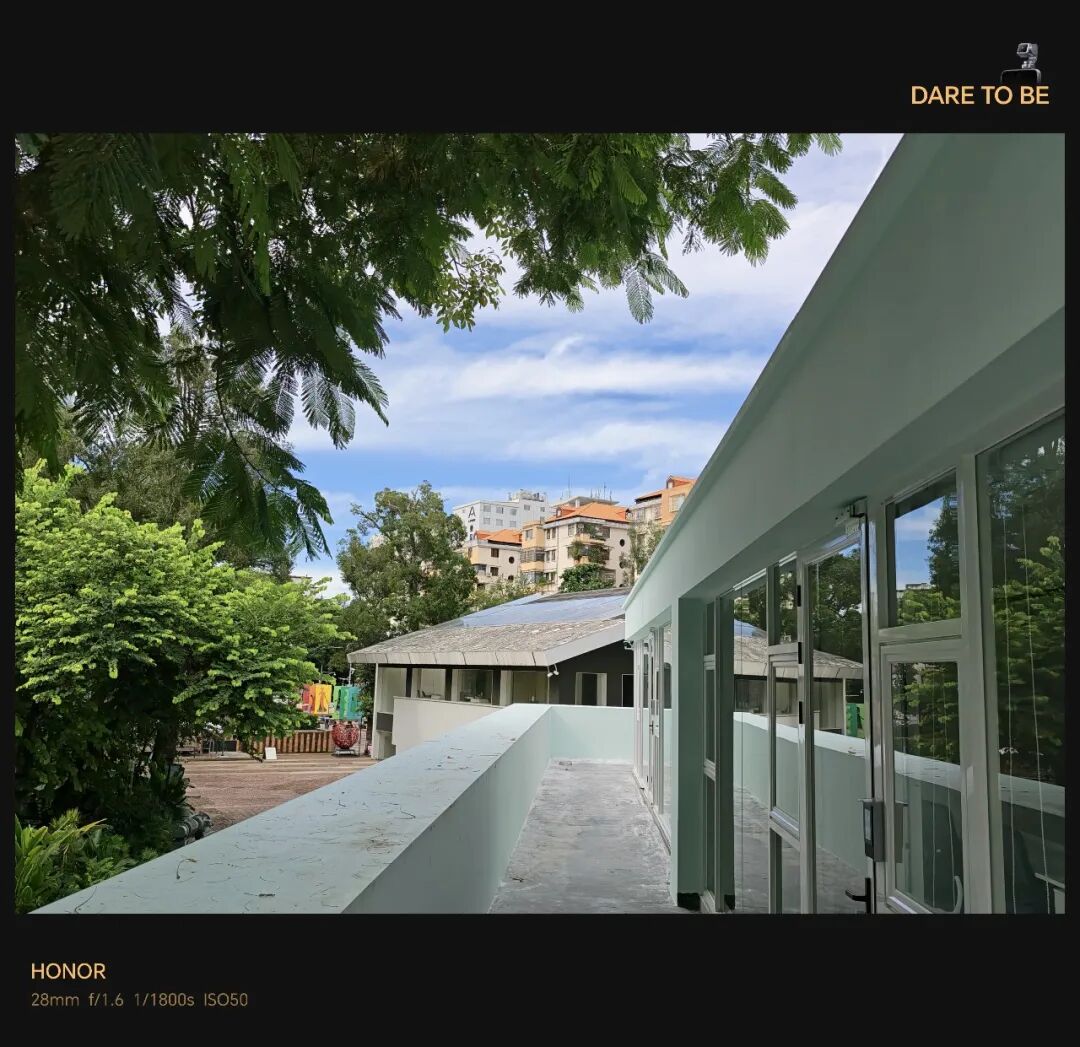
After using it for a long time, you will have very mature usage experience — either you can predict that a wonderful picture will appear in 1.5 seconds and open the gimbal in advance, or you will skillfully give up the idea of shooting.
What is more contradictory is that if you are an ordinary user, chatting on WeChat for 4 hours a day, scrolling through Douyin for 2 hours, taking photos for 10 minutes, and recording videos for 5 minutes.
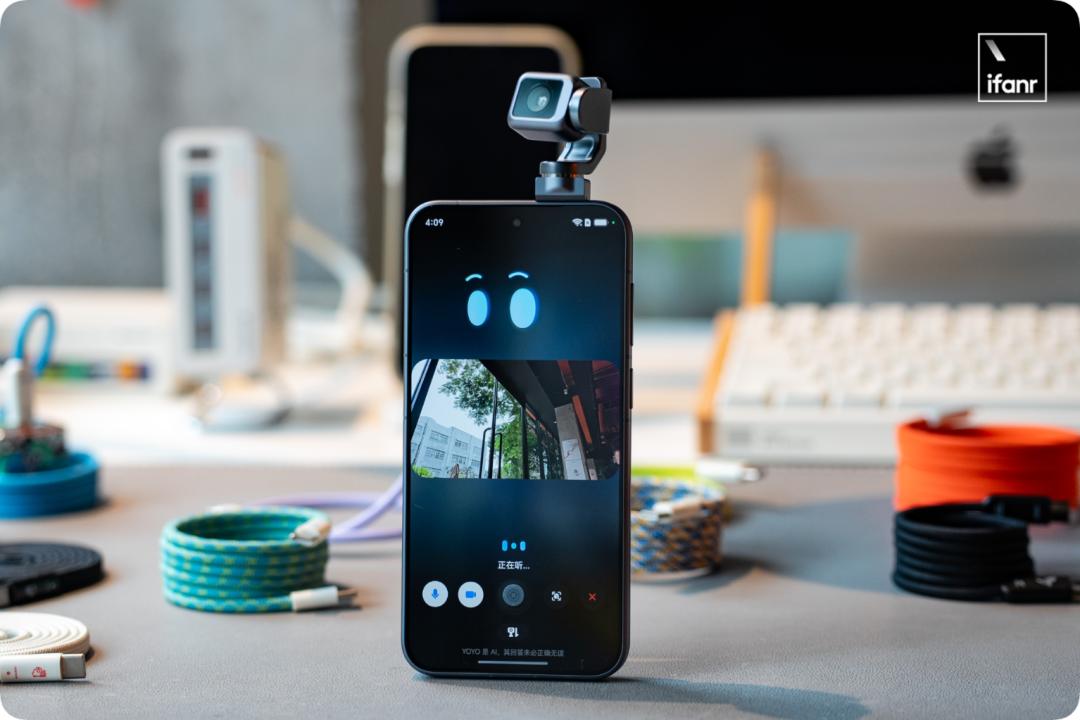
Even if you count selfies, video calls, and YOYO robot modes all together, its proportion in the total usage time of the whole phone is probably difficult to exceed 20%.
For 20% of the time, you have a stable gimbal, but for the remaining 80% of the time, you have to bear its full 248g weight.
This is the sharpest product contradiction of the Robot Phone.
The Robot Phone is not perfect, why make it at all?
After the Robot Phone launch event, Fang Fei, President of Honor Product Line, revealed:
The earliest concept mockup of the Robot Phone was actually 6.7 inches, but later considering grip and portability, we finally chose 6.3 inches. To fit the gimbal into such a small body, there are all kinds of contradictions. The design was revised more than a dozen versions during the process, which took more than half a year, and the materials of the gimbal, such as shield steel and motors, are all customized during this process.
This inevitably raises a question: it's so difficult, why do you still make it?
This question reminds me of Audi around the year 2000.
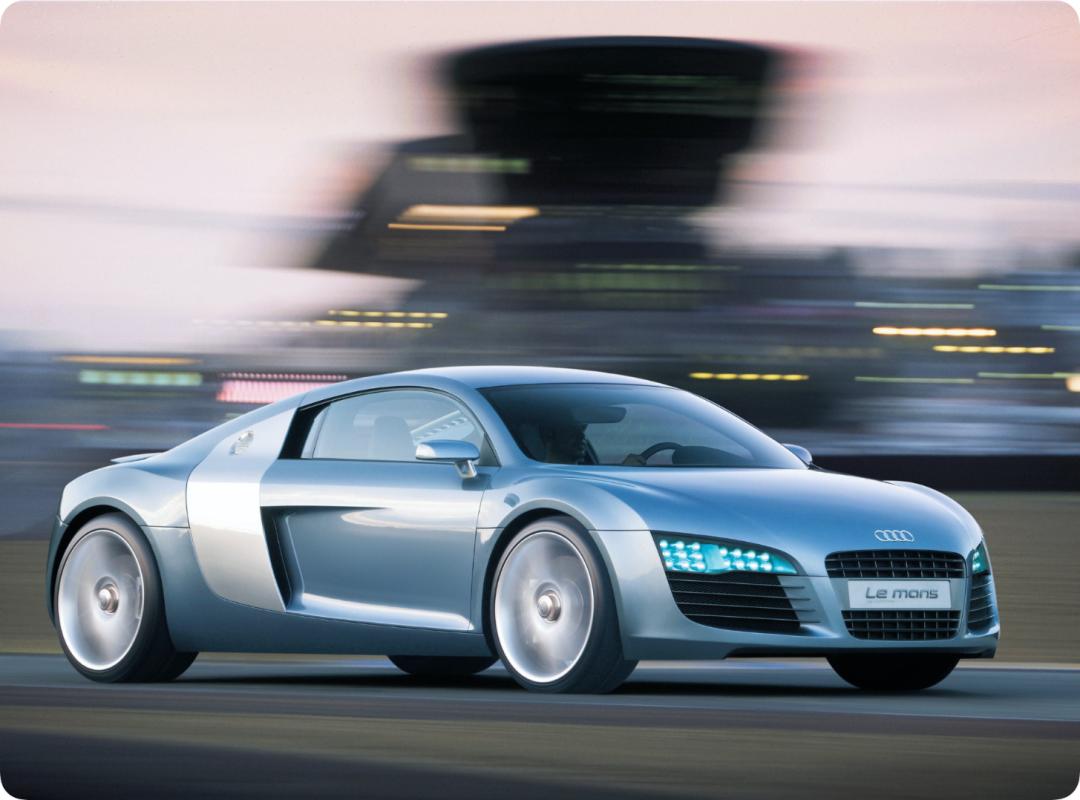
Le Mans quattro concept car | Audi Magazine
At that time, Audi was eager to get rid of the traditional and conservative "