Xiaomi, XPeng and Volkswagen gather at IFA: The battle for the integrated people-vehicle-home ecosystem kicks off, and the boundary between automobiles and home appliances is rapidly blurring.
On September 4, IFA 2026 officially kicked off in Berlin, Germany. As one of the world's three major consumer electronics exhibitions, this year's IFA attracted more than 1,900 exhibitors from 49 countries and regions, with the theme of "The Future is Now". The "Leitech IFA26 Reporting Team" dispatched by Leitech (ID: Leitech) is working intensively on site in Berlin, delivering on-site, all-dimensional and first-hand coverage of IFA 2026.
Apart from traditional consumer electronics and smart home appliances, this year's IFA features a brand-new product category, which is automobiles. In previous IFA exhibitions, auto-related businesses usually only focused on displaying components such as batteries and in-vehicle electronics. This year, three complete vehicle enterprises namely Xiaomi, Xpeng and Volkswagen participated in the exhibition, marking an important breakthrough where mainstream complete vehicle enterprises gathered to participate in the show.
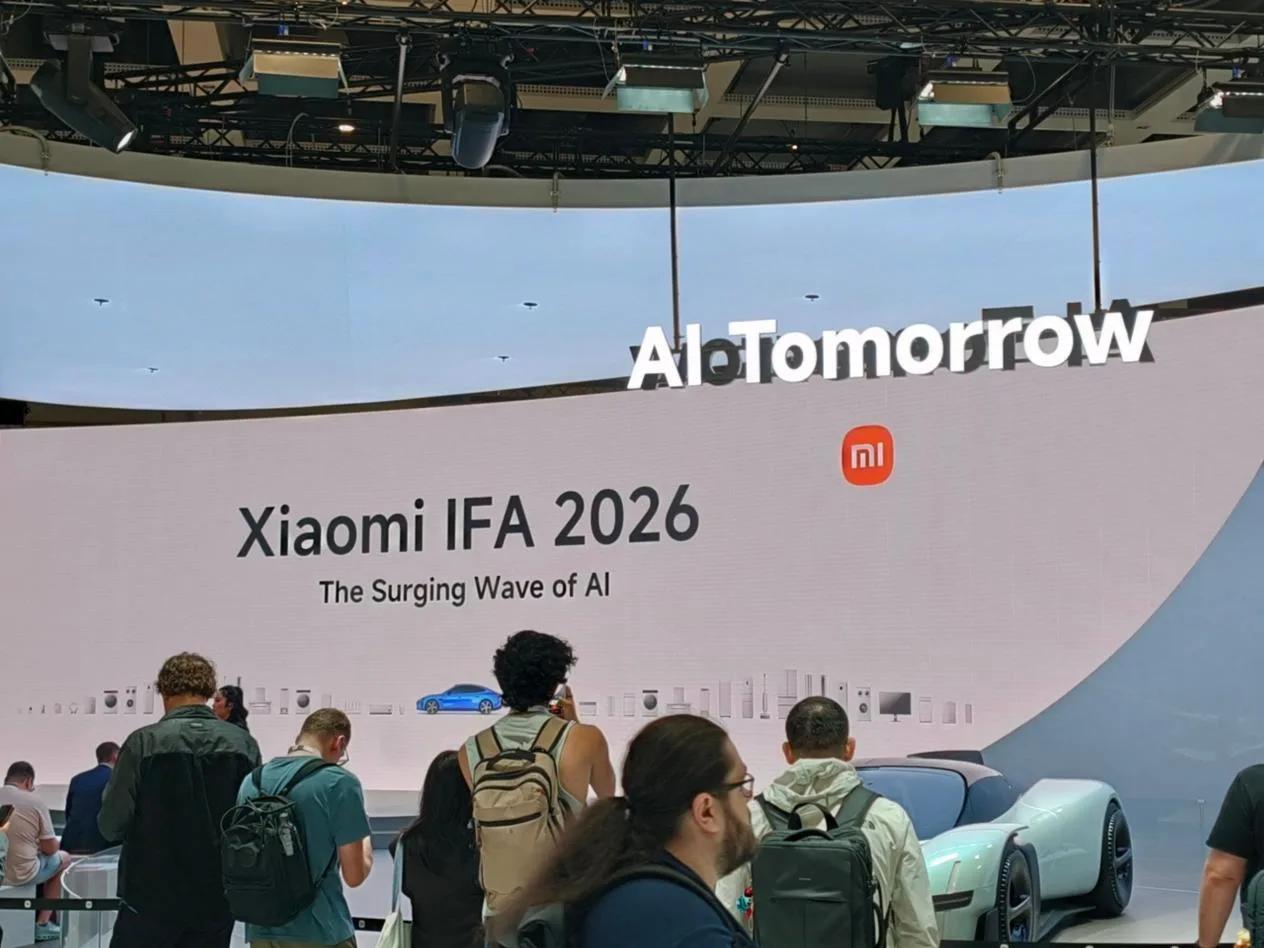
This IFA also conveys a new trend to the outside world, that is, "People-Vehicle-Home". This concept was popularized to the industry and the market by Xiaomi as a group strategy three years ago. This IFA marks the largest overseas display of Xiaomi's "full People-Vehicle-Home ecosystem", which also indicates that Xiaomi's global expansion has entered a new stage of "full People-Vehicle-Home ecosystem going global".
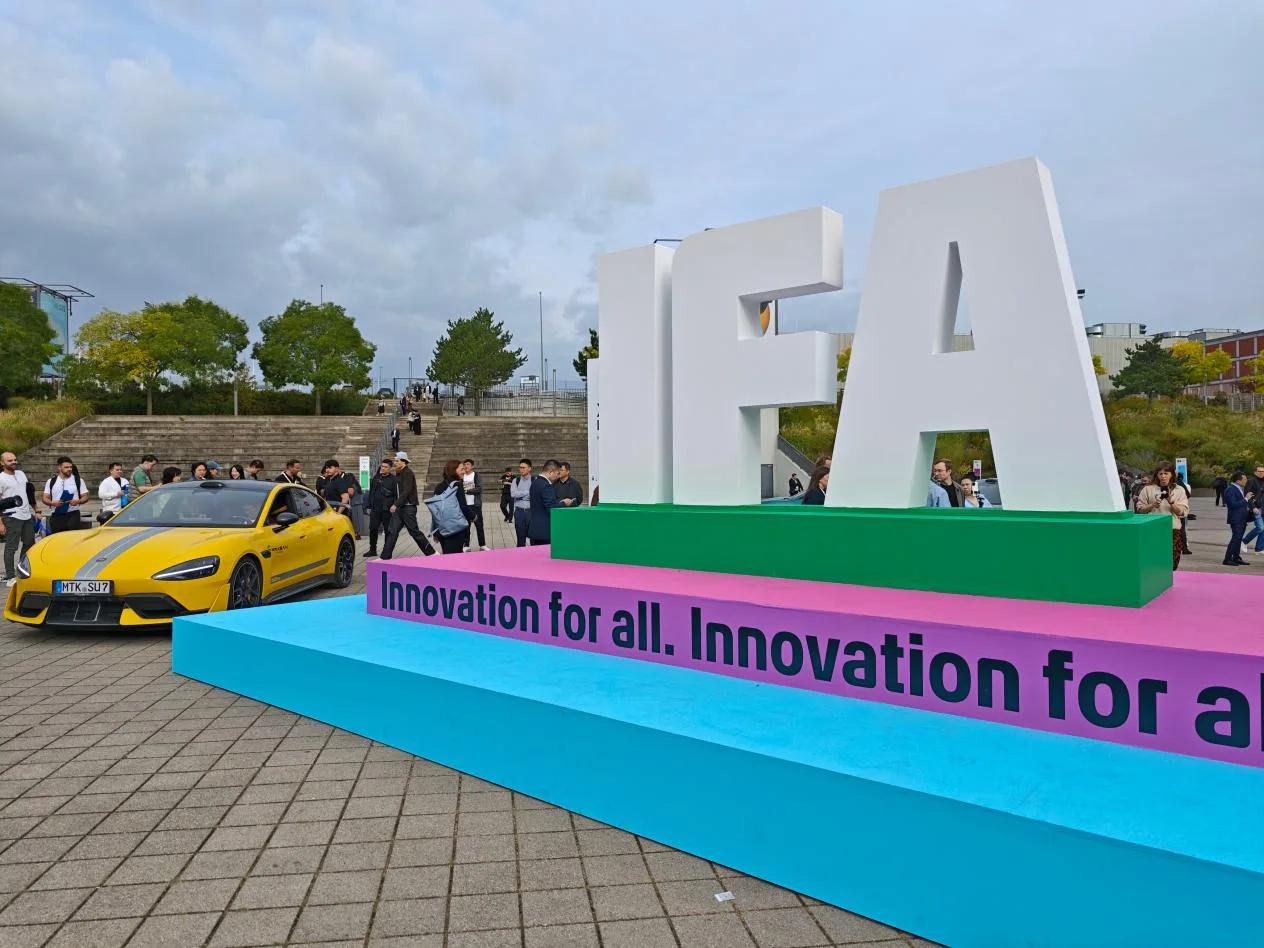
(Image source: shot on site by Leitech IFA Reporting Team)
The People-Vehicle-Home concept reflects that the boundaries between consumer electronics, smart home appliances and smart vehicles are increasingly blurring. This is an ongoing trend for China's related industries, and it will also be the future for European and global markets. Today, Leitech (ID: Leitech) will take you through the "People-Vehicle-Home" highlights at IFA.
Xiaomi: Debut at IFA as a top hit, full People-Vehicle-Home ecosystem going global
When it comes to "People-Vehicle-Home", the Xiaomi brand is naturally impossible to bypass.
On October 26, 2023, at the Xiaomi HyperOS launch event, Xiaomi officially upgraded its group strategy from "Mobile × AIoT" to "full People-Vehicle-Home ecosystem". The core of this ecosystem is to take HyperOS as the unified base to connect the three major scenarios of personal mobile devices, smart vehicles and smart home. After the launch of Xiaomi's first model SU7 in 2024, this ecosystem has officially formed a closed loop.
Nearly three years after the "full People-Vehicle-Home ecosystem" was officially announced, Xiaomi brought this concept to the IFA exhibition in Berlin to deliver a complete presentation to the European market.
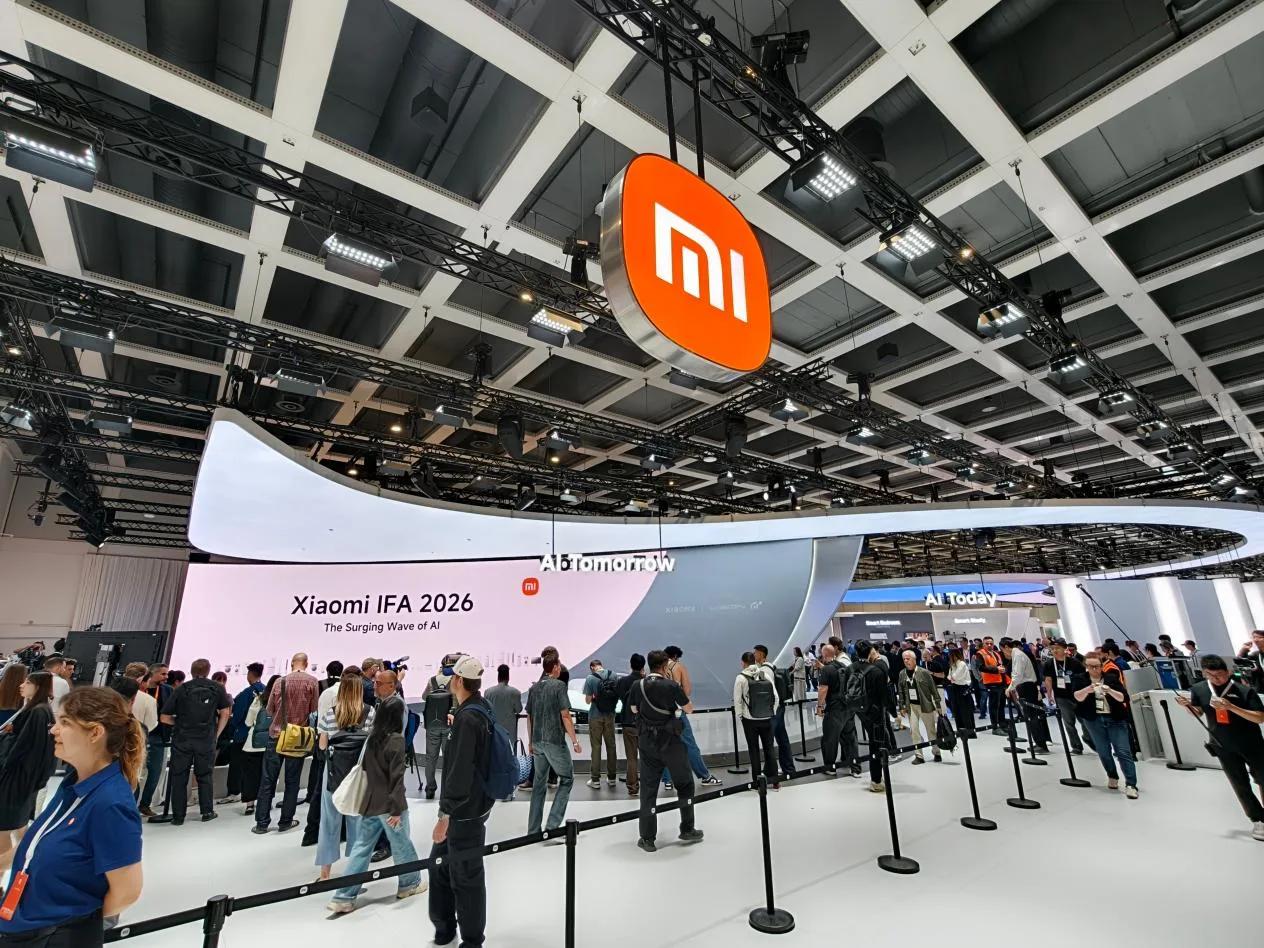
(Image source: shot on site by Leitech IFA Reporting Team)
Although this is Xiaomi's first time participating in IFA, the large scale of its exhibition and the huge number of products on display are enough to show Xiaomi's high attention to this exhibition.
At this year's IFA, Xiaomi's booth covers an area of 3,369 square meters, making it the largest overseas exhibition area in the history of Xiaomi Group. Xiaomi 18 Fold, Xiaomi SU7, Xiaomi YU7, Ring Chip O3, Xiaomi CyberOne robot, as well as a wide range of digital products and home appliances all made their appearances, which can be regarded as a comprehensive presentation of the "full People-Vehicle-Home ecosystem".
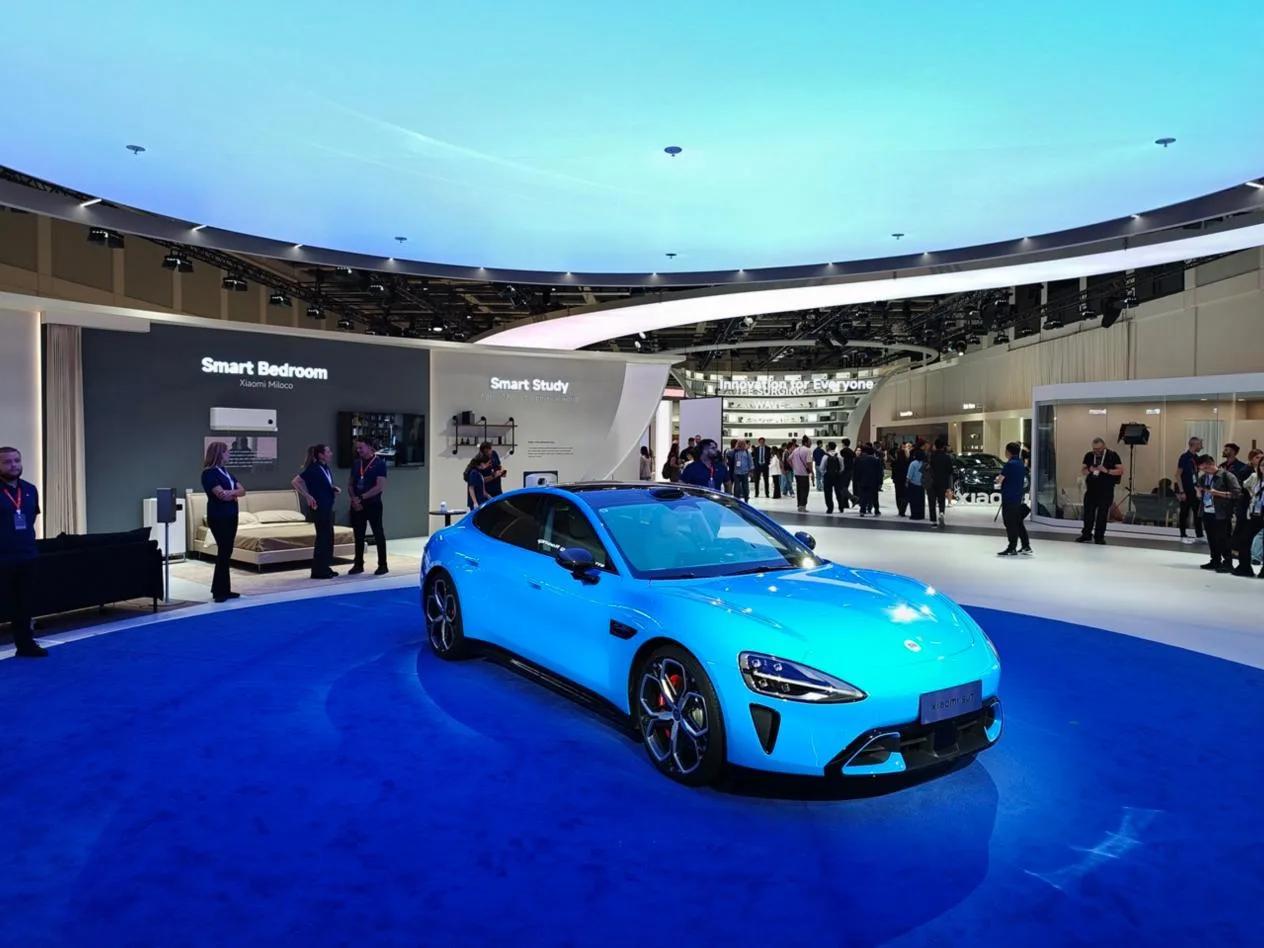
(Image source: shot on site by Leitech IFA Reporting Team)
For Xiaomi, this is a landmark heavyweight exhibition in the European market that connects the past and the future. Through the "full People-Vehicle-Home ecosystem", it demonstrates Xiaomi Group's future layout to the European market.
What does "connecting the past" mean? It refers to the digital 3C, large and small home appliance businesses that Xiaomi has already laid out in the European market.
Public data shows that Xiaomi has opened Mi Home stores in major European markets including Germany, Spain, the United Kingdom, France and Italy. Its mobile phone sales have long been among the top three in the European market, with shipments reaching 21.8 million units in 2026, occupying a 16% market share.
IoT devices such as smart bands, smart speakers and air purifiers have long entered mainstream online and offline channels in Europe, and have been recognized by local consumers.
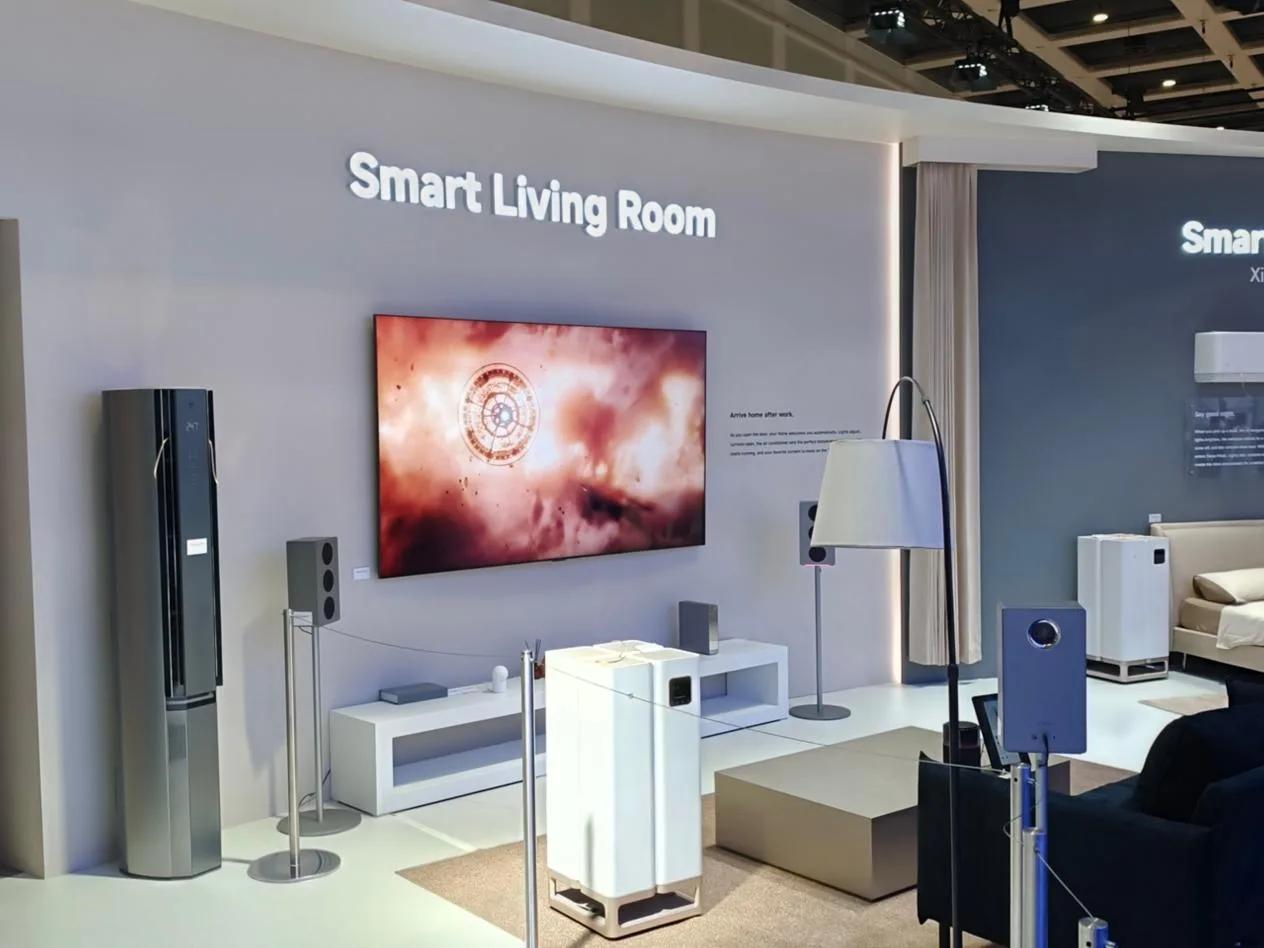
(Image source: shot on site by Leitech IFA Reporting Team)
In addition, Xiaomi's large home appliance business officially went global in 2025, with washing machines and washer-dryer combos first launched in Spain, France, Germany and Italy; in 2026, refrigerators and air conditioners also entered some markets in Europe.
Up to now, Xiaomi has completed the intelligent layout of the "people" part and part of the "home" part in Europe. And "paving the way for the future" means to fill in the remaining parts, which is divided into two parts of layout.
First, to further improve the "home" scenario, the Mijia brand, which is the domestic Mi Home brand in China, has officially entered the European market on a large scale. Lu Weibing, President of Xiaomi, stated on Weibo: "Xiaomi's AIoT business has a certain foundation overseas, but we hope to accelerate our global expansion so that more users overseas can use Xiaomi's products."
The other point is the global expansion of Xiaomi vehicles.
At this IFA, Xiaomi has put a lot of effort into the display and arrangement of the automotive section. Whether inside or outside the exhibition hall, or next to the IFA logo, you can see the displayed Xiaomi vehicles. All three mass-produced models SU7, SU7 Ultra and YU7 are on display, making Xiaomi's exhibition area at IFA a "mini auto show", attracting media and audiences to watch and take photos.
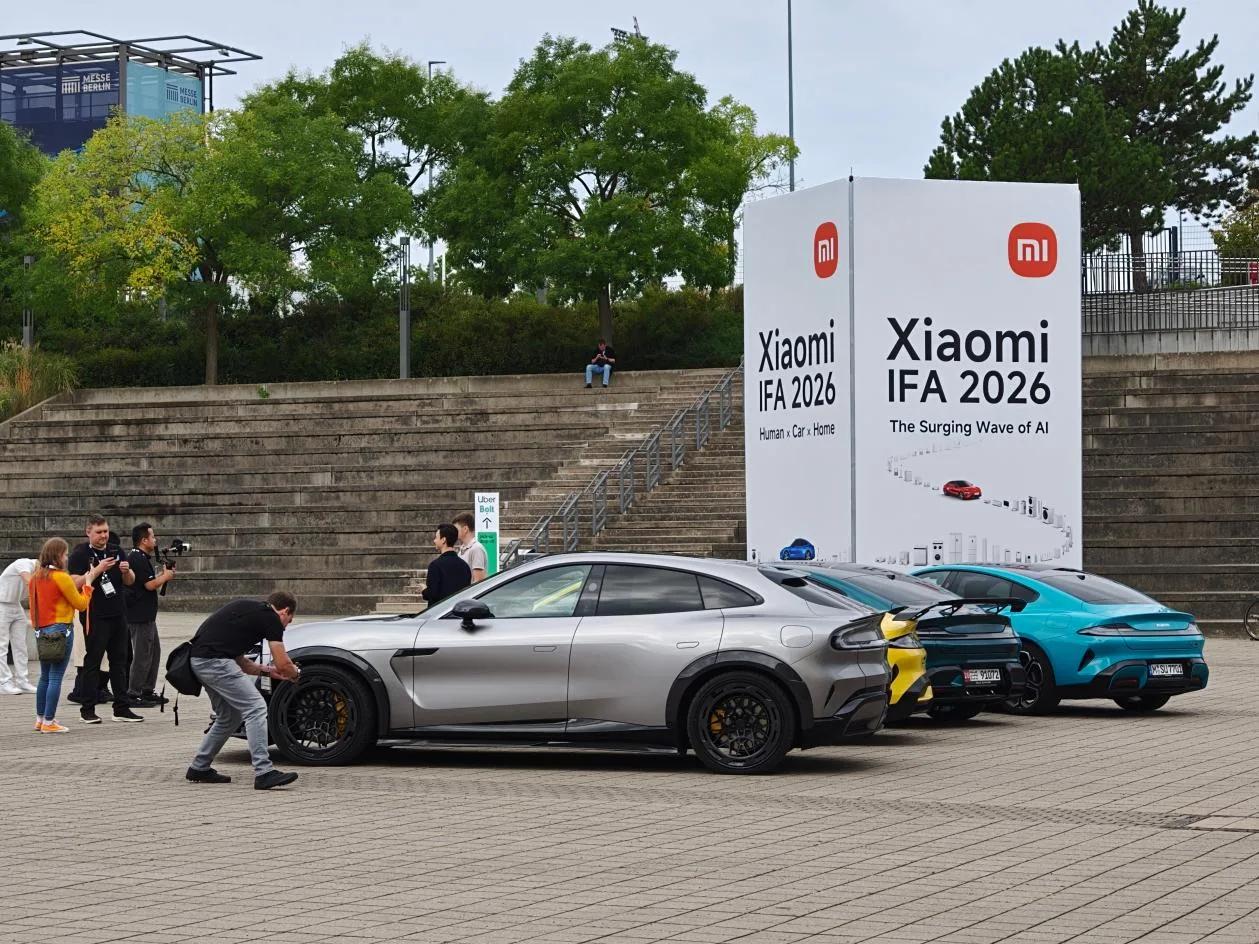
(Image source: shot on site by Leitech IFA Reporting Team)
In the AI Tomorrow exhibition area, Xiaomi Vision Gran Turismo also opened its welcome interaction mode for the first time, demonstrating Xiaomi Auto's exploration of future mobility to the outside world.
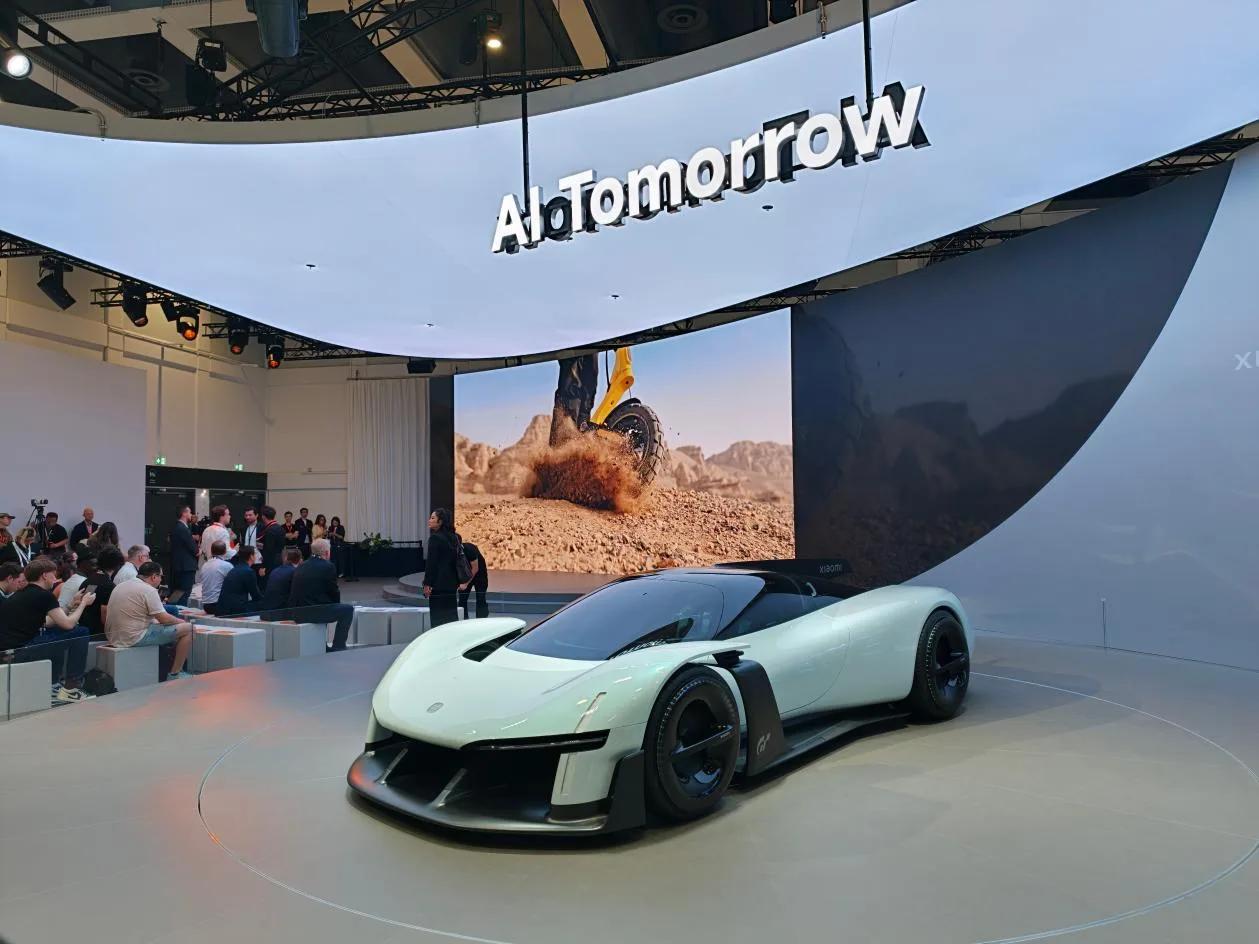
(Image source: shot on site by Leitech IFA Reporting Team)
According to Xiaomi's previous plan, Xiaomi Auto will officially go global in 2027, with the first phase targeting the European market. Xiaomi will start from Germany, and gradually cover markets including France, Spain, Italy and Norway later. At this year's IFA, Xiaomi also signed a memorandum of cooperation with the first 8 leading German auto dealers.
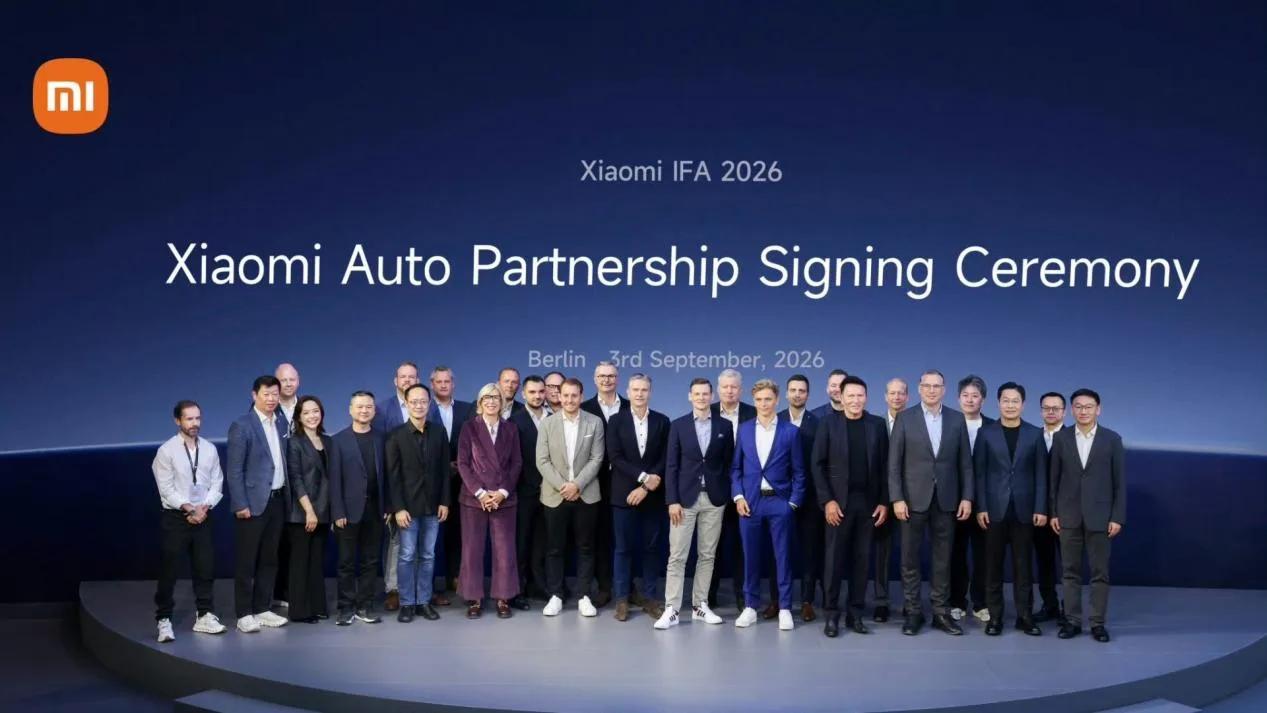
(Image source: Xiaomi)
IFA is the clarion call before Xiaomi Auto's official global launch. As an emerging brand that started with smartphone business and expanded to home appliance and automotive industries twice, Xiaomi has demonstrated the hard power of its automotive products and the organic integration of vehicles with consumer electronics and home appliance industries in Berlin, the capital of Germany, the birthplace of the automotive industry, to the European market.
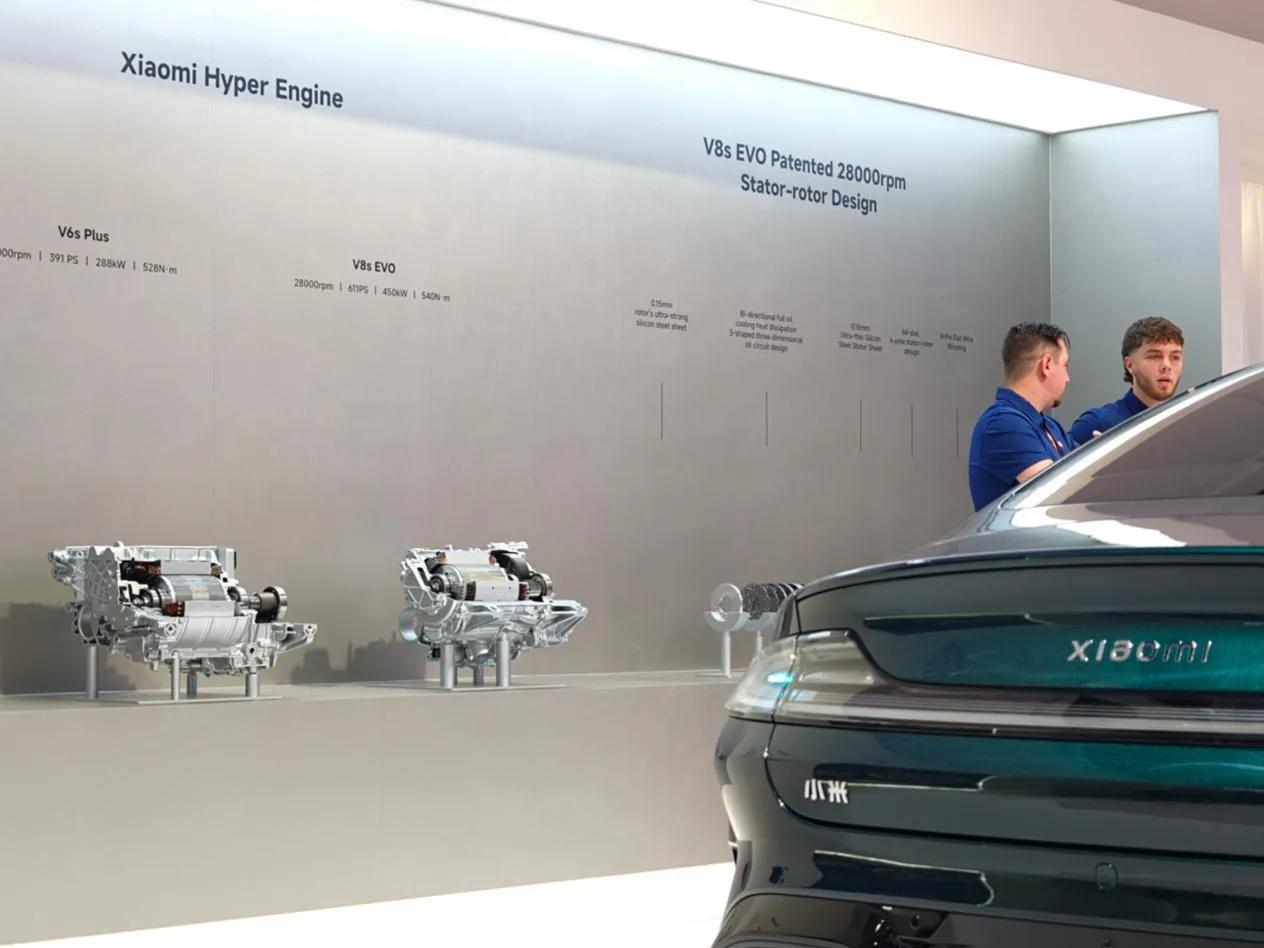
(Image source: shot on site by Leitech IFA Reporting Team)
Prior to this, Mercedes-Benz, the pioneer of the automotive industry, did not do this (or never thought of doing it), and Volkswagen, which ranks second in global sales, did not do it either. Instead, Xiaomi, a brand established for only more than ten years and engaged in the automotive industry for only 5 and a half years, has achieved it. So when Xiaomi vehicles officially set foot on the European continent and local consumers experience the ecological linkage between people, vehicles and homes for the first time, what kind of impact will it bring to the local automotive market?
This is just the first step for Xiaomi Auto to step overseas.
On September 7, Xiaomi's new series Xiaomi Pengcheng was officially launched. As an extended-range model focusing on life and space, if it can enter the European market in the future, the impact on the local automotive industry will undoubtedly be even greater.
Overall, on the eve of Xiaomi's full layout of the "full People-Vehicle-Home ecosystem" in the European market, Xiaomi used this more than 3,000 square meters of booth and more than 300 exhibits at IFA to convey to the European market what the "full People-Vehicle-Home ecosystem" is and how it builds and improves this ecosystem.
For Xiaomi, the layout of the People-Vehicle-Home ecosystem is certainly not the end point. Connecting this ecosystem with AI and implementing physical AI into the full People-Vehicle-Home ecosystem is Xiaomi's vast future.
(Image source: shot on site by Leitech IFA Reporting Team)
Xpeng: Centered on physical AI, laying out the future People-Vehicle-Home scenario
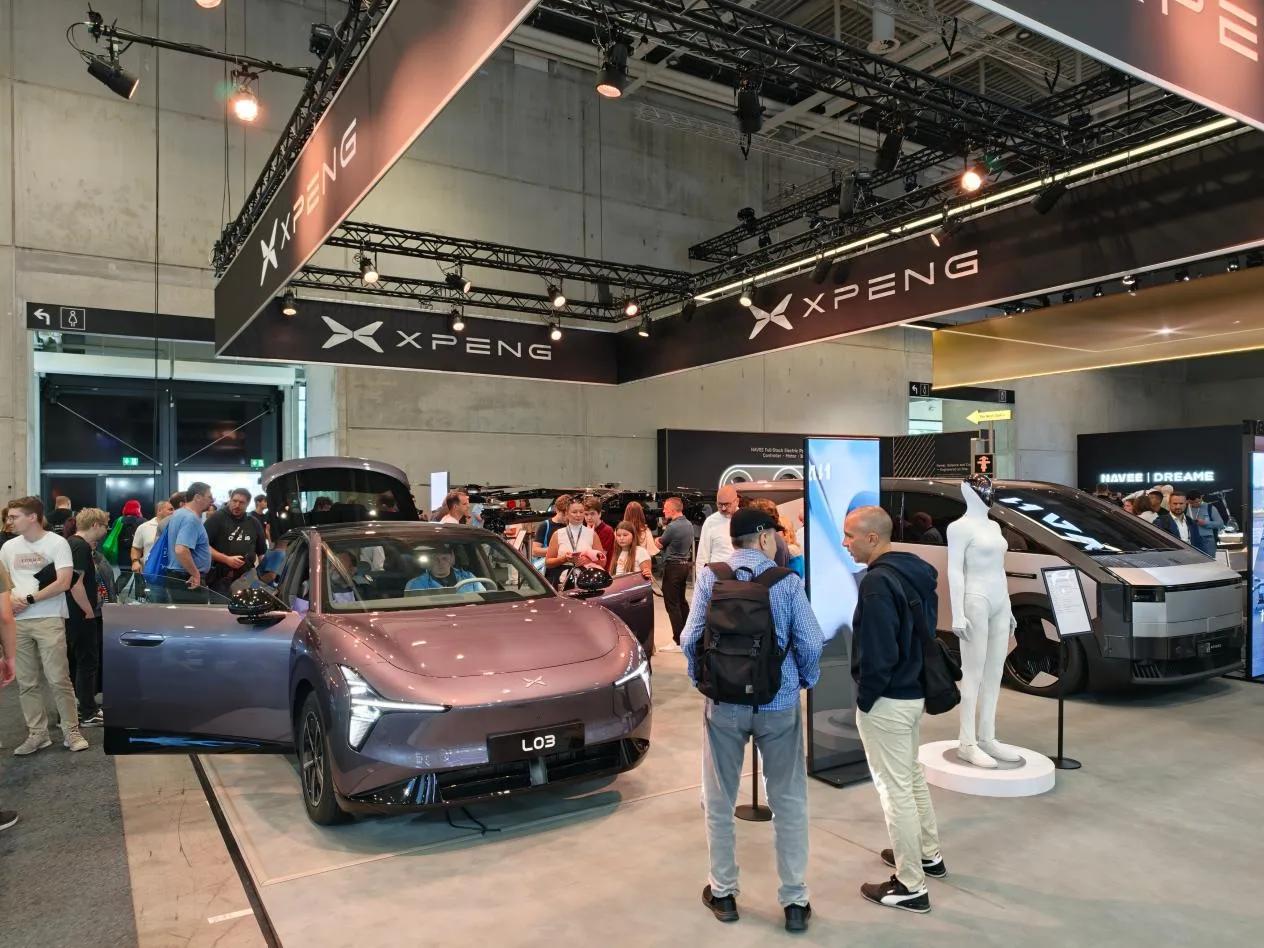
At this year's IFA, although Xpeng's booth is relatively small, the products displayed on the booth are very technically competitive.
(Image source: shot on site by Leitech IFA Reporting Team)
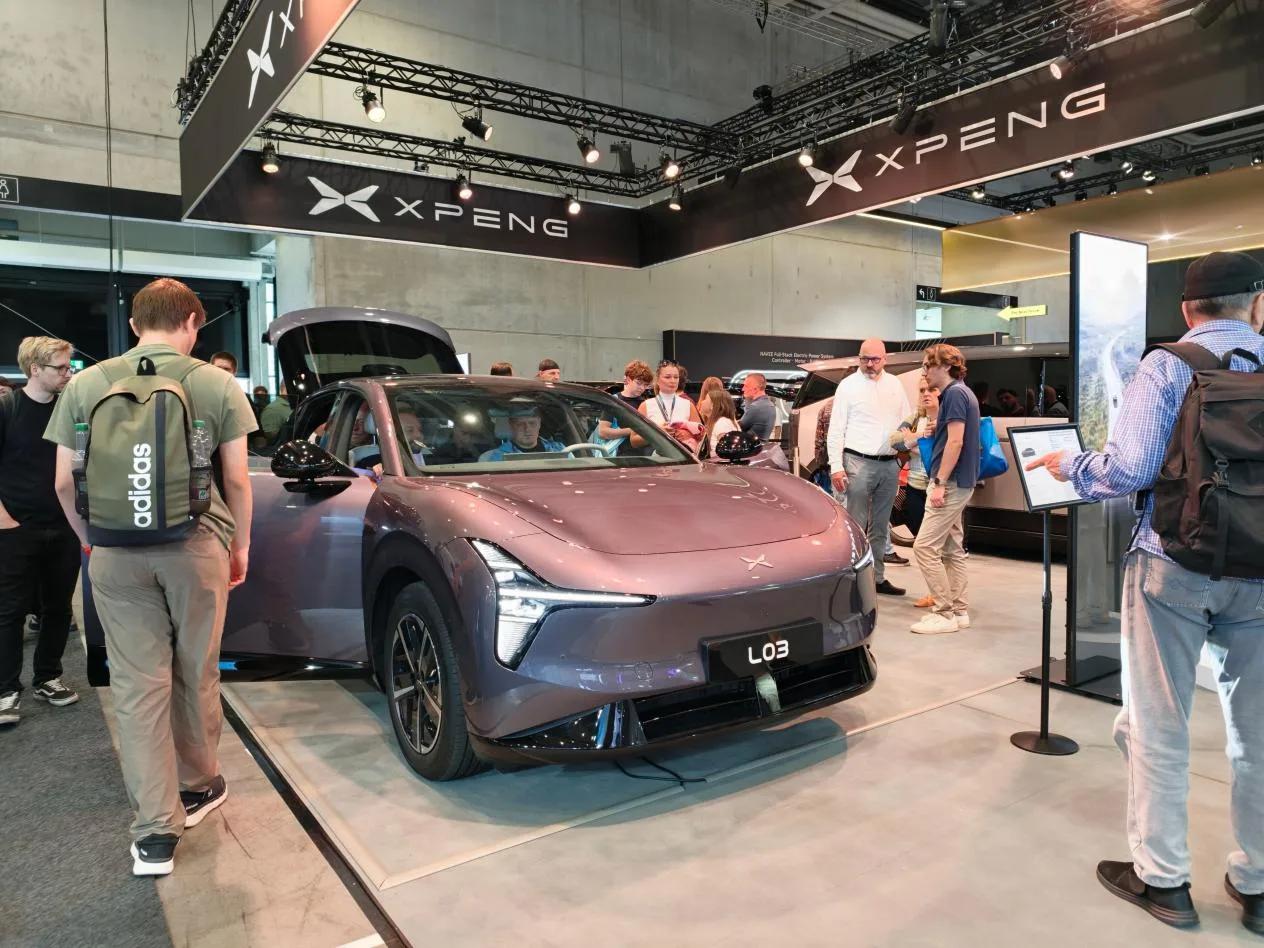
The core of the booth is Xpeng's first native global model — Xpeng MONA L03. This model was launched simultaneously in China and Europe in Munich, Germany on July 16, and is planned to be sold in 65 countries and regions around the world within 2026.
(Image source: shot on site by Leitech IFA Reporting Team)
For the European market, Xpeng MONA L03 has a unique competitive advantage, which is intelligence.
In terms of hardware and software configuration for intelligent driving, Xpeng MONA L03 is equipped with Xpeng's self-developed Turing chip and the second-generation VLA physical world large model. This model is the first for a Chinese automaker to realize a single intelligent driving model that adapts to two differentiated road systems in China and Europe at the same time, and has made special optimizations for European traffic rules and road conditions to better adapt to local usage scenarios.
Previously, He Xiaopeng also went to Europe and other places for road tests of the second-generation VLA, and completed localized verification in Germany. He said: "With almost no increase in localized training data, the actual experience in Germany is already highly close to that in China." He also expects that Xpeng will take the lead in obtaining regulatory permission in Europe in 2027 and start delivering the second-generation VLA to overseas users.
At this stage, local European automakers usually only stay at relatively early technical levels such as highway autonomous driving in the field of intelligent driving. If Xpeng's second-generation VLA can be approved for implementation in Europe, it will bring a technical shock in intelligent driving to local European brands.
Another key exhibit of Xpeng is Xpeng's humanoid robot IRON. The mass-produced finalized version of this robot was officially unveiled at Xpeng Tech Day in the second half of 2025, which is an important carrier for the implementation of Xpeng's physical AI strategy.
