Dive into the local AI scene in Malaysia! Here's the full roundup of highlights from the first day of WAIC CONNECT MALAYSIA.
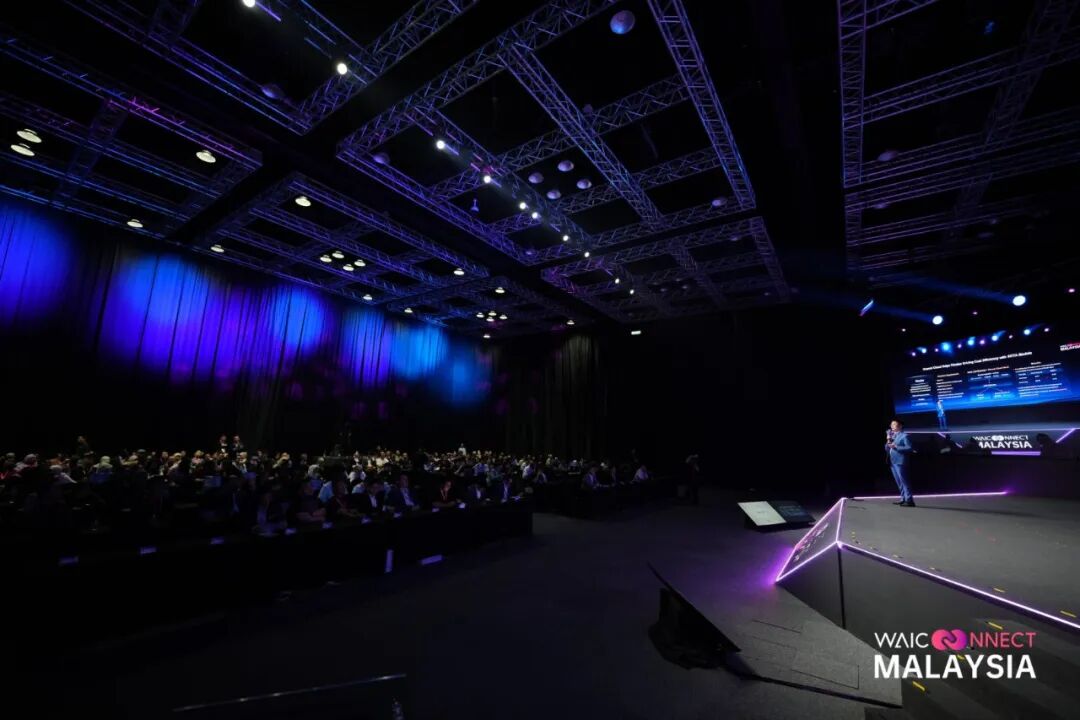
On September 7, the WAIC CONNECT MALAYSIA event grandly kicked off at the Kuala Lumpur Convention Centre.
Co-hosted by WAIC CONNECT, supported by the Chinese Embassy in Malaysia, sponsored by Huawei, and supported by Yicai as the official media, this event brings together government agencies, operators, industry customers, ecological partners and Chinese AI enterprises expanding overseas, launching a two-day feast of artificial intelligence industry exchanges.
The first day takes "Scenario Insight Day" as the main line, extending the vision from the conference venue to the front line of the industry through WAIC City Walk, Huawei Cloud AI Boost Day · Agentic AI Practice and the all-day open AI Showcase, covering everything from infrastructure and innovation institutions, to agent technology and enterprise practices, and the display of diverse AI ecological capabilities —
Starting from the on-site scene, re-recognize the present and future of Malaysia's AI industry.
01 WAIC CONNECT City Walk, Step into the local AI scene of Malaysia
To truly understand a market, you have to start by stepping into its local scene.
On the morning of September 7, as the heavyweight opening session of WAIC CONNECT MALAYSIA, WAIC City Walk officially launched.
From the perspective of the entire Southeast Asia, Malaysia is accelerating the building of a regional technology and digital industry hub. Relying on its profound foundation in the semiconductor and electronic manufacturing sectors, Malaysia is extending its layout to advanced manufacturing, smart factories and AI-empowered production systems; meanwhile, the construction of data centers and computing power infrastructure is rising rapidly, and the national AI roadmap is also systematically promoting the intelligent implementation of smart cities, healthcare, finance, public services and other fields.
Against this strategic background, senior executive representatives of Chinese AI enterprises, together with the Malaysian government, industrial and ecological partners, stepped into the key frontline scenarios of Malaysia's artificial intelligence and technological innovation development — MRANTI and Huawei AI Lab & Innovation Centre, to further understand the development foundation, innovation system and technology application environment of the local AI industry through on-site visits and face-to-face exchanges.
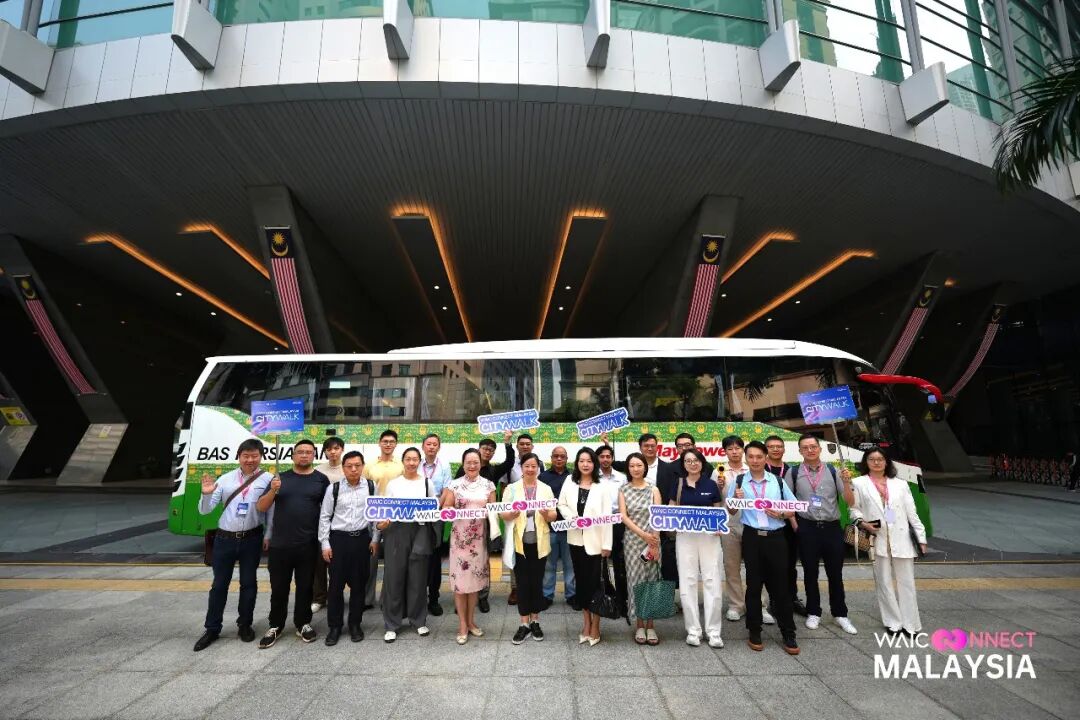
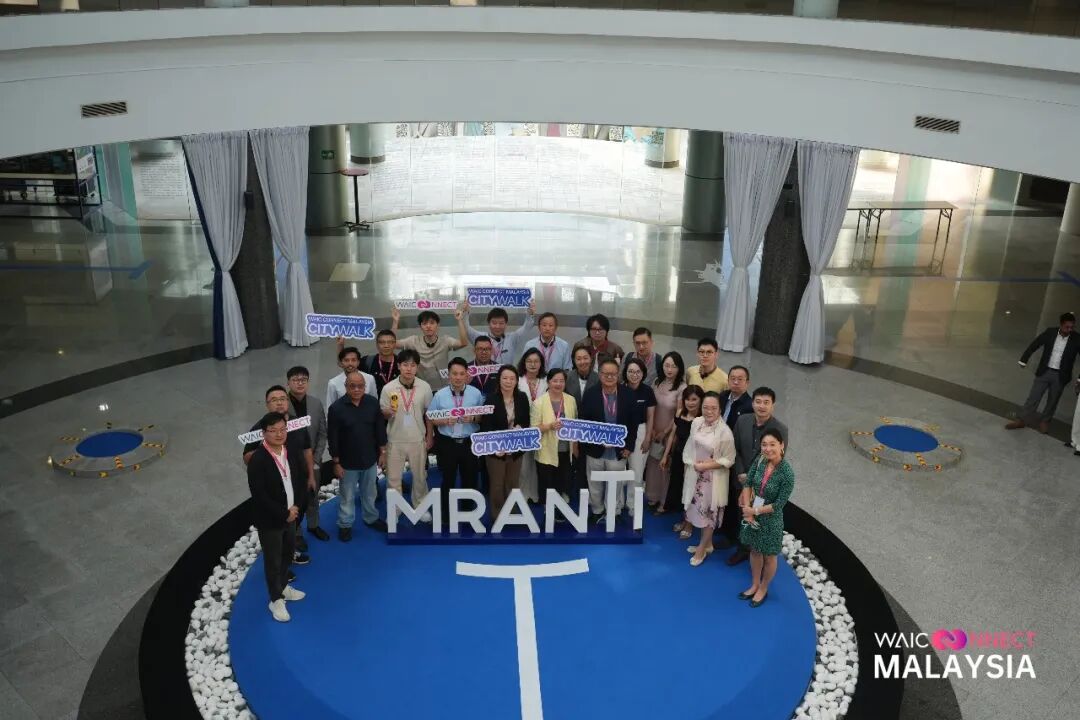
First Stop: MRANTI (Malaysian Research and Commercialization Agency) — Insight into the technology commercialization system and local implementation channels
As Malaysia's national-level science and technology innovation and commercialization hub, MRANTI undertakes the core functions of promoting national artificial intelligence initiatives, technology sandboxes and industrial transformation.
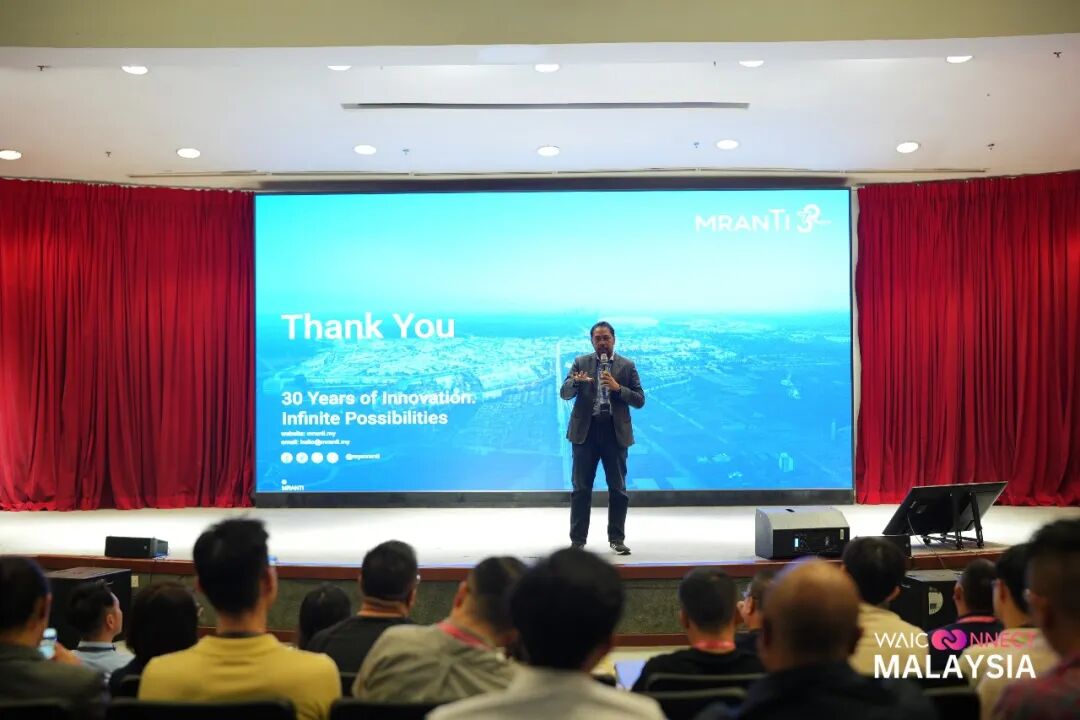
At MRANTI, MRANTI CEO Ashran Dato' Ghazi led the senior management team to personally receive the WAIC CONNECT City Walk delegation. The delegation had an in-depth understanding of the local connection mechanism between scientific research, innovation and industrial transformation, discussed innovative practices in cutting-edge fields such as 4IR, AI and 5G on site, and focused on investigating the complete path of technology from proof of concept (PoC) to commercial scaling. This helps them further understand how Malaysia promotes innovative achievements to industrial applications, and also provides references for Chinese AI enterprises to find entry points for local implementation.
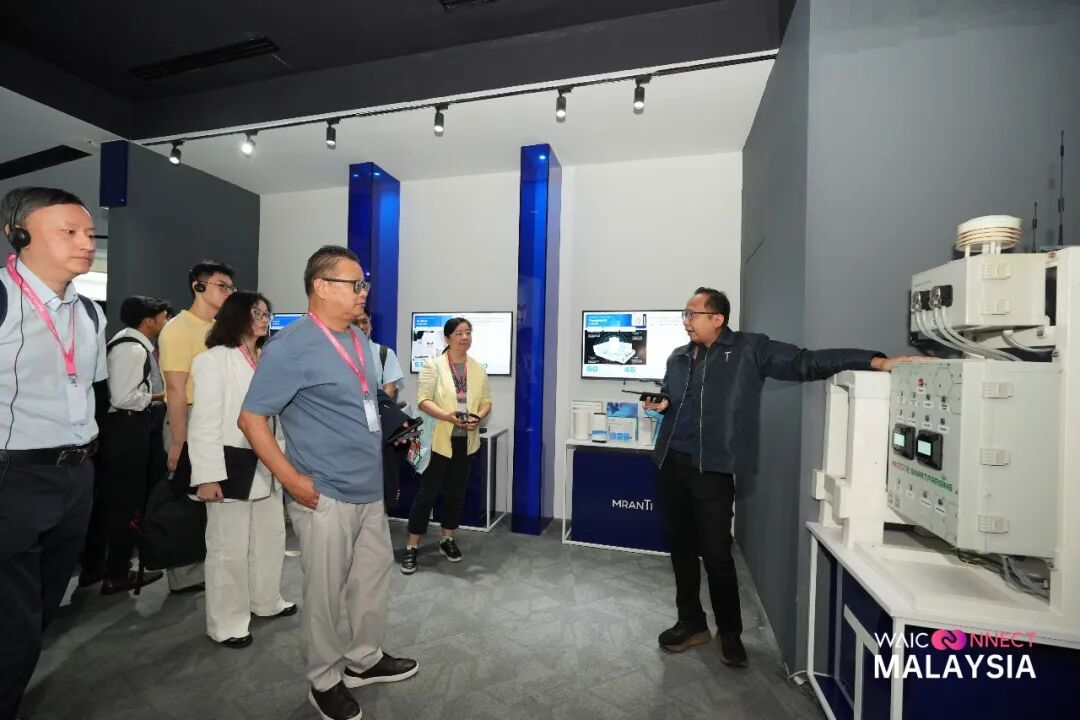
Second Stop: HUAWEI AI Lab & Innovation Centre — Discover new AI opportunities in the Asia-Pacific
Step into the innovation scene to see the clear growth path. The delegation then visited the HUAWEI AI Lab & Innovation Centre, which is located in the Kuala Lumpur landmark The Exchange 106 and covers an area of about 13,000 square feet. As an in-depth partner of this WAIC CONNECT MALAYSIA, Huawei demonstrated applications in full-stack AI technology, cloud infrastructure and energy, public services, smart transportation, business and other fields, presenting the specific path from technological innovation to business implementation.
The Asia-Pacific intelligent economy opens up a new trillion-dollar market. On-site sharing pointed out that by 2030, the relevant growth scale of the Asia-Pacific intelligent economy is expected to reach 1.4 trillion US dollars, with a compound annual growth rate of about 15%, and the Asia-Pacific is expected to become the third pole of global AI growth. The younger population structure of ASEAN provides conditions for the popularization of new technologies and new services; China's verified business models, technologies and growth experience also have the opportunity to be implemented in combination with local needs. From AI Agents for small and medium-sized enterprises to intelligent logistics, intelligent manufacturing and AI Agent service centers, intelligence is entering specific business scenarios.
100x terminals, 10x business opportunities, the layout window only lasts two or three years. AI is stepping out of the screen and entering terminals such as glasses, headphones and toys, taking on the roles of recording, accompanying, working, guarding and following, promoting the development from "Internet of Everything" to "Intelligent Connection of Everything". The on-site sharing proposed that the last wave of technology connected billions of people, and this wave will connect a larger number of all-weather online agents. The terminal scale is expected to expand 100 times, bringing nearly 10 times of business opportunities, and the layout window before the outbreak may only be two to three years. Only by finding scenarios as soon as possible and establishing local cooperation can we seize the first opportunity.
Computing power, connection and data determine the carrying capacity of AI growth. In terms of computing power, data centers need to take into account green power supply, grid friendliness, rapid construction, multi-technology stack compatibility and long-term reliable operation, and support grid stability through grid-forming technology; in terms of connection, all-weather agent interaction and cross-regional computing power collaboration require a network with wide coverage, strong uplink, low latency, seamless switching, safety and credibility; in terms of data, through compliant integration of scattered information, a more complete user portrait is formed to enhance the value of services and businesses. The three jointly support the large-scale implementation of AI applications.
The key to going global is to transform Chinese experience into local value. This visit presents business opportunities from intelligent terminals and infrastructure to continuous services. Chinese enterprises need to give full play to their advantages in technology and supply chain, accelerate innovation, work with local partners to do a good job in product adaptation, scenario implementation and long-term services, and transform mature capabilities into locally sustainable growing businesses.
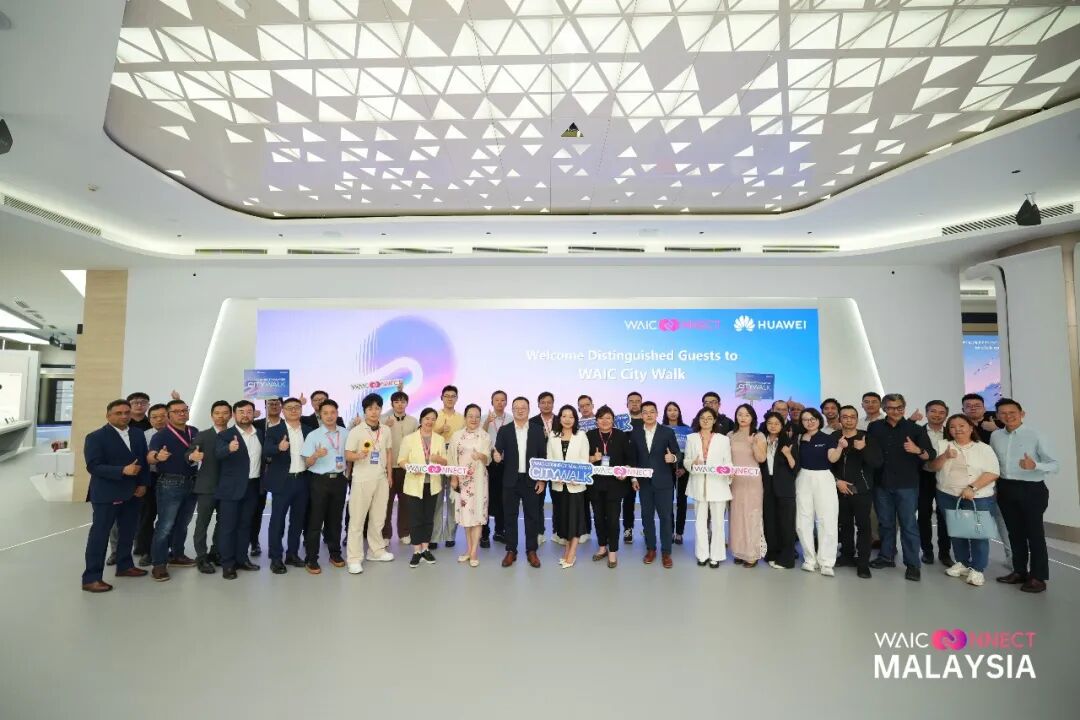
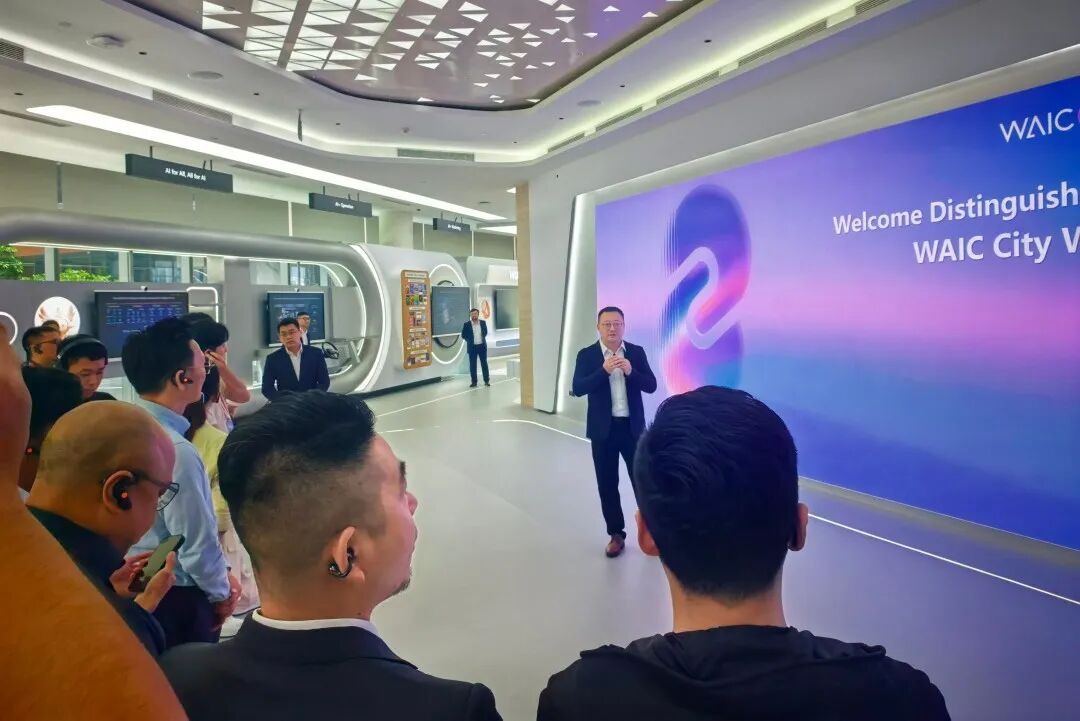
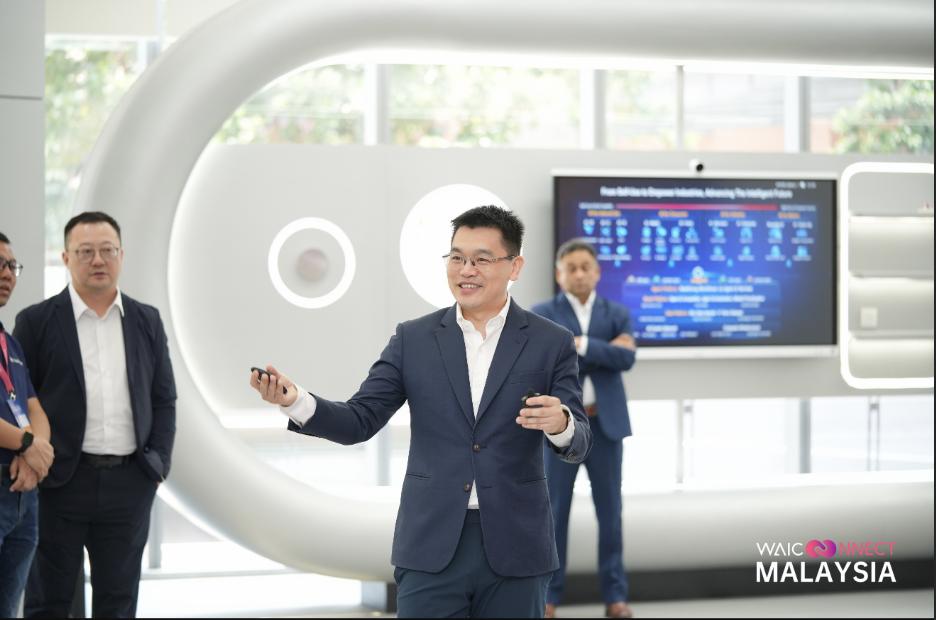
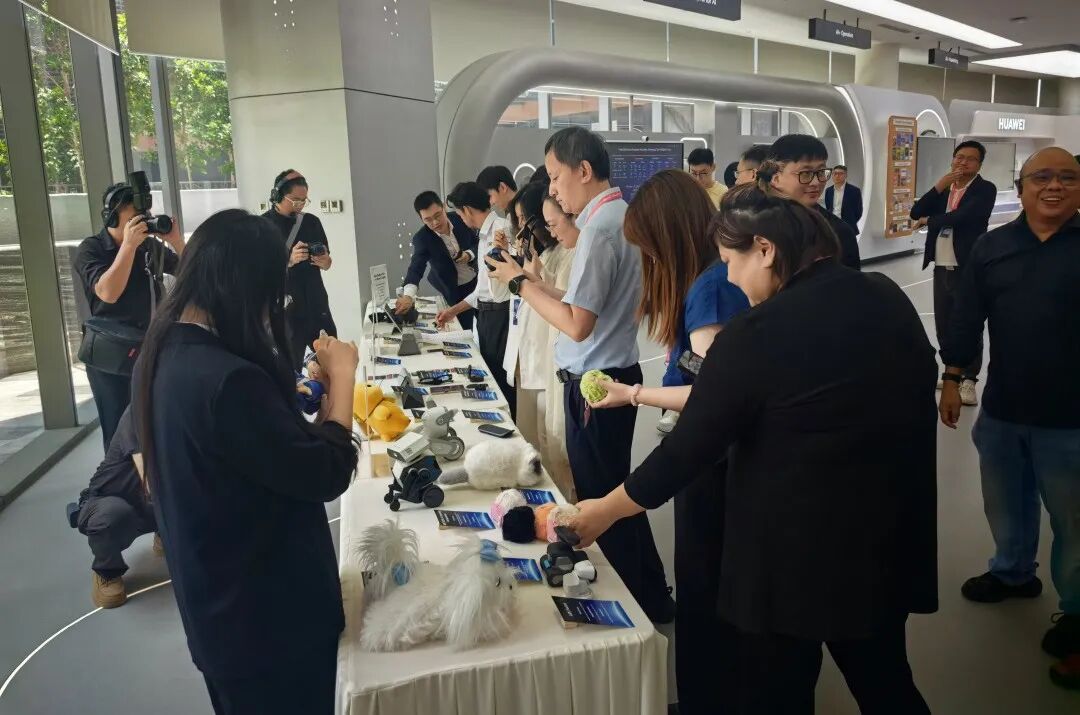
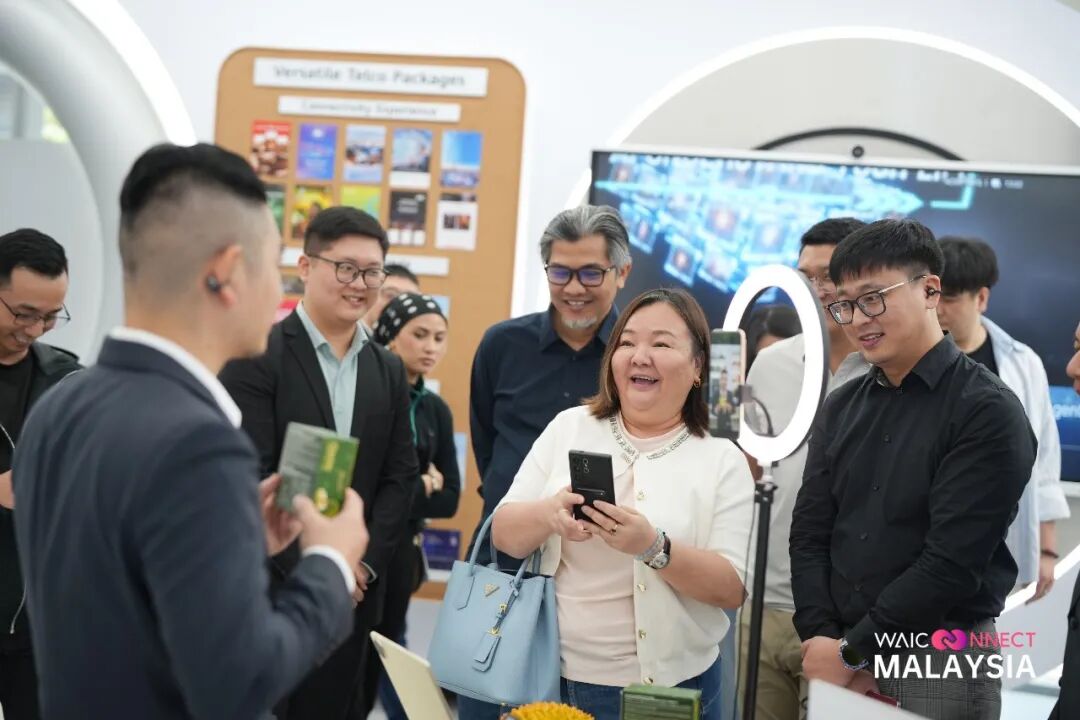
Walking, observing and communicating all the way. From the technology commercialization system of MRANTI to Huawei's AI industry practice, the two sites constitute a three-dimensional observation of Malaysia's AI innovation ecosystem.
This is not only a visit to the industrial scene, but also the first step for Chinese AI enterprises to understand the Malaysian market and find opportunities for local implementation.
02 Agentic AI Practice Workshop, focusing on the industrial practice of agents
The on-site visit of WAIC City Walk in the morning allowed participants to see the present of Malaysia's AI industry; while the Huawei Cloud AI Boost Day · Agentic AI Practice in the afternoon turned the vision to the future — focusing on the industrial practice of agent technology, Huawei Cloud systematically explained its technical layout and product strategy in the Agentic AI era for the Malaysian market.
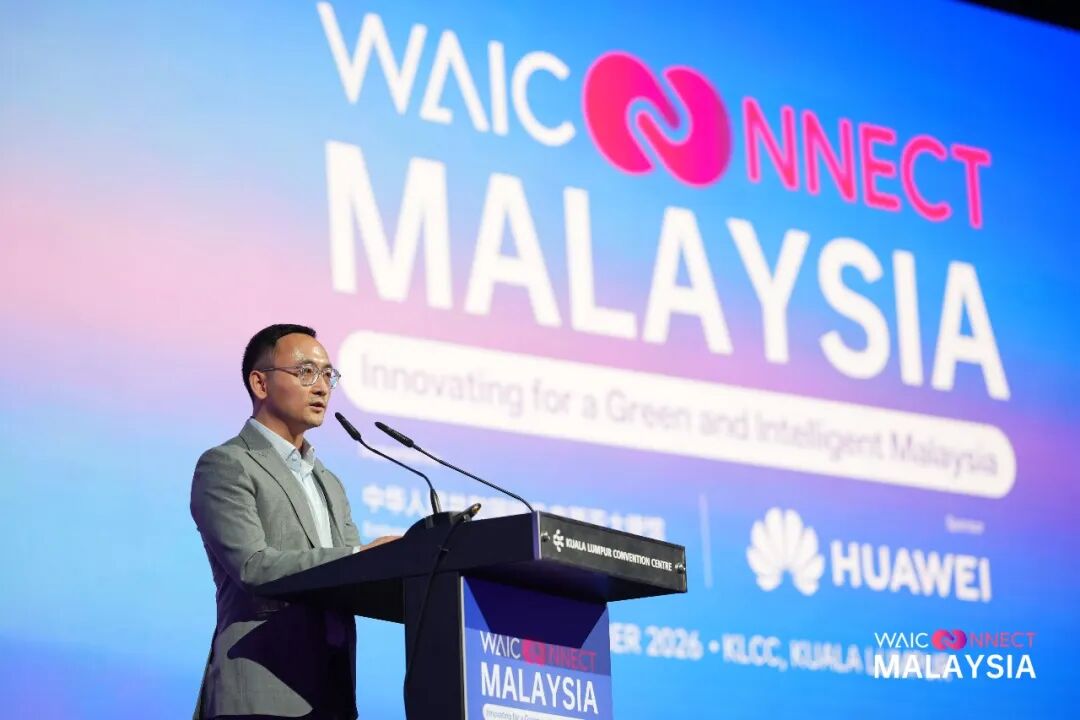
Yuan Yu, General Manager of Huawei Cloud Malaysia, delivered the opening speech
As a global leader in the field of cloud AI infrastructure, Huawei Cloud's technical strength has been internationally recognized by authoritative institutions. In early July this year, Gartner, a global leading information technology research and consulting firm, officially released the 2026 "Magic Quadrant for Cloud AI Infrastructure" report. Huawei Cloud successfully entered the "Leader Quadrant" with its technical strength and market performance, marking that its leading position in the global cloud AI infrastructure field has been internationally recognized. Behind this recognition is the complete technical system built by Huawei Cloud for the Agentic AI era.
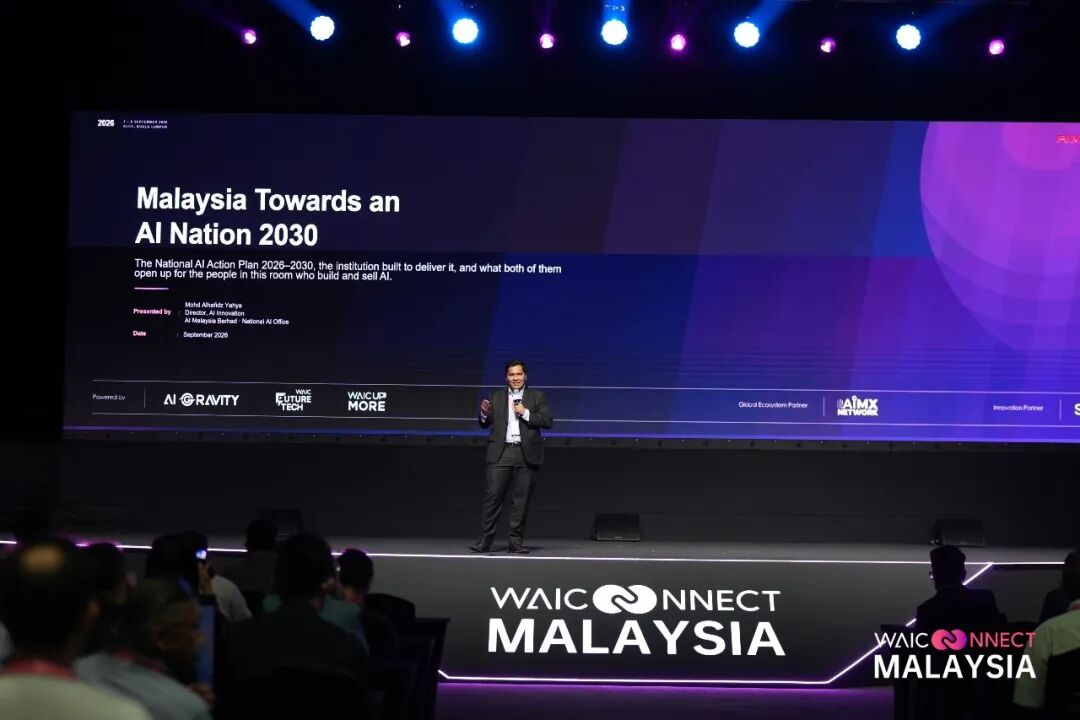
Mohd Alhafidz Yahya, Director of AI Innovation at AIMB
Facing the Agentic AI era, Huawei Cloud adheres to the soft and hardware collaboration, and systematically expounds its five-layer Agentic Cloud technical system — from the Agile cloud infrastructure layer to the Agent-Native enabling layer, providing enterprises with a complete technical blueprint from "model invocation" to "agent collaboration".
On this basis, a rich AI product matrix has been built: AI Infra infrastructure, ModelArts model training and inference platform, AI DataLake intelligent data lake, MaaS Model as a Service, AgentArts enterprise-level intelligent platform, etc. It will work with a large number of partners and developers to jointly build the "Industry AI Dream Factory", and consolidate the "silicon-based black land" for enterprise-level AI innovation.
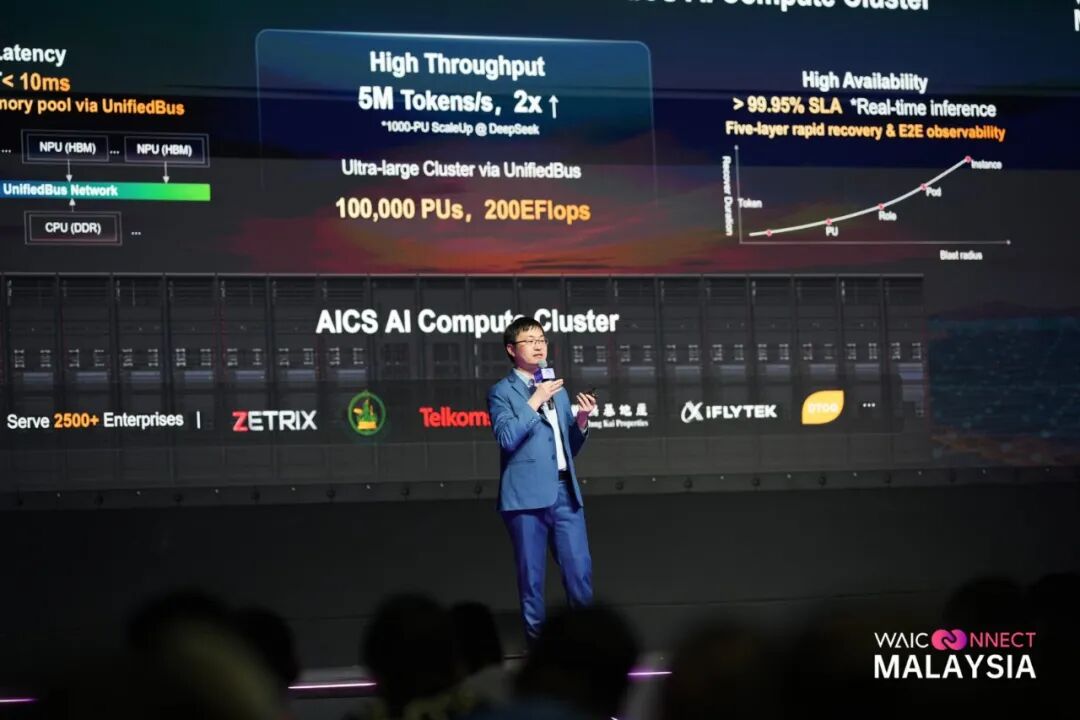
Luo Hongjun, Head of Asia-Pacific Solutions at Huawei Cloud
In Huawei Cloud's AI product matrix, the key product heavily announced for the Malaysian market this time is Huawei Cloud CodeArts code agent is officially commercially available. As an intelligent coding product integrating code large model, IDE and independent development mode, CodeArts provides intelligent coding capabilities such as code generation, R&D knowledge Q&A, and unit test generation, and continues to expand the capability boundary of AI in software R&D for complex projects and enterprise-level scenarios in real software R&D.
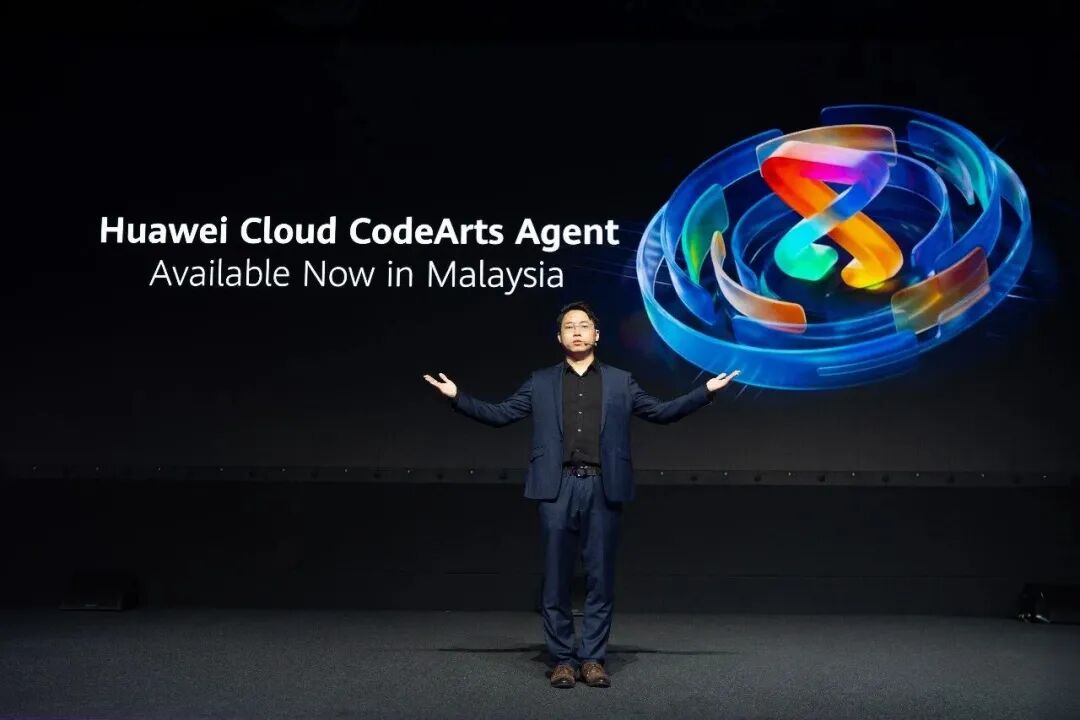
Chang Kangbo, Head of Solutions at Huawei Cloud Malaysia
For complex R&D tasks, Huawei Cloud CodeArts has a number of differentiated capabilities:
Agent Team has 16 built-in expert agents, covering the whole R&D process including requirements, architecture, development, testing, problem fixing, code review, etc.,