South Korea's LG, which was stabbed in the back by General Motors, has found a new powerful backer.
Little did I expect that AI has begun to compete with new energy vehicles for market share.
A few days ago, Robert Lee, President of LG Energy Solution North America, said in an interview with Reuters that the company is converting 5 out of its 8 North American factories to produce energy storage batteries.
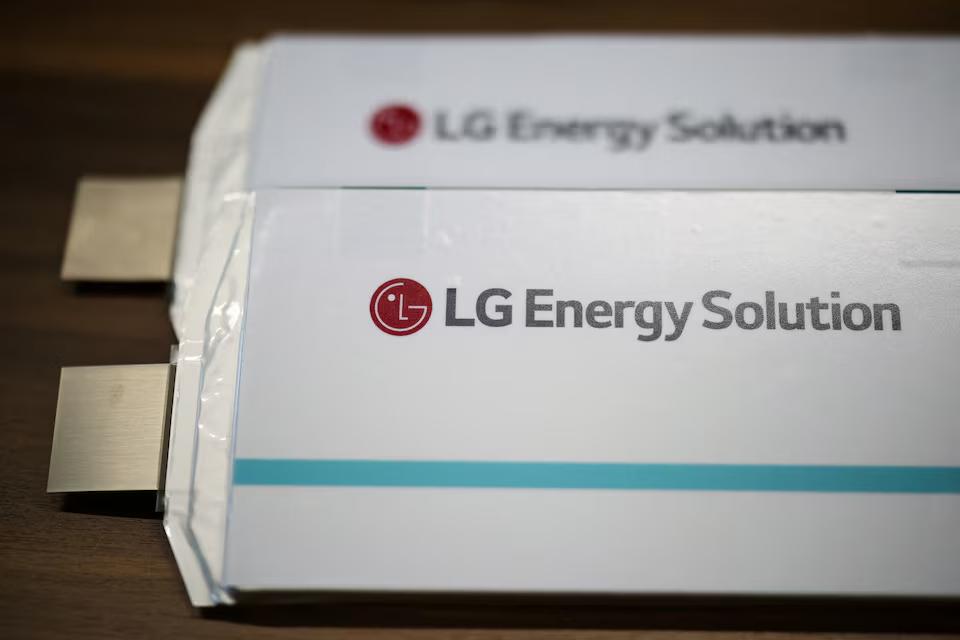
It is worth noting that LG is the largest power battery producer in North America, holding a 30%-40% market share, with clients including Toyota, Honda, Tesla, General Motors and many other automakers.
What's more surprising is that ever since Tesla entered the Chinese market, we have known that LG's core expertise lies in ternary lithium batteries.
Energy storage applications require lithium iron phosphate batteries with more charge-discharge cycles. In this field, LG is a total newcomer compared with BYD and CATL, with an energy density gap of 10%-20%.
It is easy to see how strong the appeal of AI infrastructure is, that it makes LG willing to slow down its automotive business and make a full 180-degree turn.
As my knowledge of AI is relatively limited, I have consulted my friend Shichao these days, and today I will talk with our readers about what is happening in the energy storage industry.
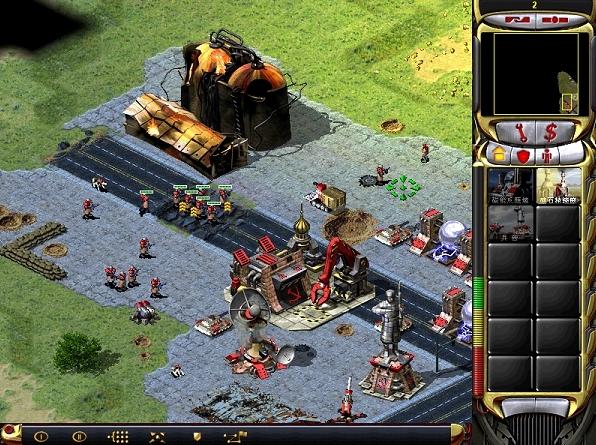
This situation is just like my in-game name in Red Alert: as soon as players deploy their base vehicle, they have to start building power plants.
Without electricity, nothing can work properly.
AI is exactly an extremely power-hungry sector.
How extreme is that?
For example, a single H100 GPU has a full-load power consumption of 700W, while the B200 reaches 1200W, and the latest R100 sees this figure surge to 2300W.
In this case, the instantaneous power consumption of a 10,000-GPU cluster is 23 megawatts (1 megawatt = 1000 kilowatts), which is equivalent to the electricity consumption rate of a county in China with a population of 200,000 to 300,000.
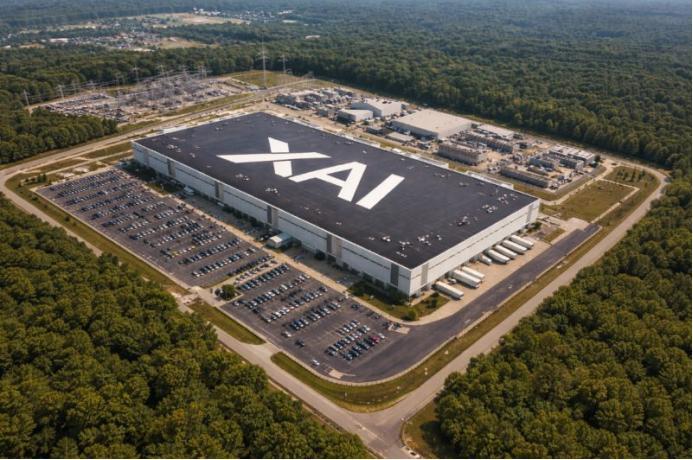
And this is only a 10,000-GPU cluster. For example, Elon Musk has a supercomputing cluster composed of 100,000 H100 GPUs in Tennessee. The first phase of the project has applied for a grid quota of 150 megawatts, equivalent to the electricity consumption rate of a fourth-tier city.
If this trend continues, according to S&P data, the global power consumption of data centers will reach 787.8 TWh (1 TWh = 1000 GWh = 1,000,000 MWh) in 2025, representing a year-on-year increase of nearly 20%.
They predict that by 2030, the global power consumption of data centers will reach 1550 TWh, accounting for 6% of the world's total power generation.
Most people may not have a clear concept of this figure. For reference, the steel industry, the backbone of the industrial sector, only accounts for 2%-3% of the global power generation.
Now you can understand how huge the power demand of data centers is.
Let's turn back to the US where LG is located. The sector is consuming massive amounts of power, while the US power grid is far from keeping up with the demand.
Not only are some areas still using facilities left over from the old large-scale infrastructure projects decades ago, the US power grid is also famously privately owned.
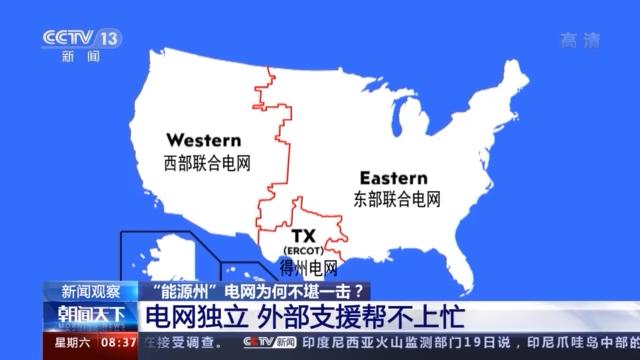
Thousands of power companies of all sizes divide the US into three major grid regions.
Therefore, when companies like xAI, Microsoft and Google apply for grid quotas, they have to submit grid connection applications to the local grid dispatch center, which then coordinates with all power companies of different sizes.
The whole process takes 2 to 3 years or even longer to get approval.
Therefore, if there is a real power shortage, the development of AI enterprises will be restricted. Jensen Huang from NVIDIA has repeatedly expressed his concern, stating since the end of last year that "energy is the bottleneck".
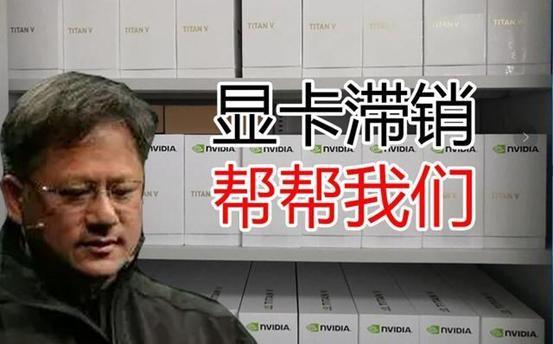
Under the general premise of power shortage, AI enterprises have begun to find solutions on their own.
The most straightforward approach is to directly cooperate with power plants to obtain dedicated power supply.
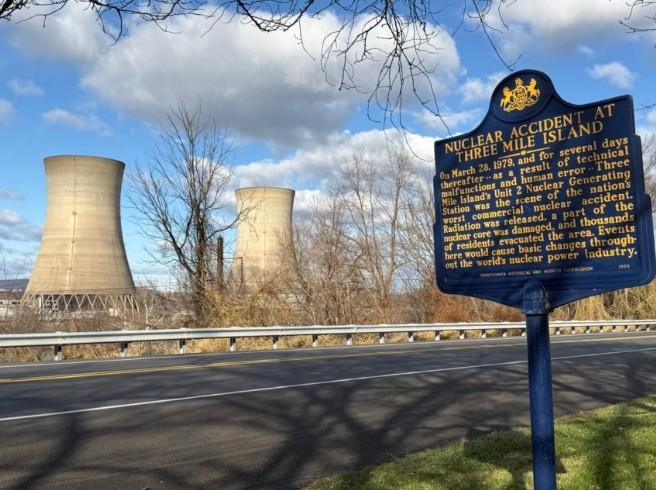
Microsoft, for example, has spent 16 billion US dollars to restart the Three Mile Island Nuclear Generating Station in the US, which had suffered a core meltdown accident and gradually declined afterwards.
In the next 20 years, this nuclear power plant with an installed capacity of 837 megawatts will exclusively supply power to its AI data centers.
Other internet companies are taking similar measures: Google has partnered with Kairos Energy, Amazon has directly invested in X-energy, and all these companies are exploring their own ways to ensure stable power supply.
However, plans to build new power plants and renovate power grids are scheduled to be completed around 2030, which is too slow to meet the urgent demand. A more immediate solution is energy storage.
Large banks of batteries can be placed in data centers to act as power reservoirs.
If you have watched our video introducing China's power grid, you may know that traditional power systems follow the "generate and use immediately" rule: the amount of power generated by power plants must equal the amount of power consumed, and any excess power will be wasted.
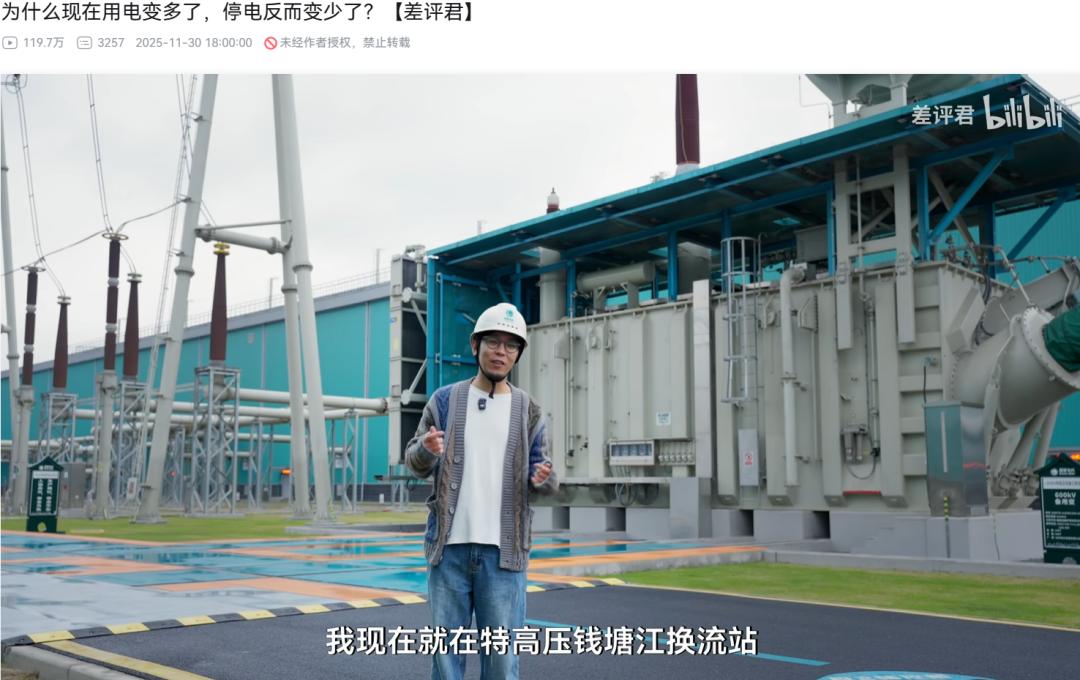
This brings the first advantage of energy storage: it can store the excess generated power during off-peak hours, and release it for use when needed.
Storing electricity is the most basic function, and energy storage also acts as a buffer for AI operations.
When AI data centers perform large-scale parallel computing, thousands of GPUs start up synchronously, creating a huge instantaneous impact on the power grid and causing sharp, jagged fluctuations in power load.
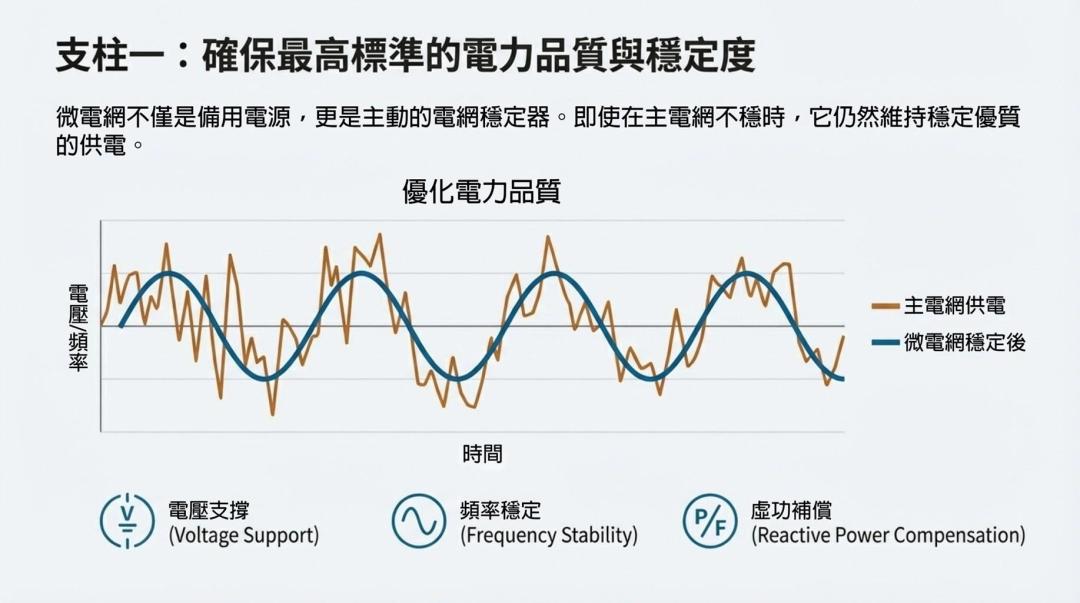
Facing the power demand of AI, the transmission capacity of aging power grids can easily hit a bottleneck, and this is where energy storage comes into play.
After all, if the grid is overloaded and loses power during the computing process, all the training data will be lost once the circuit breaker trips.
Therefore, energy storage is currently a very critical part of AI infrastructure.
Moreover, given these advantages of energy storage, not only AI companies but also power companies have realized the problems of their power networks, and are also actively deploying energy storage facilities.
According to the report from the International Energy Agency, the global newly added energy storage capacity will reach 108 GW in 2025 (equivalent to the installed capacity of 4.5 Three Gorges Hydropower Stations), representing a year-on-year increase of 40%, 80% of which is used in public utility scenarios.
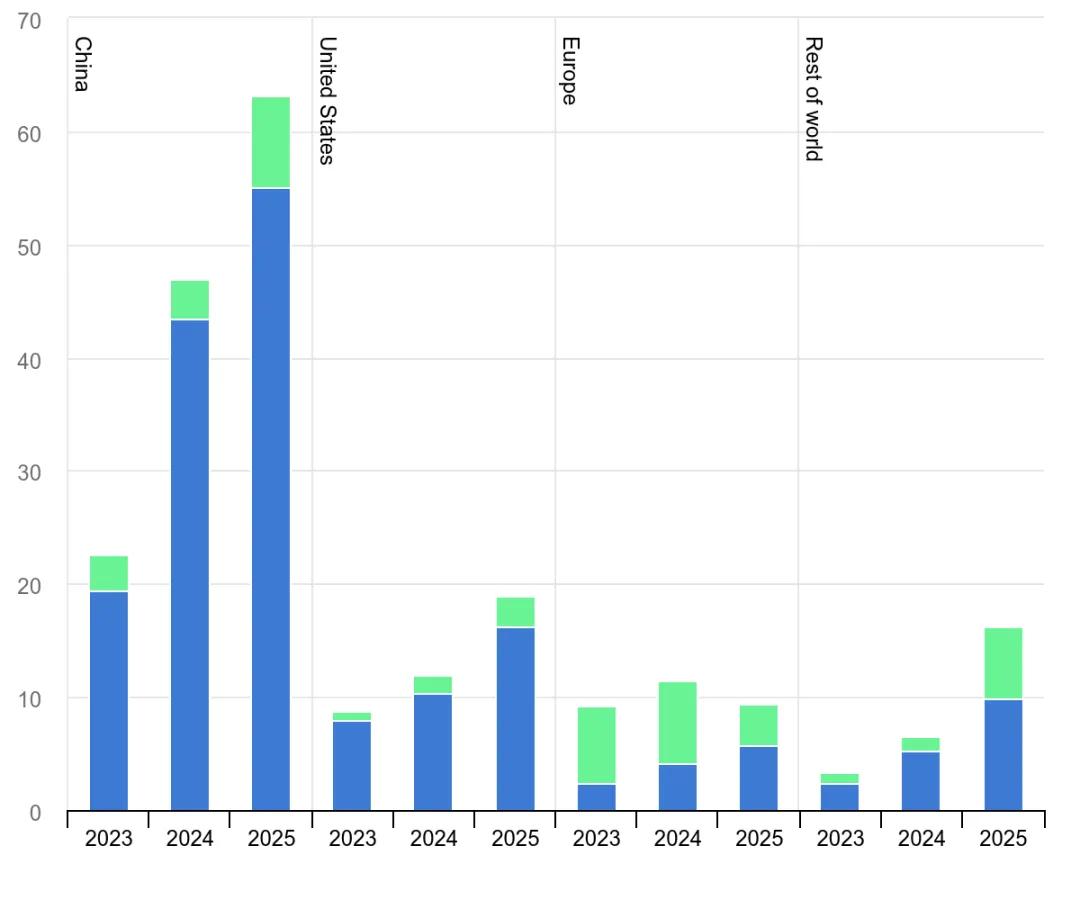
Newly added energy storage capacity by region, 2023-2025.
For power companies, deploying energy storage systems on their own can not only ensure the smoothness of grid power supply to meet the needs of their partner AI companies, but also generate considerable profits from electricity price arbitrage.
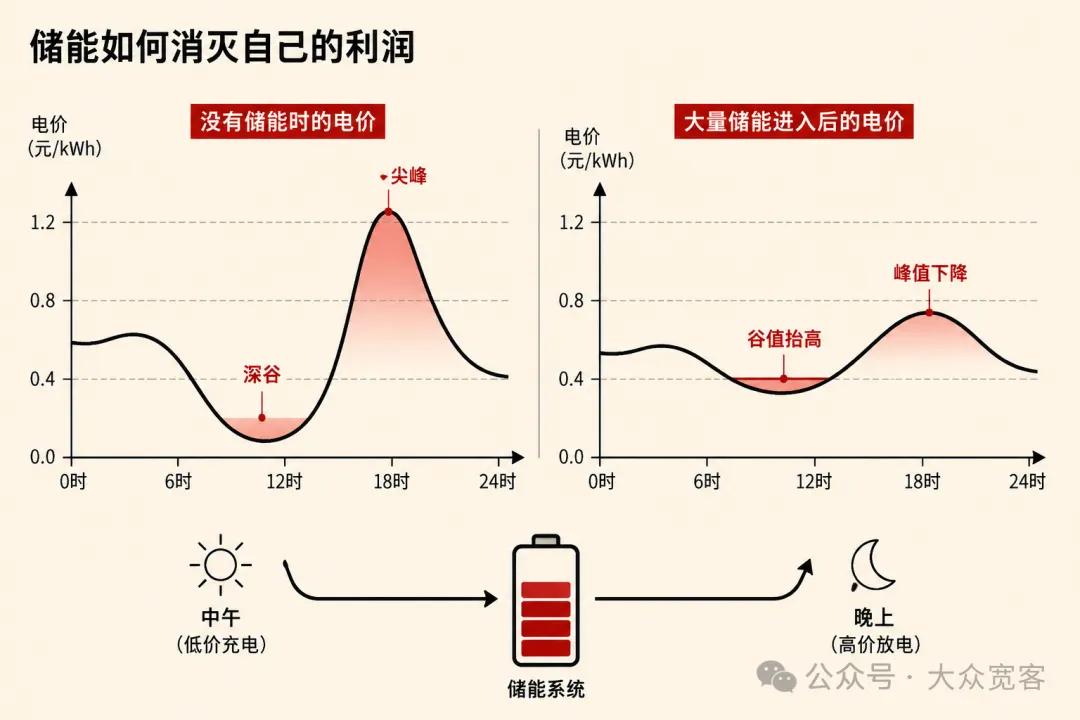
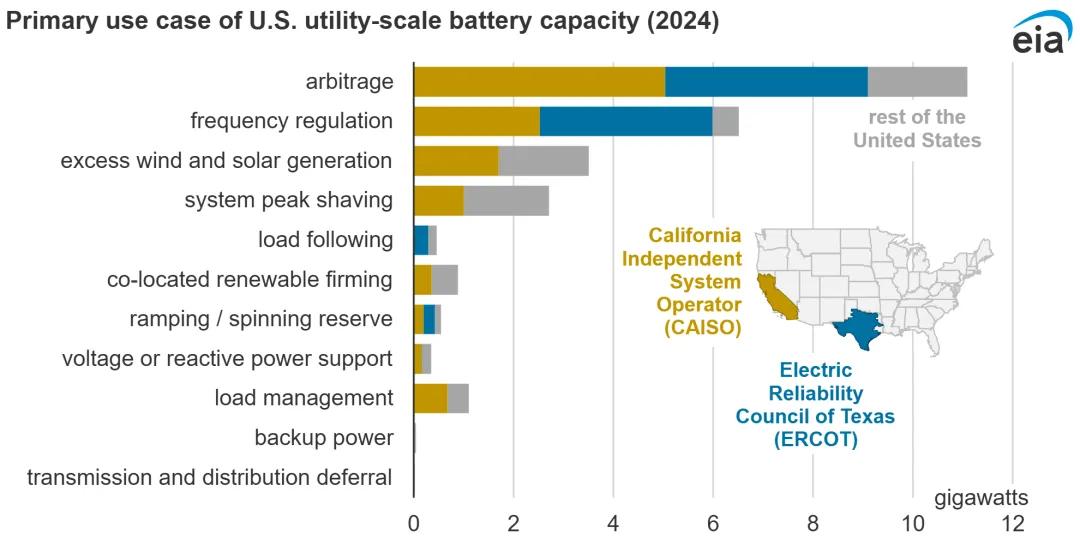
According to statistics from the US Energy Information Administration (EIA), 66% of the utility-scale battery capacity in the US is used for arbitrage activities.
In California and Texas, where the power market is relatively mature, about 9 GW of capacity has been put into the arbitrage market by the end of 2024.
At this point, it is no longer surprising that LG has shifted its production focus to energy storage batteries.
Moreover, it is not just LG. Battery manufacturers including CATL and BYD have long recognized the potential of energy storage, and are rapidly expanding their energy storage business riding the wave of AI development.
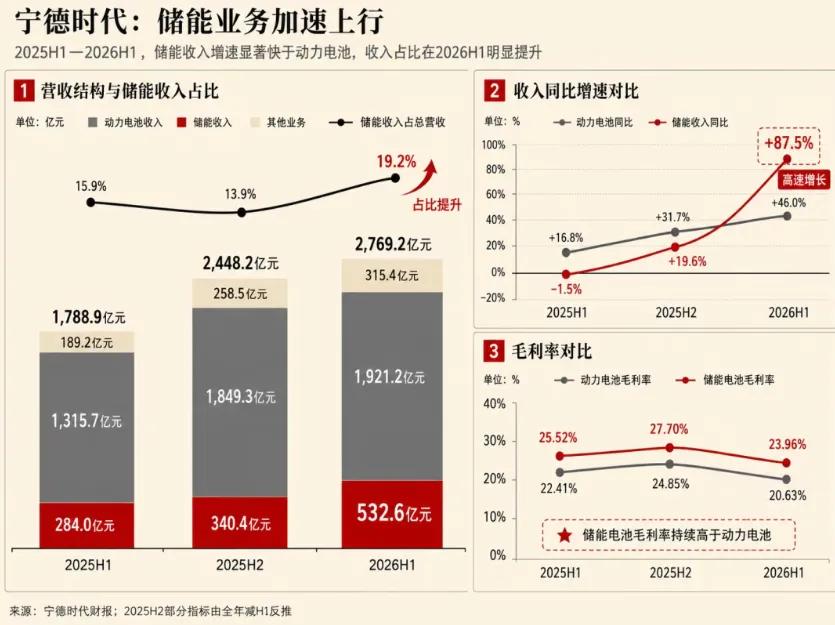
Recently, many automakers have begun to adopt batteries from Sunwoda and CALB. As the AI sector competes for battery supply, a new round of competition in the new energy vehicle industry is likely to break out.
Image and Data Sources:
Lithium Energy Storage, CATL's Second Growth Curve, Public Quant
LG Energy Solution: Solid-state Batteries May Enter Phones and Drones Before Being Installed in Vehicles, Reuters
This article is from WeChat Official Account X.PIN, Author: Haosen, Editor: Zuobian Ning & Mianxianhu Jun, published with authorization from 36Kr.