Tesla suddenly announced that its electric motors contain zero rare earths. Are the cards in the hands of Chinese enterprises still competitive?
Elon Musk shared a Tesla post on X, stating that the drive motor of Cybercab uses no rare earth elements at all, with no reduction in driving range.
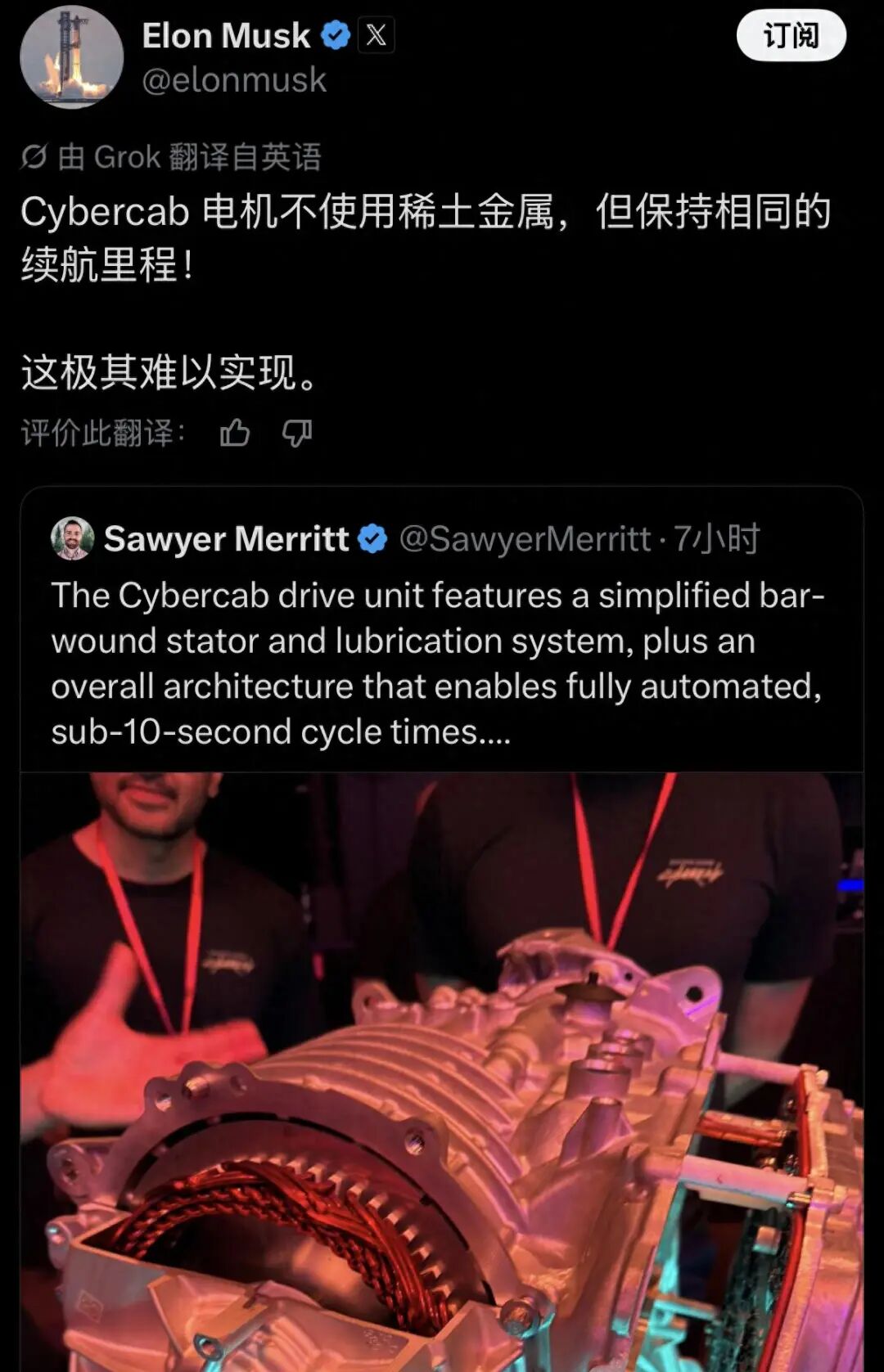
Musk added that this achievement was extremely difficult to pull off. Why is it so hard?
Because the energy density of non-rare earth magnets (such as ordinary ferrite) is only a fraction of that of neodymium iron boron permanent magnets. Achieving "strong magnetic output" with "weak magnetic materials" without sacrificing the vehicle's driving range is a challenge to the laws of physics.
Therefore, "rare-earth-free" used to represent "poor performance, heavy weight, and short driving range", but Musk not only announced zero rare earth usage, but also claimed there is no loss in driving range.
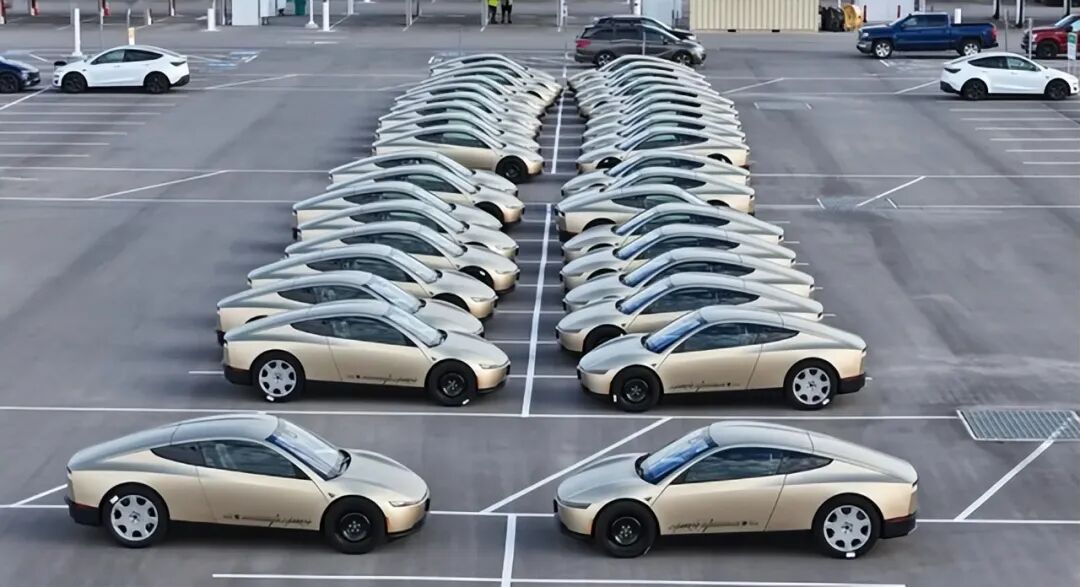
On the very same day, fleets of golden Tesla cars with no steering wheel and no pedals started picking up passengers on the streets of the United States.
Tesla's History with Rare Earths
To understand this, we need to look back at Tesla's past.
The earliest Model S and Model X used AC induction motors that did not rely on rare earths. Back then, Tesla had little say in the supply chain, and using induction motors was a last resort — although they were slightly less efficient and heavier, they did not make the company dependent on external suppliers.
By the era of Model 3 and Model Y, Tesla needed to scale up production, reduce costs and improve driving range, so the minor efficiency disadvantage of induction motors was no longer acceptable, and the company fully switched to permanent magnet synchronous motors.
Permanent magnet synchronous motors are highly efficient, compact and lightweight, but they have a fatal weakness — they cannot function without neodymium iron boron rare earth permanent magnets.
In March 2023, Tesla presented a material list for its motors at its Investor Day. At that time, Tesla's permanent magnet motors required three types of rare earths, with approximately 500 grams of neodymium, 10 grams of dysprosium and 10 grams of terbium respectively.
Then in 2023, Tesla suddenly put forward the goal of "zero rare earths for next-generation drive motors" at its Investor Conference, and two years later, Cybercab was delivered as a real production vehicle.
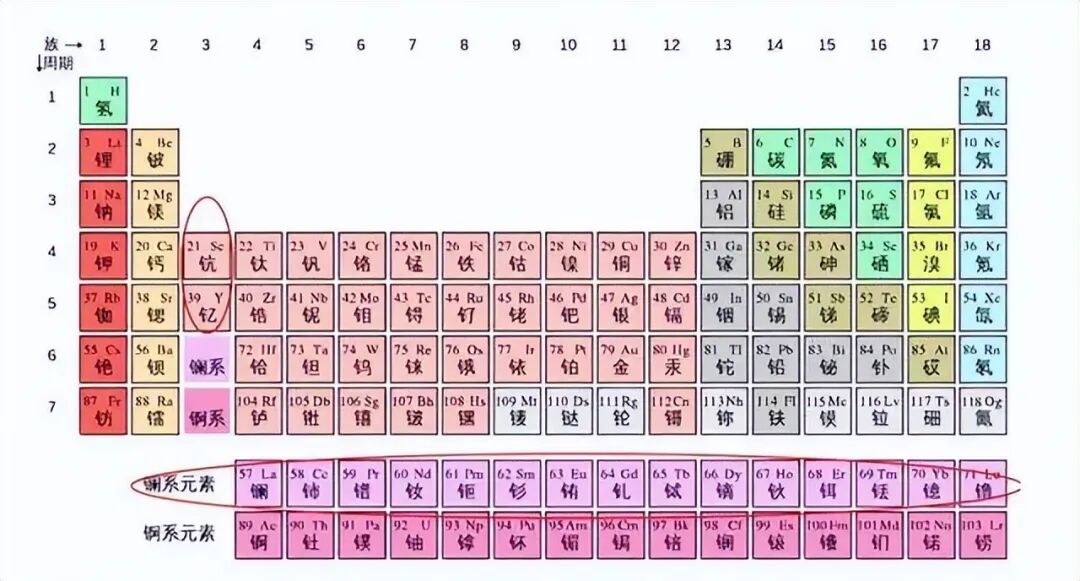
From no rare earth usage, to massive rare earth usage, and then back to no rare earth usage. These are different choices Tesla made at different stages — when the scale was small, supply chain security was the top priority; when scaling up production, efficiency and cost were prioritized; now that the company has a large enough scale and faces geopolitical risks, supply chain security has once again become the number one priority.
How to Achieve Uncompromised Performance with Zero Rare Earths
Traditional permanent magnet synchronous motors rely on rare earth permanent magnets to provide a strong magnetic field, so that the motors can be made small, light and efficient. Without rare earths, the magnetic field strength cannot reach the required level, and performance will naturally degrade.
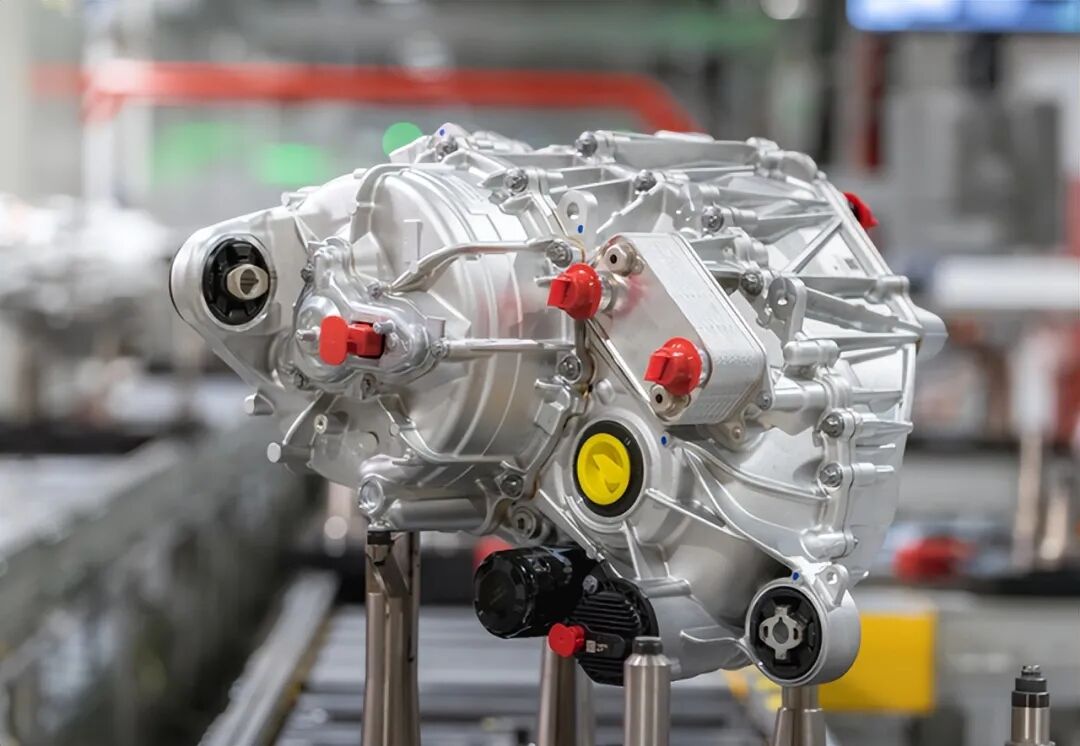
Tesla's solution is a three-pronged approach: first, to optimize the synchronous reluctance motor route, so that the magnetic circuit structure of the rotor core undertakes more driving force. To put it simply, it does not rely on the attraction of magnets, but on the change of magnetic reluctance caused by the shape of the iron core itself to generate rotation.
Second, to explore new ferrite composite magnetic materials, using weak magnetic materials combined with structural design to achieve output close to that of strong magnets.
Third, to use hairpin windings to increase the copper fill rate, and cooperate with a more powerful temperature control system to compensate for efficiency and heat dissipation performance.
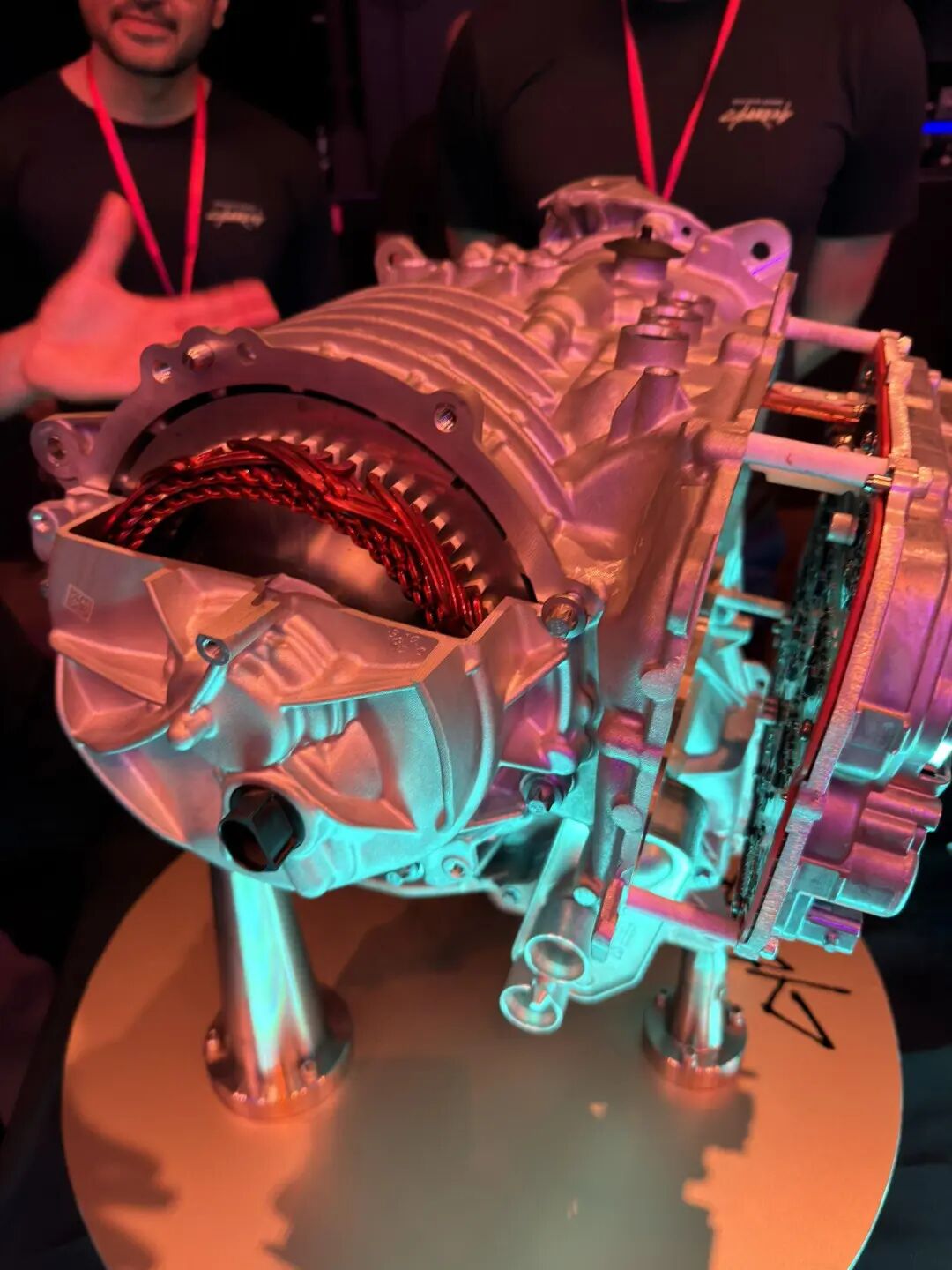
Looking at these three measures individually, none of them is a black technology, but the difficulty lies in combining the three measures together to achieve uncompromised performance while reducing costs. This is a system engineering capability, not a single-point technological breakthrough.
But what really has technological content is not the zero-rare-earth feature itself, but the series of manufacturing data behind it.
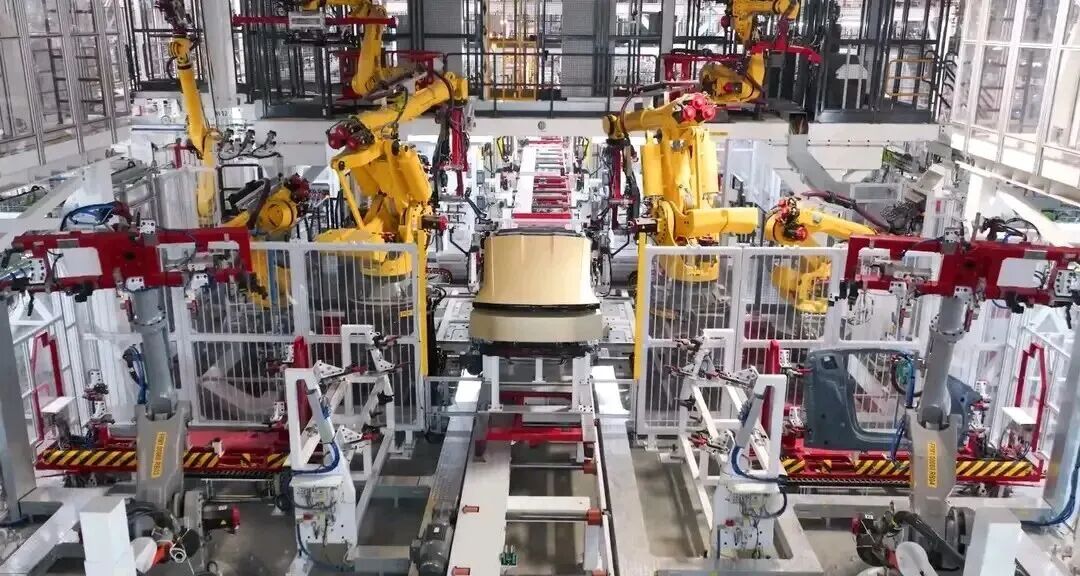
The automated production cycle of the drive unit is reduced to less than 10 seconds — traditional car manufacturers need dozens of minutes or even hours to assemble a high-performance motor, while Tesla can produce one unit every 10 seconds.
The footprint of the motor production line is reduced by 50%, the cost of the next-generation drive unit is about 1000 US dollars, and the demand for silicon carbide chips in the inverter is also reduced.
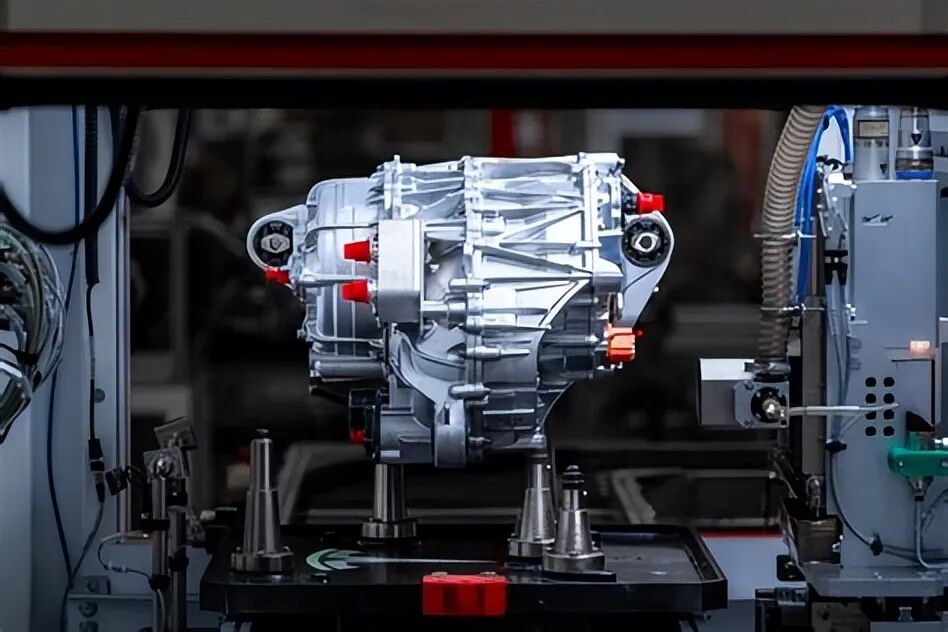
Rare earths are saved, chips are saved, factory space is saved, labor is saved, and the cost is reduced by 1000 US dollars.
Tesla is not conducting technical verification, but mass production verification — the zero-rare-earth product is not a laboratory sample, but a mass-produced product that has been installed on Cybercab, rolls off the production line every 10 seconds, and has lower costs.
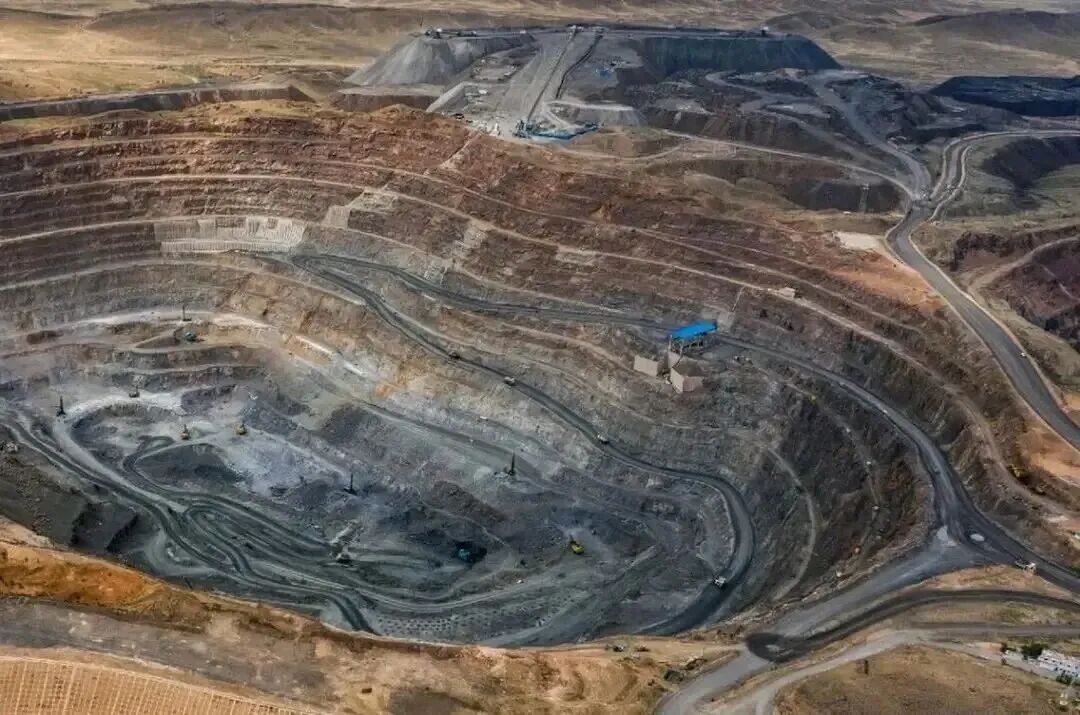
China has a very complete industrial chain and obvious scale advantages in the entire process from rare earth mining, separation, refining to high-performance magnetic material manufacturing.
This sounds like an advantage, but for Tesla, it is a potential supply chain risk. 500 grams of rare earth per motor seems to be a small amount, but Tesla sells millions of vehicles a year, and with the future development of robotaxis and humanoid robots, the demand for motors may be several times or even more than ten times the current level.
At that time, the stable supply of key materials will no longer be a minor issue.
Moreover, notice one detail: Tesla's zero-rare-earth motor is first installed on Cybercab, whose target market is mainly North America.
What does this mean? It means that Tesla is making technical reserves for "de-Sinicization of the North American supply chain". In case geopolitical tensions escalate in the future and vehicles sold in North America are required to not use Chinese rare earths, Tesla already has a ready-made solution.
And Elon Musk has always been like this: when others are still discussing risks, he has already developed the alternative solution.
Are the Cards in the Hands of Chinese Enterprises Still Competitive?
China's new energy vehicle industrial chain is very strong, and rare earths are even more our trump card advantage. China not only has the world's richest rare earth reserves, but also controls more than 90% of the world's rare earth refining capacity and high-performance neodymium iron boron magnet manufacturing capacity.
From mining, separation, refining to magnetic material processing, China has established an almost absolute monopoly in this field.
In the past, in order to make up for the rare earth shortboard, new mines, new refineries and new magnet factories in the United States have also been put into operation gradually.
But no matter it is re-purchasing equipment, adjusting the separation process, or sending the produced magnets to automakers for verification, this cycle may not be completed in 3 to 5 years, and the products may not be able to compete with those of Chinese enterprises.
However, Tesla has taken a new path. If it waits for the U.S. industrial chain to be completed, it will take ages. Instead, it lets its engineers redesign the motor to use no rare earths at all. Zero gram of rare earths means it is trying to rewrite the rules of the game.
This situation is quite complicated for Chinese automakers. Advantages sometimes turn into inertia — we have abundant rare earths that are cheap and high-quality, so why bother to develop zero-rare-earth motors?
But Tesla has proven with practical actions that: supply chain advantage does not equal technical moat. Today you dominate the market with low rare earth costs, but tomorrow when others have made the zero-rare-earth route viable at even lower costs, will your advantage still exist?
In the future competition of motors, if the focus shifts from "who has stronger magnets" to "who uses fewer materials, has higher efficiency, and lower cost", rare earths will no longer be the unavoidable fatal weakness of the electric drive system, just like when lithium batteries first came out, no one expected that they would shake the dominance of nickel-metal hydride batteries and fuel vehicles.
More importantly, Tesla's move sets an example for global automakers: key materials are not impossible to bypass.
This logic applies not only to rare earths, but also to chips, battery materials, and all key supply chain links — as long as you are willing to invest and change your mindset, the seemingly unavoidable fatal weakness can be bypassed by taking a different path.
In fact, Chinese enterprises have long laid out the three technical routes for rare-earth-free motors — synchronous reluctance, switched reluctance, and electric excitation, and many of them have already achieved mass production.
In the industrial field, Wolong Electric Drive and Inovance Technologies' synchronous reluctance motors have been shipped in batches for a long time, with a combined market share of over 34%, their energy efficiency is on par with Siemens and ABB, while the cost is 30% lower.
In the automotive field, BYD's variable flux motors have been installed in vehicles, directly cutting rare earth usage by half, increasing power by 12%, and extending high-speed driving range by 15%; NIO and XPeng have long completed the technical reserve for electric excitation motors, and domestic Chinese automakers are fully capable of implementing the electric excitation route adopted by BMW iX3.
Tesla's attempt to rewrite the rules of the game is both a warning and an opportunity for Chinese enterprises.
The warning lies in that we cannot rest on our laurels of rare earth advantages, as the shift of technical routes may come faster than you imagine.
The opportunity lies in that since Tesla has made the zero-rare-earth route viable, Chinese automakers, with a more complete industrial chain, lower manufacturing costs and larger market scale, can also take this path more steadily.
The preparation that Chinese automakers need to make is that we can have whatever you have, and we can even produce what you do not have. This is the key to winning the next stage of competition.
This article is from the WeChat official account "Hot Comment" (ID: redianweiping), written by Wang Xinyu, and published with authorization from 36Kr.