This year's Apple Fall Event is probably the most worth-watching one in recent years.
I guess all of you regular readers must have known by now. Just a few days ago, Apple officially sent out the invitation for this year's autumn launch event: 1 a.m. Beijing Time on September 10, at the Steve Jobs Theater, with the theme "Illuminate a New Chapter, Shine Bright".
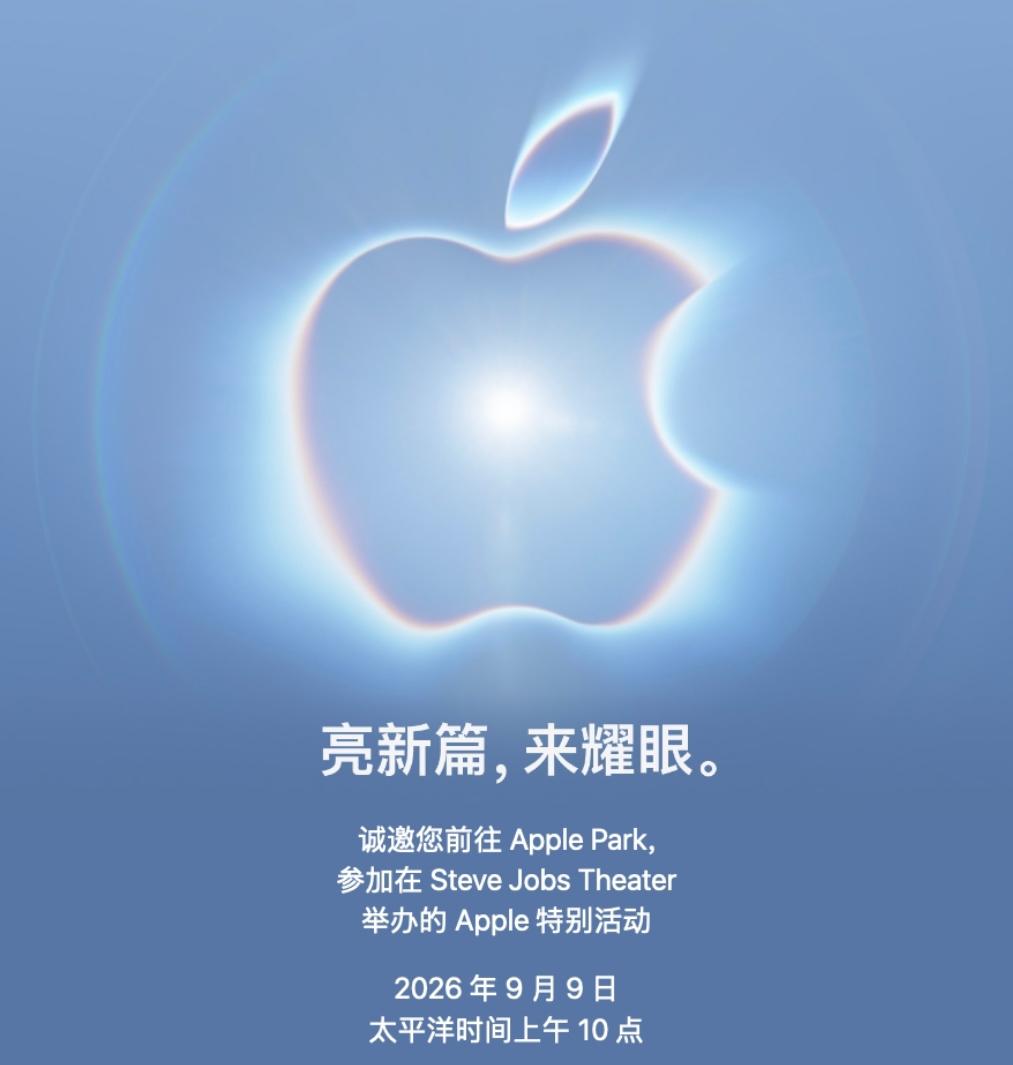
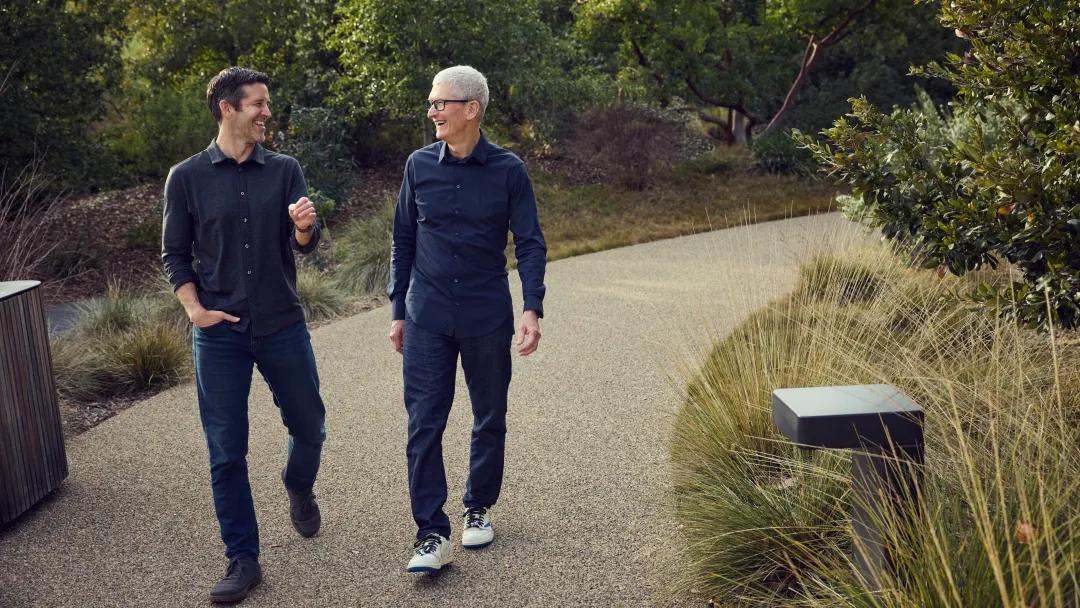
To be fair, this theme is extremely fitting, because this launch event truly marks a "new chapter" for Apple — Tim Cook officially transitioned to the position of Executive Chairman on September 1, and the former Senior Vice President of Hardware Engineering Jeff Williams took over his post.
With the handover from the veteran Cook and the arrival of the new leadership, this is the first iPhone launch event in the era of the new head of Apple.
Longtime readers of X.PIN all know that before every Apple launch event, we will sort out a wave of new product predictions and previews for everyone.
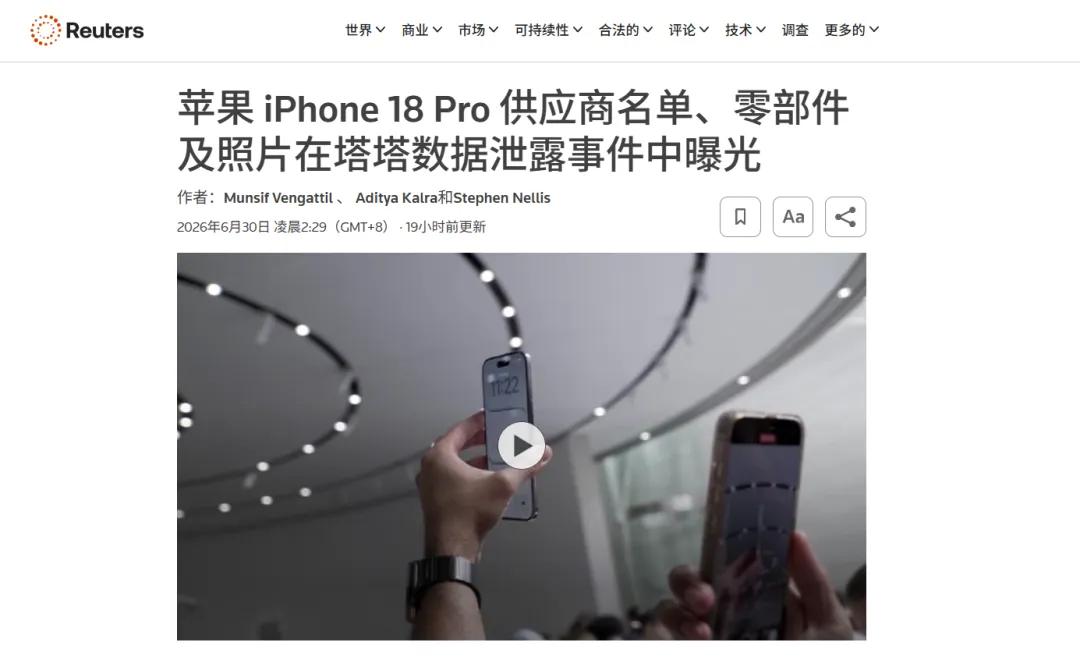
But to be honest, writing this article this year is rather awkward — it's not that there are too few leaks to talk about. On the contrary, there are far more leaks this year, and the Tata data breach incident in India has directly made the credibility of this year's new product preview reach full score.
Following the usual rule, we have collected all the leaks available on the market at present. This is most likely the most comprehensive preview you can see before the launch event. The article is a bit long, you can pick the parts you are interested in to read. No more nonsense, let's get started!
Key Point: This Year's Event Is A Pure High-End Exclusive
First, let's highlight the key point: this year's Apple autumn launch event is really different from previous years — the standard iPhone line will not be updated! According to multiple sources, Apple will only release three high-end models at the September event:
iPhone 18 Pro, iPhone 18 Pro Max, and the first foldable screen iPhone Ultra,
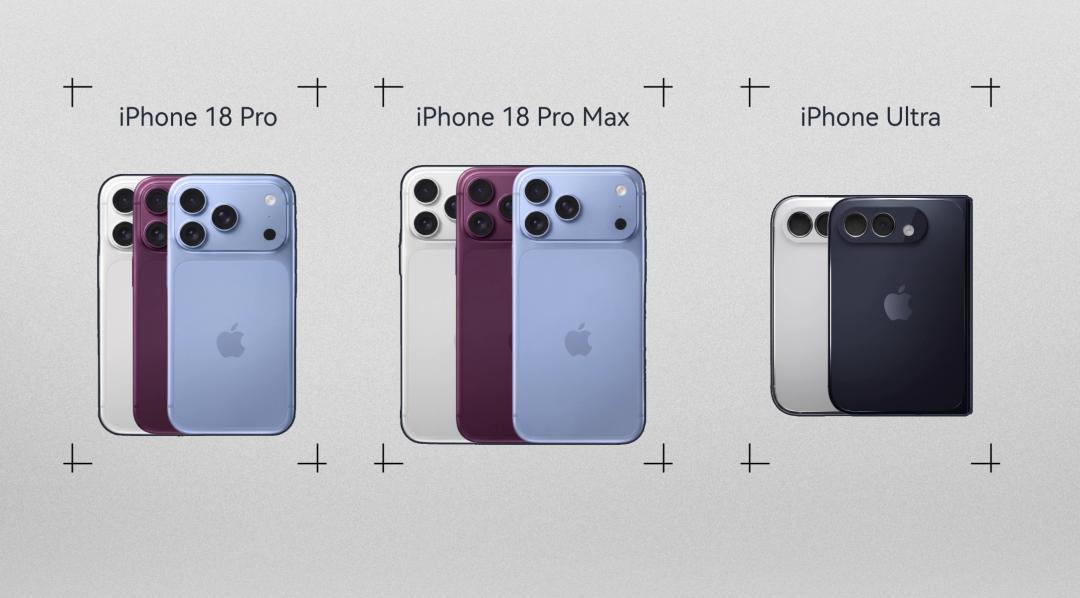
As for the standard iPhone 18, the entry-level iPhone 18e, and the second-generation iPhone Air, all of them have been postponed to next year.
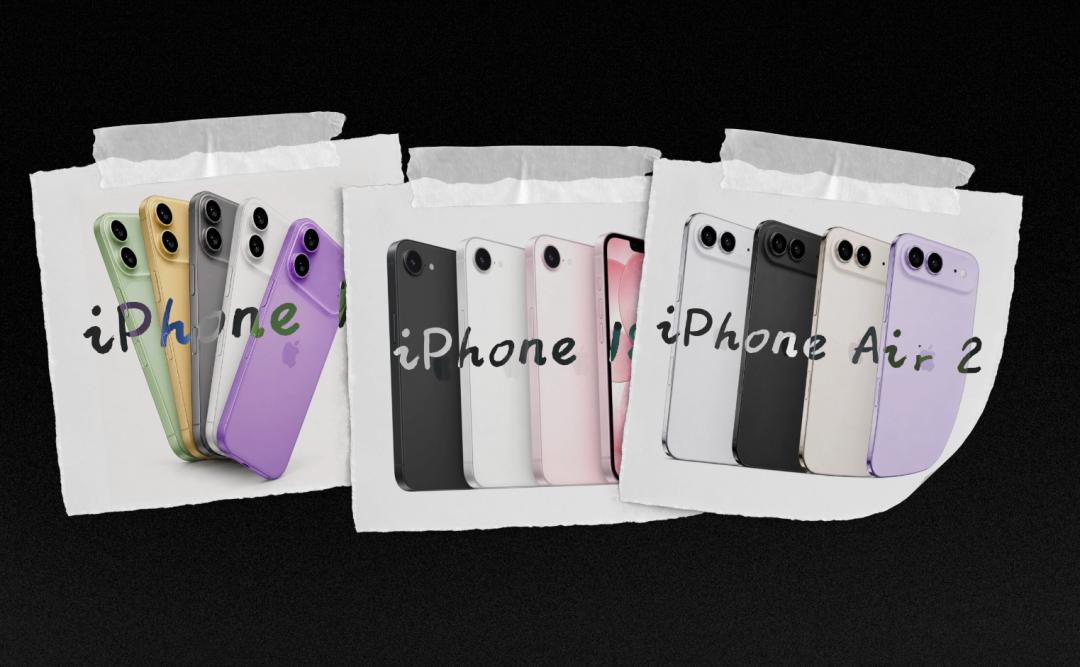
Yes, that's right, this year is a pure high-end event. As for the reason, some people say that TSMC's 2nm chip production capacity is insufficient, so the Pro series will be prioritized for supply; others say that high-end models are more profitable, and this move can maximize revenue and profits.
But correspondingly, the upgrade range of this year's Pro series is more substantial than the sum of the previous several generations.
iPhone 18 Pro: Dynamic Island Is Slimmed Down, Main Camera Adopts Variable Aperture
The most intuitive change on the front of the iPhone 18 Pro is that the Dynamic Island has finally been slimmed down. According to leaks, the Dynamic Island on the 18 Pro will be reduced by about 35%, from the original wide "big pill" to a more compact "small pill".
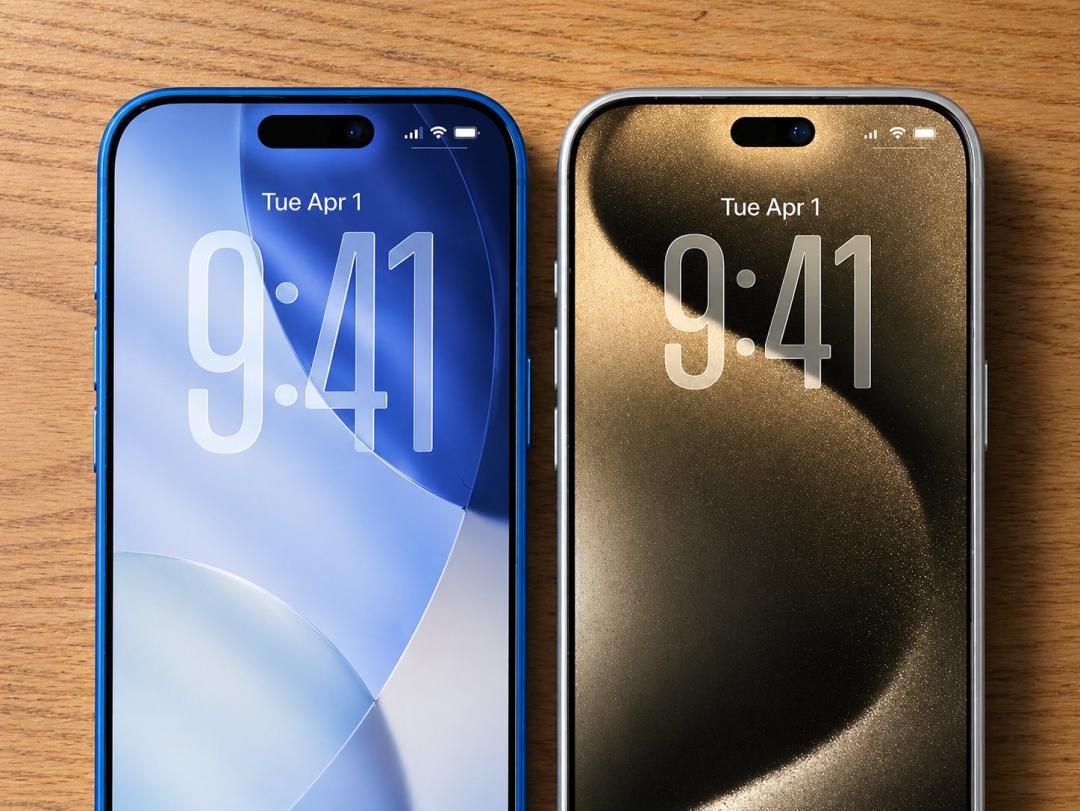
This is also an old pain point that everyone has complained about for several years.
In the past, when watching dramas or playing games in landscape mode, the Dynamic Island was right at the edge of the screen, which was very awkward no matter how you looked at it. After shrinking, the blocked area is greatly reduced, the status bar in portrait mode is also more spacious, and the situation where icons were crowded together before will be much improved.
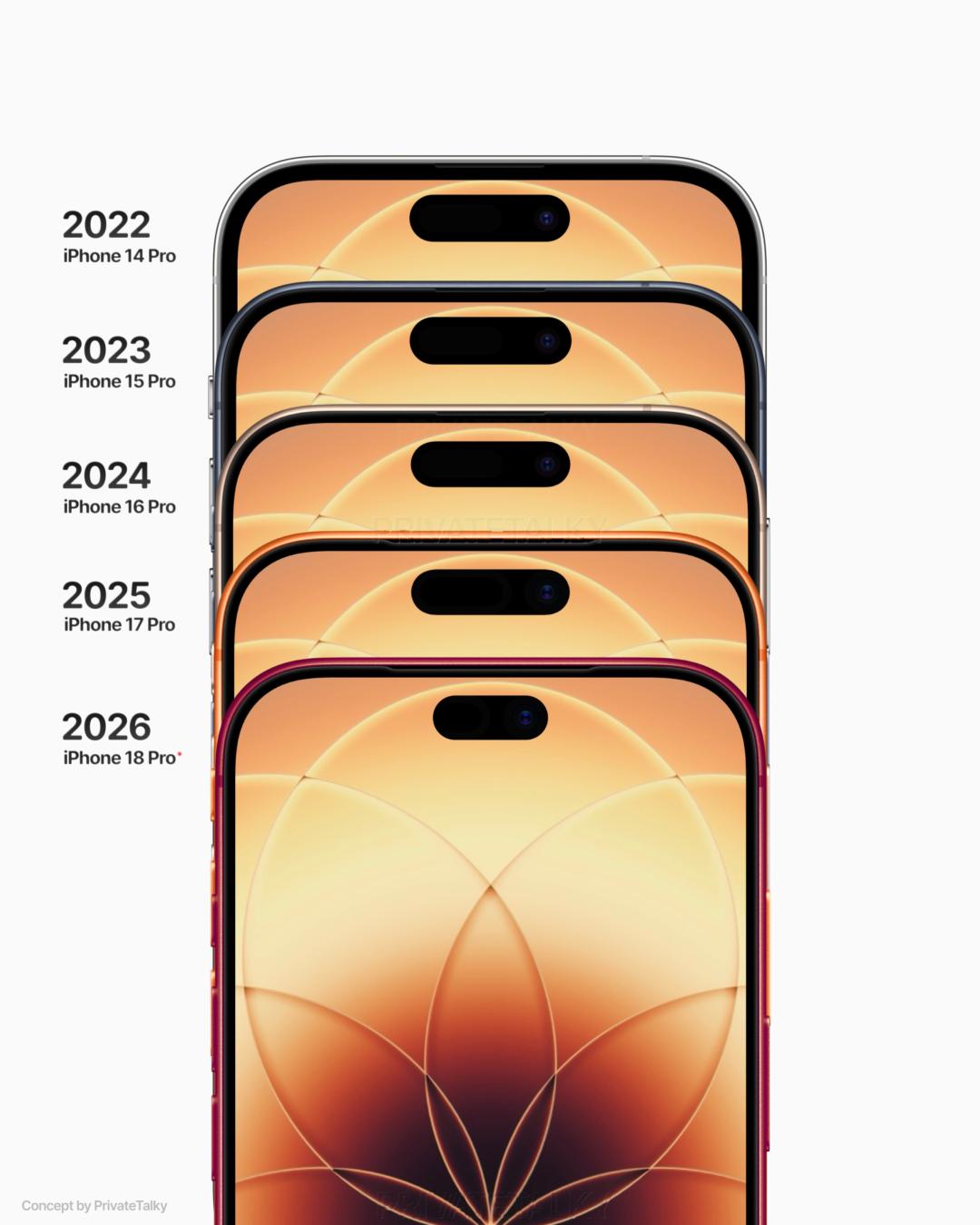
Of course, some people will definitely ask: What about the under-screen Face ID? Didn't people say it would be launched this year?
Uh, well, it's delayed. It is said that the technology is not yet mature, and forcing it to launch will affect the recognition speed and security, so we simply wait a little longer...
The latest leaks point to 2027 — which is exactly the 20th anniversary of iPhone. Maybe Apple will prepare a big move of a full front screen (but the Dynamic Island being slimmed down is also progress, which is better than remaining unchanged~
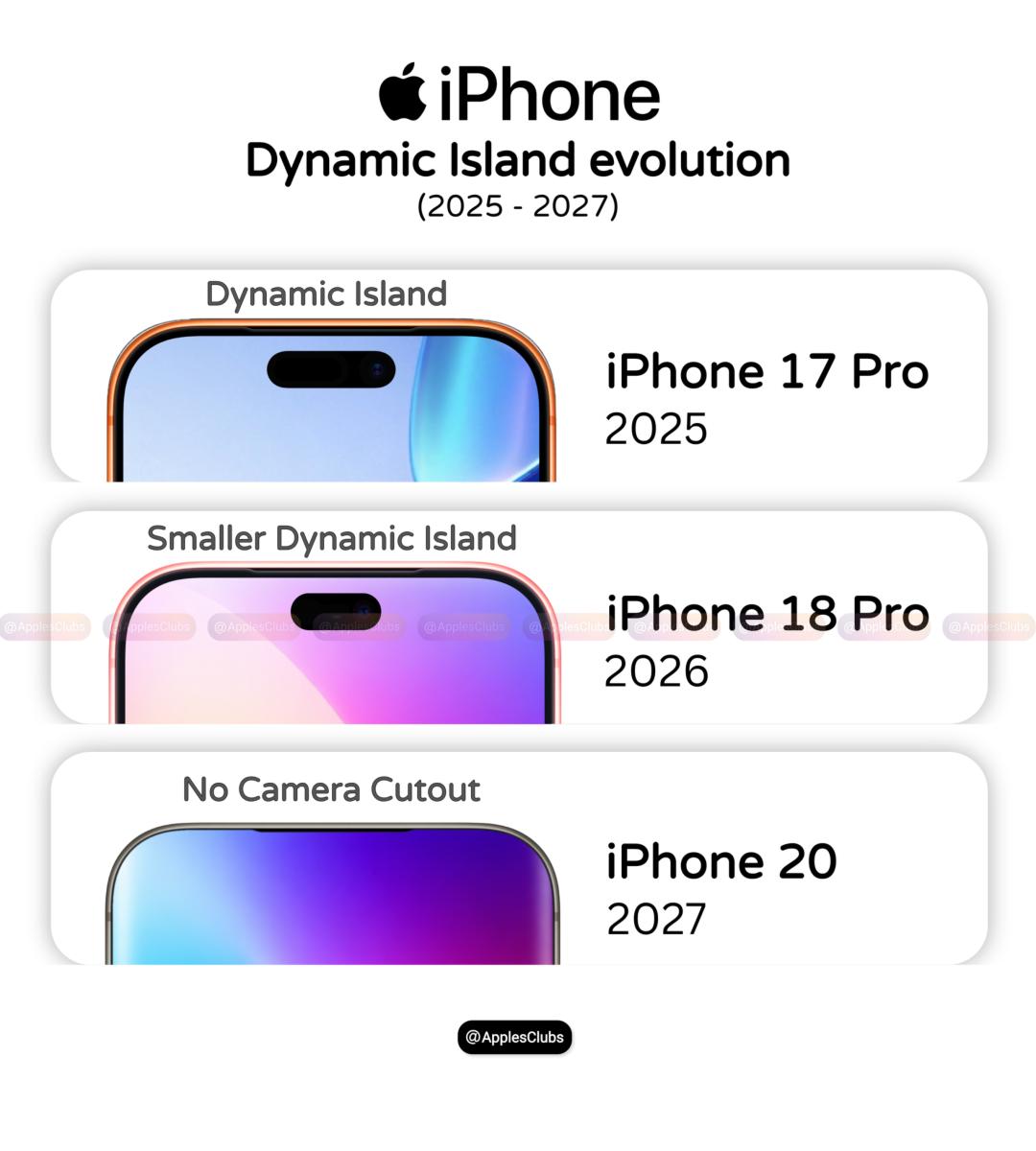
In terms of color matching, this year's Pro series is rumored to add a new "Deep Cherry" color to replace the previous generation's Starlight Orange, which is jokingly called Hermès Orange by everyone.
You can imagine from the name that this color is a dark deep red tone, similar to wine red and Burgundy red, with low saturation. It should be very textured. The new Redmi phone released a few days ago uses this color scheme, which indeed looks very good.
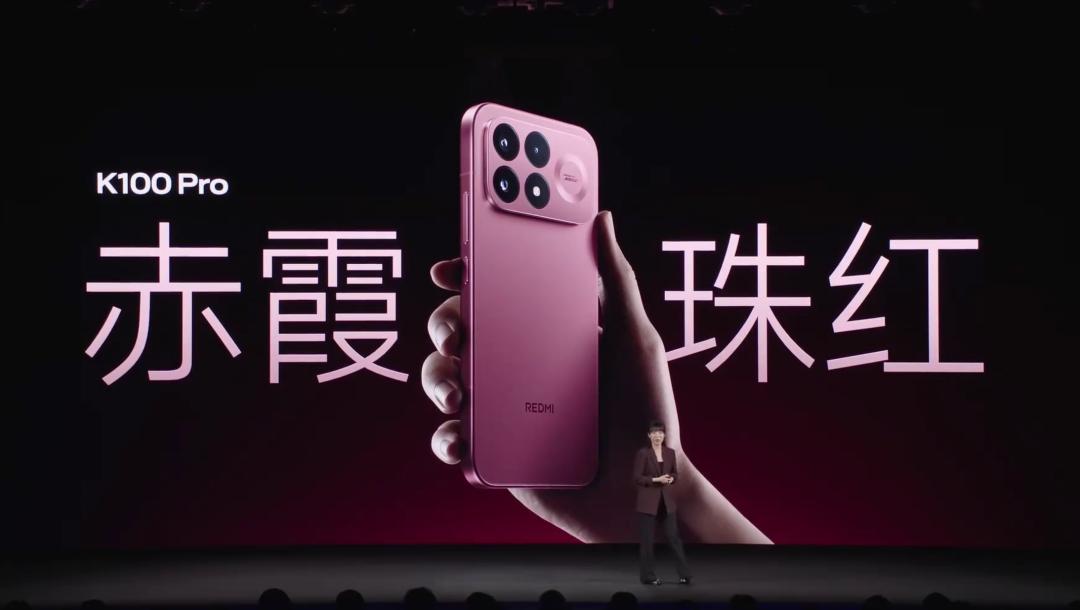
The change of color lineup is more than that. Among the three colors in the leaks, in addition to Deep Cherry, a new light blue will be added — it's a bit like the return of the Peak Blue in previous years. After counting, the only classic color that is really retained is "Silver".
As for the black color, it is said that it will continue to be absent, and Apple fans have waited in vain for another year.
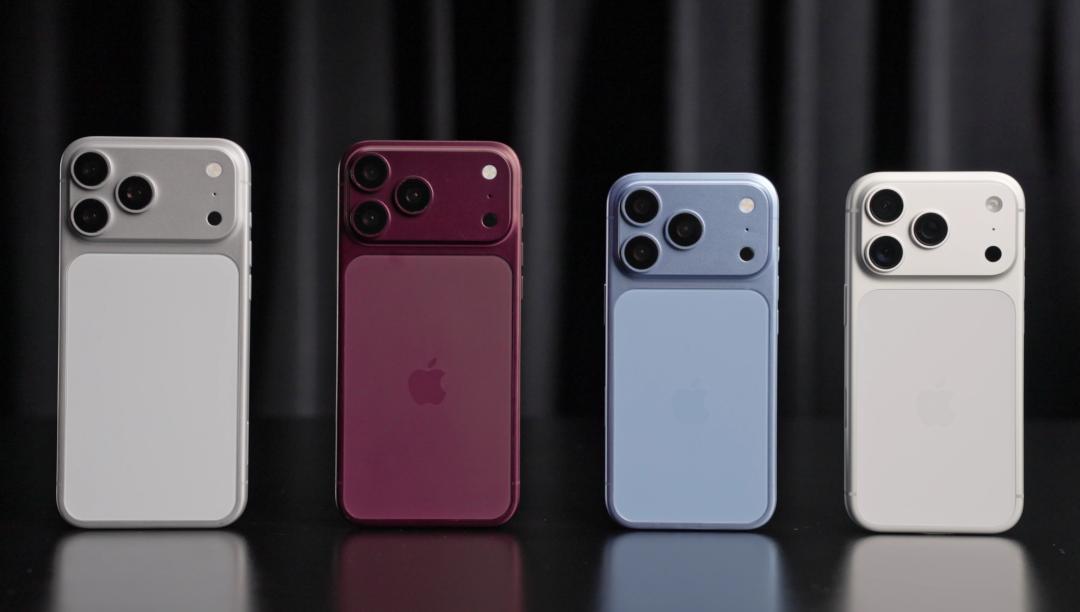
There are also changes on the back: the back cover of this year's Pro series has an integrated upgrade, the MagSafe area is changed to an integrated matte finish, which looks more integrated. Well, it's the kind of upgrade that makes things better, but you can still use it without the change.
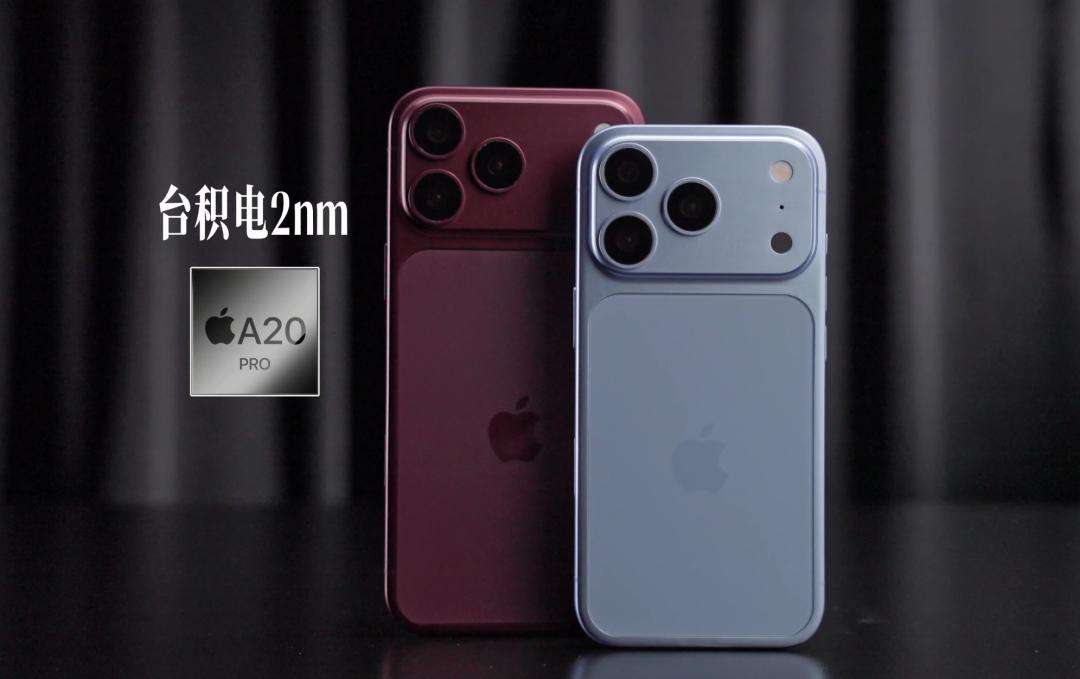
There is no suspense in the performance part, the iPhone 18 Pro and Pro Max will be the first to carry the A20 Pro chip.
This is also the second flagship SoC in the Apple camp that adopts TSMC's first-generation 2nm process after the M6. In addition to the process update, this chip also has a major change in the underlying design, which is the first adoption of WMCM wafer-level multi-chip packaging.
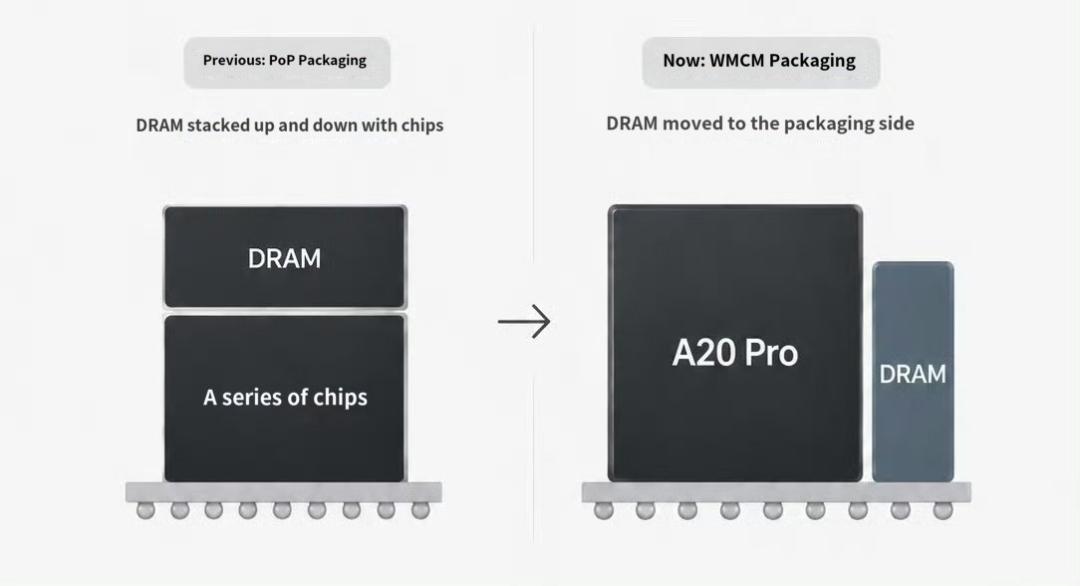
Many readers may hear of this thing for the first time. To put it this way, the previous A-series chips all used PoP stacking, with the memory stacked directly above the processor. These two heat-generating components were stacked together, and the iPhone was prone to heat accumulation and frequency reduction under high load.
But this time WMCM arranges these two components horizontally, the memory is moved to the side of the chip and placed side by side, each has an independent heat dissipation surface, and the data transmission path is shorter, which can achieve both advantages at the same time.
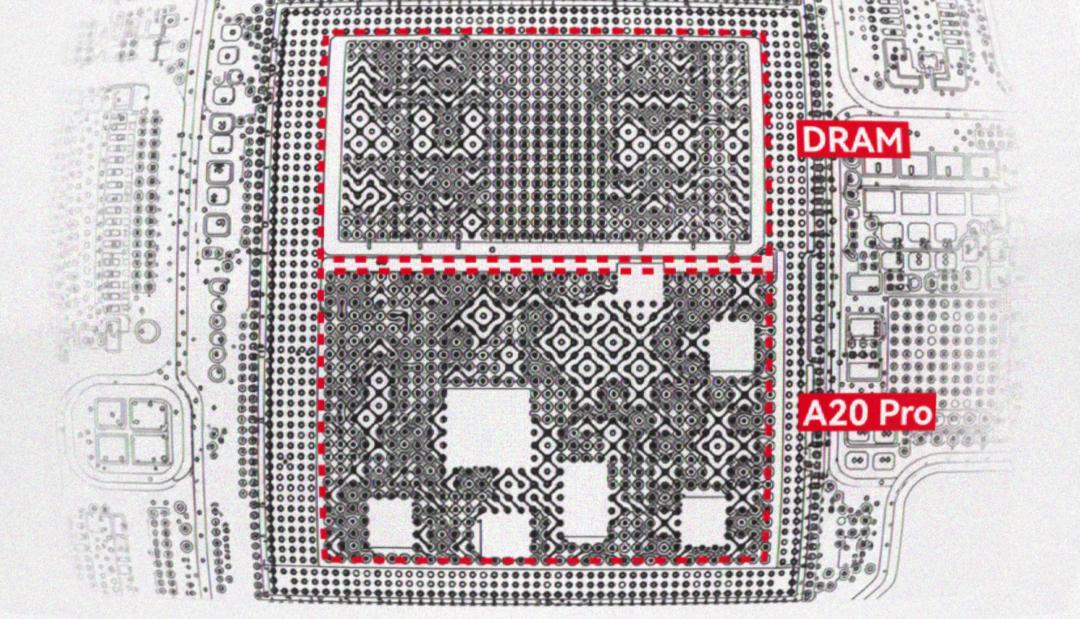
According to the currently leaked parameters, compared with the previous generation A19 Pro, the CPU performance of the A20 Pro is increased by about 15%, the GPU performance is increased by about 20%, and the overall power consumption under the same performance is directly reduced by 30%.
What does a 30% power consumption reduction mean? This means that for the same task, the chip consumes 30% less power. For iPhones whose battery capacity is not large in the first place, the reduction of power consumption is far more useful than a small increase in running scores.
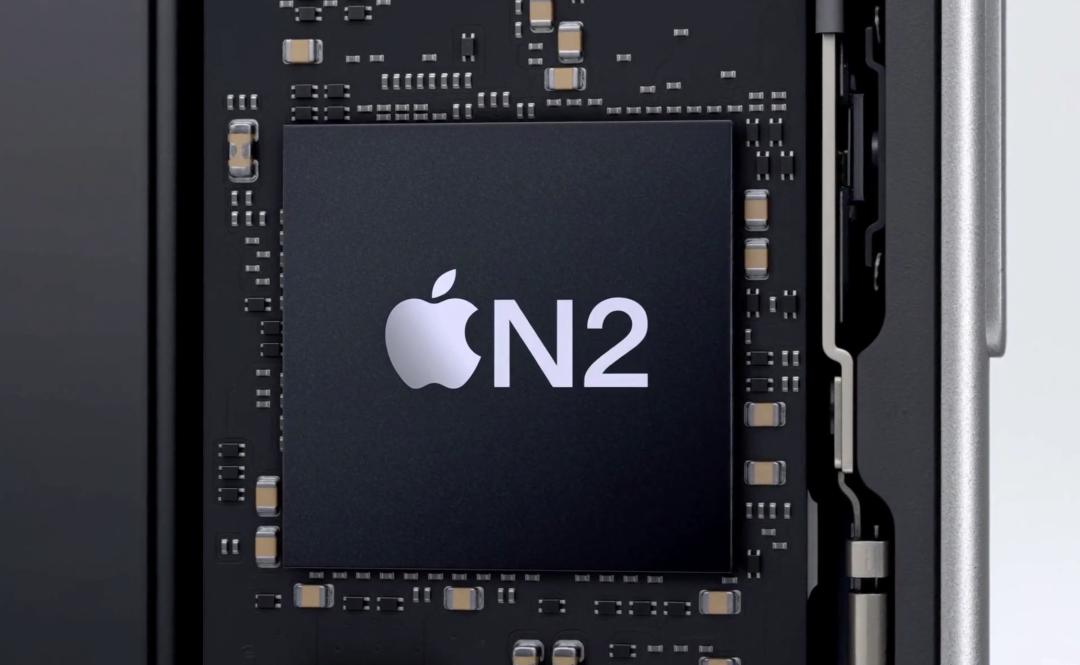
In the communication part, there are also new updates for this year's Pro series. The wireless chip is rumored to be iterated from N1 to N2, but the files leaked by Tata show that the first batch will most likely still use N1. Fortunately, the impact is not big, and N1 natively supports Wi-Fi 7 and Bluetooth 6.0.
The real highlight is the C2 baseband — this is Apple's third self-developed 5G baseband.
The first-generation C1 was only tested on the iPhone 16e, and its peak rate was far behind Qualcomm's products; the second-generation C1X was used on the iPhone Air, with considerable progress but still a gap. For the C2, the leaked parameters show that the downlink peak is about 6Gbps, with a significant improvement.
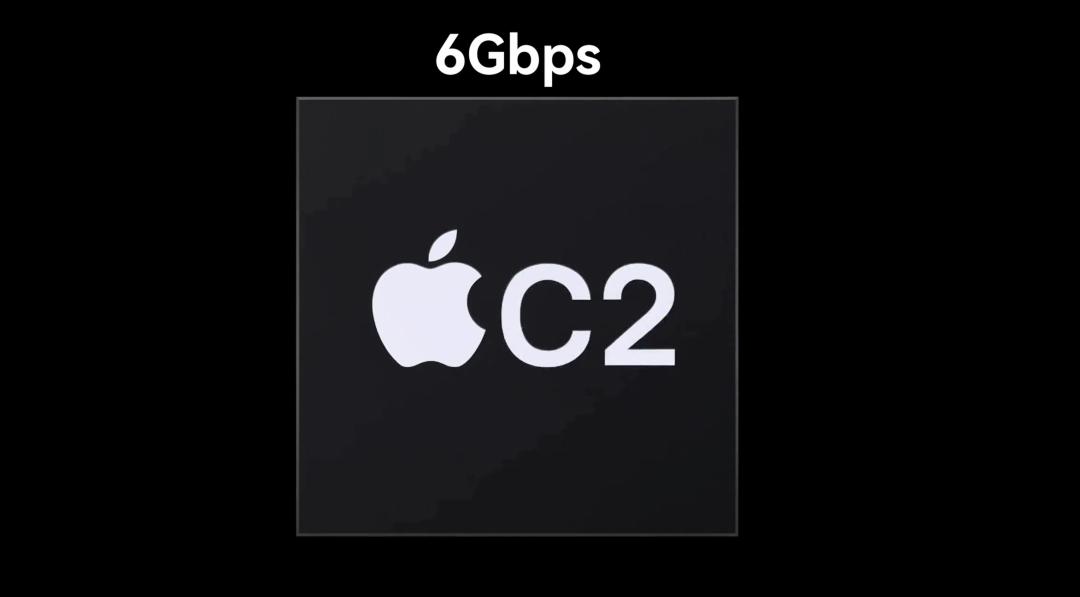
But the theoretical peak of Qualcomm X80 is 10Gbps, the gap still exists, and millimeter wave is still not supported.
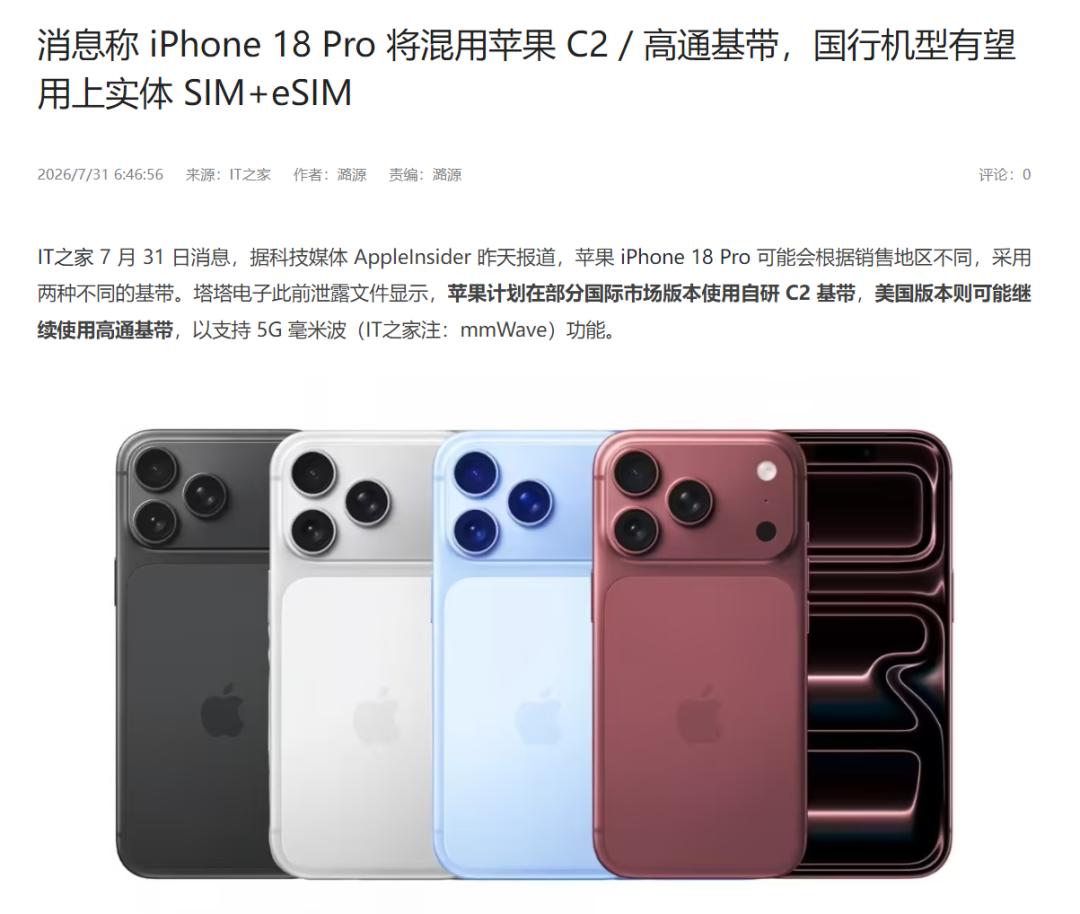
So the old rule still applies this year: the US version will continue to use external Qualcomm basebands, and non-millimeter wave markets such as Chinese mainland will fully adopt the self-developed baseband. For friends who pursue signal quality, it is recommended to wait for the feedback from the first batch of users, and I am cautiously optimistic about it.
In terms of imaging, the biggest upgrade of this year's Pro series on the imaging system is that the main camera finally adopts a physical variable aperture.
To be honest, the variable aperture technology has been used by Android brands such as Samsung, Huawei and Xiaomi for a long time, and Apple is launching it now, which is typically late. But Apple's style has always been like this: not the first to launch, but to make the experience the most stable.
