Medication is for consumption not for speculation: The 760-yuan-per-pill Pianzihuang has taught everyone a lesson.
The decline of Pien Tze Huang, known as the "Moutai of the pharmaceutical sector", is still ongoing.
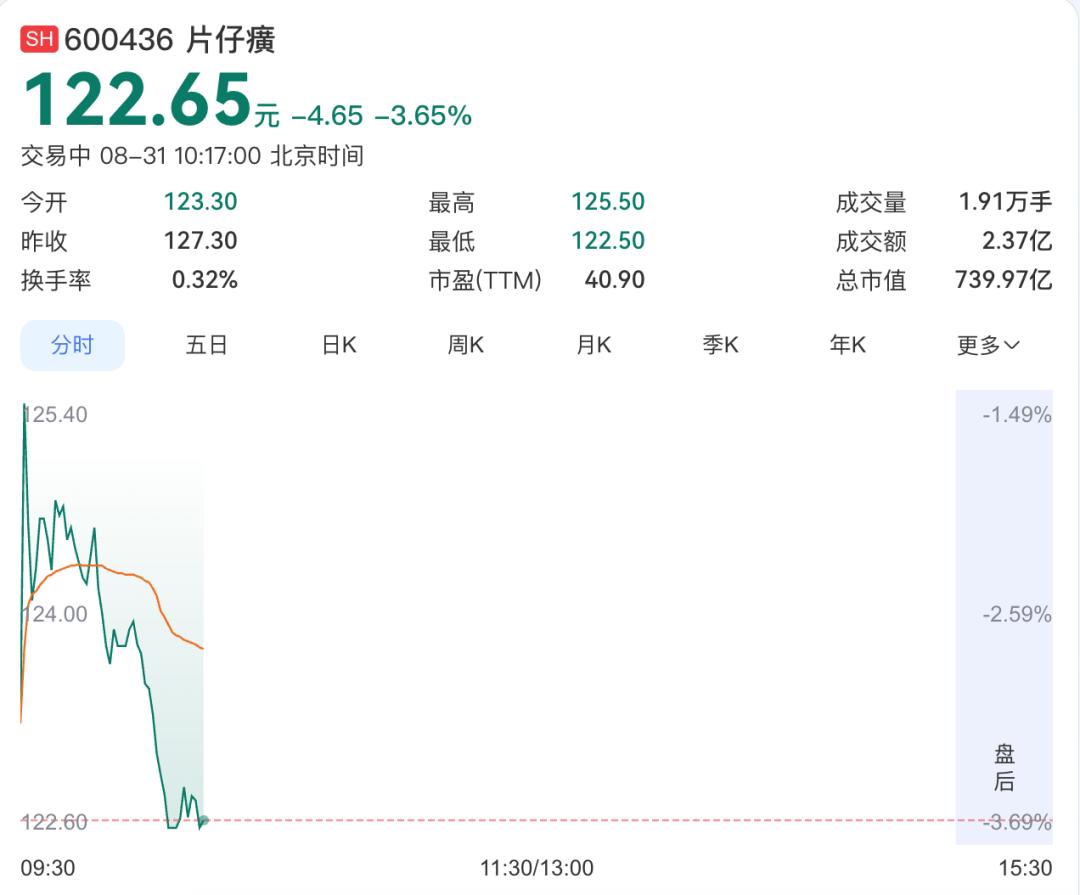
On August 31, Pien Tze Huang opened lower. As of press time, its share price fell 3.65% to 122.65 yuan per share, with a latest market value of 73.997 billion yuan. Compared with its peak market value of over 290 billion yuan in 2021, this time-honored leading traditional Chinese medicine enterprise has seen its market capitalization erode by more than 210 billion yuan.
Behind the falling share price is the continuous pressure on its performance. The semi-annual report disclosed on August 28 shows that Pien Tze Huang achieved operating revenue of 4.573 billion yuan in the first half of the year, down 14.98% year on year; the net profit attributable to shareholders was 1.093 billion yuan, down 24.22% year on year. In 2025, the company's operating revenue was 9.001 billion yuan, down 16.56% year on year, and the net profit attributable to shareholders was 2.159 billion yuan, down 27.49% year on year, marking a rare annual negative growth in nearly a decade.
The capital market is clearly no longer willing to continue paying for the "Moutai of the pharmaceutical sector" story. The problem is not that Pien Tze Huang has suddenly lost its formula, brand or distribution channels, but that the pill, which was once speculated to sell for 1,600 yuan and now has an official price of 760 yuan, is losing its most valuable added value: it is no longer a social currency chased by everyone, nor is it regarded as a hard currency that "you make a profit as soon as you buy it".
A small pill certainly does not suddenly lose its efficacy. What has really failed is the scarcity narrative, price increase expectation and identity premium that were once attached to it.
01 What Pien Tze Huang sells is never just a pill
At its peak, the pill on the pharmacy shelf had long gone beyond the category of medicine.
The official retail price has been raised continuously, and the market price has been driven up all the way. In 2023, the price of Pien Tze Huang lozenge was raised from 590 yuan to 760 yuan; in the earlier frenzy stage, the market price was even speculated to 1,000 yuan or even 1,600 yuan per pill. Queuing, purchase restrictions, stockouts and price hikes by scalpers constituted its daily operation status.
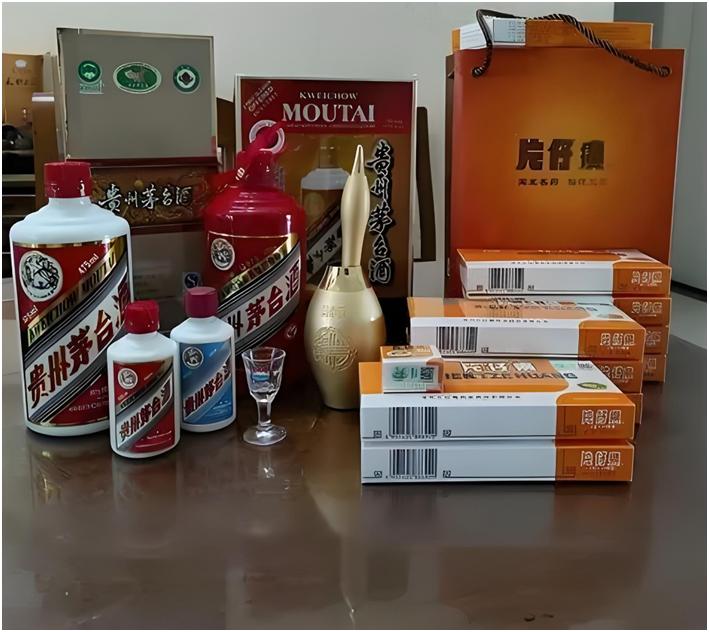
This logic is closer to Moutai-style hard currency game rather than pharmaceutical consumption. People who buy it may not be in urgent need of it, people who give it as a gift value its decency, people who hoard it believe it will appreciate, and distributors are looking forward to the next round of price increase.
As a result, Pien Tze Huang has become "health-preserving gold" in the eyes of some groups. It is not only a gift, but also an identity label; not only a medicine, but also a tradable asset. The higher the price rises, the more it proves its scarcity; the scarcer it is, the more people rush to buy it.
This is exactly Pien Tze Huang's strongest moat in the past: not everyone believes in it, but there are always people who believe that the next person will take over the order.
The problem is that once any social currency loses the expectation of appreciation, it will quickly show the original nature of the commodity itself.
At present, the official guide price of Pien Tze Huang is still 760 yuan, but the actual selling price in some channels has fallen below 600 yuan, and the second-hand recycling price is even as low as around 460 yuan. What does the price inversion mean? It means the myth of "you make a profit as soon as you buy it" has been broken.
Scalpers are no longer willing to hoard goods, distributors no longer want to stock up, and consumers are starting to wait and see: since the price may be cheaper tomorrow, why buy it at the guide price today?
When Pien Tze Huang changes from a "wealth management product" back to a medicine, it has to face a more cruel question: is a 760-yuan pill really worth the price?
02 The high premium of the "Moutai of the pharmaceutical sector" can no longer be sustained
The problem of Pien Tze Huang is not only that it is expensive, but that it is so expensive that it needs constant explanation.
For people with clear indications and real medication needs, Pien Tze Huang is certainly not worthless. It has the identity of a national protected traditional Chinese medicine variety, its prescription and process are protected, and raw materials such as natural musk and natural bezoar do constitute scarcity.
But scarcity does not mean unlimited demand, and secret recipes do not mean that consumers no longer calculate cost performance.
In the past few years, the confidence for Pien Tze Huang to keep raising prices came from two premises: first, the market was willing to believe that "the more expensive, the better"; second, consumers were willing to buy it as a high-end health supplement, gift or even asset.
Now both of these two premises are loosening.
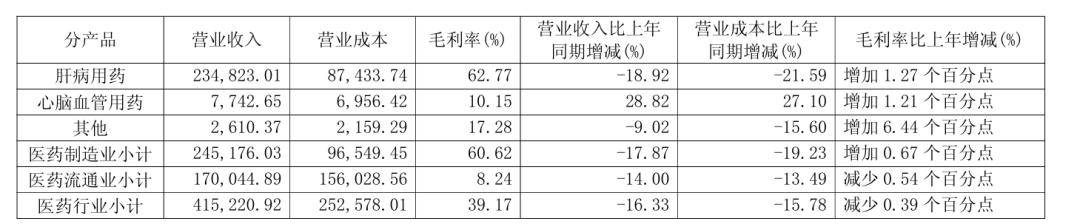
According to the financial report, the revenue from liver disease medication decreased by 18.92% year on year, but the gross profit margin increased to 62.77% instead. This shows that the company does not mainly rely on price cuts to boost sales, and the problem is more like the reduction of terminal purchase volume. Data from physical pharmacies also shows that after the sales revenue of Pien Tze Huang's full product line peaked in 2024, it fell by nearly 15% in 2025, and the decline continued in the first quarter of 2026.
Consumers refusing to buy does not necessarily mean that they think the product is completely useless, but that they begin to believe that for some inflammation, adjuvant treatment of liver diseases or daily health problems, there are far cheaper alternatives on the market.
When the price of a pill rises from several hundred yuan to 760 yuan, what consumers buy is no longer just the curative effect, but also the brand, scarcity, gift-giving value and the consensus that "other people also recognize it". Once these added values shrink, the medicine itself will be re-compared in the coordinate system of curative effect, indications, alternative schemes and price.
This is also the essence of the "IQ tax" controversy.
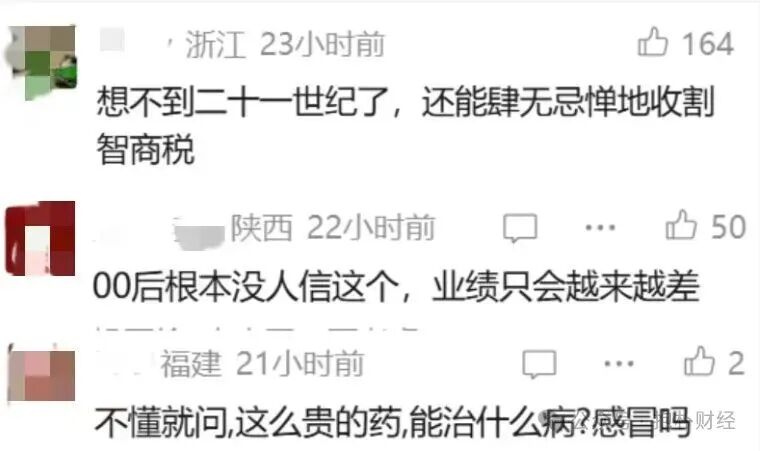
It is not rigorous to call it an "IQ tax" — Pien Tze Huang is not counterfeit medicine, and its formula and brand have real accumulation. But when a kind of medicine is over-packaged as a universal health supplement, liver protection artifact, perfect companion for drinking parties, or even an asset that appreciates in value, consumers will inevitably question its price.
You may also need to consider the "boundary between brand premium and medical value", because the real risk of Pien Tze Huang is not that it is questioned for having no brand, but that consumers are no longer willing to pay for the part of premium beyond the actual use value.
In the past, the market discussed "how much higher can the price go"; now the market is discussing "is 760 yuan per pill too expensive". This is not just a comment in the comment section, but a signal that the consumption logic has changed.
03 What is worse is that young people no longer take over the market
The deeper crisis than price inversion is that the consumption culture that Pien Tze Huang relies on is losing its successors.
The core fans of Pien Tze Huang largely come from middle-aged and elderly consumer groups who have a certain economic foundation, attach importance to traditional health preservation concepts, and also recognize the gift-giving culture. In this context, high price is not entirely a disadvantage, but may even be proof of quality, scarcity and decency.
But young consumers do not naturally agree with this logic.
When buying medicine, they value three words: clear, effective and cheap.
"Clear" means whether the indications are clear; "effective" means whether the curative effect can be explained and verified; "cheap" means whether there is a lower-cost solution for the same problem. As for concepts such as "ancestral secret recipe", "national top secret" and "everyone recognizes it as a gift", these concepts are still attractive, but it is difficult to directly turn them into purchase reasons as in the past.
This is not that young people are unwilling to spend money, but that the things they are willing to pay for have changed.
They can pay for concerts, trendy toys, games, sports equipment and emotional value, but they may not be willing to pay a high premium for a 760-yuan pill with limited usage scenarios and hard-to-quantify curative effect. Especially in an environment where income expectations tend to be cautious, the "health-preserving gold" in the eyes of the older generation can easily become an expensive choice in the eyes of the next generation.
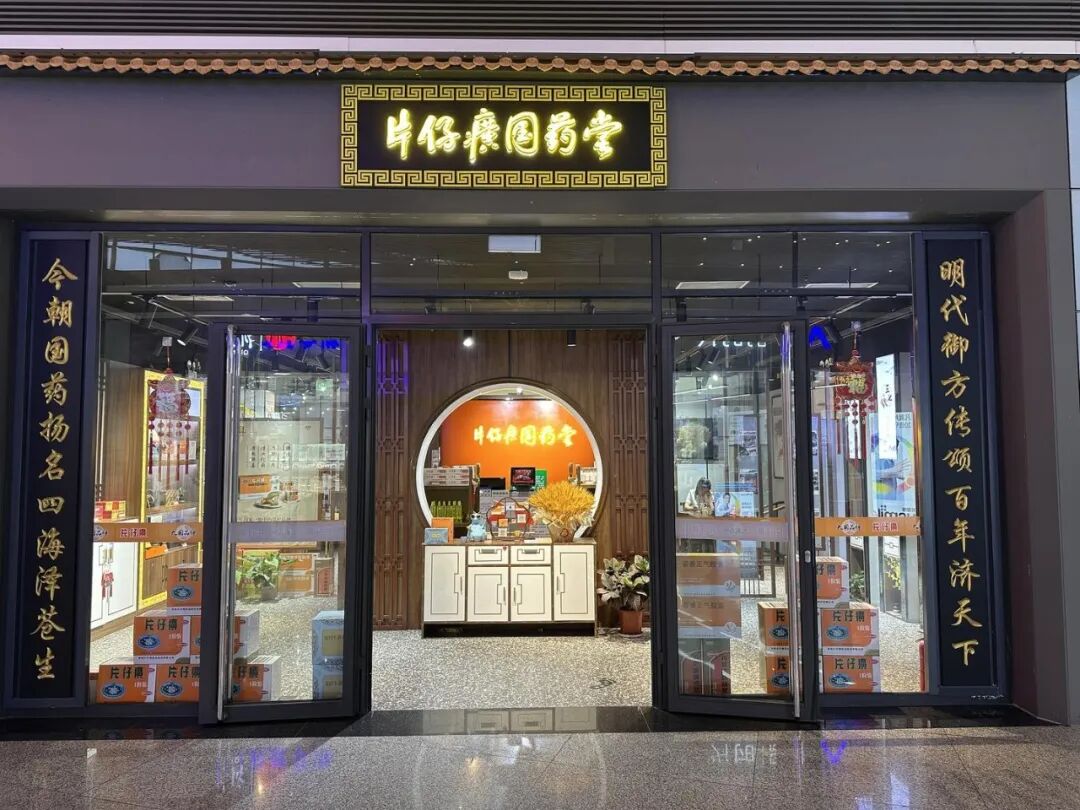
Pien Tze Huang is of course also looking for new growth points: producing Angong Niuhuang Pills, launching compound Pien Tze Huang buccal tablets, developing cosmetics, and expanding the distribution channels of its traditional Chinese medicine stores. But the new business is not enough to fill the gap left by the slowdown of its core single product.
Angong Niuhuang Pills is a red sea market with many competitors; the cosmetics market is even more characterized by younger orientation, marketing focus and extremely fast product iteration. What Pien Tze Huang was best at in the past was to hold a scarce formula and maintain a high-end brand; but now it has to face a group of consumers who no longer easily believe that "the more expensive, the better".
This is the most difficult hurdle for Pien Tze Huang.
Its problem is not that the medicine suddenly cannot be sold, but that the demand supported by scarcity, hype, gift-giving and price increase in the past is ebbing. The brand barrier still exists, the distribution network still exists, and the value of the formula still exists, but neither the capital market nor consumers are willing to add unlimited premium for the title of "Moutai of the pharmaceutical sector".
Medicine will eventually return to the logic of medicine, and enterprises will eventually return to the logic of growth.
If Pien Tze Huang wants to get out of the trough, it can not only wait for the price of raw materials to fall, nor can it only rely on channel expansion. It needs to answer a question: after the aura of social currency fades, why should young consumers and real patients continue to choose it?
This article is from the WeChat official account "Kongfu Finance" (ID: kongfuf), written by Qingfeng, published with authorization from 36Kr.