"The Capital of Lithium Batteries" opens a new chapter: Suining, Sichuan stakes out its position in the AI track to strive for leading development.
The massive AI wave is pushing a growing number of small western Chinese cities into the spotlight. Unlike most cities that enter the game via the "green power + computing power center" path, Suining, located at the geometric center of Chengdu and Chongqing, has chosen to take one step further upward —
Backed by the country's largest lithium iron phosphate production base, 40% of western China's total PCB capacity, and an annual packaging and testing capacity of around 20 billion units, it is securing positions in both the energy side and the upstream hardware segment of AI computing power.
"When everyone is 'panning for gold', we choose to be the one who 'sells water' on the gold-panning road," a local veteran investment promotion official described Suining's choice.
This city known as the "Lithium Capital" has a clear judgment: to embrace AI, it is unnecessary to pursue excessive breadth, but to extend its existing strengths. For a city with limited fiscal revenue to achieve major development goals, it must take root in niche segments, because "the more segmented the field, the stronger the competitiveness; the more focused the layout, the greater the explosive potential."
Focus is exactly the core strategy behind Suining's last round of growth. Statistics show that during the 14th Five-Year Plan period, Suining's regional GDP grew at an average annual rate of 6.6%, crossing six "10-billion-yuan growth thresholds" in a row; its total economic output exceeded 200 billion yuan in 2025, with a growth rate ranking among the top in the province. Behind this performance, industry is the core driving force for GDP growth, and the lithium battery sector is the primary engine supporting steady industrial expansion.
From a national perspective, Suining's exploration is of greater significance: the competition for the AI industrial chain is expanding from "computing power scale" to upstream energy and hardware links, which exactly creates a "track-switching" opportunity for a group of small and medium-sized cities.
According to Suining's plan, by 2030, the city will not only strive to build a 100-billion-yuan lithium battery new energy industrial cluster, but also cultivate three 50-billion-yuan industrial clusters covering electronic information, oil and gas chemical industry, and food and beverage.
For the Chengdu-Chongqing Economic Circle, to raise its development ceiling as the "fourth growth pole of China's economy", the central area must achieve rise — what Suining is answering is how a regional node city can find its irreplaceable position in the AI era.
01 Positioning: AI's "Power Demand", Suining's "Lithium Advantage"
The more power AI consumes, the more rigid the demand for energy storage becomes. As tech giants increase capital expenditure and computing power infrastructure enters the stage of centralized delivery and grid connection, the industry generally expects energy storage to become the "second growth curve" of the lithium battery sector.
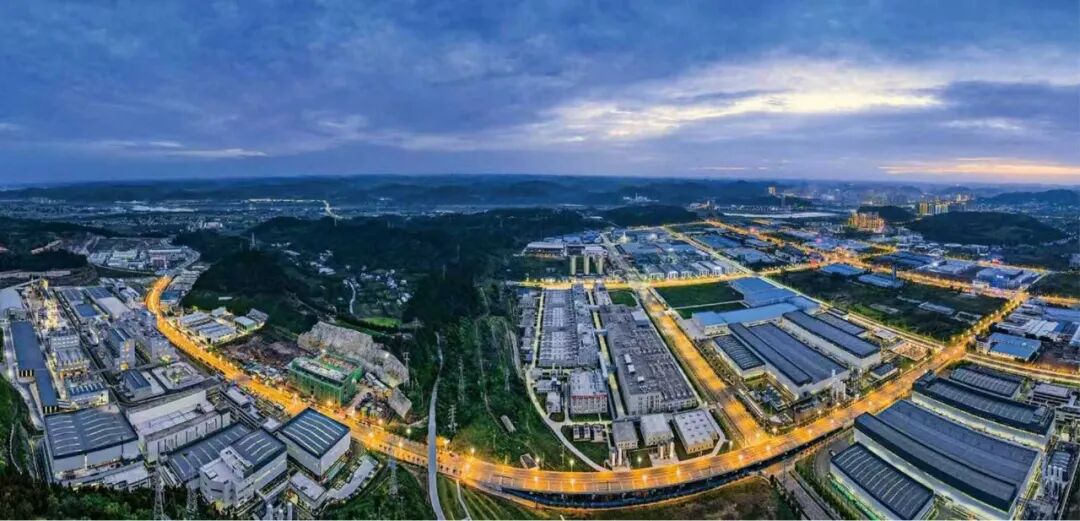
Lithium Battery High-tech Industrial Park in Shehong Economic Development Zone, Sichuan
Chen Liquan, the winner of the 2025 National Top Science and Technology Award and known as the "Father of Chinese Lithium Batteries", said recently that AI applications will generate huge power consumption, and the development of computing power requires the support of the energy storage industry, which will bring continuous development space for lithium battery and sodium battery energy storage sectors.
This is exactly Suining's "basic advantage". In 2025, the scale of Suining's lithium battery industry exceeded 70 billion yuan, gathering more than 60 lithium battery enterprises, and building a full-life-cycle industrial chain covering "lithium resource development — lithium battery materials — lithium batteries — terminal applications — comprehensive recycling".
The most critical segment in this system is lithium iron phosphate. As the country's largest lithium iron phosphate production base, Suining's output reached 5.6 million tons in 2025, accounting for about 14% of the national total, and has continuously attracted leading enterprises including Shengtun Group to make "nine consecutive investments" and Flynn Technology to make "four consecutive investments".
According to industry insiders, computing power energy storage scenarios prefer the lithium iron phosphate route with long service life and high safety. The shipment volume of lithium batteries will still see a more than 3-fold growth space in the next ten years, energy storage batteries will become the main growth pole, and there is a market gap of about 1 million tons for high-end lithium iron phosphate and ferric phosphate.
But Suining does not rest on this "growth curve".
The lithium battery sector is a strong cyclical industry, and betting on a single technical route is essentially betting on the industry cycle. As energy storage technology continues to iterate, sodium-ion batteries, with characteristics such as low cost, good low-temperature performance and low dependence on specific mineral resources, are increasingly becoming the key direction of industry development. That means, for Suining, the layout of sodium batteries is not a "breakthrough move", but an inevitable choice to resist risks and improve industrial level.
At present, the "co-prosperity of lithium and sodium" pattern is accelerating to take shape. In June this year, the first sodium battery hard carbon anode material production line of Suining Tianna Energy, under Wuhan Tianna Technology, was put into operation, which is the largest one among its four national production bases. Before that, Sichuan BSG New Energy, whose domestic market share of sodium battery hard carbon anode materials exceeds 40%, has started the construction of its second-phase project in Suining.
"Based on the prediction of the explosive growth of the sodium-ion battery market, the downstream demand for energy storage batteries has surged, and the original production capacity can no longer meet the order delivery requirements," introduced Fan Wei, General Manager of BSG. He said the capacity expansion is aimed at consolidating the scale advantage and technical barrier of its sodium battery hard carbon anode business. In his view, Suining's complete lithium battery industrial chain ecology can provide upstream and downstream collaborative environment for the development of sodium batteries, and effectively reduce procurement and logistics costs.
Against the background that many regions across the country are competing for sodium battery development opportunities, the two leading anode material enterprises have successively settled in this western city, precisely valuing the ready-made industrial supporting system here.
Deeper changes have taken place in the upstream of the industrial chain. Leading industry enterprise Tianqi Lithium is transforming from a resource supplier to a provider of "core functional materials + technical solutions", continuously investing in directions such as high-purity lithium salts and key lithium materials for solid-state batteries, and some of its core functional materials have entered the stage of customer verification or pilot test. In July this year, Shehong Tianqi planned to subscribe to 150 million yuan worth of shares of Xinwangda Power, which is regarded by the public as its latest step to "penetrate into downstream sectors".
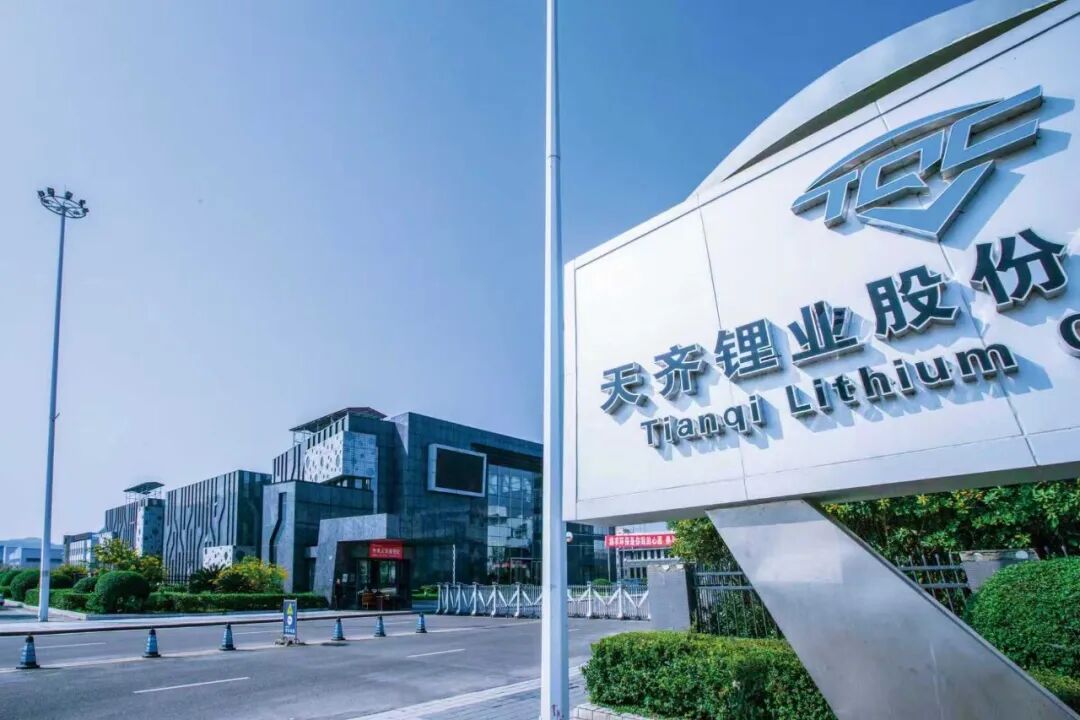
Tianqi Lithium located in Suining
02 Advancement: The "Invisible Foundation" in Upstream Hardware Sector
If the energy side is Suining's "basic advantage", the hardware side is the "second battlefield" it is trying to open up.
At present, AI servers are becoming the biggest variable in the PCB industry. Some industry institutions predict that the global shipment of AI servers in 2026 will increase by more than 28% year on year, driving a surge in demand for high-end PCBs, and the global PCB output value is expected to exceed the threshold of 100 billion US dollars.
PCB, which used to be a "supporting role" for mobile phones and computers for a long time and was affected by the big cycle of consumer electronics, has been pushed to the forefront by the "golden touch" of AI — it is the physical foundation for the collaborative operation of GPU, HBM and optical modules. Without this foundation, even the most powerful chips cannot function properly.
Looking at Suining, it is an easily overlooked highland of PCB industry on the national map: its annual production capacity reaches 15 million square meters, accounting for 80% of Sichuan's total and 40% of western China's total, ranking first in western China, and it is the largest PCB production base in southwest China. In the local industrial plan, PCB is the key force supporting the 50-billion-yuan electronic information industrial cluster.
Enterprises are the first to perceive the coming of the industry boom. "In the first half of this year, our company's PCB orders increased by more than 30% year on year, and the business is so hot that we even can't get enough raw materials," said Lin Tao, Deputy General Manager of R&D of Sichuan Injoinic Electronic Technology Co., Ltd., the "chain leader" enterprise of Suining's PCB industry.
When the boom comes, how to "take off"? The answer is high-end transformation.
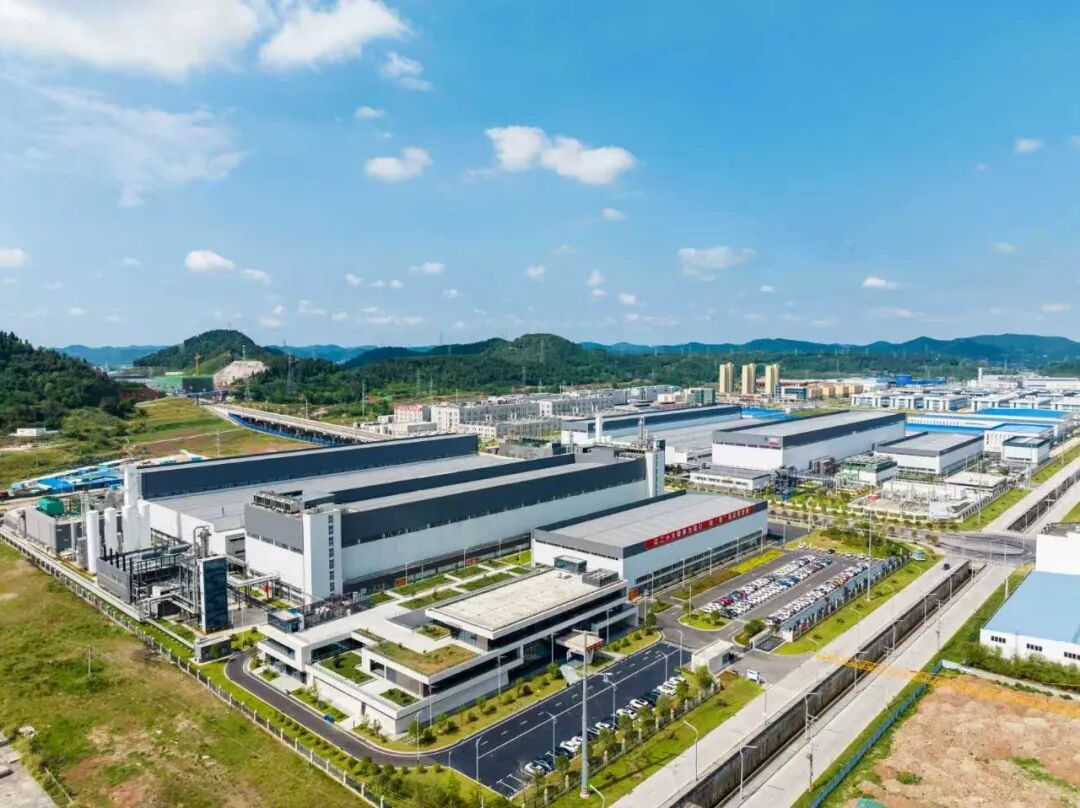
Lithium Battery High-tech Industrial Park in Shehong Economic Development Zone, Sichuan
With the explosive growth of AI inference computing demand, chips specially built for inference have higher integration level and faster transmission speed, driving a sharp increase in demand for products such as high-frequency and high-speed PCBs with more than 40 layers. PCB+AI intelligent manufacturing and flexible circuit boards have become hot niche segments.
Four years ago, Injoinic invested about 600 million yuan to upgrade equipment, shifting from low-end products supporting consumer electronics to high-end applications such as artificial intelligence, low-orbit satellites and optical communication modules. "We are committed to producing boards with higher added value," Lin Tao said, "Equipment ensures that the products can be manufactured, and talents ensure the yield rate of products."
City-level innovation platforms are being built to support the high-end transformation.
In May this year, the concept of "Suining 128 Laboratory System of Chengdu-Chongqing Central Line Science and Innovation Corridor" was implemented — the name comes from the fact that Suining is 128 kilometers away from Chengdu and Chongqing respectively — aiming to build industry-shared laboratories, scientific research platforms for key enterprises and innovation carriers for small and medium-sized enterprises.
Among them, the 128 Advanced Electronic Circuit Laboratory, which is built with the participation of Injoinic, will fill the key gap in inspection and testing capacity. In Lin Tao's view, this is a "necessary facility" for Suining's PCB industry to increase added value and move to the middle and high-end segments.
03 Attraction: New Logic of Manufacturing Industry Shifting to Western China
Why do the upstream links of AI choose to settle in such a western city with a GDP of just over 200 billion yuan?
Many people don't know that right between the two megacities of Chengdu and Chongqing, there hides the country's largest lithium iron phosphate production base. Since the city was established in 1985, Suining has transformed from an agriculture-based city to an industrial one and realized the strategy of "prospering the city through industry", relying on the core advantage of investment promotion.
"More than 90% of the over 570 industrial enterprises above designated size in our city have settled here through investment promotion," said the relevant person in charge of Suining Economic Cooperation Bureau. These enterprises have brought much-needed capital, technology, talents and advanced concepts to Suining, and of course, investment promotion will still be the key to achieving further development now.
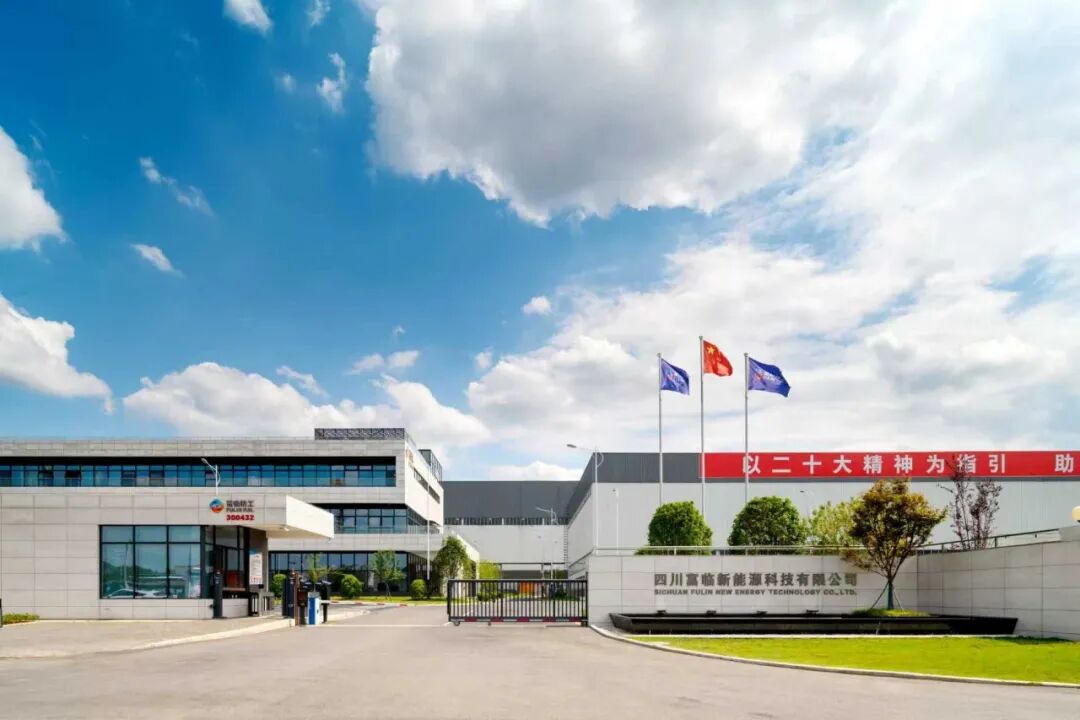
Fulin New Energy located in Suining
In May this year, Suining held a high-standard promotion meeting for investment promotion work. In the following two months, the city's delegation went out of Sichuan to visit Shenzhen, Dongguan and Hangzhou, three highlands of AI industry, and released 47 key projects covering artificial intelligence, lithium battery new energy, electronic information and other fields, with investment opportunities of nearly 100 billion yuan at the urban promotion conference in Hangzhou.
However, what deserves external attention is not Suining's attitude of "going out", but the changed logic of coastal enterprises "coming in".
Chen Liwei, Chairman of Shenzhen Shengyuan Semiconductor Co., Ltd., said that factory relocation is a move that "will not be done unless necessary" in the industry. The core reason why Shengyuan moved its headquarters from Shenzhen to Suining is not production cost. "We haven't calculated carefully about electricity cost and labor cost, and we don't care much about them." What really prompted Shengyuan to "move west" is the "right time, right location and right people".
Since 2018, this national high-tech enterprise focusing on packaging and testing of semiconductor power devices has started to "look for sites" across the country. At that time, Shenzhen was promoting the "industrial upgrading to upper floors" policy, which could not meet the demand for large single-floor factory space and automated production lines required by the high-end upgrading of power device packaging and testing. The company's largest supplier is located in Suining, which can exactly meet its "strategic needs".
Chen Liwei also mentioned that 20 years ago, he first came to Suining to attend an industry conference held by a leading semiconductor enterprise here, which shows that "Suining has very in-depth and profound understanding of this industry".
Attracted by the "industrial circle of friends", Shengyuan has successively driven more than 10 upstream and downstream enterprises from Dongguan, Hefei and other places to settle in Suining. At present, Suining has formed an annual packaging and testing capacity of about 20 billion units. Together with the PCB sector, the two "puzzles" in the upstream hardware segment have been integrated here.
Luxshare-ICT values Suining's location advantage very much. Located at the core node of Chengdu-Chongqing Economic Circle, Suining is 1 hour away from the two central cities of Chengdu and Chongqing, which can not only undertake the industrial capacity transfer from coastal areas, but also radiate the entire western market.
In the industrial map of this Fortune Global 500 enterprise, Suining Luxshare is "an important core manufacturing base in southwest China" and "an indispensable western pivot". The ongoing optoelectronic microelectronics industrial park is a major carrier project for the company to expand its layout in Suining. After being put into use, Suining Luxshare will further expand the production capacity of automotive electronics, precision wiring harness and other businesses, and fill the gap in regional high-end precision manufacturing.
This means that Suining's attractiveness has gone beyond the traditional category of "western low-cost land". For coastal enterprises, moving their headquarters here is more like a rethinking of "where the manufacturing industry should go", and the answer today is obviously no longer cost, but industrial ecology.
In the first half of 2026, Suining's industrial investment increased by 78.4%. It can be predicted that more and more factories and production lines will be built and put into operation along the Fujiang River in the future.
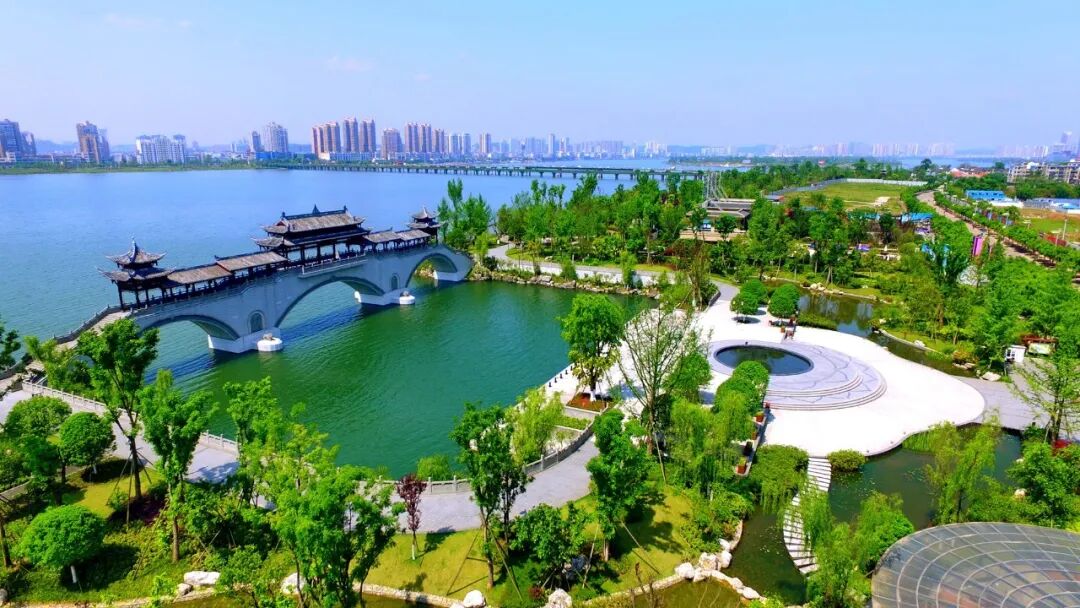
Lianli Park of Suining
Suining is also taking measures to further enhance its attractiveness to enterprises. Externally, the ongoing navigation restoration project of the