Google Assistant is being phased out, voice assistants including Siri are collectively eliminated, but voice interaction remains a rigid demand for AI interaction.
The AI era has arrived, and it is time for those traditional voice assistants to make their exit.
In August, Google officially released an announcement stating that its 10-year-old Google Assistant will cease operations on September 4. At that time, the "Hey Google" wake word will activate Gemini, Google's next-generation AI assistant.
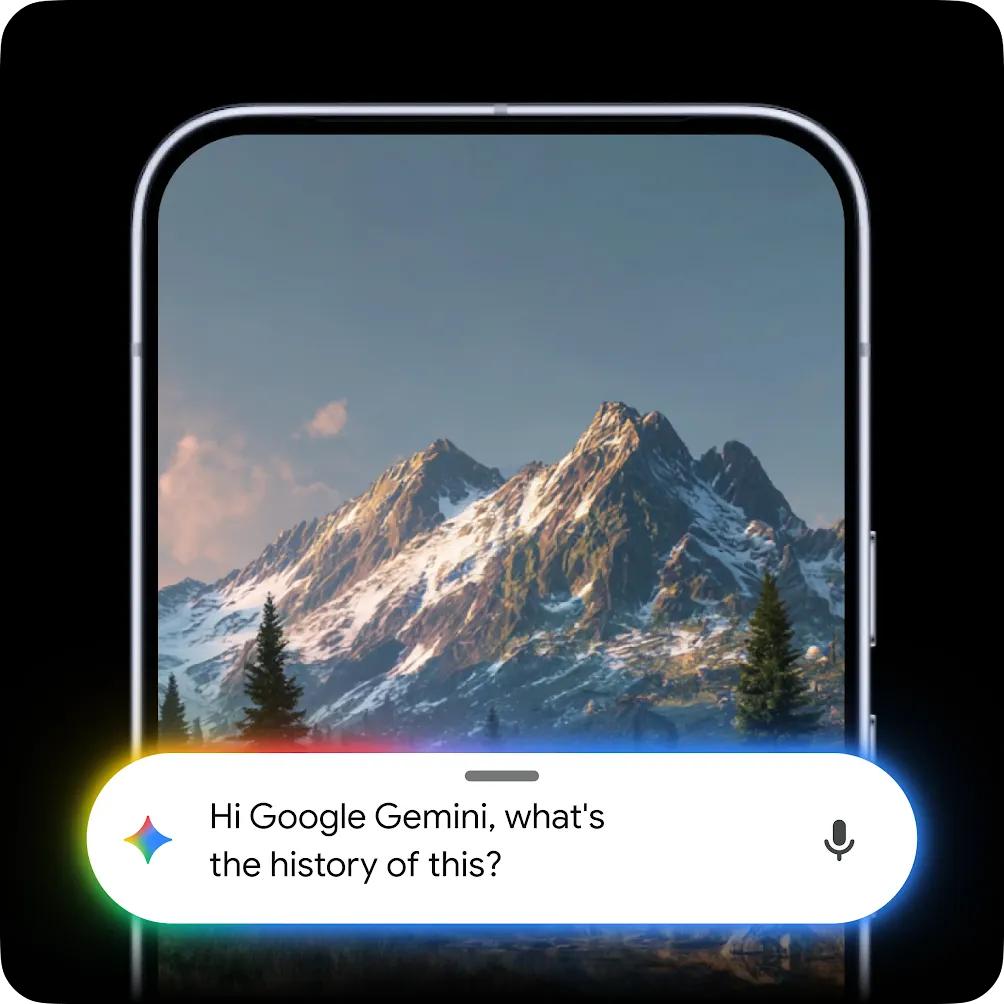
Image source: Google
According to Google, the transition from the original Google Assistant (hereinafter referred to as Google Assistant) to Gemini involves far more than just mobile devices such as phones and tablets. Smartwatches, earphones, and even Android Auto (the Android version of CarPlay, not available in the Chinese mainland) built into vehicle infotainment systems will all be upgraded to the new system.
Interestingly, this is not the first time Google has planned to "retire" Google Assistant: since its launch alongside the first-generation Pixel phone in 2016, Google Assistant has accompanied users around the world for ten years. Back in March 2025, Google announced that Google Assistant would step down at the end of 2025 to make way for Gemini.
However, things clearly did not go according to Google's plan: due to the large number of involved devices and the limited competitiveness of Gemini at that time, this "step-down" plan was delayed from the end of 2025 to early 2026, and then delayed again from early 2026 to the second half of 2026. Google even held the Google I/O conference in the middle of the delays and released the new Gemini 3.5.
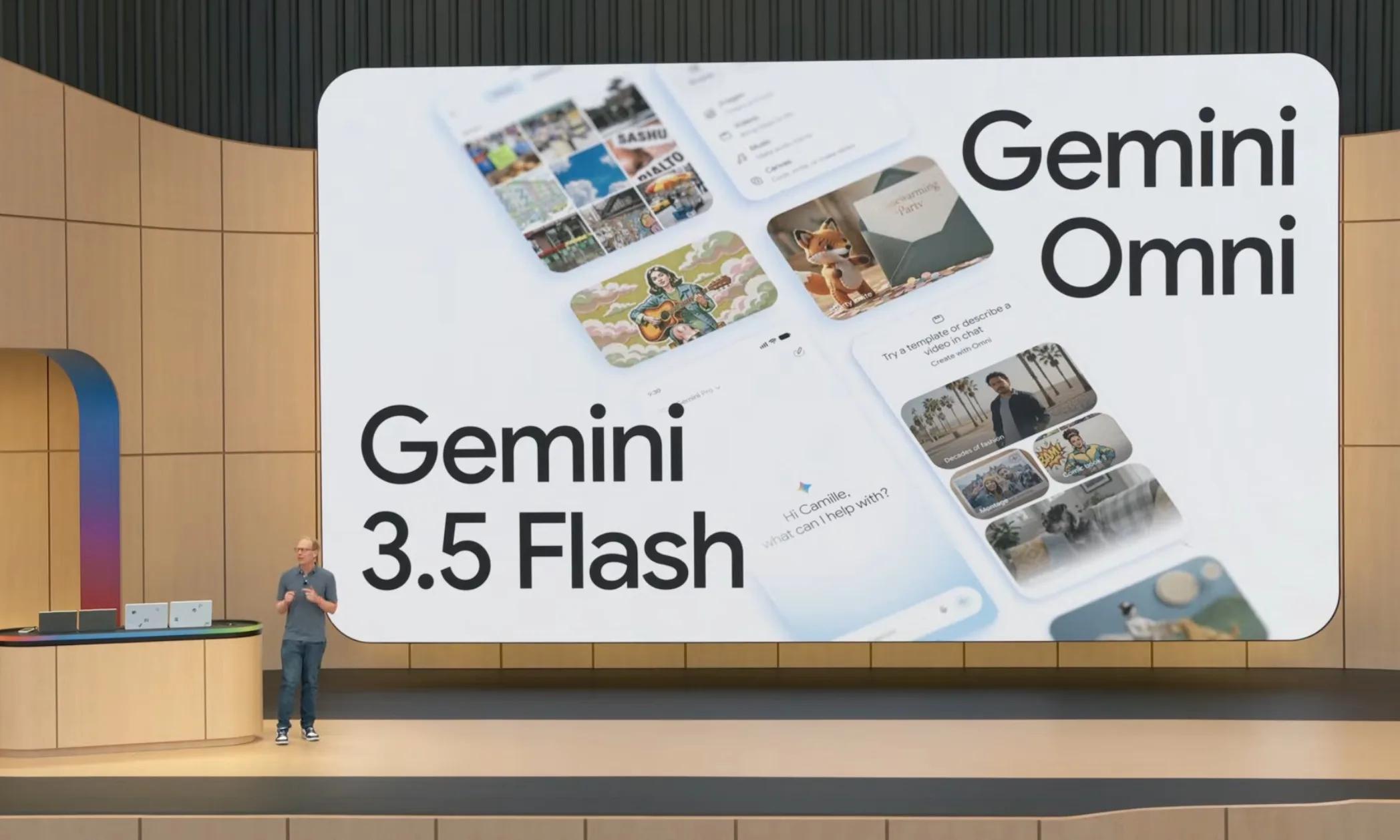
Image source: Google
Since Google is so "reluctant to part with" Google Assistant, why not just let Gemini continue to serve users under the name of Google Assistant 2.0?
Or to put it another way, are voice assistants born in the "pre-AI era" such as Google Assistant, Siri and Cortana really unable to keep up with the times?
Users' growing "dependence" on voice assistants
It is not hard to see that the reason why Google and Apple want to rebuild the voice assistants from the "pre-AI era" is closely related to users' "demand" for voice assistants.
Leikeji (ID: Leikeji) believes that the "demand" here does not refer to demand in the strict sense, but the level of "dependence".
Leaving aside the "voice interaction" based on "voice command matching" represented by the Gionee Voice King, the launch of Siri alongside the iPhone 4S in October 2011 marked the era when voice assistants were officially introduced into smartphones. In May 2016, Google launched Assistant at the I/O conference, which together with Cortana and Alexa ushered in the most glorious years for voice assistants.
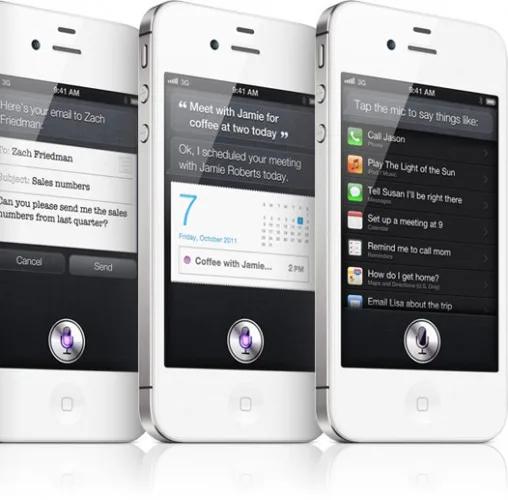
Image source: Apple
However, as mobile phones play an increasingly important role in our daily lives, the "capability boundary" of these voice assistants has gradually emerged: we can ask Siri to make calls, set navigation, post on Weibo and send text messages for us, but we cannot ask Siri to retouch photos to make our faces look slimmer or play games, after all, the concept of AI Agent did not exist back then.
It was roughly around this time that our dependence on voice assistants began to decline: Siri has barely changed in more than a decade, and the meme of "artificial intellectual disability" has been circulating over and over again. Smart speakers, limited by their insufficient capabilities, have lost popularity in the global market and been reduced to voice remote controls for smart home appliances. Chinese users' expectations for voice assistants have gradually narrowed down to setting alarms, checking the weather and turning on air conditioners. Even the core segments of mobile phone launch events have shifted from voice assistant features to the gaming performance and imaging capabilities of mobile phones.
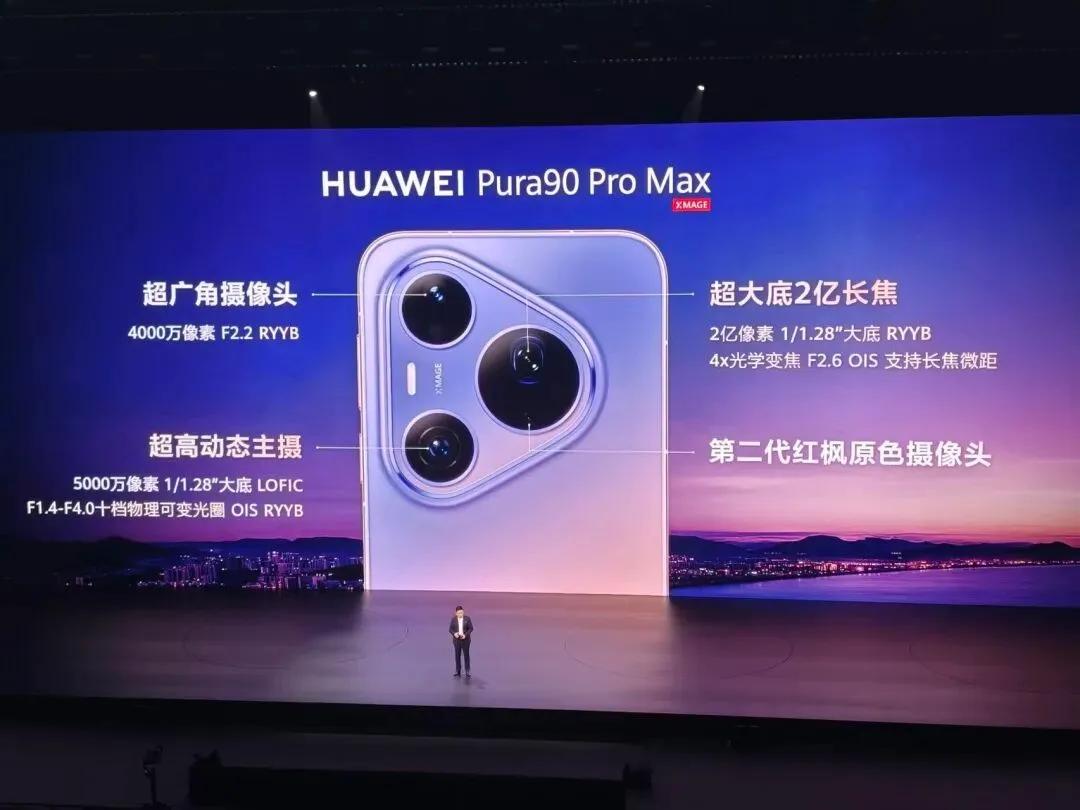
Image source: Leikeji
It was not until the concept of AI Agent became a hit that the importance of mobile phone voice assistants, or "smart assistants", began to rise again. According to figures released by Google, the monthly active users of Gemini have reached 950 million, more than doubling in a year, and the number of daily interactions has tripled, nearly twice as high as the peak period of Google Assistant. Even Apple, which was once jokingly called "artificial intellectual disability", launched a completely reconstructed Siri AI at WWDC in June 2026, with its model and interaction system fully redesigned.
Looking back at the change of this U-shaped curve, Leikeji believes that users' demand for smart assistants (including voice assistants) has always existed, and what was truly disconnected was the capability of voice assistants. From this perspective, the surge in monthly active users does not mean that users' demand for voice assistants has suddenly increased, but that the capabilities of smart assistants in the AI Agent era finally match users' "laziness".
Voice interaction has become a new rigid demand in the AI era
Since the change in demand for voice assistants and the improvement of AI Agent capabilities are "correlated rather than causal", why do mobile smart assistants in the AI Agent era choose the voice assistants from the "ancient era" as the entry point instead of starting all over again?
Leikeji believes that this is actually related to the "evolution direction" of AI Agent itself. In 2026, all operating systems are being transformed in the direction of AI AgentOS. Agents in the AIOS era need to work across apps, but the buttons, menus and secondary pages on the screen are all designed for human users. It is slow and error-prone for Agents to simulate clicking operations.
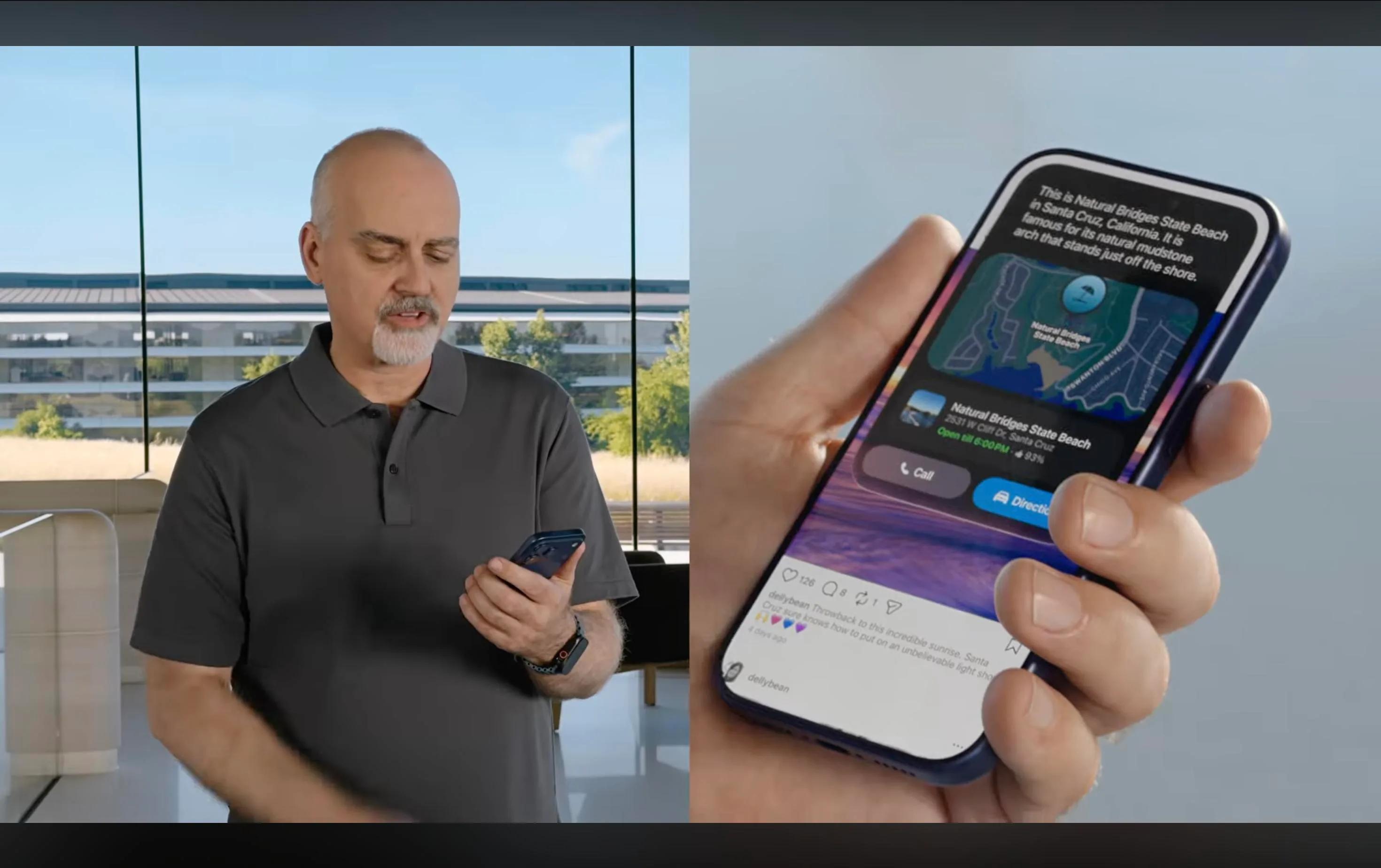
The "fuzziness" of voice makes it very suitable to act as an "intermediate layer" between users and mobile phone AI Agents: users give fuzzy voice commands, and the underlying large model decomposes and refines the fuzzy voice commands into operations that AI Agent can understand and execute, which are then implemented by the latter.
Of course, the ultimate goal of AI Agent is still real "active perception", "active response" and "unperceivable interaction". But before the "active perception" capability of mobile phone AI Agent matures, compared with touch screen, keyboard input or trigger input, voice input is still the most suitable interaction method for users to "be lazy" at the current stage. For this reason, mainstream AI Agent assistants will not give up the "entry point" of voice assistants that has existed for more than ten years.
Chinese domestic mobile phone manufacturers are ahead of Google
After talking about the "dilemma" of Google and Apple, let's take a look at how domestic brands make good use of the entry point of "voice interaction".
Different from Google and Apple who "start all over again", domestic mobile phone brands generally adopt the "assistant front-end + AI back-end" mode, striving to provide users with the most complete AI experience in the shortest time, without raising the user threshold of AI Agent. At the Snapdragon Summit in October 2024, Honor, together with Qualcomm, demonstrated Honor's AI Agent technology with cross-application open ecosystem, marking the transformation of domestic mobile phone brands from "voice assistant" to "Agent assistant".
In addition to Honor, other domestic mobile phone brands such as Xiaomi, Huawei, OPPO and vivo have also completed the AI Agent transformation of their own voice assistants in a very short period of time. At the same time, Google Assistant and Siri are still stuck in the "turning around of an aircraft carrier" process of voice assistant transformation: the former has been delayed repeatedly, while the latter has to "rely on external support" even for a qualified underlying model, and its release date is still far away.
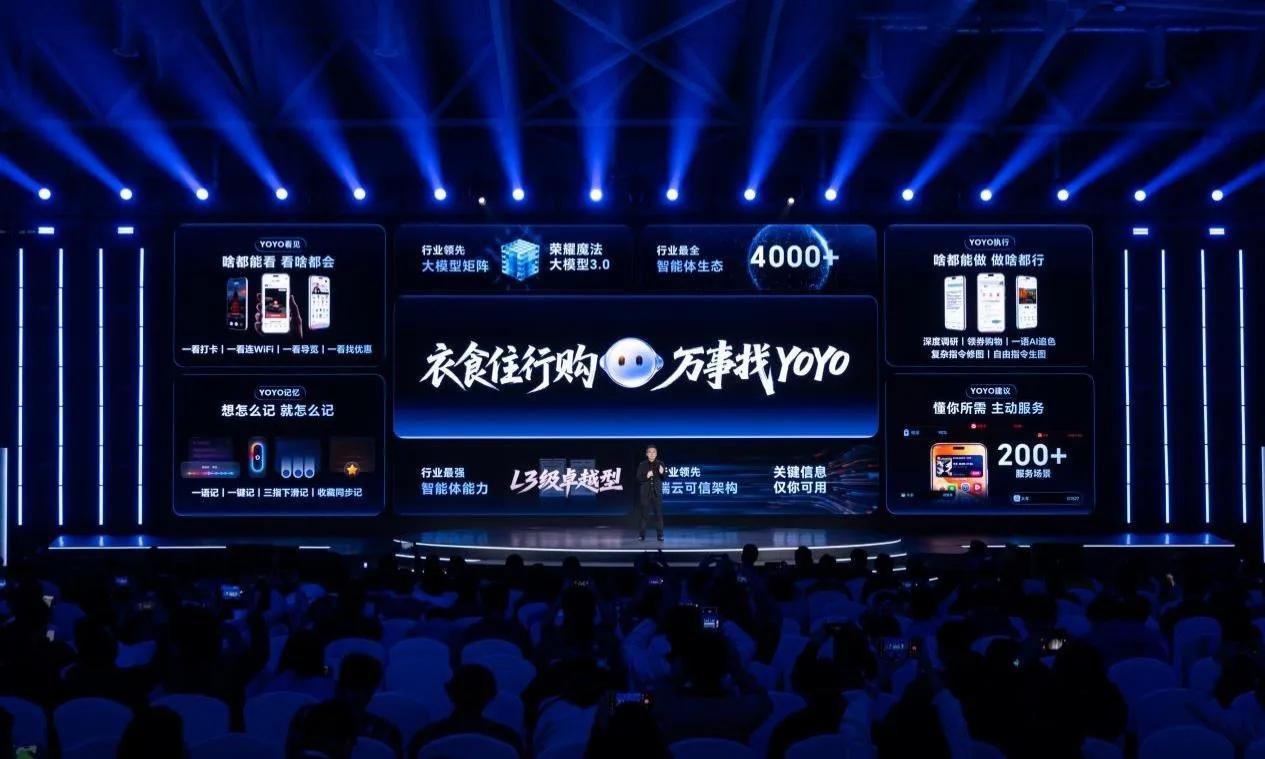
Image source: Honor
In the view of Leikeji, the primary reason why domestic manufacturers can seize this time difference of more than two years is naturally the extremely fierce competition in China's mobile phone market. The five brands of Huawei, Xiaomi, OPPO, vivo and Honor have been competing closely in the domestic market for a long time. If a brand lags behind for only one quarter, the market share will be taken by its competitors.
But besides that, WeChat, Alipay and Mijia ecosystem are not in the territory of Google and Apple, and only domestic manufacturers can carry out in-depth system-level integration. For example, YOYO can send messages directly without opening WeChat, which Google cannot copy even if it wants to.
It is certain that the advantages of domestic mobile phone brands will be further amplified in the AI AgentOS era: accompanying AI, end-cloud collaboration and skill stores have been deployed on mass-produced domestic mobile phones, while Google's Gemini has just started on Android 17, and Apple's Siri AI still needs to wait for regulatory approval.
It can be said that Chinese mobile phone brands have won the first round in the battle of mobile phone AI Agent.
The end of AI interaction is active perception
However, as we just mentioned that the ultimate form of AI Agent is "active perception" and "unperceivable interaction", does this mean that voice interaction will gradually "exit the stage" as the perception capability of AI Agent matures?
Leikeji believes that in the AI Agent era, the situation where voice interaction "exits the stage" may indeed appear on some products, but in the long run, the value of voice interaction still cannot be replaced.
Different from "large", "fixed" and "multi-user" products such as smart cockpits and smart home appliances, mobile phones are portable, used by a single user, and are mostly kept in pockets with the screen off most of the time, so there is no "environment" available for perception. If a brand really dares to keep the microphone on all day to monitor users, it will be nailed to the pillar of historical shame for violating user privacy before the battery runs out.
In the view of Leikeji, the core value of voice interaction lies in "taking the initiative": AIoT home appliances such as washing machines, dryers and air conditioners can decide for themselves when to work, but mobile phones involve too much sensitive information (payment, privacy, etc.). AI Agent can only make active suggestions, and the final decision must be in the hands of users themselves, or in their "mouths".
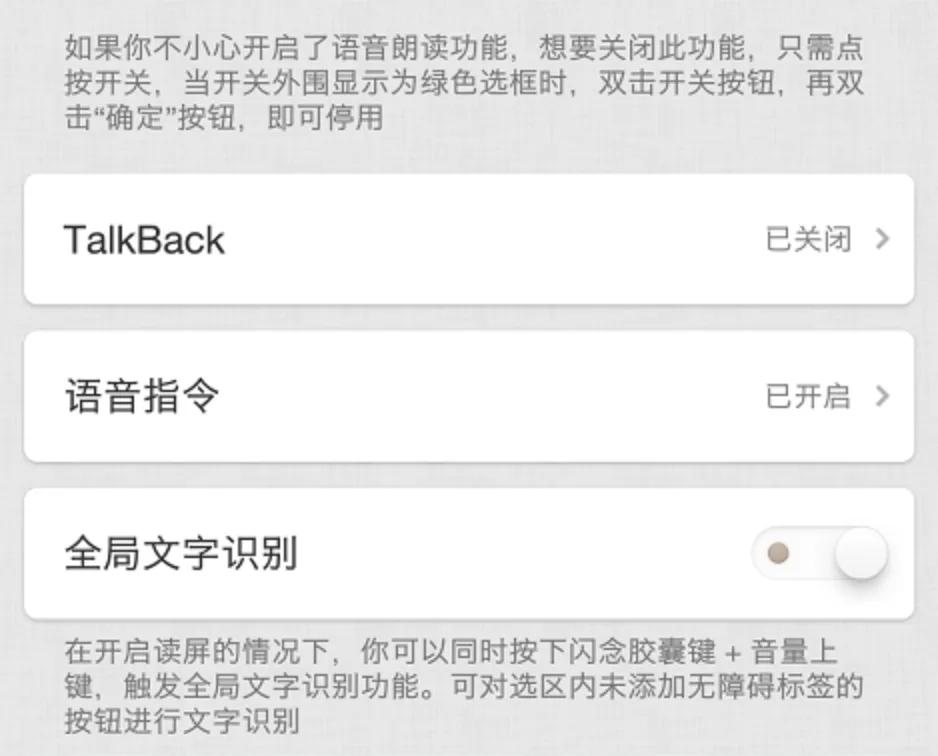
Image source: Smartisan
Looking back at the ten years of Google Assistant, Leikeji believes that what will leave us in September is not the superficial "voice interaction", but the "command-based voice interaction" before the AI Agent era. It is certain that even in the AI Agent era, voice interaction still has its own unique value.
As for whether the two mobile phone giants Google and Apple can regain their "competitiveness" in the painful AI transformation process, we will see the answer after Apple's launch event in September.