The end of foldable screens is non-folding: Huawei Pura X View Experience
Author | Zhang Yongyi
Editor | Jing Yu
The first day Pura X View arrived at the office, several colleagues who came to take a look shared the exact same first reaction: "This size is a bit similar to the old BlackBerry phones."
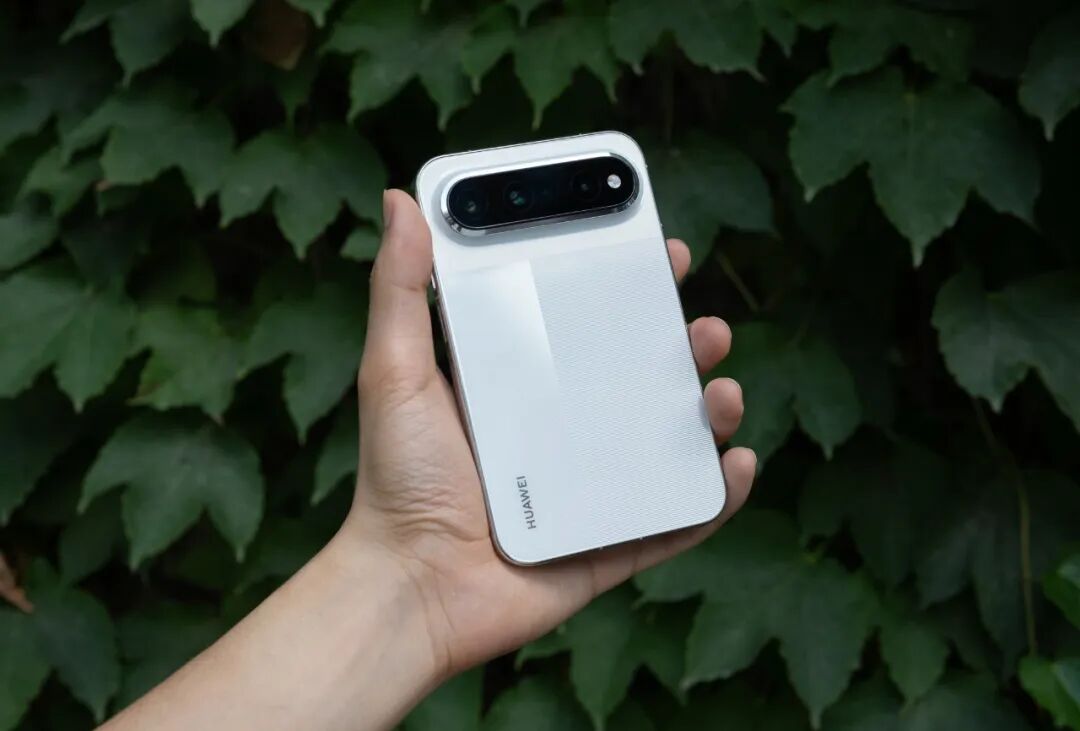
The actual Huawei Pura X View features a size that has never been seen on a conventional straight-screen bar phone before | Image source: GeekPark
I understand this association: its square wide screen does look like a product from that era. But after using it for a week, I think the "BlackBerry-like" trait is an unintended outcome. It is not designed to pay tribute to anyone, it is just a phone developed based on users' real demands, which happens to take this shape. The retro feel is a result, not the intended goal.
What is really interesting is its origin story.
01
Usage Comes Before the Product
There is a widely circulated story about how this wide bar phone form factor came into being: Huawei found when reviewing user data that a group of users on Xiaohongshu bought the Pura X, this small wide foldable phone, but used it as a regular bar phone. Following this usage scenario, accessory manufacturers actually launched a "straight screen protective case" — once you put the Pura X into it, the phone can no longer be folded.
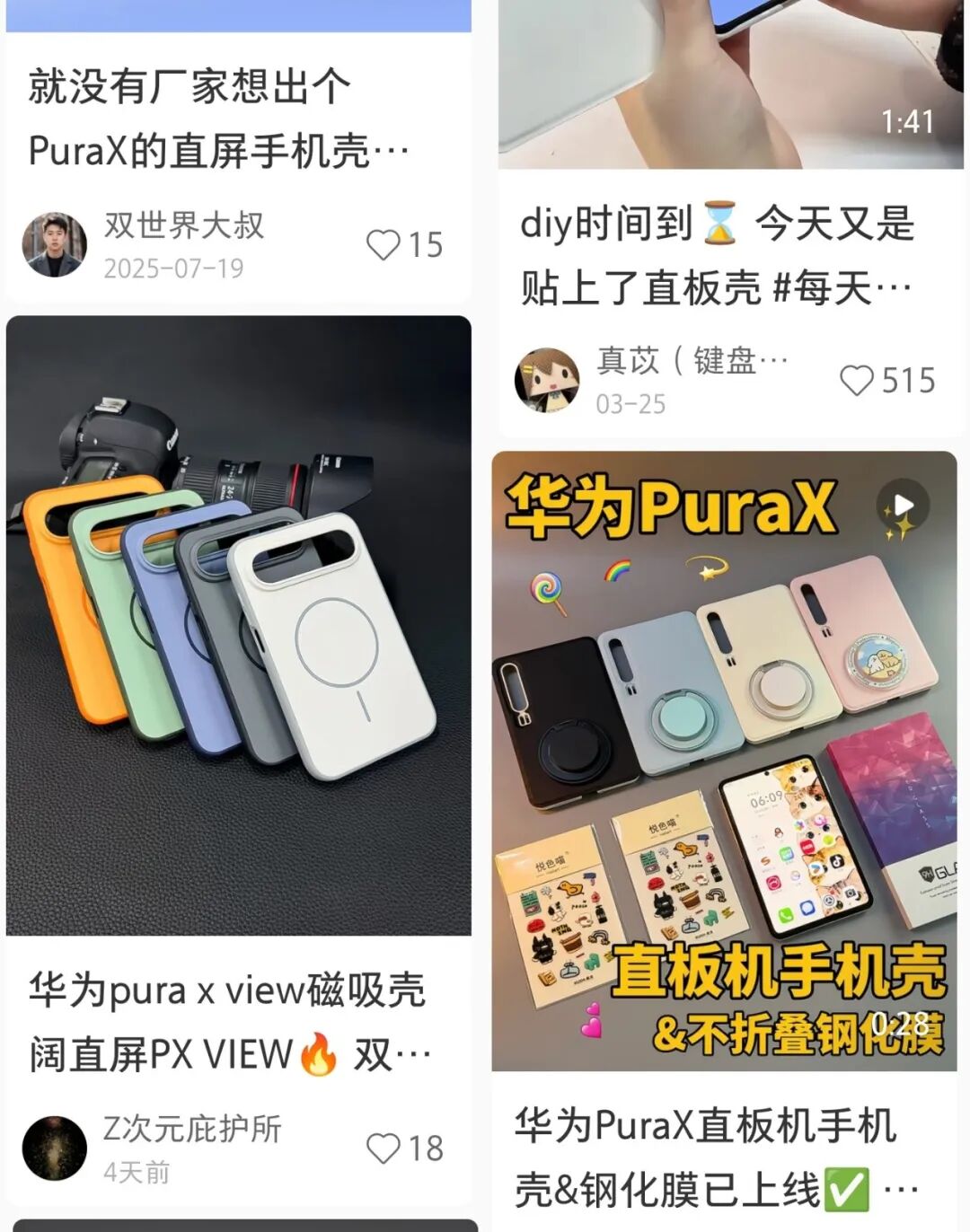
Xiaohongshu users voluntarily used foldable phones as straight-screen devices, which represents a development direction the industry had never anticipated before | Image source: Xiaohongshu
Notice how counterintuitive this scenario is: folding is the biggest selling point of the Pura X, but users who paid the price of a foldable phone for it would spend dozens of yuan more to voluntarily disable this core selling point.
This is equivalent to users voting with their wallets: the "wide" feature is actually more valuable than the "foldable" feature.
When the Pura X Max was released this May, I wrote that the "wide foldable" category had only won half the battle. Looking back now, the half that won is the "wide" trait: the experience dividend brought by the wide screen is real; the half that has not been fully won is the "foldable" trait: the cost, weight and adaptation work of the hinge have always stood in the way of balancing user experience and product pricing.
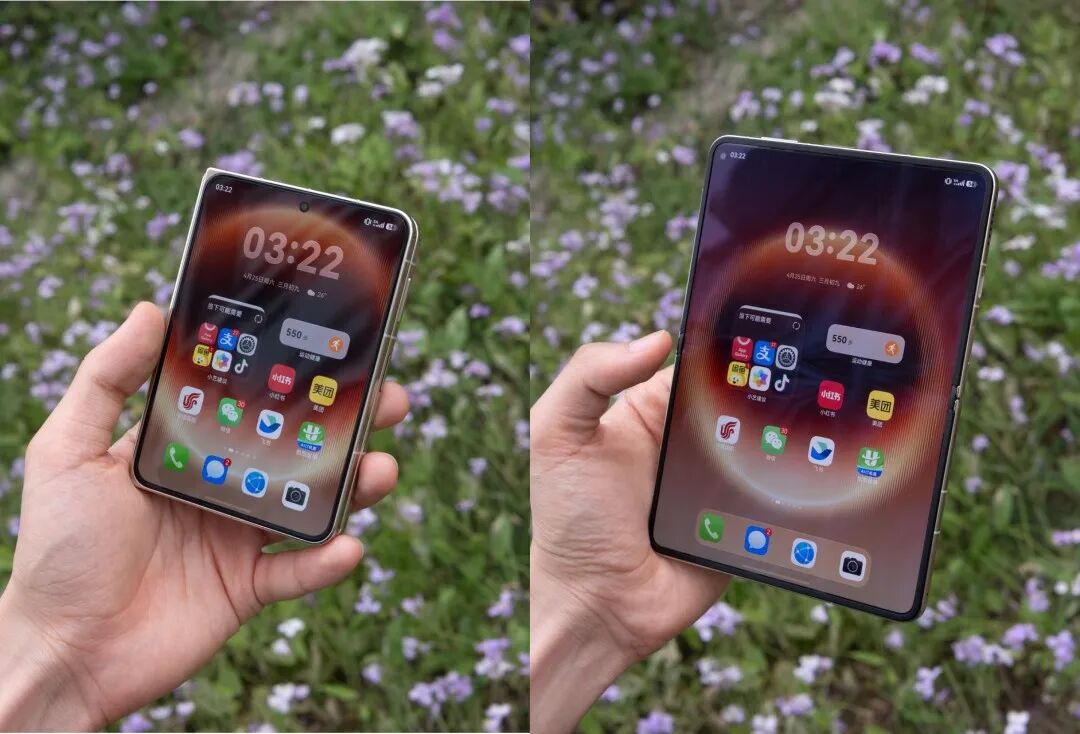
As the first wide foldable product launched this year, Pura X Max is also the flagship representative of Huawei's Pura product line | Image source: GeekPark
What Pura X View does is to take that already-proven winning half out and sell it as a standalone product. So it is not a reduced-spec version of a foldable phone, but the native form factor corresponding to that specific user demand: users used the device in this way first, and then Huawei developed the product accordingly. Product managers often talk about the "first principle", which in essence means returning to the core question of "what exactly are users paying for". This time, the answer was written by the users themselves on the protective case.
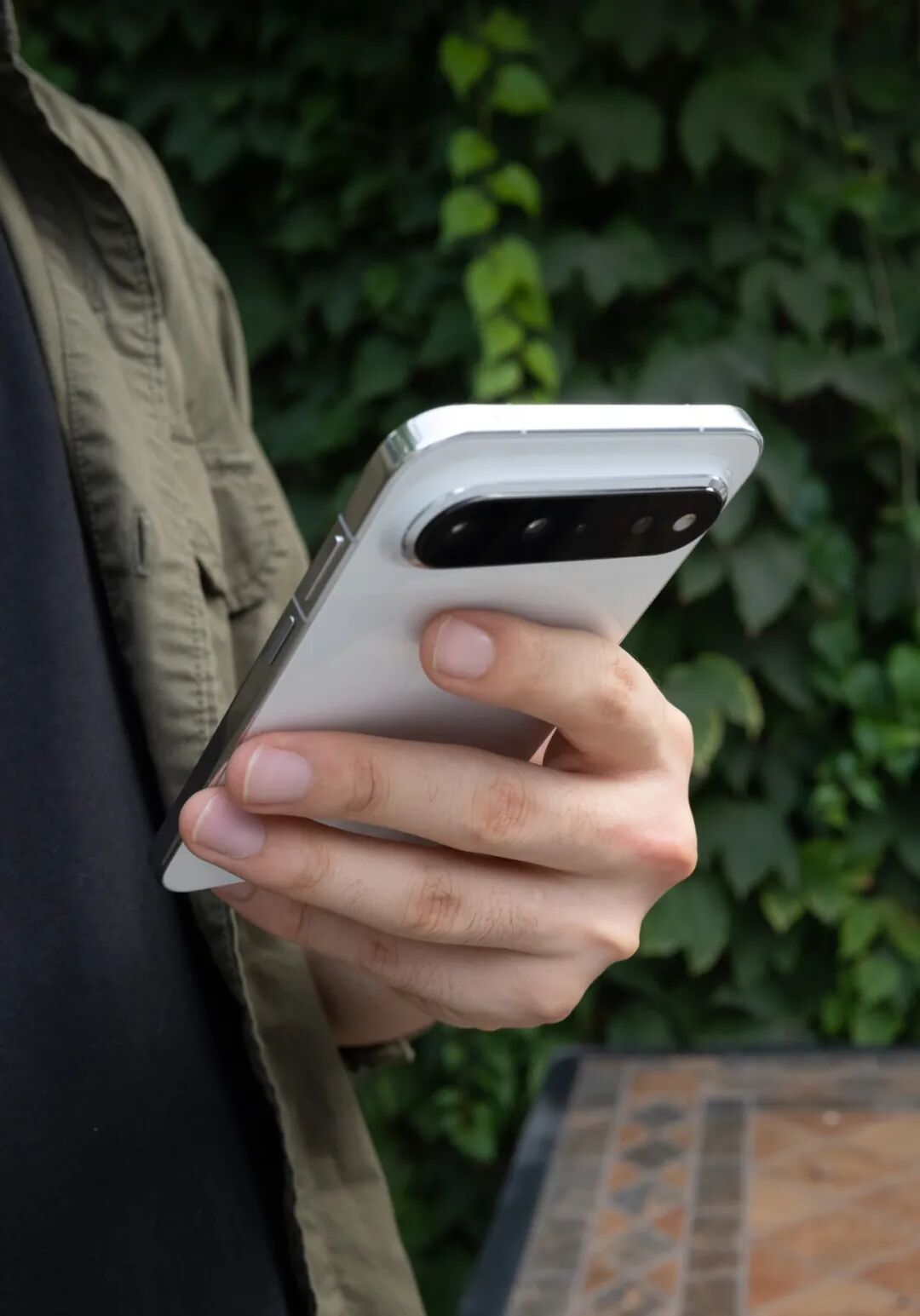
Huawei Pura X View | Image source: GeekPark
When large tech companies develop new form factor products, the usual path is to set up a project first, launch the product to the market, and then spend several years educating users. The foldable phone category developed exactly in this way: build the product first, then convince users that they need it. Pura X View reverses this order: the user demand has already been demonstrated by users themselves, and the product is only developed to match this existing demand. Products made through these two paths have completely different temperaments: the former is in a hurry to prove something to you, while the latter does not need to.
In 2026, the wide foldable category is evolving from Huawei's exclusive business into the mainstream in the mobile phone industry: Samsung has adjusted its foldable phone lineup to adopt wide aspect ratios, with a starting price of 12,999 yuan; Xiaomi's wide foldable prototype has also been unveiled to the public. The aspect ratio that was once regarded as an outlier when Pura X was first launched last spring has now become the direction that all brands are lining up to follow.
Right in this year when peers are all flocking to wide foldables, the initiator of this trend takes the "wide" trait out of the foldable design and turns it into a non-foldable phone. And according to current price forecasts, it will be priced in the 6,000-yuan range, positioned below its own Pura X which costs 7,499 yuan.
The instinct of large companies is to protect the premium of products they have already verified: if foldable phones sell well, there is no reason to create a cheaper substitute by themselves. Huawei did the opposite. There is only one reasonable explanation: it never bet on the premium brought by the "foldable" trait, but on the "wide" demand itself. The form factor is only one possible solution, while the demand is the real question — others are copying its solution, but it goes back to look at the original question again.
Huawei's form factor experiments over the past three years follow a clear rhythm: the Mate XT launched in autumn 2024 introduced the tri-fold screen, the Pura X launched in spring 2025 made the foldable screen wider, and the 2026 Pura X View flattens the wide screen. Launching one new form factor every year is not a random burst of inspiration, but more like a systematic method: treating form factors as assumptions, launching products to the market as experiments, and taking users' real usage behaviors as data. The straight screen protective case is the signal that emerged from this loop, and what makes Huawei special is probably that it actually follows these signals to iterate its products.
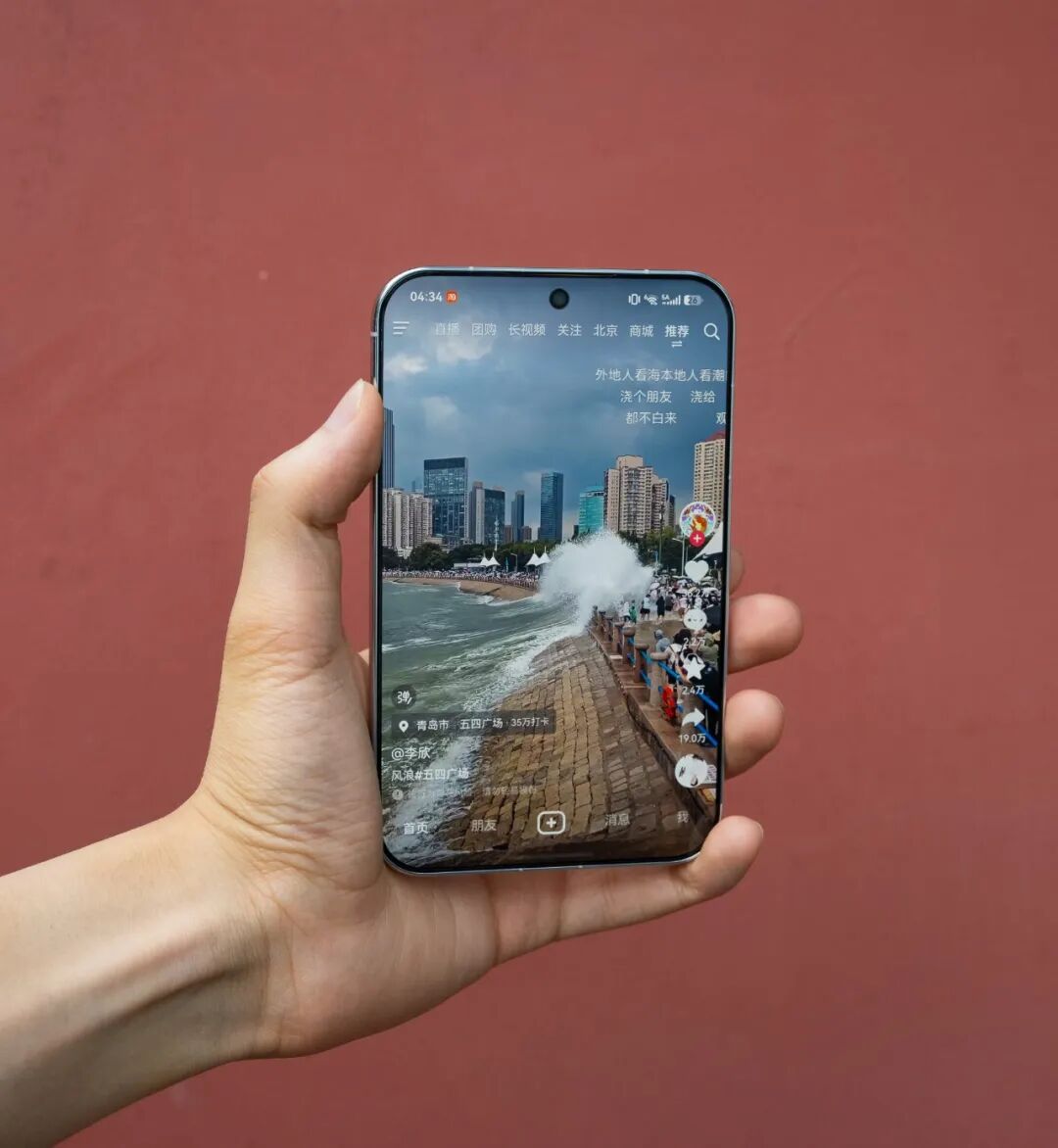
The size of Pura X View will not bring extra adaptation pressure for traditional straight-screen mobile applications | Image source: GeekPark
02
Actual Experience
Let's start with the first-hand feeling. When you put Pura X View in your pants pocket, you will clearly feel that it is noticeably larger than ordinary phones; when you hold it in your hand to use, you often have the illusion that you are using a small cross-over tablet. These two feelings are two sides of the same coin: its "largeness" does not come from extra length, but from extra width.
With a 6.39-inch diagonal screen, it is technically a "small-screen phone" in terms of numbers.
But the diagonal measurement has long been distorted when comparing screens with completely different aspect ratios: long and narrow phones use the diagonal length to increase their screen length, while their actual display area is reduced. According to official data, the display area of Pura X View is 114.27 square centimeters. I calculated the display area of common sizes of bar phones one by one: it outperforms mainstream large-screen phones of 6.7 inches and 6.8 inches, and even the 6.9-inch top-tier flagship only has a slightly larger display area than it. A "6.39-inch" phone that enters the top-tier flagship range in terms of display area, this is the magic of the width design.
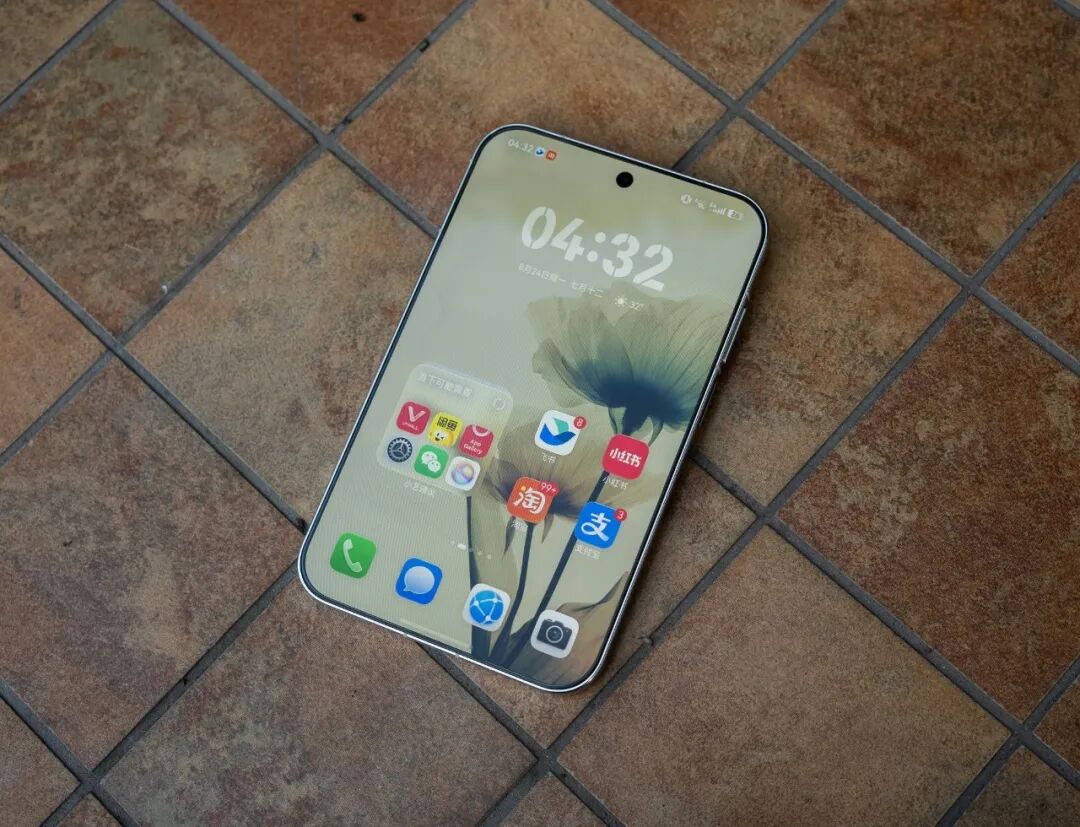
Huawei Pura X View | Image source: GeekPark
There is another reassuring advantage: it is a bar phone by design, with portrait mode as the default state. In the eyes of apps, it is just an ordinary phone that is slightly wider than usual. There is no need to switch between unfolded and folded layouts, so those adaptation issues such as stretched or misaligned content that exist on wide foldables are fundamentally non-existent on this device. This is probably its most underrated advantage over foldable siblings: it does not add extra features, but removes a whole category of problems.
Its core hardware specifications do not make compromises for the new form factor: the 201g body is equipped with a 7000 mAh battery, which is a rare combination among bar phones released this year. From my actual usage experience, as a daily primary phone, it can support one and a half days of use before needing a full charge.
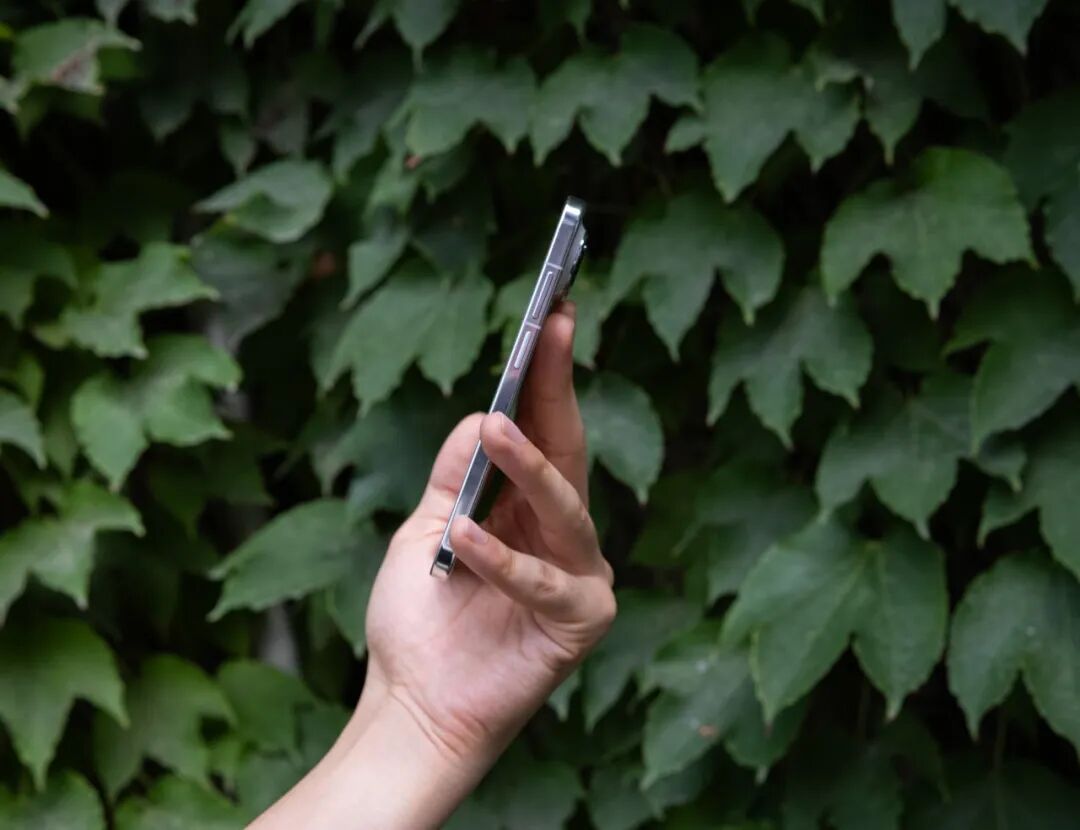
In terms of thickness, Pura X View can even be considered slim and lightweight | Image source: GeekPark
And the most illustrative proof is my own behavior. In the first week after I got it, I could not put it down, I would actively pick it up to play with it, and take it around to take photos. Among the numerous review devices I have used in the past two years, very few can keep me feeling this fresh for so long.
Of course, the extra bulk in your pocket is the trade-off you have to make: all the benefits brought by the extra width are counterbalanced by the downsides in grip and portability. To be honest, with the size of Pura X View, it is very difficult to find a comfortable one-hand grip position, especially if you are already used to traditional narrow-screen flagship phones, you will find it hard to adapt to the new hand feeling brought by this form factor in a short period of time. If you try to hold the phone with your old grip habit, you will feel your palm tired after a while, so this adaptation process also requires a certain learning cost.
There is another thing to remind users who carry two phones: HarmonyOS WeChat on this device does not support login in tablet mode. In the eyes of WeChat, it is just an ordinary mobile phone, so if you want to use it as a second device, you will have to compete with your primary phone for the same WeChat account.
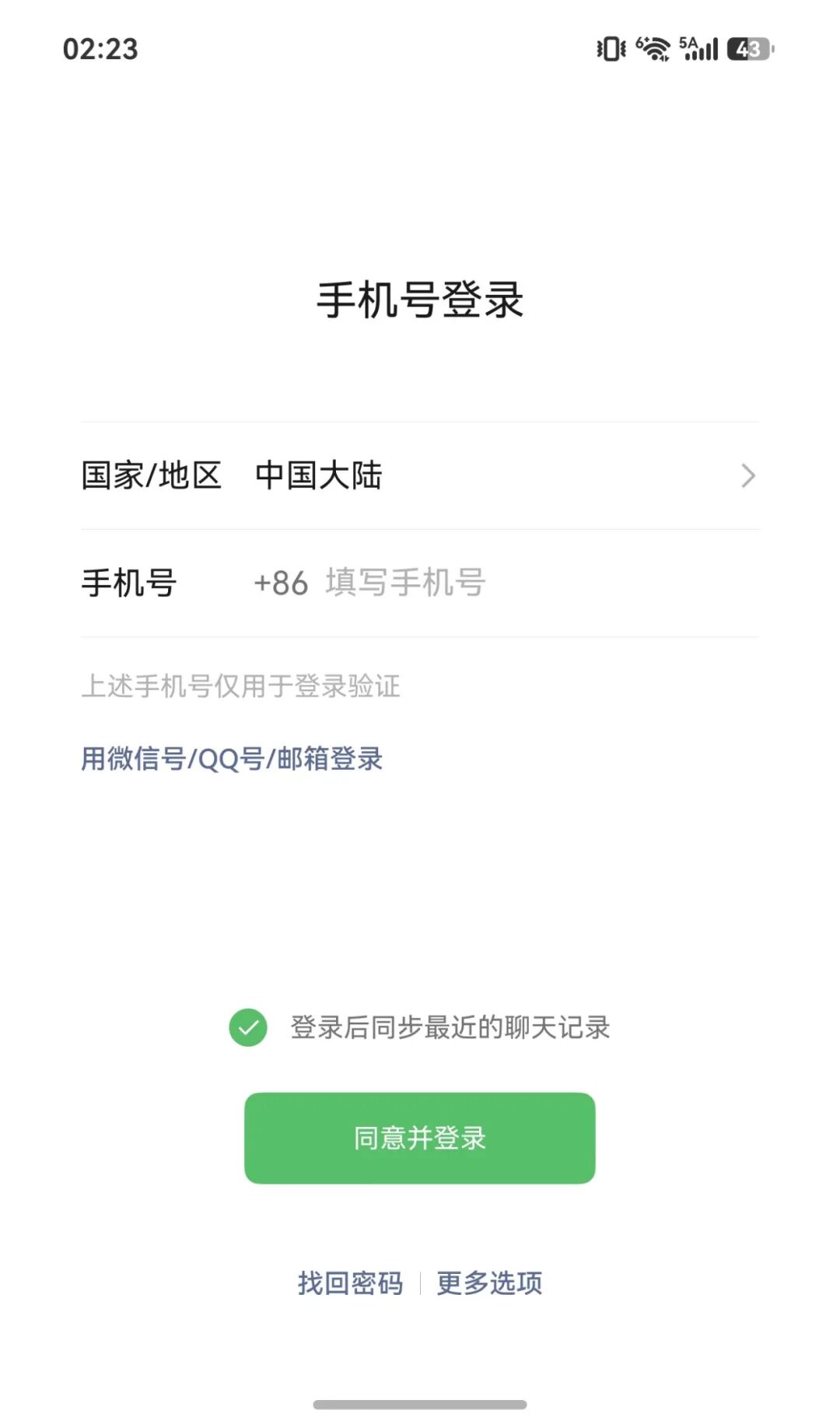
Pura X View does not support WeChat login as a tablet device | Image source: GeekPark
In this aspect, it is not as good as its own foldable siblings, which can log in as a tablet when unfolded and stay online at the same time as the mobile end. If you plan to buy it as a second phone, you need to take this point into consideration before making your purchase.
So it targets specific user groups. If you spend most of your phone time browsing information feeds, watching videos and reading, the wide screen will bring you very tangible benefits; if you are a firm one-hand operation user, or are very strict about the space your phone takes up in your pocket, it will constantly remind you of its existence.
Putting the benefits and trade-offs together, the change that Pura X View brings to users is very clear. In the past, if you wanted a "larger screen" on a mobile phone, there were only two options: accept a longer body, or accept the price and weight of a foldable phone. Now there is a third option: you do not need to learn new interactions, do not need to pay extra for the hinge, and you can get a display area close to a small tablet in the grip of an ordinary bar phone. Those users who put straight screen protective cases on their Pura X a year ago, are exactly the target users of this phone.
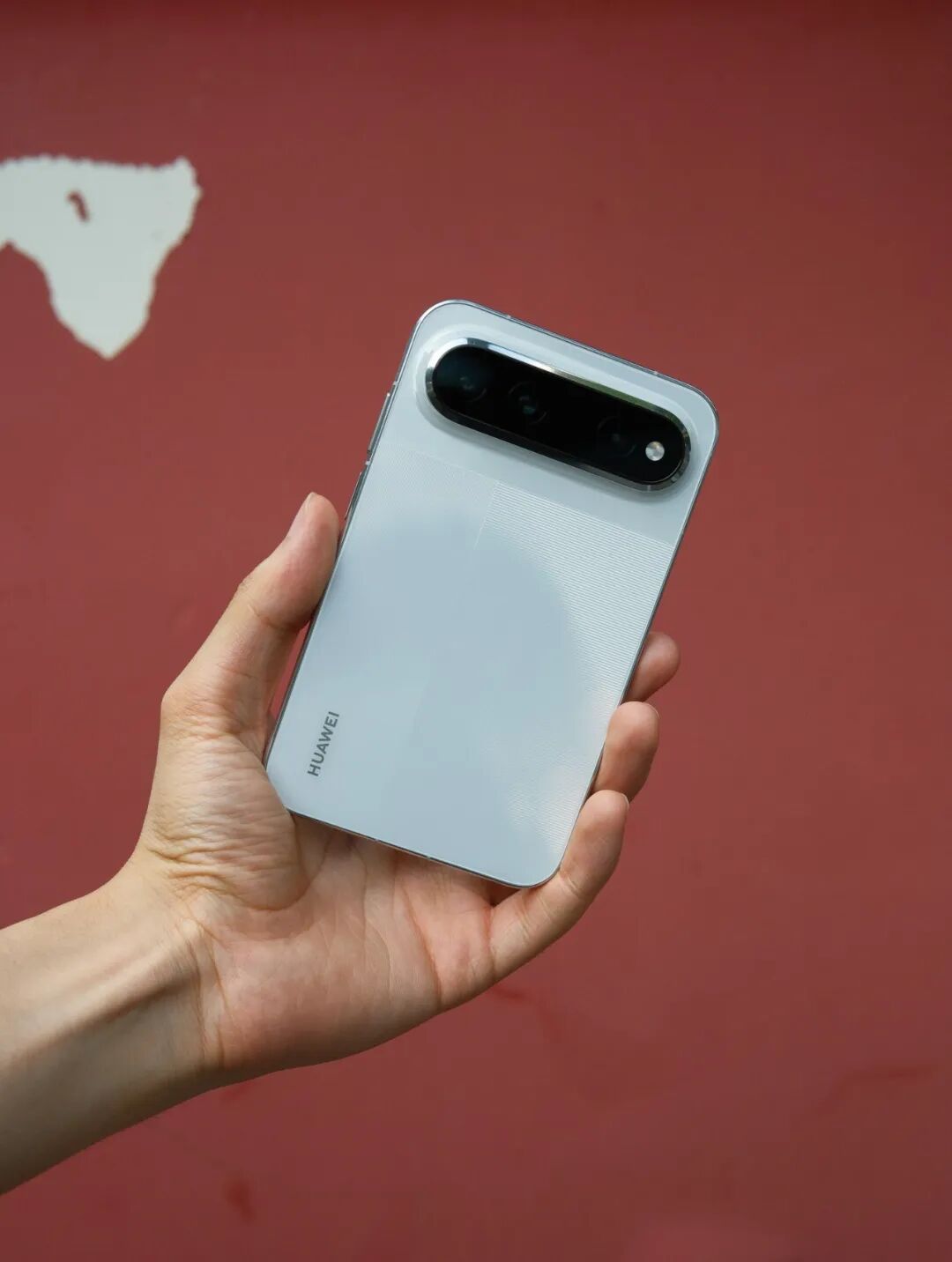
Its distinctive size is exactly the "experiment" that Pura X View represents | Image source: GeekPark
For the whole industry, the significance of this phone and the small experiment it represents may be even more obvious: in the past few years, mobile phone form factor innovation has been moving upwards: products are getting more expensive, and require more market education. Foldable phones have proved that new form factors can bring product premium. Pura X View is verifying the opposite proposition: new form factors can also make subtractions, extract the verified high-quality experience from the premium segment, and bring it to the mainstream price range. Once this path works, peers will not only learn the "wide" aspect ratio, but also learn the method of finding the next generation product direction from users' real usage behaviors — the starting point of form factor innovation will move from the laboratory to the hands of users.
Up to now, the only remaining suspense about Pura X View is a single number. Its official selling price will not be announced until another launch event on September 7.
Current market forecasts mostly place its price in the 6,000-yuan range. For reference: the starting price of Pura X is 7,499 yuan, and the starting price of Pura X Max is 10,999 yuan. The previous entry ticket for the "wide