FAW has made a new breakthrough in solar charging technology. What exactly are the core difficulties in realizing the scenario where automobiles can harness free energy from sunlight?
Recently, FAW Group has made another major breakthrough! It has completed the preparation of the world's first perovskite photovoltaic sunroof prototype, marking the first time in the industry that perovskite photovoltaic modules have been integrated into double-curved automotive safety glass.
According to FAW, this sunroof prototype has a power generation capacity of nearly 300W under sufficient sunlight, and can generate 400kWh of electricity on average throughout the year. In the future, if all body glass and covers such as the roof and hood are replaced with perovskite photovoltaic power generation equipment, the theoretical maximum daily power generation can reach 10kWh.
The ideal is full, but the reality is very skinny. Not to mention the difficulty of covering the entire vehicle body with perovskite photovoltaic modules, even if the technology achieves a breakthrough, power generation is still affected by light intensity. The vehicle must be parked in an open-air parking lot, and the power generation capacity of the module will be greatly reduced on cloudy days.
The paradoxical reality is that even though commercial disputes have never ceased, from traditional giants to startups, there have always been players rushing into the vehicle photovoltaic track in recent decades, never giving up the dream of letting cars "get free power from the sun".
Humans have been exploring solar-powered vehicle charging for years
As early as 2016, the predecessor team of Dutch startup Lightyear developed the solar car Stella that supports photovoltaic power generation. After Lightyear was officially established, it started developing the mass-produced model Lightyear 0 in 2019, which was scheduled to go into production in the fall of 2022, with a price as high as 263,000 US dollars (about 1.768 million RMB at present).
However, in early 2023, Lightyear declared bankruptcy, terminated the delivery of the Lightyear 0, and the R&D of its second model Lightyear 2 was also forced to be suspended.
At present, Lightyear has cut more than 80% of its staff compared with its peak period, canceled the whole vehicle R&D and production projects, and transformed into a provider of vehicle-integrated photovoltaic (VIPV) hardware, controllers and software solutions. The Ariya concept car exhibited by Nissan at the beginning of this year is the product of joint R&D between Nissan and Lightyear.
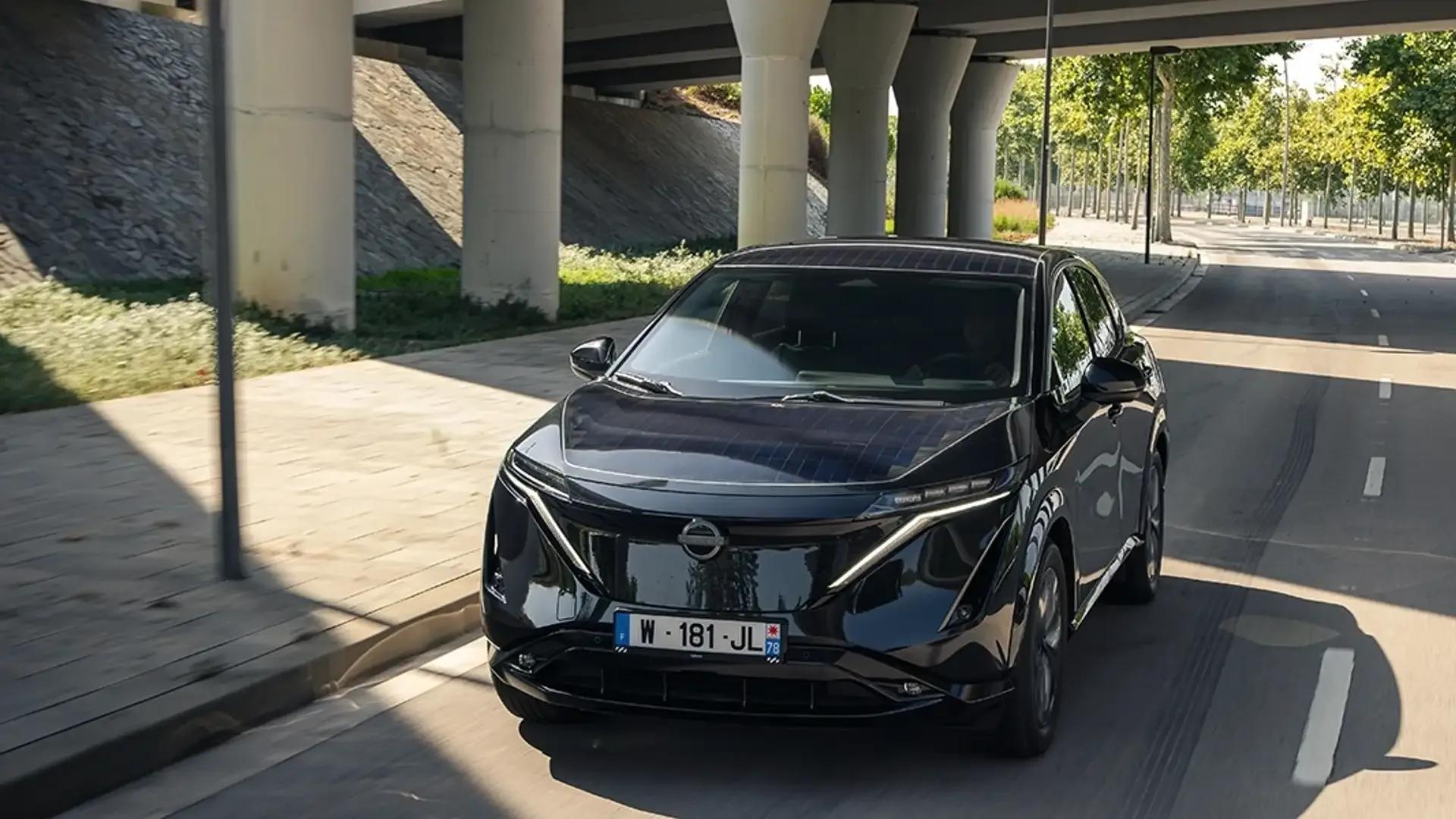
(Source: InsideEVs)
Toyota, the leader of the automotive industry, tried to install solar panels on its popular hybrid model Prius as early as 2010, but canceled the plan later due to uncertain factors. It was not until 2017 that Toyota provided an optional solar power generation panel kit for the Prius.
In 2022, Toyota provided an optional solar charging dome kit for its pure electric vehicle bZ4X at a price as high as 20,000 yuan. The official claimed that the solar charging dome can provide 1750km of driving range for the vehicle every year. According to an earlier calculation by Dianchetong at an electricity price of 1.5 yuan/kWh, under ideal conditions, car owners need about 60 years to recoup the cost.
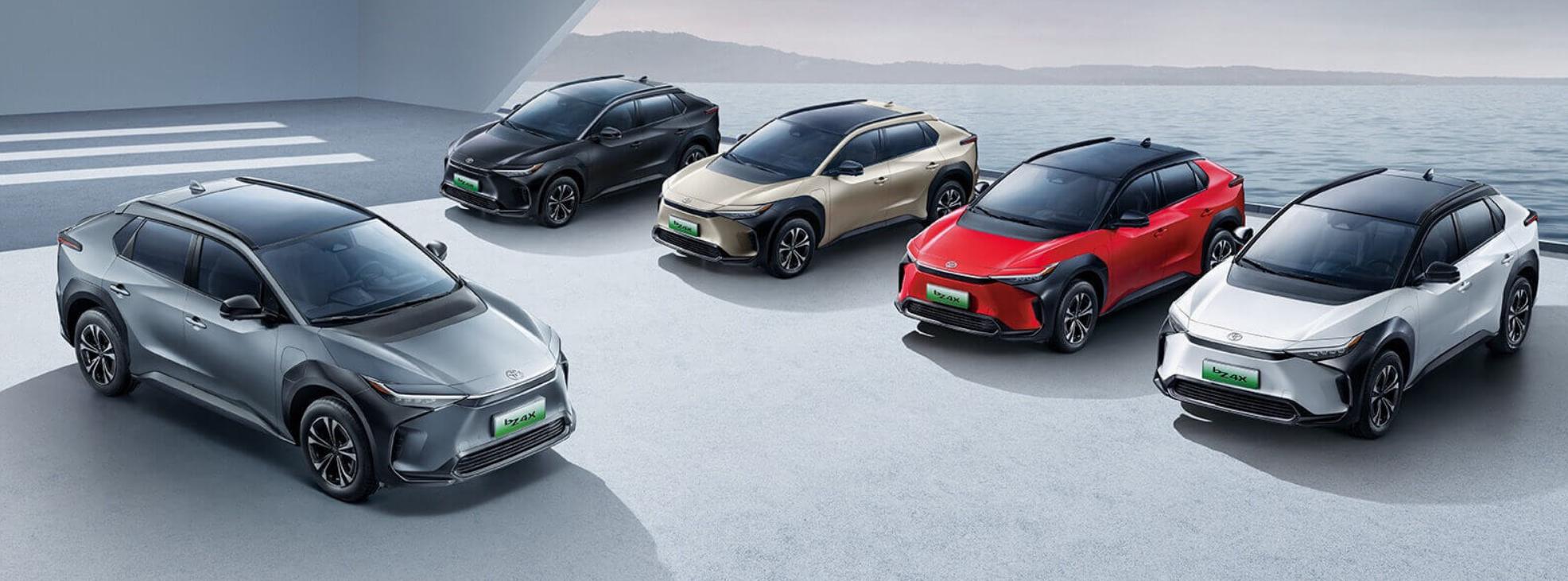
(Source: GAC Toyota)
Domestic enterprises also attach great importance to vehicle photovoltaic technology. For example, Hanergy Group released 4 solar cars in 2016, but none of them have been mass-produced so far.
Tesla, which has made outstanding achievements in the field of whole-house photovoltaics, provides photovoltaic solutions centered on household energy storage scenarios rather than automotive products, which is obviously more pragmatic than automakers such as Toyota and Nissan.
The surface area of a car is limited. Even if the entire surface is covered with photovoltaic modules, the power generation is very limited, which cannot meet the needs of daily travel at all, and can only reduce the vehicle usage cost to a certain extent. Taking photovoltaics as the main energy source to drive vehicles may never be a feasible path.
Dianchetong (ID: dianchetong233) believes that the reason why automakers are obsessed with "getting free power from the sun" lies in two aspects: first, the influence of environmental protection concepts. Solar energy is the cleanest energy source, which conforms to the global advocated concept of energy conservation and emission reduction; second, the feeling of "getting something for nothing" is extremely pleasant. After installing photovoltaic power generation equipment, there is no additional cost to obtain solar energy, which gives people a very cost-effective feeling.
Apart from economic benefits, vehicle photovoltaics still have great application value
The reason why consumers do not accept solar cars is essentially an economic issue. Installing optional photovoltaic equipment costs tens of thousands of yuan, but it can only generate a few hundred kWh of electricity a year. Theoretically, it takes decades or even hundreds of years to recoup the cost. Considering the life cycle of a car, the cost can never be recovered in practice. If we take cost saving as the evaluation standard, vehicle photovoltaics are indeed not cost-effective at all.
However, with the increasingly rich intelligent configurations of new energy vehicles, Dianchetong has seen more possibilities for photovoltaic equipment in vehicle scenarios.
Take myself as an example, I seldom drive on weekdays, and I am worried that the battery will lose power if the vehicle is parked for a long time, so I always have to make time to charge the car.
In addition, current new vehicles are generally equipped with the sentinel mode, which consumes about 1-3kWh of electricity per night when the camera is working. Many users will turn off the sentinel mode to save electricity, but then there is no video evidence to protect their rights after the vehicle is scratched, falling into a dilemma.
Some vehicles are also equipped with an on-board refrigerator. Considering the risk of battery power loss and energy consumption, the on-board refrigerator is usually turned off when the engine is off, so users cannot enjoy cold drinks immediately after getting on the car.
The situation is different after adding the photovoltaic power generation module. When the vehicle is parked in the open air, the photovoltaic module continuously generates electricity, fully covering the parking energy consumption such as 24-hour sentinel monitoring, parking ventilation, infotainment system standby, and low-voltage equipment power consumption.
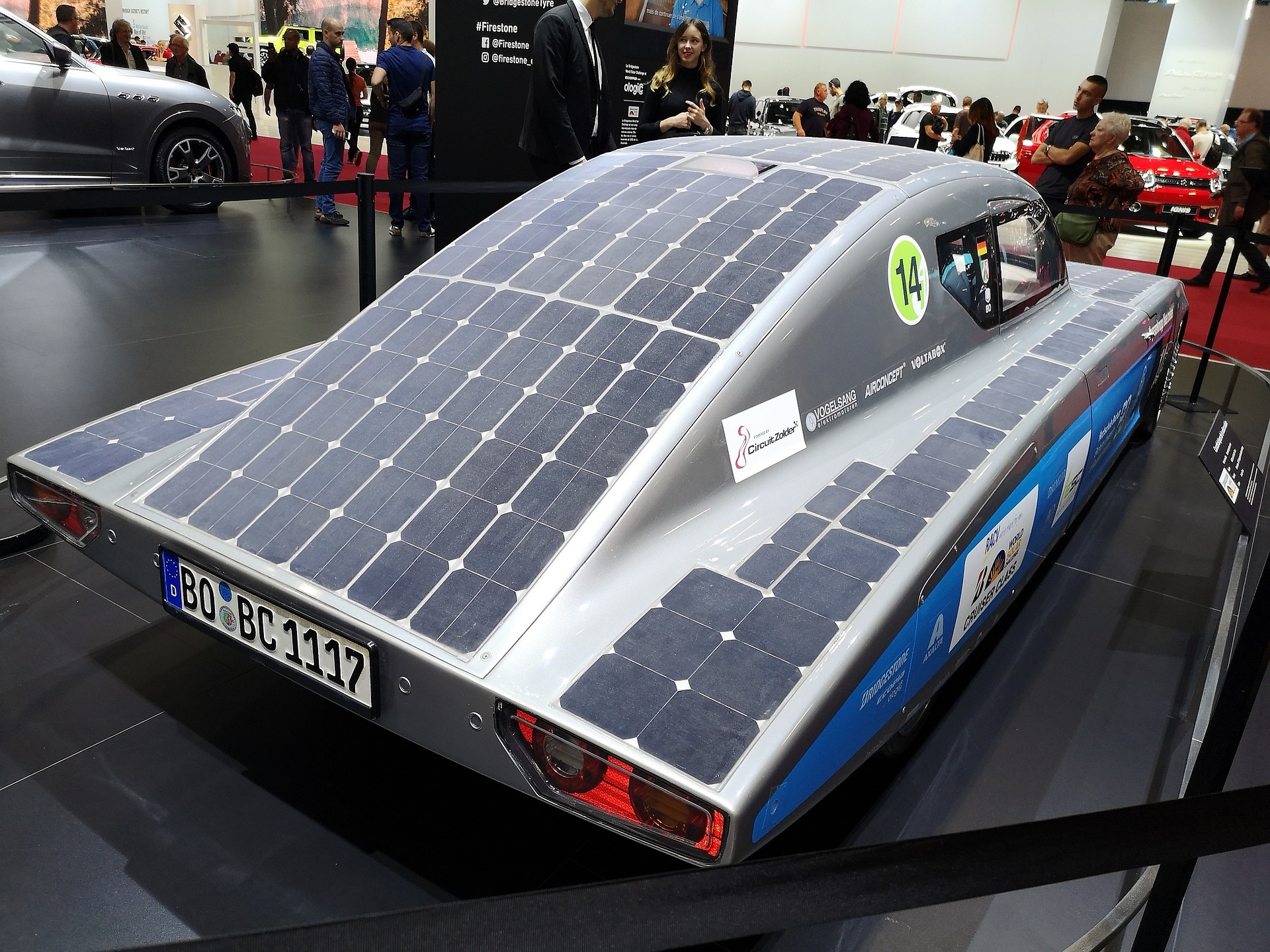
(Source: pixabay)
The power loss that originally needs to be borne by the power battery can be replaced by free solar energy, which can solve problems such as power loss after long-term parking and battery life degradation. For users who travel frequently and leave their vehicles idle for a week or even several months, photovoltaics are equivalent to equipping the vehicle with a "smart trickle charge power maintenance system", fundamentally avoiding the problems of power loss and battery damage.
The perovskite photovoltaic features light weight, flexibility, curved surface adaptability and semi-transparency, which can fit curved surfaces well, making it suitable for vehicle body photovoltaics, curved sunroofs and BIPV photovoltaic facades, and it also meets the requirements of vehicle photovoltaic development routes at the technical level.
Apart from economic benefits, the prospect of vehicle photovoltaics is very promising. The failures of companies such as Lightyear and Toyota in the field of vehicle photovoltaics are precisely caused by miscalculating the economic accounts.
As a startup, Lightyear's product performance has not been tested by the market, and it rashly launched a model priced at nearly 1.8 million yuan, with a very slim chance of success.
(Source: Generated by Doubao AI)
Having realized the problem, Lightyear later launched the R&D of the low-cost model Lightyear 2, which is priced at only 40,000 euros (about 313,000 yuan at present), but its capital reserve is no longer sufficient to support the whole vehicle R&D.
Toyota's failure lies in that the photovoltaic power generation equipment is adapted to the Prius and bZ4X, and the prices of these two models are not high enough. The 200,000 to 300,000 yuan price range belongs to the entry-level luxury car segment, and domestic brands focusing on the high-end market such as AITO, Xiaomi and Li Auto all have products in this range.
The problem is that people who buy models in this price range still care about cost-effectiveness. Photovoltaic modules that cost tens of thousands of yuan are too low in economic efficiency to meet the needs of the mainstream consumer group in this price range. Yes, you heard it right, the correct target group of photovoltaic power generation modules should be consumers with strong financial capacity, targeting luxury models priced above 300,000 yuan.
Does photovoltaic charging need to be first popularized in luxury cars?
The main reason why automakers are flocking to the luxury car market is that luxury cars have large profit margins, and consumers are less sensitive to prices. After adding photovoltaic modules to entry-level and mid-luxury models, consumers will see a 10%-20% surge in prices, while for luxury cars, the price will only rise by 5% to 10%, and the difference is relatively not so obvious.
More importantly, the photovoltaic function is more suitable for the usage scenarios of high-end models. Vehicles are evolving into "mobile living spaces on wheels", and automakers often take outdoor camping scenarios as the key promotion point for their products. In outdoor scenarios, users' demand for parking air conditioners, refrigerators and external discharge will increase, and the overall power consumption of the vehicle will also rise.

(Source: BYD)
For pure electric vehicle users, the increase in power consumption is likely to cause range anxiety, and the power generation function of photovoltaic modules can alleviate this range anxiety. The energy self-sufficiency, lossless power maintenance, green travel experience brought by photovoltaic modules, as well as the product narrative of "mobile distributed power generation terminal", can also meet the needs of high-end users and become a selling point for differentiated competition of luxury models.
When the price of photovoltaic modules drops in the future, and users can install one for only a few thousand yuan or even a few hundred yuan, it is not too late to popularize it in mid- and low-end models.
It is believed that when the cost-effectiveness of photovoltaic modules is improved, which can truly reduce the travel cost of mid- and low-end vehicle users without significantly increasing the vehicle purchase cost, consumers will definitely be willing to accept vehicle photovoltaics.
From this perspective, the reason why automakers are unwilling to give up on "getting free power from the sun" may not be the pursuit of small immediate benefits, but the bet on the future energy revolution. Vehicle photovoltaics are one of the few technical directions that have long-term iteration space, can build product differentiation, and conform to the dual carbon trend.