The first AI boomerang job-hopper: without a doctoral degree, he is heavily sought after by top AI labs in Silicon Valley.
Who is known as the first person to pull off the "boomerang job-hopping" feat in the AI industry?
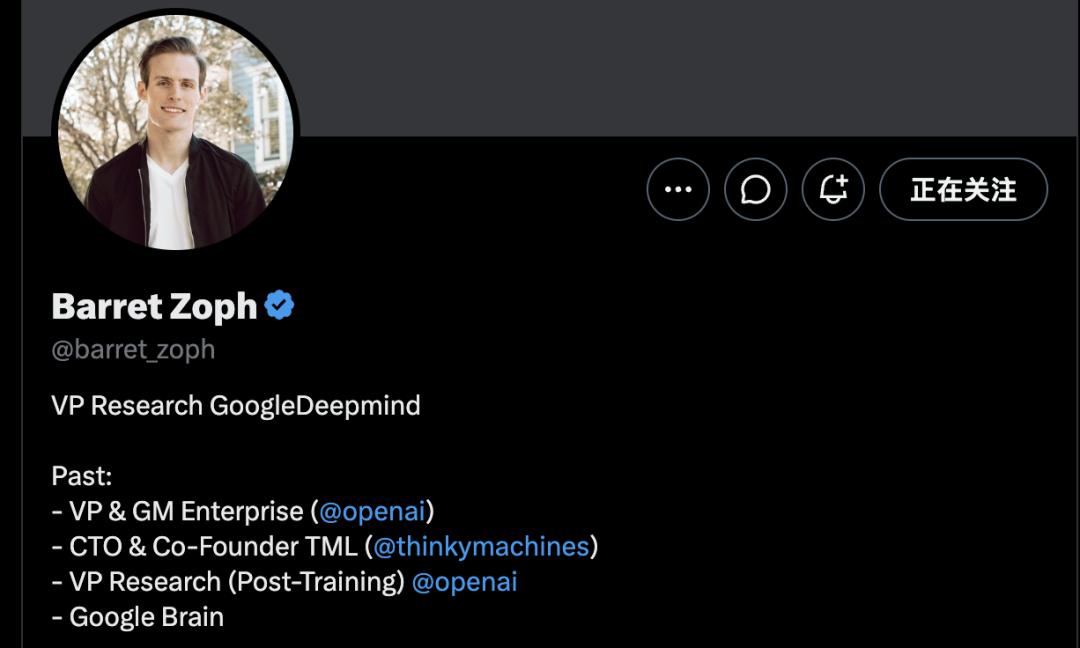
Standing in front of you is Barret Zoph, former Senior Research Scientist at Google Brain, former Vice President of Post-Training Research at OpenAI, former Co-founder and CTO of Thinking Machines Lab, former Head of Codex Commercialization at OpenAI, and current Vice President of Research at Google DeepMind.
(There are way too many titles to fit all on a single person.gif)
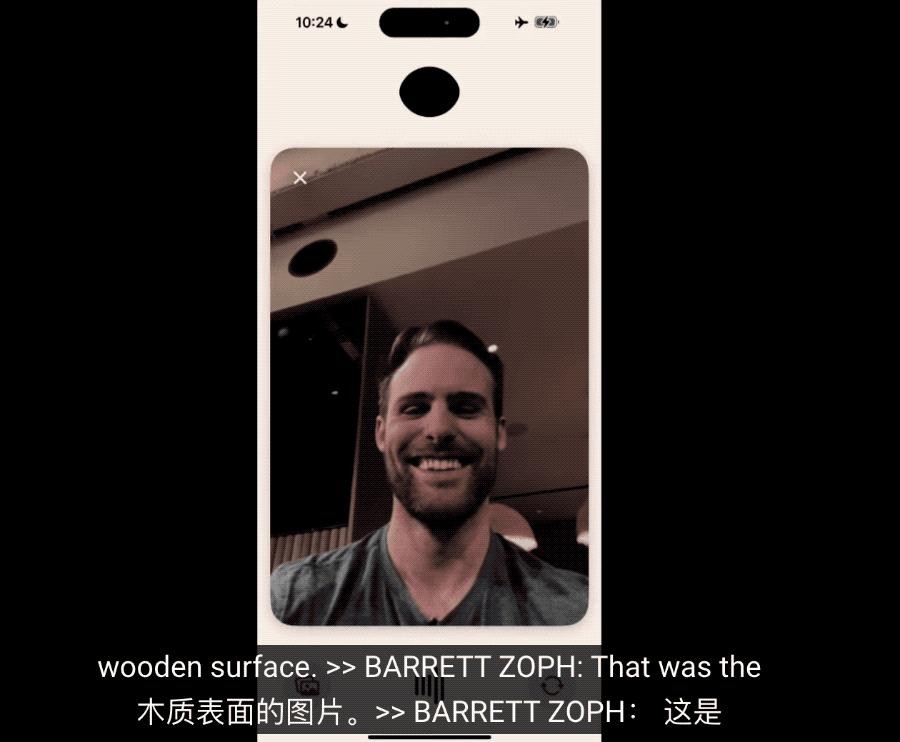
If you still can't recall who he is, he was the one who first demonstrated ChatGPT's video call capability to the whole world at the GPT-4o "Her" launch event.
Due to network latency issues, he was even misidentified as "a wooden table" by ChatGPT during the demo.
From the Pioneer of Neural Architecture Search to the Head of Post-Training
Barret Zoph has a rather unconventional career path. He doesn't even hold a PhD degree, yet he has reached the positions of Vice President of Research and CTO.
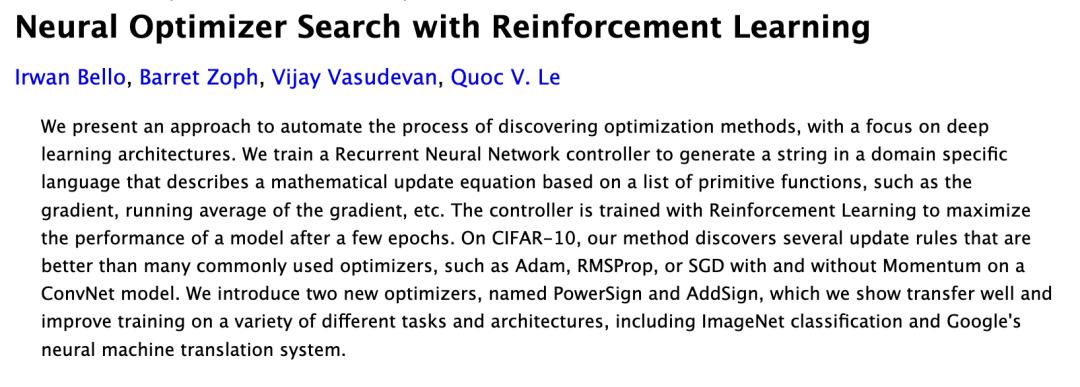
After graduating from the University of Southern California with a bachelor's degree in 2016, he joined the Google Brain Residency program, and co-published the paper "Neural Architecture Search with Reinforcement Learning" with Quoc Le. It's fair to say that he was part of the team that founded the entire field of Neural Architecture Search (NAS).
His work did not stop at architecture search.
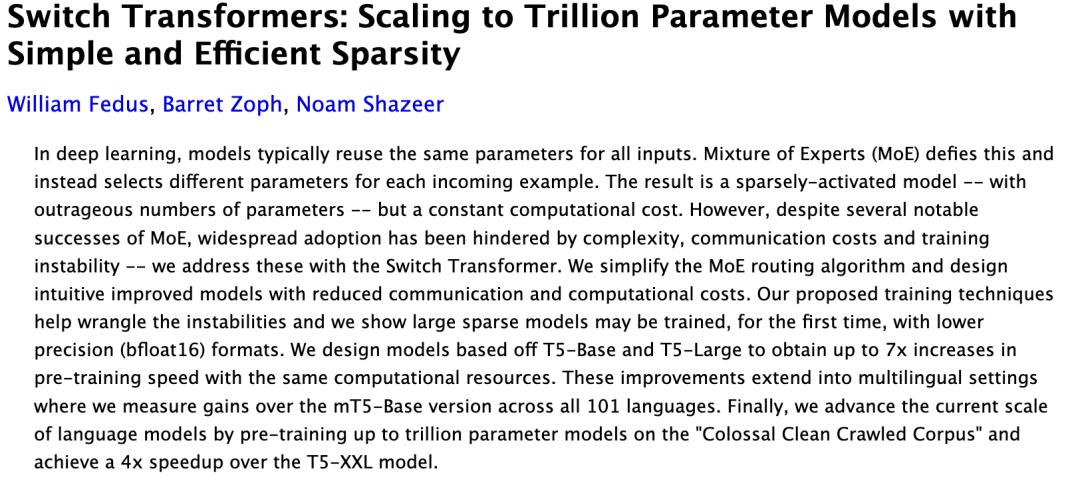
In January 2021, he co-authored the Switch Transformer paper with William Fedus and Noam Shazeer, introducing the first model that achieved stable training at the trillion-parameter scale, which was later regarded as the standard reference for sparse Transformer design.
After leaving Google to join OpenAI in 2022, he quickly rose to the position of Vice President of Research, with his research focus on reinforcement learning post-training.
The post-training process covers model alignment, instruction following, tool use, and user-facing capability polishing, which is the critical step to turn a base model into a usable product.
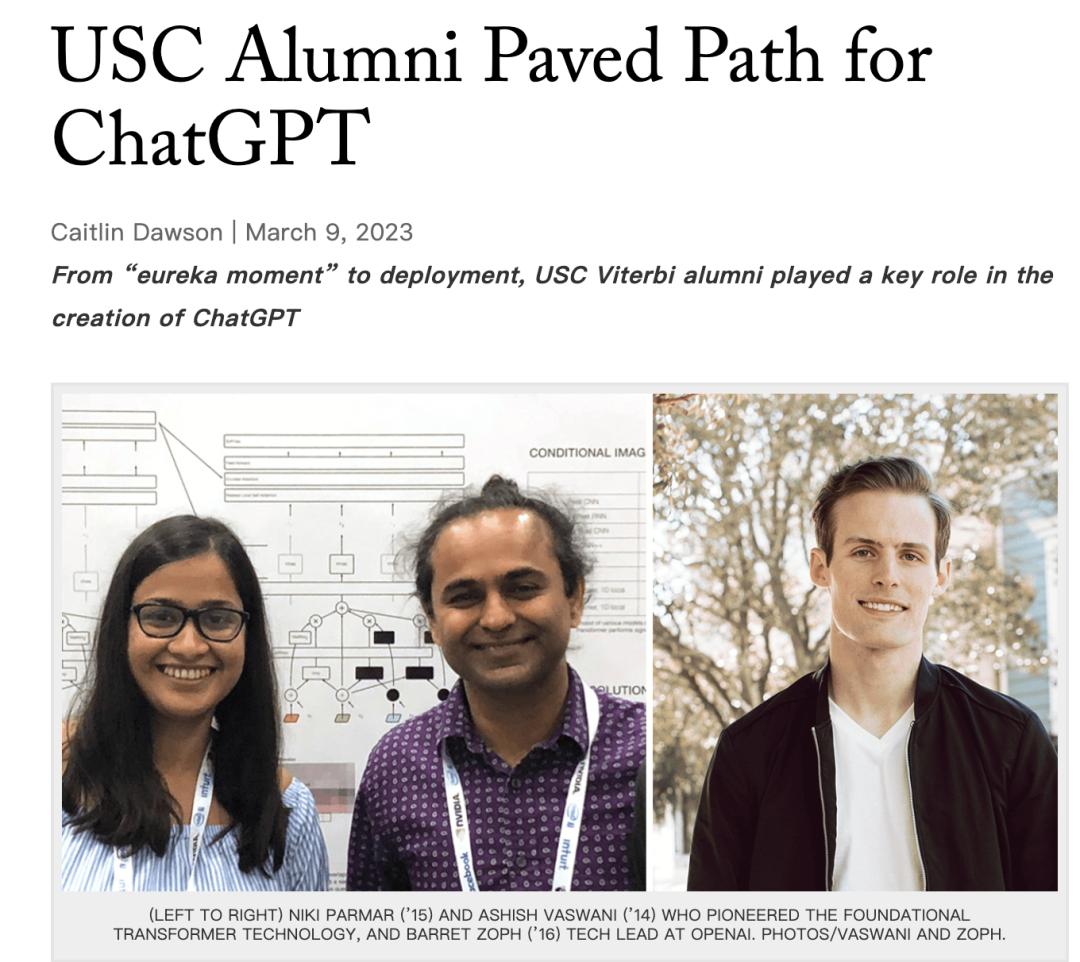
USC later listed him as one of the alumni who "paved the way for ChatGPT" in its official promotional materials, alongside the two authors of the Transformer paper.
In October 2024, Mira Murati, then CTO of OpenAI, left the company. In early 2025, she co-founded Thinking Machines Lab with Zoph and four other people.
Zoph served as Co-founder and CTO, yet less than a year later, rifts emerged within the team.
In January 2026, Zoph, another co-founder Luke Metz, and early employee Sam Schoenholz left Thinking Machines Lab at the same time to return to OpenAI.
According to The Wall Street Journal, Murati later announced to employees that Zoph's employment had been terminated, citing "performance, behavioral and trust-related issues". The report also revealed that Zoph had an undisclosed relationship with an employee during his tenure, and his responsibilities were subsequently reduced.
Zoph himself offered a different account of the incident:
Before being fired, Zoph, Metz and Schoenholz had confronted Murati in person, demanding that Zoph be given full authority over all technical decision-making. He stated that Murati only announced the termination after learning that he planned to leave, and that the reduction of his responsibilities was only a temporary arrangement.
After returning to OpenAI, Zoph's role changed. He was no longer in charge of technical research, but was assigned to drive enterprise customers to adopt the Codex programming product.
A few months later, he left OpenAI again to join Google, resuming his responsibility for reinforcement learning and post-training research.
AI Talents Transfer Like Star Athletes
The timing of Zoph's return to Google is quite thought-provoking.
Google DeepMind is going through the most drastic personnel turmoil in the past three years.
At the beginning of August, founder Demis Hassabis stepped down from his day-to-day management role, and became Chairman of Google DeepMind and Chief Scientist of Alphabet.
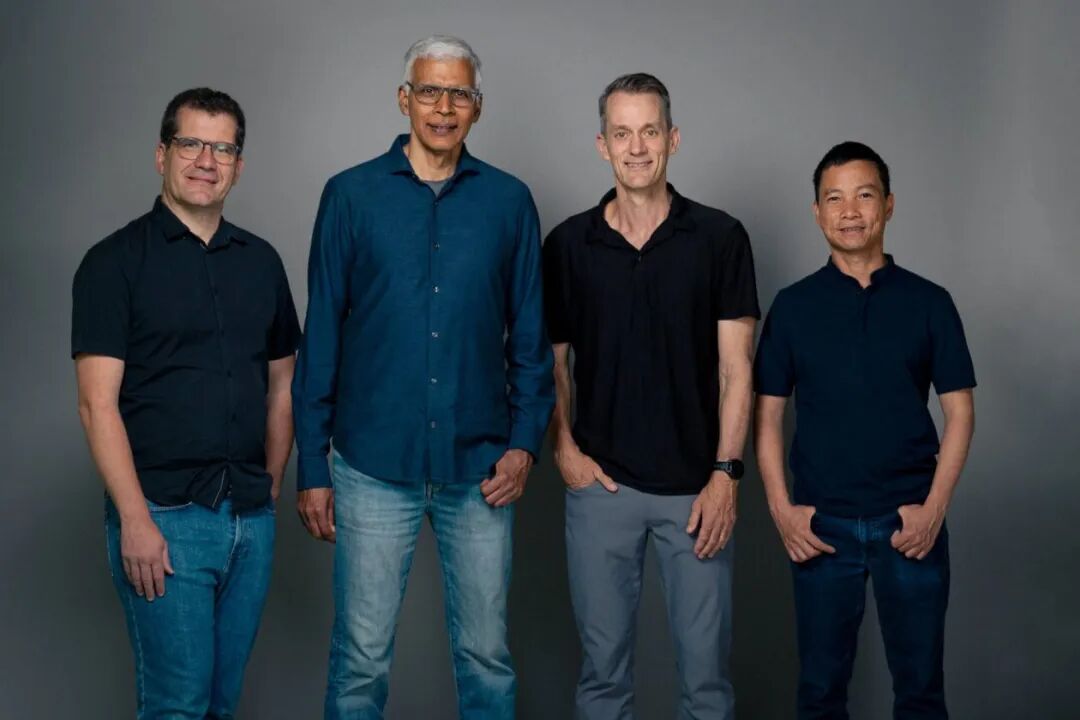
On the same day, Jeff Dean, who had worked at Google for 27 years, announced his departure. He co-founded the AI research company Discovery Loop with senior colleagues Sanjay Ghemawat and Oriol Vinyals, as well as Quoc Le, who co-created the NAS field with Zoph back in the day.
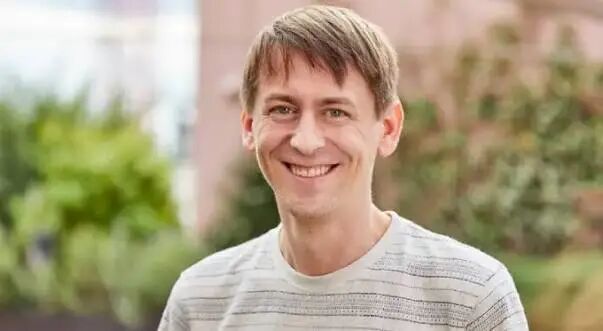
Back in June earlier that year, Noam Shazeer, co-head of Gemini and co-author of the Transformer paper, left Google for OpenAI, while John Jumper, who won the 2024 Nobel Prize in Chemistry for his work on AlphaFold, joined Anthropic.
Analysis from data intelligence firm Zeki Data reveals a broader trend:
The ratio of incoming to outgoing research and senior engineering talents at DeepMind has dropped from around 12:1 in Q2 2023 to roughly 2:1 in Q3 2026, which means for every 2 people hired, 1 person leaves the company.
By comparison, the same ratio stood at 22:1 for Anthropic and 5.7:1 for OpenAI in the same period.
Among the people who left DeepMind, about 25% went to Anthropic, 21% to Meta, and 14% to OpenAI.
Meanwhile, the organizational structure is also being adjusted. The all-hands meeting held on August 6 disclosed that some teams will be transferred from DeepMind to the Google corporate system, and Kavukcuoglu will take over the daily operations of Gemini model development and frontier research as Senior Vice President.
This unconventional recruitment cycle in the AI talent market, which "looks more like professional sports transfers", is mostly seen among senior research leaders who have actually led the large-scale training and post-training processes of frontier models, a group of extremely limited size.
Factors driving these talent flows go far beyond compensation.
According to Fortune's interviews with multiple current and former DeepMind employees, the reasons driving departures include:
Competitors poaching talents with huge offers, dissatisfaction with Google's position in the AI race, low internal morale, and the attractiveness of pre-IPO equity at OpenAI and Anthropic.
As Google increasingly centers DeepMind's priorities around Gemini commercialization, some researchers believe that the open-ended, long-cycle pure scientific exploration that once defined the organization is being squeezed, which was exactly the core asset that initially attracted academic talents to DeepMind.
Reference links:
[1]https://x.com/barret_zoph/status/2092790775524516206
[2]https://viterbischool.usc.edu/news/2023/03/attention-is-all-you-need-usc-alumni-paved-path-for-chatgpt/
This article is from the WeChat official account "QbitAI", author: Meng Chen, published with authorization from 36Kr.