The first foldable iPhone is about to be released soon, and we have sorted out 10 of the most noteworthy issues.
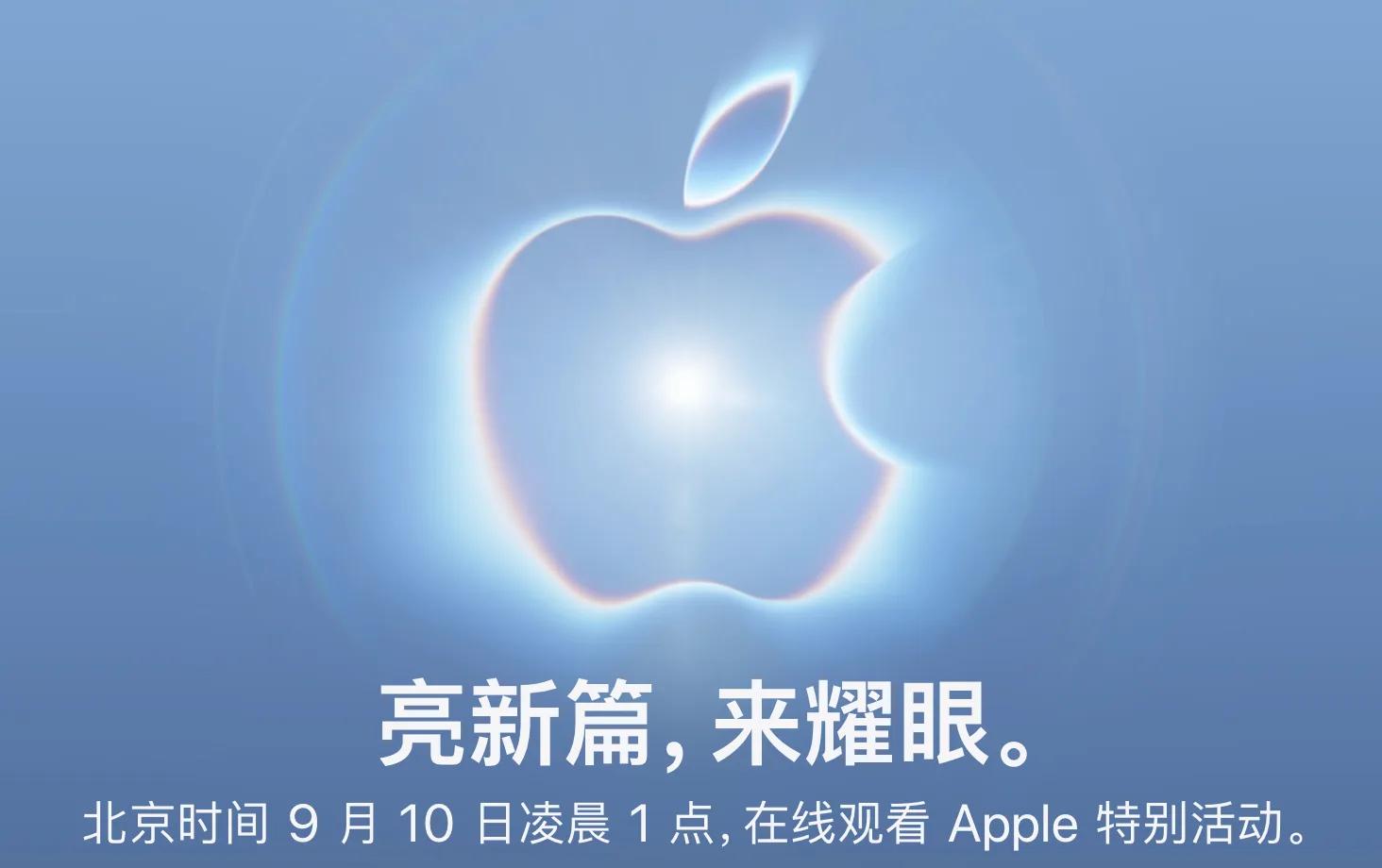
Apple has officially announced that it will hold its new product launch event in the early hours of Beijing time on September 10.
(Source: Apple)
At that time, the iPhone 18 Pro series, Apple Watch Series 12, Apple Watch Ultra 4, new Apple TV 4K, new HomePod mini, Home Hub and other products will make their debut. Of course, the absolute center of the stage at this launch event will still be the foldable iPhone Ultra, and Lei Technology will also keep a close eye on the whole event.
With less than half a month to go before Apple's "Tech Gala", rumors related to the iPhone Ultra have been spreading wildly. Today, Lei Technology takes a different approach, answering 10 collected key questions one by one to unveil the mystery of Apple's first foldable smartphone in advance.
1. iPhone Fold or iPhone Ultra?
It is almost certain that the official name will be iPhone Ultra. According to Bloomberg's leaks, Apple has internally referred to this foldable phone as "iPhone Ultra" instead of iPhone Fold that the outside world has guessed for a long time. Since the rumor that the high-end touch version of MacBook Pro will be renamed Ultra, Apple has been planning to open up a new Ultra product line.
For Apple, the foldable screen is not just adding a new form factor to the iPhone, but adding a more high-end model above the digital Pro series, and the "Ultra" suffix exactly fits this positioning. In other words, Apple naming the foldable product with Ultra is intended to emphasize its ultra-premium positioning. As for the name iPhone Fold, it mainly appeared in early leaked information.
2. What color options will be available?
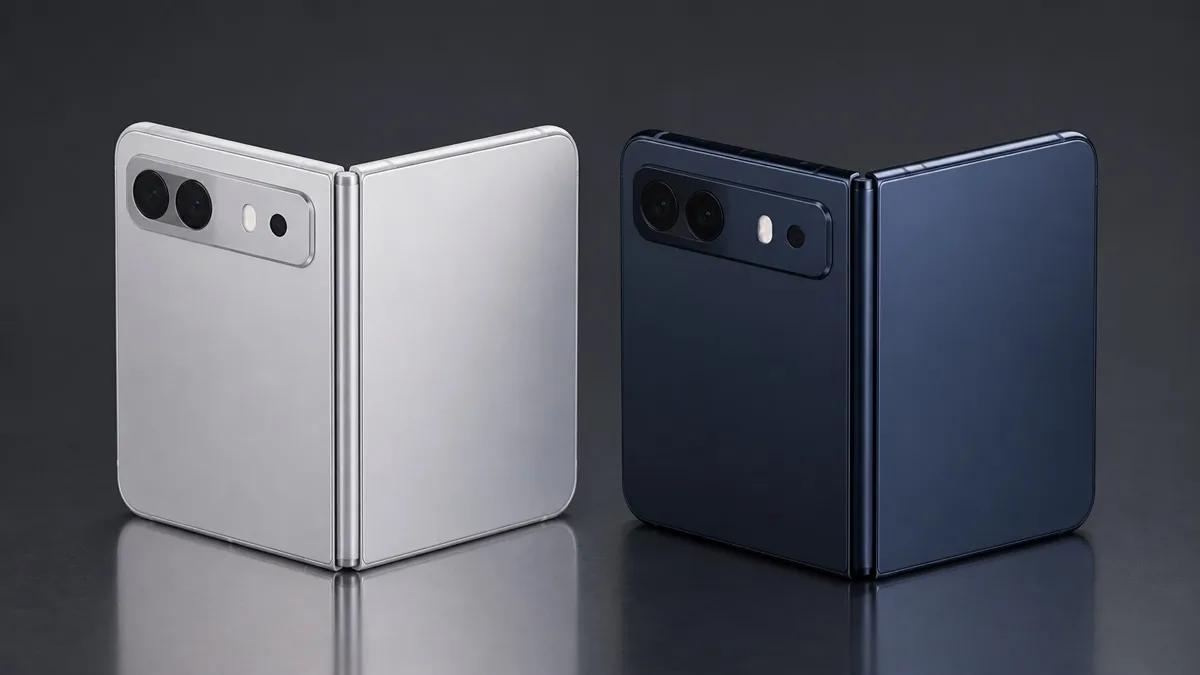
The latest leaks show that the launch color options of iPhone Ultra are basically locked to silver and deep blue. Apple once considered dark gray but finally gave it up to reduce the difficulty of mass production.
(Source: X)
The color schemes of previous generations of iPhones can be roughly divided into bright youthful style and calm business style. The former basically appears on the digital standard version, SE and E series, while the latter is applied to Pro models.
It is worth mentioning that when Apple released its first full-screen phone iPhone X in 2017, it only offered the two most conservative color options, silver and Space Gray, which was also due to production capacity considerations. Judging from current leaks, Apple has adopted a conservative strategy for the launch colors of its foldable product. After all, the yield pressure during the production capacity ramp-up period is far more important than offering more color options.
3. Which folding solution is adopted?
Wide fold.
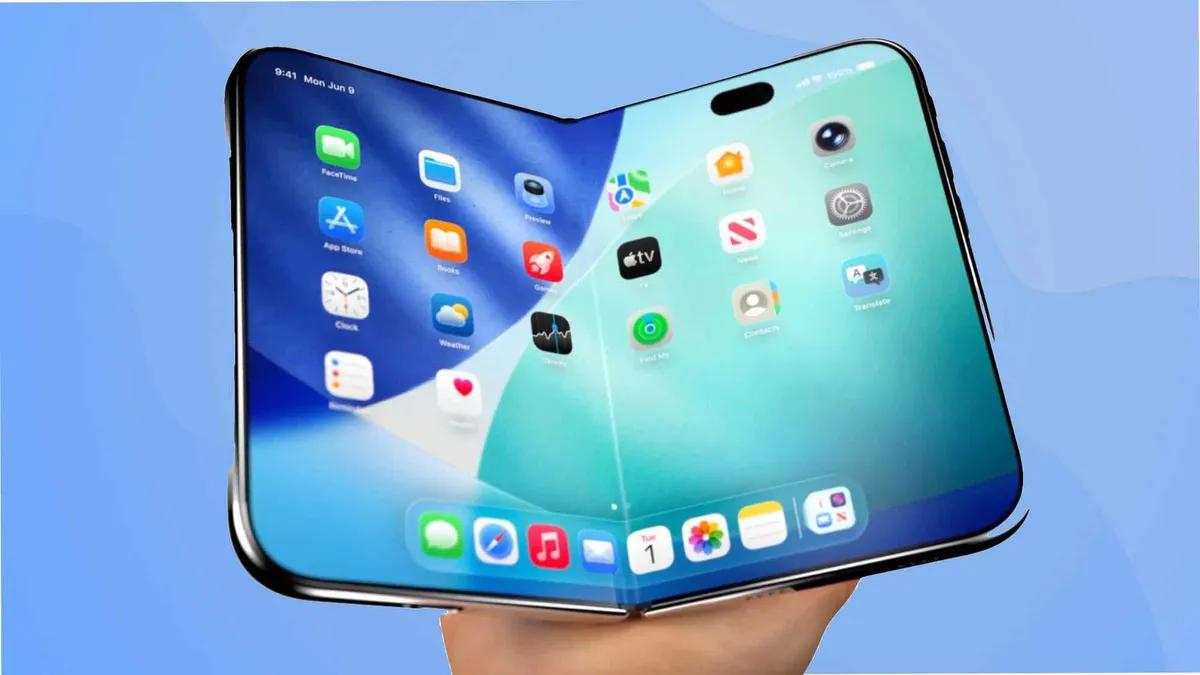
The product form of iPhone Ultra has been almost fully exposed. When unfolded, this phone has a 7.8-inch wide-aspect-ratio inner screen, which is a horizontally folded wide-screen design, and it retains the punch-hole cutout on the inner screen.
(Source: Apple Track)
The reason why Apple chose the wide-fold solution is not complicated. When unfolded, the device is closer to a small tablet, making reading, split-screen operation and multi-tasking far more comfortable than on a slim long screen. Moreover, Apple already has the iPad mini product line, so the foldable screen is easier to adapt in terms of UI design and ecosystem compatibility.
Its body thickness reaches the 4.5mm level. Combined with the 7.8-inch large screen, it achieves the effect of being both large and thin. As for the panel, if nothing unexpected happens, it is basically confirmed to be supplied by Samsung, and Samsung's creaseless technology will be applied.
4. What are the highlights of the A20 Pro chip?
First of all, the A20 Pro carried by the iPhone 18 Pro series and iPhone Ultra is definitely not the first mass-produced 2nm process chip, as Apple just released the 2nm M6 not long ago. Apple's A-series and M-series chips have many similarities in their core architectures. Generally speaking, the M-series chip of the same generation can be regarded as the "scaled-up version" of the A-series chip, which means it has more CPU, GPU and NPU cores, higher main frequency and larger TDP.
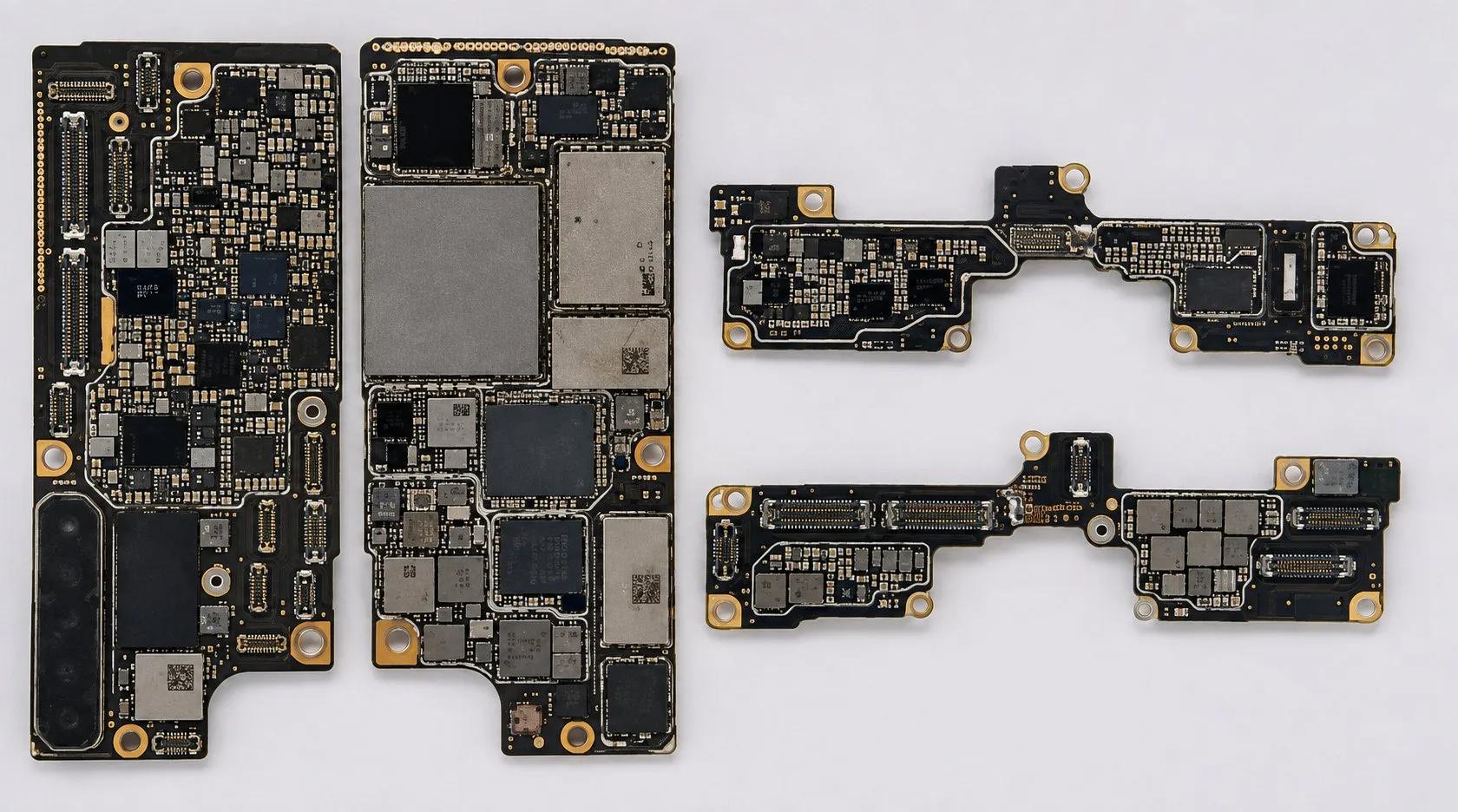
There is no particularly reliable parameter leak about the A20 Pro for now. However, the main spy photo of iPhone Ultra has been leaked in the past two days. The A20 Pro adopts the new WMCM (Wafer-level Multi-Chip Module) packaging method. Specifically, the layout between the memory and the chip has been changed, which improves the communication efficiency between the two, and may bring greater help to scenarios such as gaming and AI.
(Source: X)
5. Touch ID is back, and Face ID is gone?
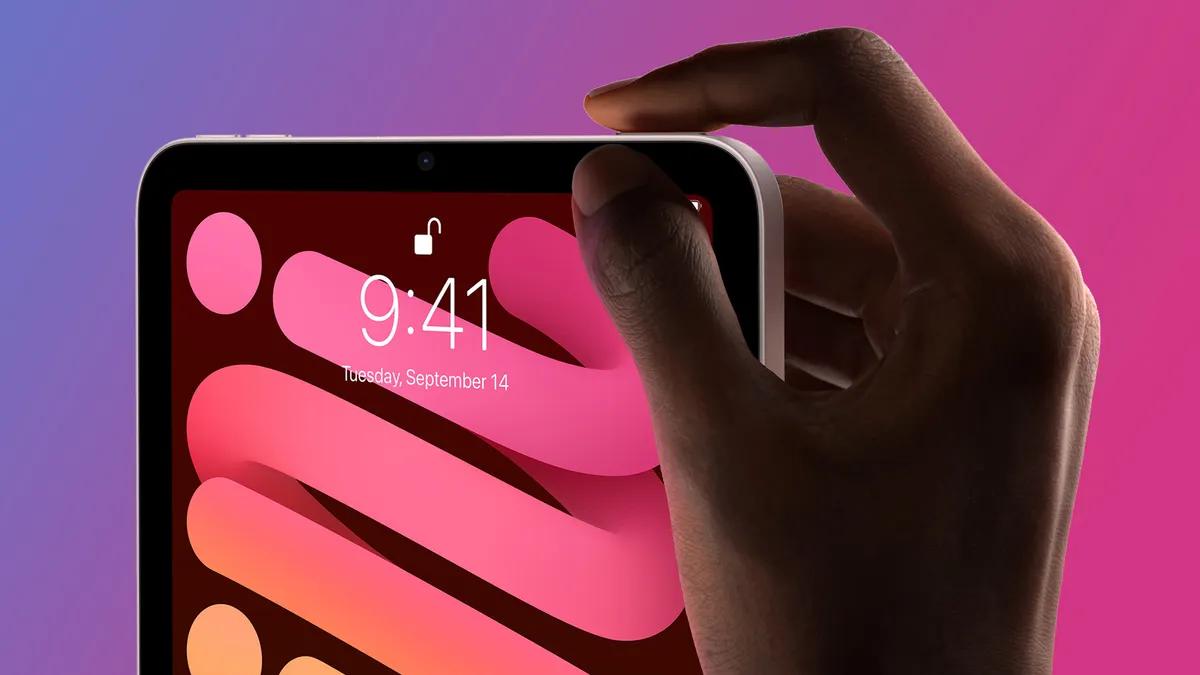
In earlier leaks, the iPhone Ultra had two sets of biometric systems, namely Face ID and Touch ID, with the fingerprint recognition placed on the power button. However, two sets of biometric devices are somewhat redundant, and Apple should have tested both solutions on engineering machines at the same time.
In the latest leaks, the iPhone Ultra has cut off Face ID. The reason is not hard to understand: this foldable phone needs to achieve a very thin thickness, so it is difficult to fit the face recognition components inside.
In addition, although Touch ID on iPhone has disappeared for a long time, the fingerprint recognition solution has been used for a long time on iPad. It is just that iPads with Touch ID are mainly entry-level, Air and mini series, while iPad Pro series use Face ID. Now, the ultra-premium positioned iPhone Ultra uses Touch ID again, which inevitably makes people feel a sense of downgrade.
(Source: Apple)
6. With the form factor changed, will the imaging system be compromised?
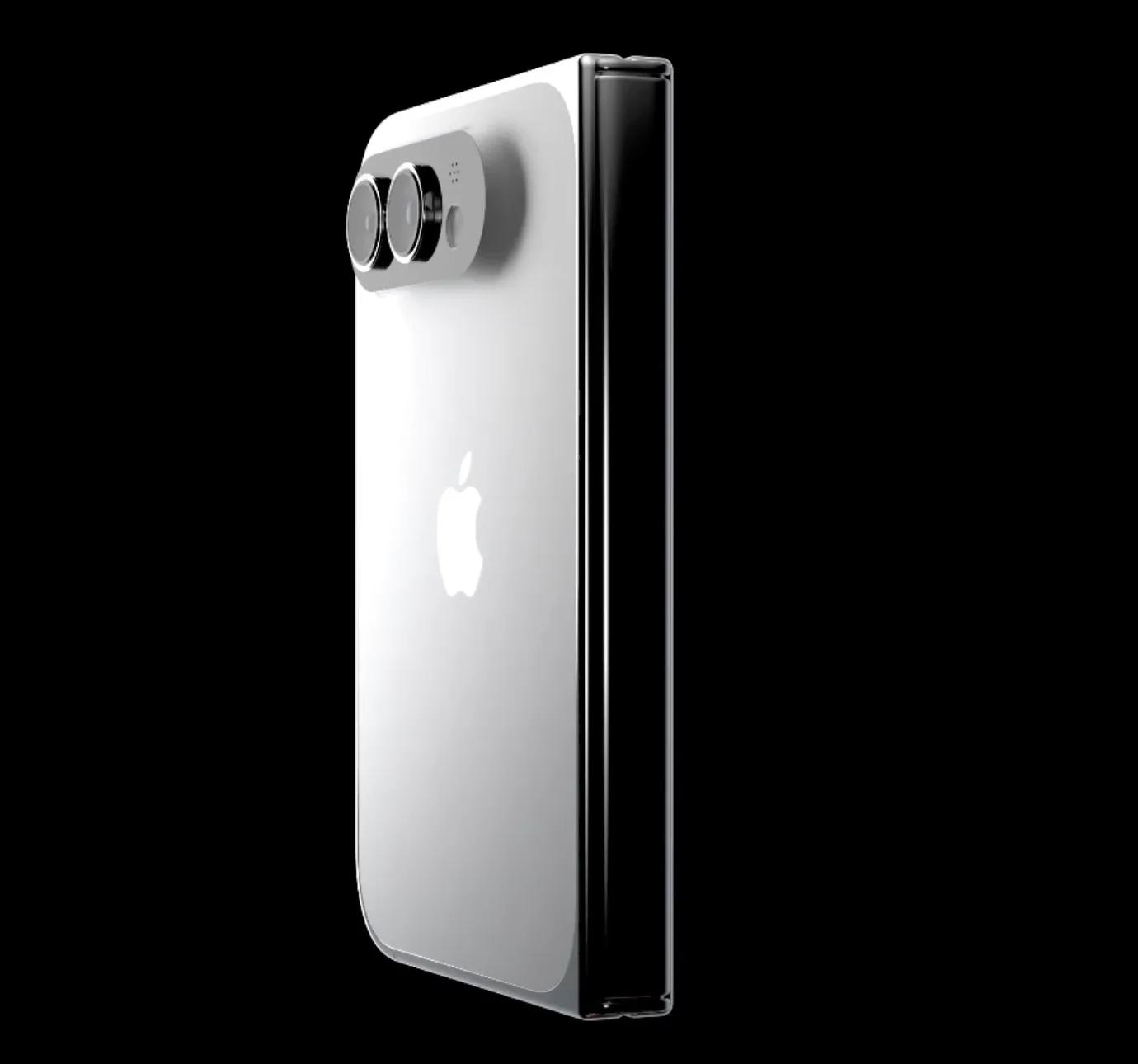
To make an ultra-thin foldable phone, Apple not only removed Face ID from the iPhone Ultra, but also made cuts to the imaging system. Specifically, the iPhone Ultra only has two rear cameras, one main camera + one ultra-wide-angle camera, with no telephoto lens. The last time Apple cut cameras for the sake of lightness and thinness was on the iPhone Air, which was even equipped with only a single camera.
It is basically confirmed that the two cameras of iPhone Ultra are consistent with those of the iPhone 18 Pro series, except for the missing telephoto lens. But the problem is that Apple's competitors have long solved the problem of fitting a telephoto lens into a foldable phone. At present, Android foldable flagships are all equipped with a complete imaging system, so the iPhone Ultra has obvious disadvantages in this aspect.
(Source: X)
7. Storage supply is tight, can it be launched on the market this year?
Apple's autumn launch event has been scheduled for September 10, and the iPhone Ultra is basically confirmed to make its official debut at this event.
However, news about the launch time of iPhone Ultra has been changing back and forth. Early leaks showed that the iPhone Ultra would be delayed to the beginning of next year for sale, but recent supply chain news revealed that this foldable phone will be available on the market this year, with a stocking volume of 10 million units.
There are two main factors affecting the production capacity of iPhone Ultra. First, as Apple's first foldable phone, both component supply and production difficulty are relatively high; second, the tight storage supply will also affect Apple's stocking, after all, Apple is still purchasing storage chips all over the world up to now.
However, in any case, the priority of iPhone Ultra in Apple's autumn new products is absolutely maximized. The launch time of the first foldable phone will be a little later than the iPhone 18 Pro series, but it will definitely be on the market within this year.
8. With a larger screen, can the battery life hold up?
One of the difficult problems for foldable phones, especially large foldable ones, is how to achieve a balance between thinness, weight and battery life. In recent years, Android manufacturers have basically introduced the carbon-silicon negative electrode battery technology, which can greatly increase the battery capacity without changing the battery volume.
Faced with the same problem, Apple did not follow up the carbon-silicon negative electrode technology. The iPhone Ultra adopts a dual-cell solution. According to previous Apple battery cell filing information, its battery capacity is estimated to be 4883mAh (1921mAh + 2962mAh). This battery capacity is only moderate, and it is difficult to achieve an unexpectedly good performance in battery life.

(Source: Weibo)
9. With iOS 27 and foldable screen, will there be new AI features?
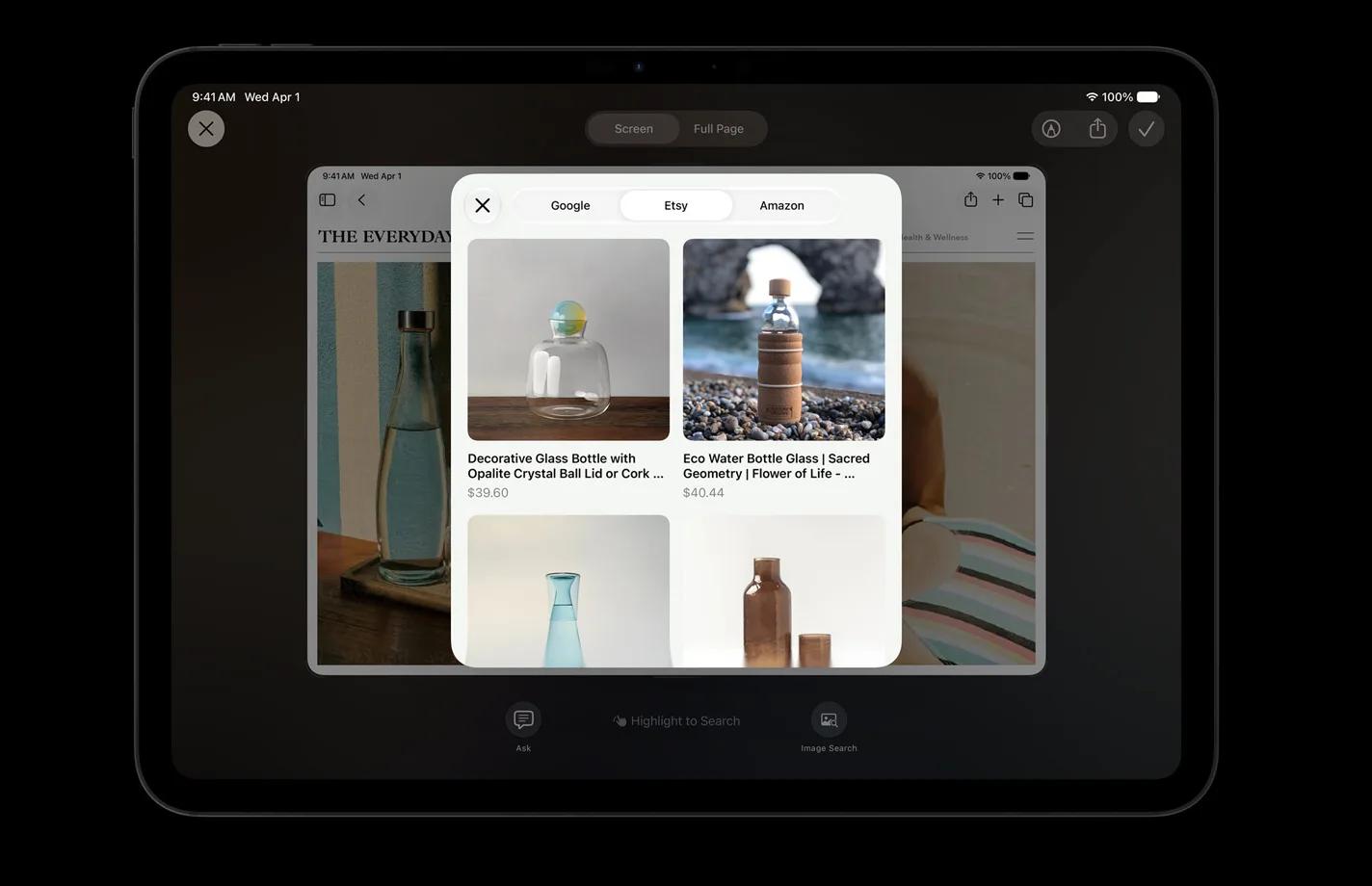
Both the iPhone 18 Pro series and the iPhone Ultra will be equipped with the official version of iOS 27, and the related AI functions have basically been presented in the developer preview. Specifically, on iOS 27, the AI Siri that has been postponed many times before is finally here. Siri has finally been upgraded from a voice assistant to an AI assistant, which is smarter and more powerful, with an independent App and Agent capability for cross-application invocation. At the same time, it also supports multi-modal input, AI camera visual search and other functions.
As for whether the iPhone Ultra can have new AI gameplay with the help of its special form factor, the answer is no for now. Apple's foldable phone can switch between a traditional bar phone and a small tablet, which theoretically enables it to support and adapt to more scenarios. However, as far as current information shows, the AI functions on iPadOS 27 are basically the same as those on iOS 27, and there are no special AI capabilities due to the larger screen size.
(Source: Apple)
All in all, the upgraded AI functions on iOS 27 have finally helped Apple's AI phones catch up a bit, so that they are not too far behind competitors, and the same is true for the iPhone Ultra.
10. Will the price really exceed 18,000 yuan?
In a previous article, we predicted the pricing of the iPhone 18 Pro. Due to the sharp increase in storage cost, the starting price is estimated to rise to 9,999 yuan. The recently released Mac mini M6 version, the entry-level 16GB+256GB model, is priced at 6,999 yuan, which is 2,500 yuan higher than the launch price of the Mac mini M4 version back then.
As for the pricing of the iPhone Ultra, the floating range in previous leaks was roughly between 1800 and 1999 US dollars. But with the repeated rise of storage prices, the rumored price of iPhone Ultra is getting higher and higher. Recently, market research institution IDC predicted that the starting price of iPhone Ultra is 2500 US dollars, which is equivalent to more than 16,800 yuan, and the price of the Chinese mainland version is very likely to be set at 17,999 yuan.
In this case, if users choose the high-end or top configuration when purchasing the iPhone Ultra, the price will exceed 20,000 yuan, which is basically the same as the previous Huawei tri-foldable phone. But the problem is that the Huawei Mate XT series is currently the only tri-fold product on sale, with really high production cost and unique product form, while the iPhone Ultra adopts a relatively mainstream wide-fold form, and there is not much difference in hardware configuration and product functions. To put it bluntly, the iPhone Ultra relies entirely on Apple's brand appeal and software & hardware ecosystem to support its pricing at around 20,000 yuan.

(Source: Huawei)
Overall, as Apple's first foldable phone, the iPhone Ultra has made many trade-offs: it features extreme lightness and thinness, a large wide-fold screen, full-performance A20 Pro chip, while removing Face ID and telephoto lens, and its pricing even rushes to the 20,000-yuan price range. In our opinion, the launch of the iPhone Ultra is more like filling the blank of Apple's