Alibaba's brand-new Qoder has been officially launched, which finally enables the spillover of programming capabilities.
Reported by Zhidx on August 28, yesterday, Alibaba released the all-new Qoder, which is an intelligent agent workstation with Coding as its core capability for all users. Whether users have coding knowledge or not, they can quickly turn their ideas into implementable outputs.
The core advantage of the all-new Qoder is that it can not only adapt to the demands of professional developers, but also cover a large group of people with clear goals, ability to distinguish output quality, and willingness to implement ideas quickly, including product, design, operation, data personnel and independent creators.
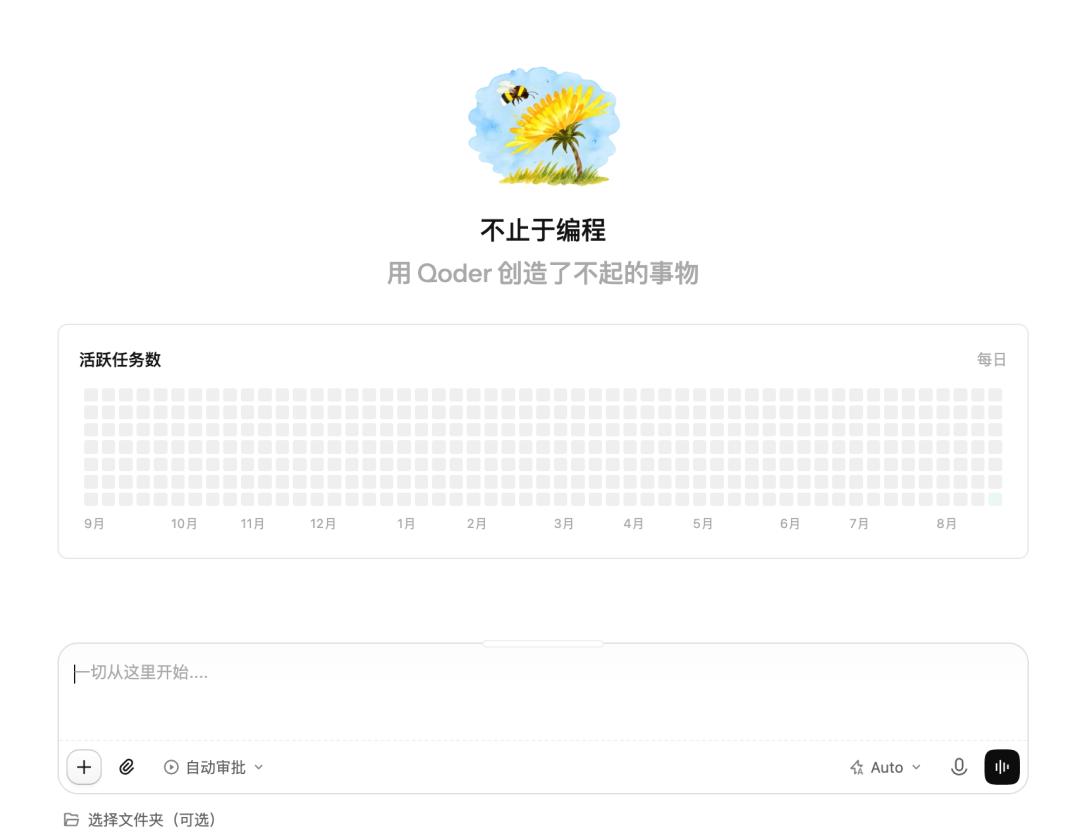
▲ Homepage of the all-new Qoder
This is also the key of this upgrade, which allows non-technical personnel to build product prototypes independently and verify implementation solutions quickly without being limited by technical scheduling. Professional developers can be freed from mechanical and repetitive work, focus on solving complex engineering problems, and truly realize that different roles can get what they need.
Through actual experience of Zhidx, as a non-professional developer, the all-new Qoder is very friendly for new users. Code generation and operation are completely hidden in the system background. Users do not need to know coding, just describe their ideas in natural language, Qoder will refine and sort out the requirements step by step, and complete development collaboration through simple dialogues.
At present, Qoder has also launched time-limited rights at the initial stage of launch to help users experience all functions quickly. From now to 10:00 on September 1, individual users can receive 500 exclusive Credits of Qwen model at 10:00 every day for 5 consecutive days, and up to 2500 Credits in total. Enterprise users who use the Qwen3.8 series model carried by the all-new Qoder can enjoy a 50% discount.
01.
6 million users, 100,000 enterprise practical experience accumulation
Qoder opens programming to a wider group of people and more scenarios
At the current industrial node, the competition of Coding Agent has bid farewell to the simple code generation competition. It is no longer an exclusive tool limited to developers, but begins to meet the AI needs of a wider group, evolving from assisting in writing code to a general productivity that can complete tasks independently.
The new upgrade of Qoder is also in line with this industry trend. It does not upgrade capabilities on the original Coding platform, but launches an agent platform that everyone can use, thus shortening the distance between programming and users' daily task scenarios.
First of all, in terms of interactive experience, in addition to the mature dialog box interaction mode, Qoder adds a new mode of desktop pet + real-time voice, which is equivalent to equipping a small assistant on the desktop to help you track tasks.
After the user evokes the desktop pet, click the pet to directly dictate requirements and send instructions. The pet can also stay on the desktop for a long time to synchronize the task progress in real time.

▲ Desktop pet of the all-new Qoder
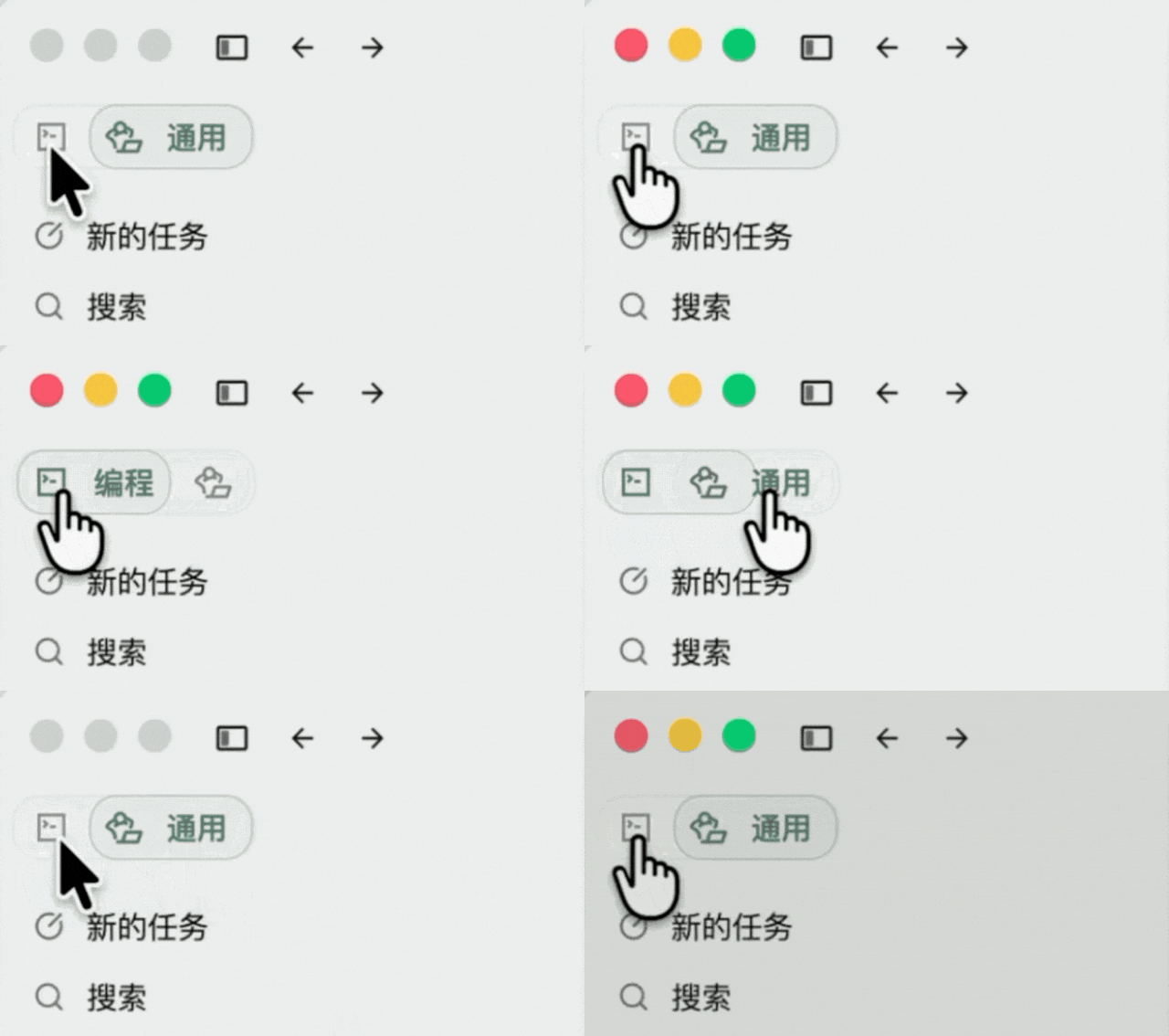
In order to meet different types of users, Qoder also takes into account the actual usage demands of both professional and non-professional groups, providing two modes: programming mode and general mode.
For professional developers, this platform supports users to select adaptive models independently on demand. For non-professional users, they can hand over this task to the Auto intelligent scheduling engine. The system will automatically balance the output effect, operation speed and usage cost according to the task type and difficulty characteristics, without manual parameter adjustment.
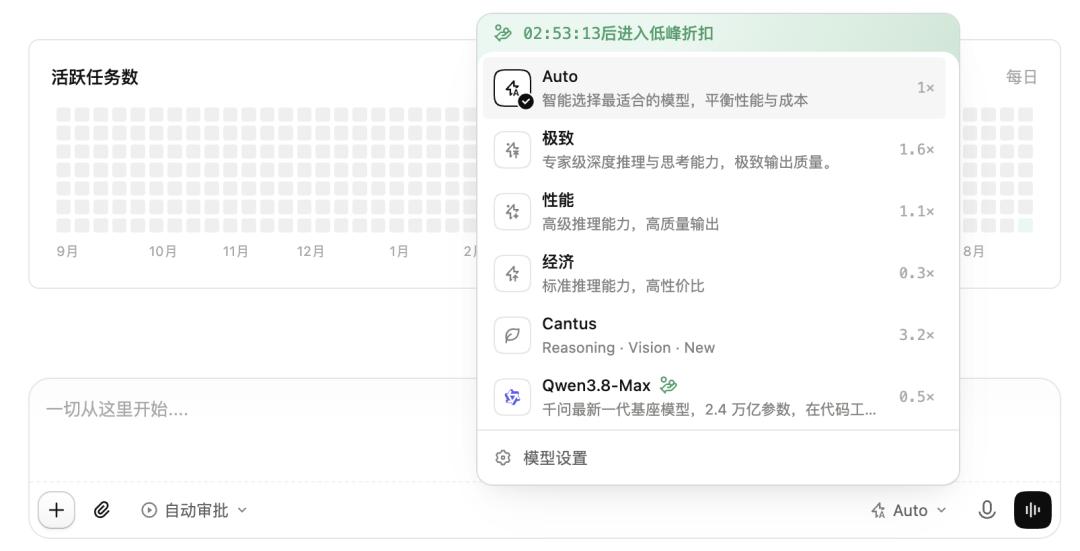
▲ Model selection of the all-new Qoder
It also makes a distinction on the platform mode: the programming mode adapts to code development work; under the general mode, users can call programming capabilities and various tools to complete tasks without contacting code.
Relying on the Agent Harness base accumulated by Qoder for one year, the platform also has the strength to undertake longer-link and higher-complexity tasks, effectively reducing the cost of back-and-forth communication. Based on a large number of real-world development, automation and business transformation tasks, Qoder has been polishing the Agent Harness base, iterating capabilities including deep long-context understanding, complex task disassembly and planning, reliable code execution output, and self-verification closed loop of output results.
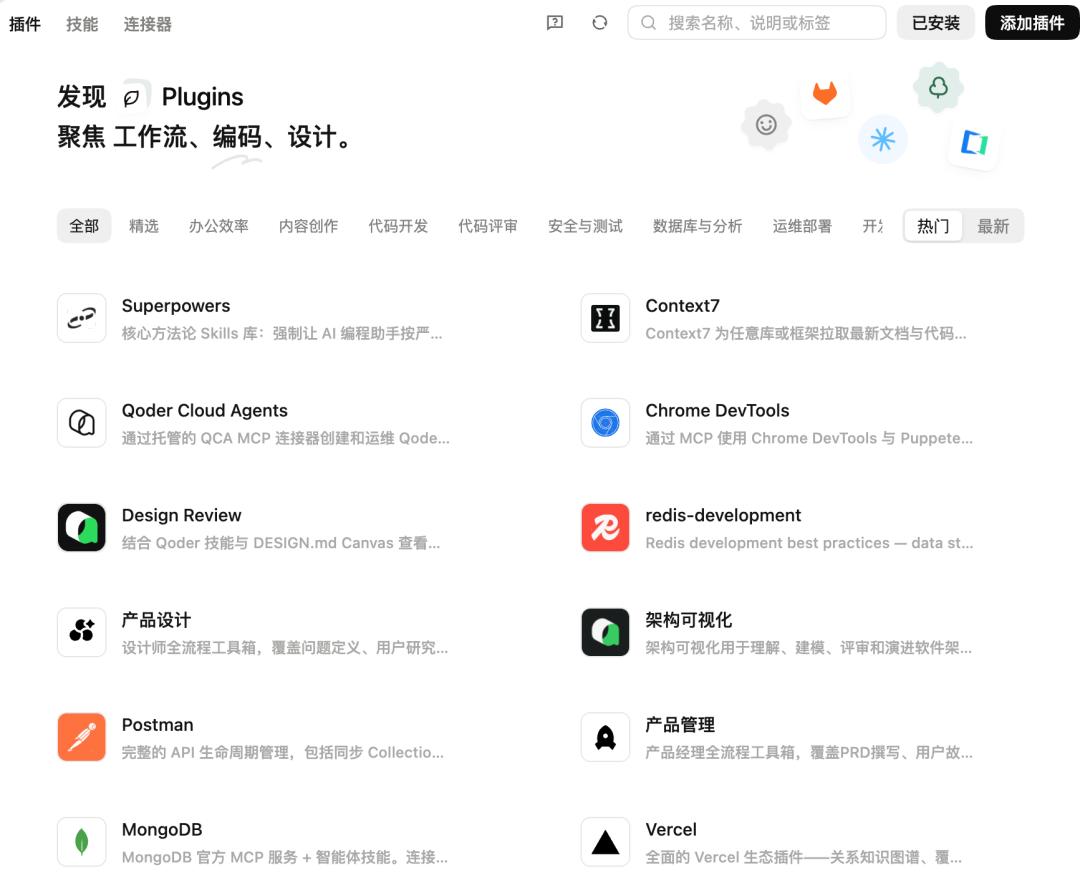
In addition, in terms of capability expansion, Qoder provides rich external ecological support, accessing more than 40 connectors, more than 70 plug-ins and more than 20K skill libraries, which can connect code warehouses, project management tools, cloud services and internal business systems of various enterprises.
Looking beyond the product functions themselves, this round of upgrades of Qoder not only meets the engineering demands of professional developers for freedom, controllability and high performance, but also allows ordinary business users without technical background to use the Coding Agent capability.
Behind this set of product capabilities, the rapidly growing user scale and a large number of implemented practical cases are exactly the driving force for Qoder's evolution.
Since its launch, Qoder has become popular rapidly. The number of users reached 100,000 in 5 days, exceeded 1 million in 6 weeks, and the revenue reached 100 million US dollars within 8 months. Now, its total number of users has exceeded 6 million, and the number of enterprise users has reached more than 100,000.
Based on this, Qoder has built this complete Agentic Coding system, making programming no longer a professional skill for a few people, but a general digital execution capability that all users can call at any time.
02.
From small tools to enterprise-level scripts
Qoder meets the needs of both beginners and professional developers
Actual performance is the key to testing Qoder's capabilities. Zhidx has deeply experienced all core capabilities of this platform.
In the first case, we simulated the real demands of designers, and asked Qoder to build a small tool for batch processing of design materials, to realize the full functions of batch compression, format conversion, renaming, image cropping and watermark removal of materials.
After receiving the demand, Qoder not only completed code generation, but also called the browser screenshot tool to preview the output effect, independently checked problems and iteratively fixed bugs according to the interface feedback, and automatically carried out functional tests to verify the availability of the tool.
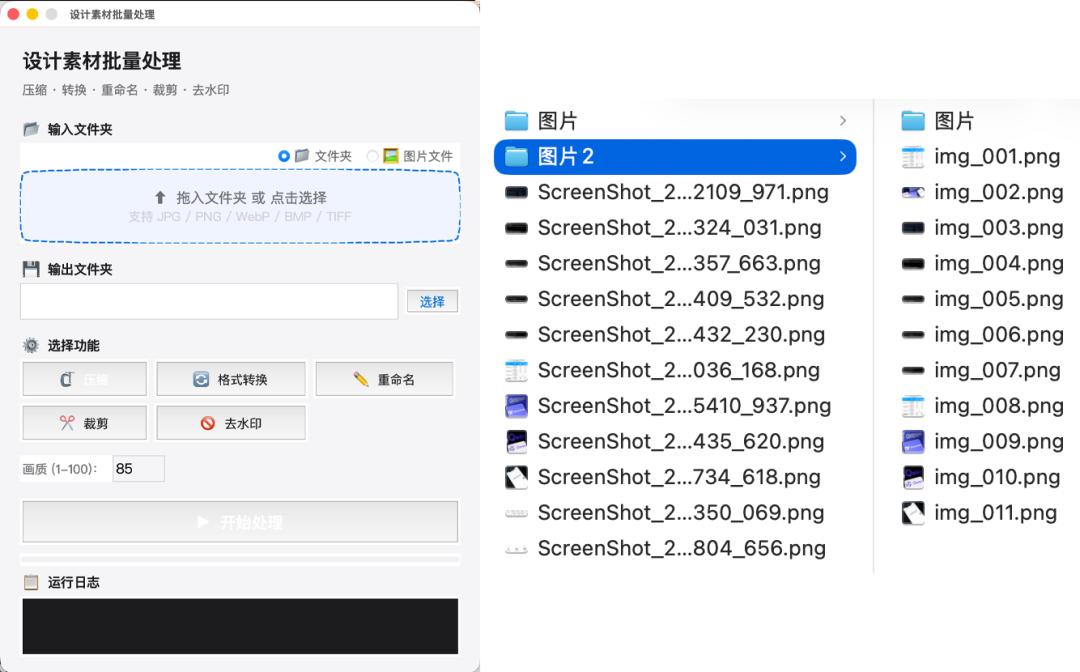
▲ Batch processing interface of design materials (left), effect of batch renaming images (right)
It can be seen that Qoder directly packaged an App on my computer desktop. I only need to upload the folder containing images to quickly process images in batches.
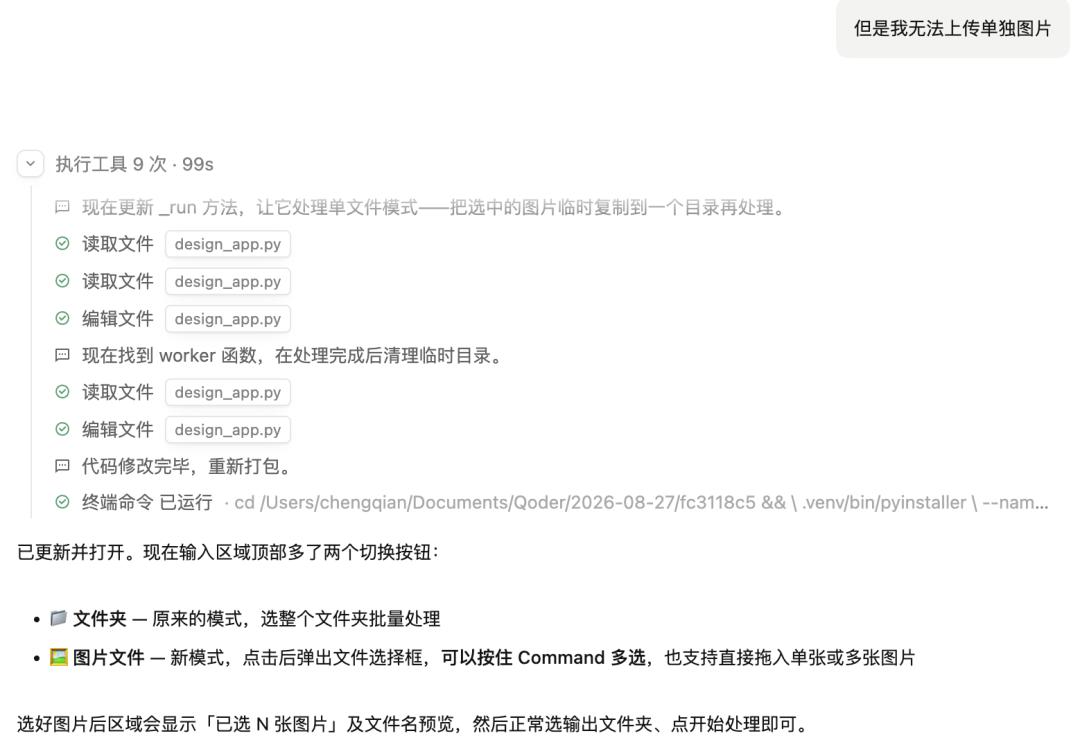
However, in the actual task, this tool could not upload single or multiple images at first. I only need to add new modification demands at any time, and Qoder will continue to iterate and adjust on the basis of the original project, adding the image file mode.
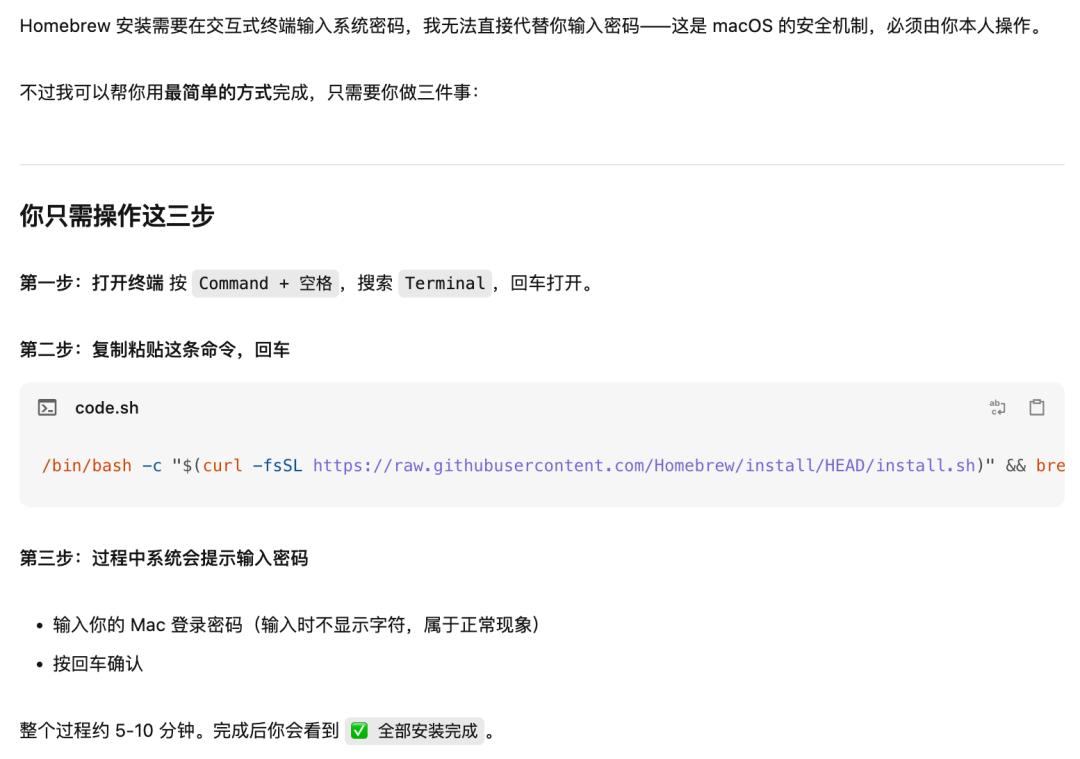
At the same time, when Qoder detects that there is no executable Python environment on my computer, it will provide a complete installation tutorial. For complex steps involving device permissions and password verification, it will further simplify the operation process and guide users to complete the configuration step by step.
The difficulty of the second case continues to rise. The demand we put forward is only one sentence: develop an iOS version health management App similar to Mint Health. The difficulty behind this task is that Qoder needs to independently complete multiple links including product definition, data construction and function realization.
In the actual interaction process, Qoder will actively confirm product function points, UI design style and interaction logic one by one, then output a detailed first version of the solution for my confirmation, and start development after getting feedback.
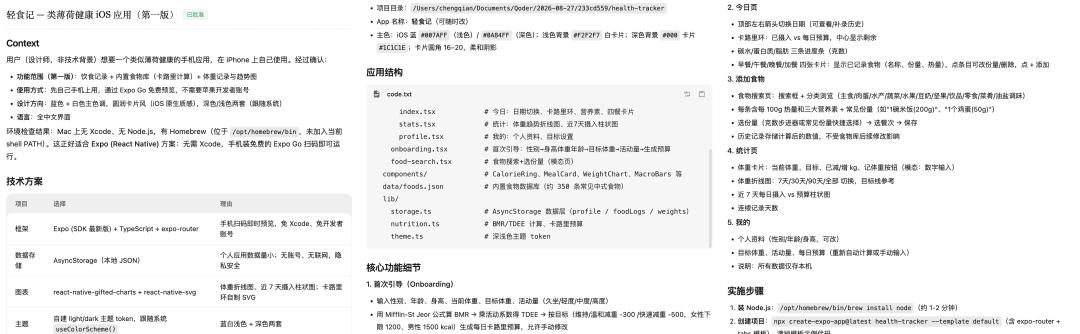
▲ Part of the solution generated by the all-new Qoder
In the execution phase, it can also actively call various tools, independently build a food database, install and configure required plug-ins, and gradually promote the complete App prototype.
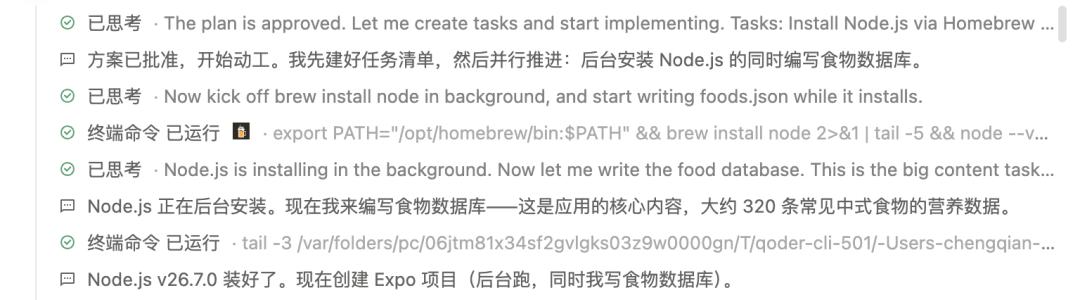
The finally generated App has a high degree of completion, and I can use it almost without secondary modification. In the "Today" section of the App, I can add my breakfast, lunch and dinner food, the App will automatically calculate calories, analyze weight and intake trends on the "Statistics" page, and allow users to set goals and daily activities to plan daily diet plans.
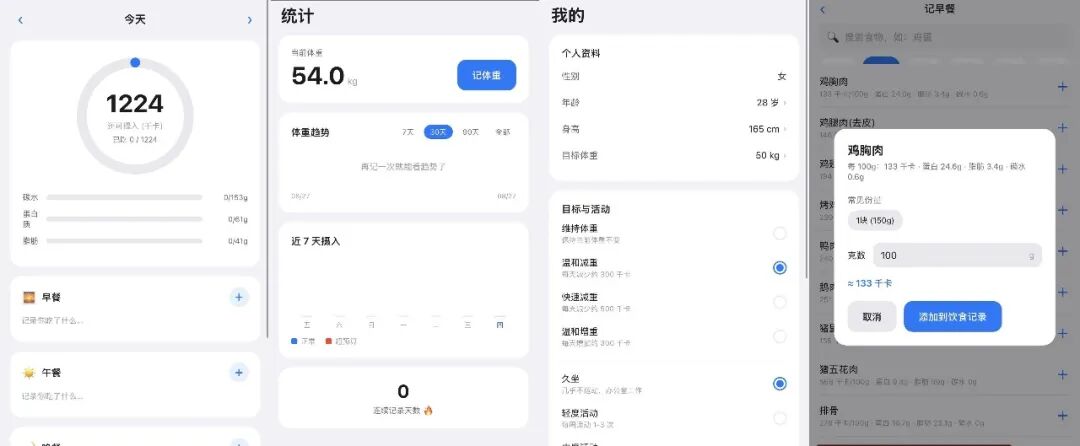
▲ Preview of the Mint Health-like App generated by the all-new Qoder
Finally, for the high-difficulty professional development scenario, Qoder needs to simulate enterprise R&D work, write a set of enterprise-level business regression automated test scripts using Python Pytest. Compared with the previous two tasks, this task has higher requirements for code standardization, engineering implementation and business logic, which is a typical production task for professional developers.
During the development process, Qoder can complete test case design, script architecture arrangement, full coverage of boundary scenarios, and output codes that meet the standard specifications.
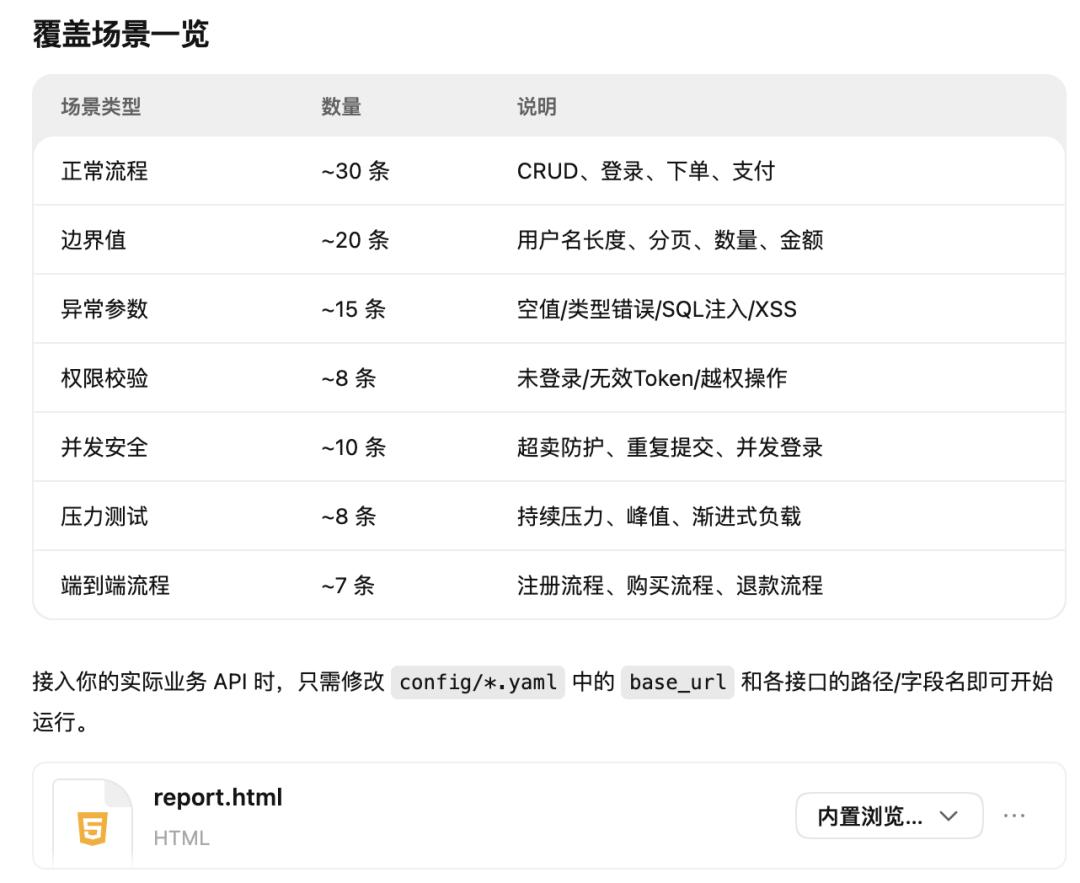
However, since there is no actual business system docking in this actual test, Qoder independently generated 101 fully covered test cases, and automatically output a complete and clear professional test report, whose delivery quality basically meets the enterprise engineering standards.
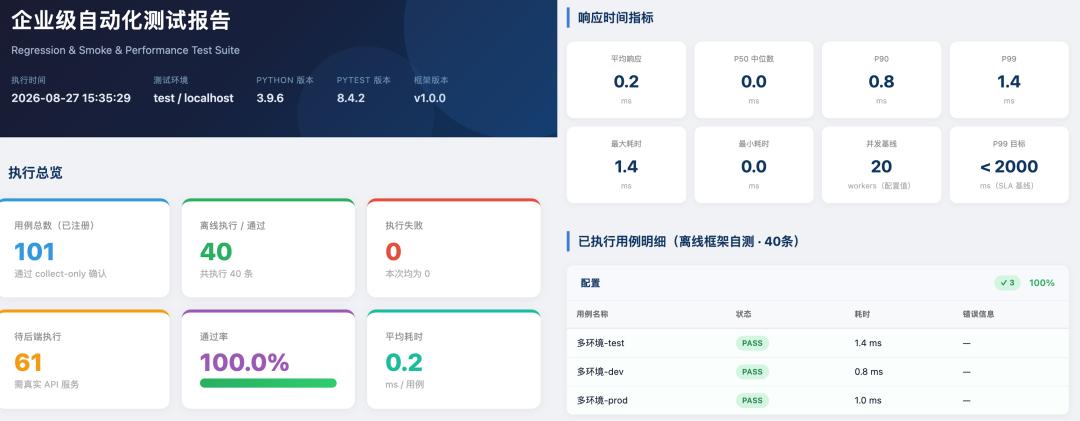
▲ Enterprise-level automated test report
On the whole, Qoder is not only suitable for development beginners and users who need to efficiently implement various development demands, with smooth, relaxed and efficient human-computer collaboration experience, but also capable of undertaking enterprise-level and standardized professional development tasks. It is an intelligent development engine integrating full-scenario coverage, high-order technical capabilities, high intelligence and zero-threshold ease of use.
03.
Conclusion: Qoder redefines
the usage boundary of programming
For a long time, code development, program construction and engineering R&D have always been the exclusive capabilities of a few professional technicians. The complex code threshold and cumbersome development process have kept countless ordinary creators and workplace practitioners out of the door of digital creation.
Nowadays, Qoder is promoting Coding to iterate into a general digital capability that the public can easily call and everyone can flexibly control. It is worth noting that it does not weaken or deviate from the essence of programming development, but enables the value of programming to be implemented more widely, and technology application to go further, making Coding truly a core digital productivity tool for improving personal creation efficiency, advancing workplace capabilities and supporting enterprise project R&D.
This article is