Storage Power Leap, AI Breakthrough, 2026 Global Flash Memory Summit Shines in Wuhan
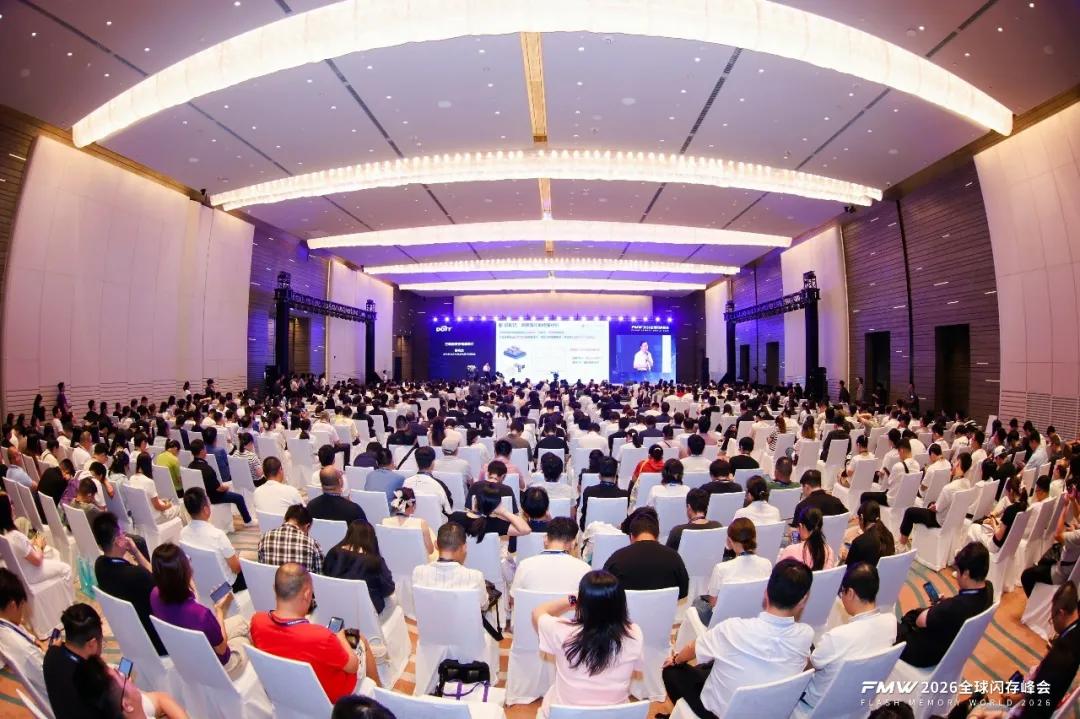
The AI wave is surging forward, and an industrial transformation centered on "storage power" is accelerating. In the AI era, data is the core productive force; the storage base determines the height of AI implementation.
On August 26, the 2026 Flash Memory World (Flash Memory World 2026) themed "Storage Power Leap, AI Breakthrough" was grandly held in Wuhan, China, jointly hosted by DOIT Media, the School of Computer Science and Technology of Huazhong University of Science and Technology, and the School of Integrated Circuits of Huazhong University of Science and Technology.
The main forum of the conference gathered academicians from the Chinese Academy of Engineering, experts and scholars from Huazhong University of Science and Technology, Hangzhou Dianzi University and other institutions, as well as forces across the entire storage industry chain including Solidigm, Huawei, Silicon Motion Technology, E-Surfing Cloud, Unis Flash Core, Lenovo NetApp, Inspur Information, Sugon, DHE Technology, Dera Drives and more, to jointly explore the new round of transformation of storage technology and industry in the AI era.
Breakthrough: AI Reshapes the Storage Industry, Focusing on Brand New Industrial Opportunities
Artificial intelligence is reshaping the global storage industry landscape with an irreversible momentum. Trillion-parameter model training, millisecond-level inference response, and efficient flow of full-domain data — high-performance storage is no longer a supporting facility, but the data base for the real implementation of AI.
This Flash Memory World Summit returns to Wuhan, which is closely aligned with the city's industrial strategy. Wuhan is focusing on the strategic positioning of building a "World Storage Capital", and simultaneously constructing a "world-class integrated storage and computing industrial base", forming a hundred-billion-level storage industrial cluster led by Yangtze Memory Technologies. This reunion after eight years is not only the return of a grand industry event, but also a witness to the development process of China's domestic storage industry.
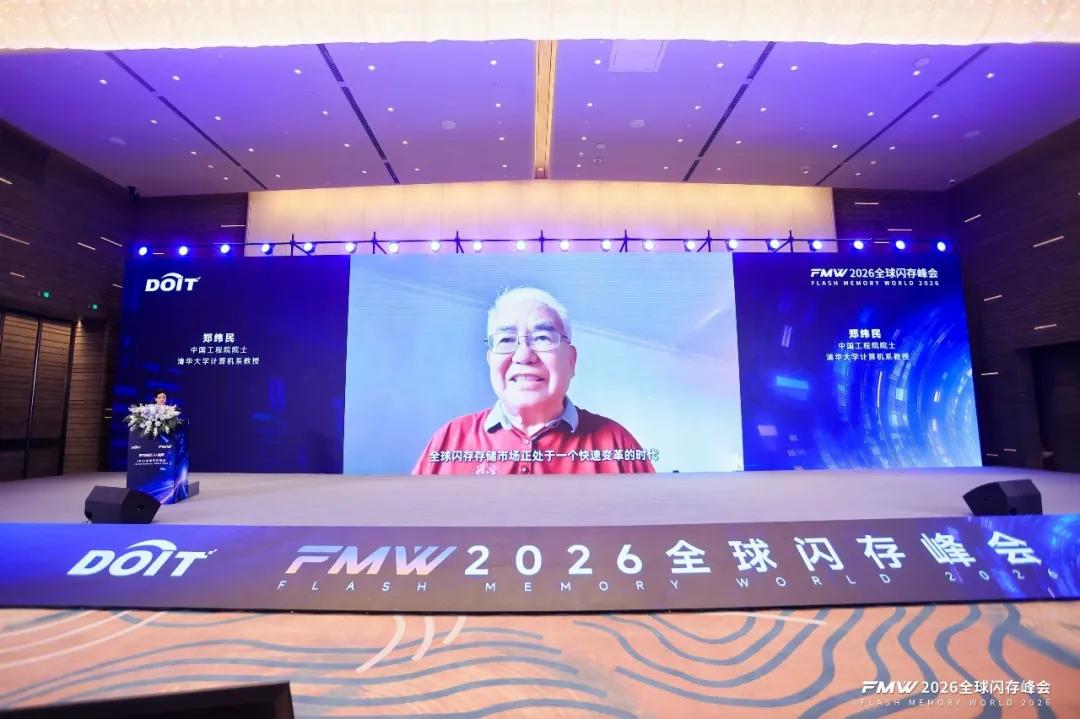
"Without the advancement of flash memory technology, there would be no vigorous development of HPC and AI today." Academician of the Chinese Academy of Engineering, Professor Zheng Weimin from the Department of Computer Science of Tsinghua University predicts that in the next five years, the global flash memory storage market will usher in a new round of "leapfrog" development, and China, as one of the world's largest flash memory consumer markets, will definitely play an important role in this transformation.
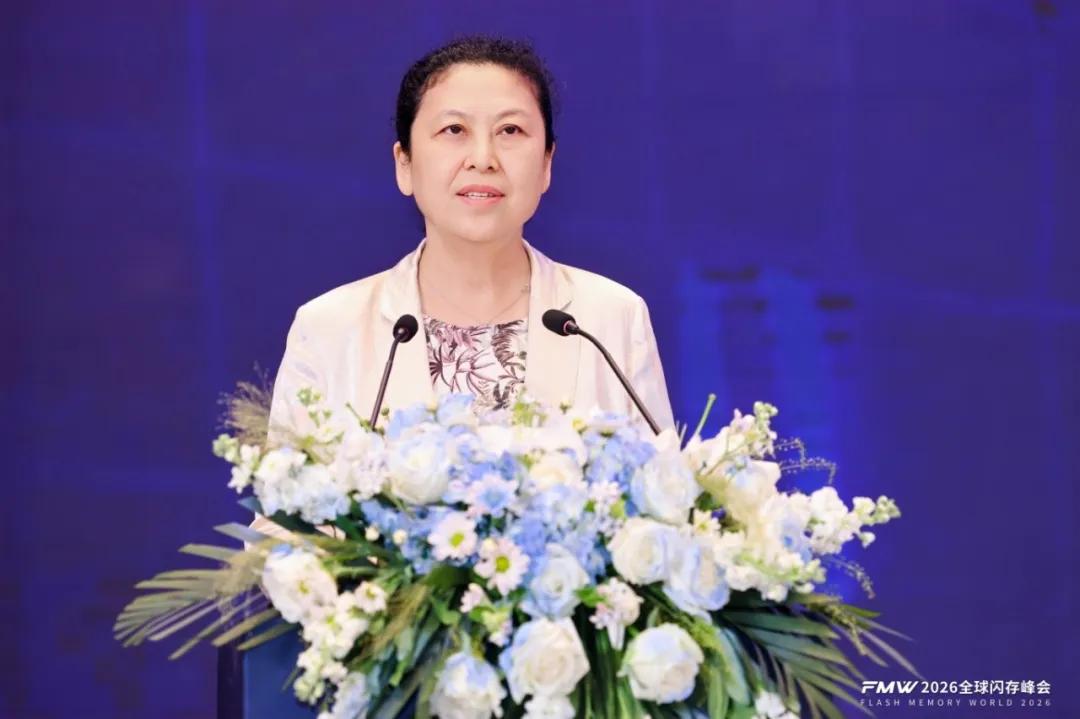
Huazhong University of Science and Technology is committed to tackling cutting-edge technologies such as mass storage systems, new storage media, storage and computing integration, and solid-state drives. Professor Feng Dan, Vice President of Huazhong University of Science and Technology, put forward three expectations to encourage the industry together in her opening speech: First, focus on independent innovation, jointly break through core technical bottlenecks, and consolidate the foundation of the domestic storage industry; Second, deepen the integration of industry and education, and open up the transformation channel for scientific research achievements; Third, adhere to open collaboration, build an in-depth global flash memory ecosystem, and promote industry chain supply-demand docking and technical cooperation.
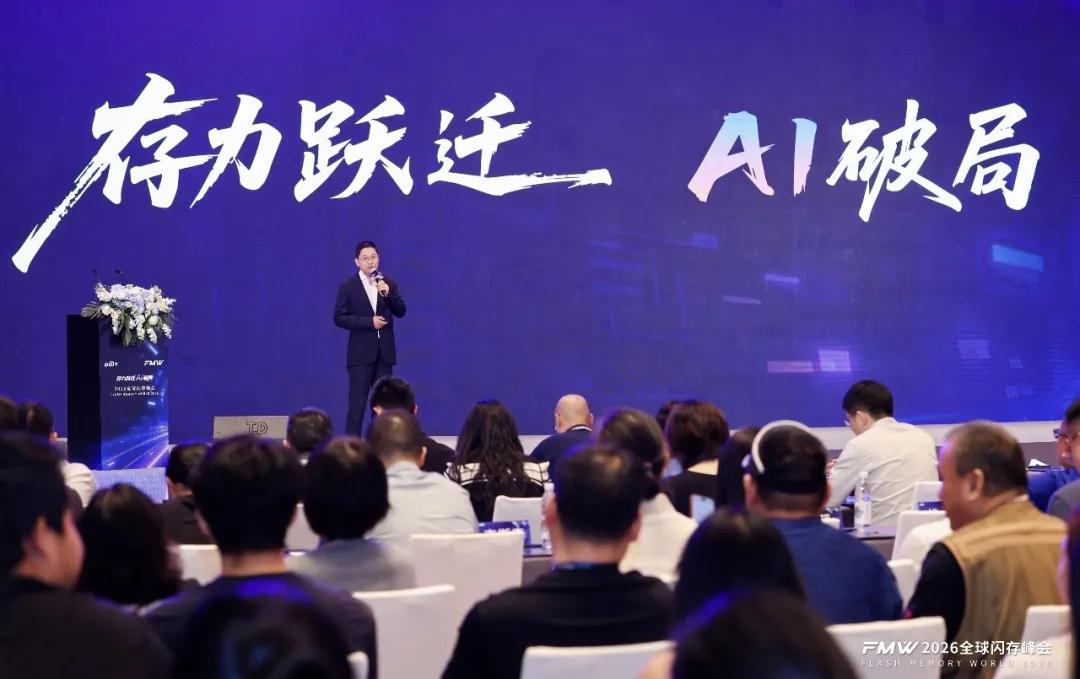
Zheng Xinwu, Founder and CEO of DOIT Media, said: "As the core base of the digital economy, storage is undergoing a complete new value reshaping — evolving from a traditional data carrier to a data infrastructure that supports the full-link operation of AI, and becoming a key force to break through the bottlenecks of AI computing power, data flow and intelligent memory."
Leap: Gathered Elites Decode the New Changes of Storage in the AI Era
The surging AI agents are reconstructing the traditional storage architecture across the entire link. How to build an "AI-ready" storage system has become the core proposition for the digital transformation of enterprises and society as well as AI implementation.
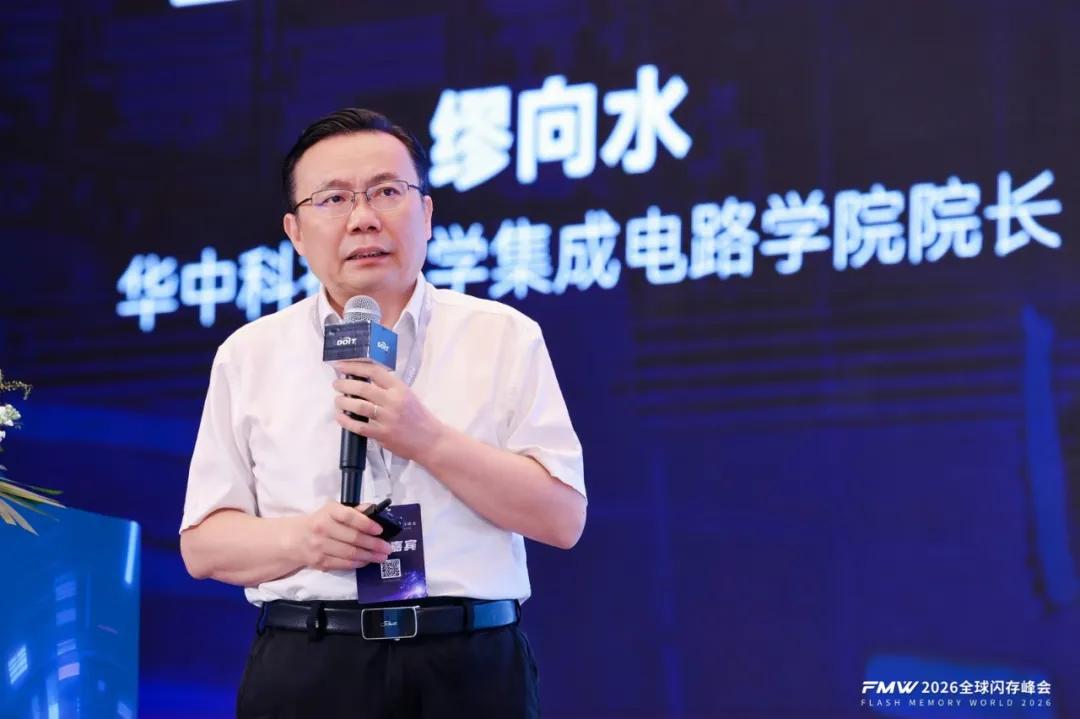
Professor Miao Xiangshui, Dean of the School of Integrated Circuits of Huazhong University of Science and Technology, delivered a keynote report on "3D Phase Change Memory Chips". He pointed out that DRAM and 3D NAND are facing bottlenecks such as process scaling, stack layer count and performance improvement respectively, and new types of memory have become an important direction to break through the "storage wall". Phase change memory has the characteristics of high speed, low power consumption, high erasure and write cycles, and is expected to form a new storage tier. The team of Huazhong University of Science and Technology continues to carry out R&D on materials, selectors, devices, integrated circuits and 3D integration processes, and promotes industrialization through industry-university-research cooperation.
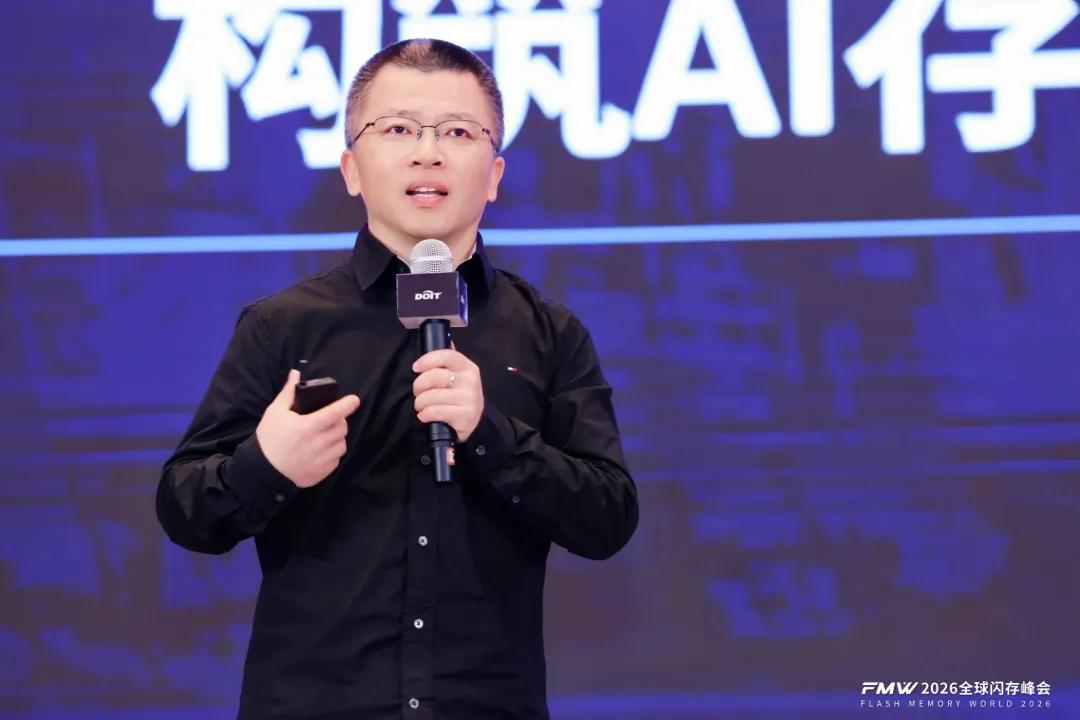
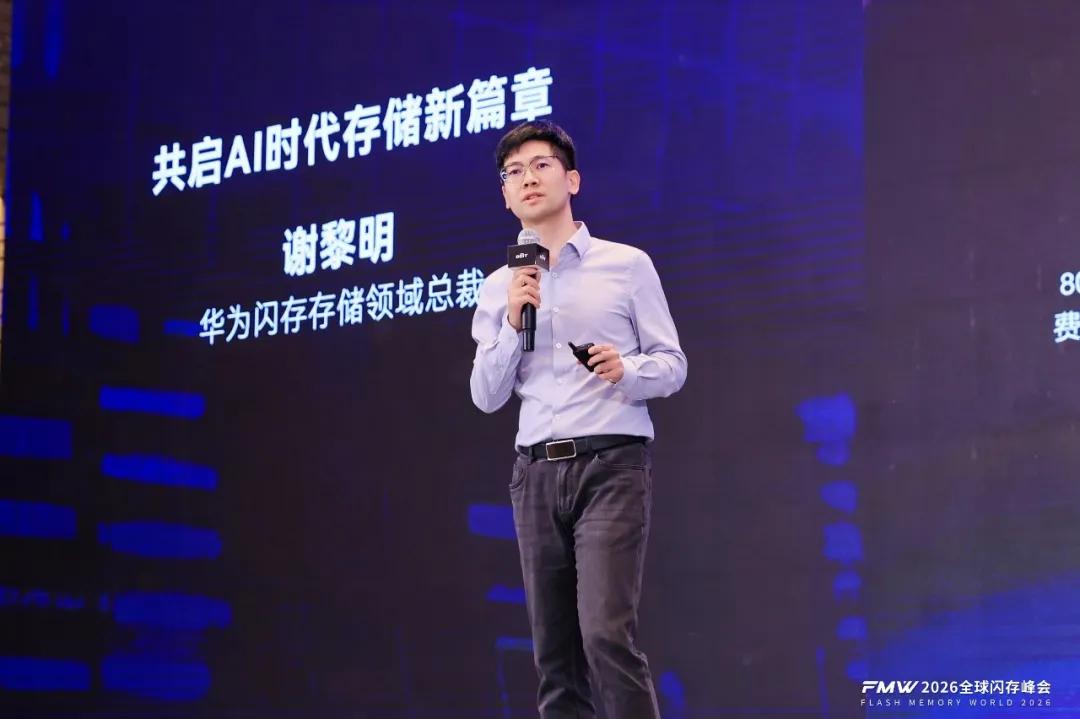
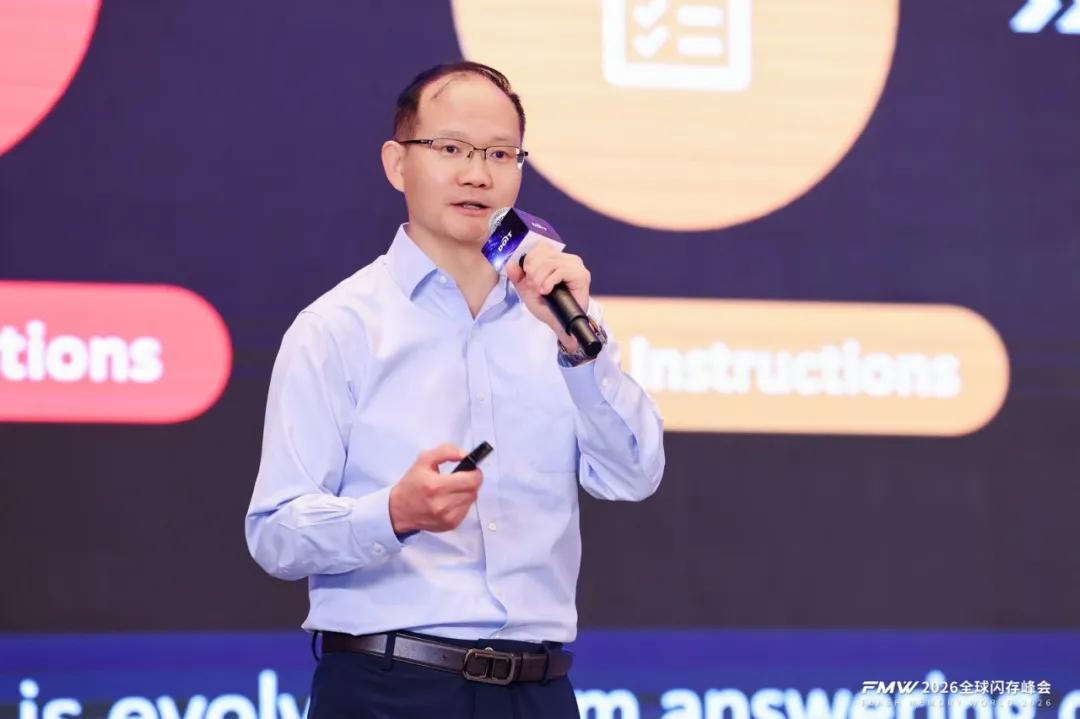
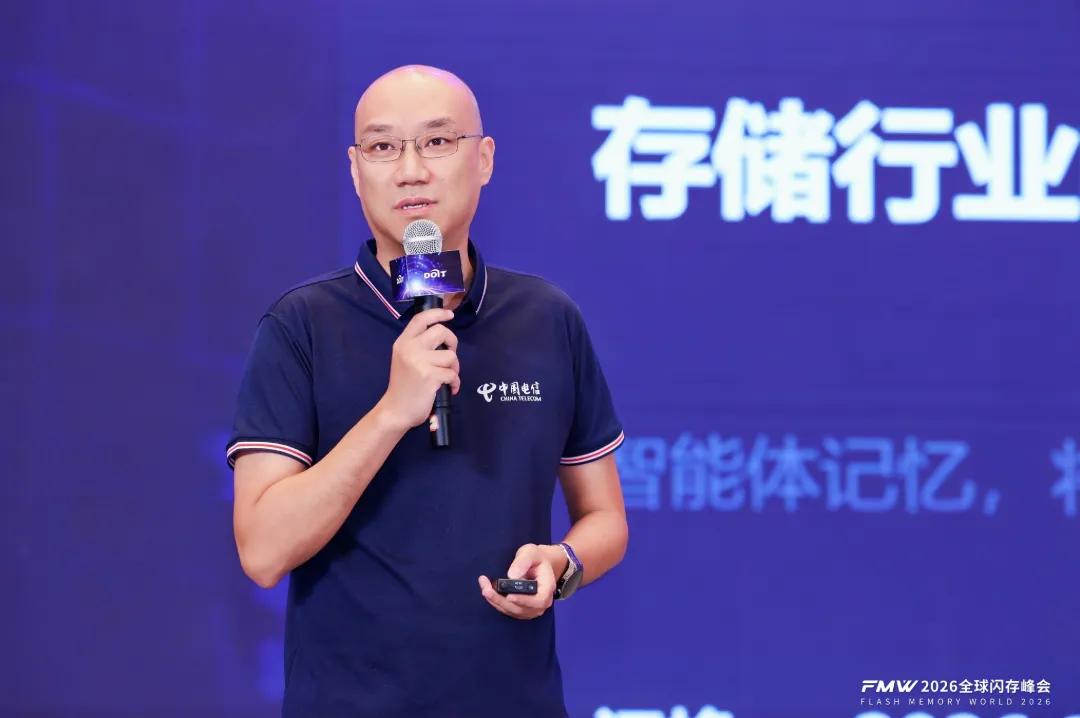
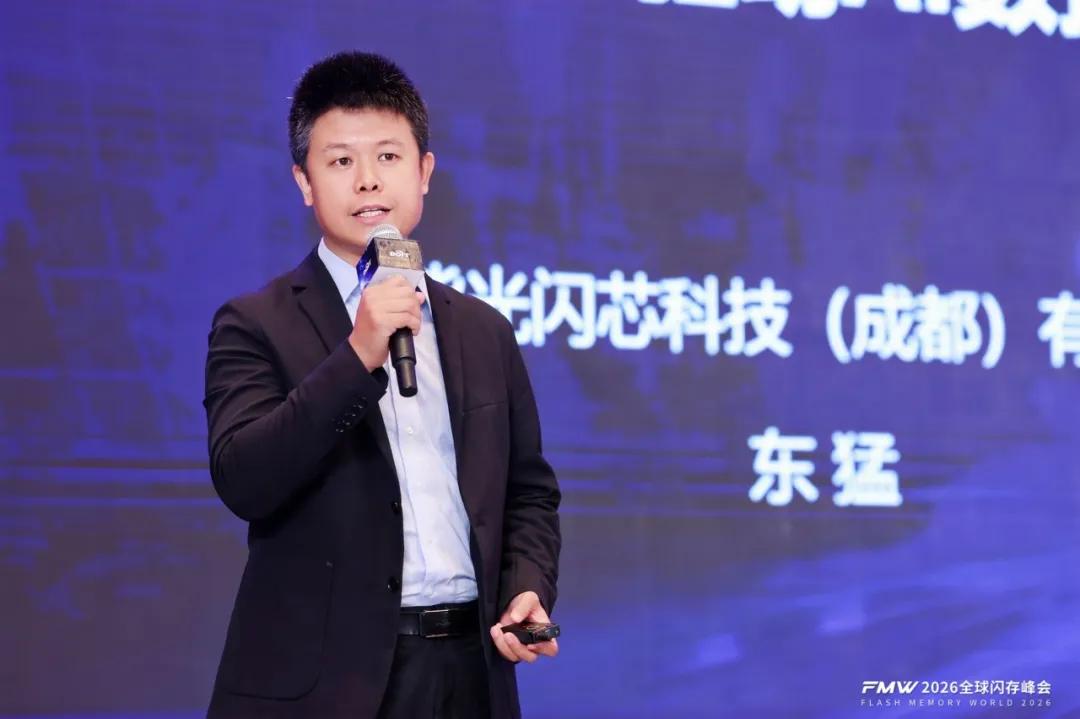
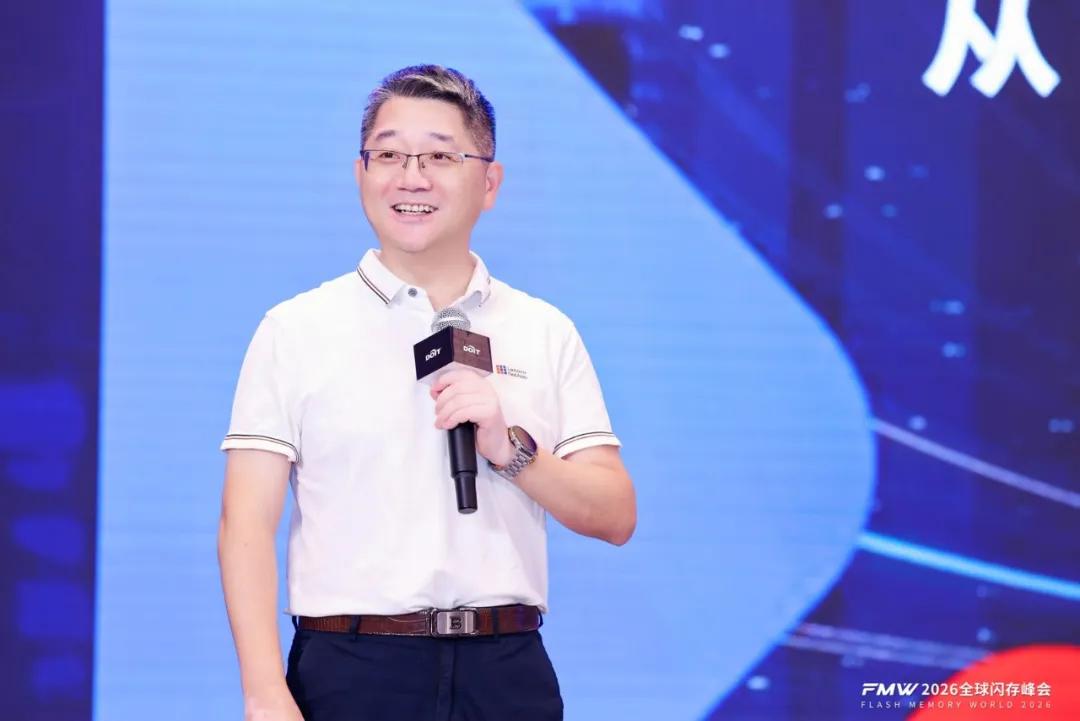
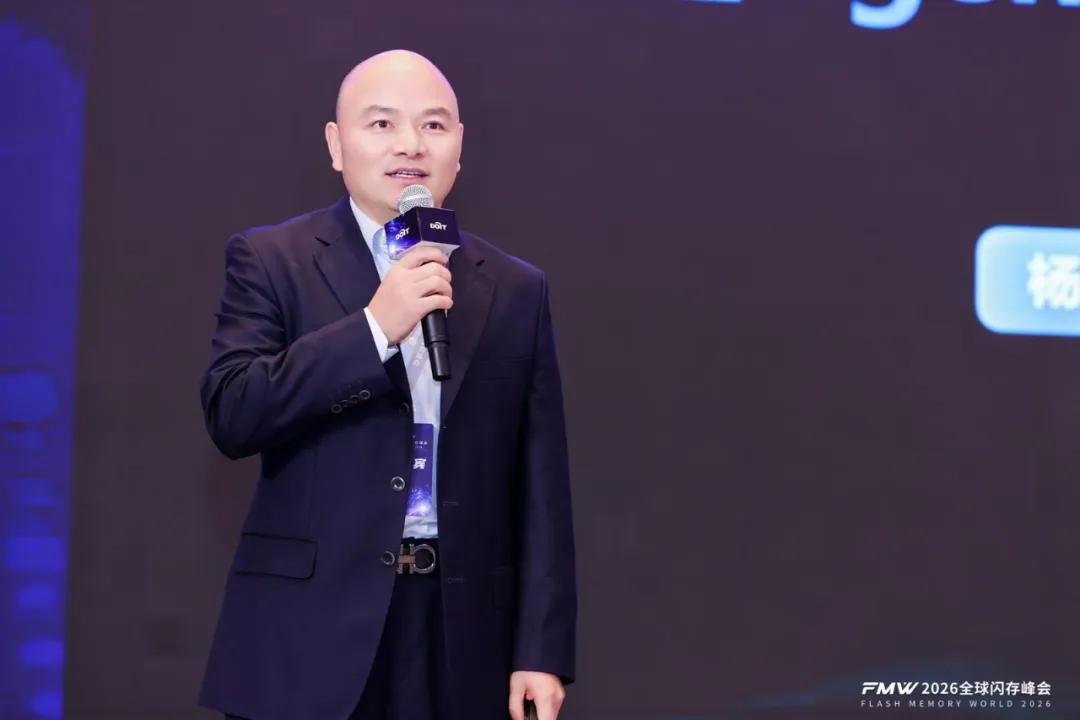
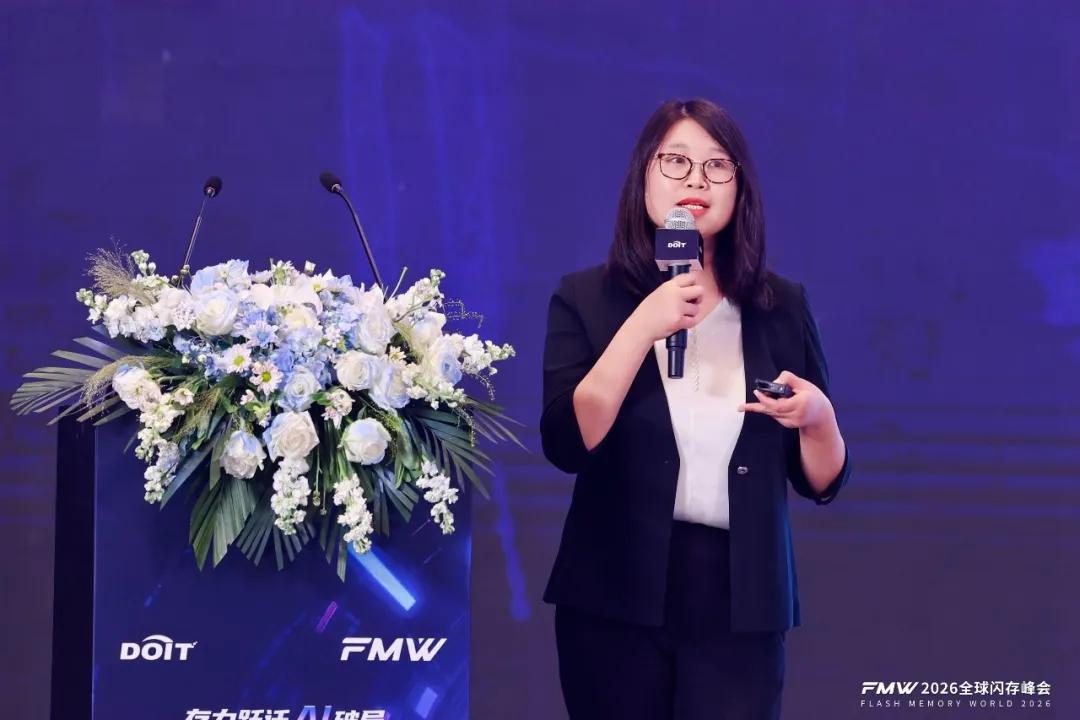
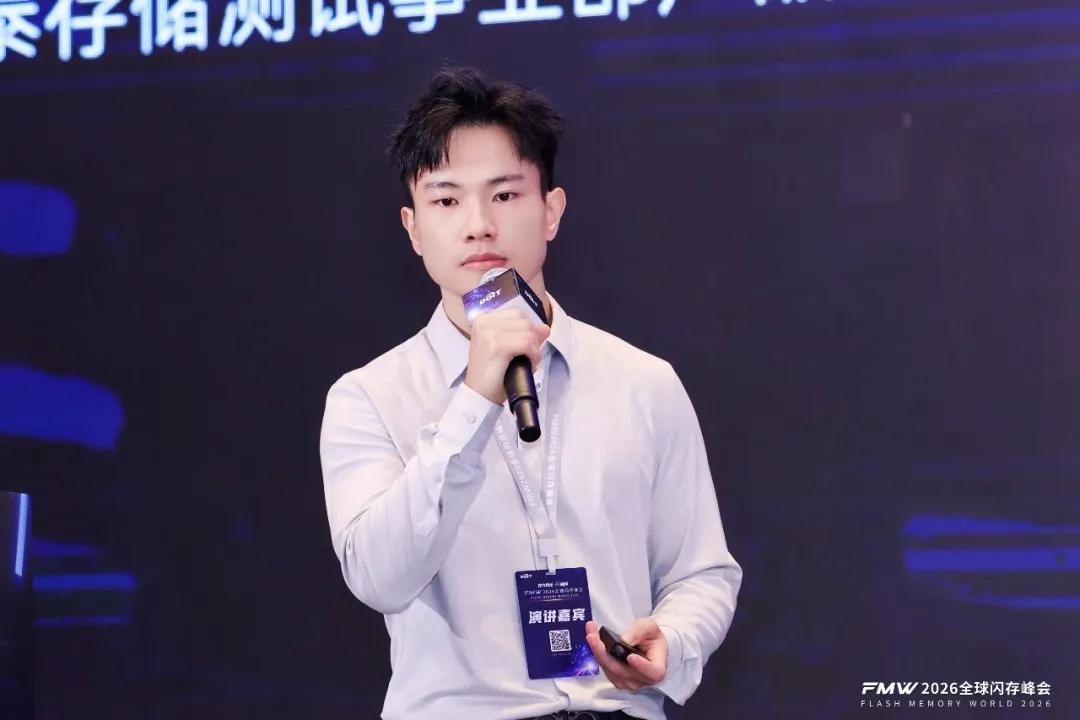
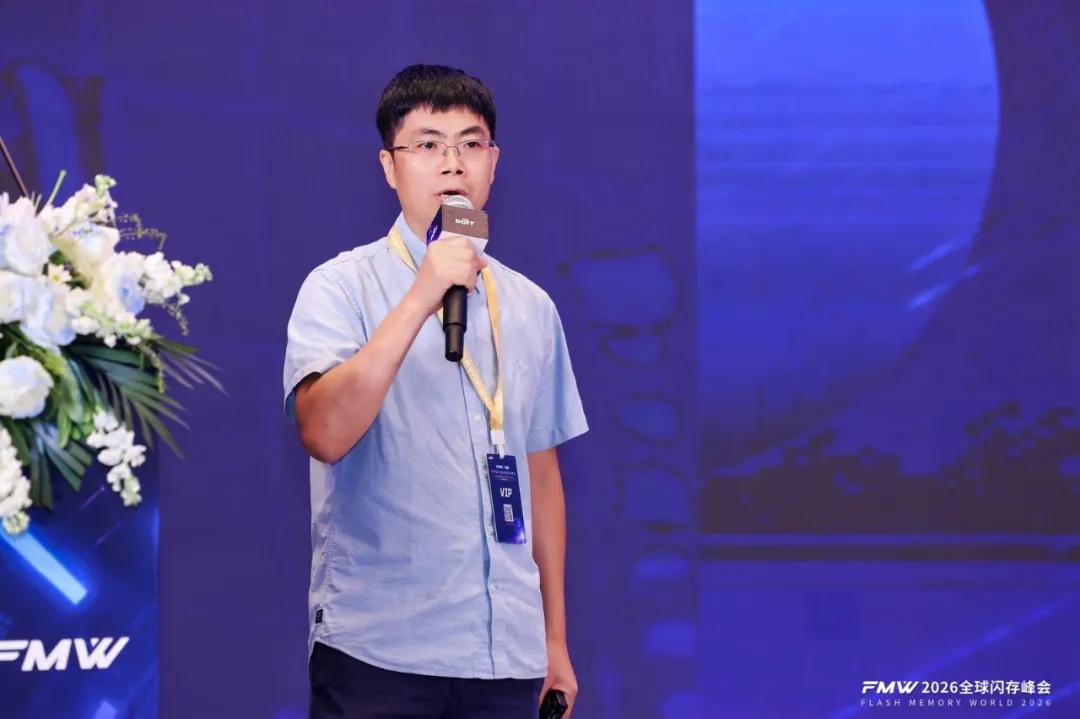
(The above photos correspond to the following texts in order)
Ni Jinfeng, Vice President of Sales for Asia Pacific of Solidigm, Xie Liming, President of Huawei's Flash Memory Storage Division, Jiang Hai, Director of Enterprise Product Marketing of Silicon Motion Technology, Jiang Feng, Chief Expert of China Telecom Group and Assistant General Manager of E-Surfing Cloud Technology Co., Ltd., Dong Meng, General Manager of Unis Flash Technology (Chengdu) Co., Ltd., Chen Hong, CTO of Lenovo NetApp, Yang Haijun, General Manager of Storage Product Department of Inspur Information, Shi Jing, General Manager of Distributed Storage Product Department of Sugon, Cheng Zhuomin, Product Line General Manager of Storage Testing Division of DHE Technology, Xue Hongjun, CTO of Dera Drives, and other representatives of leading enterprises in the storage field spoke successively, introducing their industrial insights, predictions and solutions.
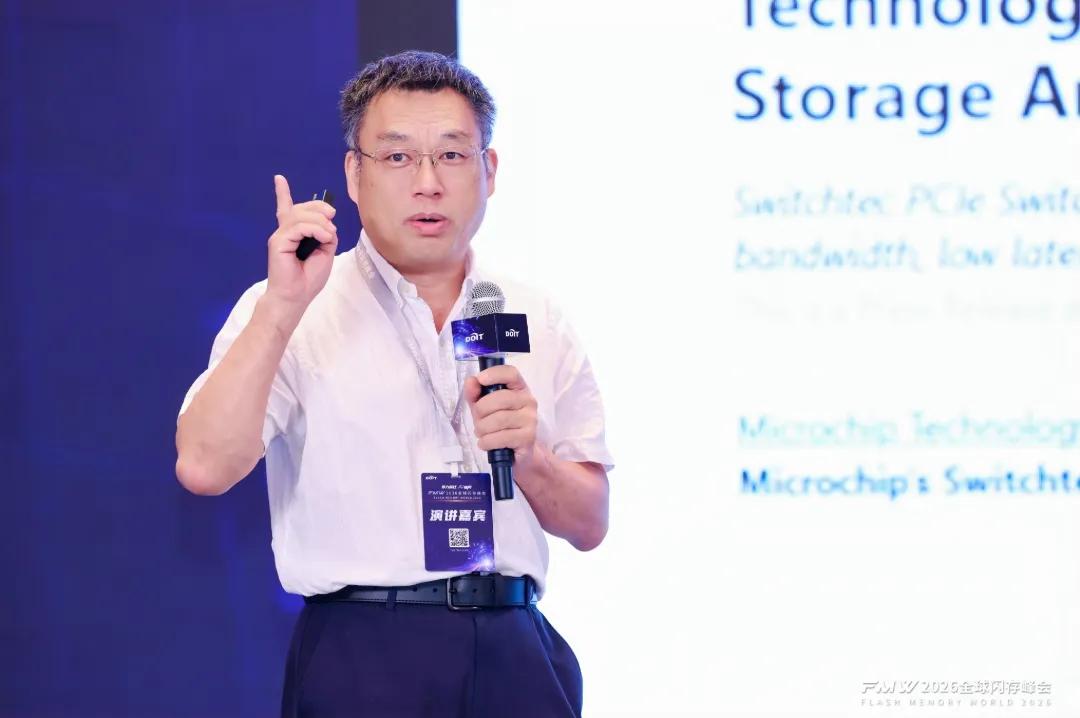
Professor Luo Jianjun, Dean of the Microelectronics Research Institute of Hangzhou Dianzi University and Chief Scientist of WhaLake Microelectronics, attended the Flash Memory Summit (FMS) held earlier this month at the Santa Clara Convention Center in California. He noted that the highlights of this year's summit, from devices to systems, from flash memory to intelligence, clearly focus on "artificial intelligence", and another important trend is the rise of Asia-Pacific forces. In addition, major foreign storage manufacturers have already deployed both DRAM and Flash at the same time, and he believes that domestic players YMTC and CXMT will inevitably move towards integration in the future.
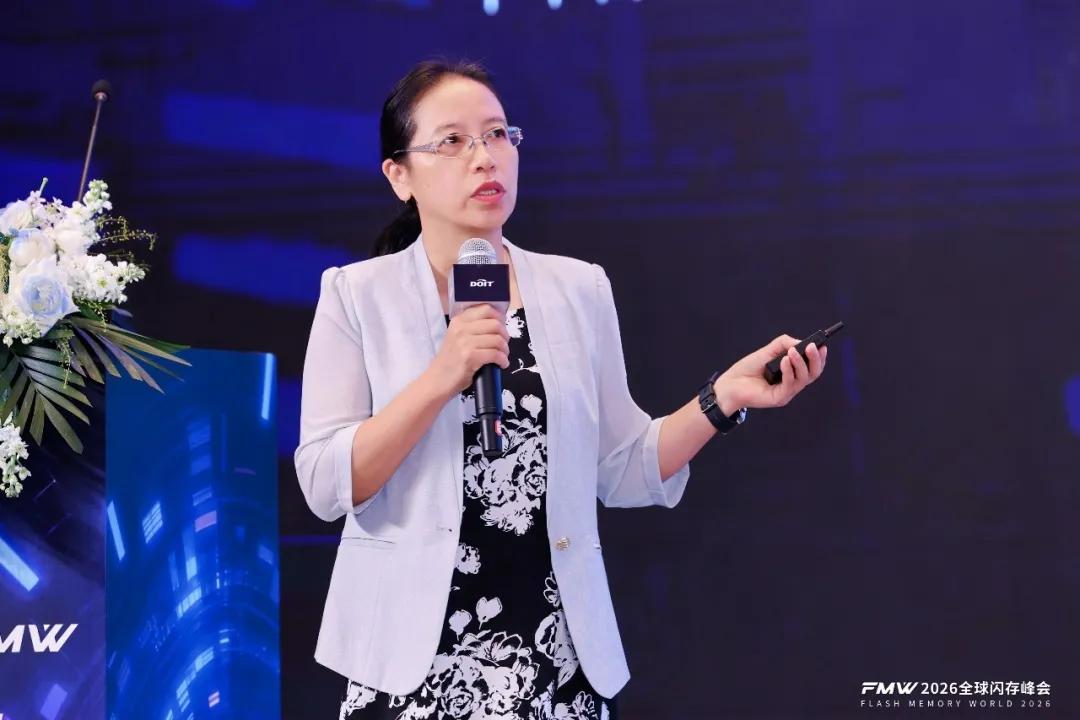
Professor Wang Fang from Huazhong University of Science and Technology, Director of the Storage Research Institute of the School of Computer Science, believes that the development of AI applications leads to synchronous growth of model accuracy, models and data scale. Large language models need to process trillion-level Tokens, and data supply cannot keep up with the growth of computing power, forming a "storage wall". Wang Fang's team optimized from three levels: computing, data access and storage, and achieved remarkable results in scenarios such as graph embedding, DNN training and recommendation models: FeLoG achieves an average performance improvement of 28.8 times, SpiderCache increases the cache hit rate by up to 8.5 times and the training speed by up to 2.33 times, and TokaDB achieves a performance improvement of 4 to 9 times.
In the afternoon of the same day, the summit simultaneously launched four parallel forums, conducting in-depth discussions around four directions: innovative application of AI SSD, AI-oriented storage systems, CXL interconnection ecosystem and elastic memory pool, and new memory technology. From underlying media, interconnection technology, system architecture to storage products, it delves into the evolution of storage technology in the AI era layer by layer. Focusing on the changes in storage demand brought by new workloads in the AI era, it deeply discusses storage technology innovation and industrial practice, providing more ideas for the technological evolution and large-scale implementation of the AI storage industry.
Value: Insight into the Full Industrial Landscape, Jointly Embark on the New Future of AI Storage
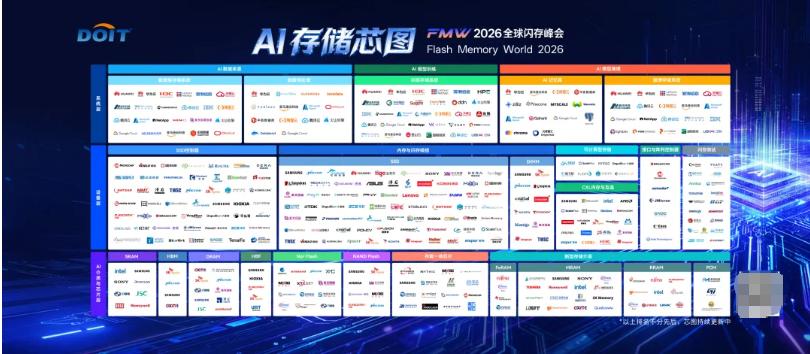
As the annual benchmark event of the global storage industry, this Flash Memory Summit is not only a frontier position for technical exchanges, but also a centralized release window for annual industrial achievements. Two major heavyweight contents, "2026 AI Storage Chip Map" and "2026 Flash Memory Leaderboard", were launched on site, providing first-hand industrial insights and decision-making references for the global flash memory market: