Two weeks later, John Ternus will make his debut as Apple CEO with the foldable iPhone.
At Beijing time August 27, Apple officially released its September launch event invitation to the public. The autumn launch is scheduled for 10 a.m. US West Coast time on September 9, which will be held at 1 a.m. Beijing time on September 10.
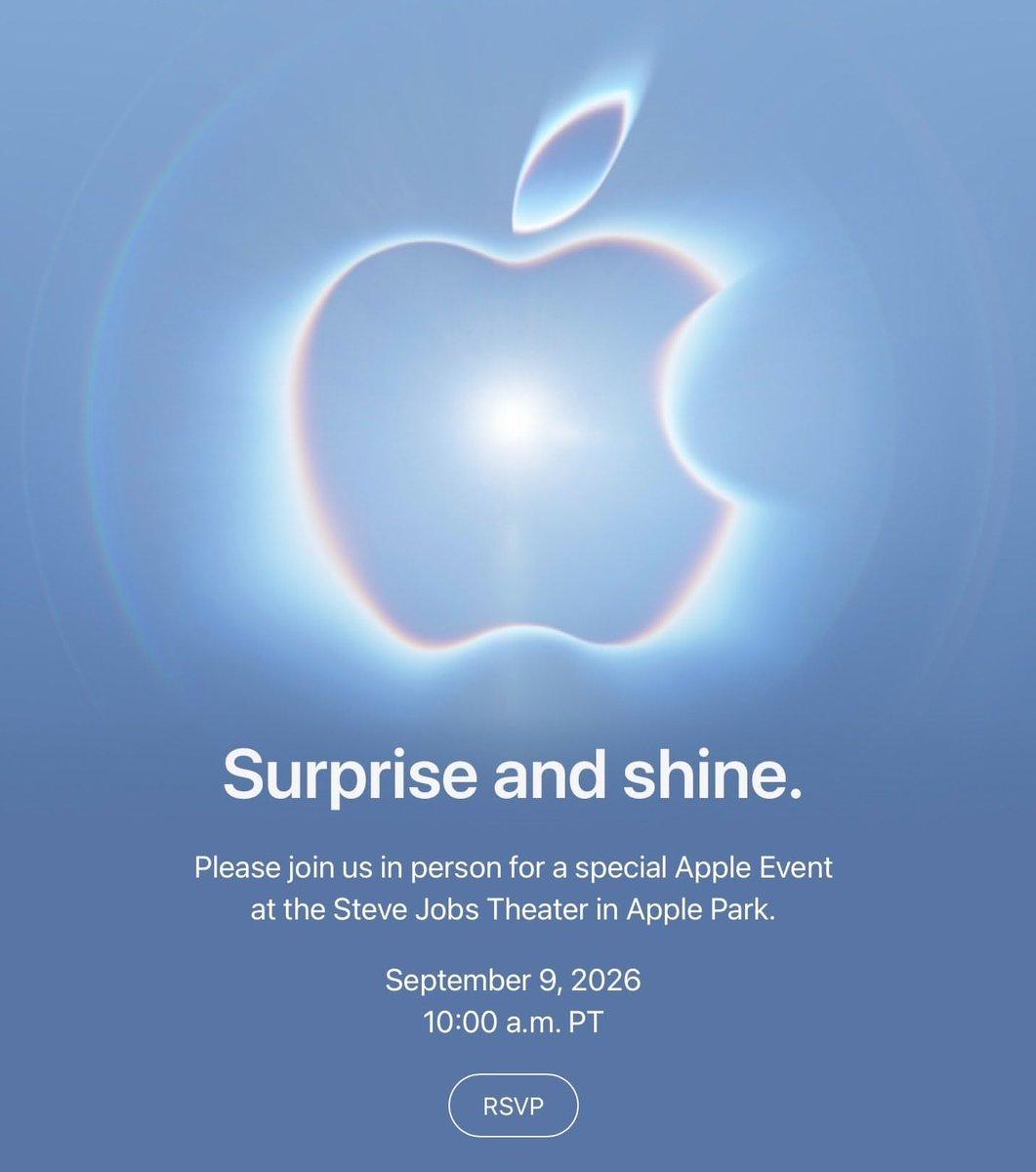
The September launch event this year is Apple's first major activity after the official CEO replacement, and John Ternus will host this launch as Apple's new CEO. According to the currently exposed information online, products including the foldable iPhone, iPhone 18 Pro, iPhone 18 Pro Max, Apple Watch Series 12 and AirPods 5 may be unveiled at this year's launch.
01
Cook officially steps down, Apple ushers in the John Ternus era
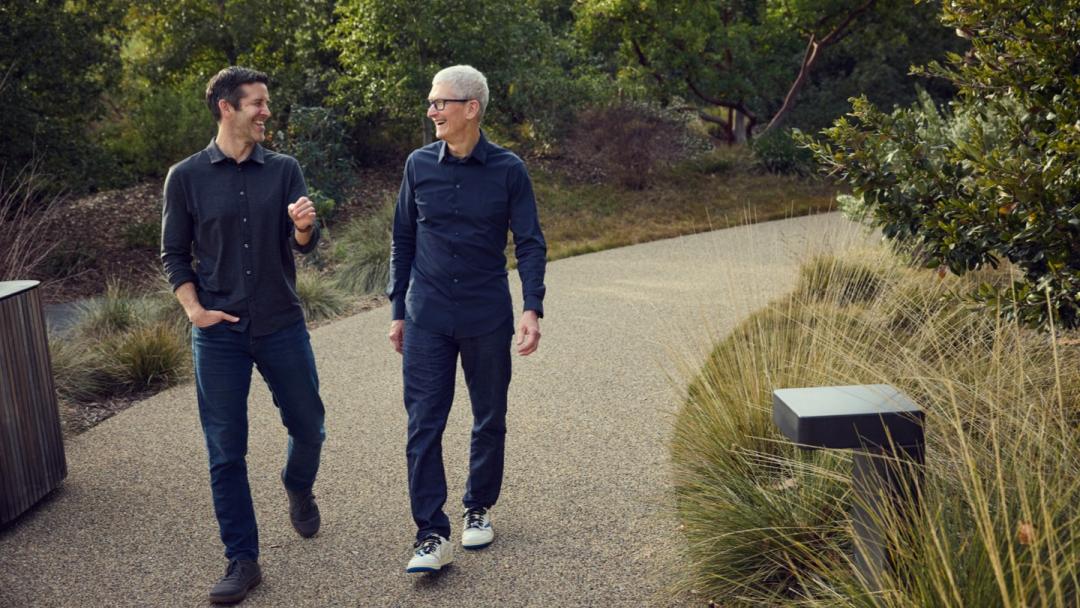
The first thing worth watching at this September's Apple launch is not the new iPhone, but the person standing on the stage has changed.
According to the information released by Apple, John Ternus will succeed Cook on September 1 and officially become Apple CEO. Cook will not leave Apple, but will transfer to the position of Executive Chairman, continue to participate in the company's important affairs, and is said to help Apple handle government public relations affairs.
For Apple, this tech giant that has long occupied the top 3 market capitalization in the world, has officially entered a new stage.
Ternus has been at Apple for more than 20 years, and was previously mainly responsible for hardware engineering. He participated in the transition of Mac from Intel processors to Apple Silicon, and has also developed many hardware products. To put it simply, he is not a manager with a strong supply chain background like Cook, but a person who truly grew out of the product and engineering team.
During Cook's 15 years in office, he brought Apple into a very stable stage. The iPhone is updated every year and is still Apple's most profitable business. The service business continues to improve, the supply chain and sales channels are also very stable, and the market value once approached the $5 trillion mark. Compared with the $350 billion market value when Cook took over, Apple's era under Cook can be described as smooth sailing.
But the other side of stability is that products are increasingly difficult to excite people. The appearance of the iPhone has not changed much for several years, AI has not yet delivered convincing results, and foldable screen products have been launched by manufacturers such as Samsung and Huawei for several years.
This means that the Apple that Ternus takes over is in an era where the company's stock price has repeatedly hit new highs, but its products are relatively lack of freshness.

So his first time hosting an iPhone launch will be watched by more people. People will see how he talks about products, and whether Apple will continue to follow the rhythm of the Cook era. Apple has also entered an era of leadership transition in the past three months. Since WWDC, Cook has frequently taken Ternus to participate in various important activities, so that the new CEO can quickly adapt to his new job.
02
The whole world is waiting to see how Apple makes foldable screen products
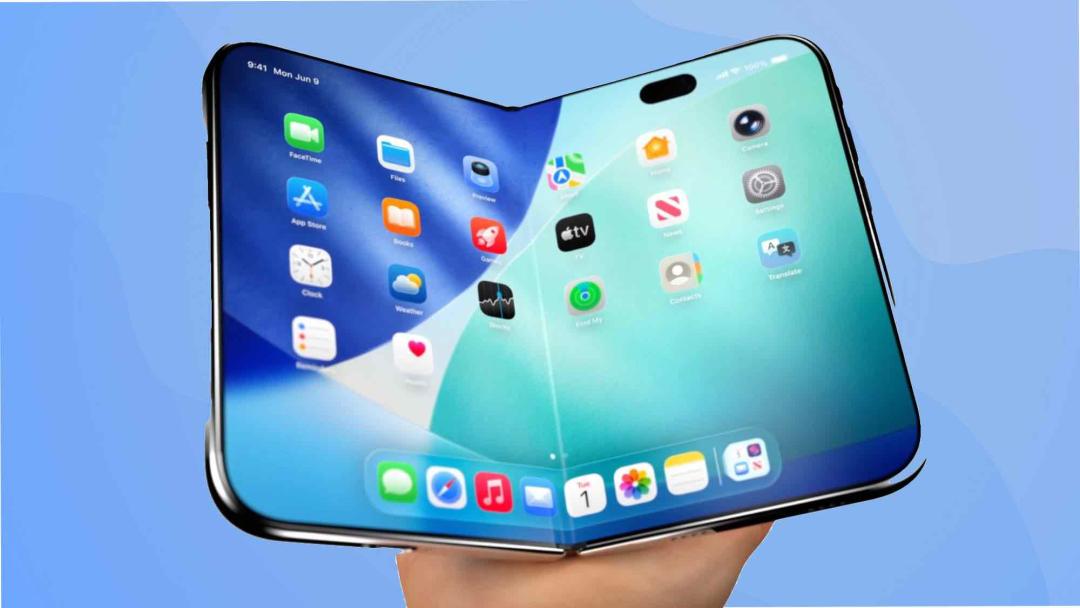
As the second biggest highlight of this September's launch, Apple's foldable iPhone has really made us wait for too long. If we count from 2019 when Samsung released the world's first mass-produced foldable phone, 7 years have passed. The global foldable screen market size has also surged from 1 million units in 2019 to 27.5 million units this year as predicted by Counterpoint Research.
Foldable screens are no longer new. Apple joining the market at this time can no longer create surprises just by announcing "we also have foldable phones". At the September launch, the capital market may pay more attention to how Apple explains its "late arrival" in the foldable track, rather than whether Apple can make foldable phones.
Current leaks basically point out that this foldable phone named "iPhone Ultra" will adopt the traditional book-style folding solution.
When closed, the outer screen is about 5.5 inches, and when unfolded, the inner screen is about 7.8 inches, close to a small tablet. When replying to messages and answering calls in daily life, it is still a mobile phone. When you need to watch videos, process files or hold video conferences, unfolding the screen will bring a size and working mode close to that of the iPad mini.
This implementation process is not complicated, and almost all foldable phones on the market use this design. The key for Apple to make a difference is not whether it can fold the screen, but whether iOS can play its full role after the screen is unfolded.
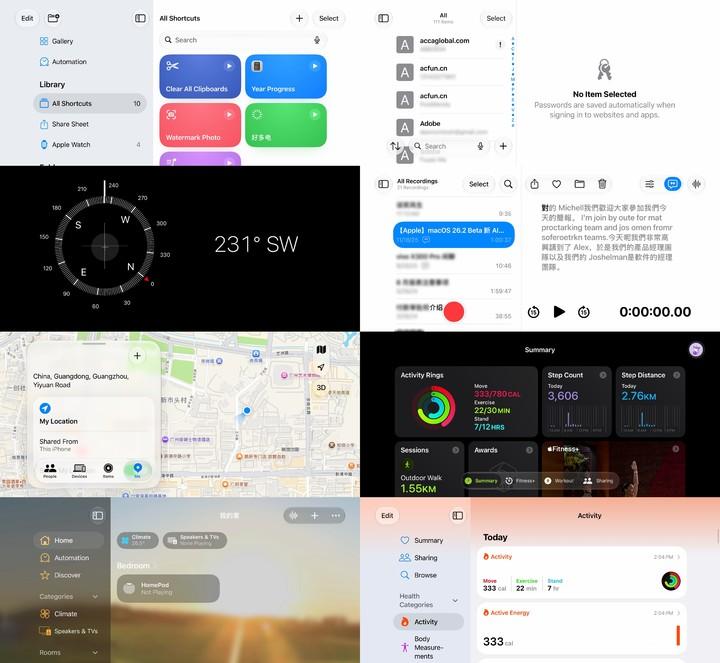
After this year's WWDC, several subtle changes have appeared in iOS 27. For example, system applications such as Weather and Music, which previously had little support for landscape mode, suddenly added horizontal layouts. The iPhone mirroring function on Mac can also adjust the window size and proportion, and some applications will display an interface closer to the iPad when the window is stretched wider. Obviously, these changes are very much like preparing in advance for a wider iPhone screen with a proportion closer to that of a tablet.
More direct clues come from the code in iOS 27 and Xcode. After iOS 27 was released, developers found that new parameters such as foldState and angleDegrees were added to the system. The former can be used to determine whether the device is in folded, unfolded or intermediate state, and the latter corresponds to the opening and closing angle of the hinge. A new interface for identifying the number of logical screens of the device has also appeared at the bottom of the system.
Previous iPhones only had one screen, so the system had no need to specifically record this information. If a foldable iPhone with two inner and outer screens appears in the future, this type of interface will have a clear purpose. In addition, related descriptions such as "the second screen" and "the second protective glass" have also appeared in the maintenance tools. In addition, in Apple's developer speech at this year's WWDC, it has repeatedly asked developers to no longer design applications only according to fixed models and fixed orientations, but to adapt to more sizes and aspect ratios.
Judging from the currently exposed information, Apple may equip the inner screen with an interface closer to the iPad. For example, the Mail app displays both the list and the text at the same time, and the Files and browser apps get a wider operation area.
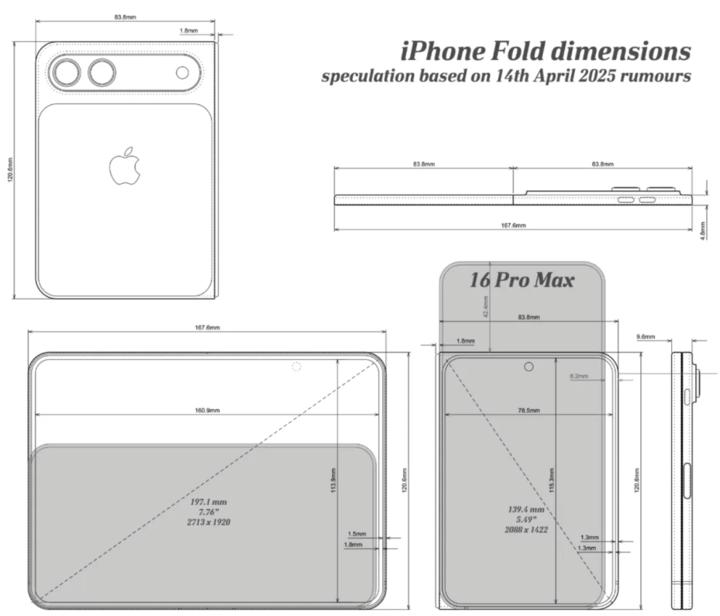
As for the hardware, the first-generation foldable iPhone will probably compromise on some structures like the iPhone Air.
For example, according to the currently exposed information, in order to control the thickness, it may not be equipped with a telephoto lens, and Face ID may also be replaced with Touch ID on the side power button. This basically follows the same design idea as Samsung's newly released Fold 8.
At the same time, in terms of product positioning, the first-generation foldable iPhone may not be a high-volume product, but more like a high-end model for people who are willing to try new things. It will first bring Apple into this market, and then gradually complete the software adaptation and hardware experience.
Apple certainly has the opportunity to make the foldable screen experience more unified, but don't expect it to change the entire market as soon as it is released. Foldable phones are still niche products up to now, and there will not be too many people willing to pay a high price for Apple's first-generation foldable screen. Whether it can become the next mainstream form depends on whether users are really willing to unfold it every day after buying it, instead of putting it back in the drawer after a few days of freshness.
03
The iPhone is going to raise its price, and the release of iPhone 18 is postponed as a last resort
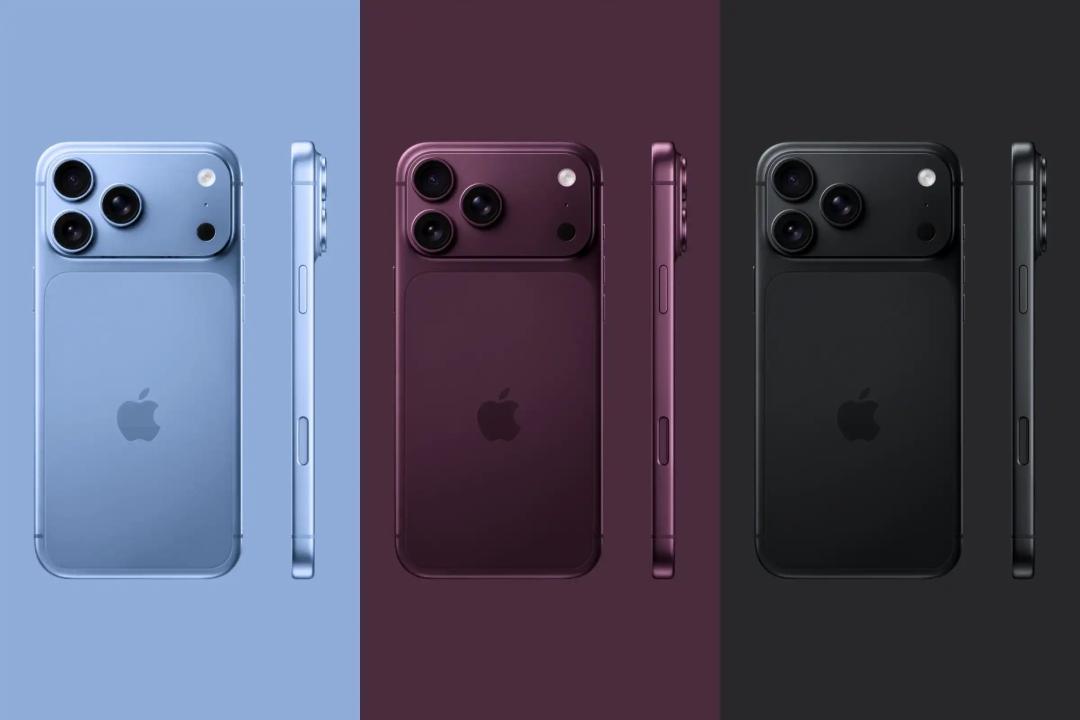
The third highlight, which may be more direct and more touching to consumers' nerves than the previous two, is...
The iPhone is going to raise its price!
Some time ago, Apple has raised the prices of many Mac and iPad products. The MacBook Air is $200 more expensive, the Mac Studio has increased by $500, and the iPad Air has also risen by $150. The rising costs of memory and chips have impacted the global consumer electronics market, and Apple cannot stay out of it. But interestingly, in the North American market, Samsung and Google's new phones have already raised their prices once, but Apple's iPhone has not changed its price yet.
The reasonable explanation is that it is probably waiting for a suitable time, and the upcoming September launch is that "suitable" time.
According to the current statement online, the iPhone 18 Pro may increase in price by $100, with a starting price of $1199. Apple should absorb part of the cost by itself, but it is no longer realistic to not raise the price at all. Apple's approach is to break the tradition of releasing four iPhone models at a time in previous years. This year, we may not see the standard version of iPhone 18 at the September launch.
This matter is very likely related to the price increase. The standard version of iPhone is the model with the largest sales volume, and people who buy it care more about the price than Pro users. If the standard version also raises the price this year, the pressure Apple has to bear will be much greater. This time, Apple chooses to launch the Pro and Pro Max to the market first, so that products with higher profits can bear part of the rising cost, and consumers may not feel so strongly about the price increase.
To put it more bluntly, Apple does not want everyone to feel that the iPhone has become more expensive at the same time.
People who are willing to buy Pro models already have a higher budget. The standard version will be released later, and the pricing will be determined after the cost and market reaction are clearer. This is a relatively stable approach for Apple, which means that this fall, consumers may only choose from more expensive iPhones. Those who want to buy the standard version of iPhone 18 will have to wait until the spring of 2027.
But whether the price increase can be accepted in the end depends on whether the upgrades are attractive enough. Of course, this objective market rule may not be very applicable to phones like the iPhone Pro, but the necessary upgrades still need to be made, right?
Judging from the currently exposed information, the iPhone 18 Pro and iPhone 18 Pro Max have several upgrades worth noting this time. The bezels on the front will continue to narrow, and the screen sizes are expected to remain 6.3 inches and 6.9 inches. The battery capacity will also increase. The iPhone 18 Pro may reach 4056 mAh, and the iPhone 18 Pro Max may reach 5391 mAh. The battery of the iPhone 18 Pro Max has increased significantly, but the phone may also become heavier as a result.
In terms of imaging, the iPhone 18 Pro Max may be equipped with a variable aperture main camera. It can adjust the amount of incoming light according to the light conditions, and can also affect the depth of field and background blur. If the rumored new main camera sensor is finally implemented, the photo taking ability of the Pro Max will be further improved.
Apple may widen the gap between the iPhone 18 Pro and iPhone 18 Pro Max. To get the most complete imaging configuration, you have to buy the iPhone 18 Pro Max, and to get a larger battery, you have to accept a thicker and heavier body.
In any case, Apple's September 2026 launch event will be an important page recorded in the history of Apple's development. The leadership transition, the new form of iPhone, and how Apple demonstrates its component deployment capabilities in response to rising hardware costs will all be the highlights of this year's launch. We will also report this launch synchronously in the early morning of September 10, to witness this "tech Spring Festival Gala" together.
This article is from the WeChat public account "Tencent Tech", author: Wu Bin, editor: Xu Qingyang, published by 36Kr with authorization.