The output of "computing power metal" ranks first globally, and a small county in Henan has successfully ridden the AI industry wave.
Recently, the "niche" metal material, molybdenum, has suddenly become a hot commodity.
In the first half of this year, the price of molybdenum concentrate rose by nearly 30%, hitting a new high in nearly 3 years.
Molybdenum, once known as the "industrial vitamin", is an indispensable "supporting role" in the manufacture of special steel.
Today, with the development of technology, it has jumped to become a "computing power metal", transformed into the "protagonist" in the semiconductor and AI computing power tracks, and become a strategic mineral.
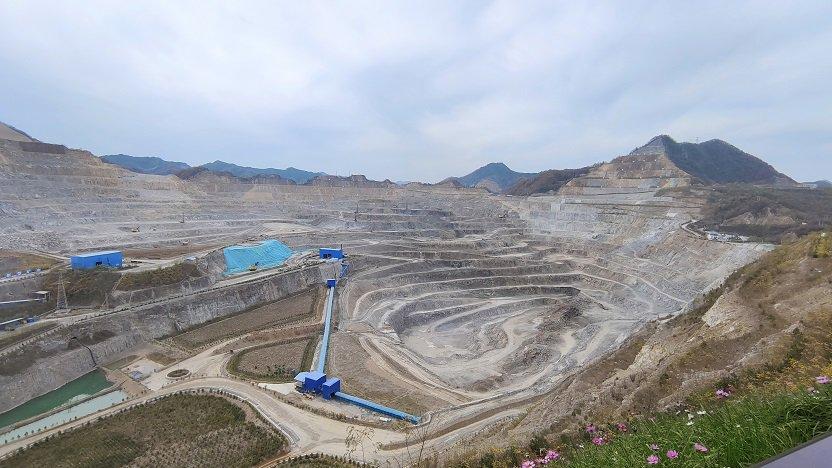
Sandaizhuang Molybdenum Mine of CMOC in Luanchuan County, Luoyang
Molybdenum ore is one of the few mineral resources with competitive advantages in China. Among the globally proven molybdenum ore reserves, China accounts for 45.88%, ranking first in the world.
In China, the reserves in Luanchuan County, Luoyang, Henan Province account for one third of the country's total reserves.
In the past, Luanchuan relied on its molybdenum ore resource advantages to become "China's Molybdenum Capital", and gave birth to CMOC, the largest molybdenum product manufacturer in the country.
In the future, as molybdenum becomes the new "protagonist" in strategic emerging industries such as high-end semiconductors, aerospace and new displays, can Luanchuan take the opportunity to move from resource output to the higher end of the industry?
01
"China's Molybdenum Capital"
In the traditional industrial system, molybdenum is mainly used in the iron and steel metallurgy industry due to its characteristics of high melting point, high strength and corrosion resistance.
However, with the rapid development of technological level and strategic emerging industries in recent years, molybdenum has evolved from the former metallurgical "additive" to a core strategic material in the fields of semiconductors, new energy, and aerospace.
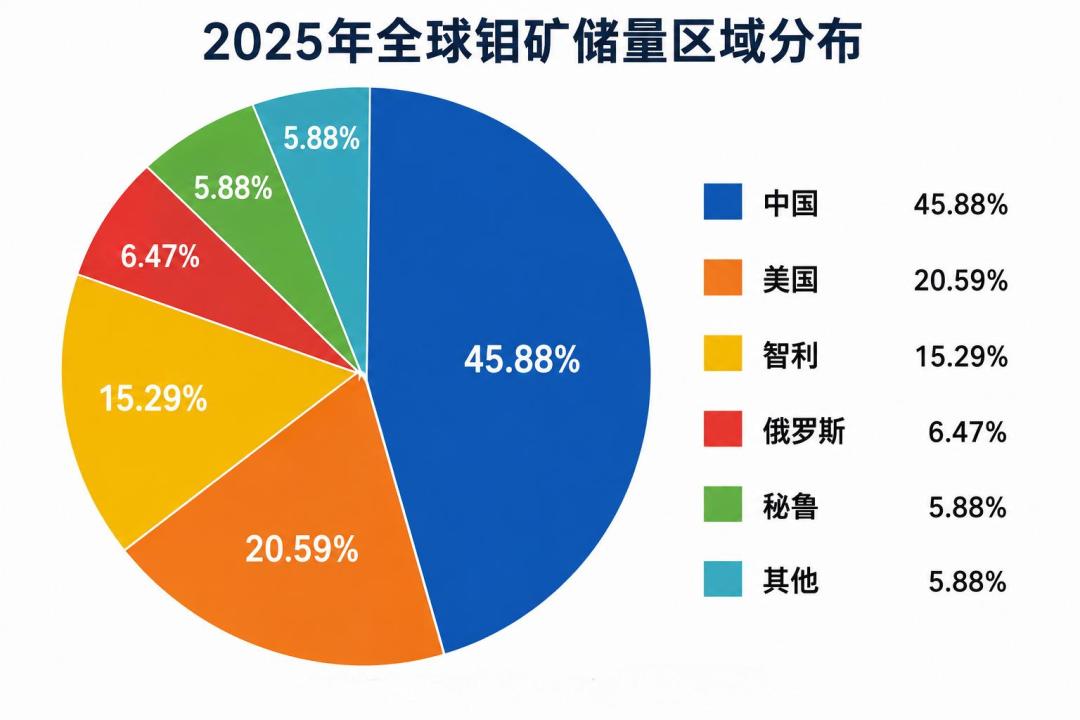
China ranks first in the world in molybdenum ore reserves
In the field of aerospace materials, Elon Musk's SpaceX Starship project purchases more than 200 tons of molybdenum materials annually to manufacture rocket engine nozzles with higher temperature resistance; in the field of semiconductor materials, Samsung, SK Hynix and Micron have started or will soon mass-produce high-end products with more than 400 stacking layers, which use molybdenum instead of tungsten as the core metal wiring link.
Countries such as the United States, Japan and South Korea have successively listed molybdenum as a strategic mineral.
In June this year, China also officially included molybdenum and rare earths and other mineral resources into the "National-level Strategic Mineral Catalogue".
Fortunately, China has great advantages in the reserve of molybdenum resources.
According to 2026 data from the United States Geological Survey, the global proven reserves of molybdenum resources are about 17 million tons of metal content, of which China's reserves are 7.8 million tons, ranking first in the world, accounting for as high as 45.88%.
At the same time, we are still the world's largest molybdenum producer, with output accounting for 37.31% of the global total in 2025.
From the perspective of the distribution of domestic molybdenum ore resources, Luanchuan County, Luoyang is the most concentrated area of domestic molybdenum ore resources, and is known for its "large reserves, high grade and easy mining".
The East Qinling molybdenum ore belt where Luanchuan is located is the most concentrated area of molybdenum ore in China and even in the world. It takes two world-class deposits in Luanchuan, Henan and Jinduicheng, Shaanxi as the core, with an area of about 100,000 square kilometers.
The molybdenum reserves here account for more than 40% of the country's total, making it one of the regions with the highest molybdenum resource density in the world.
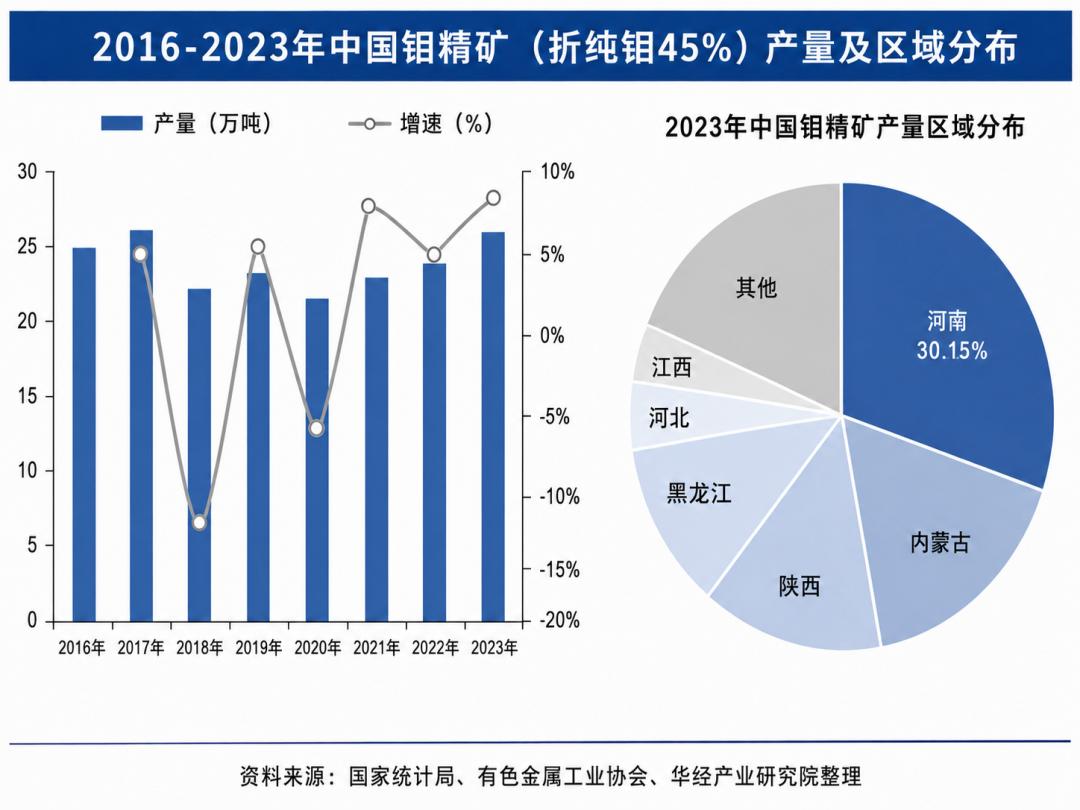
Luanchuan has long been one of the regions with the highest molybdenum ore output in China
According to the official data of Luoyang in 2025, the molybdenum reserves in Luanchuan are about 6.7 million tons, ranking first in Asia and third in the world.
At the same time, the average grade of Luanchuan molybdenum ore is 0.12%, which is higher than the national average level of 0.08%.
Luanchuan, which is rich in mineral resources, has naturally given birth to the leading enterprise in the molybdenum mining industry.
China Molybdenum Co., Ltd. (CMOC for short) is the largest molybdenum product manufacturer in China and a diversified mining giant with business covering Africa and South America, ranking 135th in the 2026 Fortune China 500 list.
According to the 2025 annual performance report released by CMOC, its molybdenum output in that year was 13,900 tons, with a revenue of 206.684 billion yuan, standing at the 200 billion yuan level for two consecutive years, and realizing a net profit attributable to shareholders of 20.339 billion yuan.
Another leading enterprise is Shenglong Co., Ltd., which was just listed this year.
According to relevant statistics, the output of molybdenum metal of Shenglong Co., Ltd. reached 10,600 tons in 2024, accounting for 9.64% of the total national output. In 2025, the molybdenum product revenue of Shenglong Co., Ltd. reached 3.489 billion yuan, accounting for 99.62% of the total revenue.
In addition to owning the largest single molybdenum mine in operation in China, Shenglong Co., Ltd. has a retained molybdenum metal volume of 710,500 tons under its molybdenum mining rights, accounting for about 9.10% of the national molybdenum resource reserves, and all its mines are in the initial stage of mining.
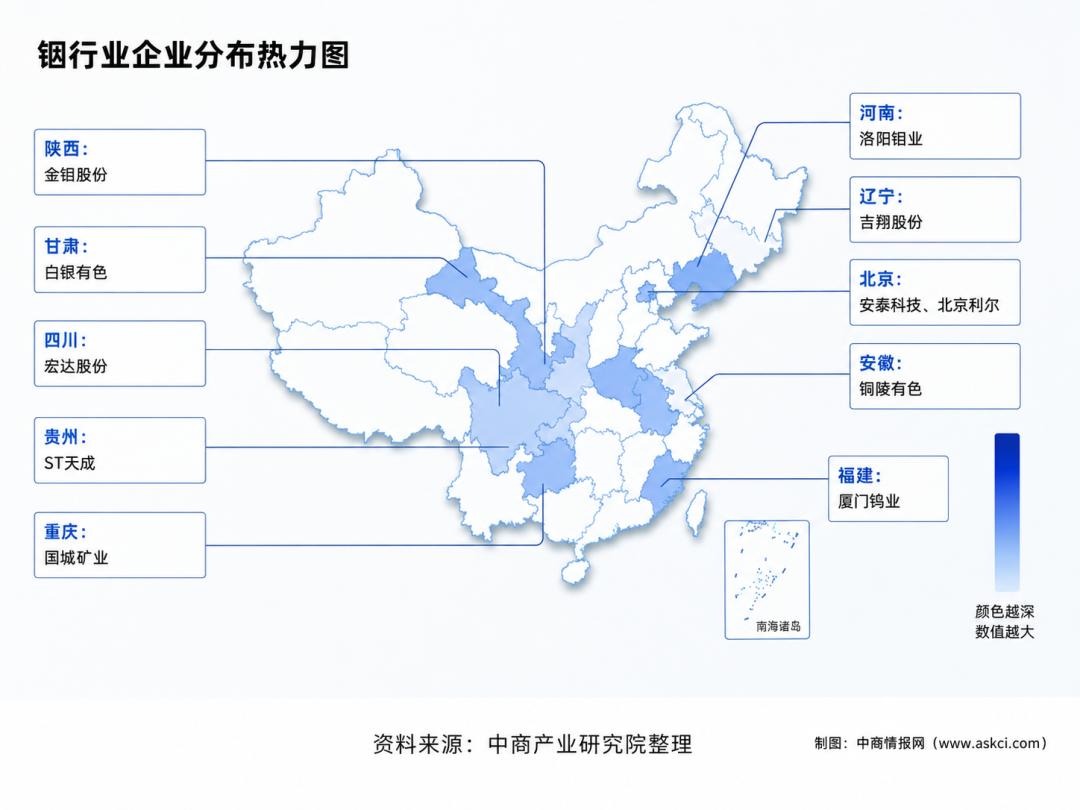
CMOC, headquartered in Luanchuan County, is a leading enterprise in China's molybdenum industry
The combined molybdenum output of the two enterprises accounts for one fifth of the national total.
With rich resources and huge output, Luanchuan is well-deserved to be called "China's Molybdenum Capital".
02
International Mining Giant
CMOC played a key role in turning Luanchuan from a poor county in the mountainous area of western Henan into "China's Molybdenum Capital".
In 1969, the value of Luanchuan molybdenum ore was discovered on a large scale. The former Ministry of Metallurgy built a small test plant with a daily processing capacity of 50 tons in Lengshui Town, Luanchuan County, which is the predecessor of CMOC.
In 1988, the provincial and municipal governments led the merger of local molybdenum ore enterprises, unified them under the management of Luoyang municipal government, and established Luoyang Luanchuan Molybdenum Industry Company.
Despite being rich in molybdenum ore resources, this county-owned state-owned enterprise did not have an easy time.
Disorderly illegal mining, rigid enterprise mechanism, backward technology and equipment, coupled with the global molybdenum price downturn from 1996 to 2002, made CMOC fall into the situation of "the more mining, the more losses" and even on the verge of bankruptcy.
In 2003, the local government decided to carry out restructuring.
At that time, the international molybdenum price had skyrocketed, and mining giants including Fosun Group and Zijin Mining took a fancy to Luanchuan molybdenum ore.
However, the local government required absolute state-owned holding, which made many enterprises withdraw one after another.
In the end, Shanghai Hongshang Industrial Holding Group entered the market unexpectedly.
It is said that Hongshang's quotation of 178 million yuan was not the highest at that time, but its "sincerity" of not seeking control made Hongshang finally get 49% of the equity.
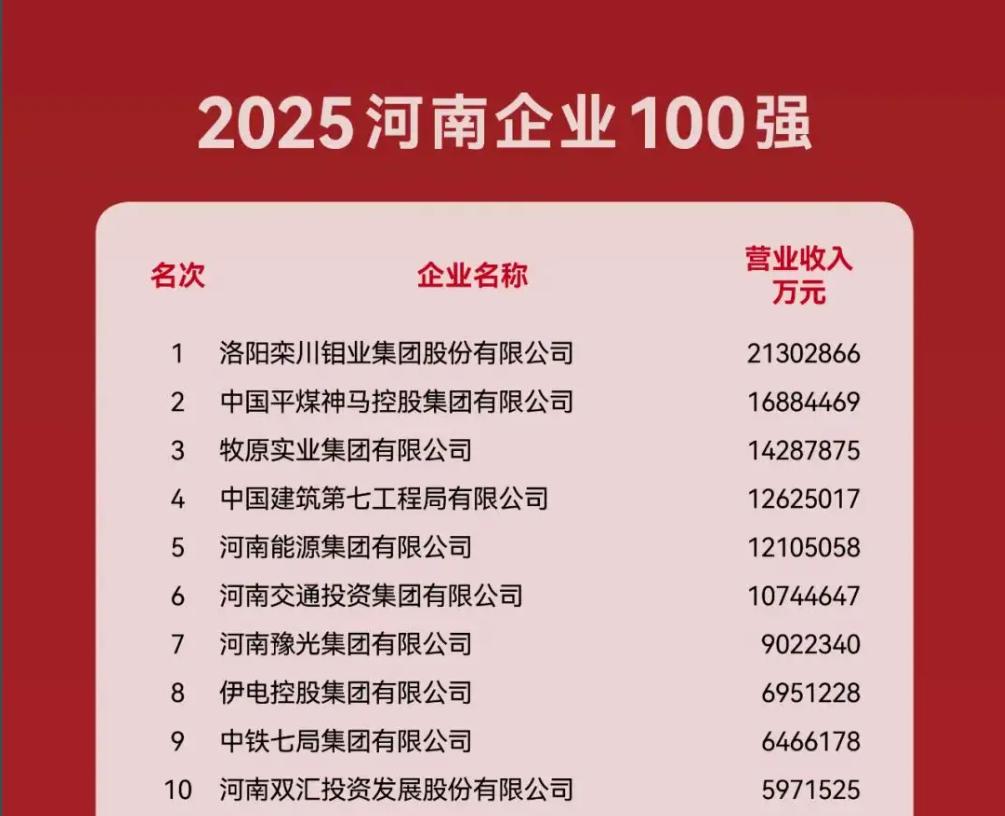
CMOC, which has ranked first among the top 100 enterprises in Henan for two consecutive years, ranked 32nd during its second mixed ownership reform in 2012
After the completion of the mixed ownership reform in 2004, Hongshang's reform of CMOC produced immediate results: the linkage between output and salary increased the beneficiation recovery rate from 65% to 82%; the introduction of the most advanced flotation column production line at that time increased the purity of molybdenum concentrate from 45% to 51%, reaching the international premium standard; bypassing intermediate traders, it directly signed long-term supply agreements with large iron and steel enterprises such as Baosteel and Shougang.
In the year of the reform, CMOC turned losses into profits, realizing a profit of 280 million yuan, and its operating conditions improved significantly.
In 2007, CMOC was listed on the Hong Kong Stock Exchange, becoming the first mining enterprise in Henan Province to be listed in Hong Kong.
All the funds raised from the listing were invested in the expansion of molybdenum ore, and CMOC immediately became the largest molybdenum ore producer in China.
The local government was very satisfied with Hongshang. Finally, in 2012, the local state-owned capital withdrew from the position of the largest shareholder, and the enterprise obtained the independent decision-making right of operation.
In October of that year, CMOC was listed on the Shanghai Stock Exchange, and the raised funds helped the enterprise carry out technical transformation and extend the industrial chain.
In that year, the output of CMOC exceeded 20,000 tons, making it one of the top three molybdenum enterprises in the world.
It was also after this "state-owned capital retreats and private capital advances" that CMOC started the pace of global expansion.
In 2013, the global mining industry entered a downward cycle, and international mining giants sold off their assets one after another.
CMOC set its sights on high-quality global resources.
At the end of 2013, CMOC acquired 80% equity of the Northparkes copper-gold mine in Australia; in 2016, it acquired the Brazilian niobium and phosphate business under Anglo American, becoming the world's second largest niobium producer; in the same year, it acquired 56% equity of the copper-cobalt mine in the Democratic Republic of the Congo, which is one of the high-grade cobalt mines with the largest reserves in the world; in 2018, CMOC acquired IXM, the world's third largest metal trading platform.
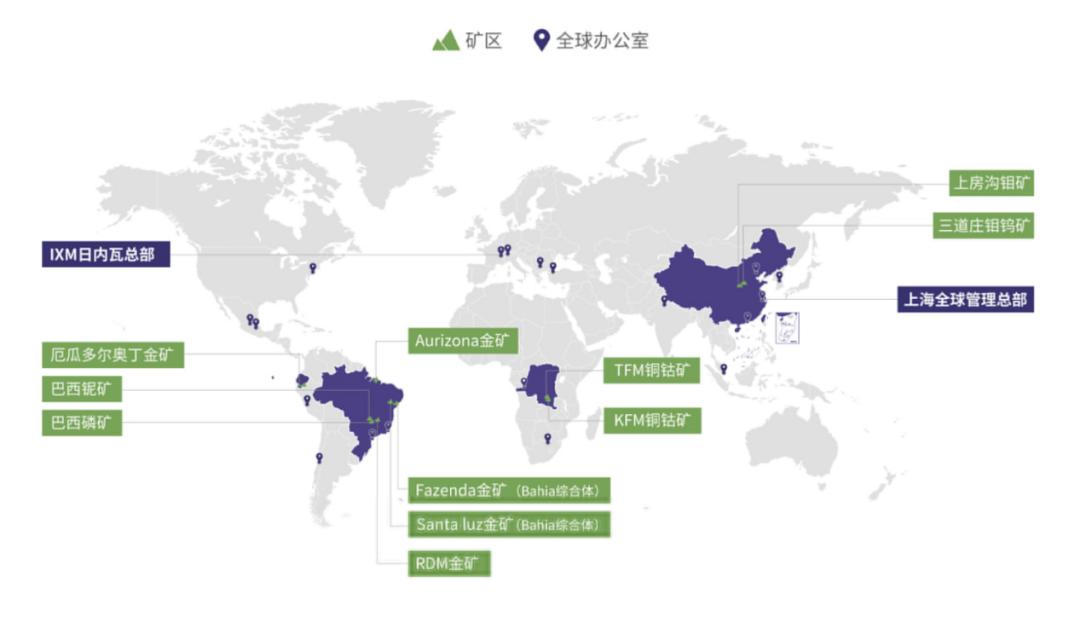
CMOC's global layout
So far, CMOC's asset territory has not only expanded to four continents: Asia, Africa, South America and Oceania, but also completed the "mine + trade" model, which allows CMOC's mineral products to directly reach end customers, and at the same time uses its industry data to insight into market trends.
When CMOC acquired the copper-cobalt mine in the Democratic Republic of the Congo in 2016, it had already predicted the upcoming outbreak of the new energy industry.
In addition to deploying the mineral resources required by the new energy track, CMOC, relying on the background of Hongshang as the original shareholder of CATL, has frequently joined hands with CATL at the level of industrial chain collaboration.
In 2023, Sichuan Times, a wholly-owned subsidiary of CATL, became the second largest shareholder of CMOC through equity swap.
Behind this equity transaction is actually the strategic synergy of "resources + manufacturing".
The effect is very obvious.
In 2024, the sales volume of cobalt and nickel products supplied by CMOC to CATL was about 800 million US dollars. This cooperation model of "upstream resources + downstream manufacturing" not only guarantees the sales of CMOC's products, but also provides CATL with a stable raw material supply.
In this year, the output of copper and cobalt of CMOC increased by 55% and 106% year-on-year respectively, which became an important driving force for the company's performance growth, and also confirmed the correctness of industrial chain collaboration.
03
Technology Breakthrough
The revival of CMOC has brought Luanchuan's molybdenum industry into a positive cycle of orderly development of mineral resources, expanding scale and continuous technological improvement, completely breaking away from the strange circle of "being a beggar while lying on a gold mine".
Luanchuan has always been a well-known economically poor county in Henan Province. Although it has a history of molybdenum ore mining for many years, it was not until after 2004 that Luanchuan's economy took off with the skyrocketing molybdenum price.
In 2004, the price of molybdenum ore rose sharply, and the ranking of Luanchuan's main economic indicators in Henan rose by 71 positions miraculously, instantly making it a