Li Shufu "lets go" of Geely, who will be the next?
After nearly 30 years of chasing his "automobile manufacturing dream", Li Shufu is finally about to "let go".
In mid-August, Geely Auto announced that Li Shufu has stepped down as the chairman and executive director of the company, and An Conghui will take over the positions.
Meanwhile, Li Donghui has resigned as vice chairman of the board of Geely Auto and will continue to serve as an executive director of the company; Gui Shenyue has been appointed vice chairman of the board while remaining an executive director; Gan Jiayue has been promoted to chief executive officer of the company.
This handover means that Geely Auto has officially entered the era of professional managers.
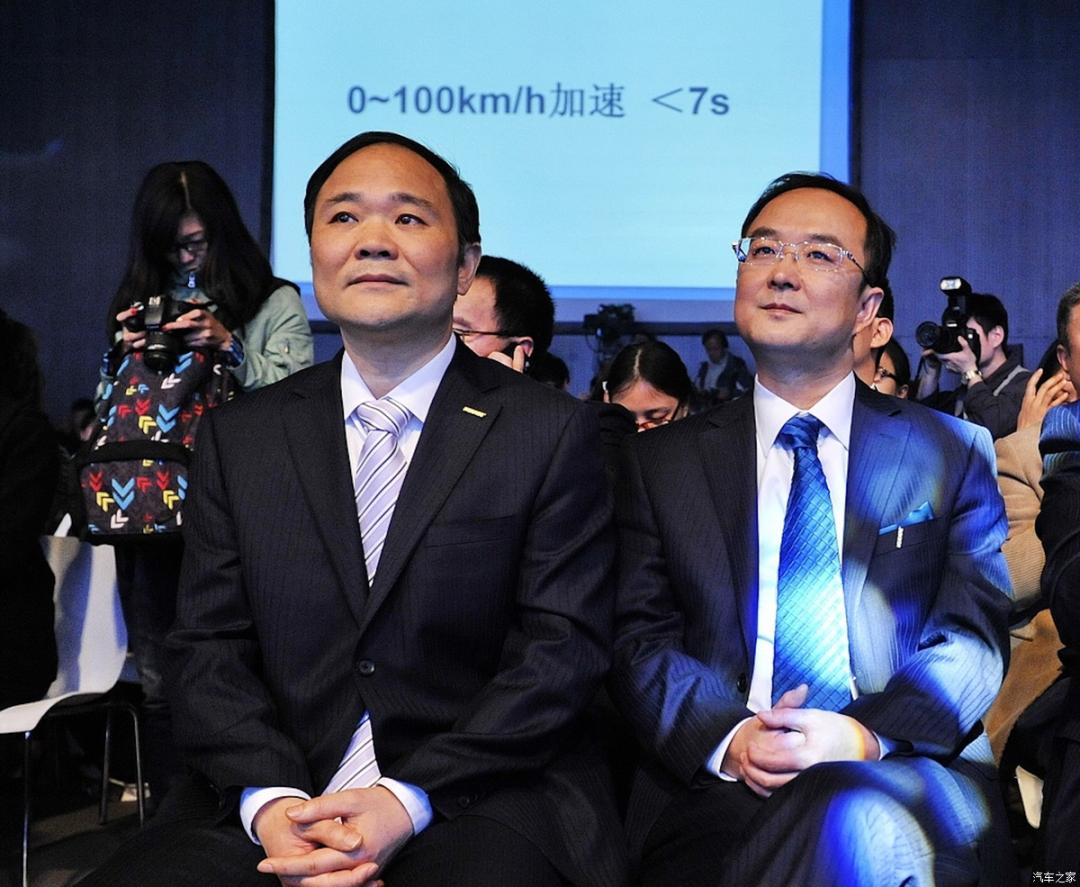
At Geely Auto's 2026 mid-term results press conference, Li Shufu said that completing this important personnel change is to "better leverage the capabilities of professional talents and build a more professional team".
What does Li Shufu's resignation mean for Geely Auto? Can he really retire and live a leisurely life? Who will be the next to hand over the baton in the automotive industry?
#01
Strategic Layout Spanning Over 30 Years
Today's resignation is the result of Li Shufu's continuous layout over the past 30-plus years.
In 1996, at Hubei University of Economics and Management, a young man who kept running laps around the playground caught the attention of Li Shufu, who was wandering around the campus. That young man was An Conghui.
After An Conghui joined Geely, he grew rapidly and became one of the core members of the initial team of Geely's automobile manufacturing project. For the company to develop soundly in the long term, relying only on scattered high-quality talents like An Conghui is far from enough.
In 1997, Geely founded Zhejiang Vocational College of Automotive Technology to start cultivating talents on a large scale. Later, it established institutions including Geely University, Sanya University, Xiangtan Institute of Technology, and Nanning University of Digital Technology. To support the development of these schools, Geely also set up the Geely Talent Development Group.
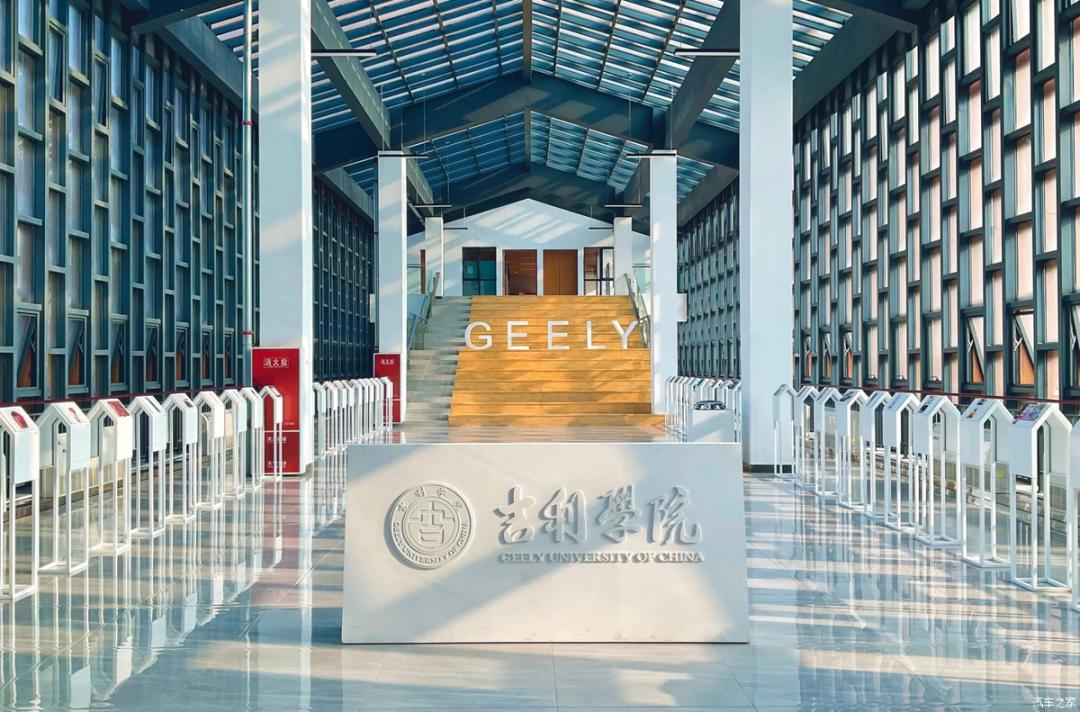
Up to now, Geely has cultivated nearly 300,000 graduates in total, including Lin Jie, Senior Vice President of Geely Auto, Wang Bo, Vice President of Geely Auto, and Fan Junyi, Executive Deputy General Manager of Geely Auto Sales Corporation.
While cultivating talents, Li Shufu also set up rules. As early as 2002, he asked family members to withdraw from the management, then put the company under the supervision of the capital market in 2003, and voluntarily stepped down as director of the group's management committee in 2005.
A strong successor, mass-produced talents and a stable talent cultivation mechanism may be the reasons why Li Shufu can hand over the baton with peace of mind.
In Li Shufu's eyes, the automotive industry is a marathon with no end, and corporate inheritance and value orientation determine the sustainable development capability of an enterprise.
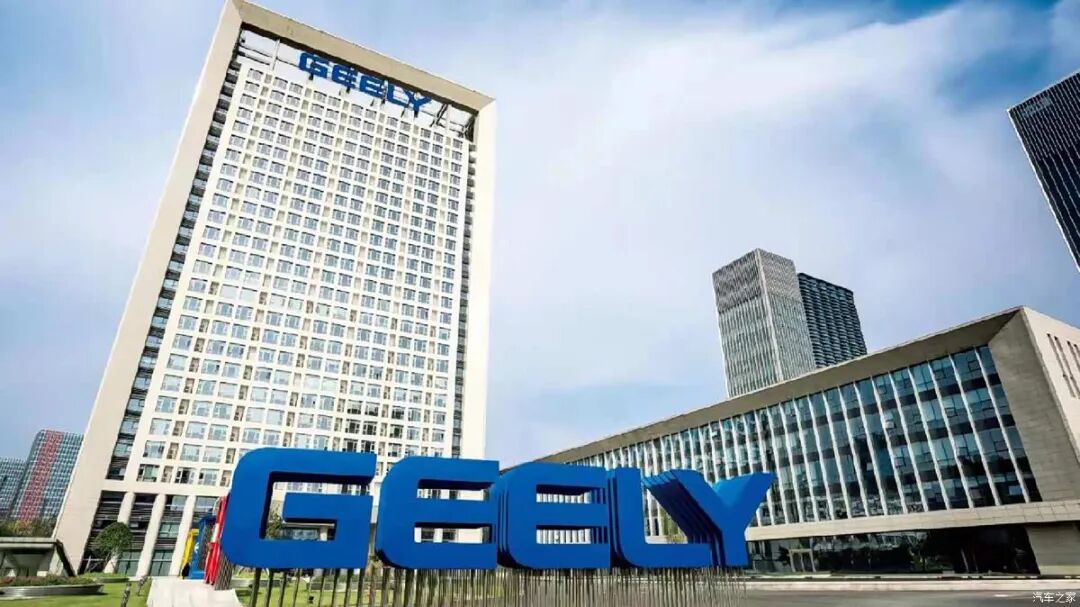
Gui Shenyue said at the results press conference that this personnel change reflects Li Shufu's values on corporate inheritance, and is Geely's declaration of "de-familization".
He believes that Geely Auto has completed the transition from the founder-driven "entrepreneurial period" and "development period" to a mature stage driven by systems and teams. In the future, the governance of Geely Auto will be more transparent, decision-making more professional, and management more scientific.
Does that mean Li Shufu is really going to retire and live a leisurely life? Not necessarily.
#02
Power Still in His Hands
Resigning as the chairman of Geely Auto is undoubtedly an important chapter in Li Shufu's "power decentralization drama", but it is far from the final chapter.
At present, Li Shufu still serves as the chairman of Geely Holding Group.
Geely Holding holds 36.62% of the shares of Geely Auto, and Li Shufu himself holds 2.04% of the equity. Therefore, he still has absolute say in the company.
Geely Holding's business territory is also very huge, and Li Shufu probably still has a lot of work to handle.
Up to now, the subsidiaries of Geely Holding Group have covered multiple sectors including complete vehicles, mobility, technology and finance. Geely Auto's business only includes four passenger vehicle brands: Geely Auto, Geely Galaxy, Lynk & Co, Zeekr, as well as Radar pickup trucks and some upstream and downstream supporting businesses.
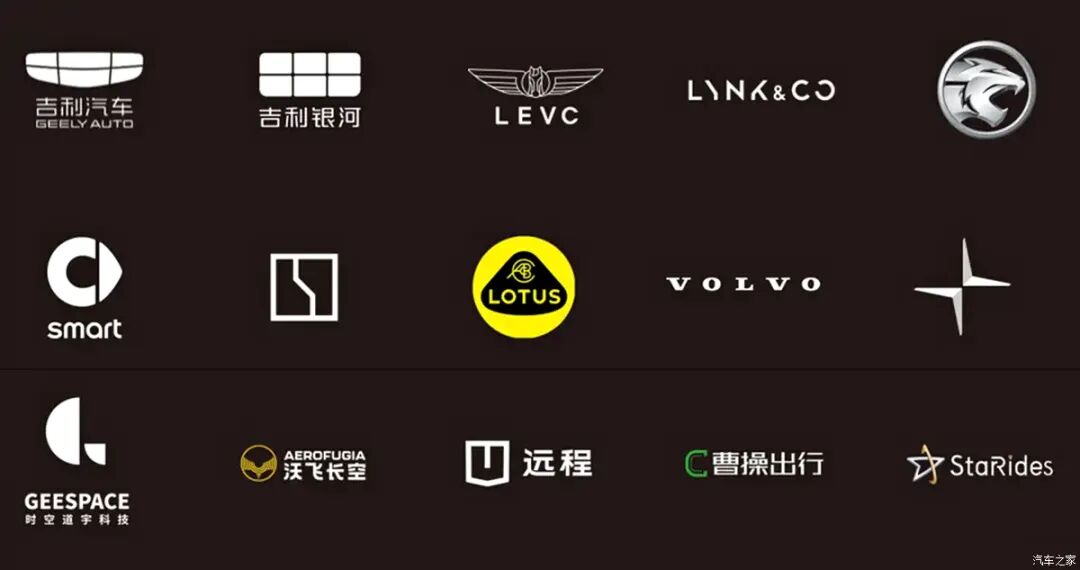
In the complete vehicle manufacturing sector where Geely Auto is located, Geely Holding has a wide range of layouts, such as 100% owning Volvo Cars and Farizon New Energy Commercial Vehicle Group, holding most of the shares of Polestar and British sports car brand Lotus, and nearly half of the shares of Malaysia's "national-level automotive brand" Proton.
In addition, Geely Holding is the second largest shareholder of Mercedes-Benz, jointly operating the smart brand in a joint venture with it, and also the third largest shareholder of ultra-luxury brand Aston Martin.
There is another subsidiary of Geely Holding that deserves close attention, which is Geely Technology Group. Its business covers cutting-edge technology tracks such as mobility services, on-board chips, low-orbit satellites, and low-altitude mobility, supporting the intelligent transformation of Geely Holding. Qiangjiang Motorcycle, Geespace, and Volocopter Aerospace are all under its management.
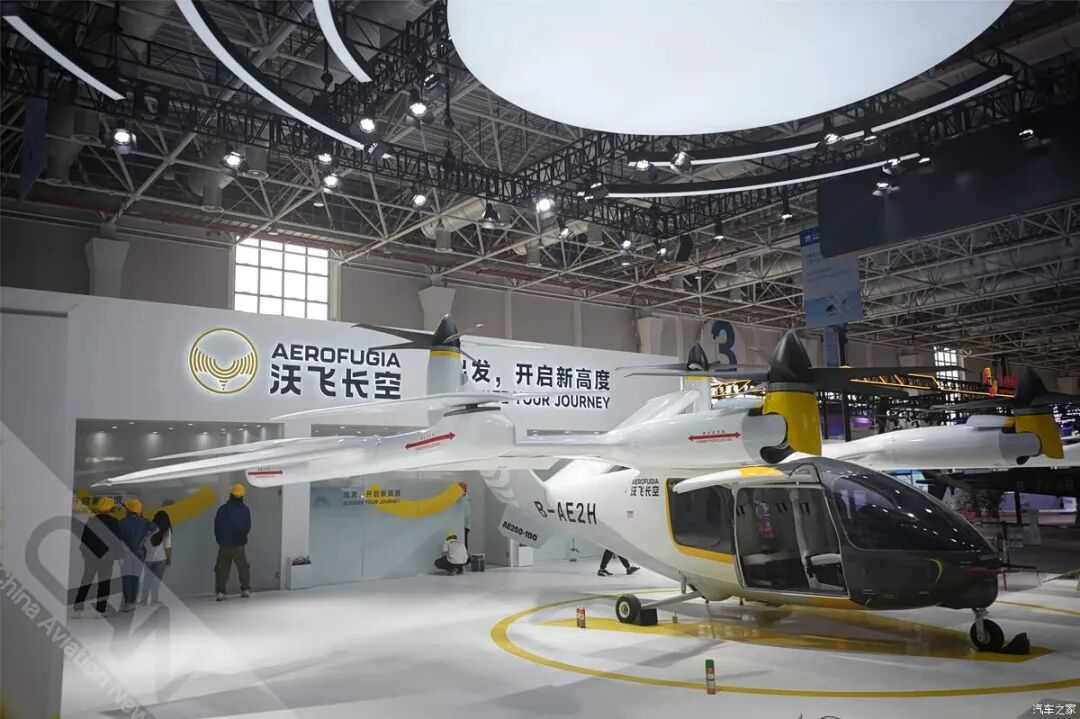
Don't forget the Geely Talent Development Group mentioned above, etc.
Of course, having a say does not mean that Li Shufu will "interfere" a lot. As early as 2013, he publicly stated that he was no longer "engaged in specific affairs".
However, with so many businesses in hand, Li Shufu still needs time to smoothly hand over all the businesses.
#03
Who Is the Next
Among Chinese automakers, Geely is far from the only one facing the problem of leadership transition.
Nearly 50 years have passed since the reform and opening up. Most large-scale Chinese private manufacturing enterprises have faced or are about to face the succession problem of the "first generation of founders".
How to complete the transformation from founder-driven to system-driven? How to maintain the strategic determination and execution of the enterprise after the founder steps back? This is a problem of the era.
Now, Geely has given its own answer.
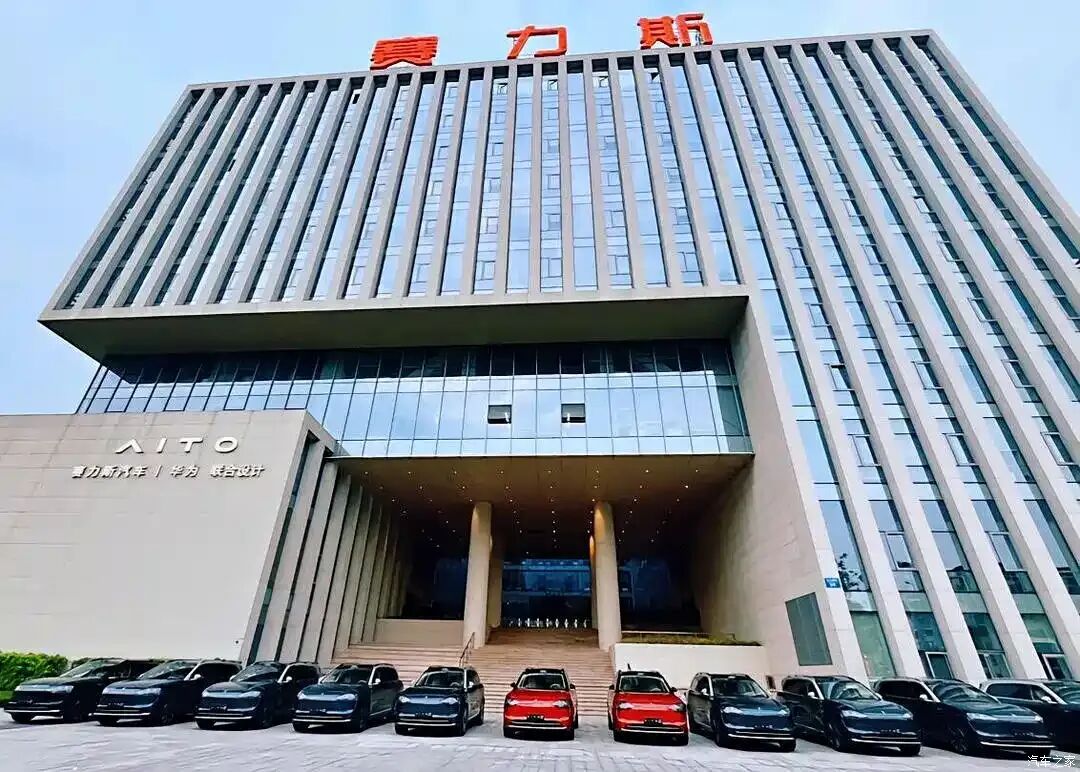
Prior to Geely, Zhang Xinghai, founder of Seres Group, announced the handover earlier, but he took a different path from Geely. In June this year, Zhang Zhengping, son of Zhang Xinghai, took over as the "Chairman of Seres Auto". At the Seres Group level, Zhang Xinghai still takes the helm, while the position of group president is handed over to professional manager Yin Xianzhi.
In the next few years, it is estimated that Great Wall Motors, BYD and other companies will also reach the time for handover. Now, Wei Jianjun, Chairman of Great Wall Motors, is 62 years old, and Wang Chuanfu, Chairman of BYD, is 60 years old.
Great Wall Motors has been cultivating successors. Wei Zihan, daughter of Wei Jianjun, took the helm of "Aihecheng Education Technology Group" under Great Wall Holdings in 2019, and started job rotation inside Great Wall Motors the following year. In June 2022, Great Wall Motors announced that Wei Zihan was appointed as the assistant to the chairman of the company, a position established for the first time by Great Wall Motors.
As for BYD, it has not yet disclosed a clear official successor cultivation path to the public.
Compared with Great Wall Motors and BYD, Chery may be more anxious. Although Chery Automobile is a local state-owned enterprise, 64-year-old Yin Tongyue has been at the helm of the company since its founding, and has not shown any signal of successor cultivation.
#04
Conclusion
Although he has withdrawn from the board of the core company, Li Shufu still firmly holds the say of the "Geely Empire". In the next few years, it is expected that he will continue to promote his corporate inheritance philosophy in the process of continuous decentralization and correction.
At the same time, the "succession" plans of a number of well-known private enterprises in the automotive industry will also surface. Some will hand over the business to professional managers, while others will let their children inherit.
No matter which mode is chosen, corresponding risks need to be taken: children inheriting the business will greatly test personal ability and family relations; handing over the baton to professional managers needs to prevent them from excessively pursuing short-term performance and personal interests.
Do you prefer enterprises led by professional managers or those led by the founder's children?
This article is from the WeChat Official Account "Auto Market Story" (ID: autostinger), written by Zhang Yuzhe, and authorized for release by 36Kr.