The most brutal September in history is coming: Apple, Huawei and Xiaomi are going head-to-head, and mobile phone prices are soaring.
If you are planning to replace your phone recently, it really might be worth waiting for just one more month.
In the past few years, September has long been Apple's season. After the new iPhone is released, Qualcomm and MediaTek's new-generation flagship platforms take over the baton, and large-scale flagship updates for domestic Chinese phone brands usually get delayed until October or even November.
But this year's schedule is completely different.
According to the confirmed information and continuously exposed leaks, Apple, Huawei, Xiaomi, vivo, OPPO and Honor have almost all scheduled their flagship product launches in September. The top six manufacturers alone are likely to complete a new round of flagship product upgrades in less than a month.
Moreover, this September is not just about "faster performance and better camera quality".
Foldable phones will become the core of the flagship competition for the first time — Apple will launch its first foldable iPhone, Xiaomi is set to release its first wide-fold device, and Huawei may completely redesign the folding mechanism of its third-generation tri-fold phone.
At the same time, AI is evolving from a single feature section in launch events to the very foundation of new-generation mobile operating systems.
Of course, there is another keyword that may not sound so pleasant:
Price hikes.
Foldable phones are likely the real protagonist of this September
The most clearly confirmed product at the moment comes from Xiaomi.
On August 24, Xiaomi confirmed that the brand new Xiaomi 18 Fold will hit the market in September, and it will debut the Surge O3 chip at the same time. This is also a fairly thorough fresh start for Xiaomi's foldable product line after a period of silence.
What is more noteworthy is its form factor. This time, Xiaomi did not continue the relatively slender traditional large-fold design of the previous MIX Fold series, but chose the "wide-fold" form that suddenly became popular this year.
Related Reading 👉 Real-world test of Xiaomi AI phone: Outperforms iPhone in performance, with extremely fast on-device AI speed
In fact, when the Surge OS 4 was released, Xiaomi accidentally included this device in its official materials: when unfolded, it is noticeably wider than traditional large-fold phones, with an overall ratio closer to a small tablet used in landscape mode. In August this year, a suspected red wide-fold prototype was spotted in Lei Jun's hands.

So this phone is basically only one step away from its official launch.
It is also one of the most important new phones Xiaomi will release this year.
Apart from the new folding form factor, the Xiaomi 18 Fold is also the first mass-produced terminal equipped with the Surge O3. Reuters revealed that the Surge O3 is manufactured using TSMC's 3nm process, and Xiaomi is estimated to have prepared 200,000 to 300,000 units of this foldable flagship for shipment.
What is more interesting is the operating system.
The newly released Surge OS 4 is getting closer and closer to a true operating system completely reconstructed around AI.
Related Reading👉 First Look | Surge OS 4 Experience: Xiaomi's first AIOS, how does it perform in actual use?
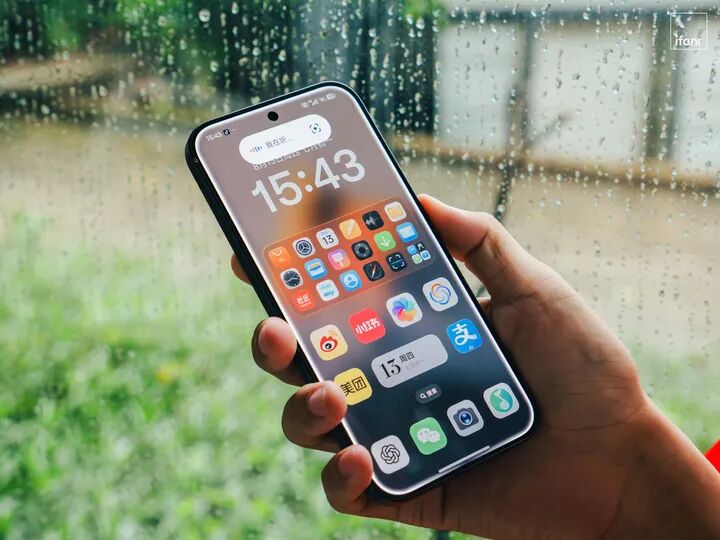
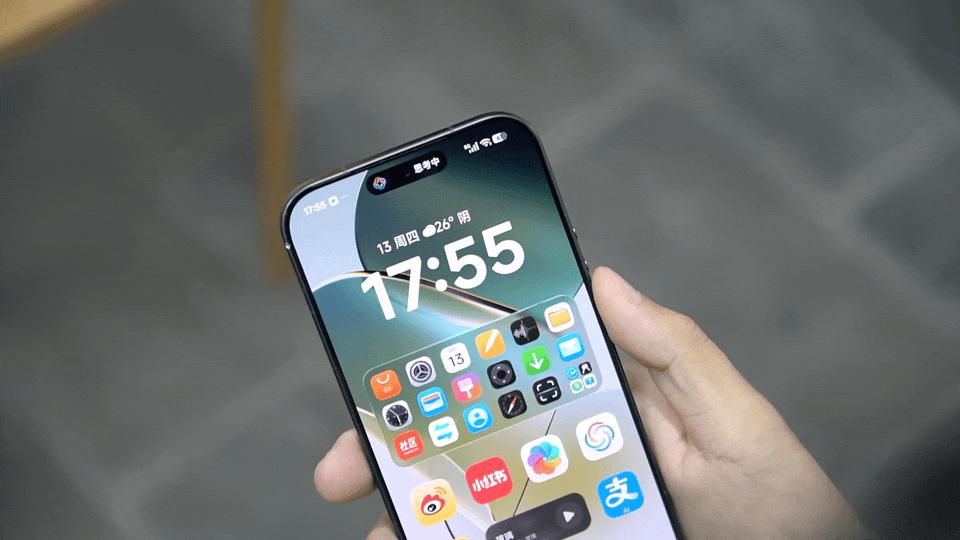
Based on the Xiaomi MiMo large model, Super Xiaoai 2.0 can directly execute system tasks, plan itineraries across apps, operate smart home devices, sort out photo albums, generate PPTs and web pages, and set repeated tasks to run automatically. The new "Inspiration Ball" feature directly reads the content displayed on the current screen, allowing users to tap an address to start navigation, tap a product to find identical items, and tap a photo to edit it.

Features including app control, personal memory and cross-device context awareness have all been built into the system layer.
This is why the Xiaomi 18 Fold deserves separate attention.
It will actually put the three most important assets Xiaomi currently owns into one device for the first time:
Self-developed SoC, AI operating system, and new hardware form factor.
The other two flagships in the Xiaomi 18 series are also very likely to be released at the same time.
According to the latest exposed device code, the Xiaomi 18 Pro and Xiaomi 18 Pro Max are expected to launch in September, but the standard Xiaomi 18 may be postponed to the end of this year or even early 2027.
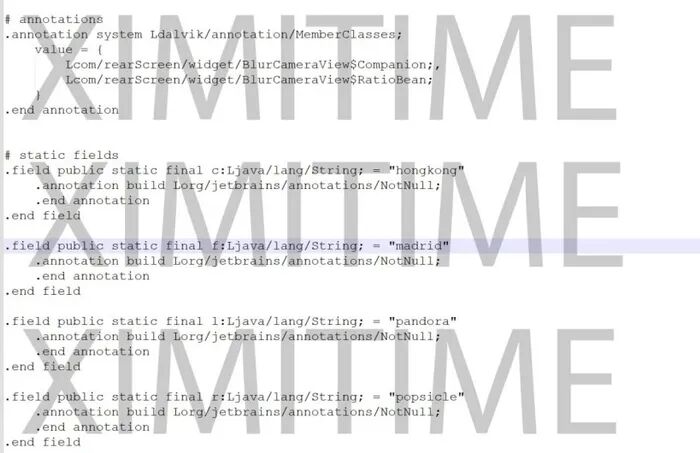
The Pro series is expected to keep the back screen design, and the top-tier model will continue to improve its imaging system with a 200MP large-base main camera and a 200MP periscope telephoto lens.
As for the real competitor Xiaomi needs to face, it will likely show up just a few days before or after its launch event.
Apple's first foldable iPhone is also coming.
According to Mark Gurman from Bloomberg, Apple's first foldable phone is still on track to launch in September, unveiled alongside the iPhone 18 Pro and iPhone 18 Pro Max.
This device is referred to by a large number of Apple employees internally as the iPhone Ultra.
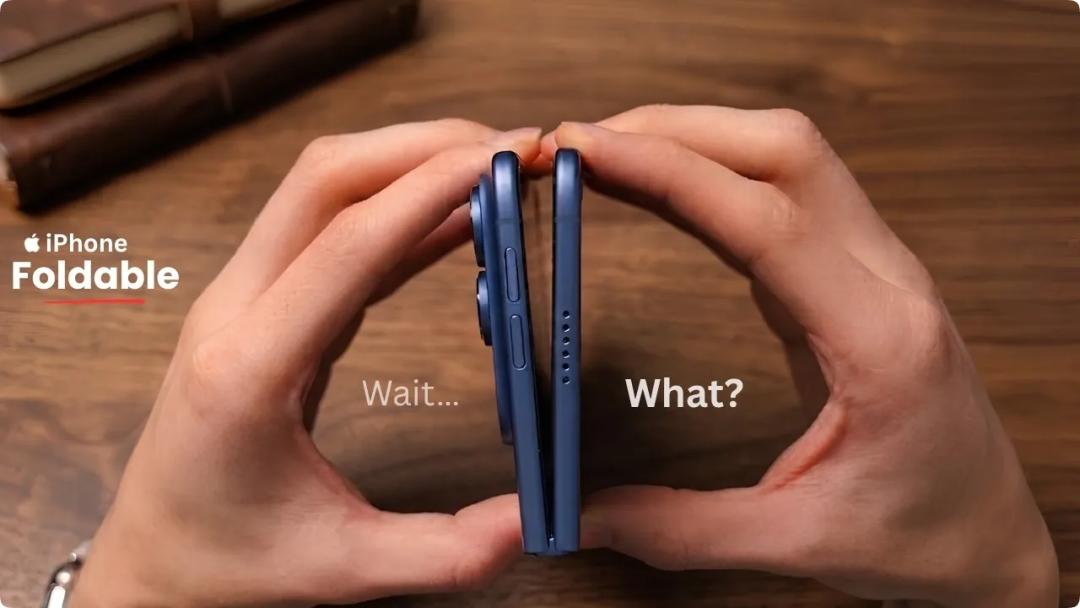
It is also a "wide-fold" device.
Current information points to an approximately 5.5-inch external screen and a 7.8-inch internal screen. When unfolded, it has a noticeably wide aspect ratio, closer to a small-sized iPad. Apple has also specially redesigned part of the iOS app layouts to give apps a more tablet-like interface when the device is unfolded.
The thickness of this phone after unfolding is reportedly only around 4.5mm. To save internal space, Apple did not even use Face ID, but moved Touch ID back to the side power button.
The camera system may be its biggest compromise: current leaks say it only has a dual-camera setup with a 48MP main camera and an ultra-wide-angle lens, no periscope telephoto.
Related Reading👉 The most complete collection of leaks about the foldable iPhone: All users who tried it praise it, but it has two major flaws
But there is no compromise on the price.
Multiple sources including Bloomberg now believe its starting price will exceed 2000 US dollars, and the high-capacity version may even be close to 2500 US dollars.
If all this information turns out to be true, a very interesting scene may appear this September:
Apple is making a foldable phone for the first time, Xiaomi is making a wide-fold phone for the first time, but the two companies have almost chosen the exact same path.
At the same time, Huawei is preparing to subvert the tri-fold design.
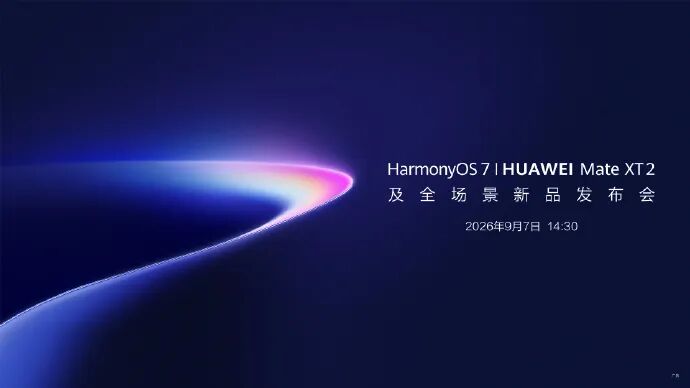
Judging from Huawei's official pre-heating poster, the new-generation tri-fold device is named Mate XT2, and it is expected to be released on September 4. This will be Huawei's third tri-fold device after the Mate XT and Mate XTs.
This time, even the folding mechanism of the tri-fold phone has changed completely.
The previous Mate XT and Mate XTs used a Z-shaped mixed inner and outer folding design, where part of the flexible screen was still exposed when the phone was closed.
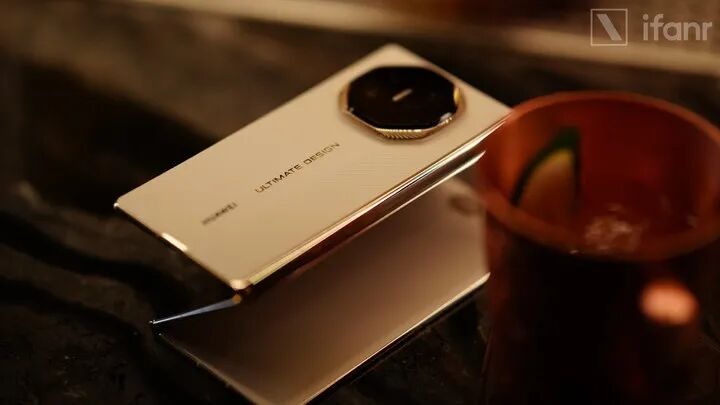
A related patent exposed this year shows a completely different structure:
The two side screens fold inward in sequence, eventually forming a fully inward-folded structure similar to a "U" shape, with an additional independent external screen. The biggest benefit of this design is that the main flexible screen can be completely hidden inside the device body when the phone is closed.
Related Reading👉 Uniqueness and Immaturity, the two sides of tri-fold phones | Huawei Mate XTs Review
Its design idea is closer to the Samsung Galaxy Z TriFold, but the specific folding order of the two screens is not exactly the same, and we are also looking forward to the performance of Huawei HarmonyOS 7 on the tri-fold device.
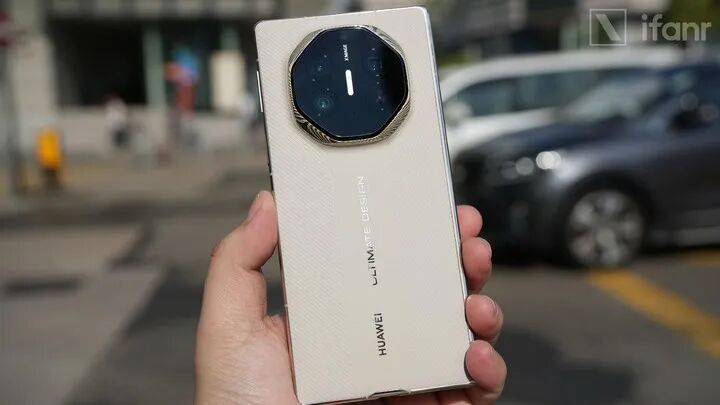
This also means that in the early days of September alone, three very representative new foldable products may appear in the mobile phone industry at the same time: Apple's wide-fold, Xiaomi's wide-fold, and Huawei's new tri-fold.
This is probably the month with the densest changes in product forms since foldable phones entered the market seven years ago.
Six brands compete in the flagship market, AI and price hikes are the other two keywords
Apart from foldable phones, the number of traditional bar-shaped flagship phones has not decreased but increased instead.
Apple's product line this year has first undergone an obvious change.
According to current information, the main products to be released in September are the iPhone 18 Pro, iPhone 18 Pro Max and the foldable iPhone Ultra, while the standard iPhone 18 and the new Air series may be adjusted to launch in the spring of 2027.
In other words, Apple has for the first time almost completely reserved its autumn launch event for high-end products.
The pace of domestic Chinese brands is also accelerating.
vivo has started pre-heating for the X500 series. What is relatively clear at the moment are the X500 Pro and the newly added X500 Pro Max, which marks the first time that vivo has significantly strengthened the "Max" tier in its X series.
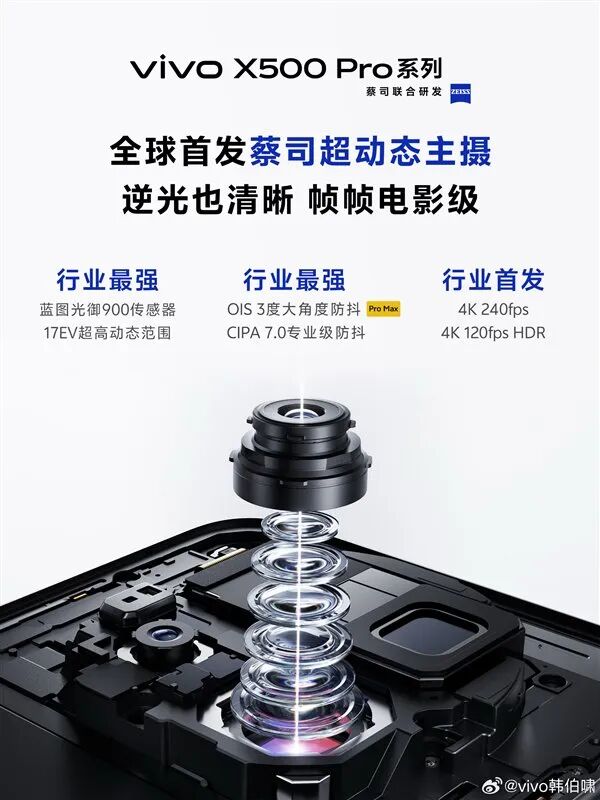
Existing leaks show that the X500 Pro Max may be equipped with a 6.85-inch 2K LTPO screen, Dimensity 9600 chip, and an imaging system composed of a 50MP LOFIC large-base main camera and a 200MP periscope telephoto lens.
vivo has already teased the new phone's 4K 240fps video recording, LOFIC sensor, higher dynamic range capability and stronger anti-shake performance, which it calls "Thanos 500".
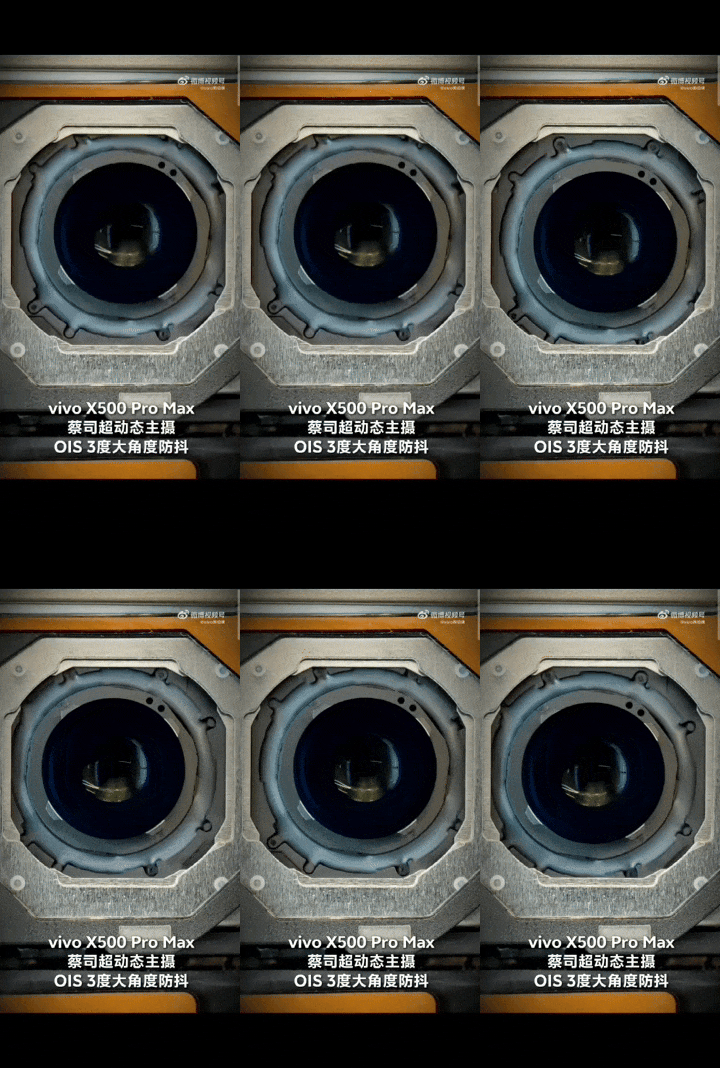
This is very similar to the product strategy that the Pura series and other domestic flagship phones are adopting this year:
Flagship series no longer only have the "Standard + Pro" configuration, but continue to split into higher tiers including Max, Pro Max and Ultra — a more segmented product line also means covering more price ranges and product forms.
Honor, which stole the show with its Robot Phone in August, will also join the competition.
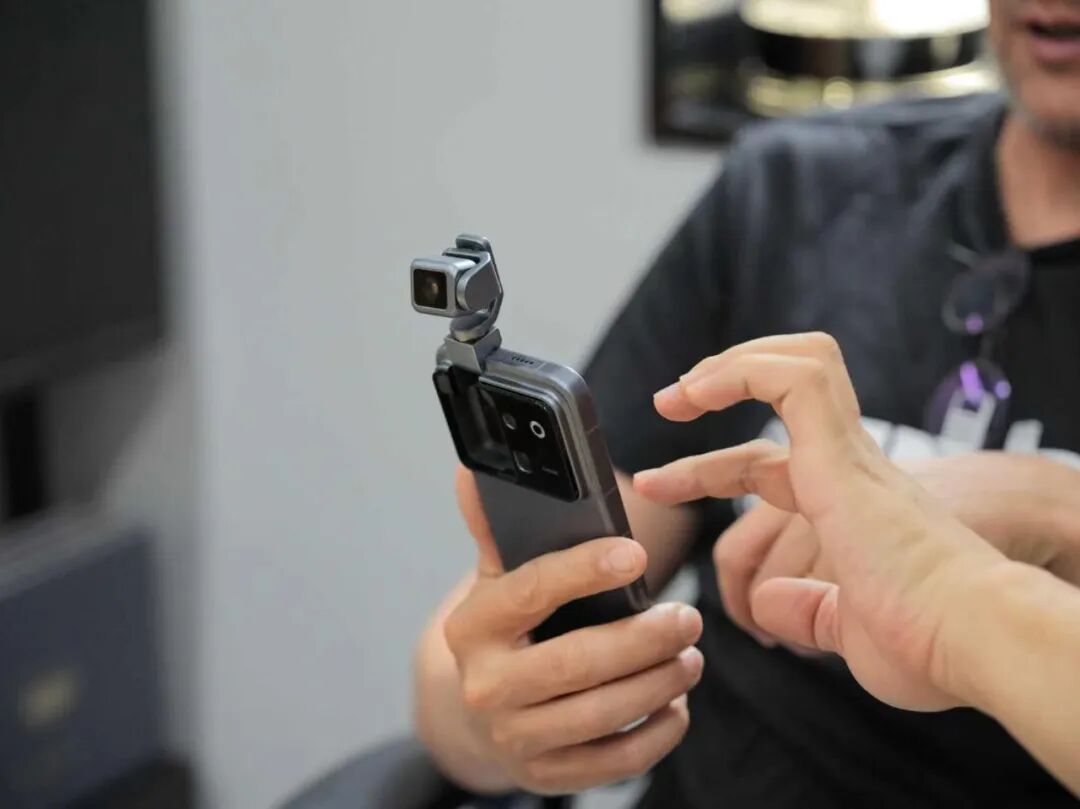
The Magic9 series has been confirmed by Honor's official to be released in September, and multiple leak sources point to the release date as September 28.
This phone is likely to be one of the first products equipped with the next-generation 2nm Snapdragon flagship platform, and it also has a 200MP main camera, a 200MP periscope telephoto lens, and the AiMAGE Arri imaging system that Honor has been emphasizing this year.
AI will also continue to be the core highlight of