Pitchfork "0-point Warning": Is the "authorship" of music being overwhelmed by AI?
How bad can an "album that scores 0" possibly be?
Recently, American rapper Tyga's new album $TARFACE was rated 0.0 by Pitchfork. This is the lowest score the music media known for its strict rating standards has given since the 2007 compilation This Is Next.
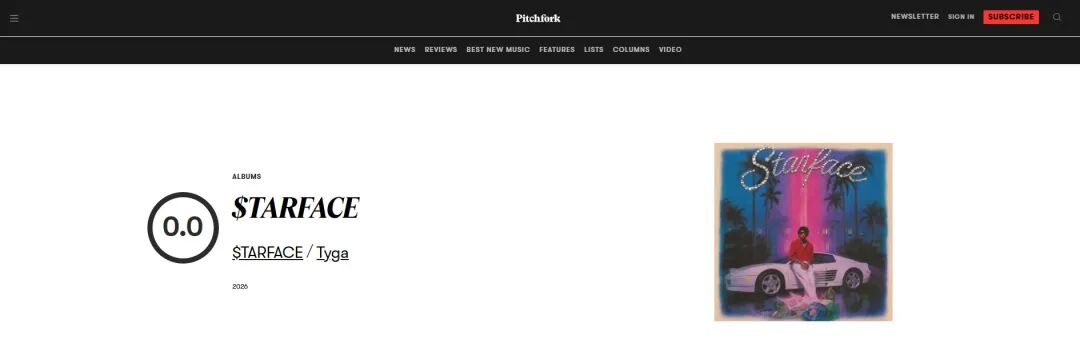
Although Pitchfork was never exactly "friendly" to Tyga in the past, this rating still surprised a large number of fans. Behind the "zero score", what really sparked controversy is another label of this album — AI.
Few days before the album received this extreme bad review, Tyga publicly admitted that AI was used in the creation of $TARFACE, arguing that it was nothing more than an update to music production tools.
At present, AI can quickly generate and imitate music of various styles. What exactly is the irreplaceable value of musicians? And how should people's value in creation be reflected?
01
Why did Pitchfork give Tyga a zero score?
The 0.0 score Pitchfork gave to $TARFACE is not a criticism of AI music.
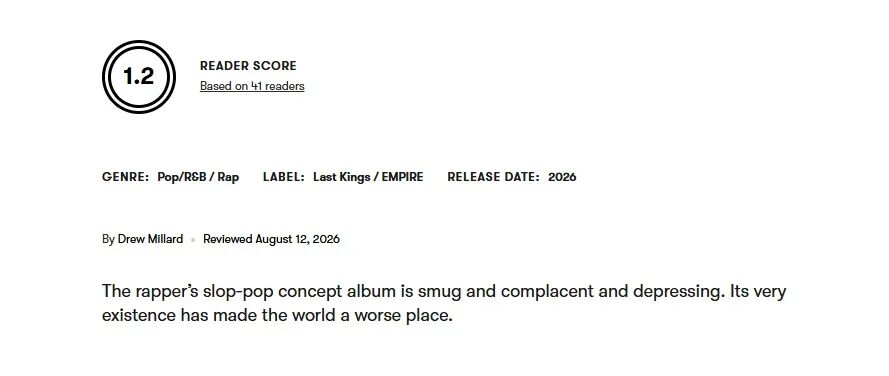
Although the entire review spent a considerable amount of space discussing AI, the specific criticisms all revolve around the album itself. The author even described it as "slop-pop", calling it a conceited, perfunctory and frustrating work, and bluntly stated that "its very existence makes the world a worse place".
The so-called "slop-pop" is a satire that although this album wears the shell of pop music, it presents the cheap and shoddy texture of "AI slop".
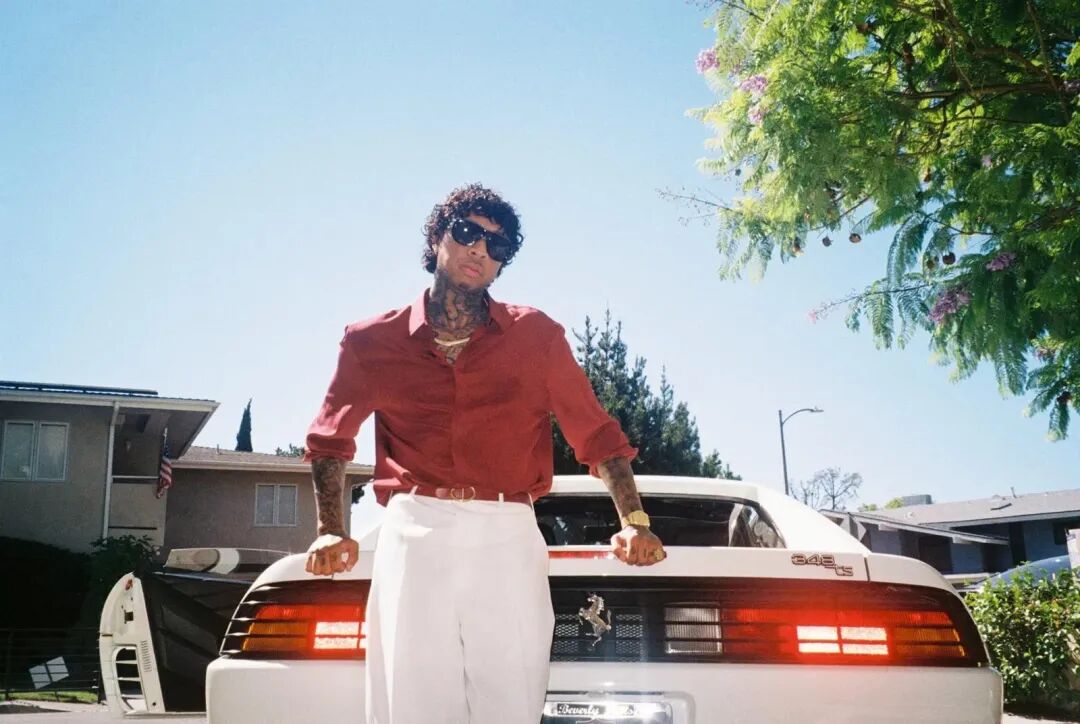
$TARFACE is not an album without ambition. To get rid of his past image as a rapper, Tyga conceived a complete concept: "What if I became the 'Scarface' played by Al Pacino, but instead of being a drug dealer, 'Scarface' was a pop star?" To this end, he created a brand new identity for himself called "$TARFACE", and fully turned to 1980s pop music.
He even drew inspiration from works such as Michael Jackson's Off the Wall and Prince's Purple Rain, and consciously incorporated musical elements such as synthesizers, retro drum beats, and guitar solos into this new musical context.
But the problem is that Tyga only imitated 1980s pop music without forming his own unique style. More importantly, he is suspected of using generative AI for creation or even direct generation, making the whole album sound strongly mechanical. In Pitchfork's words, it is entirely a product of "prompt engineering", empty and soulless.
Taking the track POWERED DREAMS in the album as an example, the author points out that whether it is the mid-tempo, slightly funky beeping sound in the instrumental part, or the deliberate British accent in Tyga's singing, it is extremely similar to Fenix Flexin's AI-generated single Rubberz. In the chorus, his singing does not even show any sign of human breathing.
Even for the tracks that are less obviously AI-generated, $TARFACE makes people feel as if they are in a movie by Harmony Korine — there is an uncomfortable feeling that "something is wrong". Not to mention the so-called "tribute" to classic musicians, which is completely superficial and cannot form an effective connection with fans.
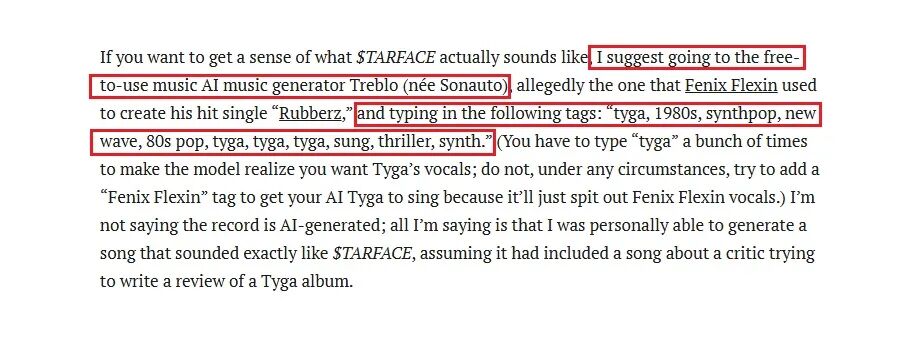
Pitchfork even mentioned that readers can use the AI music tool Treblo to generate similar music by entering relevant prompts. The author said he himself can generate a song that sounds exactly like any track on $TARFACE.
From this perspective, Pitchfork's criticism of $TARFACE can actually be summed up into a simple question: why does this album have to be made by Tyga? If we replace Tyga with another musician who is equally familiar with 1980s pop music and has similar production resources, the work can still hold up. Then the problem of this album is no longer just about quality.
It is worth noting that Tyga himself has been ambiguous about whether AI was used in the album. At first, he hinted that the album was 100% human-made, told *People* magazine, and cited very specific examples such as delay effects and harmonizers. But a week later, when asked about AI-related issues by *Vibe* magazine, he suddenly changed his mind and admitted it, comparing AI tools to Auto-Tune, saying that "there is nothing wrong with using technology as a tool", emphasizing that AI only participated in part of the production process of the album, and the lyrics and vocals were still completed by himself.
Interestingly, Tyga's response is very similar to that of Fenix Flexin. He also claimed that Rubberz was "completely natural" until he was exposed by netizens on Reels.
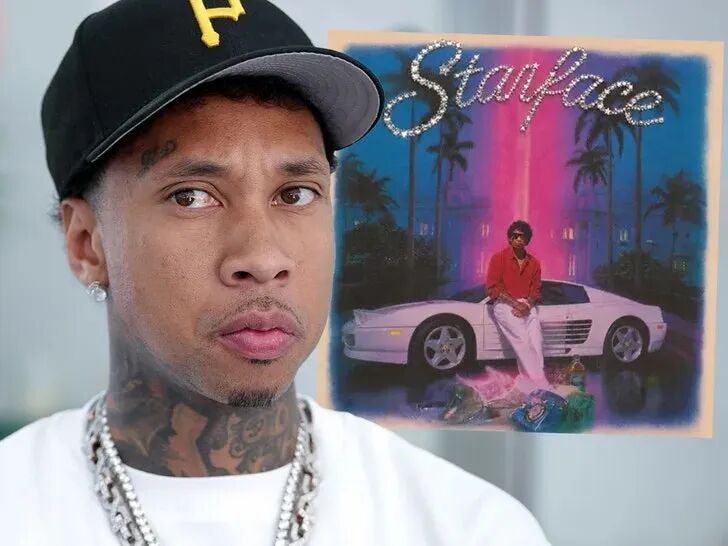
From this perspective, the problem of $TARFACE is actually more serious than simply "sounding bad". After all, as a mature musician with more than ten years of creative career, Tyga can make a "bad album", but when the value of the creator is questioned, what is damaged is the trust of fans.
02
AI cannot replace authorship
In the past few years, AI has gradually evolved from an experimental tool for musicians to a real part of the creative scene. More and more musicians with mature creative systems are beginning to try to introduce AI into songwriting, not just the production process.
YACHT is one of the earlier groups of experimenters. On their 2019 album Chain Tripping, the band fed 82 of their past works to a machine learning system for analysis, then used AI to generate new melodies and lyrics, and finally selected, modified and reorganized songs from these outputs. Although this album did not become a mainstream hit, it attracted the attention of professional media and was regarded as an important case in the field of AI music.
Holly Herndon further turned AI into a creative partner. On her 2019 album PROTO, she and her long-term collaborator Mat Dryhurst and others co-developed the AI system Spawn, and trained it through vocal performances to let it learn and generate new sounds. Spawn even directly participated in the creation of songs such as Godmother, becoming a real creator of this album.
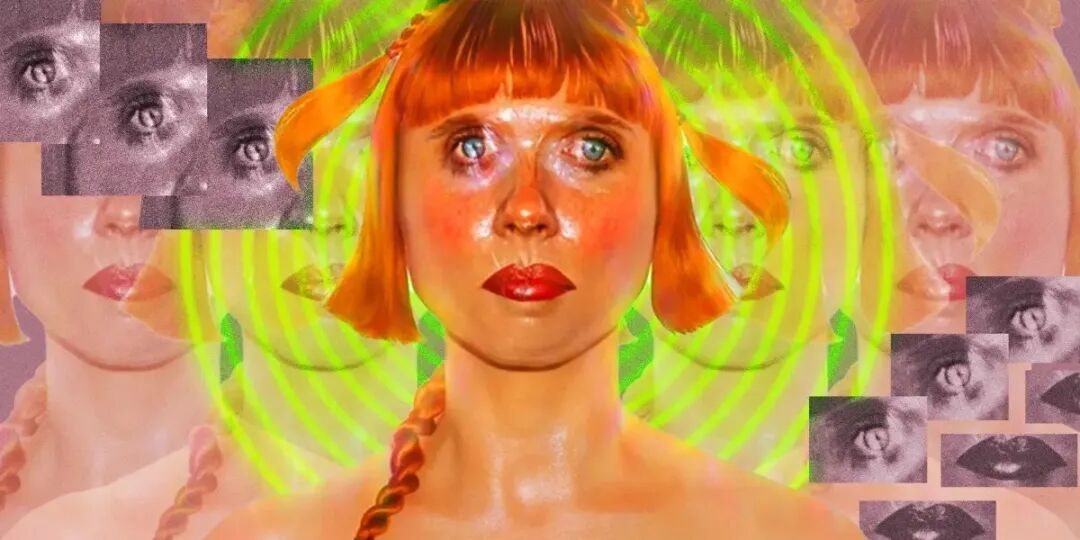
Imogen Heap developed the AI digital avatar Mogen, which is not only used for voice replication, but also brought into music projects for song production and vocal processing.
Although the three cases have different paths, the role of AI in them is not simply "one-click generation", but to assist musicians to create better music.
The reason why Tyga's case is special is not that he used AI, but that as a mainstream musician, he is suspected of directly using generative AI to generate songs, and thus directly hit the most valued thing of the mainstream music criticism system — authorship.
In the past, if a musician wanted to recreate 1980s pop music, they needed to study the sounds of that era, find appropriate production methods, and go through a lot of trial and error to gradually form their own unique expression. Today, you only need to input a direction, and generative AI can quickly provide a large number of styles, arrangements and timbre solutions that are close to the target style.
When making music of "a certain style" becomes easier and easier, simply "making a song" is no longer a manifestation of a musician's ability. What is truly scarce is how to create works that have both quality and aesthetic value.
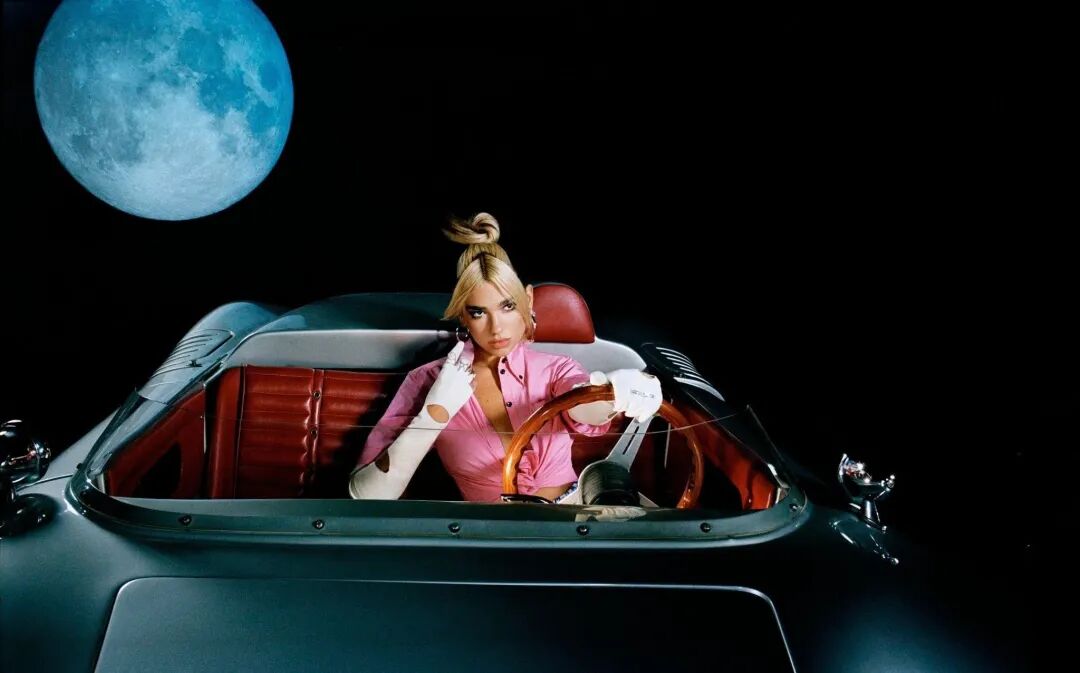
The Weeknd's After Hours and Dua Lipa's Future Nostalgia also draw heavily from 1970s and 80s disco and synth-pop, but they did not stop at imitation. The former integrates synthesizers and dance rhythms into his iconic gloomy R&B, while the latter repackages disco grooves into contemporary pop production. The same retro elements, reorganized by different creators, eventually form a distinct personal style.
And that is exactly what Tyga's $TARFACE lacks.
At the end of the day, whether to use AI or not is not the focus of the problem.
AI can help musicians create the style they want, but the final decision on how to make the album is in the hands of humans. A soulful album does not have to be perfect, it can be smart or clumsy, but it must have some irreplaceable personal traits that cannot be erased.
03
The paradox of generative AI
From the perspective of music history, Tyga's statement that "AI is just a tool" is not actually wrong.
Recording technology changed the way music spreads, drum machines changed rhythm production, synthesizers expanded the boundaries of musical instruments, sampling made sounds that already existed in the past new music materials, and Auto-Tune also reshaped vocals. Music has never been an industry that rejects new technologies, and the entry of new tools into the creative process itself will not make creators lose their value.
But the most fundamental difference between generative AI and past tools is that it begins to try to turn music creation, which was originally highly dependent on humans, into a process that can be described, disassembled and generated.
In the CHANEL Connects dialogue in June this year, Thomas Bangalter, the core musician of Daft Punk, also mentioned this point. In his view, AI creation is built on text prompts, which requires first converting what the creator wants into describable language, and then the model generates the results.
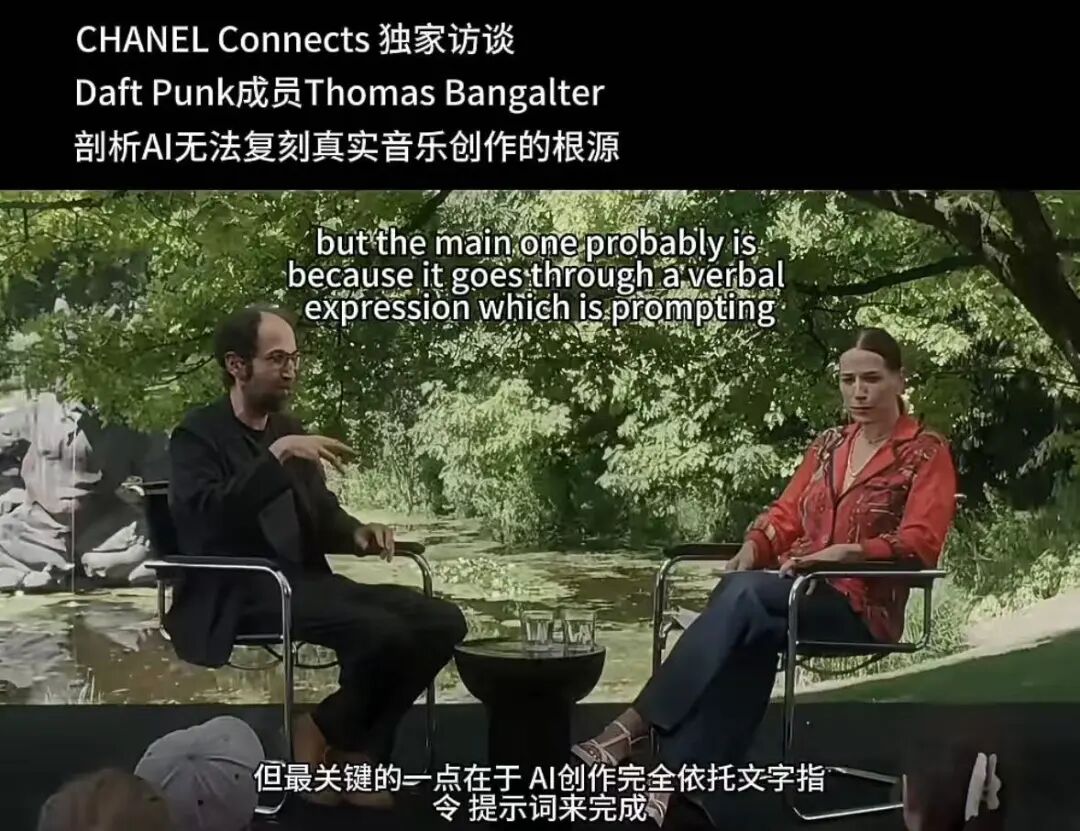
But real music creation does not always happen this way.
There is sometimes no accurate answer to why a musician writes a melody at a certain moment, why they think one note should be kept and another should be deleted. It may come from emotions, memories, experiences, or just a moment of intuition.
In Thomas Bangalter's words, the most precious part of the creative process is completely independent of rational thinking or verbal expression. Real creation is a process of inward exploration to understand one's own emotions. Creators may not even know exactly what they are looking for, but suddenly "it feels right" in the process of constant trial.
This is also the part of human music creation that is hardest to quantify.
From this perspective, the difference between AI and humans is not just about who is more creative, but that the way they enter the creation process is fundamentally different.
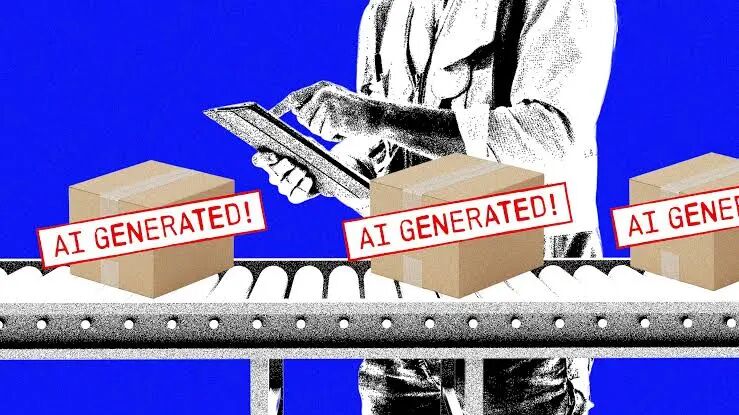
Music can of course be analyzed into rhythm, melody, harmony and structure, and even a large number of rules in it can be explained by mathematics. But being quantifiable does not mean that creation itself is equal to quantification. Just like a melody can be disassembled into specific notes, it is difficult to explain only through these notes why it happens to represent a certain emotion in someone's life.
This also explains why AI can become more and more adept at generating works that "sound like a certain type of music", but still cannot answer a more fundamental question: what exactly does the creator want to express? For musicians, the truly valuable part of AI is not necessarily to complete a whole song, but to enter the links that human creators are willing to let it intervene.
It can generate a melody that the creator did not think of, create unexpected sounds, help musicians break through their original creative habits, and handle technical work that used to take a lot of time to complete.
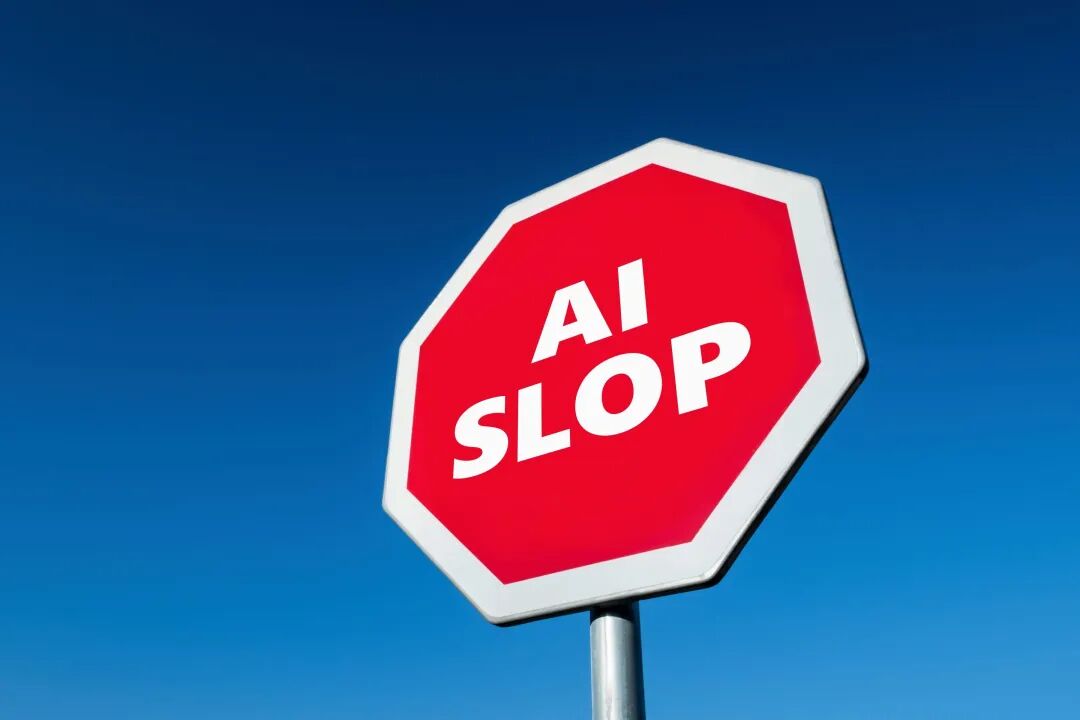
However, as Pitchfork said, at present, AI is more regarded as cheap labor by the pop music industry, which is