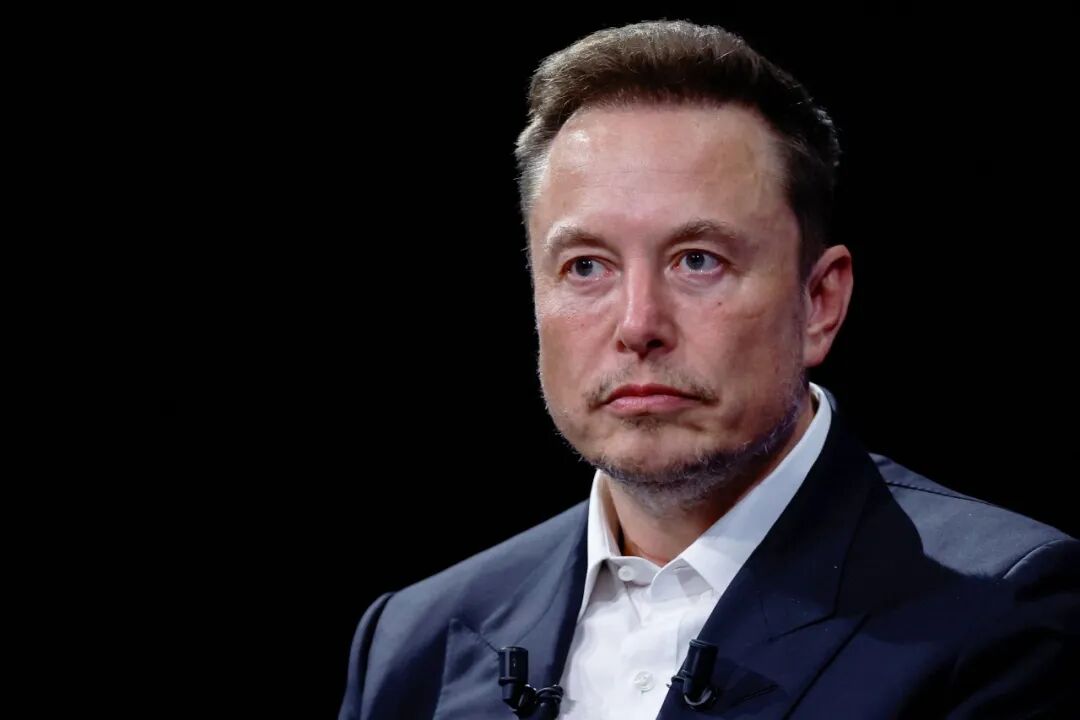
Elon Musk made a rare admission of weakness, speaking publicly for the first time after the sky-high acquisition of Cursor: Grok is lagging behind.
Our Grok has fallen behind, but I am never used to losing.
After SpaceX officially acquired the "code magic tool" Cursor at a staggering price of 60 billion US dollars, Elon Musk's opening remarks at the all-hands meeting still maintained his usual bluntness and sharpness.
According to The Information, earlier this month, this high-profile sky-high acquisition was officially finalized. Subsequently, Elon Musk, via video link, met more than 1,000 new employees gathered at Cursor's San Francisco headquarters and various office locations for the first time.
At this internal meeting, Elon Musk frankly analyzed the current competitive landscape.
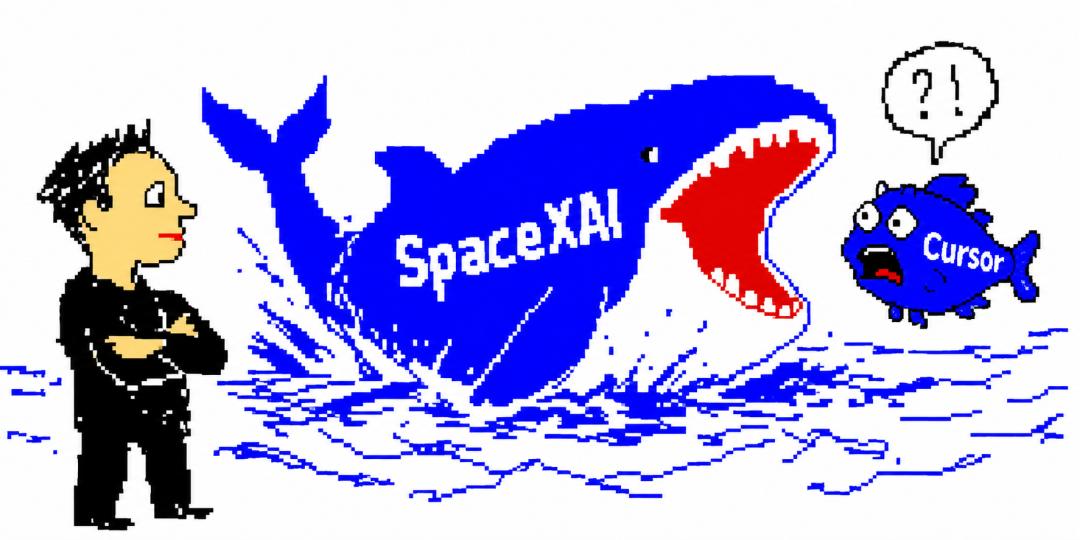
According to five people familiar with the matter, Musk said bluntly at the meeting that unlike Tesla or SpaceX's absolute dominant position in their respective industries, SpaceX's AI division (SpaceXAI) is currently not the market leader.
He not only admitted that his own Grok urgently needs to catch up, but also did not hesitate to praise his old rival.
Elon Musk said that Anthropic is leading the current AI race and is a very strong and capable competitor.
Of course, the "falling behind" mentioned by Elon Musk does not mean that Grok has lost its competitiveness. The recently released Grok-4.5 and Grok-4.6 from xAI have been continuously catching up with the industry leaders in reasoning capability, coding capability and complex task processing.
To some extent, Elon Musk's admission that Grok is lagging behind precisely reflects the anxiety of a leading player.
Faced with this situation, Elon Musk's strategy is as grand and straightforward as ever. He conveyed a core view to the employees: AI models will inevitably evolve to a level that humans cannot control.
For this reason, SpaceXAI must gather the top talents to take the lead in building this cutting-edge technology before all other companies.
To support this ambition, Elon Musk promised that SpaceX will continue to hoard the world's largest computing power resources in the AI race.
The Information original report link 🔗 https://www.theinformation.com/articles/cursor-officially-enters-musk-era?rc=qmzset
Soaring Revenue and the "Capital-Eating Monster" of Computing Power
Looking back at Cursor's growth history, its rise speed can be called a miracle in the coding industry.
In 2022, several alumni who met at the Massachusetts Institute of Technology (MIT) co-founded the company.
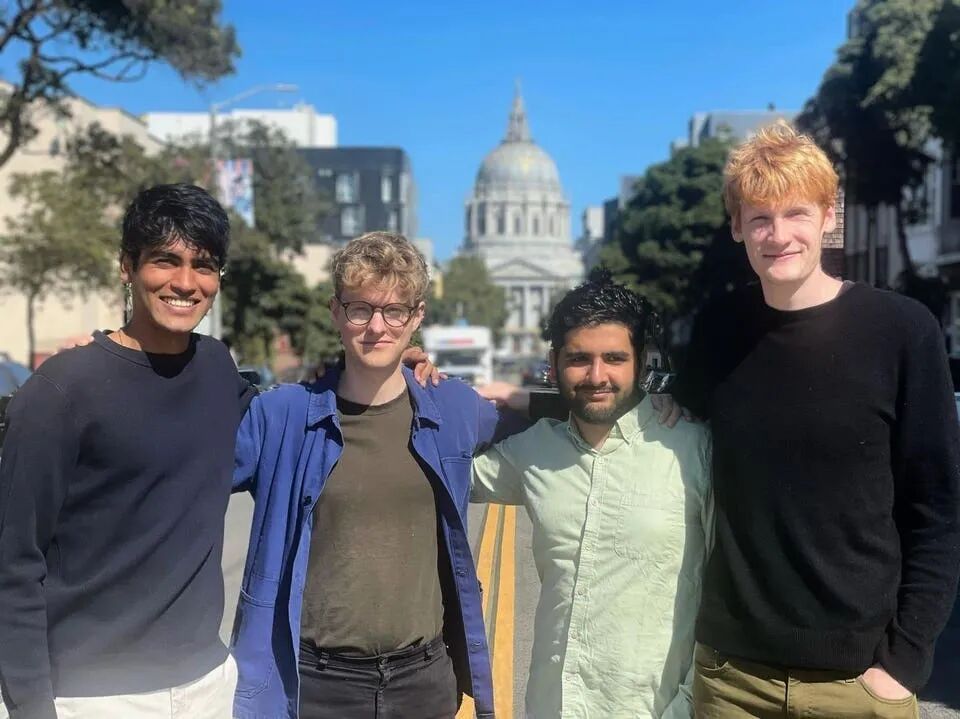
Starting from a simple code editing tool, Cursor quickly grew into one of the most popular AI-assisted programming products on the market.
By June this year, Cursor delivered an extremely impressive result: its annualized revenue soared directly to 4 billion US dollars.
With the support of the recruitment budget approved by SpaceX's senior management, Cursor began to frantically expand its sales and marketing team, recruiting dozens of people every month since April, and the total number of employees of the company has more than tripled in the past year.
But behind this impressive data, Cursor is actually facing huge survival pressure.
A few weeks before agreeing to the cooperation with SpaceX, Cursor tried to seek a new round of financing in the market, but was politely rejected by some investors.
The reason is not hard to understand: at that time, although Cursor had extremely high revenue, its gross profit margin was negative.
Facing the AI industry, which is a veritable "computing power capital-eating monster", the company expects to raise tens of billions of dollars more in the second half of this year to cover the huge infrastructure costs.
Cursor CEO Michael Truell also soberly warned the employees: If the company does not quickly expand its product lines beyond coding, it will sooner or later be swallowed by underlying model giants such as OpenAI or Anthropic.
Computing power anxiety and siege by giants led to the signing of the "Technology Sharing and Computing Power Agreement" in April this year.
This agreement not only provided Cursor with the much-needed computing resources, but also gave SpaceX the option to eventually acquire Cursor.
Challenging GitHub, the Team Says Goodbye to the "Makeshift Stage"
After getting computing power support, Cursor started two-pronged operations, trying to "intercept" Microsoft's GitHub in the code hosting field.
Long before the agreement was reached, Cursor launched an extremely ambitious new project — Origin, a code repository product directly targeting GitHub.
To accelerate R&D, they poached a large number of engineers from GitHub, and completed the acquisition of Graphite, a code review startup, earlier this year.
In June this year, Cursor executives personally demonstrated the Origin project to Elon Musk, and officially launched the beta version last week.
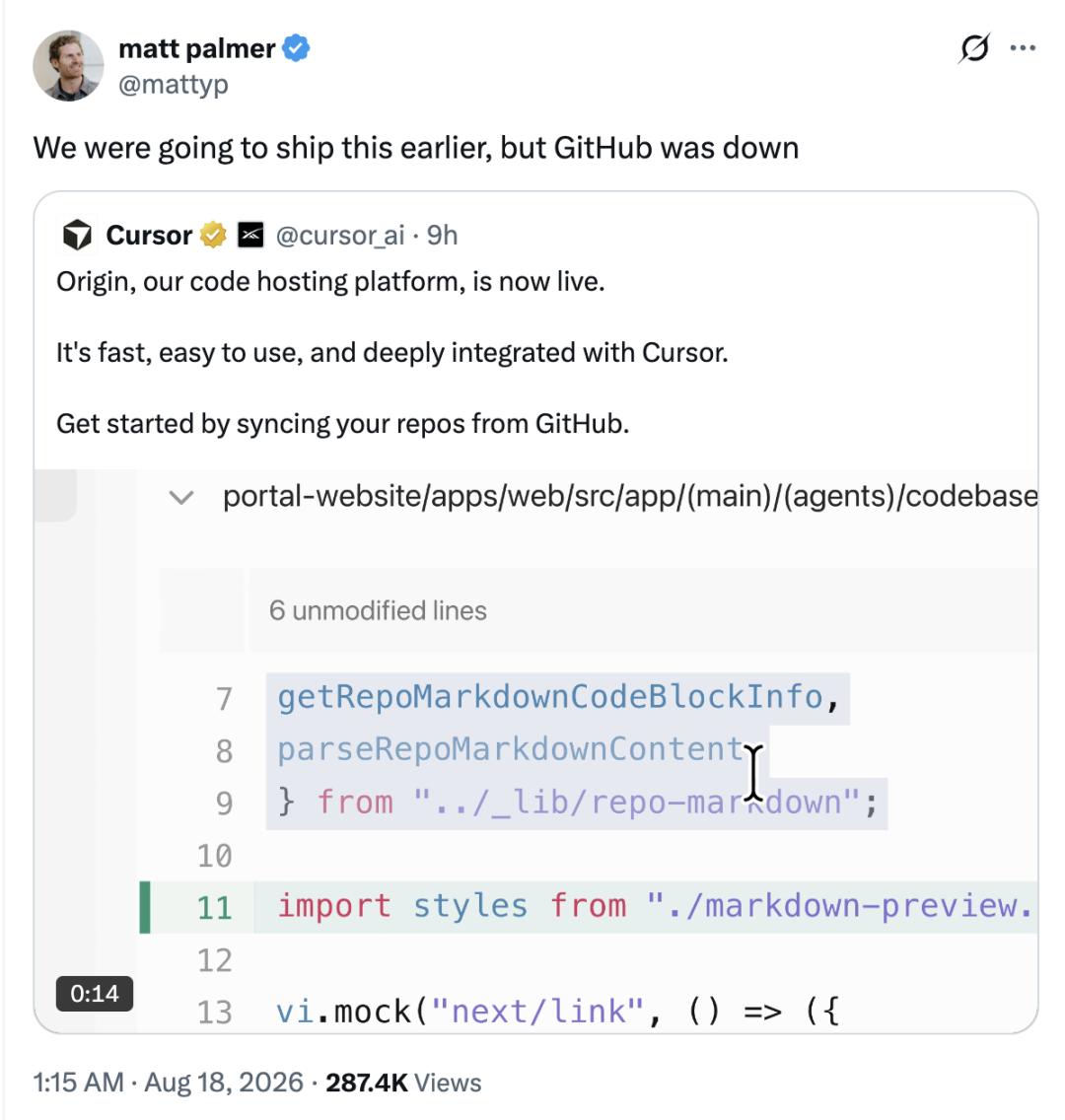
During this period, the Origin team has been working on deeply integrating the product with Graphite's technology, and striving to find functional points that can form differentiation from GitHub.
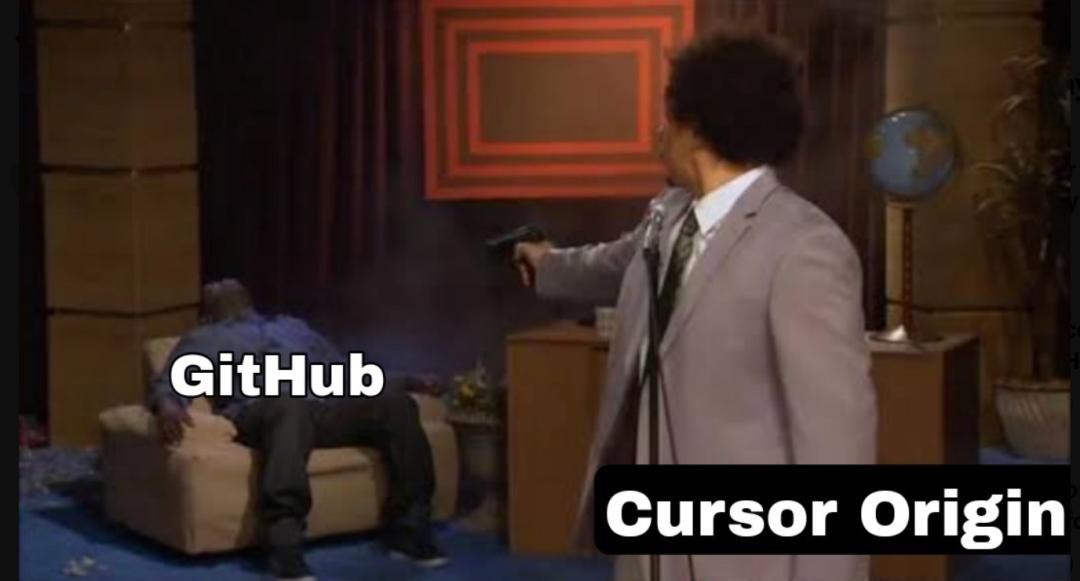
With the expansion of product lines, Cursor, this startup, has also begun to experience the growing pains of transforming from a "makeshift team" to a formal, regular team.
In the early stage of rapid growth, Cursor had an extremely flat architecture with vague employee titles. In pursuit of speed, engineers even often pushed updates directly without going through traditional code reviews.
This led to the situation that when AI-generated codes caused bugs and security vulnerabilities, the company often could not clearly identify the responsible party internally.
As the scale expanded, Cursor began to introduce more middle-level managers and supervision mechanisms.
In February this year, they launched an AI automatic review system to determine which code issues need to be escalated to human engineers for intervention. By this summer, Cursor has finally begun to draft the first official security policy in the company's history.
Reversal of Promises and Painful Restructuring
In June this year, just a few days after SpaceX completed its IPO, the official announcement was made to move forward with the acquisition of Cursor.
At that time, the atmosphere inside Cursor was full of optimism, and employees sent a flood of "rocket launch" emojis on Slack to celebrate.
The management also reassured everyone that Cursor's brand assets are very strong, and the acquisition will not make much difference to daily work.
At the same time, Cursor successfully recruited Jenny Wen, former designer of Anthropic, and announced a soothing policy: laid-off employees can enjoy 9 months of accelerated vesting of options, and there is "no time limit".
But when the acquisition really entered the integration period, practical frictions began to emerge.
Since SpaceXAI's own team has shrunk after a year of layoffs and staff turnover, they urgently need Cursor's employees to strengthen their workforce.
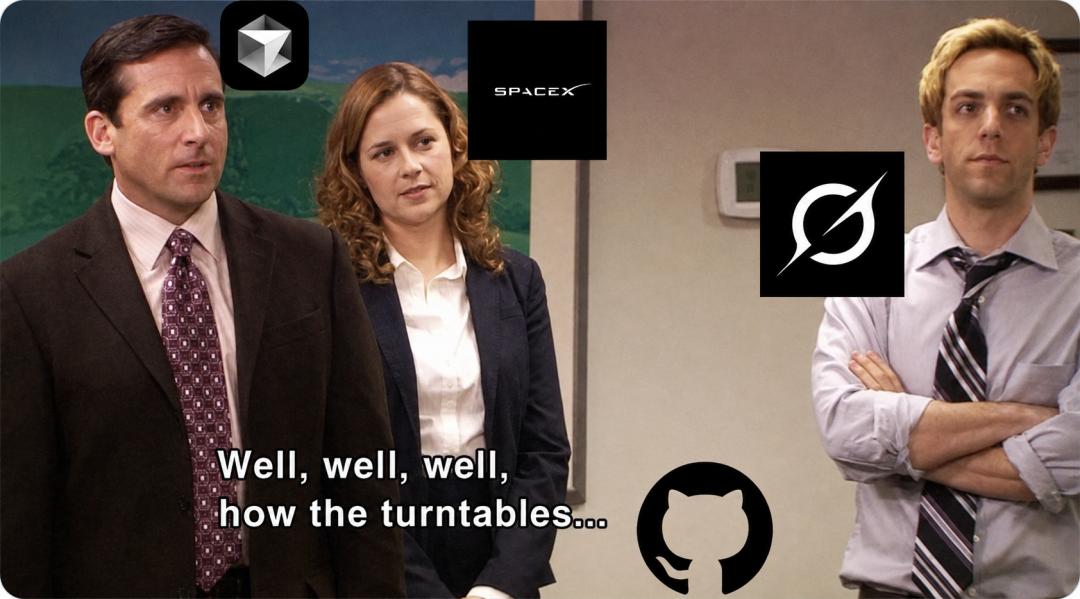
Now, Cursor's employees have not remained completely independent, but have been directly split and merged into SpaceXAI's existing teams.
Last week, the Slack teams of the two companies officially began to merge.
Cursor employees are encouraged to work at the SpaceXAI office in Palo Alto, California.
The two sides not only jointly launched a Grok-branded AI Agent product before the completion of the acquisition, but also are jointly developing a joint Grok model.
What followed was a drastic reshuffle of the compensation and management systems.
In August, when there was little time left before the transaction was completed, Cursor suddenly notified employees that the accelerated vesting policy, which was originally promised to be "unlimited", would expire in about 3 months.
At the same time, some product and marketing executives were demoted, their salaries were reduced, and the vesting of their stocks was re-bound to new performance targets.
When promoting new products internally, some Cursor employees who are used to GitHub also showed resistance to migrating to their own Origin platform.
This series of changes eventually triggered a wave of personnel turbulence.
Since April, 45 people, mainly from the core product and engineering teams, have left the company one after another.
The list of leavers includes the head of reinforcement learning, the head of design, the senior vice president of global strategic key accounts, the head of brand, and Cursor's general counsel.
It is worth noting that about 20 people from the team that joined with the Graphite acquisition earlier this year chose to leave, even Merrill Lutsky, former CEO of Graphite, bid farewell to the company in June.
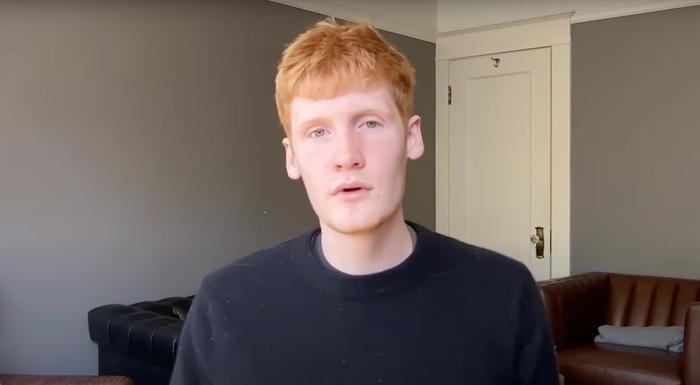
The remaining core executives have been given new important responsibilities in Elon Musk's AI landscape:
- Cursor CEO Michael Truell: Takes a leadership position at SpaceXAI, reporting directly to Elon Musk.
- Co-founder Aman Sanger: Joins the pre-training department.
- Co-founder Sualeh Asif: Appointed as Director of Machine Learning at SpaceXAI.
- Andrew Milich, who previously moved to SpaceXAI: Continues to lead the product team.
From a highly sought-after startup with a valuation of tens of billions of dollars to being acquired by a giant and having its team broken up and restructured, Cursor's experience can be regarded as a microcosm of the entire wild growth era of AI.
However, what may make this group of programmers feel both amused and confused is the adaptation process to their new roles.
To help this group of startup employees who are used to writing code quickly understand and integrate into the parent company's engineering culture full of hard work and fanaticism, Cursor CEO Truell came up with a rather ritualistic solution.
According to people familiar with the matter, Truell promised everyone that he would buy the book *Liftoff* and distribute a copy to every employee.
For the programmers who have just experienced the large group merger and rank restructuring, opening this book that tells the story of how their boss bet everything to build rockets in the early years may become their "first onboarding lesson" at this super giant.
This article is from WeChat Official Account "APPSO", written by APPSO that discovers tomorrow's products, and is published with authorization from 36Kr.