There are far more quickly cobbled-together vehicles on the market than you might have imagined.
Everyone is bashing "quickly-developed vehicles", yet everyone is making them.
Recently, public opinion about quickly-developed vehicles has been overwhelming. Executives are talking about it, the media is covering it, and even the relatively conservative official state media have not held back from commenting on the topic.
Neck Guy has actually talked about this topic with everyone before, but as public sentiment fermented, a more interesting and in-depth topic than the frequency of new car releases has emerged, that is: simulation testing.
It should be noted that developing a vehicle is not like assembling Lego, where you can just decide on a plan and immediately start looking for parts to put together.
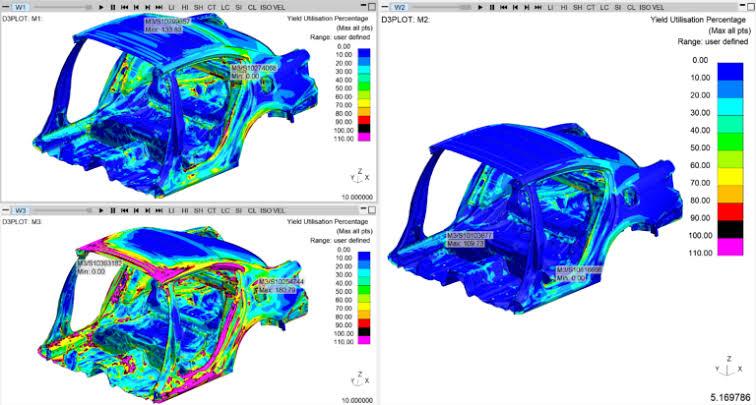
Before actual mass production, manufacturers will first simulate and test the performance of components and the whole vehicle in simulation environments such as LS-DYNA and Abaqus, to quickly understand the impact of different environments and different durations on performance.
Load and fatigue testing equivalent to 300,000 kilometers of driving only takes a few days, or even a few hours in a simulation environment.
For this reason, simulation testing can also speed up the development of new vehicles to a certain extent.
As quickly-developed vehicles become the focus of public controversy, the relationship between simulation testing and real-world testing has also been brought to the forefront.
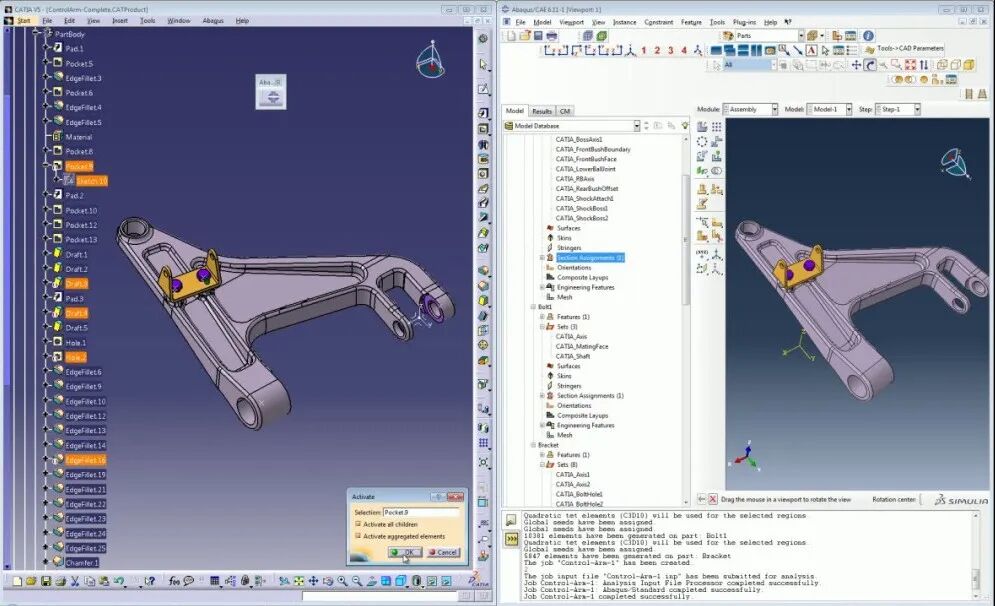
Many automakers have stated directly or indirectly that even though their new cars are launched quickly, they have run countless miles and experienced countless working conditions in the simulation environment, so their quality is reliable.
Lu Fang, Chairman of Dongfeng Voyah, even posted two long posts on his Weibo account to express full support for simulation testing, noting that for automakers, simulation testing is like people switching from walking or driving to taking high-speed rail when going out.
It can not only greatly reduce the cycle of physical testing, but also ensure that no required testing items are missed.

However, most users believe that simulation is ultimately just simulation, and no matter how perfect the theoretical design is, it cannot be more reliable than real-world verification.
Even if sufficient simulation work is completed, real-world testing cannot be arbitrarily reduced.
The two sides hold completely opposite views, but both seem reasonable. To figure out which side is correct, Neck Guy used his personal connections in the automotive industry to contact many senior practitioners in the field.
These practitioners work in fields including quality control, material R&D and product testing.
The core goal is to answer two questions: Can simulation testing replace real road testing? Are the "quickly-developed vehicles" produced in this way qualified in quality?
First of all, it is certain that simulation testing is indeed useful, and in some special scenarios, it is even more valuable than real testing.
Lao Wang, a senior hardware engineer in the autonomous driving field, said that the role of simulation testing is mainly to check for design flaws in the early stage of the project.
"If a design passes testing in the simulation environment, it means that it is most likely free of major problems, and then we can produce the A prototype for function development and basic testing."
This is actually the same as the rule that people need to practice on a simulator before getting a driver's license, which is definitely safer than starting to drive directly.
At the same time, simulation testing can also help draw conclusions that are very difficult to obtain in the physical world.
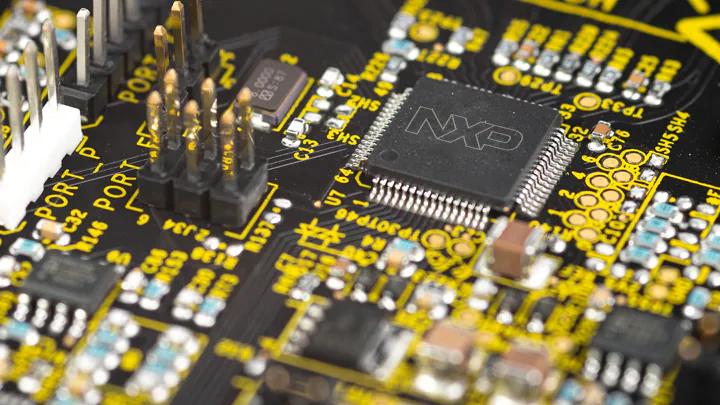
For example, current vehicle chips are soldered directly to the motherboard through BGA packaging, and after production, it is impossible to directly measure the signal quality at the bottom of the chip in the real world.
But with the help of simulation software, Lao Wang can first measure the data of the points around the chip, then import the data into the simulation software to calculate the signal quality at the bottom of the chip.
As long as the software itself is sufficiently credible, the derived data can be treated as real measured data.

However, despite all its advantages, simulation can never replace real testing.
The main reason is that the real world is far too complex.
Before running, simulation software usually requires a lot of theoretical parameters to be manually input, such as material properties, thermal characteristics, electrical properties, etc., to carry out subsequent calculations.
But in the physical world, the properties of materials often do not fully match the theoretical parameters. Small deviations in multiple indicators will lead to huge differences in the final results.
Awei, a senior engineer in the bench testing field, has worked on component verification and development for many joint-venture automakers and leading new energy vehicle startups.
He has encountered countless scenarios where simulation results are inconsistent with real testing results, and the vast majority of problems are discovered in real testing.
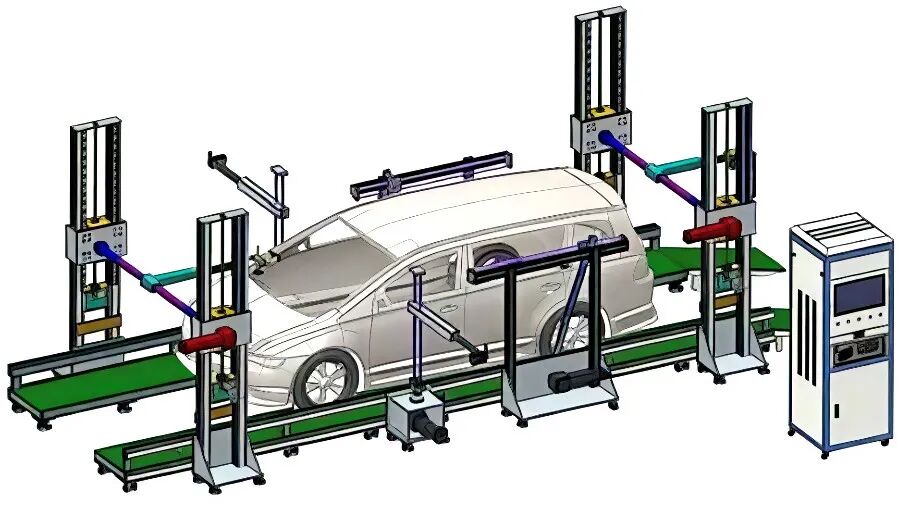
He said that although parts such as car doors, hinges, window and seat slide rails can achieve perfect mechanical simulation in the software, in reality, these frequently moving mechanical structures are also affected by many non-linear random factors.
For example, wear, lubrication degradation, and even dust ingress.
For this reason, if a joint-venture company wants to apply for part certification from its European headquarters, it is almost always required to attach various real test reports, including bench test reports, road test reports, and material test reports for quality assurance, rather than applying based on simulation results.
Even if all individual components pass real testing, problems may still occur after they are assembled into a complete vehicle.
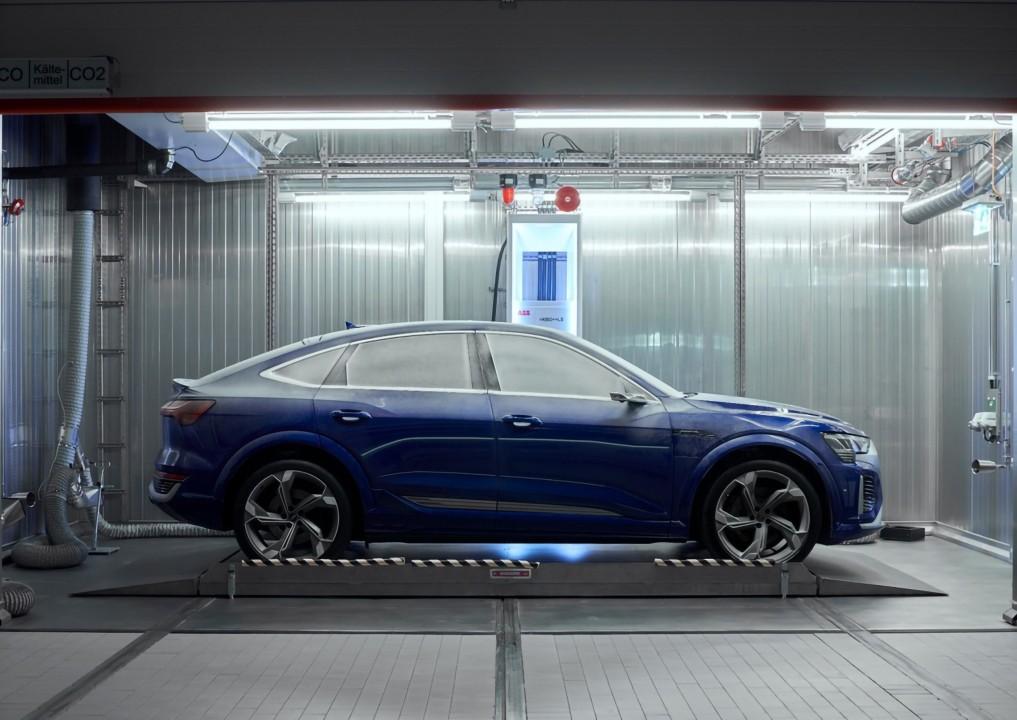
A Tai, an engineer who has long been engaged in chassis material development, said that although simulation software and parameter models related to materials are already very mature, vehicle-level tests such as chassis corrosion resistance testing and full vehicle exposure to sunlight testing can never be omitted.
Because many materials and components pass simulation and individual real testing without problems, but after they are assembled into the same vehicle, any component will have a significant impact on the whole system, which may lead to unexpected problems.
"For example, if you slightly modify the calibration parameters of an engine, its vibration characteristics may change accordingly.
The exhaust pipe, bracket and chassis structure of the vehicle all have their own natural resonance frequencies. If the new engine's vibration frequency exactly matches one of these frequencies, the vibration will be amplified, which may lead to fatigue cracking after a long period of time."
So it is clear that in the eyes of industry practitioners, simulation is used as a pre-process of real testing, to help automakers verify the feasibility of their ideas in the early stage of development.
Whether from the perspective of engineering value or process value, real testing has an irreplaceable role that simulation cannot play.
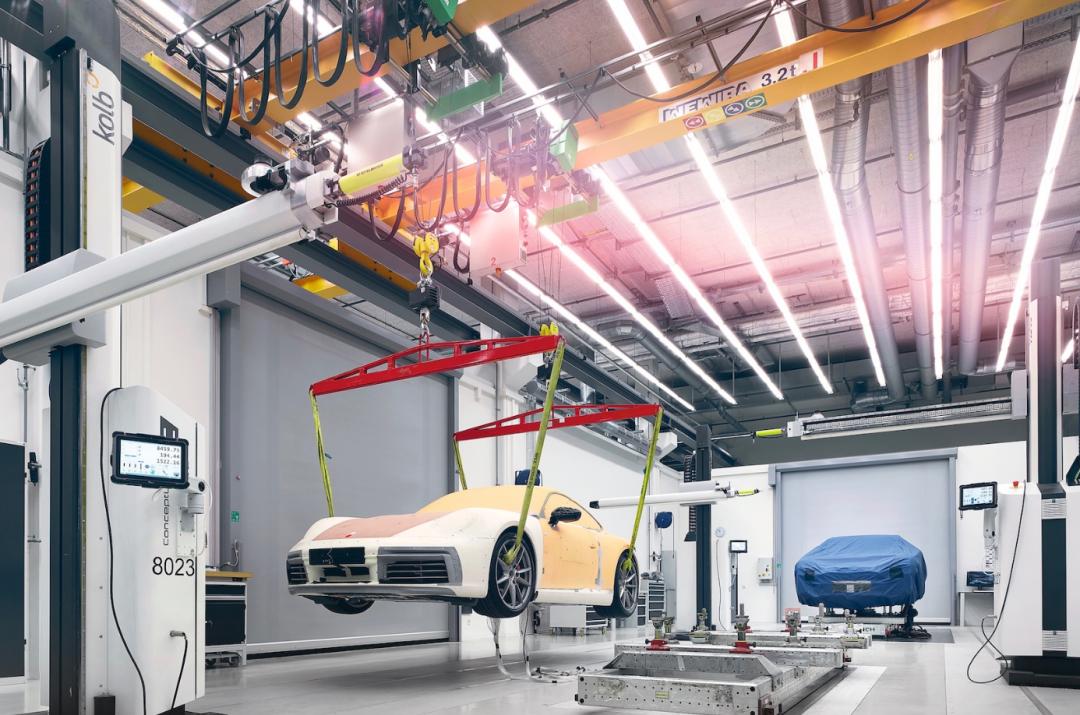
At this point, you may think that using simulation to shorten the development cycle is definitely a bad practice that will inevitably lead to more quality problems?
But in fact, short development time itself is not the problem. The real biggest problem is that automakers do not know where the potential problems may lie.
Mr. Zhang, a full vehicle quality engineer at a leading domestic automaker, told Neck Guy that the length of the development cycle has little correlation with product quality.
A car that has only been developed for more than a year can be a quickly-developed vehicle, but a car that has been developed for five years can also be a quickly-developed vehicle, which depends on the judgment of decision-makers.
Some car models seem to have been developed for five years, but a lot of that time was spent modifying project directions and adjusting development content.
"The product definition was made a year ago, and the car has not been mass produced yet but it is already outdated. What would you do if you were the decision-maker?"
In this process, some car projects will change their development scope, that is, make adjustments, but the scale of adjustments varies. Some projects will even be directly cancelled, making all early investment wasted. The non-quickly-developed vehicles people see may actually have only gone through more than one year of actual effective development.
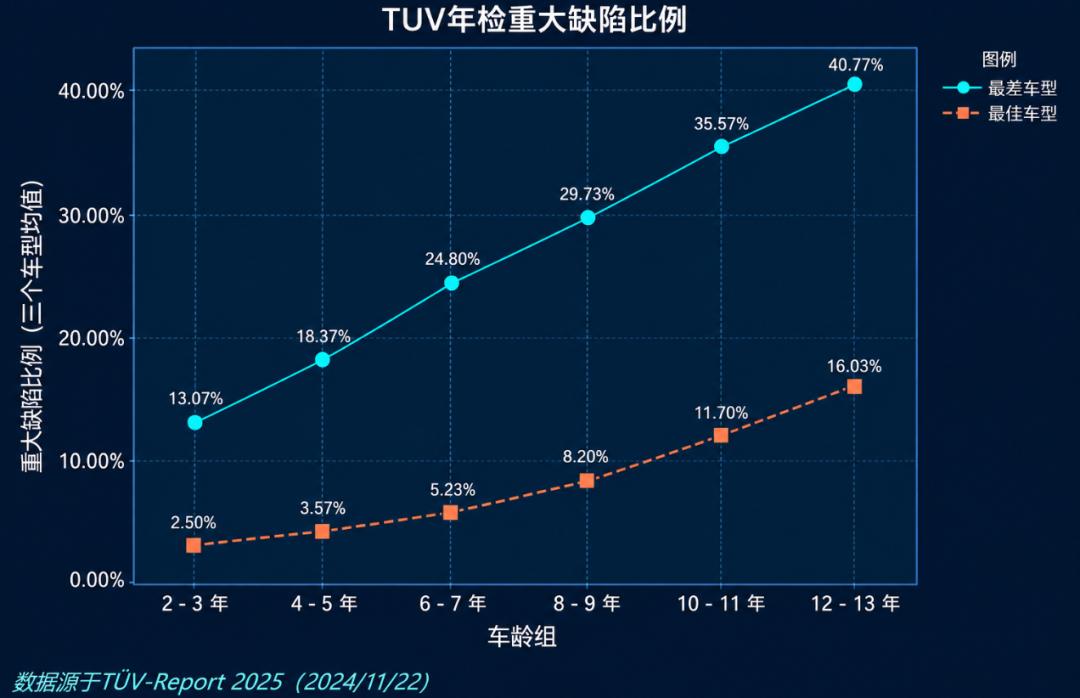
This is why even in the era of fuel vehicles with very long development cycles, people still encountered various quality problems.
Statistics on European market vehicle defect rates made by Mr. Zhang (mainly for fuel vehicles)
Compared with development time, what we should worry more about is that the risk control standards of automakers are being lowered.
It should be noted that whether you conduct real testing or not is one thing, but whether you make improvements after getting the test results is another.
Awei told Neck Guy that in the past, when joint-venture automakers encountered problems in bench testing, they would go back to rectify and optimize the design, then arrange bench testing again, until the test results were fully qualified.
"In the past, we planned to complete 4 rounds of testing. For parts with problems, we might need to complete 5 rounds of testing to fully solve all the issues."
But new energy vehicle startups do not follow this rule. When they encounter problems, they will first assess the severity of the problem, then discuss whether it is necessary to solve it. Some problems that automakers think are unlikely to recur after the vehicle goes on sale may not be solved at all.
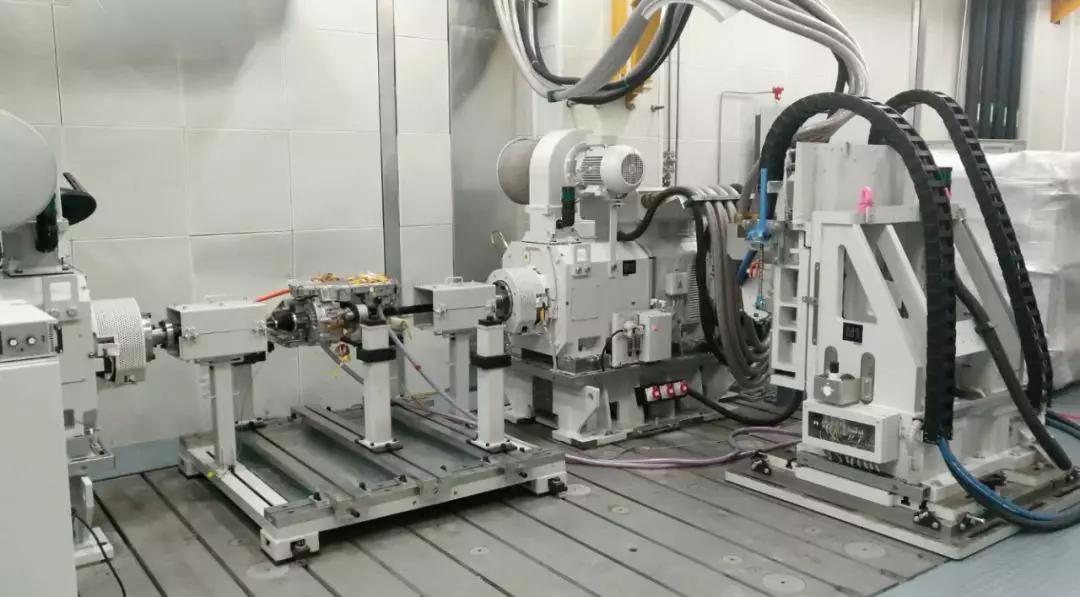
"There was once a car that still had problems in testing two weeks before SOP (Start of Production), but we never saw them re-commission the test even after the car was launched on the market."
Even the traditionally prudent and rigorous legacy automakers have begun to relax their standards under such fierce competitive pressure.
"In the past, the design process required 4 to 5 rounds of testing to solve all problems, but now only 2 rounds are planned, and additional rounds will only be arranged if problems are found. However, design bugs that would only appear after 4-5 rounds of testing will not show up in the second round of testing."
Behind the automakers' move to cut down real testing time is a gambler-like mentality.
After all, for a newly developed car, you may test it for two years and find no major problems, or you may find a bunch of bugs after just one day of testing.

When all competitors are accelerating new car launches and the development pressure is getting higher and higher, more and more automakers choose to take the gamble.
They bet that their two years of testing are sufficient, and that the two years of real testing they cut will not affect the final product quality.
This is like a very difficult multiple-choice question in an exam. Even if you guess randomly, you have a 1 in 4 chance of getting the right answer.
Worse still, this trend is spreading from automakers to their suppliers.
A Tai told Neck Guy that in the past, after an automaker released a demand, it usually gave suppliers 3 to 4 months to prepare technical solutions, then carried out technical exchanges, then finalized the supplier and issued the contract.
Now this process may only take about one month