The most comprehensive roundup of all leaks about the foldable iPhone: Everyone who has used it speaks highly of it, but it has two major shortcomings.
This year marks the 7th anniversary of the birth of foldable smartphones, and Apple is finally about to deliver its first answer sheet.
Bloomberg journalist Mark Gurman has released the most hands-on-like revelations to date. According to Gurman, he has communicated with several people who have actually used the foldable iPhone, and the feedback from these testers is quite consistent:
This phone feels great when put in a pocket, and the new hinge mechanism delivers excellent tactile feedback and durability; after unfolding, Apple has prepared an application layout for the inner screen that is close to that of the iPad.
What is more interesting is the camera system.
Gurman mentioned that the imaging performance of the foldable iPhone is also impressive — which means Apple will not go to extremes like it did with the iPhone Air by abandoning the imaging capabilities that the iPhone has long been proud of. However, the absence of a telephoto lens may stop many fans from making a purchase.
Of course, the price of this foldable device may be an even bigger issue — as things stand, the foldable iPhone is estimated to cost over 2000 US dollars, equivalent to more than 15,000 RMB.
With only half a month to go before Apple's launch event, the full picture of the foldable iPhone has become increasingly clear.
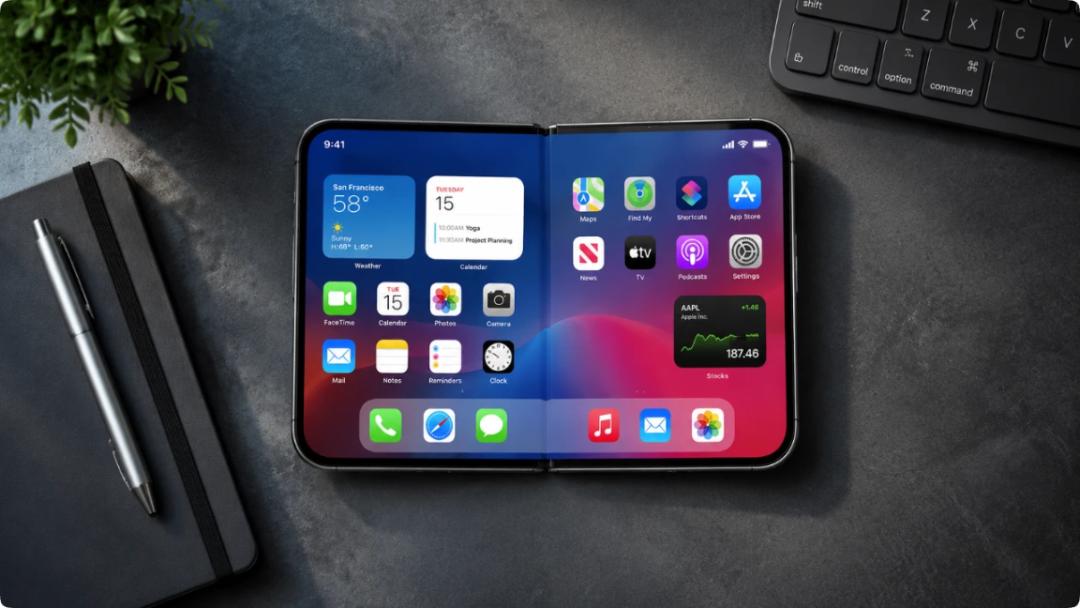
Source | Digitimes
Folded Like an iPhone, Unfolded Like an iPad
Let's start with the most basic form factor.
Multiple sources now point to the same solution: Apple has finally opted not for a small vertical foldable similar to the Galaxy Z Flip, but a large "book-style" foldable that unfolds from left to right — the widely popular "wide foldable" on the market today.
Ming-Chi Kuo previously stated that the outer screen will be about 5.5 inches, while the inner screen will be around 7.8 inches. The inner screen has an aspect ratio close to 4:3, which is wider than a regular iPhone and more like a scaled-down iPad. This is a very obvious difference between it and Samsung's Galaxy Z Fold series.
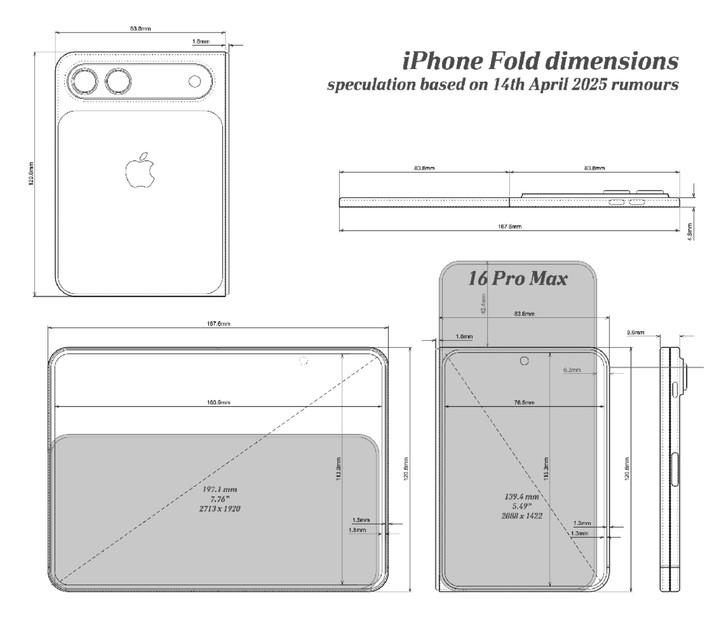
When folded, the 5.5-inch outer screen is close to the size of the old iPhone mini. It is still a one-hand-operable iPhone for replying to messages, taking calls and checking notifications. Users can unfold it when they need to watch videos, process documents or make video calls.
People who have actually tested this product all say its pocket-friendly size is excellent.
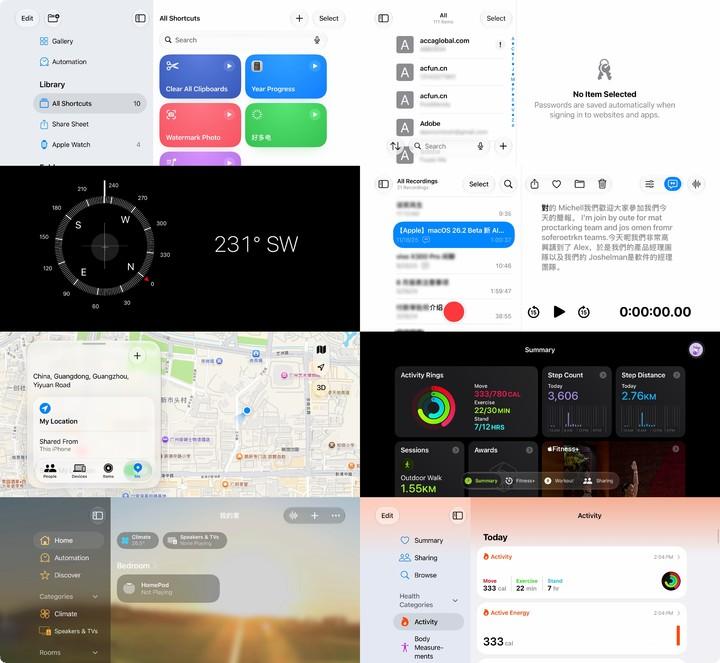
Interestingly, after unfolding, the phone interface will switch to a layout similar to that of the iPad.

This system design has actually been embedded in iOS 27.
After this year's WWDC, we found that iOS 27 suddenly added a large number of landscape interfaces — system apps such as Weather and Music have added dedicated landscape layouts; Xcode 27 even features parameters directly related to the fold state and hinge angle such as foldState and angleDegrees, and the MobileGestalt private API has added new parameters for querying the number of logical screens of the device.
In its developer speeches at WWDC, Apple also began to require developers not to design interfaces for fixed models and orientations, but to make apps adapt to different screen sizes and aspect ratios.
Apart from software, the hardware itself is also making every effort to solve the most classic problems of foldable screens.
It is reported that Apple has adopted a higher-quality hinge, hoping to make the crease on the inner screen "almost invisible"; Ming-Chi Kuo revealed that Apple's solution will disperse the stress generated by screen bending through a special metal support structure — we have seen similar hinge designs on foldable phones from brands like OPPO and Samsung. According to revelations, some people who have used the prototype have affirmed the opening and closing feel and durability of the hinge.
The body of the foldable iPhone will also be extremely thin — current supply chain information generally indicates that it is about 4.5mm thick when unfolded and 9 to 9.5mm thick when folded. For comparison, the Galaxy Z Fold 7 is 4.2mm thick when unfolded and 8.9mm thick when folded, meaning Apple's first-generation product has basically reached the same level.
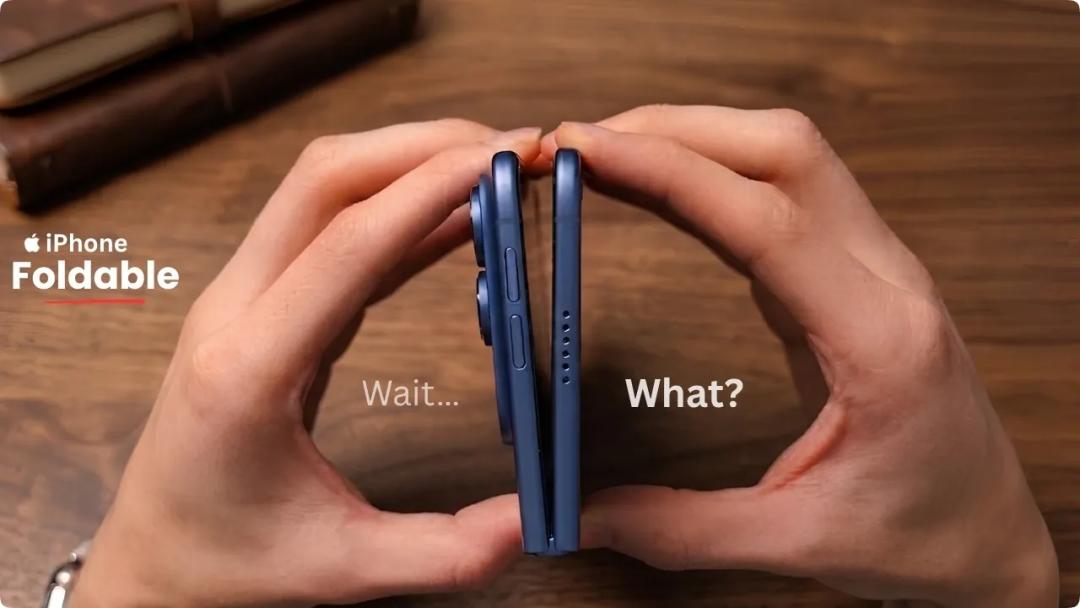
Source from the Internet
Gurman previously also disclosed that Apple has tested black and white versions, plans to use the second-generation self-developed C2 baseband, and completely cancels the physical SIM card slot. The whole device is expected to use materials such as titanium and aluminum to strike a balance between the hinge, structural strength and weight.
Based on current information, Apple is not preparing to reinvent the basic structure of foldable screens.
It has chosen a route that has been verified for many years by manufacturers including Samsung, Huawei and Google, and focuses on solving three major problems: creases, thickness, and the software ecosystem.
The ecosystem is likely where Apple truly has the opportunity to pull ahead of the competition.
Compromises on Telephoto Lens and Unlocking
Another unexpected advantage brought by foldable screens is the camera experience.
In his latest newsletter, Gurman specifically mentioned that the foldable iPhone has an excellent camera viewfinder interface when unfolded.
The 7.8-inch inner screen is close to the display area of the iPad mini, making it naturally more comfortable than a regular phone screen for checking composition, subject status and photo details. The folding structure also means the phone can stand on its own at a certain angle, which theoretically opens up more possibilities for selfies, group photos and video shooting.
Previous revelations show that the whole phone may have four cameras: one on the outer screen, one on the inner screen, and two main cameras on the back.
However, the two rear cameras may also be the most disappointing part of the whole device — the first-generation foldable iPhone does not have a telephoto camera.
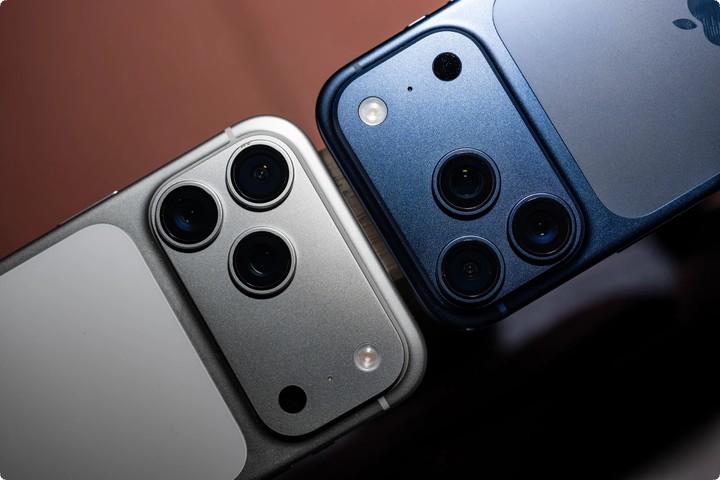
This means its rear imaging system will most likely only include two 48-megapixel cameras: a main camera and an ultra-wide-angle camera, which is similar to the configuration of the Samsung Galaxy Z Fold 8.
People who are willing to spend over 2000 US dollars on the first-generation foldable product are very likely to overlap heavily with the group that values high-end smartphone imaging performance, especially telephoto capabilities — this could be a tough trade-off for many consumers.
Worse still, the absence of a telephoto lens may not be resolved any time soon, and it may take several more years for the foldable iPhone to get Apple's full range of imaging capabilities.
Apple is essentially making its most expensive iPhone have lower imaging specifications than the Pro series released in the same period.
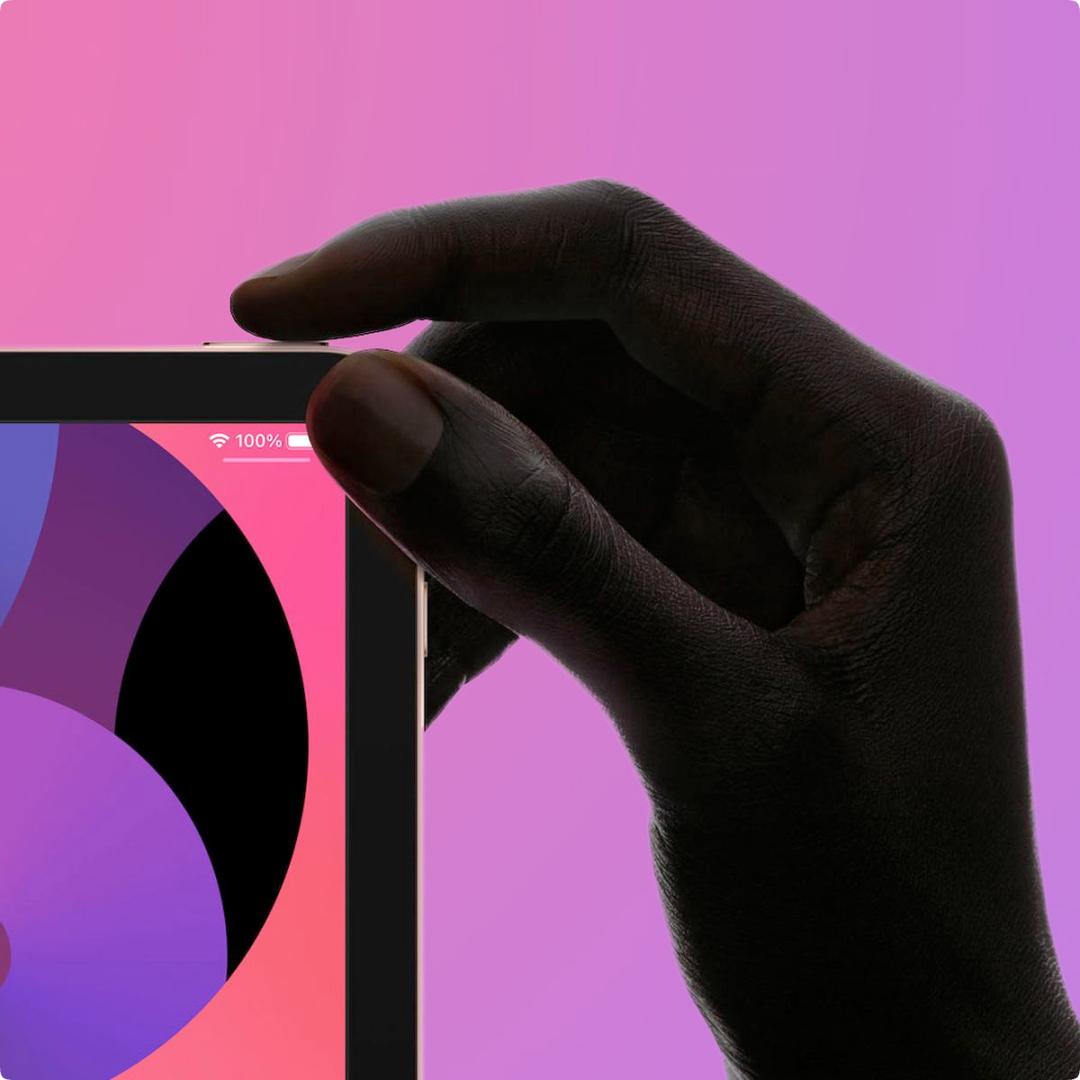
The second compromise is the unlocking capability — Face ID is gone, and Touch ID is back.
This rumor has been circulating for over a year. Ming-Chi Kuo previously stated that to save internal space, Apple plans to abandon the TrueDepth module for Face ID and integrate Touch ID into the side power button. The latest news further confirms this design.
This technology is not unfamiliar, as this solution has been used on the iPad mini and iPad Air for many years.
Source | Apple
But this will be the first time since the launch of the iPhone X in 2017 that Touch ID has returned to Apple's highest-end smartphone product line.
The reason is very practical.
Foldable phones face far fiercer competition for internal space than regular smartphones. Two screens, the hinge, a larger battery and complex structural components all take up space, and Apple also wants to keep the unfolded thickness at around 4.5mm, so it has to make trade-offs on internal space.
In comparison, integrating the fingerprint recognition into the side button is obviously more space-efficient than fitting the full Face ID module inside the body.
At this point, we can also figure out Apple's product logic for making foldable phones from these compromises —
Apple's top priority is to guarantee the foldable form factor itself.
To make it thin enough, the crease shallow enough, and the hinge reliable enough, Apple is even willing to temporarily sacrifice capabilities that have become standard on Pro-level iPhones.
The Foldable iPhone Is Destined to Be a Niche Product
Samsung released its first-generation Galaxy Fold in 2019.
By 2026, Samsung has iterated to the Z Fold 8, while Chinese manufacturers such as Huawei have even launched products with triple-fold form factors. Apple's first foldable iPhone is facing a mature product category that has gone through seven years of iterations.
From a global perspective, however, foldable smartphones are still a niche product. Data cited by Gurman shows that foldable phones accounted for only about 1.6% of global smartphone shipments in 2025.
The Chinese market presents a different picture.
According to data disclosed by Bloomberg, China contributed more than half of the global foldable phone shipments last year, with sales exceeding 10 million units. Chinese consumers bought more foldable phones than the sum of all other markets combined.
Over the past few years, Chinese phone manufacturers have also cultivated a group of high-end users who are willing to pay for new form factors. When buying phones, they do not only value the processor and imaging performance — folding, triple-folding, ultra-thin bodies and new material processes can all become reasons to purchase a product.
This makes China the most noteworthy market for the first-generation foldable iPhone.

Source | Huawei
With a price tag of over 2000 US dollars, the first-generation foldable iPhone will hardly be able to drive high sales volume.
It is more like a "benchmark product": it sets itself apart from other iPhones with a brand new appearance, draws consumers back to Apple Stores, and at the same time demonstrates Apple's judgment on the next generation of smartphone form factors.
Its truly important role may not be reflected in sales figures, but in whether it can turn the foldable screen from a mere hardware form factor into a brand new software experience with the help of iOS and the App Store.
Hundreds of millions of iOS devices, plus Apple's unified requirements for developer interface design, have the opportunity to bring the foldable screen its first set of large-screen specifications that cover a sufficient number of apps. The software adaptation issue that Android manufacturers have not completely solved after seven years of efforts may be pushed forward across the entire development ecosystem by Apple with this new iPhone.
When we analyzed iOS 27 earlier, we made a joke: the Android foldable ecosystem that has grown for seven years has finally welcomed Apple's foldable product, which is just like the town of Goose finally welcoming Zhang Mazi.

If we need to find a reference for the first-generation foldable iPhone, I would define it as another iPhone Air.
They both attract users with a very distinct product form factor, and whether you can accept the sacrifices made for that comes down to your own priorities. People who love the iPhone Air are drawn to its ultra-thin and lightweight body; critics of the product can also find plenty of reasons to complain about its battery life, imaging performance and price.
The foldable iPhone will probably face similar reviews. Some people will love its pocket-friendly size after folding and the iPad-like large screen experience after unfolding, while others will fixate on its over 2000 US dollar price tag, missing telephoto lens and absent Face ID, and consider these compromises unacceptable.
It targets a small group of users who are willing to pay for a new form factor and are ready to take the risks that come with a first-generation product.
The first-generation foldable iPhone will receive a lot of attention and will be loved deeply by a group of people — but from the very beginning, it is not an iPhone made for the majority of consumers.
This article is from the WeChat Official Account "ifanr", written by Fang Junming, and published with authorization from 36Kr.