While the whole world is still discussing Chinese electric vehicles, Luoyang tractors have already been operating farmland across the globe.
Every day, an average of more than 500 Chinese tractors cross the national border.
But you have probably never seen a single one, and that is perfectly normal.
They are not like new energy vehicles that make headlines every day.
Tractors roll off the production line, get loaded onto trains to cross the border, then plunge straight into wheat fields, paddy fields and corn fields to start working.
In 2025, China exported nearly 190,000 tractors to more than 100 countries and regions, with both sales volume and value growing at double-digit rates, and the growth momentum is still accelerating. A fairly large-scale industrial expansion is quietly ongoing.
One of the most critical starting points for these machines is Luoyang, Henan.
Now let us take the perspective of a tractor and walk through its life (machine life) journey:
Why the world needs it, how Luoyang is capable of manufacturing it, and how global farmland has in turn reshaped it.
I. The Whole World Is Waiting for Tractors
The global tractor market sells just under 3 million units a year, which is a huge market, but the market is highly differentiated.
North America is the most important market for high-horsepower tractors.
The small tractors used by local smallholder farmers at home only need 20+ horsepower; in the endless large commercial farms in the United States, huge machines with 300, 400 or even higher horsepower are very common. When coupled with tillage equipment that can spread to the size of half a basketball court, they can plow a dozen meters of land in one pass. Of course, that kind of tractor is very expensive, costing hundreds of thousands of dollars per unit.
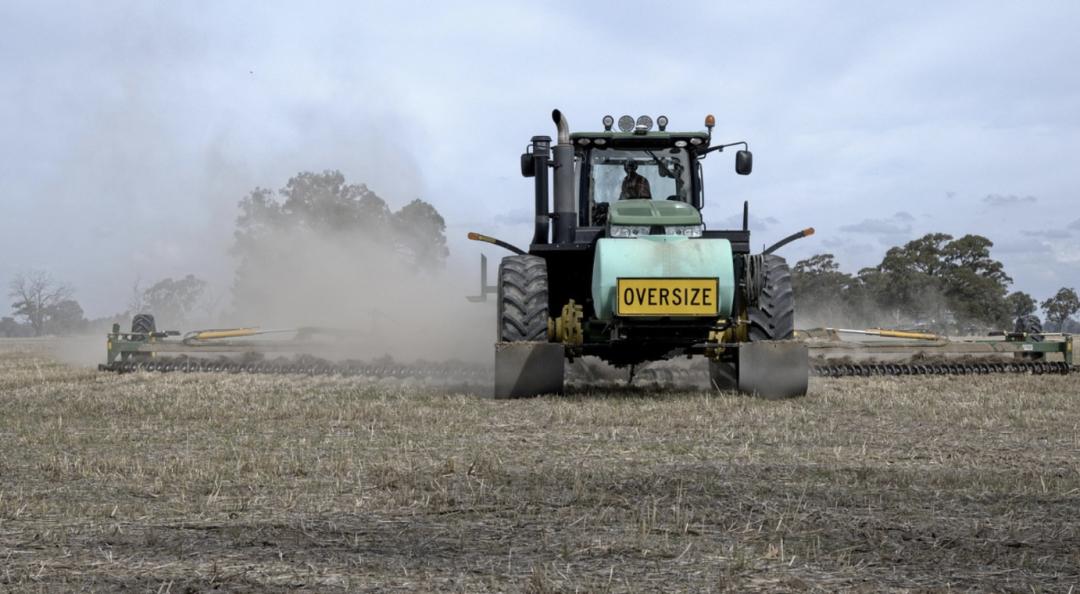
China has long been dominated by small-scale farming operations, and the basic base of its exports is still small and medium-sized tractors, and its share in the global high-end market is not yet high.
But there is another hidden giant in this track, and that is India.
India's large-scale tractor industry started very early, and it is now the world's largest tractor market by unit sales.
In 2025, around 1.09 million tractors were sold domestically in India, plus 110,000 units exported, bringing the total volume close to 1.2 million units.
But when it comes to exports alone, China has already taken the lead.
In 2025, China exported 185,500 tractors, with export value rising by 34%. The largest export destinations for Chinese tractors are Southeast Asia, Central Asia and Africa, most of which are places reachable by domestic trains.
So why are these places buying Chinese tractors? There are two completely different reasons.
One is the transition from zero to possession, represented by Africa.
According to data from the Food and Agriculture Organization of the United Nations, in the land preparation stage of smallholder farmers in Africa, about 65% of the power comes from the farmers themselves using the most primitive manual plowing; 25% comes from draft animals, mainly old cattle; machines only account for 10%, making it a completely untapped blue ocean market.
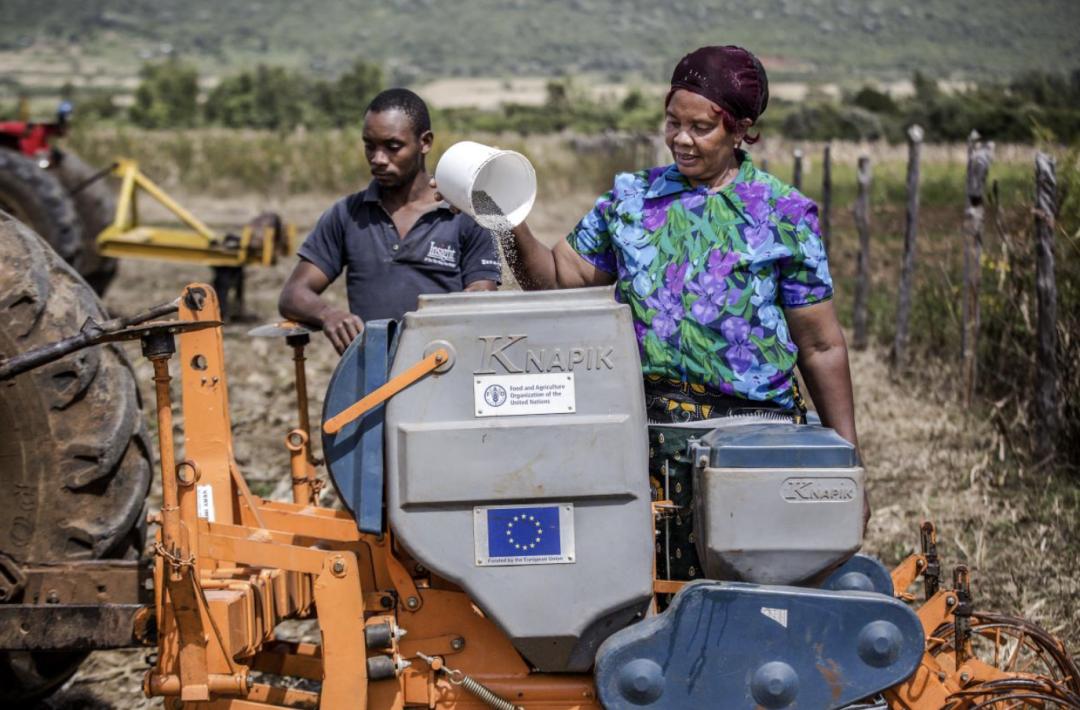
Source: Food and Agriculture Organization of the United Nations
In other words, the demand on this continent is at the most basic level: I need a machine to replace myself and the cattle.
The other is the demand for upgrading and replacement, represented by Kazakhstan.
The country has a total sown area of more than 24 million hectares, roughly the size of Guangxi Zhuang Autonomous Region, and is a world-class granary with nearly 150,000 tractors. That sounds like a lot, but the problem is these machines are too old, a large part of which are relics left over from the Soviet era, and repairing them feels like doing archaeological work.
According to technical specifications, 6% to 8% of the tractors should be retired every year, but the renewal rate in recent years is only slightly more than half of the standard figure, which is obviously too slow.
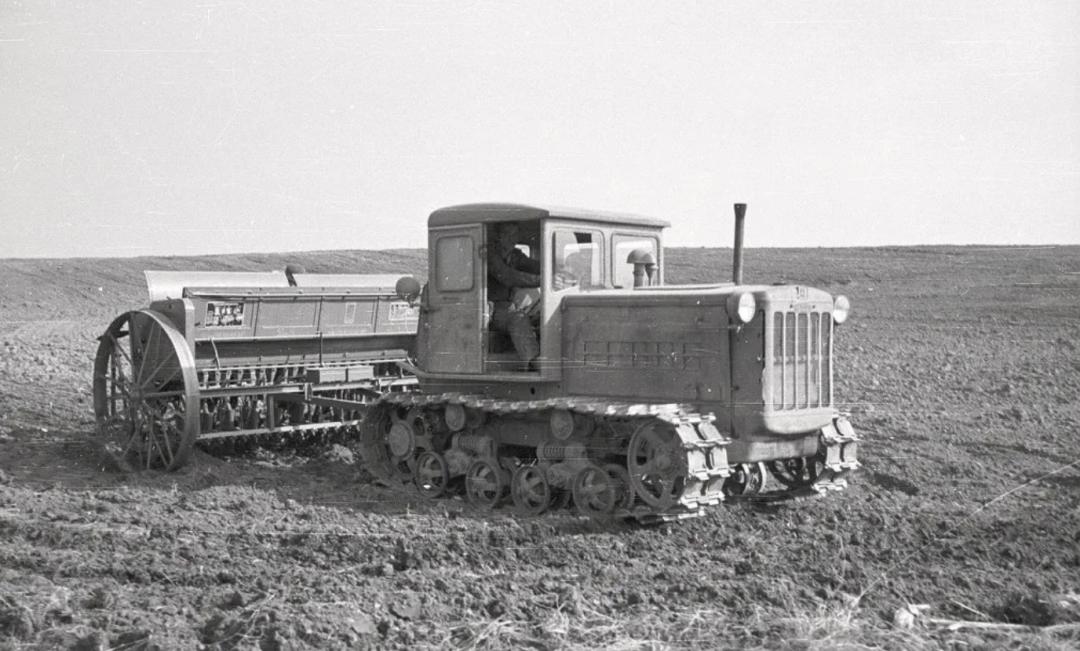
Chinese tractors are being rapidly popularized under such circumstances. After a farm in Kazakhstan adopted Chinese tractors, its wheat sowing efficiency increased by 40%, and annual revenue grew by more than 15%. Local agents commented directly: Great reliability, more cost-effective!
From this status quo, you can feel how simple the demands of farmers around the world are in the tractor sector: It can run, is cheap, durable and easy to repair, that's all. Don't talk to me about fancy extra features, I need to harvest wheat, I don't have time for that.
And we can provide exactly what you need.
Central Asia is hot and dusty? We will optimize the air intake and cooling systems, and reinforce the sealing. The paddy fields in Southeast Asia are muddy? We are very familiar with that scenario, we will widen the tracks. Do you need BeiDou Navigation? We can install it. The strategy of Chinese tractors is to rely on a complete industrial chain and flexible production arrangements to closely align with the demands of farmers all over the world.
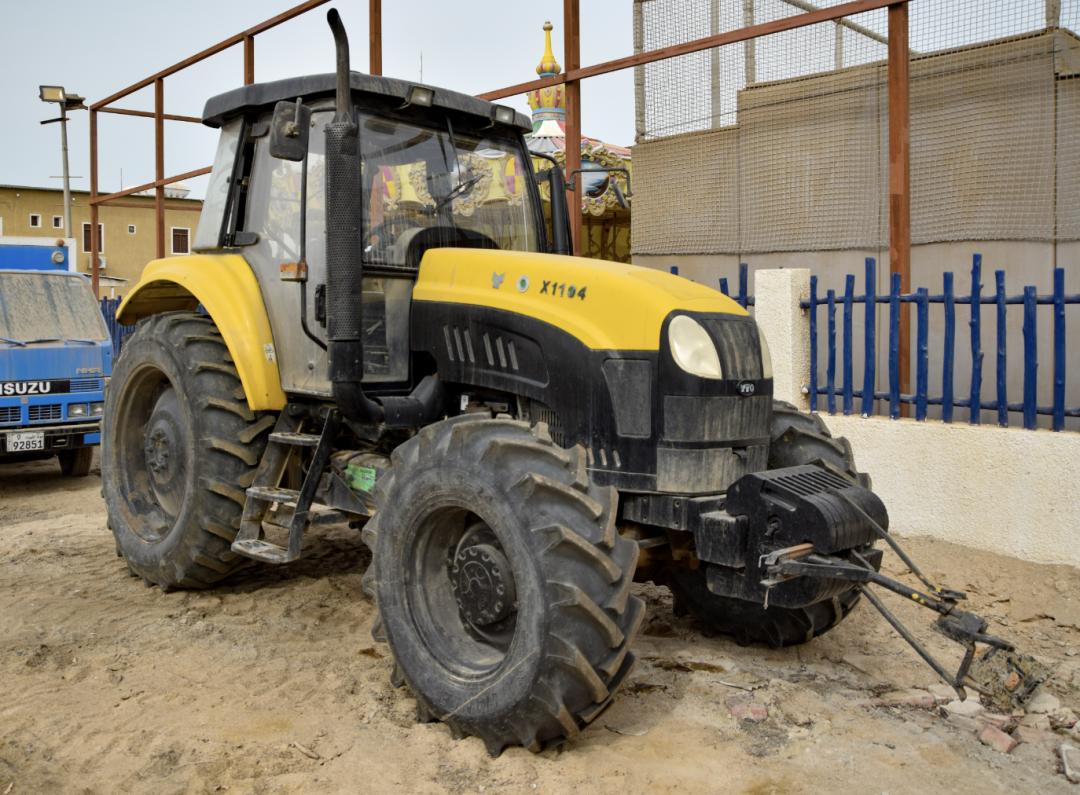
Photo: Chinese agricultural machinery in Kuwait Source: Wikipedia
Now these tractors have been exported to more than 100 countries and regions. China is also the only country in the world that has the full-category agricultural machinery manufacturing capacity, with more than 2,200 agricultural machinery manufacturers above designated size, producing over 4,500 types of agricultural machinery products.
In the first quarter of 2026, China's agricultural machinery exports reached 5.94 billion US dollars, a year-on-year increase of 28.9%.
And one of the important departure points for these tractors is Luoyang, a central plains city that does not border the sea, located in Henan Province.
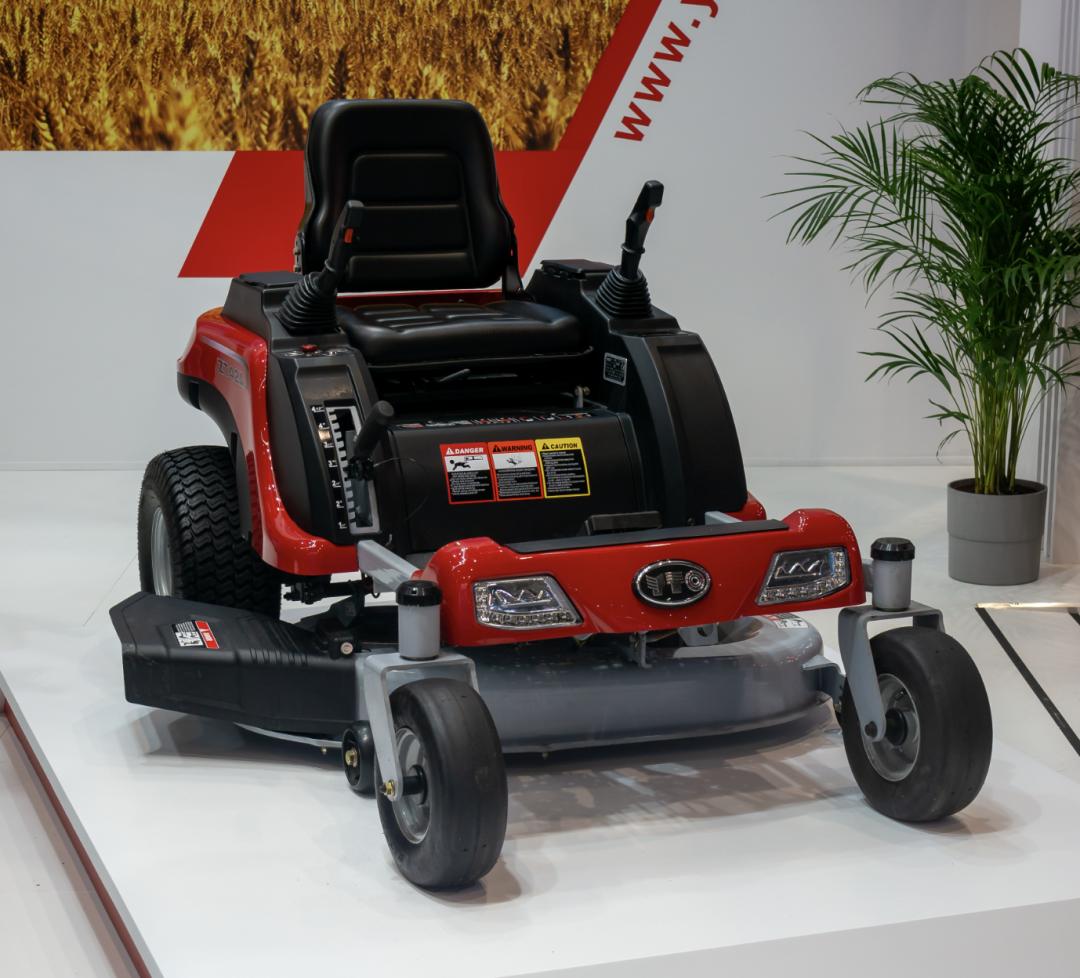
Photo: Small agricultural machinery
II. Luoyang: A 70-Year-Old City That Grew Into a Tractor Hub
To be honest, the tractor industrial chain does not have the pioneering feel of the electric vehicle sector.
If you look into electric vehicles, you will find blade batteries, solid-state batteries, autonomous driving, smart cabins, active suspension, NVH, and steer-by-wire chassis, each of which can be explained in detail for half an hour on its own.
Tractors are different. The engine provides power, the gearbox transmits power, the drive axle bears the weight, the hydraulic system controls the lifting of farm tools, plus a control system to process navigation data. Each module contains a large number of sub-parts, adding up to more than a thousand types in total.
But every single component seems to be something that existed as early as a hundred years ago.
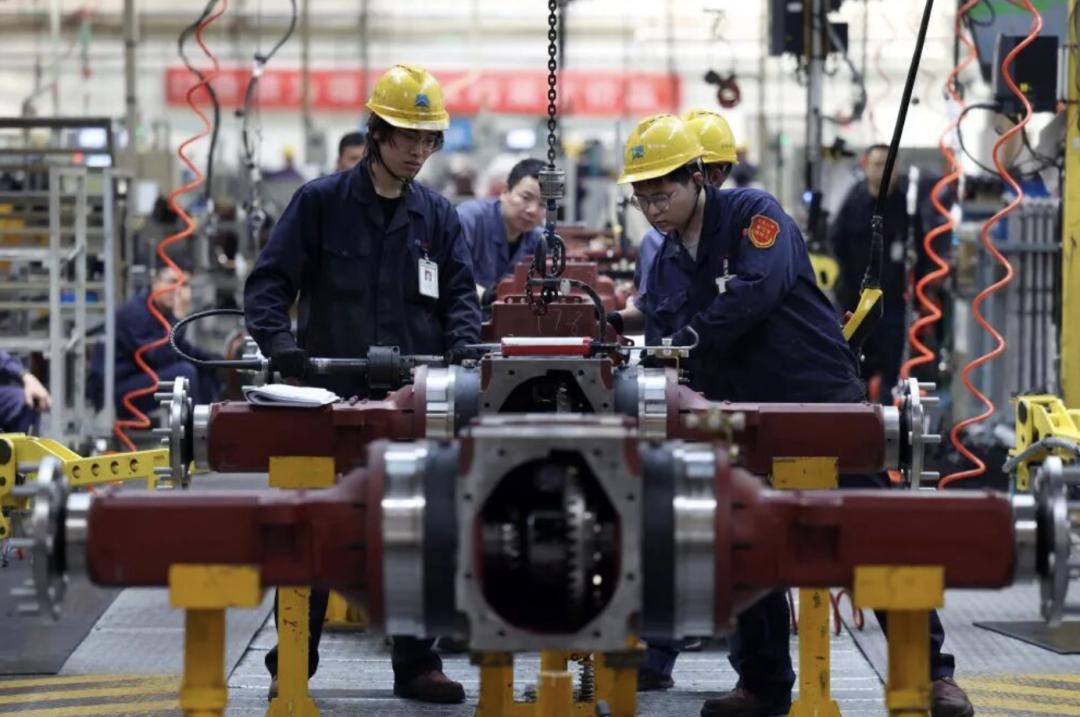
Source: Xinhuanet
But the temperament of this industrial chain is simple and solid. When you maintain this capability for decades, it will form a very solid industrial foundation, and then grow into a mature supply chain.
Luoyang has developed exactly in this way.
In 1953, the People's Republic of China launched the preparation and construction of the First Tractor Manufacturing Plant.
This factory is known as the "eldest son" of China's agricultural machinery industry, and it is the predecessor of today's YTO Group.
In order to select the factory site, the investigators visited more than 80 cities and over 100 villages and towns. Finally, the site was chosen in Jianxi District, Luoyang. Chairman Mao once said: "Nine dynasties' emperors have all lived in Luoyang, can't it accommodate a tractor factory?"
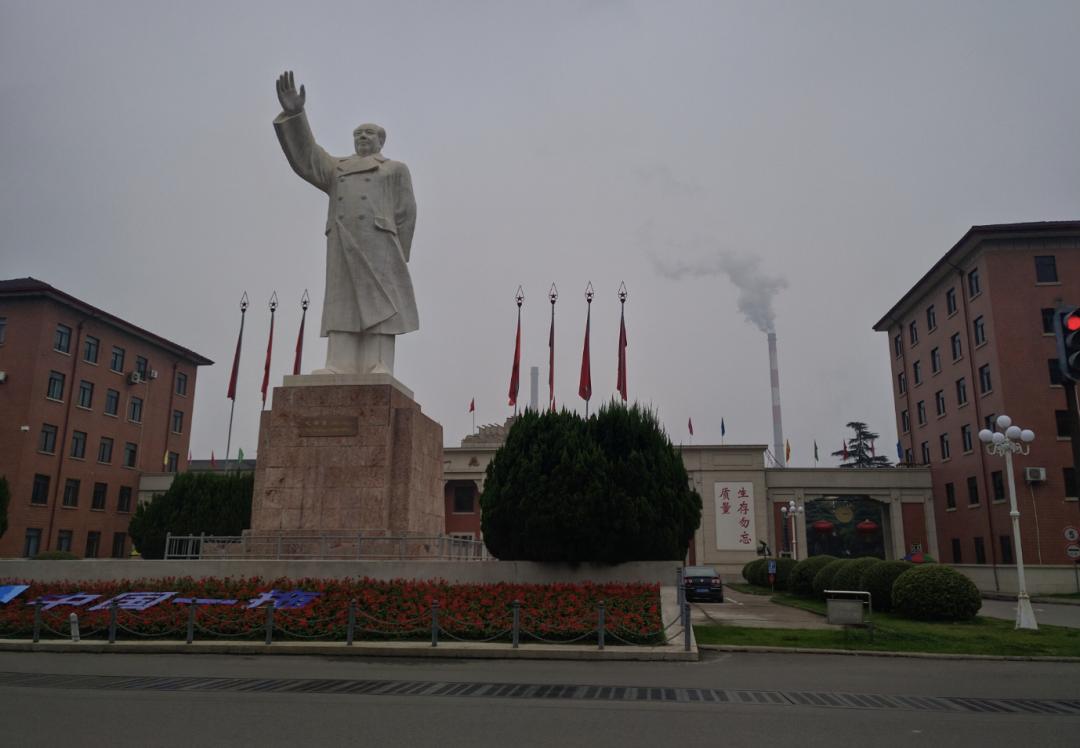
Photo: The entrance of YTO Group's factory area and the iconic statue Source: Wikipedia
So the decision was made. In 1954, the State Planning Commission officially issued a document confirming the factory site in Jianxi, Luoyang. The first director, Yang Gongli, was appointed by Premier Zhou Enlai via a nominated telegram instruction.
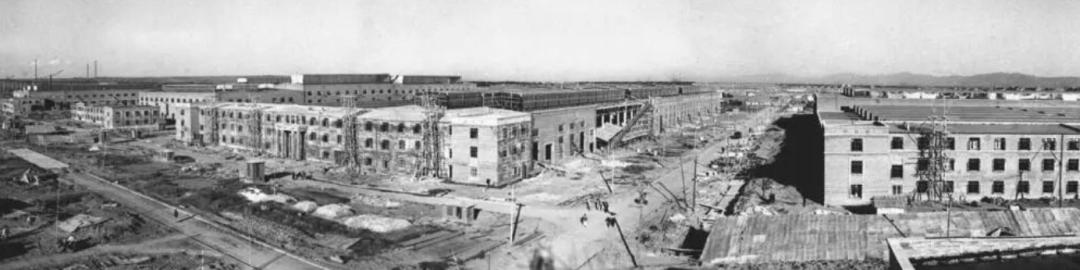
Photo: Panorama of the First Tractor Manufacturing Plant under construction in 1956 Source: Xinhuanet
On July 20, 1958, one year ahead of schedule, the first tractor independently manufactured by the Chinese people, the Dongfanghong 54 crawler tractor, drove out of the factory gate. Workers hung a portrait of Chairman Mao on the front of the tractor, tied colorful silk ribbons to the body, and drove out of the factory gate with gongs and drums beating.
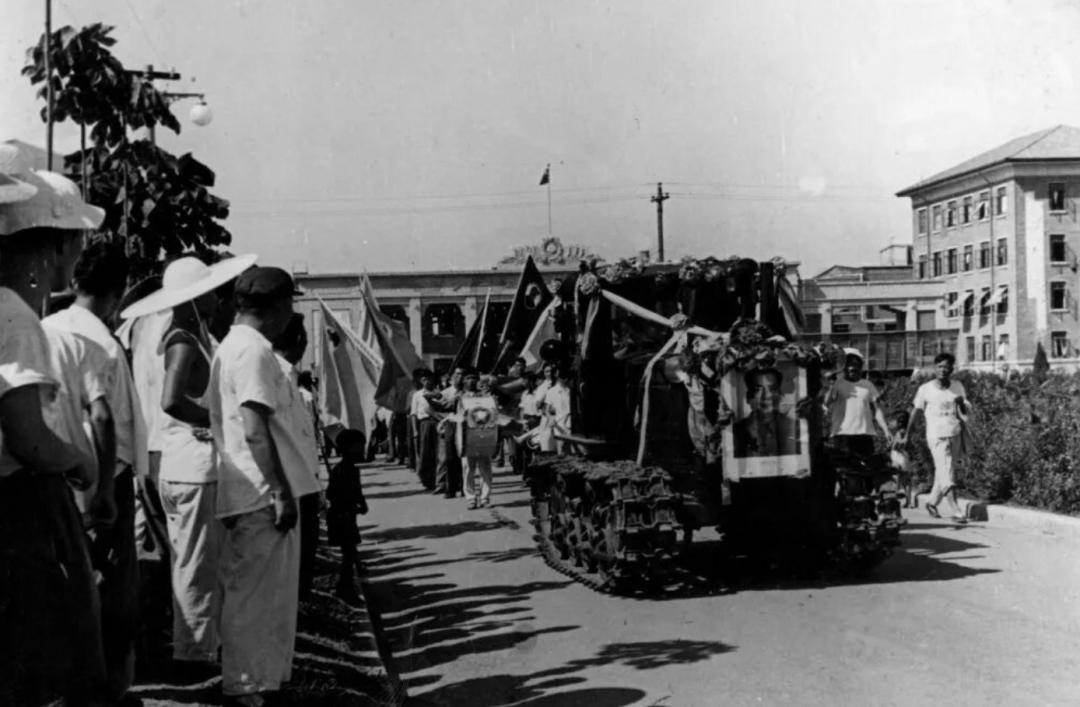
Photo: The first Dongfanghong 54 crawler tractor driving out of the factory gate Source: Xinhuanet
YTO's "firsts" go far beyond tractors. It is also the birthplace of China's first road roller and first military off-road heavy-duty truck. Later, the Dongfanghong tractor was printed on the 1-yuan note of the third set of RMB issued in 1969. When a machine is printed on banknotes, you can see how significant its status is in this country.
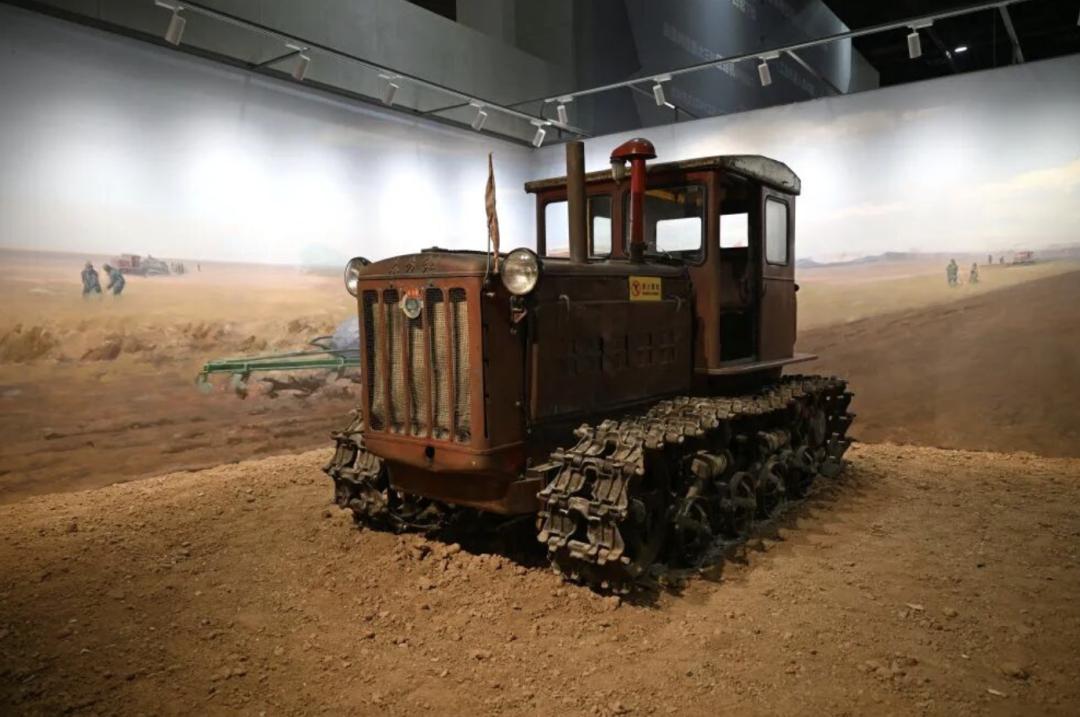
Photo: The Dongfanghong 54 crawler tractor on display in the Dongfanghong Agricultural Museum Source: Xinhuanet
From 1955 to today, over 70 years, workers, engineers, suppliers, universities and testing institutions have grown up layer by layer around YTO. A single factory has developed into an industrial city.
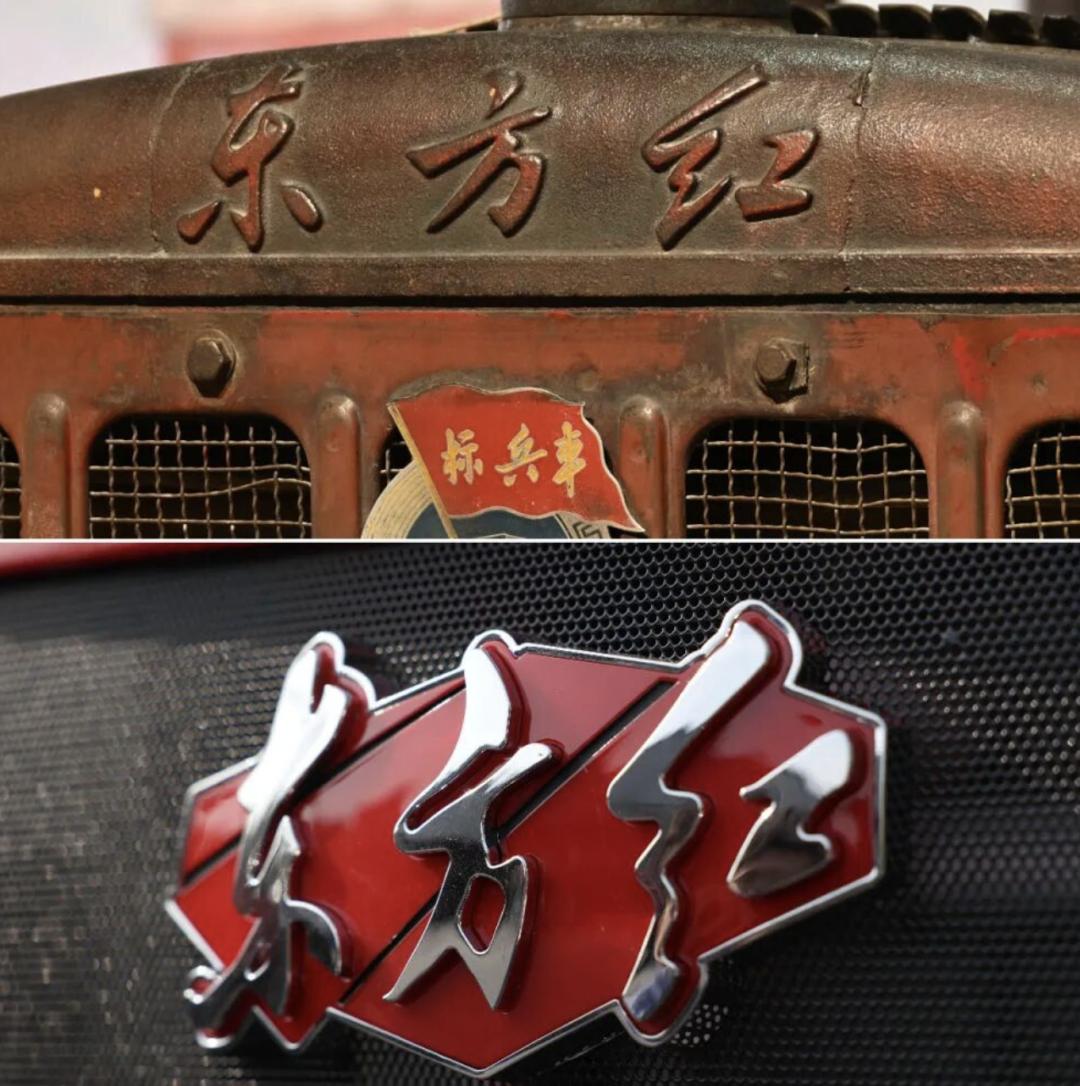
Source: Xinhuanet
At present, there are more than 200 local enterprises in Luoyang that provide supporting parts for YTO Group alone. From basic materials to key components, from complete machine supporting to intelligent upgrading, a large number of production links can be completed within the city.
The entire Luoyang region has formed an annual production capacity of 150,000 tractors and 15,000 harvesting machines, with the total output value of the agricultural machinery industry exceeding 30 billion yuan.
On the final assembly line of YTO Group's large wheeled tractors, a large wheeled tractor rolls off the production line on average every 3 minutes. Different models and different horsepower tractors are produced on the same mixed production line, and multiple types of equipment including power shift, continuously variable transmission, hybrid power and intelligent agricultural machinery are all developed and mass produced here.
Seventy years ago, Chairman Mao made the final decision,