Faking pregnancy and borrowing money to round up their savings to whole numbers, young people have started the "unorthodox money-saving hacks".
Recently, people have found that everyone on their WeChat Moments is living a Chekhov-style life:
The weather is perfect, but there's barely any money in the pocket.
No one knows how many people added the book *Money, My Friend* to their WeChat Reading library and never opened it again. When asked about the balance in their bank card, they can only feign ignorance to numb themselves:
Do funds that are trapped in losses count as deposits?
But the moment you open Xiaohongshu, the peer pressure brought by savings has far exceeded the anxiety about academic qualifications.
"Born in 1999, what's the level of having 500,000 RMB in savings?" "I have 370,000 RMB saved by the age of 30, and I feel like I'm dragging down the post-90s generation."
Just scrolling a few more posts will drain all your energy and willpower.
As we all know, every step these days is full of consumption traps, and saving money is almost as difficult as cultivating immortality. Even if you follow the orthodox "no-desire path", it's extremely hard to truly resist your desires.
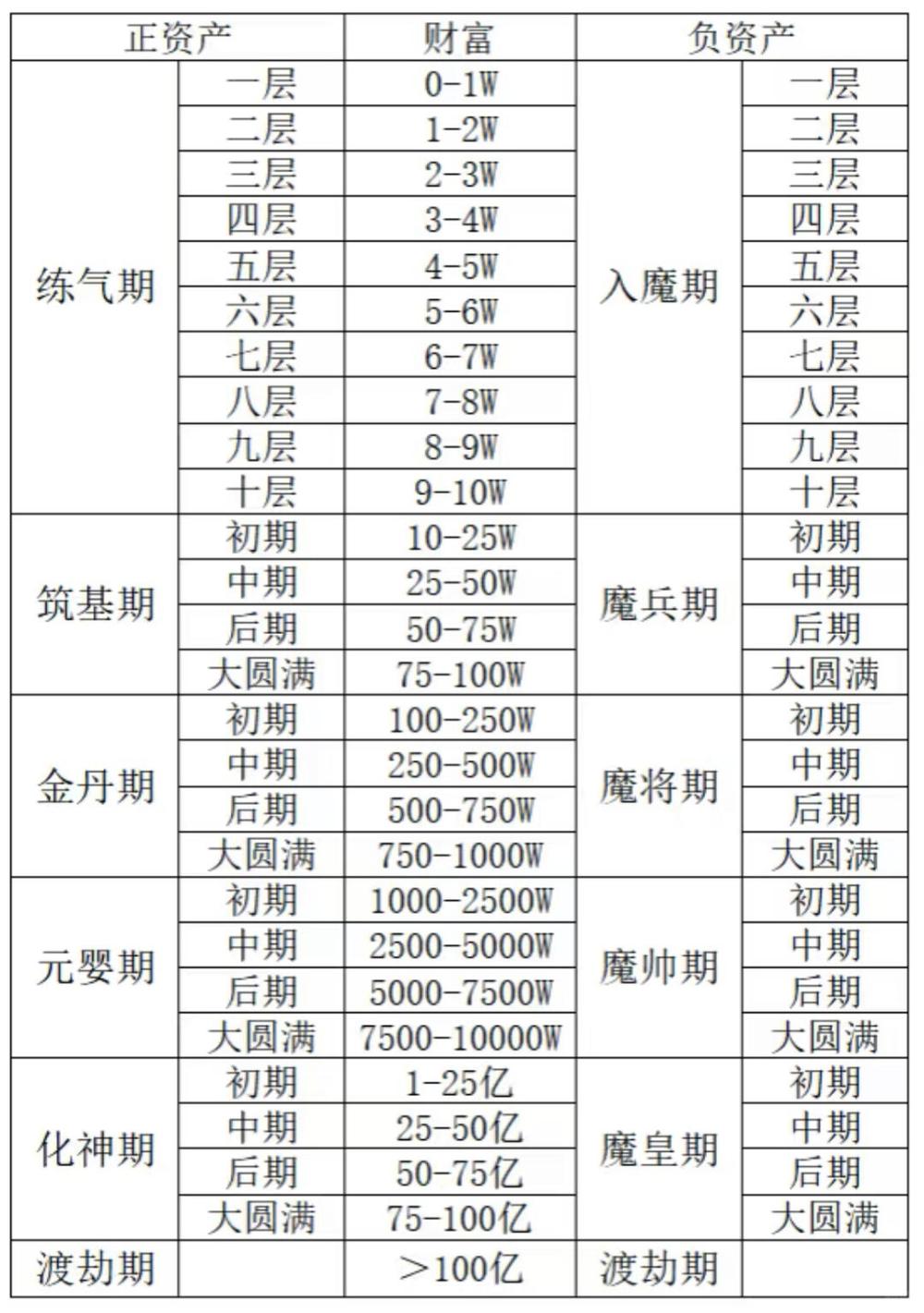
Therefore, young people who have a thorough understanding of human nature have figured out a set of counter-intuitive, even slightly "unorthodox" wild tricks to save money.
The so-called "unorthodox cultivation" means that this cannot be achieved purely by willpower, gritting your teeth and forcing yourself to cut costs;
Otherwise, everyone would just stay at home full-time and force themselves to save.
01
Young people are starting "unorthodox savings cultivation"
If you ask online how to save money, 8 out of 10 people will mention bookkeeping.
For most people who start faking their accounts after just a couple of days of keeping records, this trick is completely useless.
It doesn't matter if you don't have the determination to save money. As long as you still have the conscience that you don't want to owe money, you can unlock the first major school of unorthodox money-saving:
The debt-based money-saving method.
Since the reason you can't save money is weak willpower, use your own weakness to fight against your weakness.
Some netizens came up with a wild idea: take out a 600,000 RMB loan, immediately deposit the huge sum you borrowed into a fixed-term account, and then pay off the loan honestly every month after receiving your salary...
When the entire loan is paid off, you will miraculously have saved 600,000 RMB!
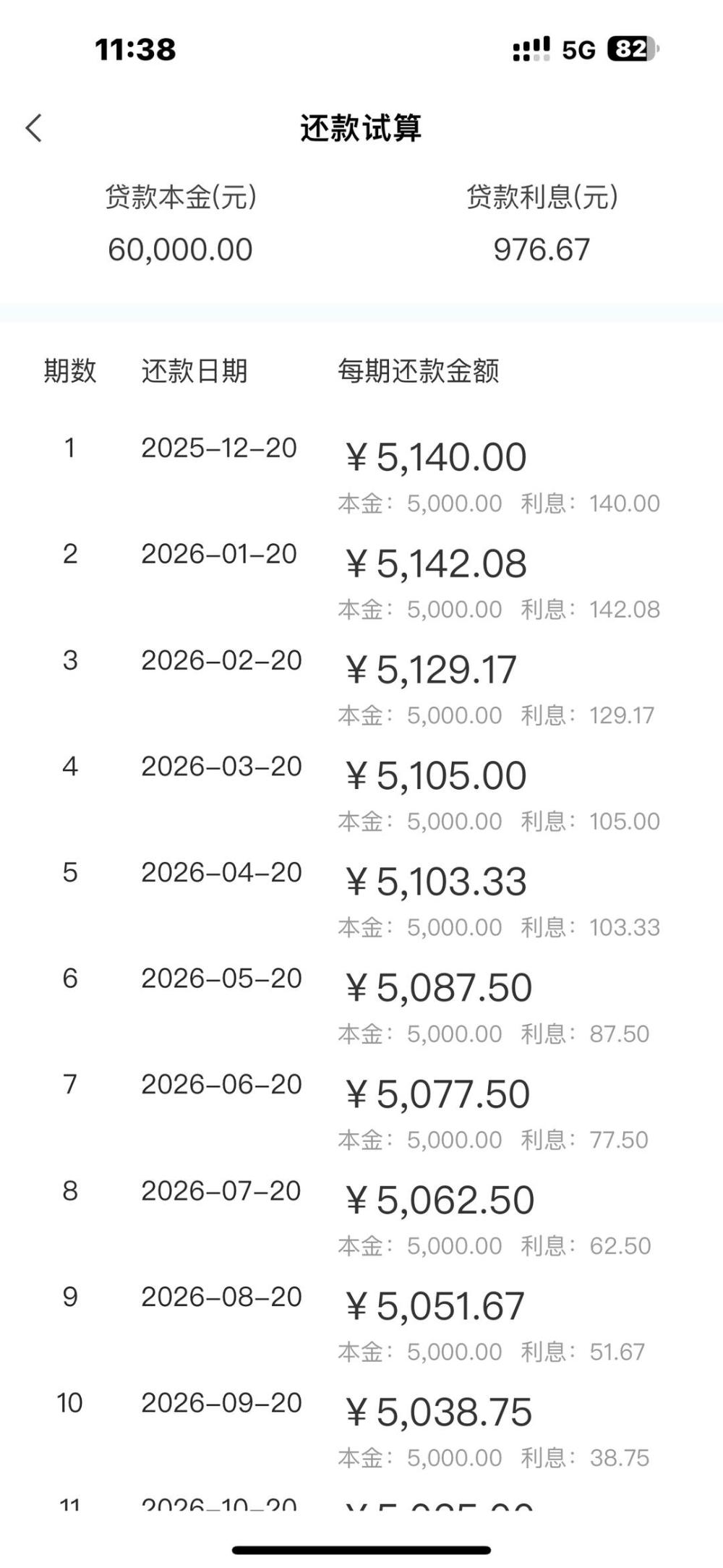
Image source @Soy Milk Mickey Mouse
Although ordinary people are always lucky about "saving money", they are full of awe for the matter of "being recorded on the credit investigation system".

Of course, there are still risks:

Anyone who has saved money knows that the stage when the deposit is close to a round number is the most agonizing.
And strangely, there will always be some unexpected expenses popping up at this time.
Either a relative is getting married and you need to give a cash gift, or your phone or computer suddenly breaks down, so you just can't reach your target savings number no matter what.
So some people choose to borrow money to make the total a round number, deposit it directly as a fixed-term deposit, and pay back the borrowed money when they get their salary next month. This completely cuts off their own escape route of "saving it later".

Of course, the loan-based money-saving method has certain compliance risks and you also need to pay interest costs, and borrowing money from relatives and friends will inevitably hurt your relationships.
Change your mind, you can do the opposite and become a creditor yourself.
Lending out all your money is also a great way to save money.
Be generous and lend money to others when they are most short of cash;
When others have enough money and enough conscience, your money will naturally come back to you.



If you don't trust other people's character, you can try the "story-based money-saving method".
For example, just pretend you have no money at all.
Transfer all the balance in your salary card away, force yourself to find other ways to make a living, and experience extreme survival in a desperate situation.

This immersive storyline has spawned countless branches.
For example, pretend to save money for expecting a baby.
Prenatal check-ups, maternity bags, special butt cream for newborns, you strictly "spend money" item by item according to the pregnant woman's checklist, but in fact you deposit the money into a certain account.
Following this whole process, you can save at least 47,170 RMB.
And this is just the beginning, after all, the moment the child is "born" is the starting point of huge spending.
Just imagine that you pretend to raise a child until he is 10 years old, and it doesn't seem that difficult to save millions of RMB.
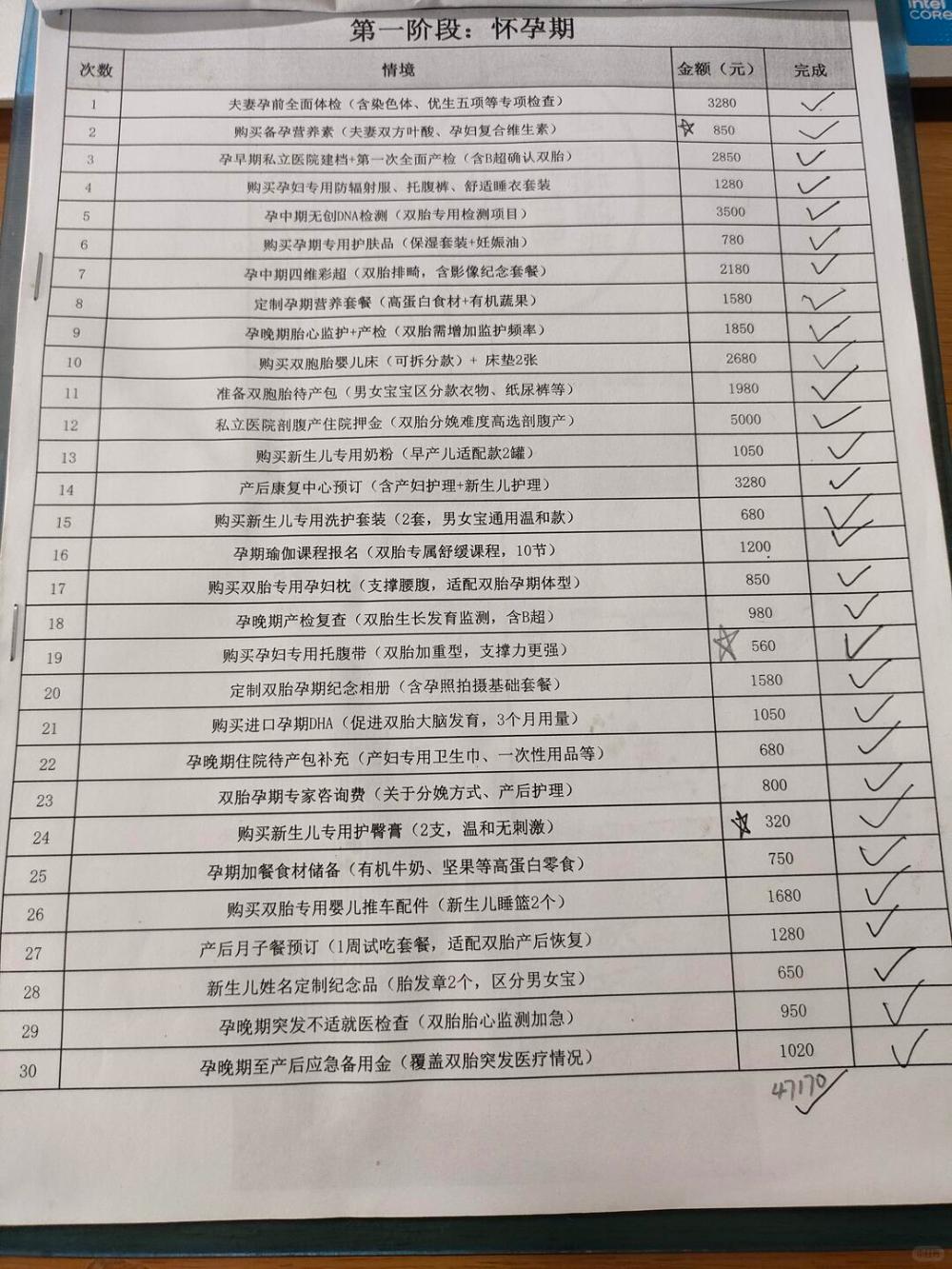
Image source @Qiqi likes Doraemon
If you think simulating raising a child is too much of a burden, you can lower the threshold and pretend you are raising a cat.
"Spend" money to buy cat food and cat litter for your "cat", and you can also save hundreds of RMB indirectly.

Or choose virtual idol chasing, it doesn't matter who the idol you are chasing is.
Do a simple calculation of the cost of offline idol chasing: the cost of flights, hotels, tickets, merchandise, and makeup adds up to a huge sum of money.
On the one hand, you get addicted to saving money, on the other hand, you stop yourself from spending on idol chasing.

If you think the script you made up is not interesting enough, you can totally use an existing one.
For example, pretend you are Tong Xiangyu who runs the Tongfu Inn.
Save money following the plot, the first sum at the beginning, write down "the wine money that Old Xing owed on credit last month" in your account book.
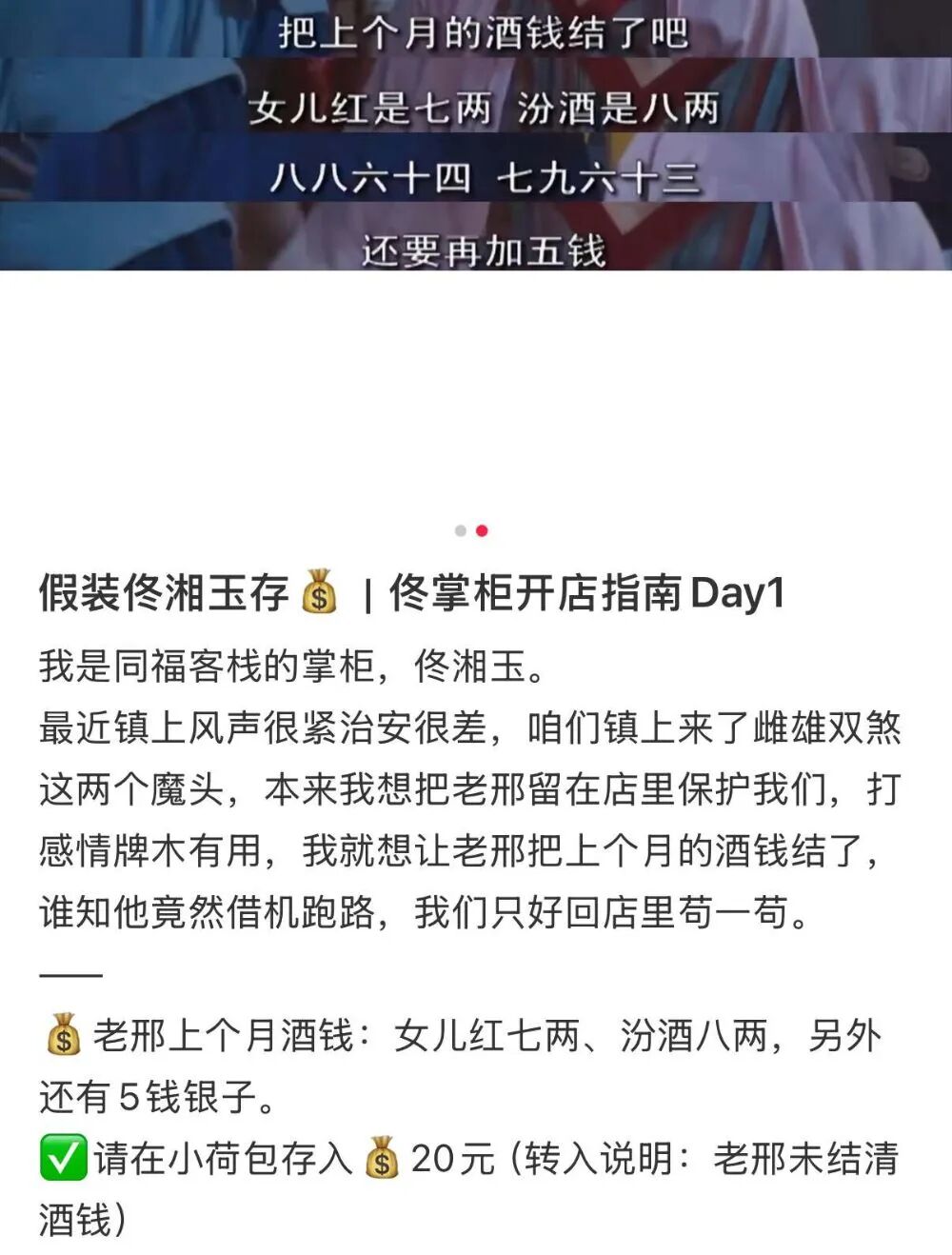
Image source @I only eat four catties of food per meal
My colleague Old G, who suffered heavy losses in the A-share market, firmly practices the A-share money-saving method. Every month after receiving his salary, he only keeps enough money for living expenses, and uses all the rest to replenish his positions flexibly. He is reluctant to sell when the stock price rises, and feels at ease when he is trapped in losses.
He calls it a brilliant trick to save money, a practice of long-termism.
He never mentions that his original intention was to make money from financial management.

In addition to the above-mentioned bold unorthodox schools of saving, there are also some small tricks for daily consumption.
If you can't help but want to spend money, stock up on various group-buying coupons for restaurants.
You get the pleasure of consumption when you buy them, and when the coupons expire and the money is automatically refunded to your account, it feels like you suddenly found free cash in your pocket.
Or set up a special account. Every time you want to buy milk tea or some useless small stuff, transfer a sum of money to that account, pretending that you have consumed it. In this way, you not only save money, but also lose weight.
All in all, saving money has become a "rigid demand" for contemporary young people.
02
Welcome to the fanatical era of saving money
The fancy tricks of unorthodox saving have evolved into an artistic absurdity.
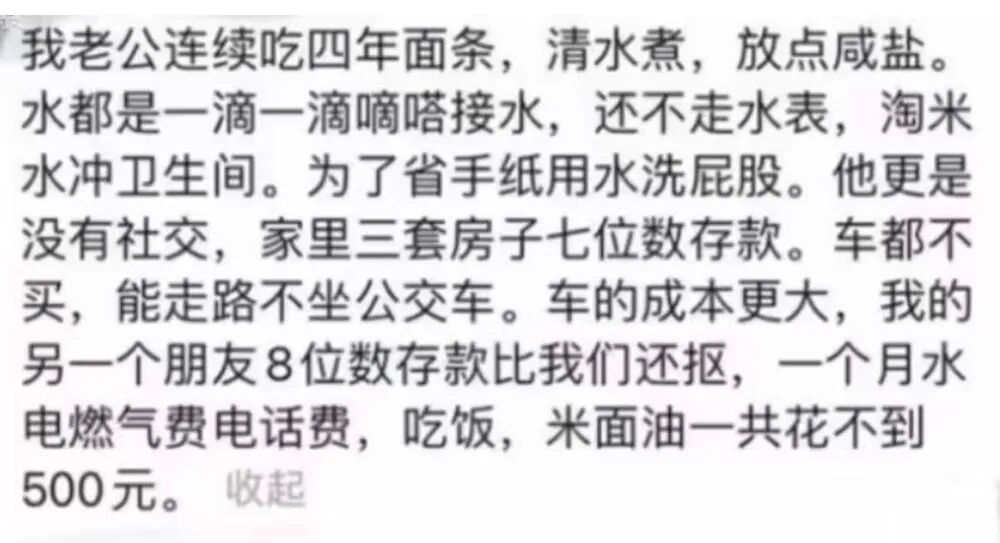
But these fanatical money savers were not like this from the very beginning.
Their past life might be like the plot of *Tiny Times*, but now they are all living like Sanmao and the Calabash Brothers.
The wind of consumerism has completely turned into cold northwest wind.
Some friends look at their past consumption records and can't help but ask themselves:
I really have no idea what was wrong with me back then.

In those days, a cup of