What is the significance of the existence of a smartphone without a touch screen?
Recently, a new HMD device has been exposed. It is reported to be named the HMD 2760 Flip, and it is not hard to see from the model number that it is positioned as a "remake" of the former Nokia 2760 Flip. Since HMD has given up the license for the Nokia brand, such an iteration seems perfectly logical.
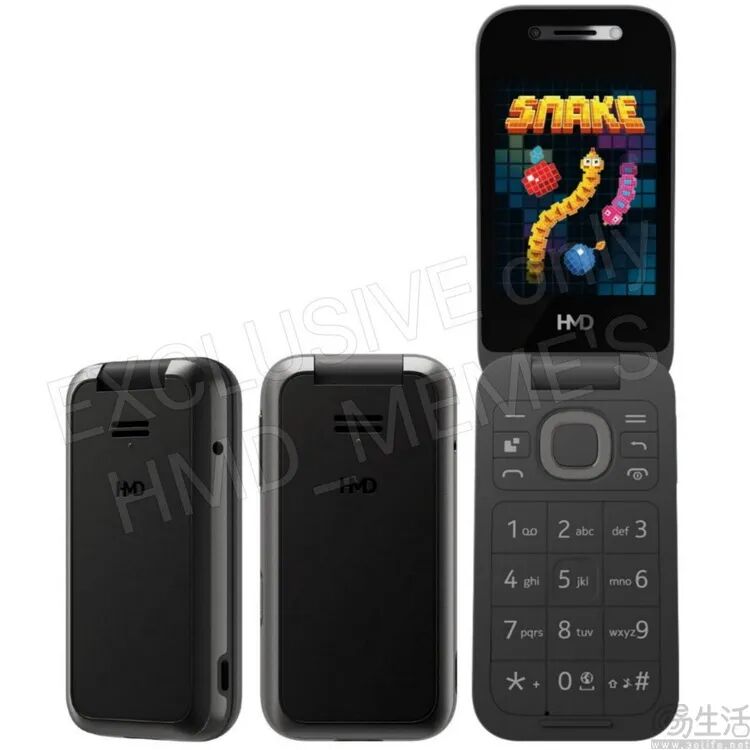
But what is truly unusual is that the original Nokia 2760 Flip was a feature phone, while the HMD 2760 Flip is said to be a smartphone with a similar appearance but a completely different internal setup.
Can this even count as a smartphone? Don't be surprised, it absolutely does
Let's first take a look at the rumored specifications of the HMD 2760 Flip. Current leaks show that it will largely inherit the exterior design of the previous Nokia version, featuring a clamshell form factor, a 1.77-inch external display and a 2.8-inch internal display.
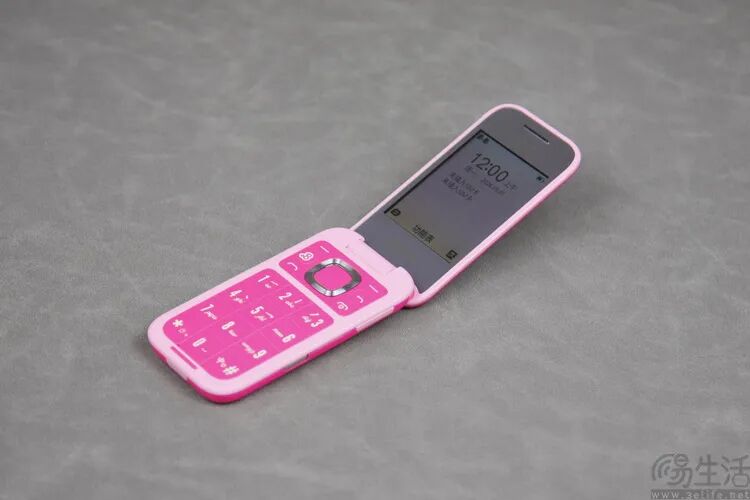
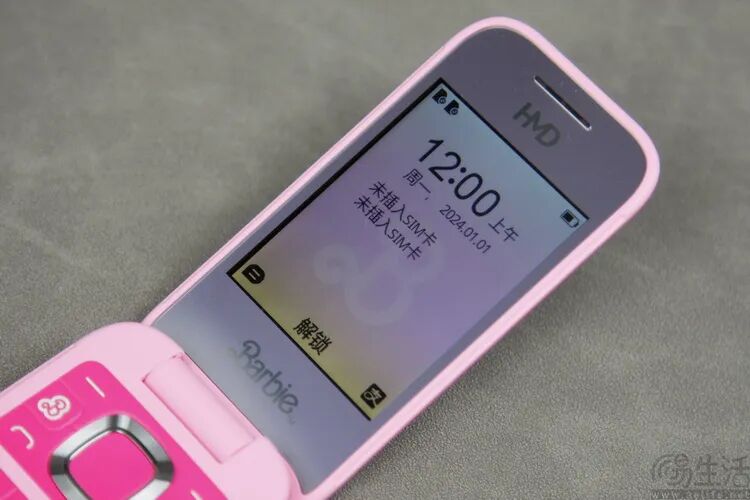
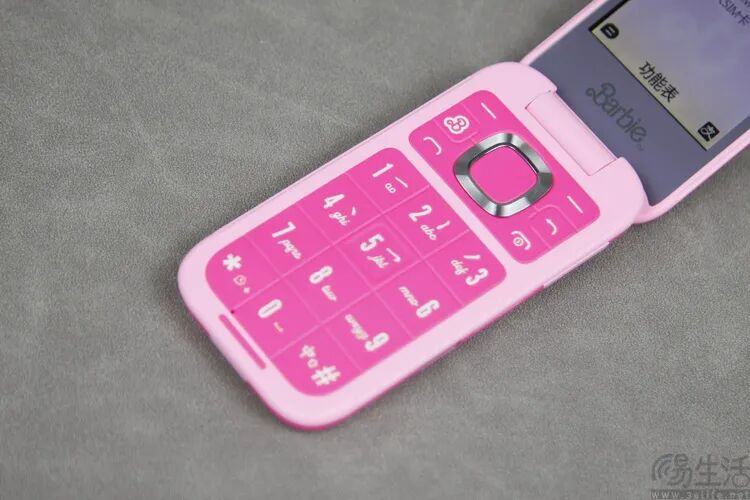
The HMD Barbie Phone we have on hand has only very minor differences in appearance from the rumored new device
On this basis, the HMD 2760 Flip is reportedly powered by the UNISOC T310, paired with 2GB of RAM and 32GB of storage.
Compared to the KaiOS of the previous Nokia model, the new HMD device will replace the system solution with "Icon OS 13" based on Android 13 Go, which can basically be regarded as a streamlined Android system optimized for keypad operation.
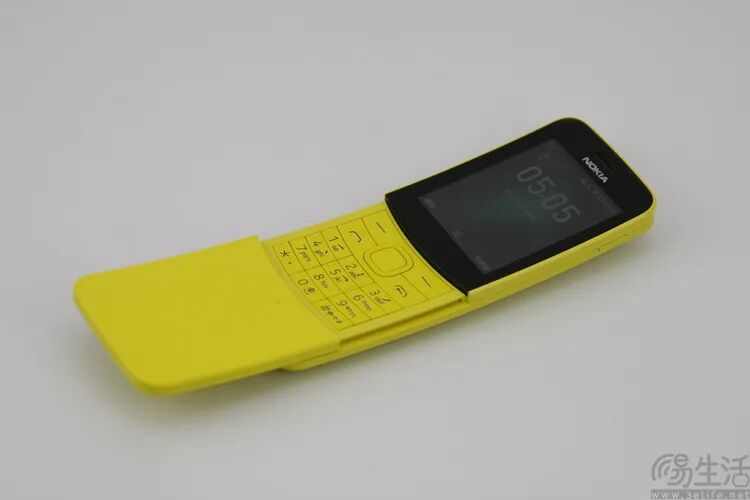
It is worth noting that academically speaking, KaiOS, which is built on the legacy of Firefox OS code, is technically a "smartphone operating system". However, due to its much lower hardware requirements and almost no native app expansion capabilities (all apps running on it are web apps), KaiOS is generally not marketed as a smartphone in the consumer market, but is categorized as a feature phone.
In contrast, although HMD's current "Icon OS 13" will most likely use a pure keypad control scheme with no touchscreen support, its underlying foundation is derived from Android, and it is also equipped with a proper smartphone SoC in terms of hardware. So if the current rumors are true, the HMD 2760 Flip will mark this classic model breaking away from the "feature phone" identity and becoming a genuine entry-level smartphone.
Will this entry-level device with a keypad and Android system be user-friendly?
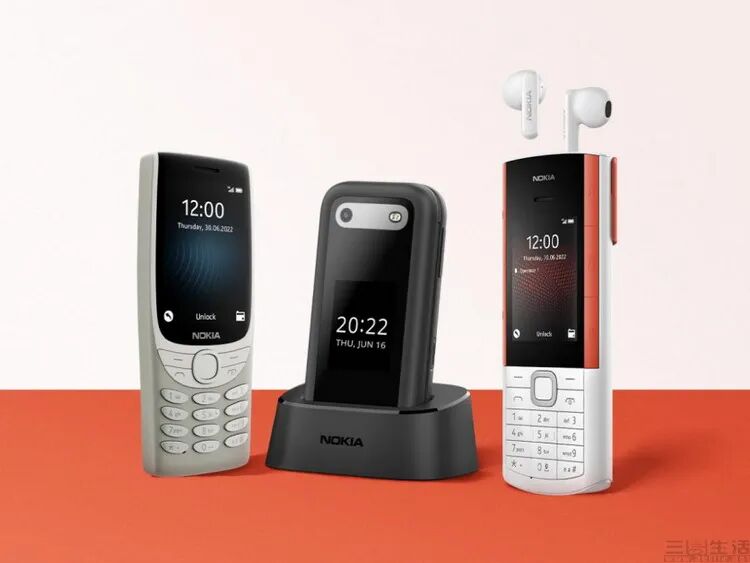
Interestingly, if you search the internet using keywords like "keypad Android phone" or "Android senior phone", you will find that the HMD 2760 Flip is not the first product to adopt a similar design. In fact, products that look like feature phones on the outside but run smartphone SoCs and operating systems have already become very common.
Compared with the old-school "genuine feature phones" of the past that paired entry-level chips with RTOS, these new smartphones that take on the appearance of feature phones are almost bound to have some regressions in certain usage experiences.
For example, since their processors are far more powerful, yet the device body cannot be made larger, these models cannot achieve the extremely long standby time that old feature phones used to offer. In fact, due to cost and size constraints, the battery life of these keypad smartphones may even be inferior to some mainstream touchscreen devices that focus on long battery life and are equipped with batteries as large as 10000mAh.
Another example: since they run a smart operating system, these keypad smartphones will theoretically face problems such as accumulated disk junk files and app caches, which will cause the device to get slower and slower after long-term use. Moreover, since the technical capabilities of related manufacturers are limited, such devices are destined to perform much worse than mainstream touchscreen smartphones in terms of lag prevention and long-term service life.
Of course, the most important point is that even though keypad smartphones can install the same apps as mainstream devices thanks to their Android-based underlying system, this does not mean that current Android apps will definitely be optimized for keypad operation logic. In other words, how uncomfortable these devices are to use is probably something only people who have actually bought one can understand.
What is the point of such a device? Most likely it is the application ecosystem
Since keypad smartphones have shorter battery life than feature phones, weaker performance than regular touchscreen phones, and often subpar software experience, why are some manufacturers still releasing them now?
The reasoning behind this is actually very simple: you can basically figure out their selling points just by looking at the product pages of existing keypad smartphones on the market.
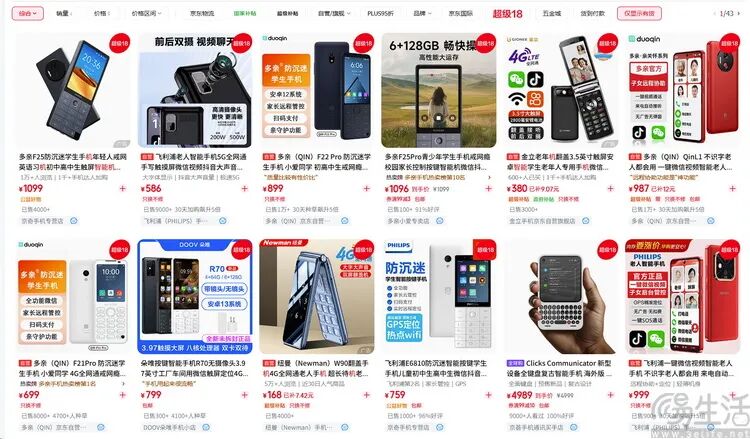
On the one hand, the biggest selling point of keypad smartphones is that they are "smartphones", so they can run WeChat, Douyin, and Kuaishou, meeting the needs of some users who are not comfortable using touchscreens to access mainstream applications, stay connected with others, and enjoy online video content.
On the other hand, since keypad smartphones only have physical keys, they cannot run (or run properly) applications that require a touchscreen to operate, especially games. Therefore, for users who value the smartphone application ecosystem but want to avoid games, low-performance, non-touchscreen keypad smartphones have become devices that "cannot run games".
Moreover, even from a pricing perspective, since keypad smartphones remove the touchscreen and generally have smaller, lower-resolution displays, their price points are one tier lower than the cheapest regular touchscreen smartphones. Therefore, in this era where smartphones are indispensable for everyone, these seemingly rather peculiar technically imperfect keypad smartphones have secured a unique and even irreplaceable market position.
This article is from the WeChat Official Account "3eLife" (ID: IT-3eLife), written by San Yijun, and republished with authorization from 36Kr.