Spending 100,000 yuan to buy "companionship", how far are bionic robots from entering ordinary families?
Robots stage a romantic scene while humans watch around.
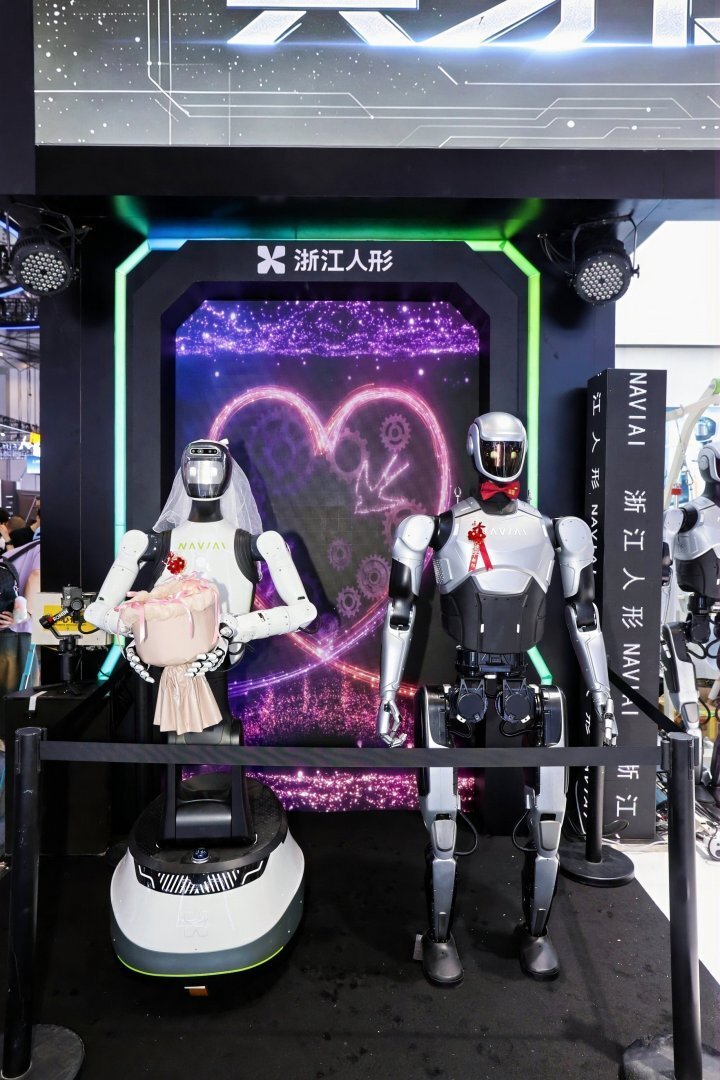
On the stage, the "groom" played by a bipedal robot kneels on one knee to present flowers, and the wheeled-arm "bride" takes the token and raises its hand to form a big heart shape.
Witnessed by the onlooking crowd, this new robot couple completed a slightly clumsy but eye-catching romantic proposal. The audience under the stage soon booed: "Can the two of them hug?"
On August 19, when Qixi Festival met the 2026 World Robot Conference (WRC), the venue was full of various romantic "Easter eggs". At the entrance, the exhibition board themed "Human-Robot Symbiosis, Industry-Demand Integration" still emphasized the industrial proposition. Entering the exhibition hall, the style quickly switched to robots getting married, sending flowers, and distributing wedding candies.
The booth of UBTECH is always surrounded by dense visitors. Some people queue up to get roses, while others aim their cameras at the super bionic humanoid robot U1 in the center of the booth.
When microscopic details such as pores, blood vessels, and fingerprints are all reproduced on the robot, a life-sized humanoid robot blinks and turns its head in the crowd, making brief eye contact with the audience. The onlooking audience asks: How much does such a robot cost?
The staff gave the answer: The U1 Lite half-body version is priced at 119,800 yuan; the U1 Pro full-body version is priced at 169,800 yuan.
Nowadays, society constantly divides people into "atomized" individuals, who are looking for new "companionship" among reinforced concrete buildings. If the next trend of companionship targets robots, how should the emotion between humans and robots be priced?
01 Robots Are Becoming "Human-Like"
In Area C of the Robot Conference, accompanied by uplifting music, the humanoid robots of Unitree Robotics continue to fight and dance on the booth; the bionic robots of UBTECH dance waltz amid the onlooking crowd; the newly released bipedal robot Galbot ET-1 from Galaxy Universal performs dances; the robot kindergarten is full of "little friends" who are looking at the passing crowd......
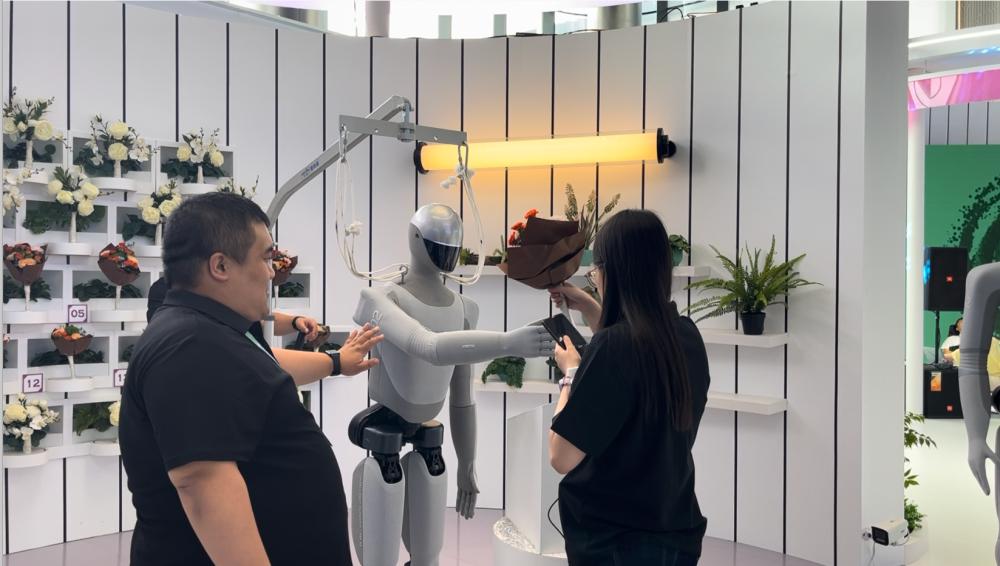
Inside the "Embodied Garden" tech art exhibition, a robot presents a bouquet of flowers to visitors Source: Caiwen
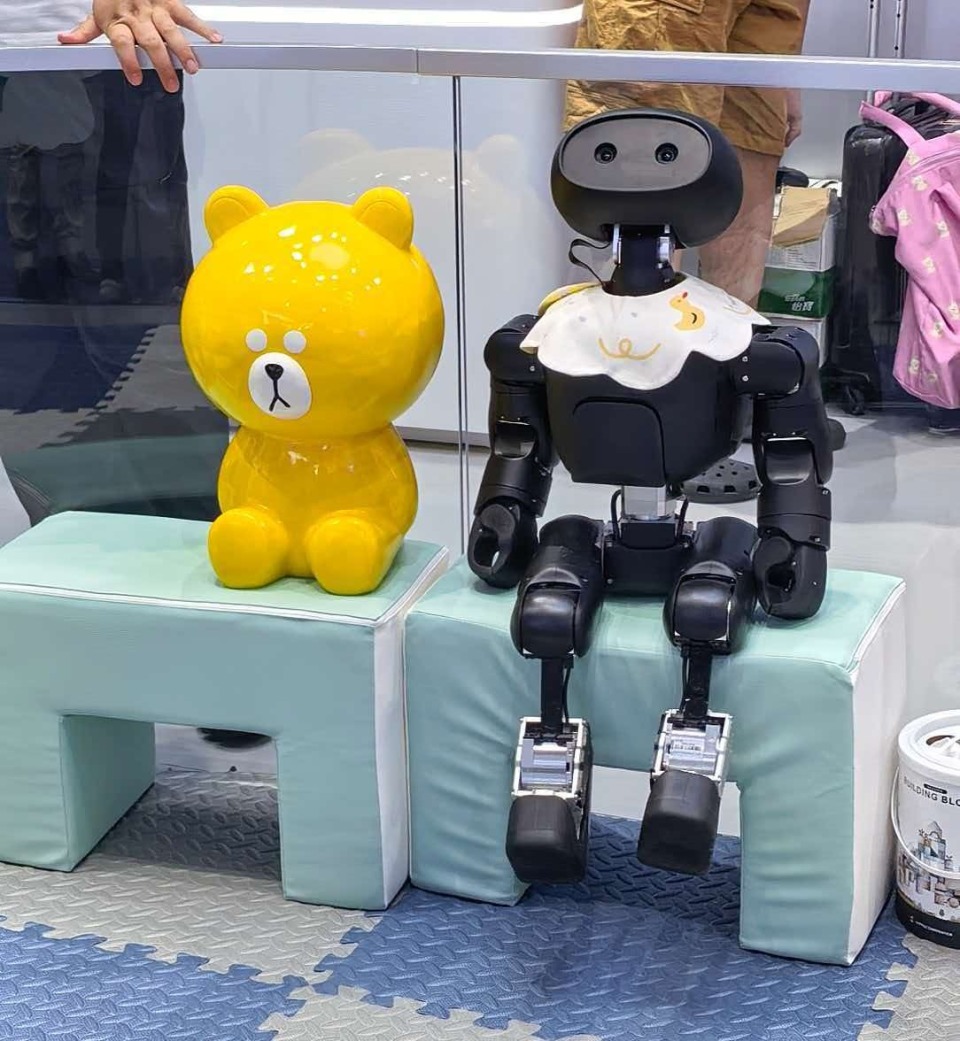
If you only look at these scenes, this year's Robot Conference is like a large amusement park: cheerful music, crowded booths, and robots standing in the center of the crowd, surrounded by cameras and gazes.
But in the past few years, the core displayed by the robot industry was precision, efficiency and high cost-effectiveness, focusing on "high-precision, cutting-edge" products with strong technological power in industrial scenarios.
Different from the past when heavy robotic arms occupied the visual center, the booths of this year's WRC are obviously extended to life scenarios.
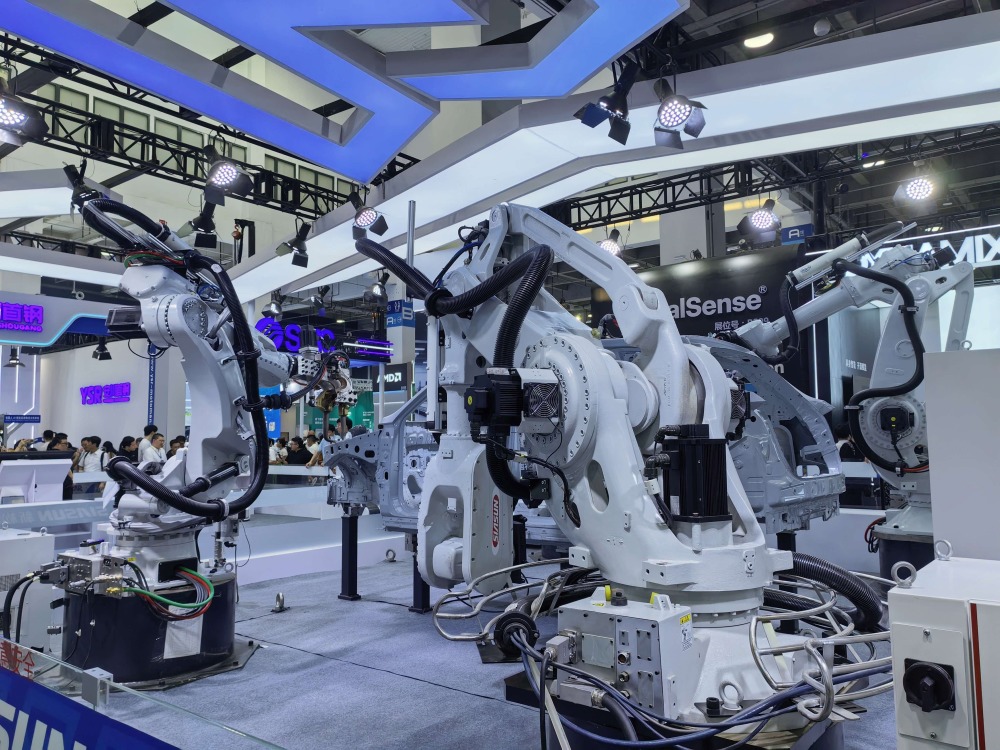
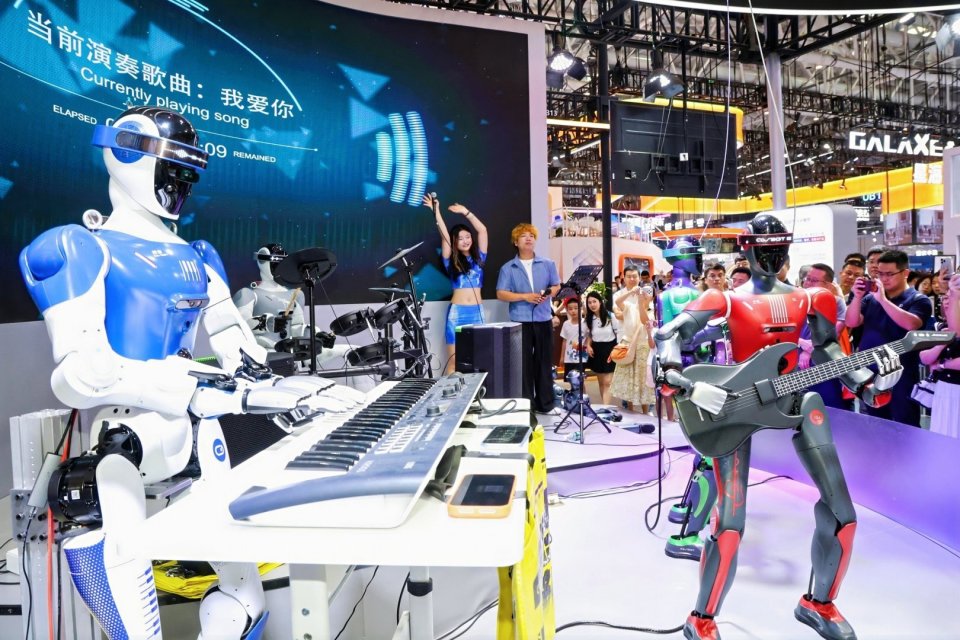
Robots can actively dance, talk and send flowers with the audience, respond to the crowd with their eyes and expressions, play music and perform dances on the stage, creating a joyful emotional atmosphere for the audience present.
This also echoes the two main landing paths for humanoid robots in the current market. The first is the industrial route, where robots enter the automotive, logistics, warehousing and manufacturing industries, starting from highly repetitive tasks such as handling, sorting, and loading/unloading. The other is the home route, where robots become more accessible and can undertake housework, care and companionship.
02 "Companionship" Starting From 100,000 Yuan
This year, super bionic companion robots have become the third eye-catching track.
Since UBTECH's "U-World" U1 opened pre-orders on June 2, the number of public pre-orders has exceeded 4,600 units as of June 18. By June 30, UBTECH announced that the cumulative online and offline orders of the U1 series had reached 13,361 units.
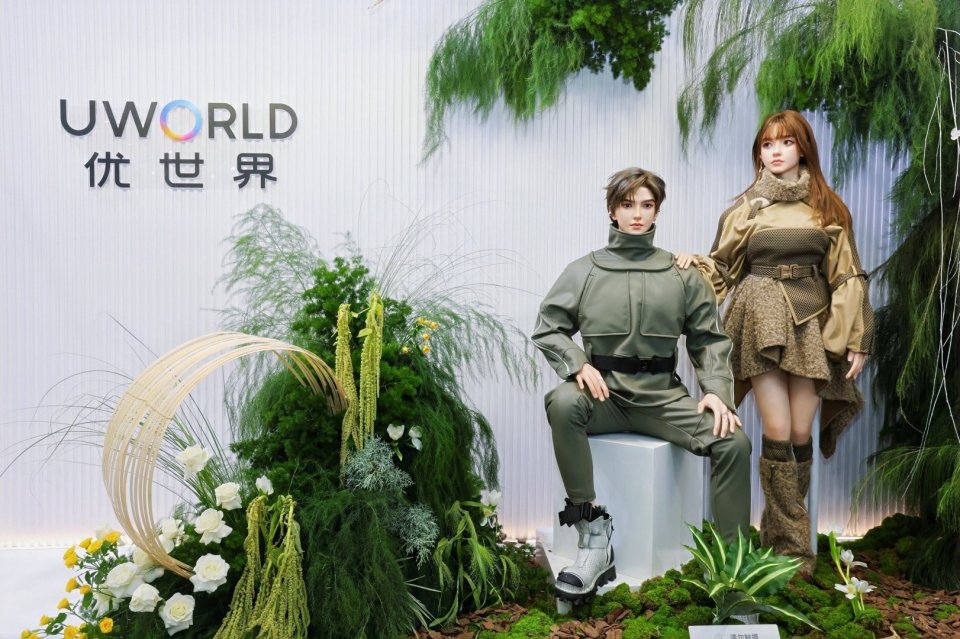
This popularity is also reflected in this year's Robot Conference. Compared with last year, there are significantly more bionic robots this year. For example, UBTECH brought the U1 Lite and U1 Pro of the "U-World" U1 series to the conference site for the first time; EIR showcased the new generation of emotional interaction robot "Aqiu" priced at 98,000 yuan and above; Songyan Power brought the bionic robots "Xiaoyue", "Xiaochen" and four other bionic robots with brand-new makeup and styling.
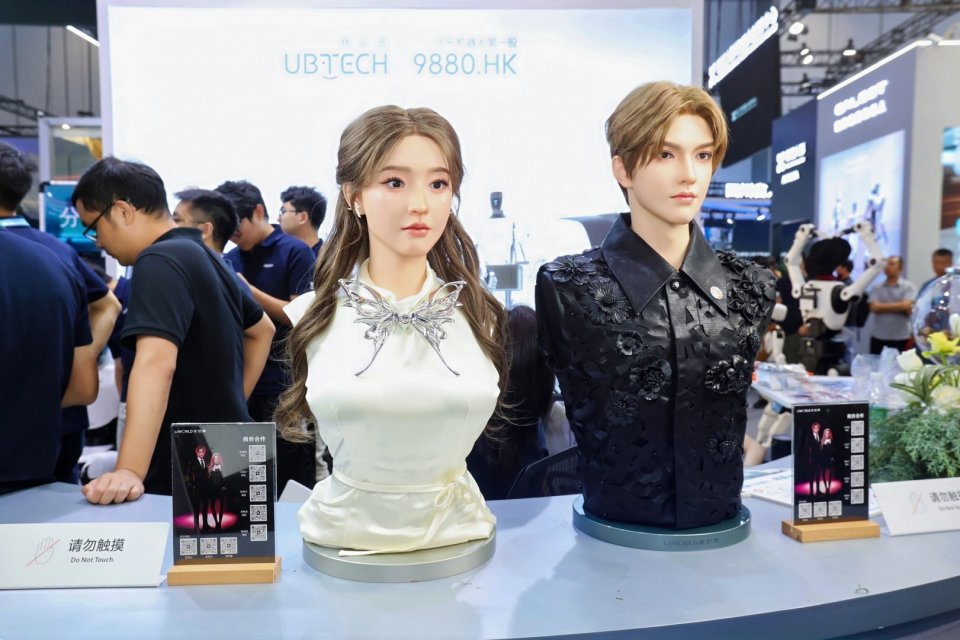
Despite the bustle, what exactly is an exquisite bionic robot used for in terms of companionship? "Although it looks very beautiful, it can only be viewed. Compared with other service-oriented robots in the venue, it may be less functional," said one visitor.
So what kind of usage scenarios are bionic robots suitable for? The staff explained that different customers need different robot forms. If the robot only needs to be placed at the front desk, booth or reception desk, it can adopt a fixed or half-body form; if it needs to move in the venue, it can be equipped with a wheeled chassis; only when customers have higher requirements for complete humanoid shape and full-body movements, the full-body version is required.
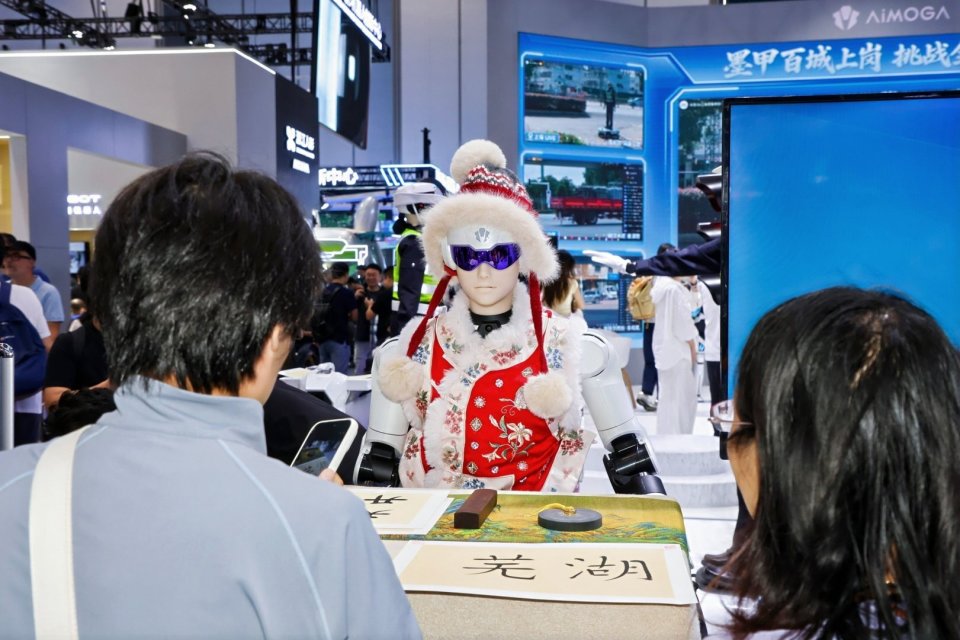
"We will not define this product as a partner. The companionship we talk about refers more to communication and interaction," the staff said. In commercial scenarios, robots can be responsible for greeting and receiving guests; in home scenarios, they can chat with users, providing daily communication and emotional responses.

For a product that mainly provides chat, expressions and emotional responses, the price of around 100,000 yuan is only the first threshold for entering families.
Wang Xingxing, founder of Unitree Robotics, judged at the 2026 World Robot Conference that it will take "as soon as two or three years, or as long as five to ten years" for humanoid robots to enter home scenarios.
In his view, the biggest bottleneck of the current industry is still the insufficient generalization ability of embodied intelligence: after full training in fixed scenarios, the task success rate of robots can be close to 100%, but once the operation object or environment changes, the success rate will drop significantly.
If it is temporarily difficult for bionic robots to enter ordinary families, theme parks, cultural tourism projects, science and technology museums and brand exhibition halls may be more realistic application scenarios for them.
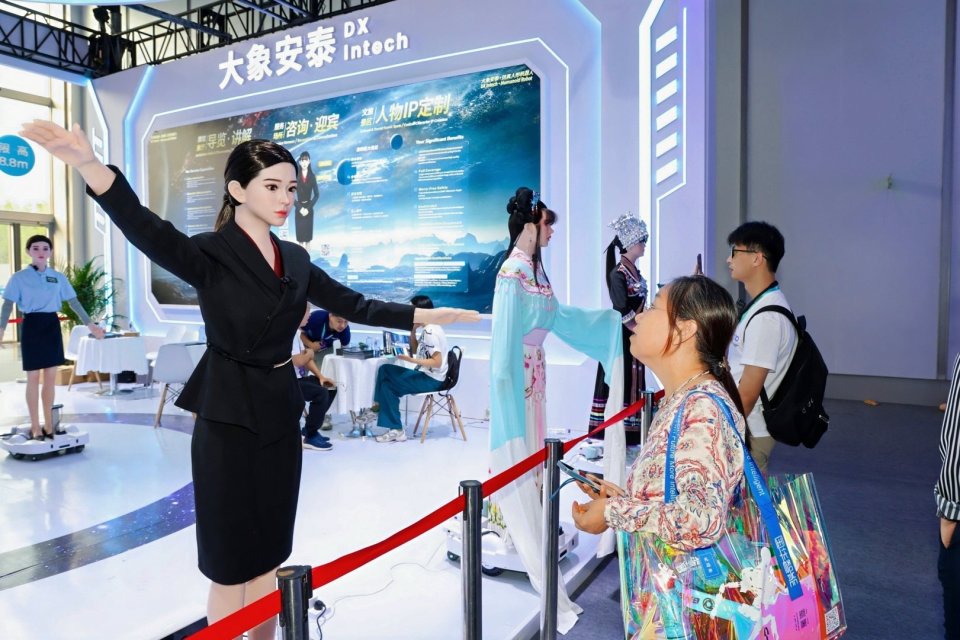
The simulated humanoid robot displayed by Shenzhen Elephant Antai integrates six functions: guest greeting, tour guide, consultation, song and dance performance, drainage marketing, and live streaming.
In recent years, Disney has tried to bring robot characters into its parks. For example, the BD-X robot in the Star Wars themed area can move freely and have impromptu interactions with tourists; the Disney Imagineering team has also developed the "Little Groot" robot that can act independently.
However, Disney's robots do not deliberately replicate the facial features and skin of real humans, but use cartoon images to reduce the "Uncanny Valley" effect of tourists on highly simulated robots.
Therefore, whether in commercial or home scenarios, the usage scenarios of bionic robots are relatively limited. This also means that for bionic robots to truly achieve commercialization, they cannot only stay at the highly simulated appearance and emotional interaction level.
Instead, they need to answer a more realistic question: After the novelty fades, what functions are people willing to pay for? If they can only provide viewing value and the imagination of companionship, bionic robots still have a long way to go before they can truly understand human "joys, sorrows, anger and happiness" and integrate into daily life.
This article is from "Tencent Tech", written by Xie Ruirui, edited by Xu Qingyang, and published with authorization from 36Kr.