AI is beginning to transform cancer treatment, what is the truth?
What, has AI completely cured cancer?
You may have scrolled across similar trending topics today, but that is not the actual fact. Nevertheless, the pharmaceutical sector has indeed made significant progress worthy of widespread attention —
Just last night, Moderna and pharma giant Merck (known as MSD outside North America) announced that their jointly developed personalized mRNA cancer therapy Intismeran Autogene (V940/mRNA-4157), when combined with KEYTRUDA (Pembrolizumab / Keytruda), has delivered positive results in a large Phase III clinical trial that enrolled 1137 patients with high-risk melanoma.
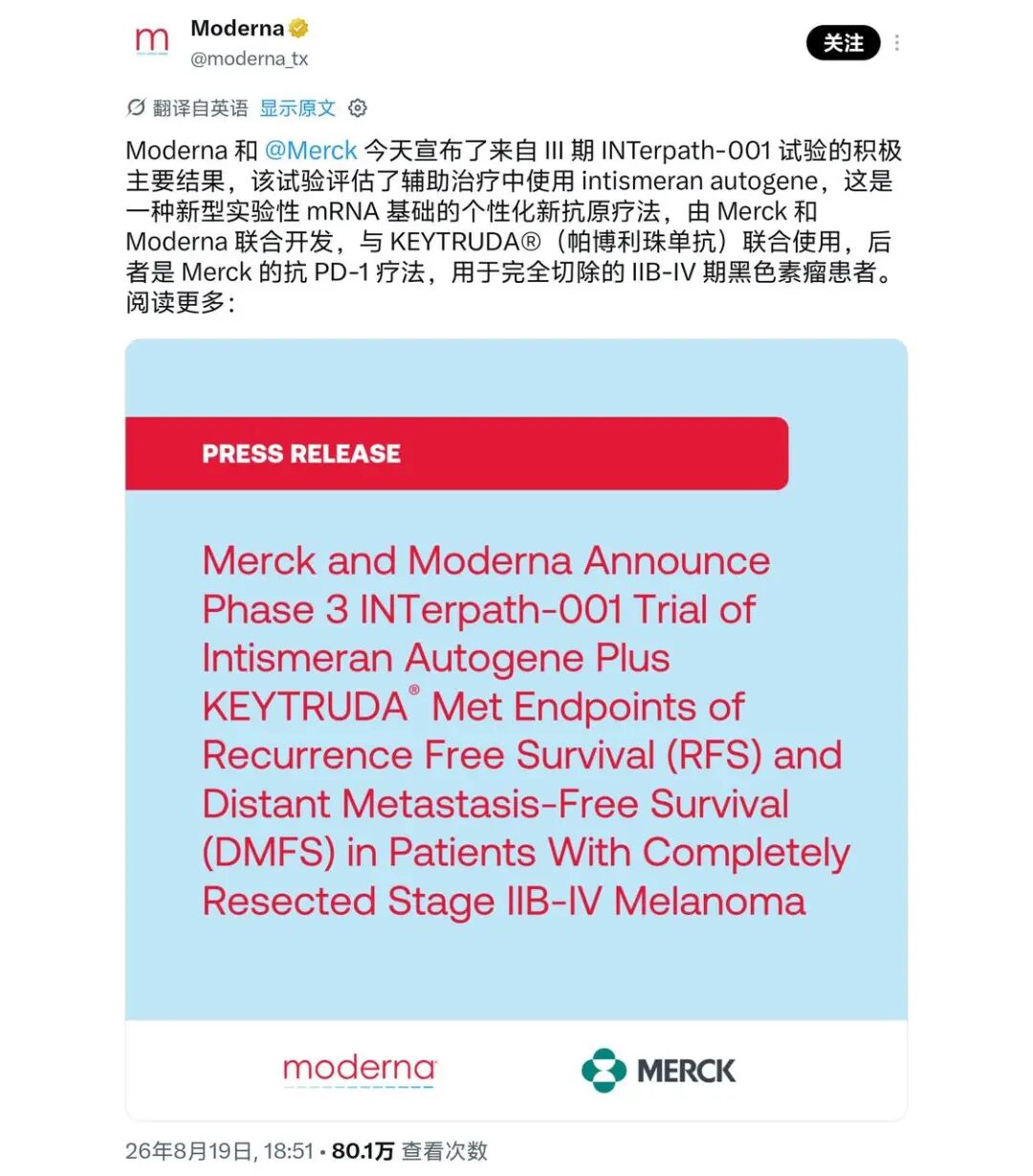
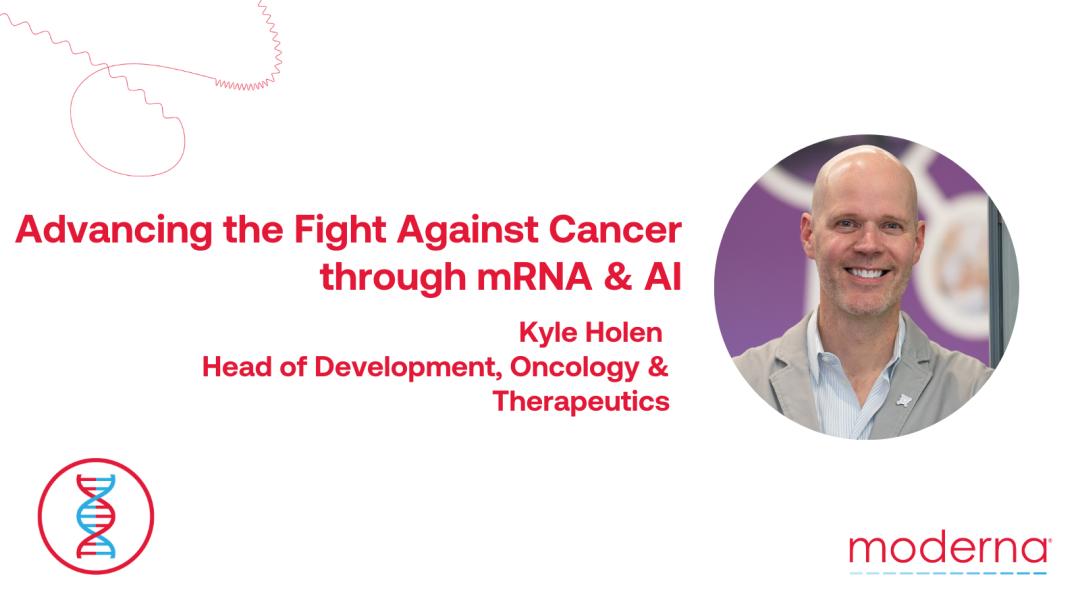
This is the world's first personalized mRNA cancer therapy that has obtained positive Phase III clinical results. Perhaps more importantly, it is also the first cancer therapy with AI participation in target design that has reached the threshold of commercialization.
With the combination of AI and mRNA, the era of customized drugs tailored for each individual patient may arrive very soon.
What makes cancer treatment so difficult?
Cancer is essentially a Darwinian evolutionary process that takes place inside the human body.
The human body is made up of around 30 trillion cells, and each cell will experience DNA damage and random mutations during its working and replication processes.
Considering that each cell undergoes tens of thousands of DNA damages on average per day, multiplied by the total number of about 30 trillion somatic cells, it means that hundreds of billions of tiny mutations occur in our bodies every day.
However, since the vast majority of mutations are repaired immediately, together with mechanisms such as cell self-inspection, mutual supervision between cells, and immune system patrols, these damages rarely lead to serious consequences at least in the first few decades of a person's life.
Yet quantitative changes will eventually lead to qualitative changes. Over the long course of life, various mutations will gradually accumulate inside cells, until a certain cell happens to gather all the mutations that can escape all monitoring and repair mechanisms, and it will turn into an out-of-control cancer cell.
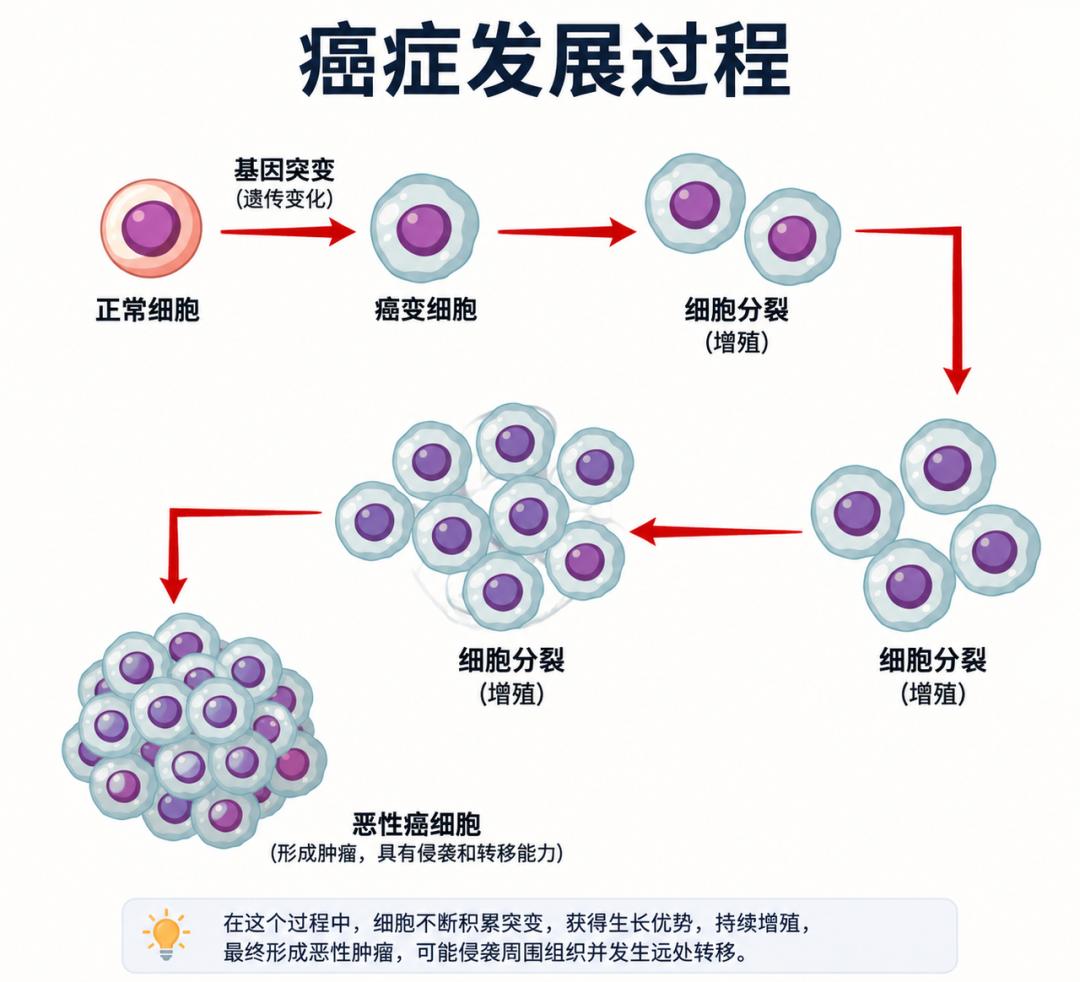
To treat cancer, the first step is to distinguish cancer cells from normal cells.
The simplest method is, of course, "physical distinction", which means surgically resecting the tumor tissue.
But resection cannot guarantee that every single cancer cell is removed. In addition, most cancers have already metastasized before they are detected. After one tumor is cut off, the "seeds" of cancer cells hidden elsewhere in the body will germinate again.
This is why traditional radiotherapy and chemotherapy are usually added before and after resection: they target rapidly dividing cells just like cancer cells. The problem is that radiotherapy and chemotherapy will also accidentally damage other equally rapidly proliferating cells such as mucosal cells in the digestive tract and hair follicle cells. That is why, as seen in movies, radiotherapy and chemotherapy always cause nausea, vomiting and hair loss.
Moreover, just like all natural evolution, as long as the base number is large enough, there will always be some cancer cells carrying mutations that can resist radiotherapy and chemotherapy. Radiation therapy and drugs only eliminate the cells sensitive to the treatment, and those resistant "populations" will quickly become the new mainstream.
At this point, the original therapies are no longer effective for this group of growing cancer cells.
As traditional therapies reach their limits, the medical industry has begun to place high hopes on new "immunotherapy". Compared with traditional drugs that are crude and extremely prone to causing drug resistance, a better approach is undoubtedly to reactivate the immune system that has been deceived or suppressed by cancer cells, so that this inherent tumor-suppressing mechanism of the body can restart hunting cancer cells.
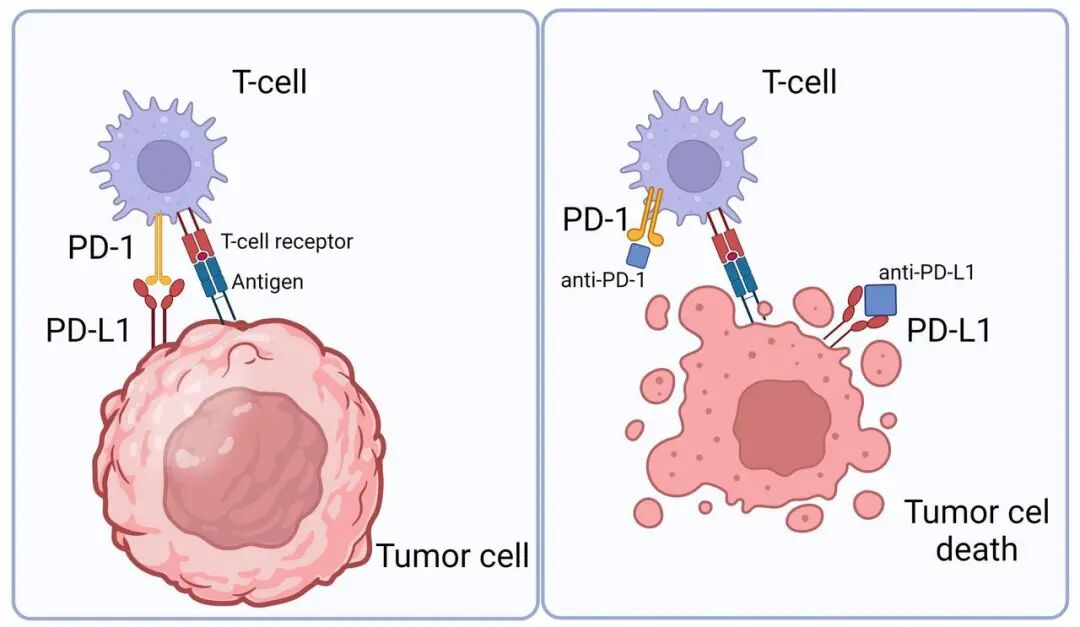
As one of the two drugs in this combination therapy, Keytruda (Pembrolizumab) works by reactivating the immune response switch that has been turned off by cancer cells, activating immune cells to eliminate cancer.
This approach is so effective that Keytruda has shown significant therapeutic effects against dozens of types of cancer. Before GLP-1 drugs for weight loss became popular, Keytruda had been the world's top-selling "king drug" for several consecutive years.
The intismeran developed by Moderna this time aims to "mark" cancer cells in each individual's body, so that the immune cells liberated by Keytruda can detect targets more accurately and comprehensively.
AI "Cancer Vaccine" Customized for Each Individual Patient
The rapid mutation of cancer cells is the foundation for their survival, but it also creates opportunities for new therapies.
Mutations will always cause cancer cells to produce abnormal protein fragments that do not exist in normal cells. These abnormal fragments are called "neoantigens", which are the unique markers of cancer cells.
As long as the immune system can recognize these markers, it is expected to kill cancer cells more precisely.
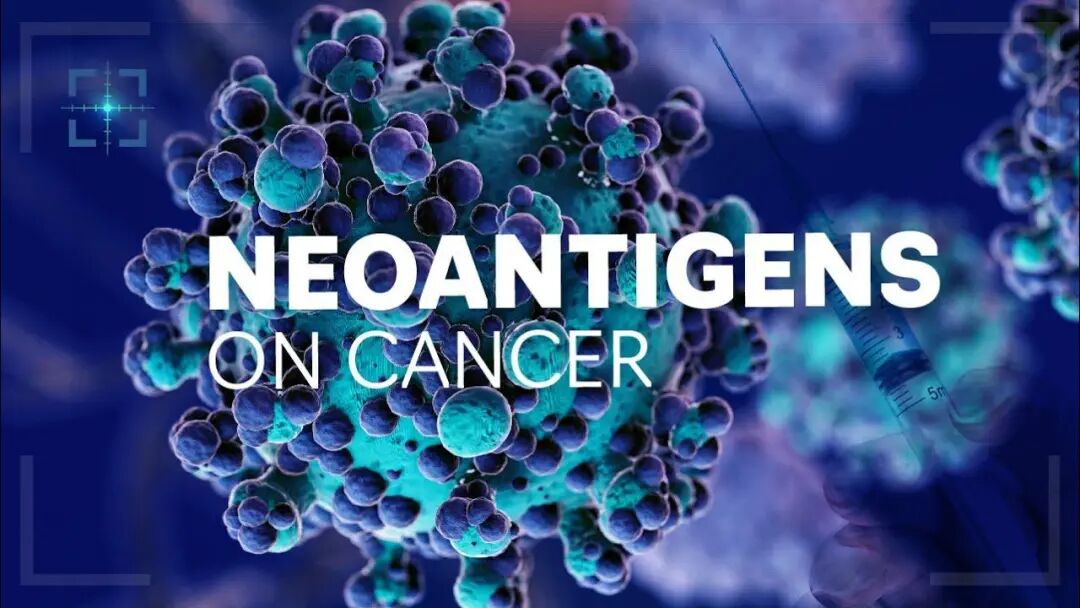
The problem is that there are far too many and overly complex neoantigens produced by cancer cells, and not every neoantigen is suitable for being recognized by the immune system. The neoantigens we need to find should be protein fragments shared by different cancer cells, completely absent in normal cells, and easy to be presented to the immune system.
This kind of big data processing work is exactly what AI excels at.
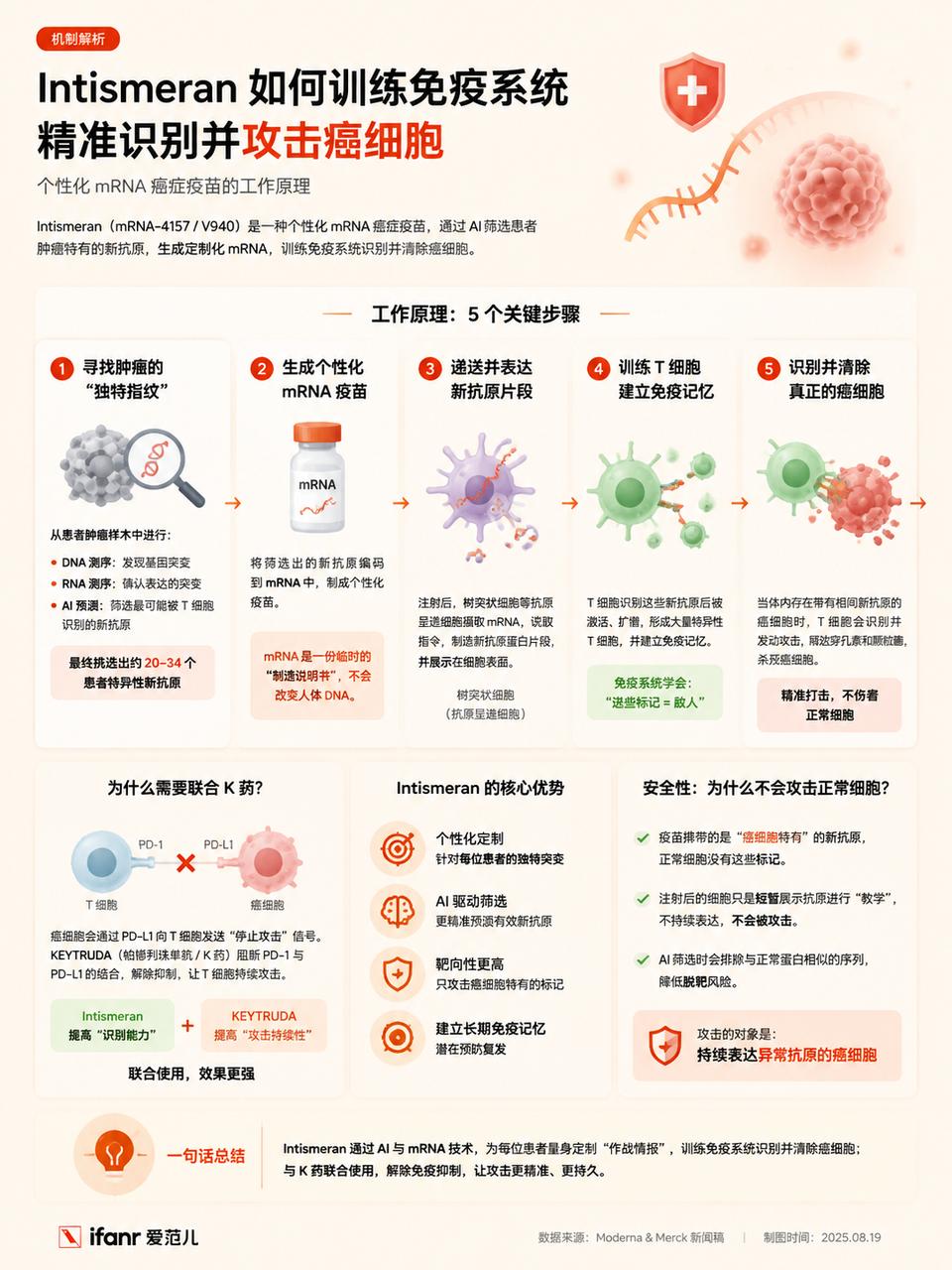
Researchers first take cancer cell samples from patients, compare them with normal cells from the same person, use AI to identify mutation points in cancer cells relative to normal cells, and screen out a small number of specific neoantigens with the most therapeutic significance as targets.
Since the biological characteristics of tumors vary from person to person, Moderna will customize a unique personalized "mRNA vaccine" for each patient based on the sequencing and screening results.
Currently, one dose of vaccine can combine up to 34 neoantigens with a "shell" that easily triggers an immune response. After being injected into the body, the mRNA will "instruct" normal cells to briefly express the same neoantigen proteins, training the immune system to recognize the relevant dangerous features.
It is like letting the police force read the "wanted notice" in advance. The immune cells "unlocked" by Keytruda, after training, will soon go to the front line to attack those cancer cells that still express neoantigens, thus enhancing the effect of Keytruda.
This randomized, double-blind Phase III trial INTerpath-001 enrolled 1137 patients with high-risk (Stage IIB-IV) melanoma who had undergone surgical resection. Patients were randomly divided in a 2:1 ratio: one group received the new regimen of intismeran plus Keytruda, and the other group used Keytruda alone, with a treatment duration of about one year.
Although specific data have not been released yet, the announcement shows that the trial has achieved "statistically significant and clinically meaningful" improvements in both progression-free survival (RFS) and distant metastasis-free survival (DMFS), and no new safety risk signals have been detected.
The already published 5-year follow-up report of the smaller-scale Phase IIb trial shows that the combination regimen of intismeran and Keytruda can reduce the risk of severe melanoma recurrence or death by 49%, and the risk of distant metastasis or death by 59%.
Moderna and MSD stated that they are in communication with regulatory authorities for marketing authorization applications. If everything goes smoothly, intismeran is expected to achieve commercialization in 2027. Moderna, once forgotten by the mainstream public, may once again become the protagonist in the pharmaceutical industry.
Cancer Therapy is Entering the Era of "AI Upgrading"
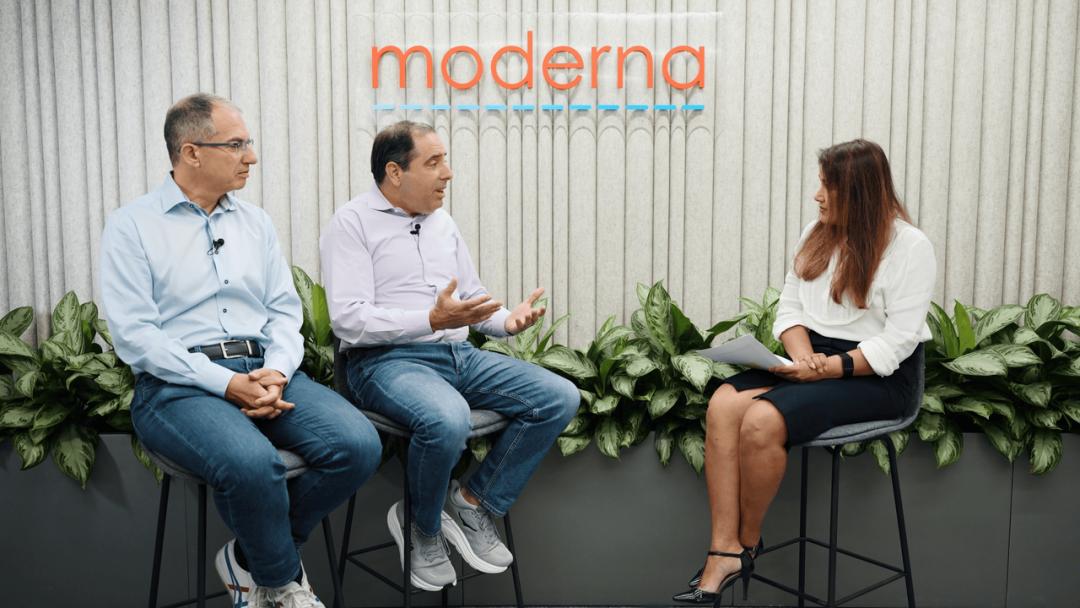
In a podcast, Stéphane Bancel, CEO of Moderna, said that once upon a time, designing a separate mRNA drug for each patient based on their tumor biological characteristics sounded like a concept from science fiction. But only 16 years after Moderna was founded, this idea has now become a reality.
Of course, this progress is worth celebrating, but we should not overhype it like clickbait accounts. Claims such as "humankind has conquered cancer" or "completely revolutionized the history of anti-cancer treatment" are obviously far-fetched.
intismeran has not completely changed the paradigm of immunotherapy, and there is still a long way to go before conquering cancer, because cancer is far more difficult to deal with than we imagined —
The diversity of cancer cells is almost infinite. Even after AI screening, 34 neoantigens may not cover all cancer cells in the body. There are always some cancer cells carrying unknown antigens lurking in the dark; some cancer cells will even choose to close the MHC window that presents internal proteins, leaving the immune system with no clues to trace.
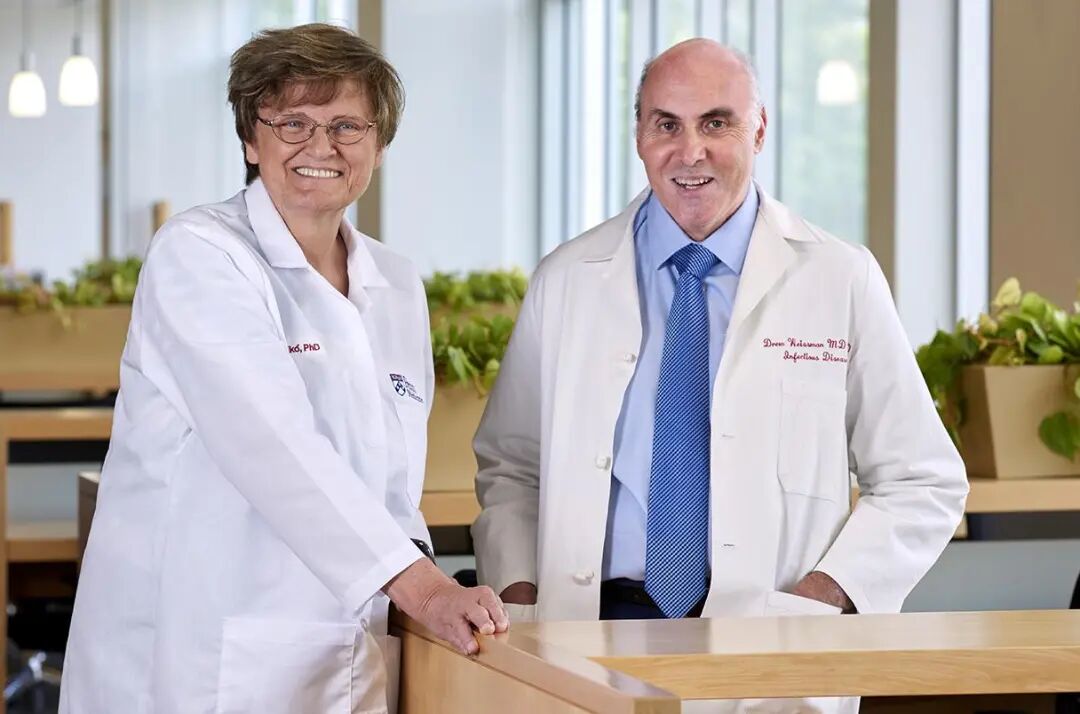
Photo: The mRNA pioneers won the 2023 Nobel Prize
As many medical experts have said, with current progress, the journey to "conquer" cancer remains long and arduous.
Nevertheless, intismeran does herald the arrival of a new era: it is very likely that, just like anti-virus software used to update its virus database constantly, in the future we can also continuously "program" based on the AI+mRNA platform according to the trends of cancer cells in the body, adding the latest characteristics to the immune system's recognition library.
At that time, even if we cannot eliminate 100% of cancer cells, it will not be surprising to turn cancer into a chronic disease that can coexist with humans for a long time.
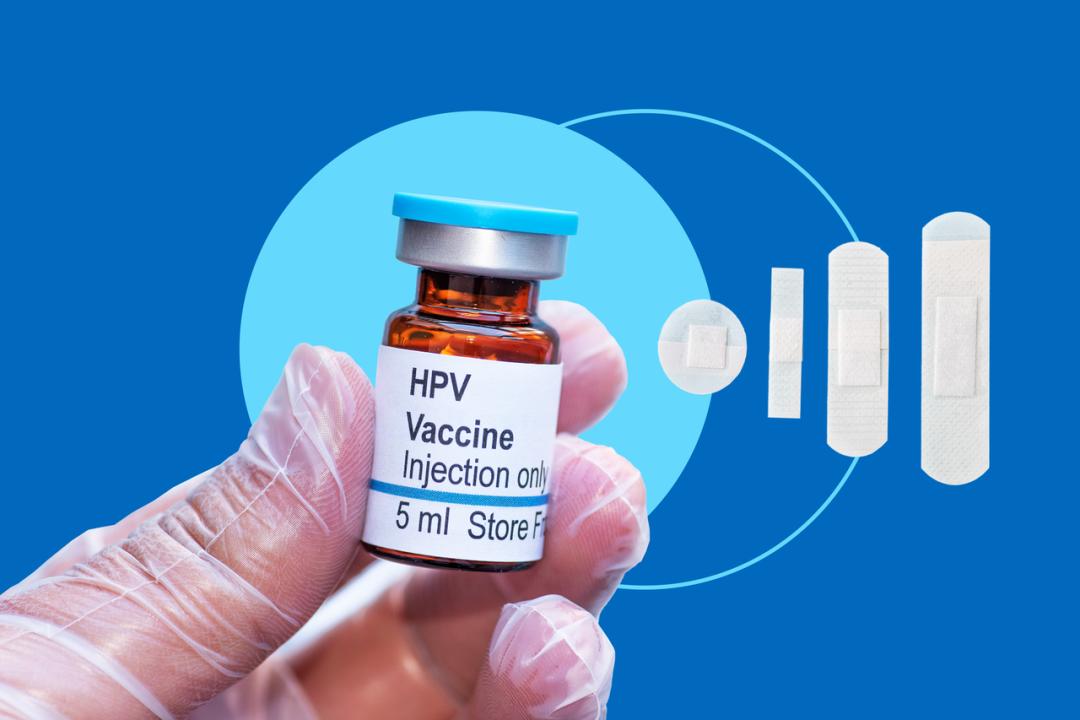
The popularization of medical progress may come faster than we expected. It was only 20 years ago that the world's first HPV vaccine was launched, and now the HPV vaccine has become a "must-get" preventive measure for many people, and even universal basic vaccination has been rolled out in some countries.
Perhaps in 20 years, customizing "cancer vaccines" for every individual will also become a commonplace thing.
This article is from the WeChat official account "ifanr" (ID: ifanr), author: Discover Tomorrow's Products, published with authorization from 36Kr.